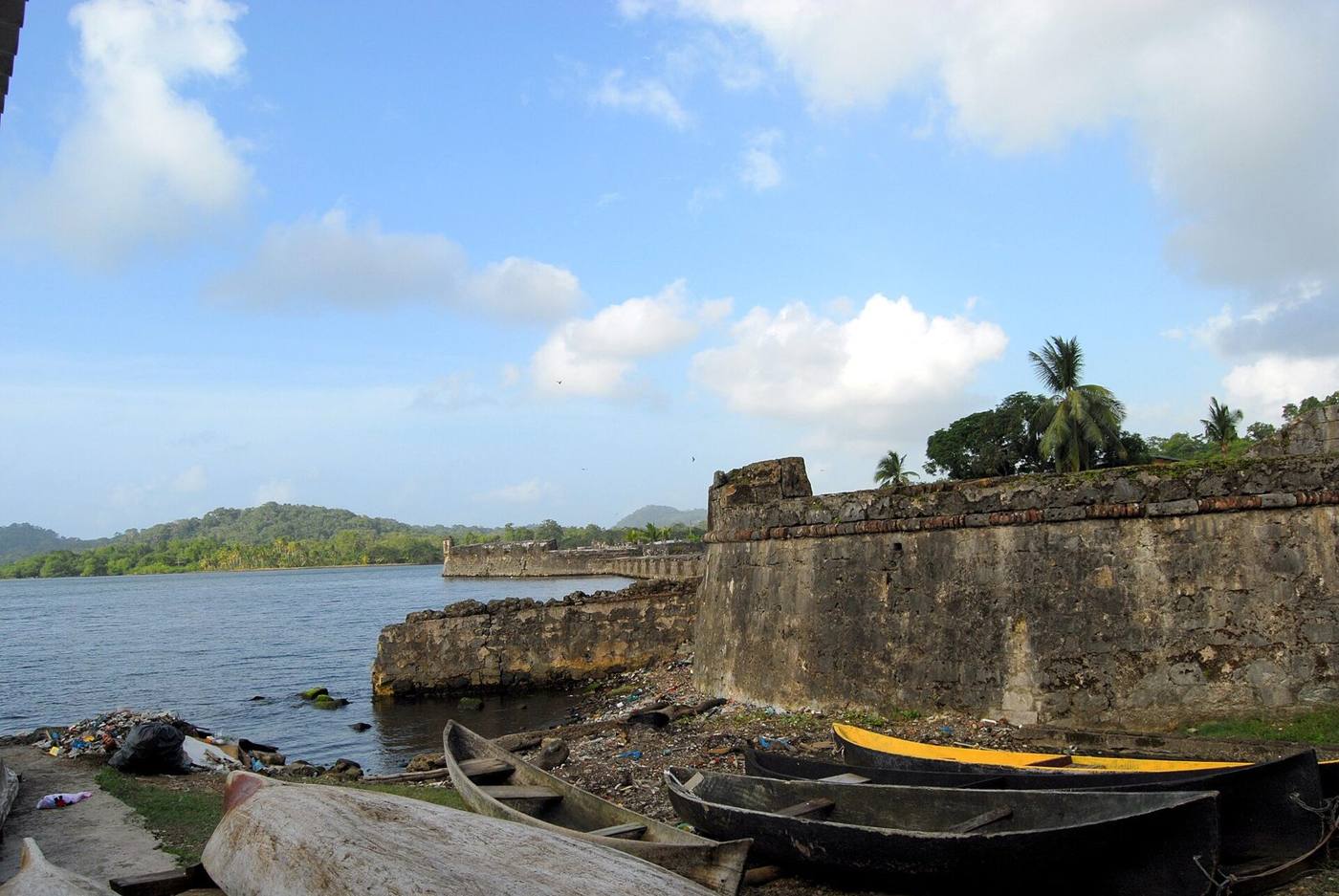
Portobelo and the Caribbean coast
The UNESCO-listed Spanish forts of Portobelo, the Black Christ, Congo culture with its dances and paintings, and the beaches of Isla Grande.
- Panama
- Portobelo
- Isla Grande
Day by day
- Day 1
The forts of Portobelo and Congo culture
This trip takes you in two days to the Caribbean coast north-east of Panama City: Portobelo, the port where Spanish fleets loaded with silver passed for two centuries, with its UNESCO-listed forts, the church of the Black Christ and Congo culture, then the beaches of Isla Grande. You travel by rental car or with a driver.
Before you go: Italian citizens enter Panama with a passport, valid for at least three months from arrival, and a return ticket, without a visa for a tourist stay of up to 90 days. Other nationalities should check their own rules. The United States rates Panama at level 2. Italy's official travel advice warns against non-essential stays in Colón city and against travelling in the evening: the road to Portobelo passes the Sabanitas junction without entering the city.
In the morning, cross the isthmus to the north, then follow the coast road through mangroves, villages and small bays. In about an hour and a half or two you reach Portobelo.
Visit the remains of the Spanish fortifications, Santiago, San Jerónimo and San Fernando, with walls of coral and stone, cannons pointing at the bay and bastions covered in vegetation. Then go into the Real Aduana, the old customs house where treasure leaving for Spain was counted. Check prices and times.
In the afternoon, enter the church of San Felipe, home of the Black Christ, a much-venerated statue of dark wood. Every 21 October thousands of pilgrims arrive on foot, some dressed in purple.
Then discover Congo culture, created by the descendants of Africans who escaped slavery: dances, drums, devil masks and brightly coloured paintings.
In the evening, have fish in coconut and coconut rice.
Overnight in or near Portobelo.
Practical tip: make the journey by day and arrive before sunset, because the coast road has bends, potholes and little lighting.
- Day 2
Isla Grande and the return
Today you spend the day on a small Caribbean island, then return to the capital.
In the morning, drive east along the coast to the village of La Guaira, about half an hour from Portobelo. From here small boats take you in a few minutes to Isla Grande, a green island covered in palms, home to an Afro-Caribbean community. Agree the price of the crossing before you get on.
On the island, walk the path that climbs to the lighthouse at the top of the hill, with views of the sea and the coast. Then go down to the pale sand beaches and snorkel near the shore, among corals, parrotfish and sea urchins. The sea on the sheltered side is usually calm, but after rain the water is less clear.
For lunch, eat fried fish with patacones, slices of green plantain flattened and fried, and drink a fresh fruit juice.
In the early afternoon, take the boat back to La Guaira and drive back to Panama City, about two and a half hours. Leave without rushing, so you reach the city before evening.
In these two days you have seen the Caribbean and Afro-Panamanian side of the country: the Spanish forts of Portobelo, the silver customs house, the Black Christ, Congo culture and the sea of Isla Grande.
When to go: the best months are January to April, with less rain. On this coast it rains a lot even in the dry season. On 21 October there is the festival of the Black Christ, very moving but crowded.
Practical tip: carry cash in small notes, because on Isla Grande and in the coastal villages cards and cash machines are rare.
History and Afro-Caribbean culture an hour and a half from the capital. Pass by Colón without stopping in the city. It rains a lot even in the dry season.
Before you go
- Documents and visa
- Passport valid for at least three months from arrival and a return or onward ticket; no visa is needed for tourism for up to 90 days, with no extension. The customs declaration is filled in online. The air departure tax is usually already included in the ticket.
- Health and vaccines
- On 16 November 2026 the Ministry of Health declared a national malaria alert, with cases also in the Ancón area of Panama City. There is dengue and Zika: use repellent and cover your arms and legs. The yellow fever vaccine is compulsory if you arrive from a country at risk and is recommended for Darién and Guna Yala. Private clinics are good in the capital, limited in the provinces: you need insurance covering medical costs and repatriation. Emergencies: 911.
- Money and payments
- The US dollar is legal tender; the balboa is worth the same as the dollar and exists only as coins. Cards work almost everywhere and there are cash machines in towns; carry cash in small notes for the islands and villages.
- Power sockets
- Types A and B, with flat pins as in the United States, 120 volts: you need an adapter, and check the voltage of your devices.
- Time zone
- UTC-5 all year.
- Safety
- The United States rates Panama at level 2 for crime and protests. Do not travel: Darién south of Jaque, Manené, Yaviza and Lajas Blancas to the Colombian border, and the Caribbean coast of the Mosquito Gulf between Boca del Río Chiriquí and Coclé del Norte. Avoid outlying districts of the capital such as Curundú, El Chorrillo and San Miguelito, and in Colón city avoid non-essential stays and moving around in the evening. Muggings have also been reported in Casco Viejo and Panama Viejo. Currents are strong on Pacific beaches. Official advice: GOV.UK.
Information checked in November 2026 for Italian and EU citizens. Rules change: always check before you travel.
Variations
In one day: go and come back from Panama City just for the forts of Portobelo, the church of the Black Christ and a fish lunch on the bay.
In 5 days: after Portobelo and Isla Grande, return to Panama City and continue for three days to the San Blas islands.
Frequently asked questions
Do you have to go through Colón to reach Portobelo?
No, the road passes the Sabanitas junction without entering Colón city, where Italy's official travel advice warns against non-essential stays. Travel by day.
When is the Black Christ celebrated?
On 21 October, with thousands of pilgrims arriving in Portobelo, many on foot. If you want to go then, book your accommodation well in advance.
What document do I need for Panama?
Italian citizens enter with a passport valid for at least three months from arrival and a return ticket, without a visa for up to 90 days. Other nationalities should check their own rules.
Indicative itinerary written by World Atlas. Before booking, check timetables, seasonal openings, documents and safety.
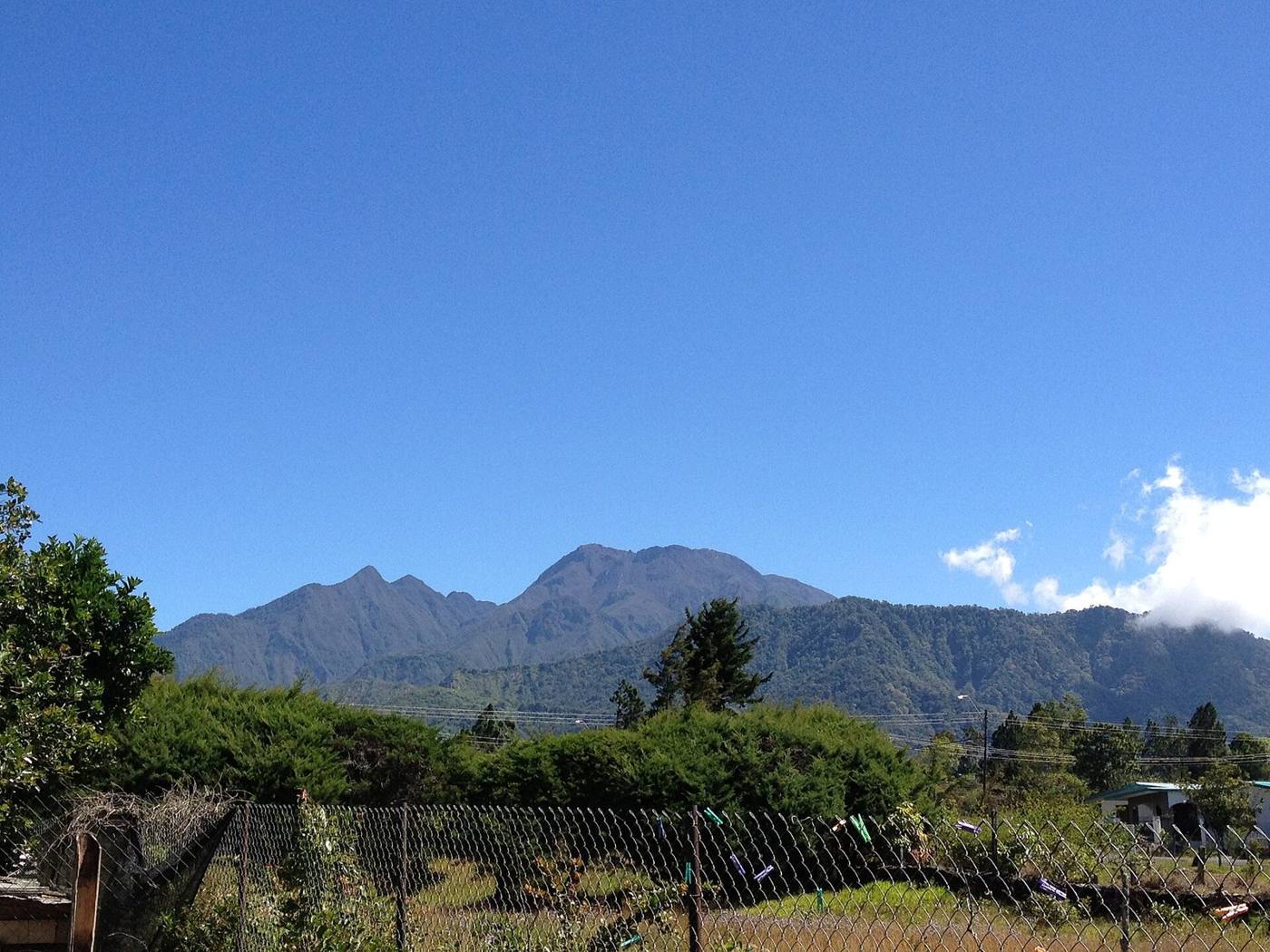 3 daysChallenging
Barú volcano and Cerro Punta
The night climb to Panama's highest summit, 3,474 metres, to see both oceans at dawn, and the farming valley of Cerro Punta with the Quetzal trail.
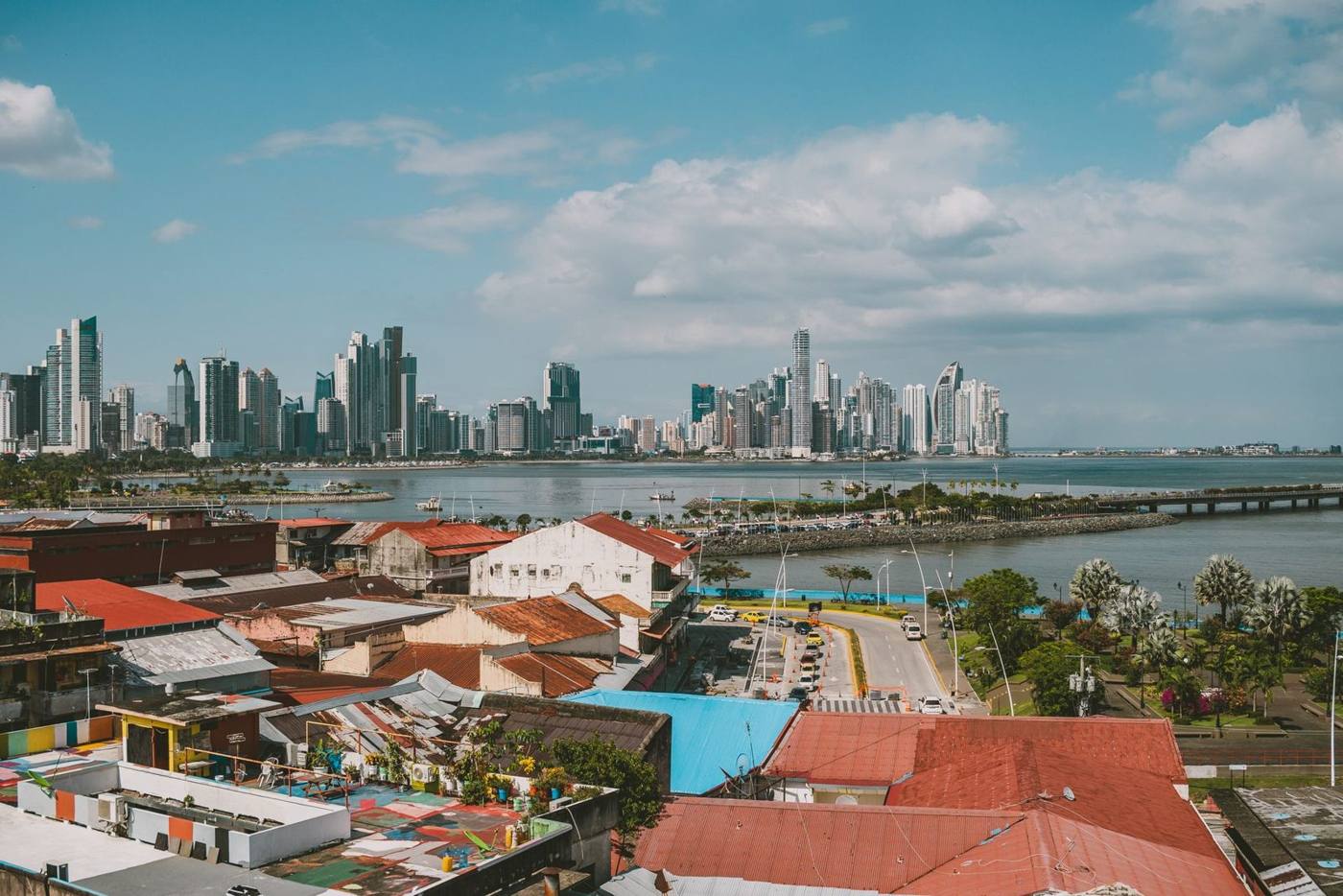 4 daysEasy
Panama City and the Canal
The colonial Casco Viejo, the Miraflores locks with ships in transit, Gehry's Biomuseo and the Soberanía forest along the canal.
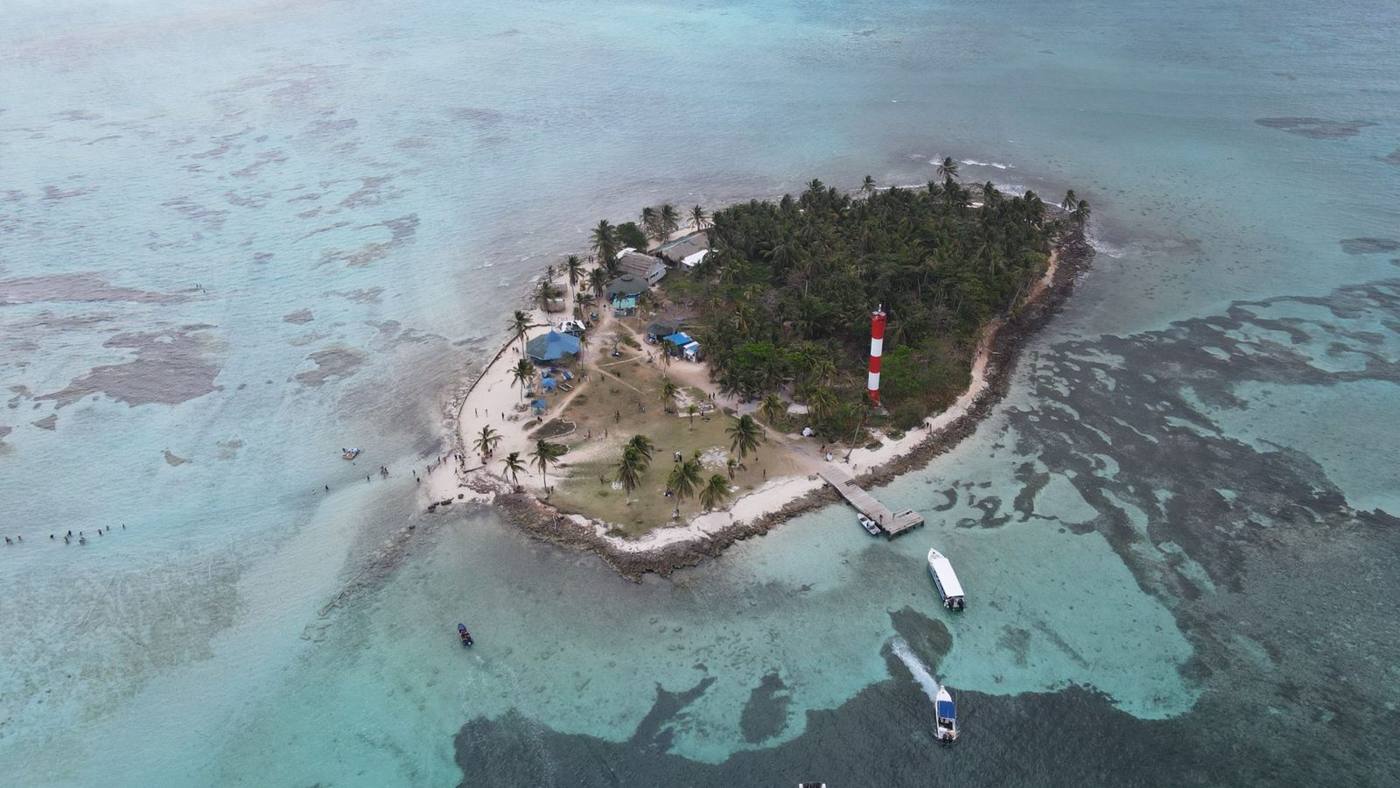 4 daysEasy
San Blas and Guna Yala
The Caribbean islands of the Guna people: white-sand islets with palms, nights in a hut and molas, the traditional textiles.