San Blas and Guna Yala
The Caribbean islands of the Guna people: white-sand islets with palms, nights in a hut and molas, the traditional textiles.
- Panama City
- Carti
- San Blas Islands
- Isla Perro
- Cayos Holandeses
Day by day
- Day 1
By four-wheel drive to Cartí and by boat to the islands
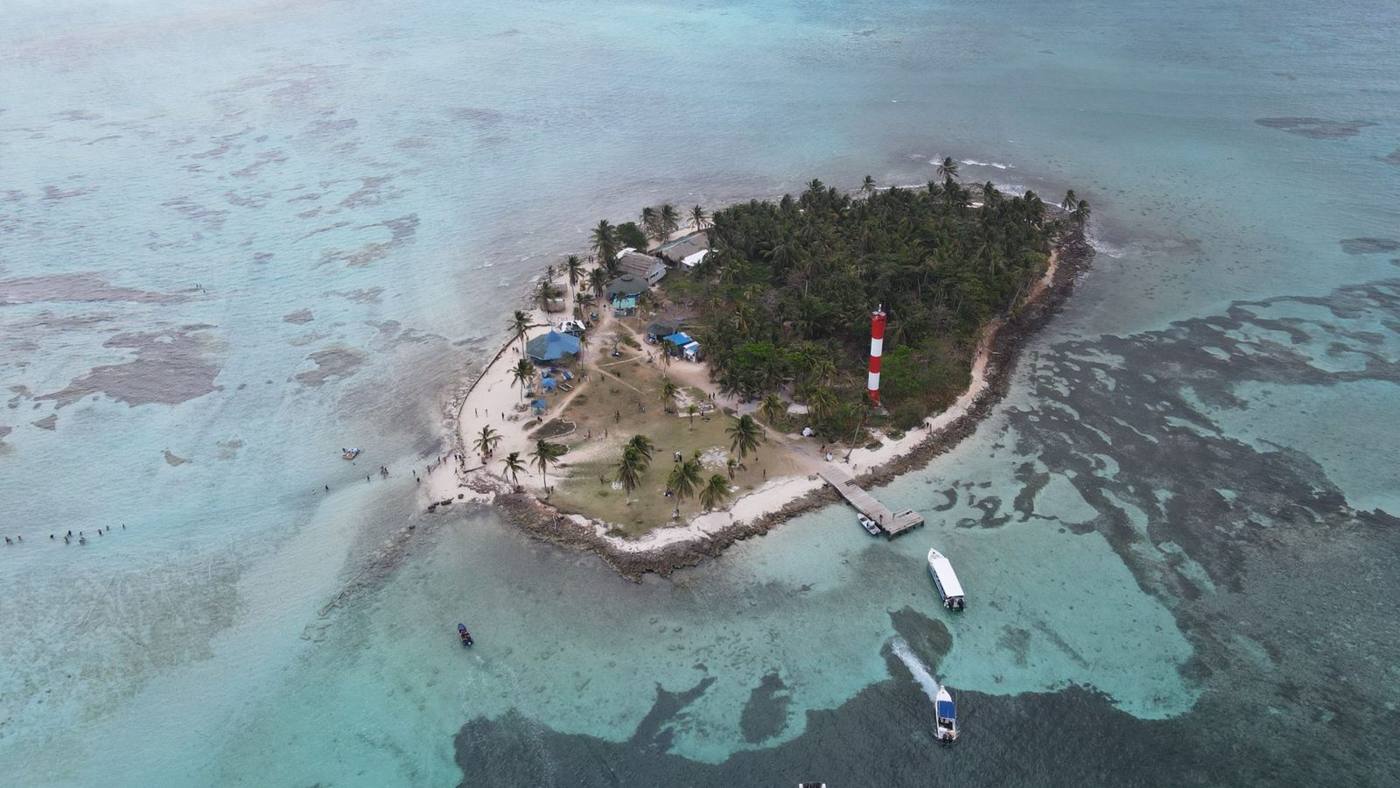
This trip takes you in four days to the San Blas archipelago, on the Caribbean coast, in the autonomous territory of Guna Yala, governed by the Guna people with their own laws and leaders. You see white sand islets with palm trees, sleep in huts and discover molas, the colourful textiles of Guna women.
Before you go: Italian citizens enter Panama with a passport, valid for at least three months from arrival, and a return ticket, without a visa for a tourist stay of up to 90 days. Other nationalities should check their own rules. The United States rates Panama at level 2, with level 4 only in eastern Darién and on a stretch of the Caribbean coast further west, areas this trip does not touch. There are no specific warnings for Guna Yala, but the rules and entry fees are set by the Guna authorities: ask for the current ones before you go. The yellow fever vaccine is recommended for this region.
At dawn, leave Panama City by four-wheel drive. The road climbs into the hills of the cordillera with many bends, through the forest. At the checkpoint at the entrance to the territory, show your passport and pay the Guna fee.
In about three hours you reach the port of Cartí, on the coast. Here you board a motorboat and cross the sea among dozens of islets.
In the afternoon you arrive on the island where you sleep, with cane huts and roofs of palm leaves. Have your first swim in the shallow, clear water.
In the evening, have fish, coconut rice and fried plantain under a sky full of stars.
Overnight in a hut on the islands, for three nights.
Practical tip: bring only a soft backpack, a torch and a power bank, because there is little space on the boats and the huts often have no electricity.
- Day 2
Isla Perro and the wreck
Today you go around the islands by boat, snorkel and enjoy the white beaches of the Caribbean.
In the morning, have breakfast with fruit and fried bread, then leave by boat with your Guna guide. The sea changes colour at every island, from the pale green of the shallows to the dark blue of the channels.
You reach Isla Perro, a small, flat island with palm trees and fine sand. A few metres from the shore, in shallow water, lies a shipwreck covered in coral. With mask and snorkel you swim over the hull, among parrotfish, butterflyfish, small rays and colourful sponges. The Guna often ask for a small fee for each island you visit: keep cash ready.
For lunch, eat fish or lobster, when in season, cooked by Guna families on the beach. Always ask the price before ordering.
In the afternoon, the boat takes you to a sandbank in the middle of the sea, where the water comes up to your waist. On the bottom you see large orange starfish. Look at them without touching them or lifting them out of the water.
At sunset, return to your island and sit on the beach as the sky turns red above the palms.
In the evening, have rice, beans and grilled fish.
Overnight in a hut.
Practical tip: use reef-safe sun cream and wear a T-shirt for snorkelling, because over shallow water the sun burns your back quickly.
- Day 3
A Guna village and the Cayos Holandeses
Today you visit a Guna village and reach the most distant islands of the archipelago.
In the morning, the boat takes you to a Guna village on an island covered in huts built very close together, with narrow sandy lanes. Many families live here, with the school, the congress house where the leaders meet and small shops. The women wear molas on their chests, bands of coloured beads on their arms and legs and a red and yellow scarf over their hair. Always ask before photographing people, and often you have to pay.
Buy a mola directly from the woman who sewed it: they are layered panels of fabric, cut and stitched by hand with designs of animals, plants and geometric shapes.
In the middle of the morning, if the sea is calm, leave for the Cayos Holandeses, a group of islands far from the coast, protected by a coral reef. Here the water is even clearer and the islands are almost empty. Snorkel on the reef among corals, tropical fish and, with luck, turtles.
In strong wind the boats do not go out or stay among the nearer islands: always follow the captain's decision.
In the afternoon, return to your island and rest in a hammock.
In the evening, have fish in coconut and listen to your guide's stories about Guna life.
Overnight in a hut.
Practical tip: carry small notes, because on the islands there are no cash machines or card payments and the Guna rarely have change.
- Day 4
Back to Panama City
Today you leave the islands and return to the capital.
Early in the morning, have a last swim in the calm water near your hut, when the sea is smooth and the light is soft. Then have breakfast and pack your bag.
In the middle of the morning, board the boat for Cartí. With wind, the crossing can be rough and wet: put your phone and documents in a waterproof bag.
At the port of Cartí the four-wheel drive is waiting. The road crosses the forest and the hills of the cordillera again, then drops to the plain and the city. In about three hours you reach Panama City, in the early afternoon.
In these four days you have seen the world of the Guna: white sand islands, the wreck of Isla Perro, the starfish, the Cayos Holandeses, a village with its congress house and molas, and nights in a hut under the stars.
When to go: the best period is December to April, in the dry season, with sunshine and clear water. In these months, though, the wind often blows hard and sometimes the boats cannot go out. From May to November it rains more and the sea is calmer.
Practical tip: respect the Guna rules, which can change: do not leave rubbish on the islands, do not collect shells or coral, dress modestly in the villages and always ask before taking photos.
Postcard scenery in an autonomous territory run by the Guna. Lodging is very simple, often without electricity. There is an entry fee, and photos of people must always be asked for, often for a fee.
Before you go
- Documents and visa
- Passport valid for at least three months from arrival and a return or onward ticket; no visa is needed for tourism for up to 90 days, with no extension. The customs declaration is filled in online. The air departure tax is usually already included in the ticket.
- Health and vaccines
- On 16 November 2026 the Ministry of Health declared a national malaria alert, with cases also in the Ancón area of Panama City. There is dengue and Zika: use repellent and cover your arms and legs. The yellow fever vaccine is compulsory if you arrive from a country at risk and is recommended for Darién and Guna Yala. Private clinics are good in the capital, limited in the provinces: you need insurance covering medical costs and repatriation. Emergencies: 911.
- Money and payments
- The US dollar is legal tender; the balboa is worth the same as the dollar and exists only as coins. Cards work almost everywhere and there are cash machines in towns; carry cash in small notes for the islands and villages.
- Power sockets
- Types A and B, with flat pins as in the United States, 120 volts: you need an adapter, and check the voltage of your devices.
- Time zone
- UTC-5 all year.
- Safety
- The United States rates Panama at level 2 for crime and protests. Do not travel: Darién south of Jaque, Manené, Yaviza and Lajas Blancas to the Colombian border, and the Caribbean coast of the Mosquito Gulf between Boca del Río Chiriquí and Coclé del Norte. Avoid outlying districts of the capital such as Curundú, El Chorrillo and San Miguelito, and in Colón city avoid non-essential stays and moving around in the evening. Muggings have also been reported in Casco Viejo and Panama Viejo. Currents are strong on Pacific beaches. Official advice: GOV.UK.
Information checked in November 2026 for Italian and EU citizens. Rules change: always check before you travel.
Variations
In 2 days: four-wheel drive to Cartí, one night in a hut on an island near the coast and return the next day.
In 6 days: add two nights in the Cayos Holandeses or on an island further from the coast, where fewer visitors arrive.
Frequently asked questions
How much does it cost to enter Guna Yala?
You pay an entry fee for the territory and often small fees for each island. They are set by the Guna authorities and change: ask for the current amounts before leaving and carry cash.
Do the boats always run?
No, in strong wind boats can be suspended or stay near the coast. Keep a spare day before your flight home.
What document do I need for Panama?
Italian citizens enter with a passport valid for at least three months from arrival and a return ticket, without a visa for up to 90 days. Other nationalities should check their own rules.
Indicative itinerary written by World Atlas. Before booking, check timetables, seasonal openings, documents and safety.
 7 daysEasy
Boquete and Bocas del Toro
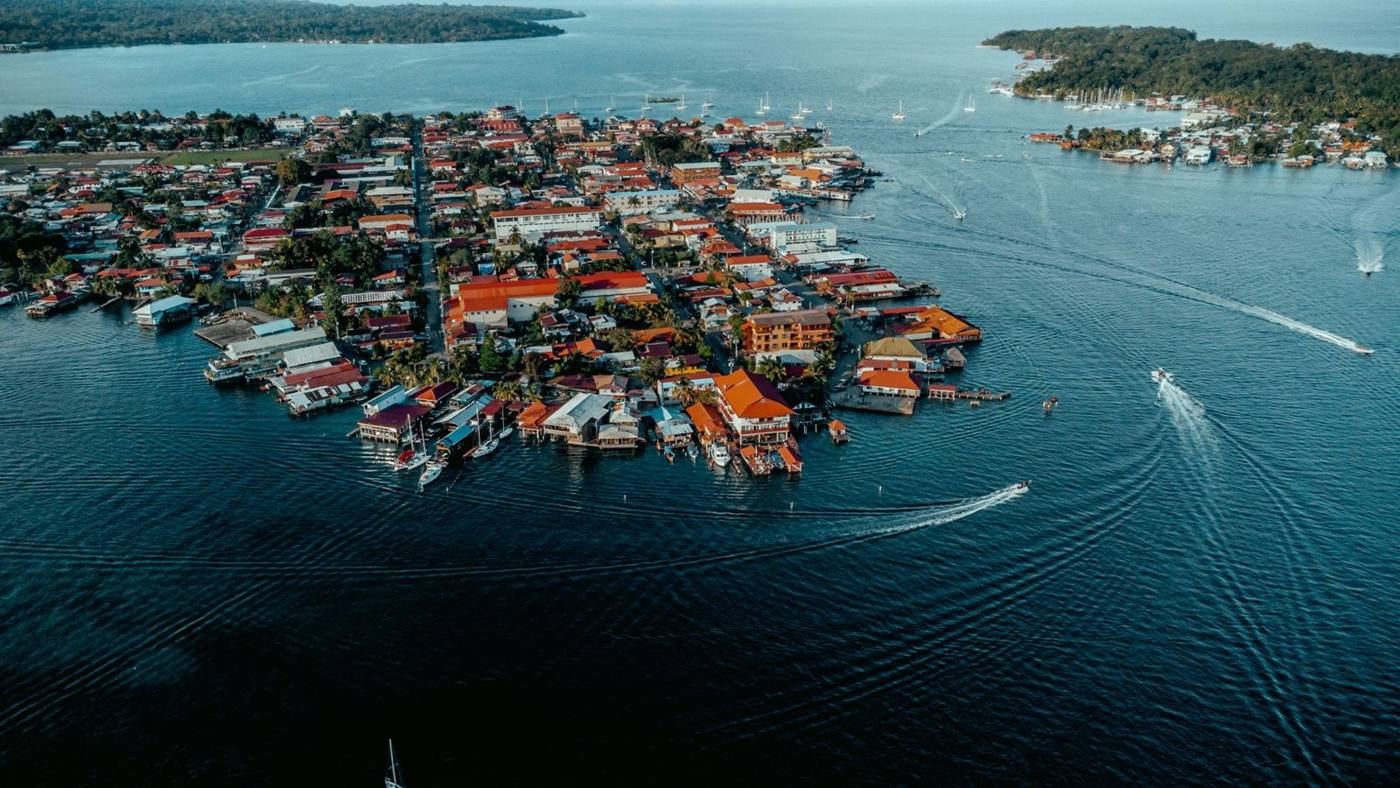
Boquete's Geisha coffee farms, Barú volcano, the Quetzal trail and the Caribbean islands of Bocas del Toro.
 2 daysEasy
El Valle de Antón
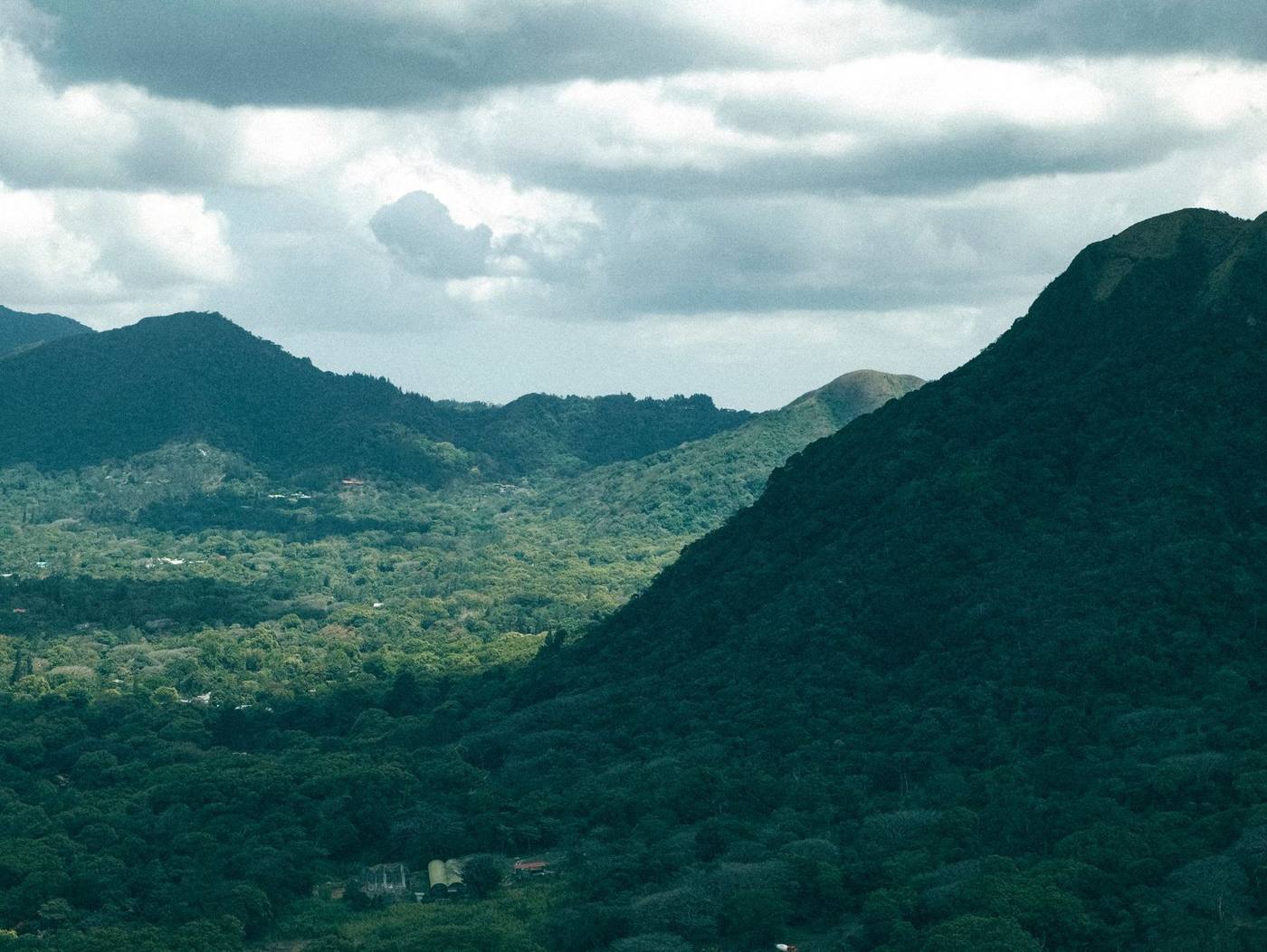
A town inside an ancient volcanic crater, cool and green, with the India Dormida hike, waterfalls, hot springs and the Sunday market.
 4 daysModerate
Coiba
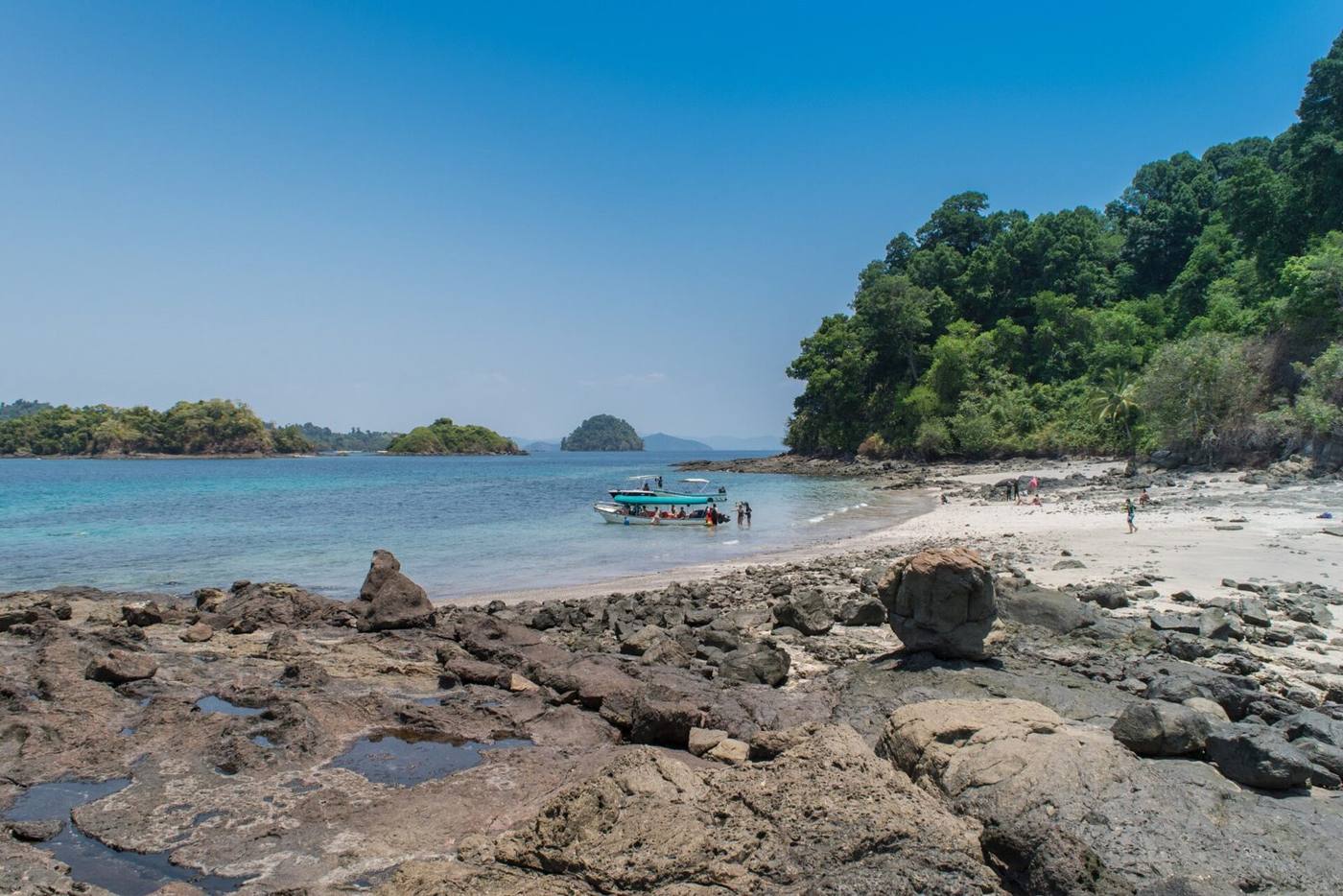
The UNESCO-listed Pacific island national park, a former penal colony, with dives among sharks, mantas and turtles, and deserted beaches in the forest.