Coiba
The UNESCO-listed Pacific island national park, a former penal colony, with dives among sharks, mantas and turtles, and deserted beaches in the forest.
- Santa Catalina
- Coiba
Day by day
- Day 1
Arrival in Santa Catalina
This trip takes you in four days to Coiba National Park, a UNESCO World Heritage Site since 2005, one of the richest seas of the American Pacific, with sharks, mantas, turtles and huge shoals of fish. The base is Santa Catalina, a village on the Veraguas coast, where boats leave every morning for diving and snorkelling.
Before you go: Italian citizens enter Panama with a passport, valid for at least three months from arrival, and a return ticket, without a visa for a tourist stay of up to 90 days. Other nationalities should check their own rules. The United States rates Panama at level 2, with level 4 only in eastern Darién and on a stretch of the Caribbean coast, areas this trip does not touch. Access to Coiba and the park rules are set by MiAmbiente, the environment ministry: ask for the current rules before you go.
From Panama City, follow the Pan-American Highway west to Santiago, then go down to Soná and on to the sea, about six hours in all. Take out cash in Soná for the whole trip.
In the afternoon, settle in Santa Catalina and stop at the dive centre you have chosen to show your certificate, try the equipment and check the programme. Choose a boat licensed by the park, with life jackets and a radio.
Then walk to Estero beach, the village's long beach of dark sand, and watch the surfers on the waves.
In the evening, have an early dinner of grilled fish, coconut rice and patacones.
Overnight in Santa Catalina, for three nights.
Practical tip: if you suffer from seasickness, take a remedy before the crossing, because the journey to Coiba is long and the sea can be rough.
- Day 2
First dives in Coiba park
Today you enter Coiba National Park and make your first dives or snorkel among the islands.
Early in the morning, leave the village by boat. The crossing usually takes between one hour and an hour and a half, depending on the sea. During the journey, watch the water: you often see dolphins swimming near the boat and seabirds fishing.
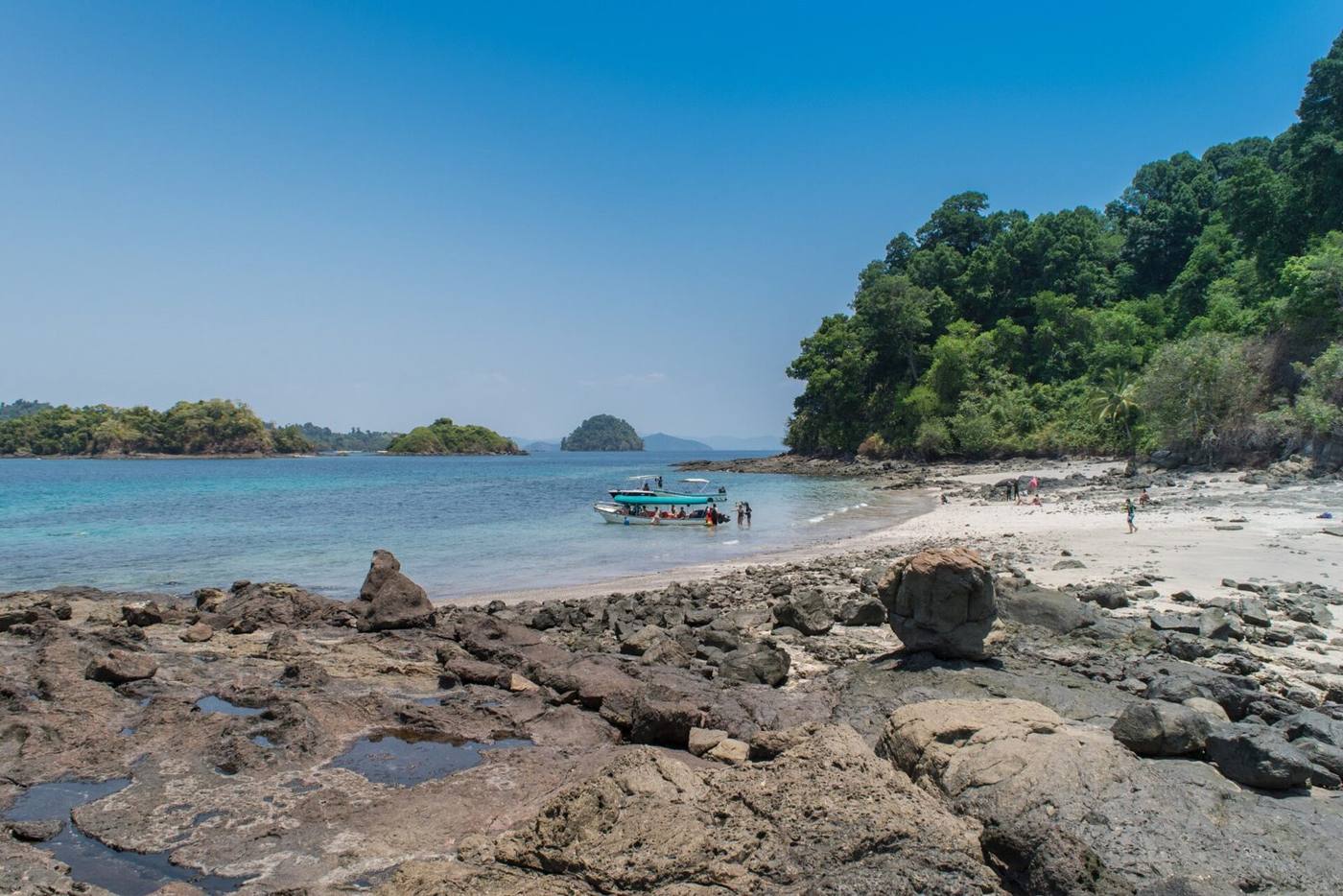
You arrive off Coiba island, the largest in the Central American Pacific, covered by dense forest that runs down to the sea. For most of the twentieth century it was a penal colony, closed in 2004. That isolation is exactly what protected the forest and the sea around it.
Make two or three dives or snorkelling sessions at different sites. On the rocky seabed you see whitetip reef sharks resting on the bottom, rays, moray eels, angelfish and shoals of jacks and barracuda. With luck you meet mantas, sea turtles and, in some months, whale sharks.
Around midday, stop on one of the park's beaches for a packed lunch. At the ranger post, pay the park entrance and follow the rangers' rules. Check prices and times.
In the afternoon, return to Santa Catalina, tired and salty.
In the evening, have corvina ceviche and tropical fruit.
Overnight in Santa Catalina.
Practical tip: bring a light jacket for the boat, because on the way back, wet and in the wind, you feel the cold even in the tropics.
- Day 3
Sharks, islets and forest
Today you return to the park for another day at sea, with dives at more distant sites or a snorkelling trip among the islets.
In the morning, leave again at dawn. The dive sites change according to the currents and visibility, so follow your guide's advice. At sites with current you see more large fish: groups of whitetip reef sharks, sometimes hammerheads in deeper water, groupers and tuna. The currents can be strong, though: always stay close to your buddy.
If you snorkel, the boat takes you to Granito de Oro, a tiny islet of white sand with palm trees, where in shallow water you swim among turtles, surgeonfish, parrotfish and small sharks.
Around midday, if the park rules allow, take a short walk in Coiba's forest near the ranger station. Look for howler monkeys, coatis and the large red parrots, the macaws, which still live in the wild here.
From June to October, on the way back, look for humpback whales, which come to these waters to give birth. The boat must always keep its distance from the animals.
In the afternoon, return to Santa Catalina and rest on the beach.
In the evening, have seafood rice.
Overnight in Santa Catalina.
Practical tip: after your last dive, wait at least 18 hours before flying, so plan tomorrow's return by car or bus.
- Day 4
The return
Today you leave the Pacific coast and head back to Panama City.
In the morning, take a walk on Estero beach or a quiet swim, with no diving. Then have breakfast in the village with fresh fruit and a Panamanian coffee.
In the middle of the morning, leave for Soná and Santiago. If you travel by bus, check the times the day before, because there are few services from Santa Catalina. Stop in Santiago for lunch, with a plate of chicken, rice and beans.
In the afternoon, continue on the Pan-American Highway to Panama City, arriving before evening. Do not drive at night outside towns.
In these four days you have seen one of the richest seas of the Pacific: the wild islands of Coiba National Park, whitetip reef sharks, turtles, shoals of fish, the islet of Granito de Oro, the forest of the former penal colony and the sunsets of Santa Catalina.
When to go: the best period is December to April, in the dry season, with calmer seas and more sun. From June to October humpback whales arrive, but it rains often and underwater visibility can be lower. The crossings are long and the sea can be rough in any season.
Practical tip: before leaving for Coiba, check that your travel insurance covers diving and medical costs, because the park is far from hospitals and treatment for diving accidents is expensive.
One of the richest seas on the Pacific coast of the Americas. Boat crossings are long and the sea can be rough. Choose operators licensed by the park.
Before you go
- Documents and visa
- Passport valid for at least three months from arrival and a return or onward ticket; no visa is needed for tourism for up to 90 days, with no extension. The customs declaration is filled in online. The air departure tax is usually already included in the ticket.
- Health and vaccines
- On 16 November 2026 the Ministry of Health declared a national malaria alert, with cases also in the Ancón area of Panama City. There is dengue and Zika: use repellent and cover your arms and legs. The yellow fever vaccine is compulsory if you arrive from a country at risk and is recommended for Darién and Guna Yala. Private clinics are good in the capital, limited in the provinces: you need insurance covering medical costs and repatriation. Emergencies: 911.
- Money and payments
- The US dollar is legal tender; the balboa is worth the same as the dollar and exists only as coins. Cards work almost everywhere and there are cash machines in towns; carry cash in small notes for the islands and villages.
- Power sockets
- Types A and B, with flat pins as in the United States, 120 volts: you need an adapter, and check the voltage of your devices.
- Time zone
- UTC-5 all year.
- Safety
- The United States rates Panama at level 2 for crime and protests. Do not travel: Darién south of Jaque, Manené, Yaviza and Lajas Blancas to the Colombian border, and the Caribbean coast of the Mosquito Gulf between Boca del Río Chiriquí and Coclé del Norte. Avoid outlying districts of the capital such as Curundú, El Chorrillo and San Miguelito, and in Colón city avoid non-essential stays and moving around in the evening. Muggings have also been reported in Casco Viejo and Panama Viejo. Currents are strong on Pacific beaches. Official advice: GOV.UK.
Information checked in November 2026 for Italian and EU citizens. Rules change: always check before you travel.
Variations
In 3 days: arrive in Santa Catalina, spend just one full day by boat in Coiba park and return.
In 7 days: after Coiba, stay in Santa Catalina for two days of surfing and continue to El Valle de Antón on the way back.
Frequently asked questions
Do I need a diving certificate to see the sea at Coiba?
For diving, yes, or you can take a course. Many sites, such as Granito de Oro, are also good for snorkelling.
Who sets the rules for Coiba park?
MiAmbiente, Panama's environment ministry, which manages access and entry to the park. Choose boats licensed by the park and ask for the current rules.
What document do I need for Panama?
Italian citizens enter with a passport valid for at least three months from arrival and a return ticket, without a visa for up to 90 days. Other nationalities should check their own rules.
Indicative itinerary written by World Atlas. Before booking, check timetables, seasonal openings, documents and safety.
 3 daysEasy
The Pearl Islands
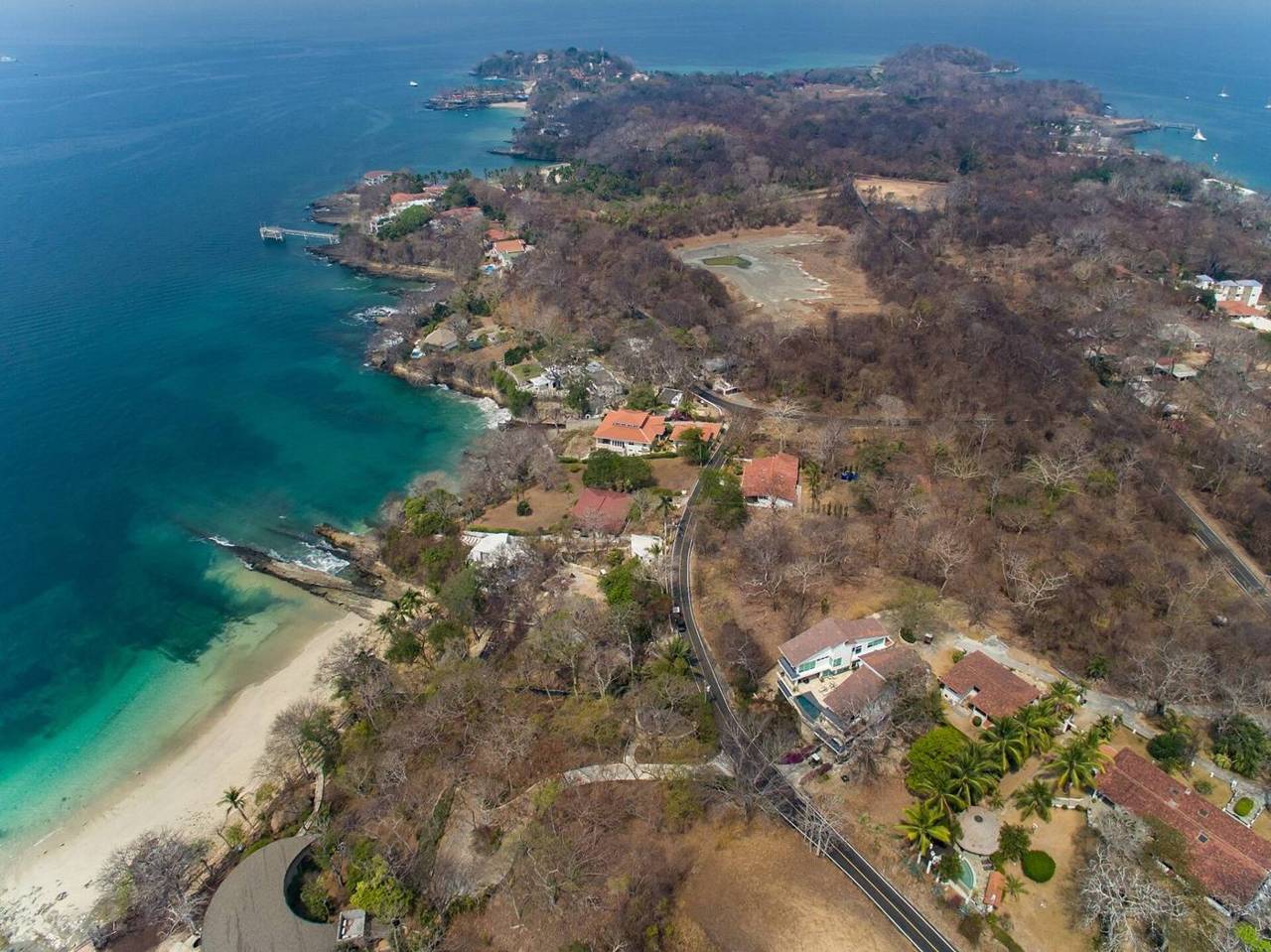
The archipelago in the Gulf of Panama an hour and a half by ferry: Contadora, the beaches of Saboga and Mogo Mogo, and humpback whales in the southern winter.
 4 daysEasy
The Azuero Peninsula
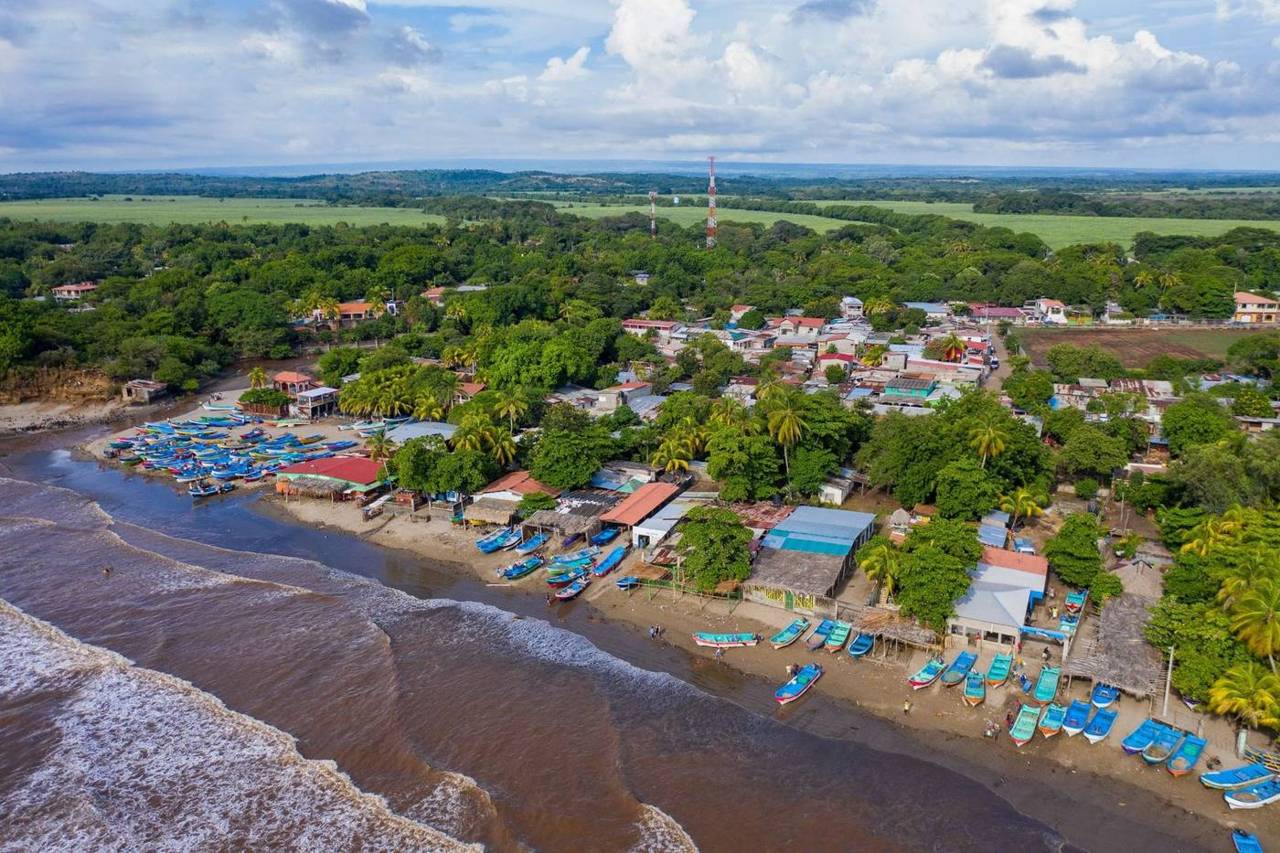
The heart of Panamanian tradition: the masks and festivals of Las Tablas and Chitré, the embroidered pollera dress, Pedasí and Iguana Island with its reef.
 3 daysEasy
Santa Catalina
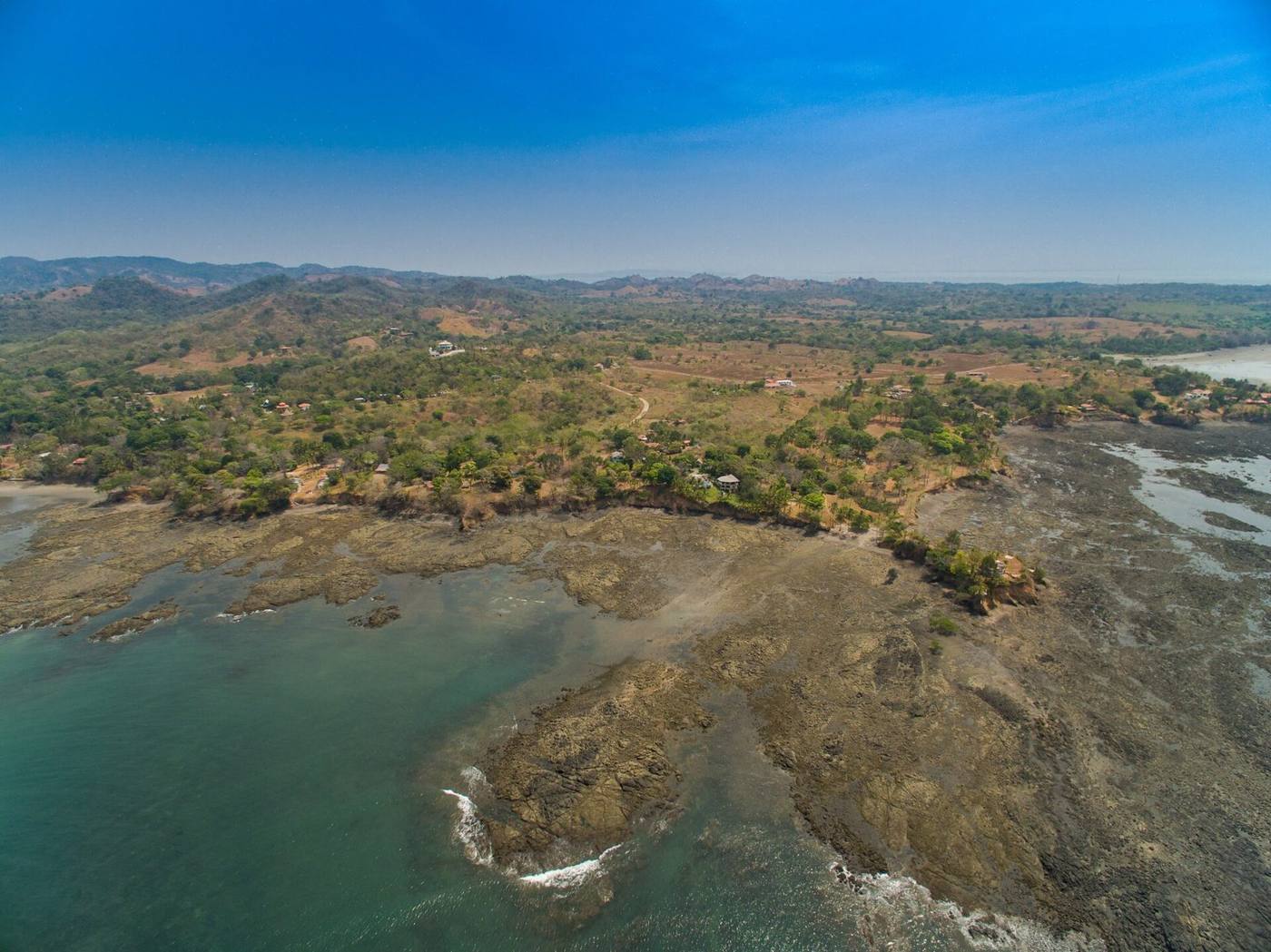
The surf village on the Pacific coast, with famous waves, Estero beach, sunsets and boats leaving for Coiba.