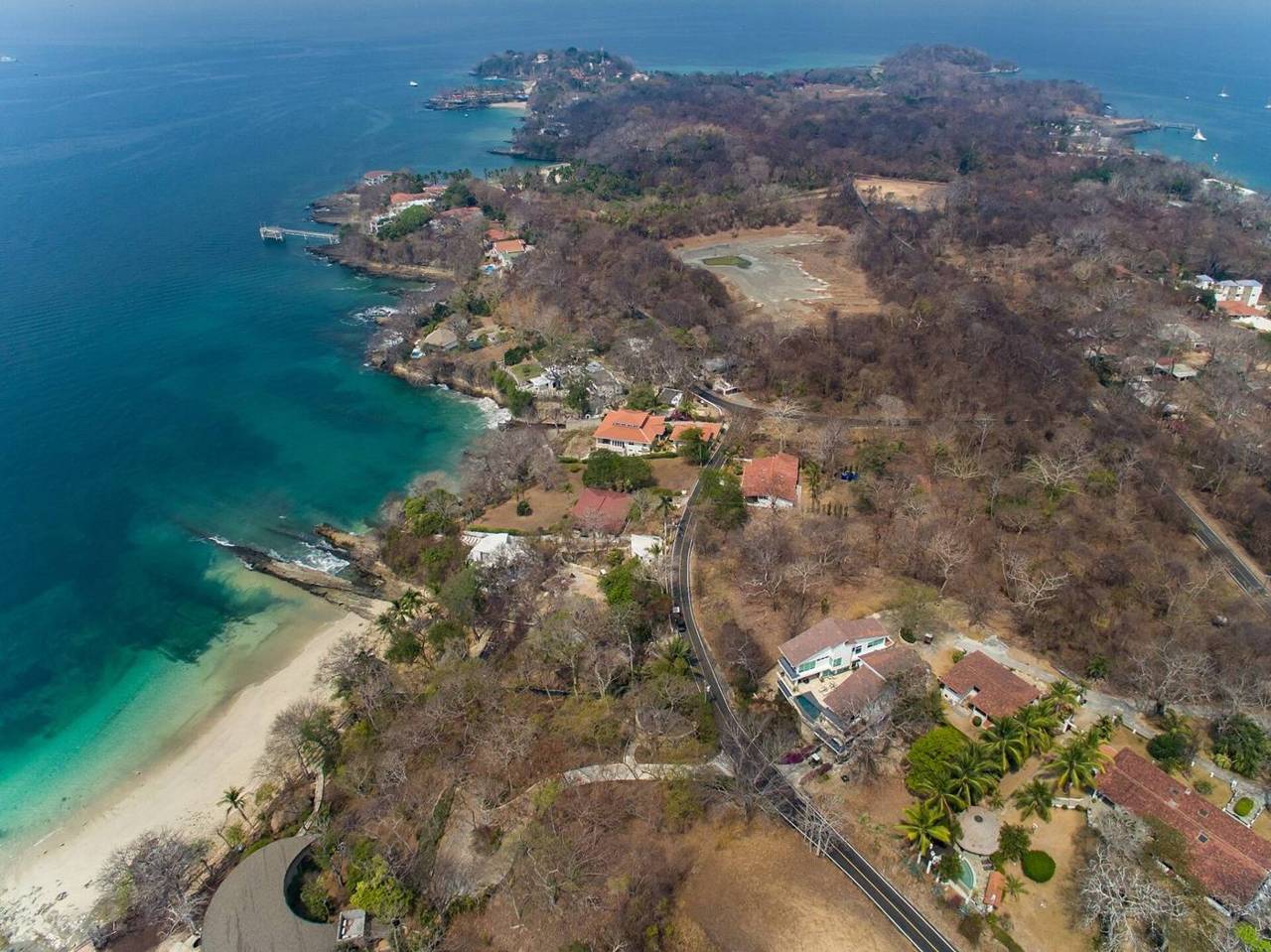
The Pearl Islands
The archipelago in the Gulf of Panama an hour and a half by ferry: Contadora, the beaches of Saboga and Mogo Mogo, and humpback whales in the southern winter.
- Panama
- Contadora
- Mogo Mogo
Day by day
- Day 1
The ferry to Contadora
This trip takes you in three days to the Pearl Islands archipelago, in the Gulf of Panama, the easiest sea escape from the capital: the island of Contadora, the beaches of nearby islands such as Mogo Mogo and Saboga and, in the southern winter, humpback whales. You travel by ferry and small boats.
Before you go: Italian citizens enter Panama with a passport, valid for at least three months from arrival, and a return ticket, without a visa for a tourist stay of up to 90 days. Other nationalities should check their own rules. The United States rates Panama at level 2, with level 4 only in eastern Darién and on a stretch of the Caribbean coast, areas this trip does not touch.
Early in the morning, go to the ferry terminal on the Calzada de Amador, the causeway at the entrance to the Canal. The ferry does not leave every day, so book ahead. During the crossing, about an hour and a half, you see ships waiting to enter the Canal and the city skyline slipping away.
You reach Contadora, a small island with narrow roads, villas among the trees and an airstrip in the middle. According to tradition, the name comes from the fact that pearls fished in the archipelago were counted here. These waters also produced La Peregrina, one of the most famous pearls in history.
In the afternoon, walk or hire a small electric vehicle and tour the island's beaches. Snorkel near the shore among tropical fish and corals.
In the evening, have corvina ceviche, fish marinated in lime with onion and coriander.
Overnight on Contadora, for two nights.
Practical tip: bring the cash you need, because there are few cash machines on the island and they do not always work.
- Day 2
By boat among the islands
Today you explore the islands near Contadora by boat, with empty beaches and clear water.
In the morning, leave on a small boat from the island's harbour. The first stop is often Mogo Mogo, an uninhabited island with a white sand beach between two green hills, also used as the set of a famous television programme. Swim and walk on the beach, where at times you are alone.
Then pass close to rocky islets where pelicans and frigatebirds nest, the large black birds with forked tails. If the sea is calm, stop to snorkel in a sheltered bay: you see parrotfish, rays and, with luck, small turtles.
Around midday you reach Saboga, an island with a fishing village, colourful houses, a church and a long beach. Here you can eat freshly caught fish with rice and patacones.
From July to October, on the way back, look for humpback whales, which come to the Gulf of Panama from the southern hemisphere to give birth and feed their calves. You often see them blow and leap out of the water. With a motorboat, always keep your distance from the animals.
In the afternoon, return to Contadora and rest on the beach near your accommodation.
In the evening, have seafood rice and a tropical fruit juice.
Overnight on Contadora.
Practical tip: before leaving, agree the price, length and islands of the trip, and ask for life jackets for everyone on board.
- Day 3
The last morning and the return
Today you spend your last morning on the island and return to Panama City.
Early in the morning, take a walk along the island's coast, when the light is soft and the beach is empty. Look for crabs among the rocks, herons on the shore and pelicans diving into the sea to fish.
Then have a last swim in the calm water of one of the bays. If you have brought a mask and snorkel, swim along the rocks, where there are more fish.
Around midday, pack your bag and eat something light near the harbour, such as grilled fish with fruit salad.
In the early afternoon, take the ferry back to the Calzada de Amador. Alternatively there are small flights between Contadora and the capital, faster but more expensive. Back in the city, if you have time, walk along the Calzada at sunset, with views of the skyline and the ships.
In these three days you have seen the Gulf of Panama from the sea: Contadora and its bays, the empty beaches of Mogo Mogo, the seabirds, the village of Saboga and, if it was the season, humpback whales.
When to go: the best period for the sea is December to April, in the dry season, with calmer water and clear skies. From July to October the whales arrive, but it rains more often. Contadora is peaceful, but some places are a little dated.
Practical tip: check the times of the return ferry the day before, because in rough seas departures can change or be cancelled.
The easiest beaches near the capital. Contadora is quiet but a bit dated. The ferry is not daily: check schedules.
Before you go
- Documents and visa
- Passport valid for at least three months from arrival and a return or onward ticket; no visa is needed for tourism for up to 90 days, with no extension. The customs declaration is filled in online. The air departure tax is usually already included in the ticket.
- Health and vaccines
- On 16 November 2026 the Ministry of Health declared a national malaria alert, with cases also in the Ancón area of Panama City. There is dengue and Zika: use repellent and cover your arms and legs. The yellow fever vaccine is compulsory if you arrive from a country at risk and is recommended for Darién and Guna Yala. Private clinics are good in the capital, limited in the provinces: you need insurance covering medical costs and repatriation. Emergencies: 911.
- Money and payments
- The US dollar is legal tender; the balboa is worth the same as the dollar and exists only as coins. Cards work almost everywhere and there are cash machines in towns; carry cash in small notes for the islands and villages.
- Power sockets
- Types A and B, with flat pins as in the United States, 120 volts: you need an adapter, and check the voltage of your devices.
- Time zone
- UTC-5 all year.
- Safety
- The United States rates Panama at level 2 for crime and protests. Do not travel: Darién south of Jaque, Manené, Yaviza and Lajas Blancas to the Colombian border, and the Caribbean coast of the Mosquito Gulf between Boca del Río Chiriquí and Coclé del Norte. Avoid outlying districts of the capital such as Curundú, El Chorrillo and San Miguelito, and in Colón city avoid non-essential stays and moving around in the evening. Muggings have also been reported in Casco Viejo and Panama Viejo. Currents are strong on Pacific beaches. Official advice: GOV.UK.
Information checked in November 2026 for Italian and EU citizens. Rules change: always check before you travel.
Variations
In 2 days: ferry to Contadora in the morning, a boat trip to Mogo Mogo in the afternoon and return the next day.
In 5 days: add two days in Panama City with Casco Viejo and the Miraflores locks on the Canal.
Frequently asked questions
Does the ferry to Contadora run every day?
No, it is not daily. Check the times and book ahead, especially at weekends and on public holidays.
When can you see whales in the Pearl Islands?
Humpback whales usually arrive in the Gulf of Panama from July to October, during the southern winter.
What document do I need for Panama?
Italian citizens enter with a passport valid for at least three months from arrival and a return ticket, without a visa for up to 90 days. Other nationalities should check their own rules.
Indicative itinerary written by World Atlas. Before booking, check timetables, seasonal openings, documents and safety.
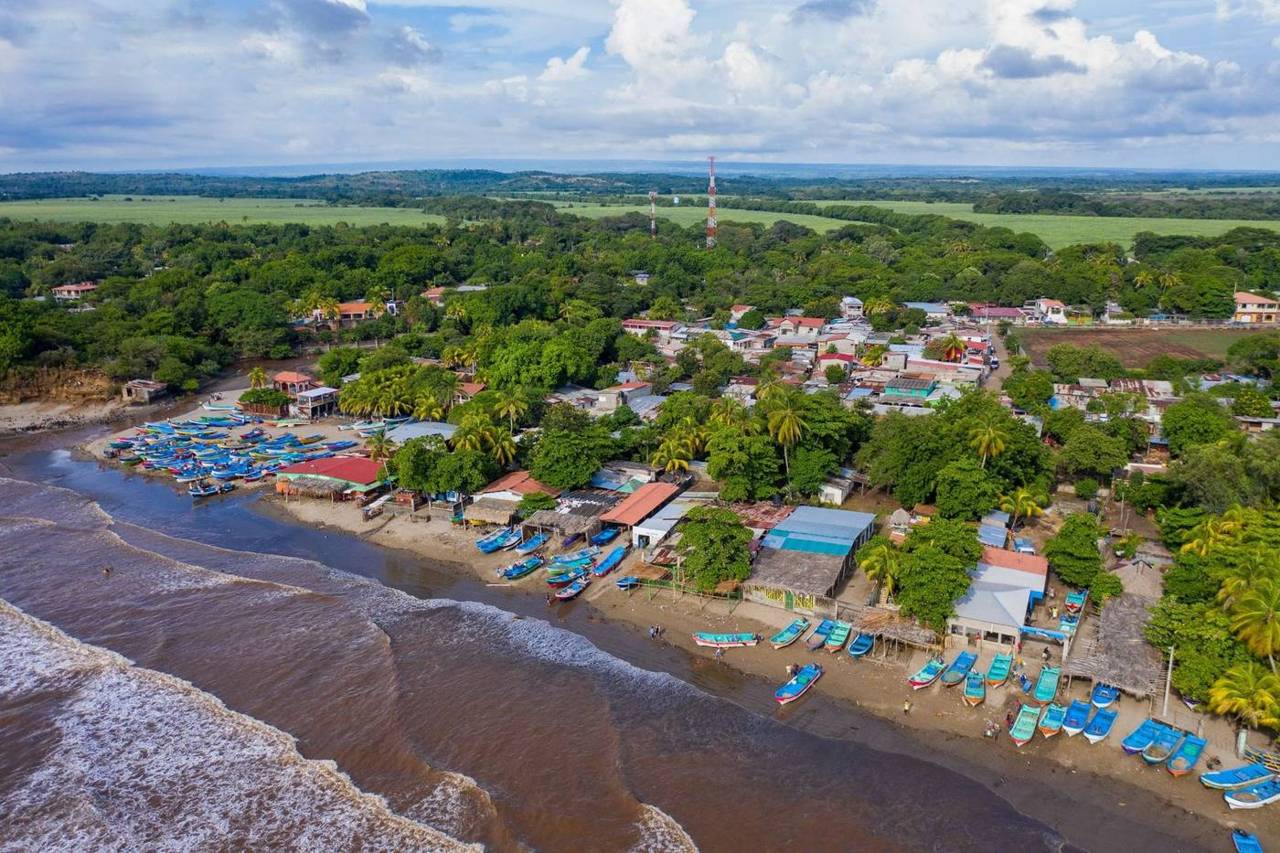 4 daysEasy
The Azuero Peninsula
The heart of Panamanian tradition: the masks and festivals of Las Tablas and Chitré, the embroidered pollera dress, Pedasí and Iguana Island with its reef.
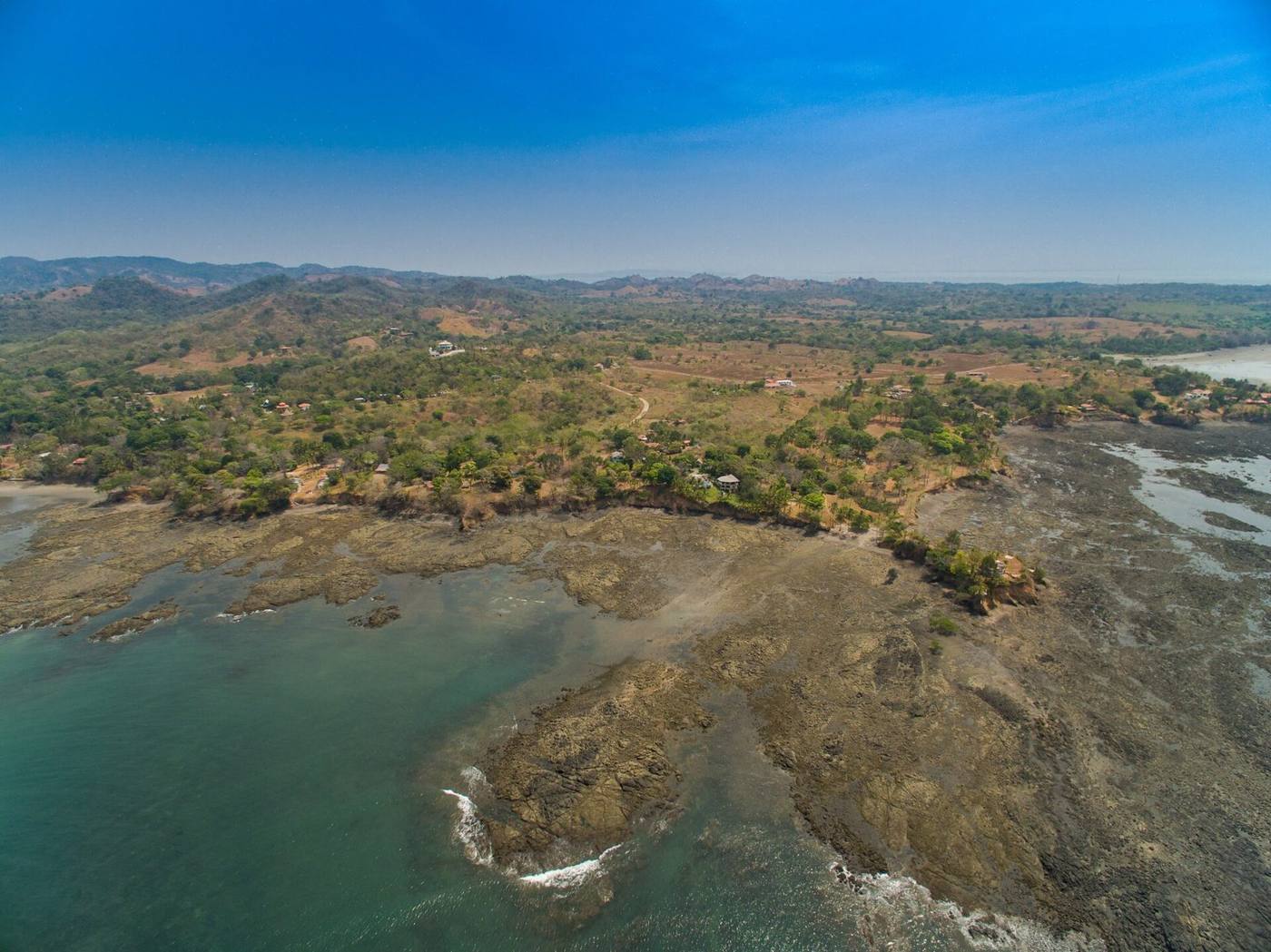 3 daysEasy
Santa Catalina
The surf village on the Pacific coast, with famous waves, Estero beach, sunsets and boats leaving for Coiba.
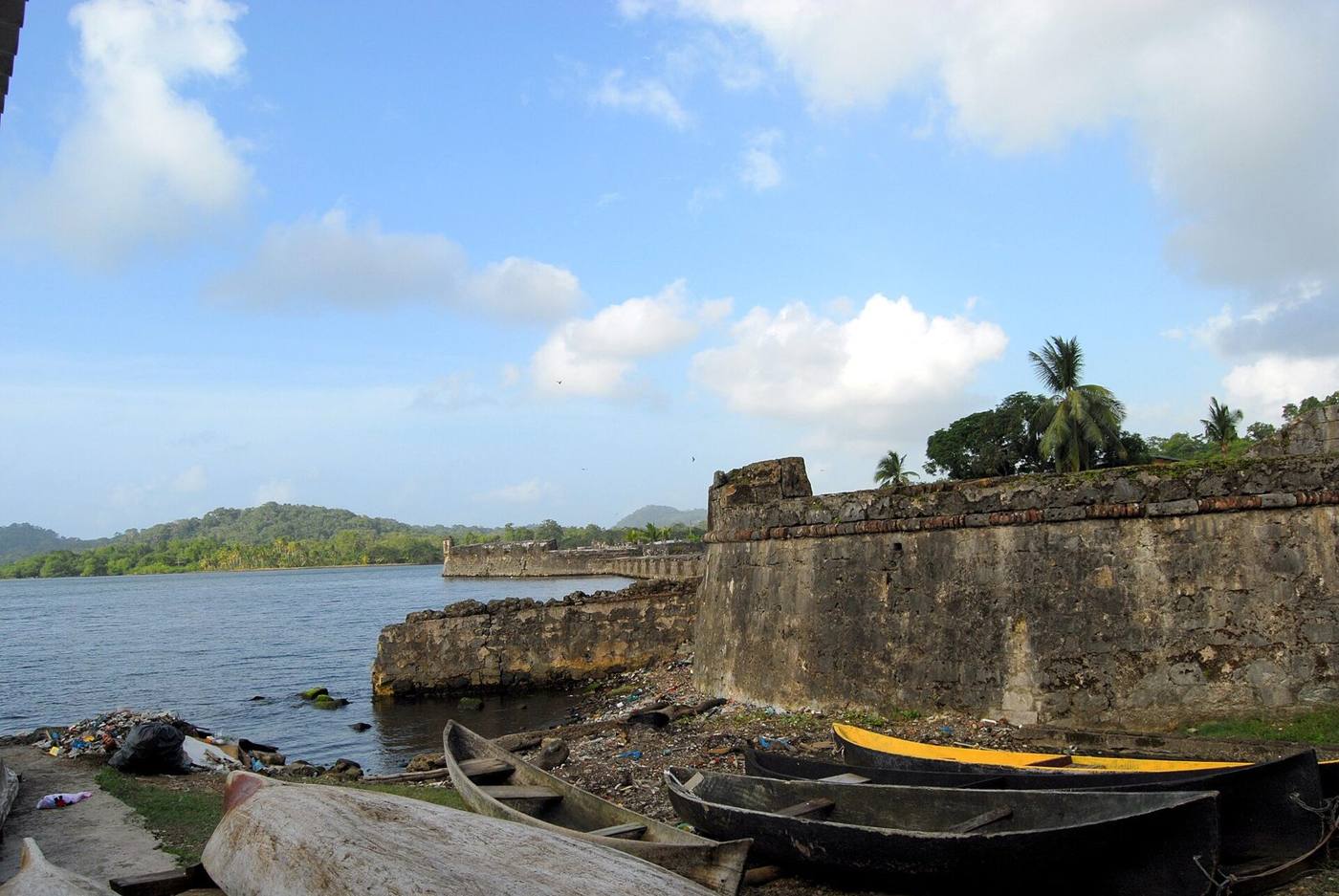 2 daysEasy
Portobelo and the Caribbean coast
The UNESCO-listed Spanish forts of Portobelo, the Black Christ, Congo culture with its dances and paintings, and the beaches of Isla Grande.