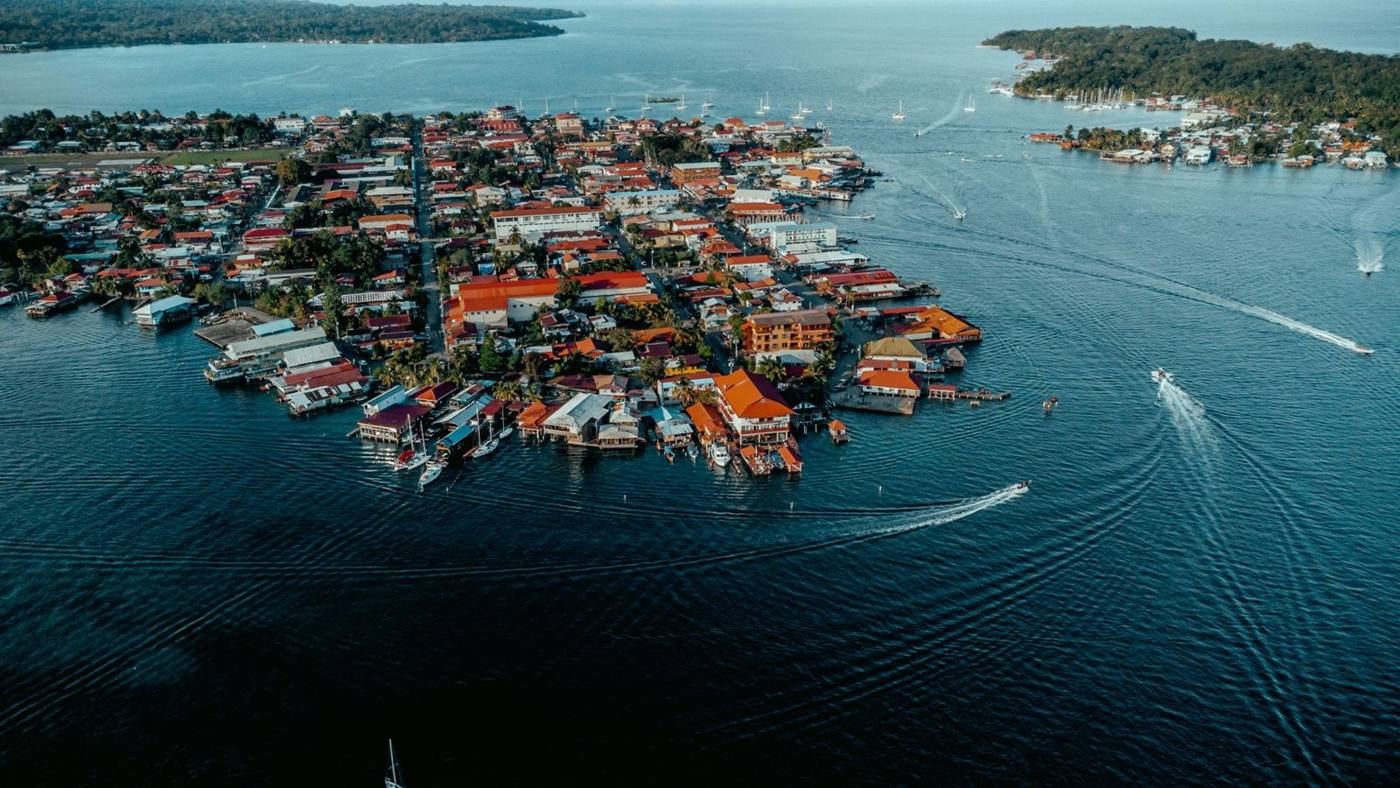
Boquete and Bocas del Toro
Boquete's Geisha coffee farms, Barú volcano, the Quetzal trail and the Caribbean islands of Bocas del Toro.
- David
- Boquete
- Barú Volcano
- Bocas Town
- Isla Bastimentos
- Cayos Zapatilla
Day by day
- Day 1
The flight to David and the road to Boquete
This trip combines in seven days the mountains and the sea of western Panama: Boquete, with its Geisha coffee plantations, Volcán Barú and the Quetzal trail, then the Caribbean islands of Bocas del Toro, with Bastimentos, the Cayos Zapatilla and the starfish beach. You travel by plane, shuttle and boat.
Before you go: Italian citizens enter Panama with a passport, valid for at least three months from arrival, and a return ticket, without a visa for a tourist stay of up to 90 days. Other nationalities should check their own rules. The United States rates Panama at level 2, with level 4 only in eastern Darién and on the Caribbean coast of the Mosquito Gulf, east of the Chiriquí lagoon, areas this trip does not touch.
In the morning, take the flight from Panama City to David, the capital of Chiriquí province, about an hour. On arrival, continue north by car or shuttle: the road climbs for about an hour through pastures and hills to Boquete, a mountain town at more than a thousand metres, in the valley of the Caldera river, at the foot of Volcán Barú.
In the afternoon, walk around the centre, among the square, the flowering gardens and the bridges over the river. The air is cool and the bajareque often arrives, a very fine rain carried by the wind, which makes rainbows over the valley.
In the evening, have mountain trout or a vegetable soup.
Overnight in Boquete, for three nights.
Practical tip: bring a light waterproof jacket and a jumper, because evenings in Boquete are cool and the bajareque soaks you even when the sun is out.
- Day 2
A coffee farm
Today you discover Boquete coffee, one of the most famous and expensive in the world.
In the morning, visit a coffee farm on the hills around town, with a guide. You walk between rows of coffee plants in the shade of tall trees, on steep slopes of volcanic soil. Here they grow mainly arabica, and in particular the Geisha variety, born in Ethiopia and made famous in Panama for its aroma of flowers and fruit. At international auctions Panamanian Geisha reaches very high prices.
The guide explains the whole journey of the coffee: hand-picking the red cherries, separating the beans, fermentation, drying in the sun and roasting. During the harvest, usually from November to March, you see Ngäbe pickers, the indigenous people of the region, working among the plants with baskets tied to their waists.
At the end of the visit, taste several coffees prepared with different methods and notice how the flavour changes. Check prices and times.
In the afternoon, walk along the Caldera river or visit the town's flower gardens. In January Boquete holds its flower and coffee fair.
In the evening, have a plate of chicken, rice and beans and a dessert with local coffee.
Overnight in Boquete.
Practical tip: if you want to take coffee home, buy whole beans directly at the farm, check the roasting date and ask for a bag with a valve.
- Day 3
The Quetzal trail or the summit of Barú
Today you choose between two mountain days, depending on your fitness: the Quetzal trail in the cloud forest or the night climb of Volcán Barú.
If you choose the Quetzal trail, set off early in the morning from the trailhead above Boquete, in Volcán Barú National Park. Walk with a guide through the forest, among trees covered in moss, giant ferns, orchids and streams. Look for the resplendent quetzal, with bright green feathers, a red breast and a long tail, seen more often in the dry season. Before leaving, ask the rangers whether the trail is open, because after heavy rain it sometimes closes for landslides.
If you choose Barú, set off around midnight with a guide. The climb on the stony track usually takes between six and eight hours. At dawn, from the summit at 3,474 metres, with a clear sky you see the Pacific and the Caribbean. At the top it is very cold, close to zero.
For both walks, pay the park entrance and check prices and times with MiAmbiente, the environment ministry.
In the afternoon, rest in Boquete. If you walked all night, sleep for a few hours.
In the evening, have an early dinner with a hot soup.
Overnight in Boquete.
Practical tip: for Barú carry three litres of water, a warm jacket, gloves and a headtorch with spare batteries; for the Quetzal trail, binoculars and waterproof shoes.
- Day 4
From the mountains to the Caribbean: Bocas Town
Today you leave the mountains and go down to the Caribbean Sea, to the Bocas del Toro archipelago.
In the morning, leave Boquete by shuttle or car. The road crosses the central cordillera, climbs through forests and clouds, passes a large reservoir and then descends the other side towards the Caribbean coast. In about four hours you reach Almirante, the port on the mainland.
From here a water taxi takes you in about half an hour to Bocas Town, the main town of the archipelago, on Isla Colón. The crossing passes islands covered in mangroves and forest.
In the afternoon, walk around Bocas Town, with its colourful wooden houses on stilts, jetties over the sea, bicycles and Caribbean music. Many residents are descended from workers who came from the Caribbean islands for the banana plantations, and you still hear a Creole English spoken.
At sunset, sit on a jetty and watch the boats coming home and the sky turning orange above the islands.
In the evening, have rondón, the Caribbean soup of fish and coconut milk, or grilled fish with coconut rice.
Overnight in Bocas Town, for three nights.
Practical tip: in Bocas Town, do not leave phones and bags unattended on the beach or the jetties, and in the evening go back to your accommodation by taxi or in a group.
- Day 5
Isla Bastimentos
Today you explore Isla Bastimentos, the large green island opposite Bocas Town, with an Afro-Caribbean village and wild beaches.
In the morning, take a water taxi to Old Bank, the island's main village, a few minutes by boat. Walk along the concrete path among colourful wooden houses, gardens and fishing boats. The residents also speak Guari-Guari, a local Creole language.
Then follow the forest path that crosses the island to Wizard Beach, a long wild beach on the open sea, with strong waves. Along the way, among the wet leaves, look for the tiny red poison frogs, the symbol of the island. Look at them without touching them.
At midday, continue on foot or by boat to Red Frog Beach, a bay with pale sand and forest behind it. Here you can have lunch of fried fish and patacones at a stall on the sand, in the shade of the palms.
In the afternoon, swim only in the most sheltered stretches, because on north-facing beaches the currents can be dangerous and there is often no lifeguard.
Before sunset, return to Bocas Town by water taxi.
In the evening, have fish in coconut, fried plantain and a passion fruit juice.
Overnight in Bocas Town.
Practical tip: always agree the price and the return time with the boatman before leaving, and save his phone number.
- Day 6
The Cayos Zapatilla and the starfish beach
Today you spend the day by boat among the most beautiful islands of the archipelago.
In the morning, leave on a boat trip. The first stop is often a lagoon among the mangroves, home to bottlenose dolphins: with luck you see them swimming near the boat. Ask the boatman to turn off the engine and not to chase them.
Then you reach the Cayos Zapatilla, two small uninhabited islands inside Isla Bastimentos National Marine Park, with white sand, palm trees and turquoise water. Sea turtles come here to lay their eggs. At the park entrance, pay the fee and follow the rangers' rules. Check prices and times. Snorkel on the coral reef around the islands, among corals, parrotfish, surgeonfish and rays.
In the afternoon, head back towards Isla Colón and go to Starfish Beach, near Boca del Drago. In the shallow, calm water you see dozens of large orange starfish on the sandy bottom. Do not touch them or lift them out of the water: they die within minutes.
At sunset, return to Bocas Town by boat or bus.
In the evening, have lobster, when in season, or a plate of prawns in coconut.
Overnight in Bocas Town.
Practical tip: even in the dry season it often rains in Bocas, so put your phone in a waterproof pouch and carry a dry spare T-shirt.
- Day 7
The flight to Panama City
Today you leave Bocas del Toro and fly to the capital.
In the morning, take a last walk along the Bocas Town seafront or a last swim near town. Have breakfast with coconut bread, a Caribbean speciality, and tropical fruit.
Then go to the small Bocas del Toro airport, a few minutes from the centre, and take the flight to Panama City, about an hour. From the plane you see the islands, the mangroves, the cordillera and then the Canal with ships waiting.
On arrival, if you have time before your international flight, stop at Casco Viejo or the Cinta Costera.
In these seven days you have seen the cool mountains and the Caribbean sea of Panama: Boquete and the bajareque, the Geisha coffee plantations, the forest of the Quetzal trail or dawn on Barú, Bocas Town and its stilt houses, Old Bank and the red frogs of Bastimentos, the Cayos Zapatilla and the starfish beach.
When to go: the best period for Boquete is December to April, in the dry season, with more clear skies on Barú. In Bocas del Toro it rains even in the dry season; September and October are often among the driest months, with the calmest sea. In January Boquete holds its flower and coffee fair.
Practical tip: on Panama's domestic flights the baggage allowance is often small, so check the weight of your bag before leaving and keep the coffee you bought in Boquete in your hand luggage.
Cool mountains and Caribbean sea in one trip. Bocas del Toro gets rain even in the dry season. The Barú climb is long, 6-8 hours at night, to see both oceans at dawn if the sky is clear.
Before you go
- Documents and visa
- Passport valid for at least three months from arrival and a return or onward ticket; no visa is needed for tourism for up to 90 days, with no extension. The customs declaration is filled in online. The air departure tax is usually already included in the ticket.
- Health and vaccines
- On 16 November 2026 the Ministry of Health declared a national malaria alert, with cases also in the Ancón area of Panama City. There is dengue and Zika: use repellent and cover your arms and legs. The yellow fever vaccine is compulsory if you arrive from a country at risk and is recommended for Darién and Guna Yala. Private clinics are good in the capital, limited in the provinces: you need insurance covering medical costs and repatriation. Emergencies: 911.
- Money and payments
- The US dollar is legal tender; the balboa is worth the same as the dollar and exists only as coins. Cards work almost everywhere and there are cash machines in towns; carry cash in small notes for the islands and villages.
- Power sockets
- Types A and B, with flat pins as in the United States, 120 volts: you need an adapter, and check the voltage of your devices.
- Time zone
- UTC-5 all year.
- Safety
- The United States rates Panama at level 2 for crime and protests. Do not travel: Darién south of Jaque, Manené, Yaviza and Lajas Blancas to the Colombian border, and the Caribbean coast of the Mosquito Gulf between Boca del Río Chiriquí and Coclé del Norte. Avoid outlying districts of the capital such as Curundú, El Chorrillo and San Miguelito, and in Colón city avoid non-essential stays and moving around in the evening. Muggings have also been reported in Casco Viejo and Panama Viejo. Currents are strong on Pacific beaches. Official advice: GOV.UK.
Information checked in November 2026 for Italian and EU citizens. Rules change: always check before you travel.
Variations
In 5 days: two days in Boquete with the coffee farm and the Quetzal trail, then two days in Bocas del Toro and the flight back.
In 9 days: add two days in the Cerro Punta valley after Boquete, or two more nights in Bocas del Toro on a quiet island.
Frequently asked questions
Is the Quetzal trail or the Barú climb better?
The Quetzal trail suits almost everyone and is done by day. The Barú climb takes six to eight hours at night, it is cold at the top and it is for fit hikers, always with a guide.
How do you get from Boquete to Bocas del Toro?
By shuttle or car to Almirante, about four hours across the cordillera, then by water taxi to Bocas Town, about half an hour.
What document do I need for Panama?
Italian citizens enter with a passport valid for at least three months from arrival and a return ticket, without a visa for up to 90 days. Other nationalities should check their own rules.
Indicative itinerary written by World Atlas. Before booking, check timetables, seasonal openings, documents and safety.
 2 daysEasy
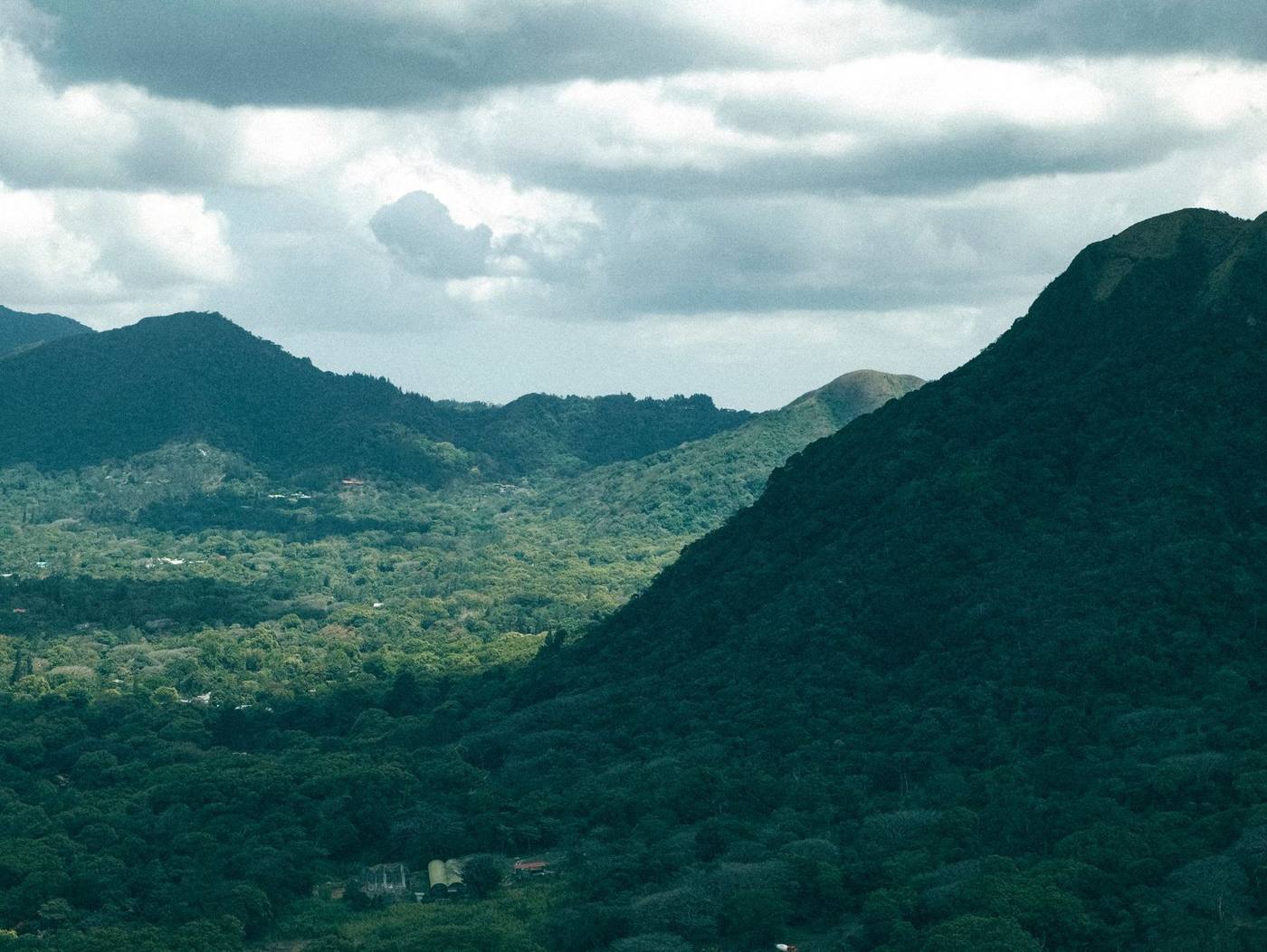
El Valle de Antón
A town inside an ancient volcanic crater, cool and green, with the India Dormida hike, waterfalls, hot springs and the Sunday market.
 4 daysModerate
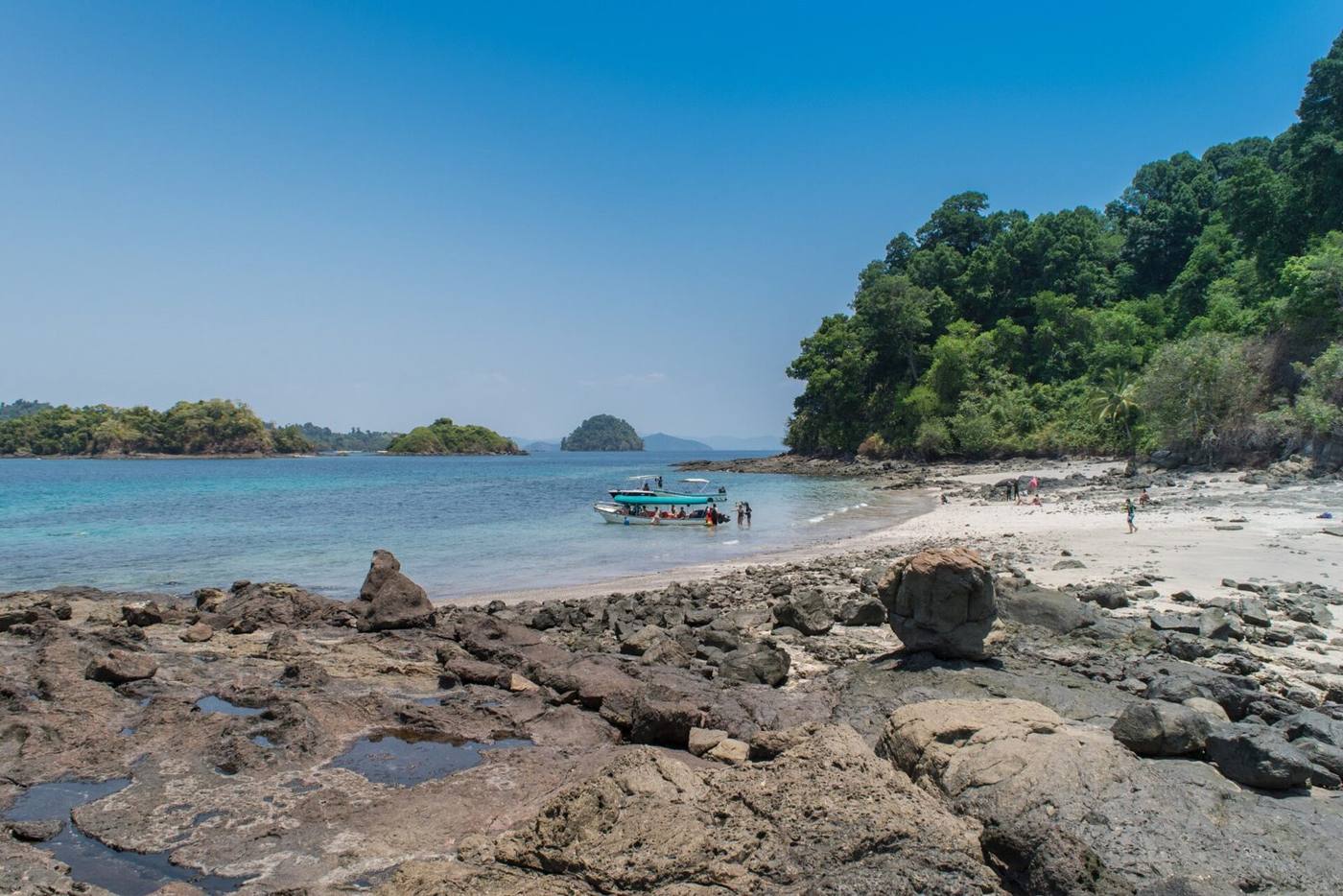
Coiba
The UNESCO-listed Pacific island national park, a former penal colony, with dives among sharks, mantas and turtles, and deserted beaches in the forest.
 3 daysEasy
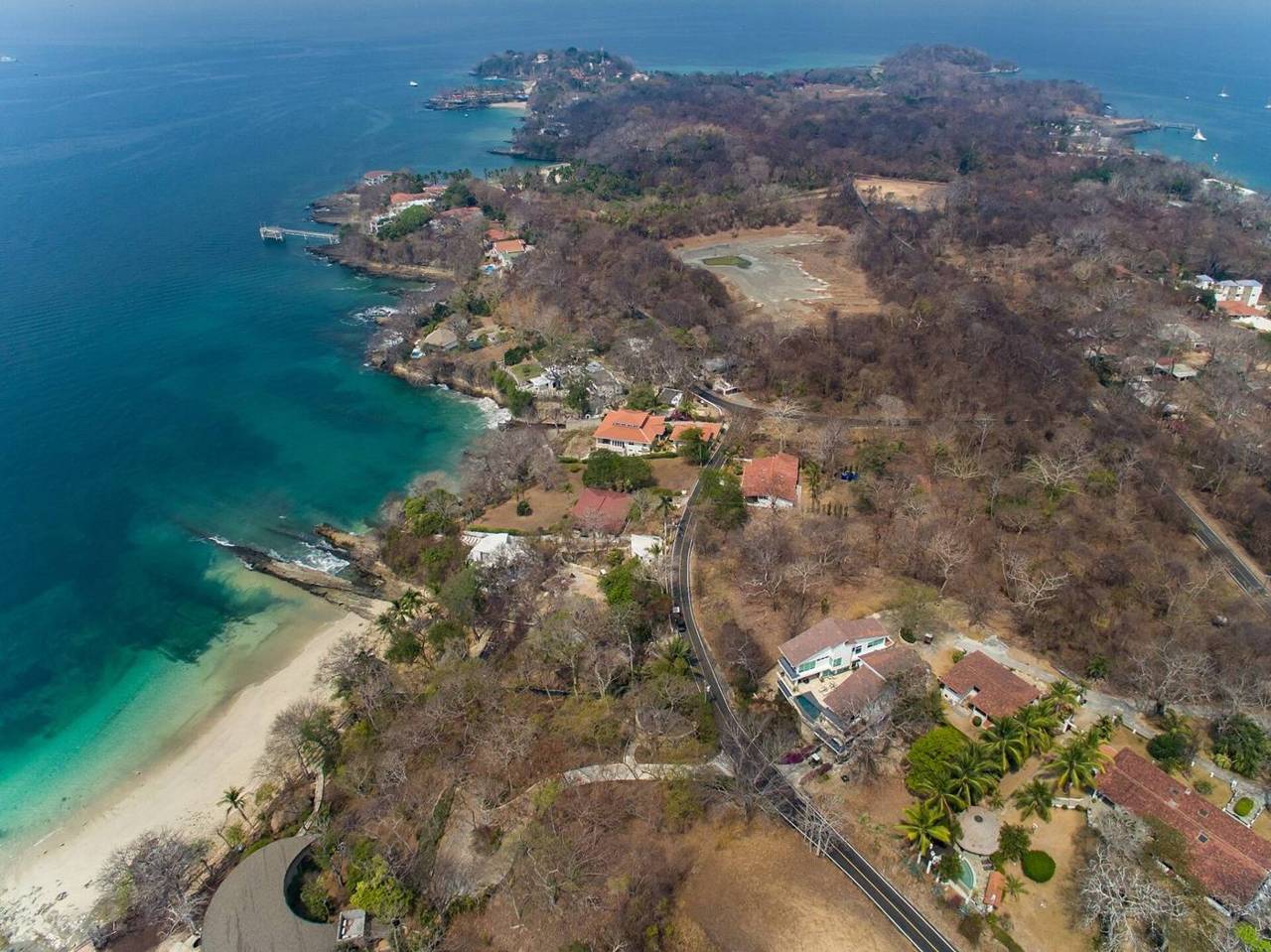
The Pearl Islands
The archipelago in the Gulf of Panama an hour and a half by ferry: Contadora, the beaches of Saboga and Mogo Mogo, and humpback whales in the southern winter.