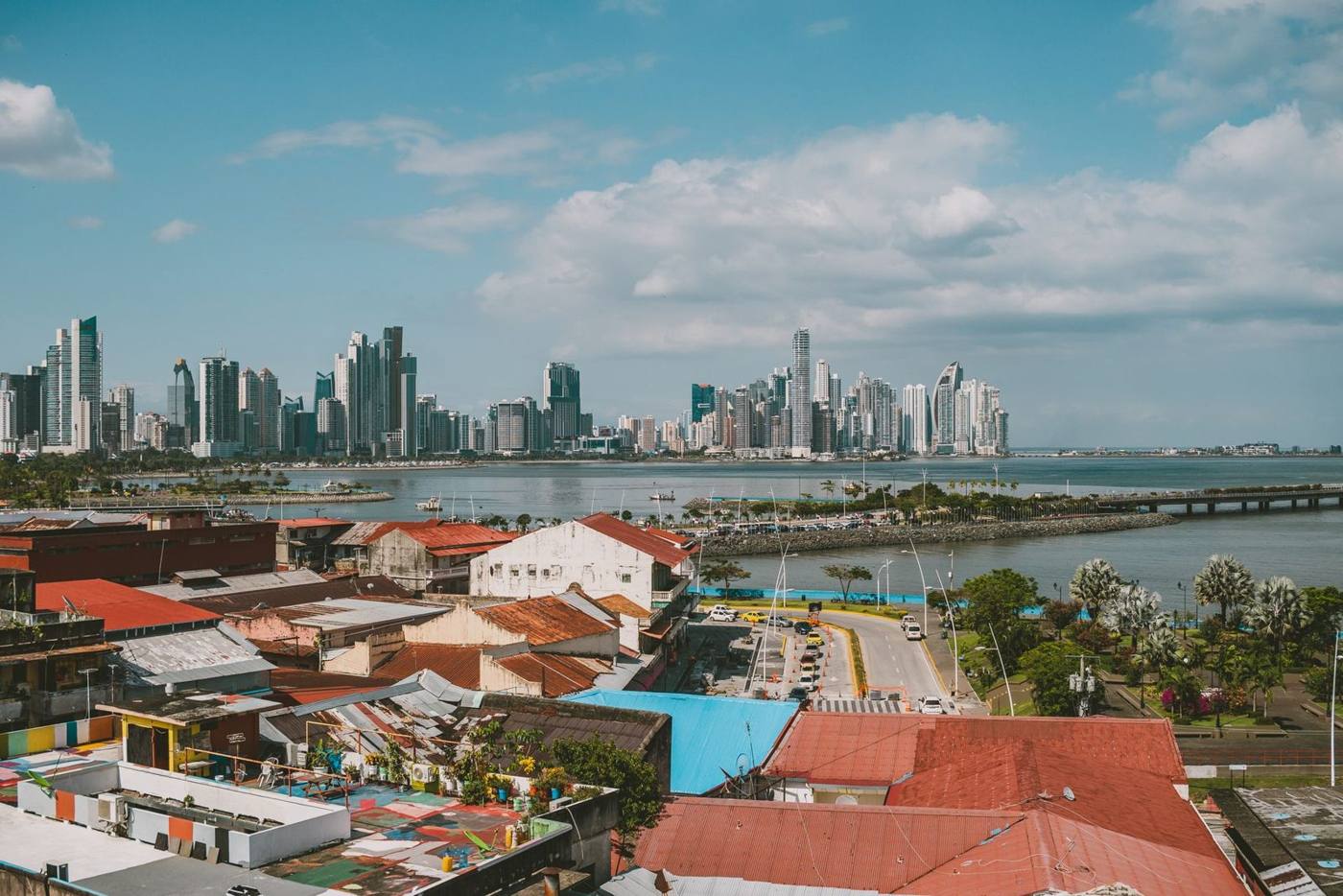
Panama City and the Canal
The colonial Casco Viejo, the Miraflores locks with ships in transit, Gehry's Biomuseo and the Soberanía forest along the canal.
- Casco Viejo
- Miraflores
- Amador
- Soberanía
- Panama Viejo
Day by day
- Day 1
Casco Viejo and Panama Viejo
This trip shows you in four days the capital of Panama and its Canal: colonial Casco Viejo, the ruins of Panama Viejo, the Miraflores locks with ships in transit, the Biomuseo on the Calzada de Amador and the forest of Soberanía National Park. You get around by taxi and metro.
Before you go: Italian citizens enter Panama with a passport, valid for at least three months from arrival, and a return ticket, without a visa for a tourist stay of up to 90 days. Other nationalities should check their own rules. The United States rates Panama at level 2, with level 4 only in eastern Darién and on a stretch of the Caribbean coast, areas this trip does not touch. In the city, avoid outlying districts such as El Chorrillo, Curundú and San Miguelito, and watch out for bag snatching in Casco Viejo and Panama Viejo too.
In the morning, visit Panama Viejo, the ruins of the first Spanish city on the Pacific, founded in 1519 and destroyed in 1671 during the attack by the pirate Henry Morgan. Climb the cathedral tower for the view. Check prices and times.
In the afternoon, go to Casco Viejo, the city rebuilt after 1671 on a peninsula that was easier to defend, a UNESCO World Heritage Site. Walk among the colonial houses, the cathedral on Plaza de la Independencia, the church of San José with its golden altar and Plaza de Francia, dedicated to the French who first tried to dig the Canal. Visit the Canal museum on the main square. Check prices and times.
In the evening, have ceviche and Pacific fish.
Overnight in Panama City, for three nights.
Practical tip: in the evening, use taxis booked through an app or by your accommodation, and do not walk alone in the dark streets on the edges of Casco Viejo.
- Day 2
The Miraflores locks and the Biomuseo
Today you see the Panama Canal up close and discover the nature of the isthmus in a modern museum.
In the morning, go to the Miraflores locks, about twenty minutes from the centre, on the Pacific side. From the visitor centre terrace you watch huge ships enter the chambers, rise or fall and leave towards the sea, pulled by small electric locomotives on rails along the sides. Ships pass mainly in the morning: ask for the transit times. In the visitor centre a museum tells the story of the Canal, opened in 1914, run by the United States until 31 December 1999 and then by Panama, which opened the new, larger locks in 2016. Check prices and times.
In the afternoon, go to the Calzada de Amador, a long causeway built with rock dug out for the Canal, which links the mainland to three small islands. At the start of the Calzada, visit the Biomuseo, designed by the architect Frank Gehry, with its colourful roofs. It tells how the birth of the isthmus, millions of years ago, joined two continents and separated two oceans, changing the life of animals and plants. Check prices and times.
Then hire a bicycle and ride along the Calzada to the islands, with views of ships waiting to enter the Canal on one side and the skyline on the other.
In the evening, have seafood rice on the Calzada or in town.
Overnight in Panama City.
Practical tip: bring a hat and water, because on the Miraflores terrace and on the Calzada the sun is strong and there is little shade.
- Day 3
Soberanía park and Pipeline Road
Today you leave the city for a day of tropical forest, less than an hour from the centre, along the Canal.
Very early, before dawn, drive or go with a guide to Soberanía National Park, a large forest that protects the waters that feed the Canal. Before entering, pay the fee at the ranger post. Check prices and times.
Walk along Pipeline Road, the Camino del Oleoducto, an old dirt road through the forest near Gamboa and one of the most famous birdwatching spots in the world. In the early morning, with binoculars, you can see toucans, trogons, motmots with racket-shaped tails, anteaters, howler monkeys and sloths hanging from the trees. An expert guide recognises the calls and finds the most hidden animals.
Around midday, stop in Gamboa, a small village built for Canal workers, where huge ships pass slowly across Gatún Lake, the artificial lake created for the Canal. Watch them glide between islands covered in forest.
In the afternoon, on the way back, find a viewpoint over the Canal to see one last ship and the surrounding forest.
In the evening, return to the city and have sancocho, the Panamanian chicken soup, or a plate of grilled meat.
Overnight in Panama City.
Practical tip: wear long trousers, closed shoes and mosquito repellent, and carry a light raincoat, because in the forest it often rains even in the dry season.
- Day 4
The last morning and departure
Today you spend your last morning in the city and then leave.
In the morning, walk along the Cinta Costera, the long seafront park with cycle paths, lawns and views of the skyline and Casco Viejo. At the start of the Cinta Costera, visit the fish market, where fishermen unload corvina, prawns and octopus, and try freshly made ceviche.
Then, if you have time, go back to Casco Viejo to buy a souvenir: a mola, the colourful textile of Guna women, a straw hat or a packet of coffee from the Chiriquí mountains.
At midday, have a last Panamanian lunch, with rice, beans and patacones.
In the afternoon, go to Tocumen airport, half an hour to an hour from the centre, depending on traffic.
In these four days you have seen the capital of Panama: the ruins of Panama Viejo, colonial Casco Viejo, the ships in the Miraflores locks, the Biomuseo and the Calzada de Amador, the forest of Soberanía park and the Cinta Costera.
When to go: the best period is December to April, in the dry season, with less rain and more sun. From May to November it often rains in the afternoon, but the forest is greener. Darién, on the border with Colombia, is advised against and far from this trip.
Practical tip: leave for the airport in plenty of time, because Panama City traffic is heavy, especially at rush hour and when it rains.
A modern city with a beautiful historic centre and nature half an hour away. Ships transit the locks mostly in the morning. The Darién, on the Colombian border, is advised against.
Before you go
- Documents and visa
- Passport valid for at least three months from arrival and a return or onward ticket; no visa is needed for tourism for up to 90 days, with no extension. The customs declaration is filled in online. The air departure tax is usually already included in the ticket.
- Health and vaccines
- On 16 November 2026 the Ministry of Health declared a national malaria alert, with cases also in the Ancón area of Panama City. There is dengue and Zika: use repellent and cover your arms and legs. The yellow fever vaccine is compulsory if you arrive from a country at risk and is recommended for Darién and Guna Yala. Private clinics are good in the capital, limited in the provinces: you need insurance covering medical costs and repatriation. Emergencies: 911.
- Money and payments
- The US dollar is legal tender; the balboa is worth the same as the dollar and exists only as coins. Cards work almost everywhere and there are cash machines in towns; carry cash in small notes for the islands and villages.
- Power sockets
- Types A and B, with flat pins as in the United States, 120 volts: you need an adapter, and check the voltage of your devices.
- Time zone
- UTC-5 all year.
- Safety
- The United States rates Panama at level 2 for crime and protests. Do not travel: Darién south of Jaque, Manené, Yaviza and Lajas Blancas to the Colombian border, and the Caribbean coast of the Mosquito Gulf between Boca del Río Chiriquí and Coclé del Norte. Avoid outlying districts of the capital such as Curundú, El Chorrillo and San Miguelito, and in Colón city avoid non-essential stays and moving around in the evening. Muggings have also been reported in Casco Viejo and Panama Viejo. Currents are strong on Pacific beaches. Official advice: GOV.UK.
Information checked in November 2026 for Italian and EU citizens. Rules change: always check before you travel.
Variations
In 2 days: Panama Viejo and Casco Viejo on the first day, the Miraflores locks and the Calzada de Amador on the second.
In 7 days: add three days in the San Blas islands, in Guna territory, leaving from the capital.
Frequently asked questions
When do ships pass through the Miraflores locks?
Mainly in the morning, but times change every day. Ask for the transit times and check prices and times at the visitor centre.
Is Casco Viejo safe?
It is the most touristy area, but bag snatching is reported. Do not show valuables, use taxis booked by your accommodation in the evening and avoid the dark streets on the edges, towards El Chorrillo.
What document do I need for Panama?
Italian citizens enter with a passport valid for at least three months from arrival and a return ticket, without a visa for up to 90 days. Other nationalities should check their own rules.
Indicative itinerary written by World Atlas. Before booking, check timetables, seasonal openings, documents and safety.
 4 daysEasy
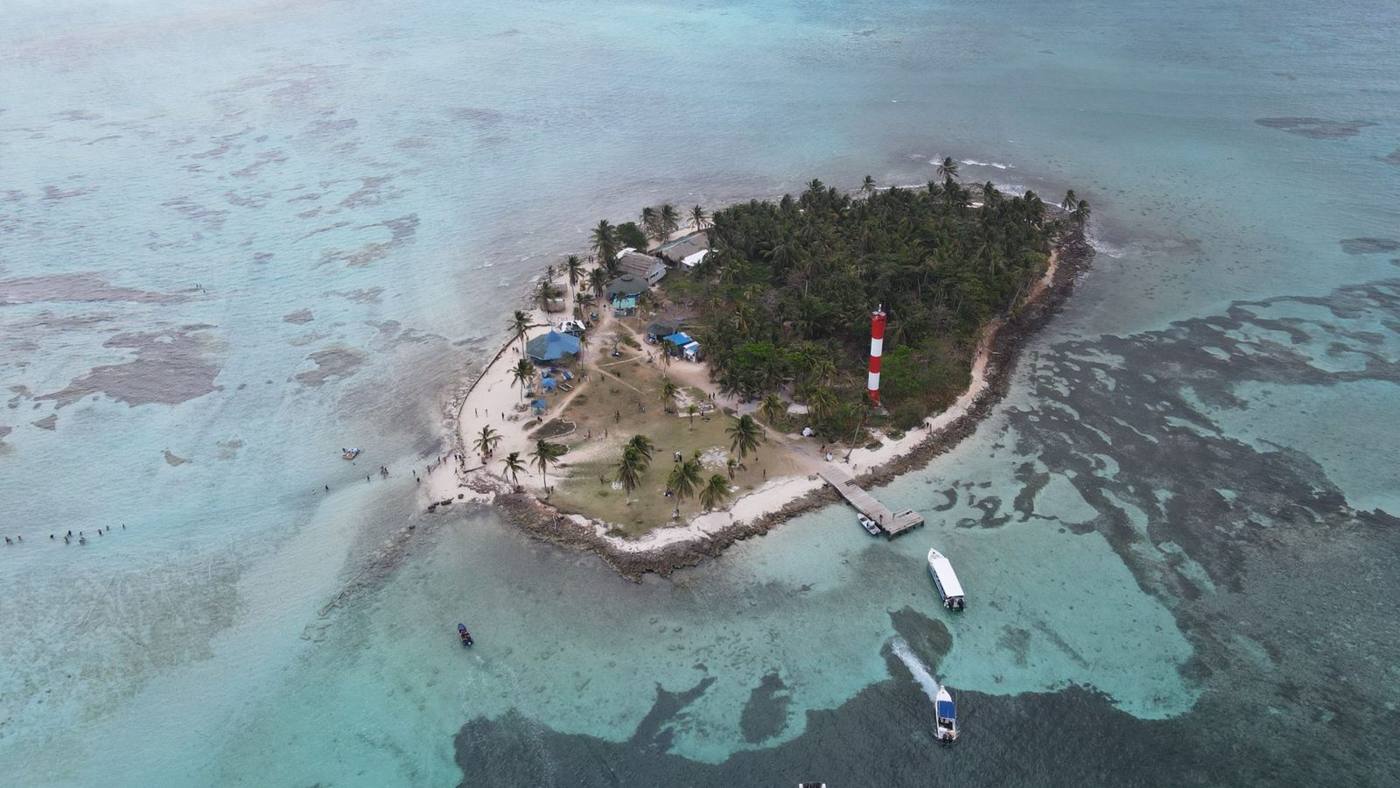
San Blas and Guna Yala
The Caribbean islands of the Guna people: white-sand islets with palms, nights in a hut and molas, the traditional textiles.
 7 daysEasy
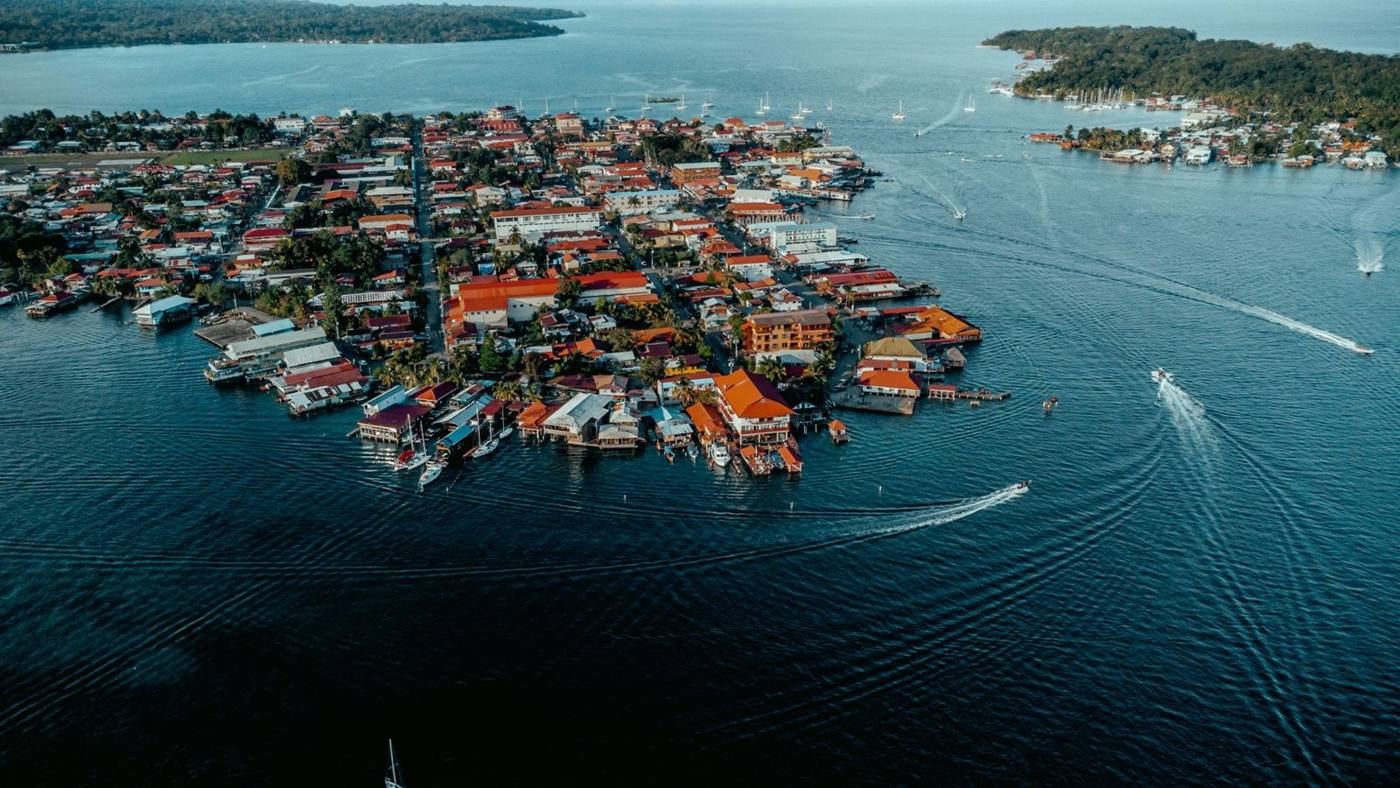
Boquete and Bocas del Toro
Boquete's Geisha coffee farms, Barú volcano, the Quetzal trail and the Caribbean islands of Bocas del Toro.
 2 daysEasy
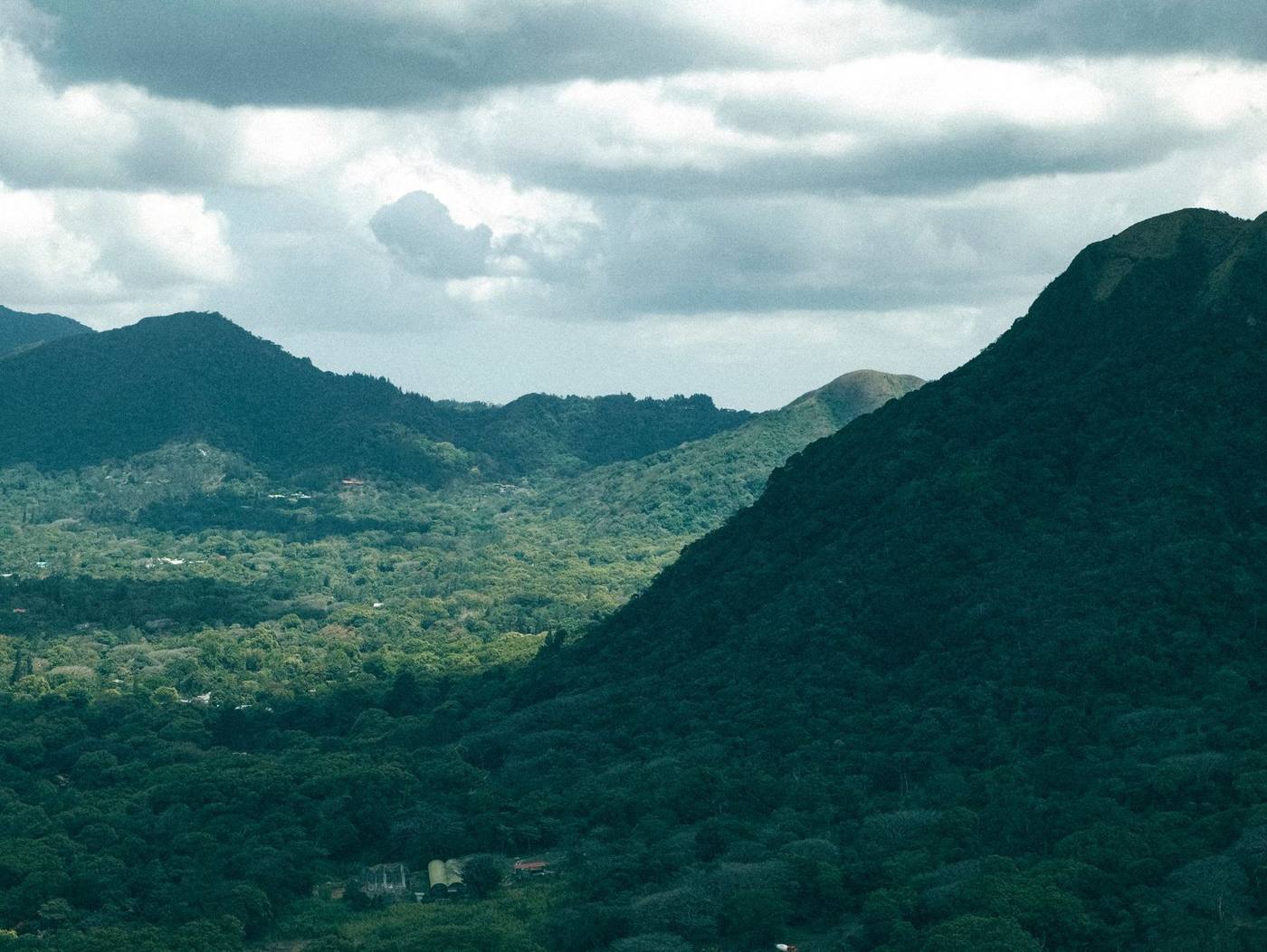
El Valle de Antón
A town inside an ancient volcanic crater, cool and green, with the India Dormida hike, waterfalls, hot springs and the Sunday market.