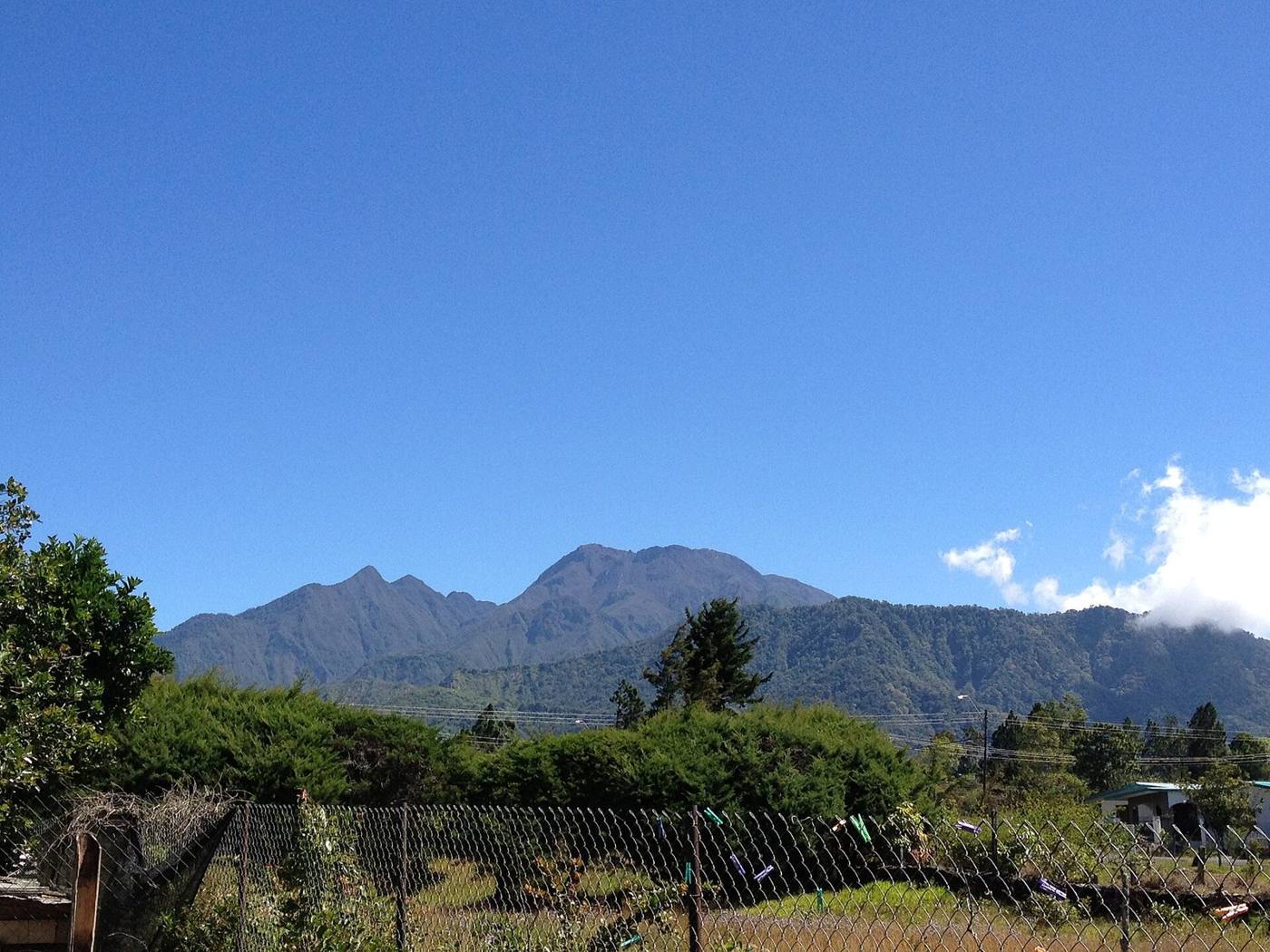
Barú volcano and Cerro Punta
The night climb to Panama's highest summit, 3,474 metres, to see both oceans at dawn, and the farming valley of Cerro Punta with the Quetzal trail.
- Boquete
- Volcán Barú
- Cerro Punta
Day by day
- Day 1
The night climb of Volcán Barú
This trip is for fit hikers: in three days you climb Volcán Barú by night, the highest peak in Panama at 3,474 metres, to see the Pacific and the Caribbean at dawn, then discover the farming valley of Cerro Punta and walk the Quetzal trail through the cloud forest. The base is Boquete, in Chiriquí province, reached by plane or bus to David and then about an hour by road.
Before you go: Italian citizens enter Panama with a passport, valid for at least three months from arrival, and a return ticket, without a visa for a tourist stay of up to 90 days. Other nationalities should check their own rules. The United States rates Panama at level 2, with level 4 only in eastern Darién and on a stretch of the Caribbean coast, areas far from this trip. The British government notes that some hikers without a guide have got lost in the mountains: climb with a guide.
Arrive in Boquete the afternoon before, have an early dinner and try to sleep a few hours. Around midnight, set off with your guide from the entrance of Volcán Barú National Park, above the town. Check prices and times.
The trail is a steep, stony track that climbs for many hours, usually six to eight, in the dark, by headtorch. The higher you go, the colder it gets, and at the top the temperature can drop close to zero.
At dawn, from the summit, with a clear sky you see both oceans, the mountains of the cordillera and distant volcanoes. Then walk down the same way, in the morning light.
In the afternoon, rest in Boquete.
Overnight in Boquete.
Practical tip: carry at least three litres of water, a warm jacket, gloves, a hat and a headtorch with spare batteries.
- Day 2
Rest and the Cerro Punta valley
Today your legs rest and you move to the western side of the volcano, to the Cerro Punta valley.
In the morning, sleep a little longer and have a slow breakfast with a coffee from Boquete, one of the most famous coffee areas in the world. Then set off by car or bus: no road crosses the volcano, so you drive down towards David and climb up the other side, through the town of Volcán. The journey takes about two hours.
Cerro Punta is a high, cool valley surrounded by forested mountains, where the volcanic soil is very fertile. Along the road you see fields of potatoes, onions, carrots and lettuce in neat rows on the slopes, flower greenhouses and meadows with dairy cows. Much of the country's vegetables come from here.
In the afternoon, walk through the fields to the small village of Guadalupe, with wooden houses and flowering gardens. Try strawberries with cream, a local speciality, and fresh cheeses.
If you still have energy, take a short walk at the entrance of La Amistad International Park, shared with Costa Rica, above the valley. Check prices and times.
At sunset, mist often comes down over the valley and it gets cold.
In the evening, have a hot soup of vegetables and chicken.
Overnight in Cerro Punta or Guadalupe.
Practical tip: book a guide or transport for the Quetzal trail for tomorrow, because the trail starts here and ends on the other side, near Boquete.
- Day 3
The Quetzal trail
Today you cross the cloud forest of Volcán Barú on foot, on the most famous birdwatching trail in Panama.
Early in the morning, reach the start of the trail above Cerro Punta. Before setting off, ask at the ranger post whether the trail is open, because after heavy rain it sometimes closes for landslides. Check prices and times with MiAmbiente, the environment ministry.
The Quetzal trail descends for several hours through the forest, among very tall trees covered in moss, ferns, orchids and bromeliads, crossing streams on wooden bridges. Starting from Cerro Punta you walk mostly downhill. With your guide, look for the resplendent quetzal, the bird with bright green feathers, a red breast and a long tail, which lives among wild avocado trees. Listen too for hummingbirds, toucanets and woodpeckers.
In the afternoon you reach the Boquete side, where the transport you booked is waiting, and return to town.
In these three days you have seen the highest mountain in Panama: dawn over two oceans from the summit of Barú, the fields and greenhouses of Cerro Punta and the cloud forest of the Quetzal trail.
When to go: the best period is January to April, in the dry season, with more chance of a clear sky at the summit. Between January and March a strong wind often blows. From May to November it rains a lot and the summit often stays in the clouds.
Practical tip: wear waterproof hiking boots and bring binoculars, because the quetzal often sits still high in the branches and is easier to see from a distance.
A long, cold climb for fit hikers. Both oceans are visible only on clear days. Better with a guide and warm clothes.
Before you go
- Documents and visa
- Passport valid for at least three months from arrival and a return or onward ticket; no visa is needed for tourism for up to 90 days, with no extension. The customs declaration is filled in online. The air departure tax is usually already included in the ticket.
- Health and vaccines
- On 16 November 2026 the Ministry of Health declared a national malaria alert, with cases also in the Ancón area of Panama City. There is dengue and Zika: use repellent and cover your arms and legs. The yellow fever vaccine is compulsory if you arrive from a country at risk and is recommended for Darién and Guna Yala. Private clinics are good in the capital, limited in the provinces: you need insurance covering medical costs and repatriation. Emergencies: 911.
- Money and payments
- The US dollar is legal tender; the balboa is worth the same as the dollar and exists only as coins. Cards work almost everywhere and there are cash machines in towns; carry cash in small notes for the islands and villages.
- Power sockets
- Types A and B, with flat pins as in the United States, 120 volts: you need an adapter, and check the voltage of your devices.
- Time zone
- UTC-5 all year.
- Safety
- The United States rates Panama at level 2 for crime and protests. Do not travel: Darién south of Jaque, Manené, Yaviza and Lajas Blancas to the Colombian border, and the Caribbean coast of the Mosquito Gulf between Boca del Río Chiriquí and Coclé del Norte. Avoid outlying districts of the capital such as Curundú, El Chorrillo and San Miguelito, and in Colón city avoid non-essential stays and moving around in the evening. Muggings have also been reported in Casco Viejo and Panama Viejo. Currents are strong on Pacific beaches. Official advice: GOV.UK.
Information checked in November 2026 for Italian and EU citizens. Rules change: always check before you travel.
Variations
In 2 days: just the night climb of Barú from Boquete and, the next day, rest and a coffee on the farms around town.
In 7 days: after Barú and the Quetzal trail, go down to the Caribbean and spend three days in Bocas del Toro.
Frequently asked questions
Do I need a guide to climb Barú?
Yes, it is strongly recommended: the climb is done at night, the trail is long and cold, and some hikers without a guide have got lost in Panama's mountains.
Can you really see both oceans from the summit?
Yes, but only with a clear sky, more common in the dry season from January to April. Clouds often cover one of the two sides.
What document do I need for Panama?
Italian citizens enter with a passport valid for at least three months from arrival and a return ticket, without a visa for up to 90 days. Other nationalities should check their own rules.
Indicative itinerary written by World Atlas. Before booking, check timetables, seasonal openings, documents and safety.
 4 daysEasy
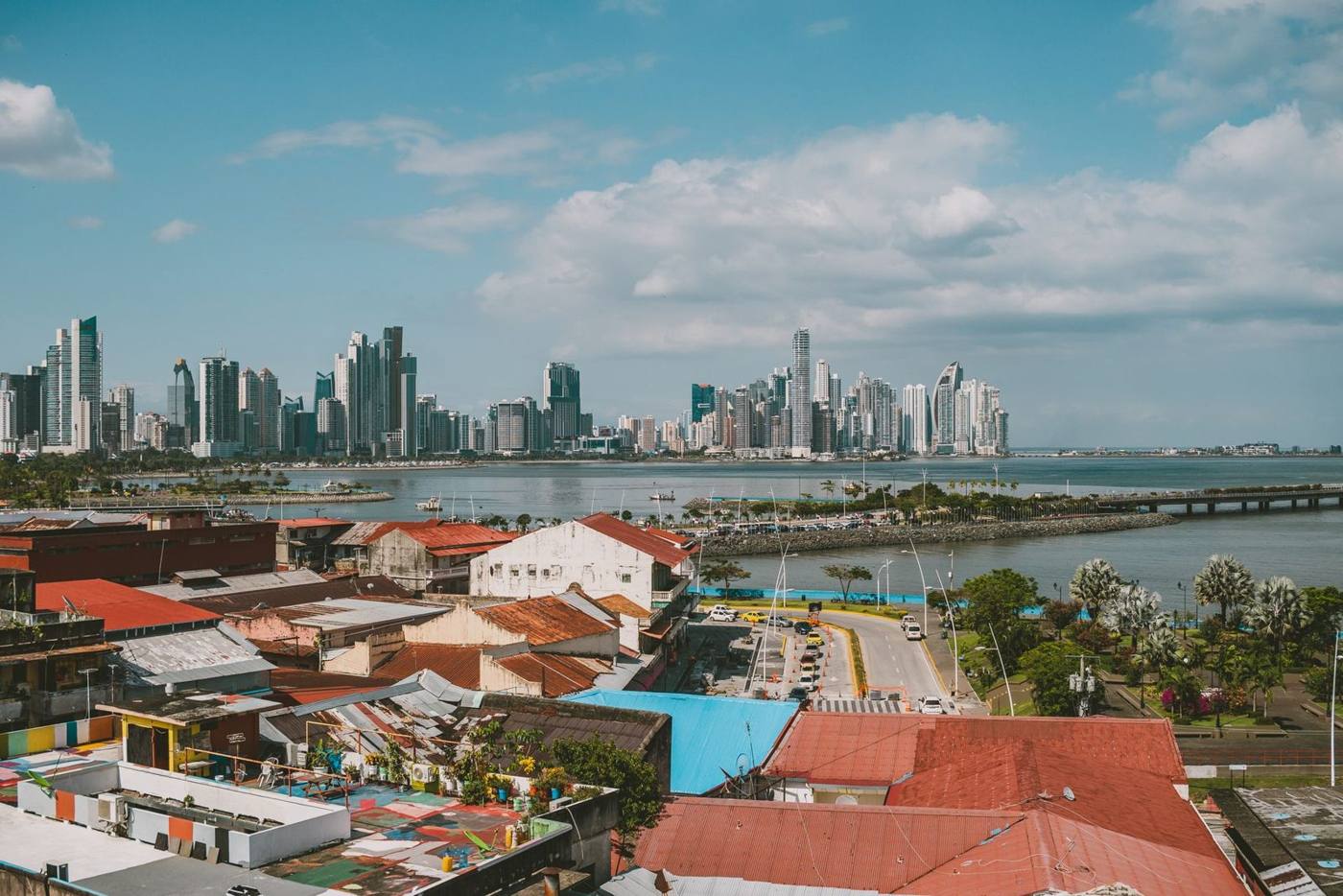
Panama City and the Canal
The colonial Casco Viejo, the Miraflores locks with ships in transit, Gehry's Biomuseo and the Soberanía forest along the canal.
 4 daysEasy
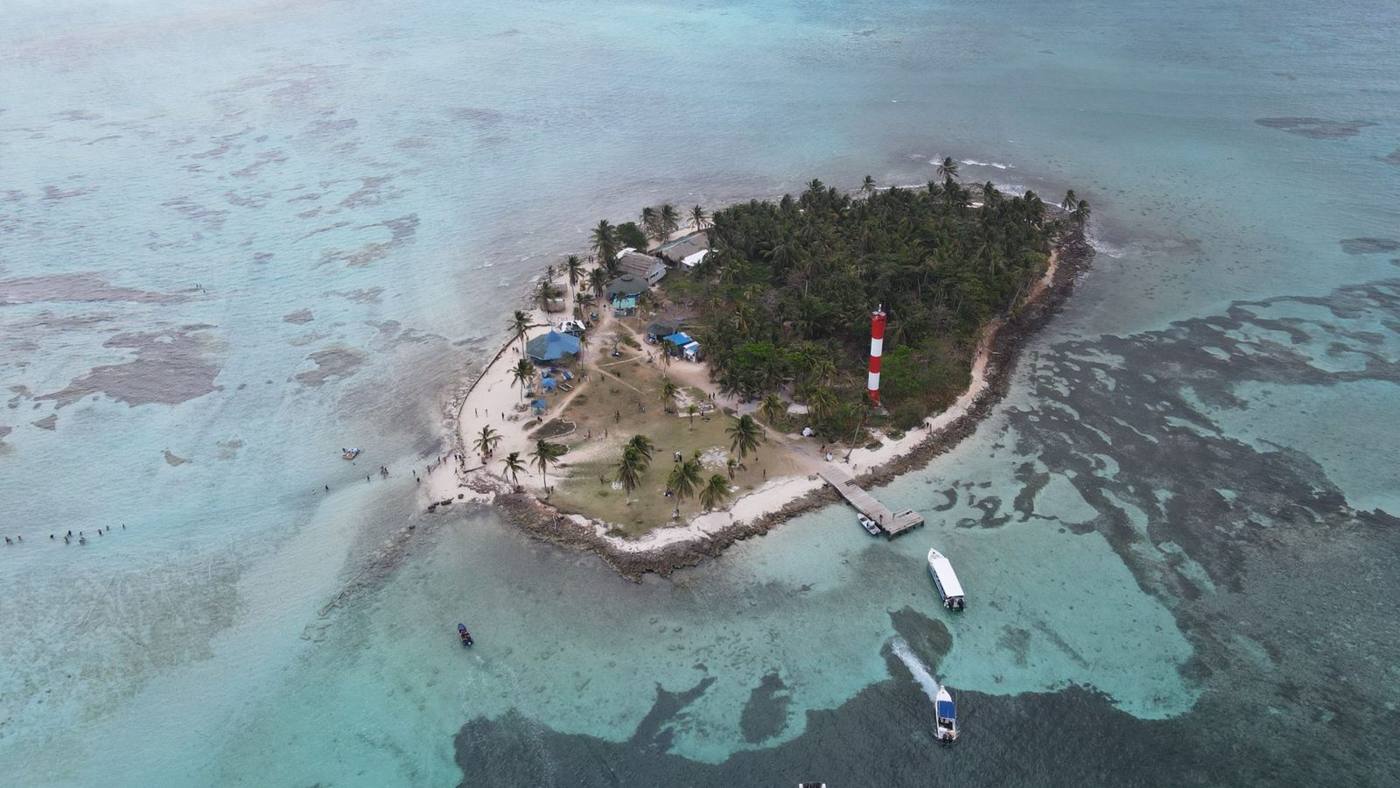
San Blas and Guna Yala
The Caribbean islands of the Guna people: white-sand islets with palms, nights in a hut and molas, the traditional textiles.
 7 daysEasy
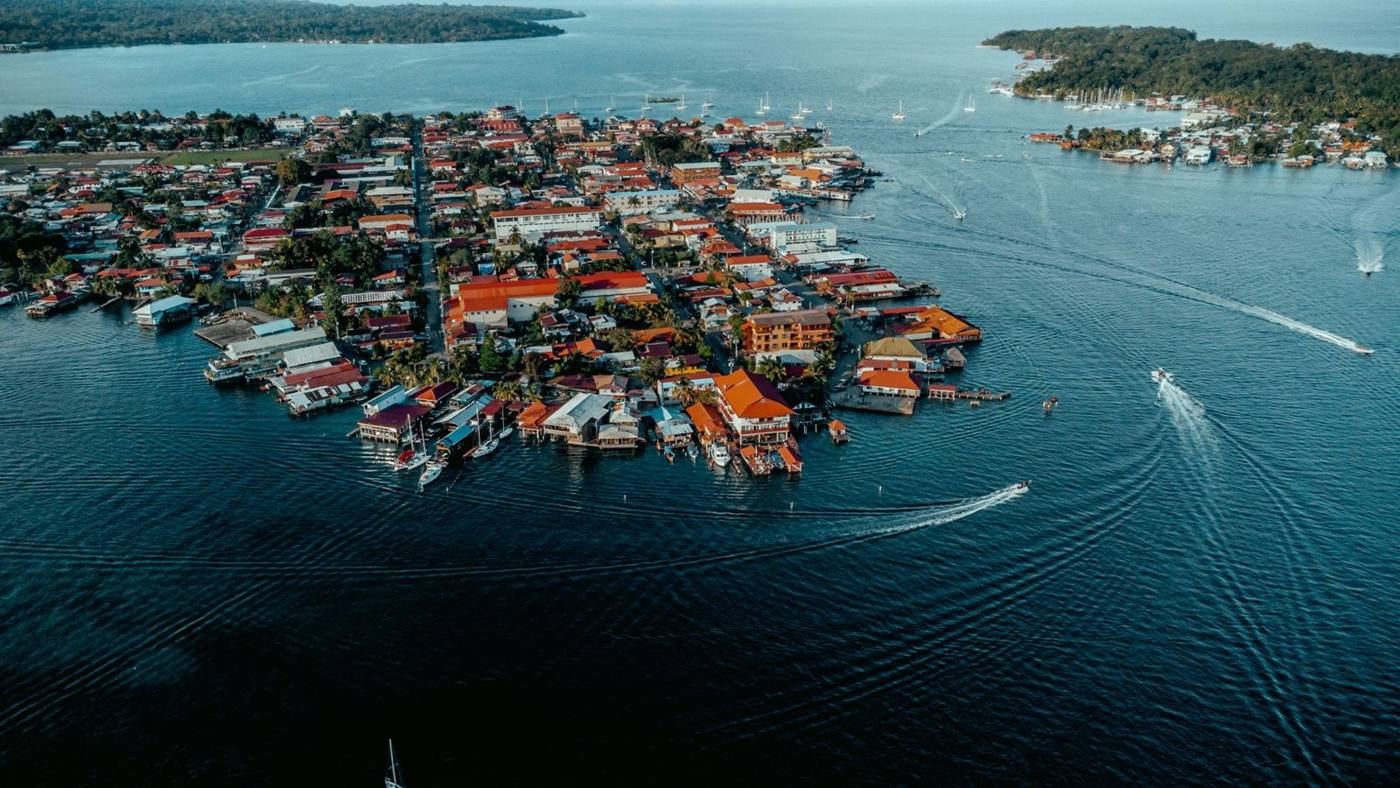
Boquete and Bocas del Toro
Boquete's Geisha coffee farms, Barú volcano, the Quetzal trail and the Caribbean islands of Bocas del Toro.