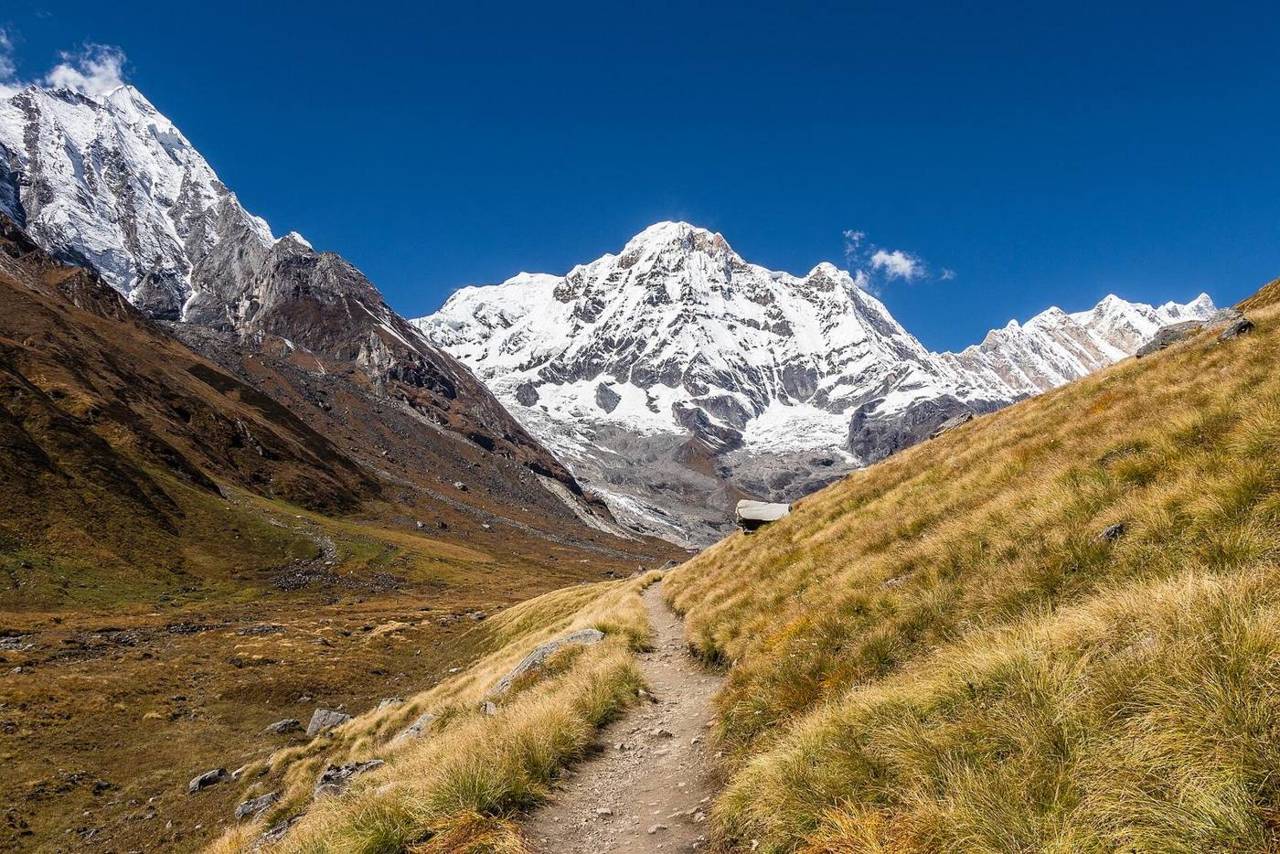
The Annapurna Sanctuary: base camp
Inside Annapurna's amphitheatre of ice at 4,130 metres, climbing the Modi Khola gorge through Gurung villages, rice terraces and rhododendron forests.
- Kathmandu
- Pokhara
- Ghandruk
- Chhomrong
- Machhapuchhare Base Camp
- Annapurna Base Camp
- Jhinu
Day by day
- Day 1
Arrival in Kathmandu
This sixteen-day trip takes you to Annapurna Base Camp, at 4,130 metres, inside the sanctuary, the great amphitheatre of ice ringed by peaks of over seven and eight thousand metres. You will climb the gorge of the Modi Khola between Gurung villages, rice terraces and forests of bamboo and rhododendron, then come down to the hot springs of Jhinu. Before and after there are Kathmandu, Pokhara and Bhaktapur. It is a moderate trek, suited to people who walk regularly.
Before you go: Italian citizens need a passport valid for at least six months and a tourist visa, issued on arrival at Kathmandu airport after you fill in the online form. According to Nepal's Department of Immigration the visa costs 30 US dollars for 15 days, 50 for 30 days and 125 for 90 days. Other nationalities should check their own rules. Demonstrations are still possible: avoid them and check your government's travel advice before leaving. In the Annapurna Conservation Area a licensed guide is compulsory, booked through a registered agency.
You land at Kathmandu airport, at about 1,400 metres, and reach your hotel. Traffic is slow and chaotic, so allow time for the transfer.
In the late afternoon take a first walk in the Thamel district, between mountain gear shops, prayer flags and scooters. Here you can buy or rent whatever is missing, such as a sleeping bag or a down jacket.
In the evening have a light dinner of dal bhat, the national dish of rice, lentils and vegetables, and go to bed early.
Practical tip: bring US dollars in cash for the visa, in recent notes that are not damaged, and choose insurance that covers helicopter rescue in the mountains.
- Day 2
Kathmandu, temples and permits
Today you visit the old city and prepare the trek with your guide.
In the morning go to Kathmandu Durbar Square, the heart of the royal city, a UNESCO World Heritage Site together with the rest of the valley. Among pagodas of brick and carved wood you see the Hanuman Dhoka palace and the house of the Kumari, the girl worshipped as a living goddess. Many buildings were rebuilt after the 2015 earthquake. Check prices and times.
Then climb to Swayambhunath, the stupa on the hill west of the city, known as the Monkey Temple. From the top the Buddha's eyes painted on the tower look out over the whole valley. Walk round the stupa clockwise and spin the prayer wheels.
At midday have momos for lunch, Tibetan steamed dumplings filled with vegetables or meat.
In the afternoon meet the registered agency and your guide. The agency arranges the Annapurna Conservation Area permit and the other documents required. Check prices and times. Go over the programme with your guide, along with the weight of your pack and the role of the porter, if you have one.
In the evening pack two bags: a light one for the trek and one to leave at your hotel in Kathmandu or Pokhara with whatever you do not need in the mountains.
Practical tip: bring trekking poles. On this route there are thousands of stone steps, uphill and downhill, and your knees work hard.
- Day 3
Pokhara and Phewa Lake
Today you leave the capital for Pokhara, the gateway to the Annapurnas.
In the morning leave by plane or by car. The flight takes about half an hour, with the mountains on the right if you choose your seat well. According to the British government no Nepali airline meets international safety standards: weigh up this risk. The road is longer: about two hundred kilometres that take seven or eight hours, along the Trisuli and Marsyangdi rivers.
Pokhara lies at about 800 metres, in a green valley on the shores of Phewa Lake. It has a milder climate than Kathmandu and a relaxed atmosphere. Above the city, on clear days, rises the pyramid of Machhapuchhare, the fishtail mountain, 6,993 metres high and sacred to local people: its summit is closed to climbers.
In the afternoon settle into the lakeside area and hire a rowing boat. Reach the islet of the Tal Barahi temple, dedicated to a form of the goddess Durga, where local people bring flowers and offerings.
At sunset walk along the lakeside, as the colourful boats come back and the lights come on over the water.
In the evening leave your large bag at the hotel and check your pack again: tomorrow the walk begins.
Practical tip: buy your last supplies in Pokhara, such as snacks, water purification tablets and a spare bottle. The higher you go, the more everything costs, because it all arrives on someone's back or by mule.
- Day 4
To Ghandruk, the Gurung village
Today you start the trek and reach the first large village on the route.
In the morning drive from Pokhara towards the trailhead, usually Nayapul or Kimche, depending on the state of the road. Your guide chooses the best point. At the first checkpoint show your permit.
The trail climbs between terraces of rice and millet, small streams and houses with tin or stone roofs. You meet women carrying baskets of leaves and children walking to school. The climbs are stepped: find a steady rhythm and breathe calmly.
At midday have lunch along the trail.
In the afternoon you reach Ghandruk, at about 1,900 metres, one of the most beautiful Gurung villages in Nepal, with stone houses, paved alleys and balconies full of flowers. The Gurung are a mountain people also known for the Gurkha soldiers who serve in the British and Indian armies. Visit the small museum of Gurung culture, with tools, costumes and traditional instruments. Check prices and times.
At sunset, if the sky is clear, watch Annapurna South, Hiunchuli and Machhapuchhare turn pink.
Sleep in Ghandruk.
Practical tip: drink plenty, at least three litres a day, and always purify tap water. Plastic bottles in the mountains become waste that is hard to dispose of.
- Day 5
From Ghandruk to Chhomrong
Today you enter the Modi Khola valley and reach the last large village before the sanctuary.
In the morning climb above Ghandruk towards a pass in the forest, among oaks and rhododendrons. In spring the rhododendrons, the national flower of Nepal, bloom in red and pink. Then you go down to a stream and climb up the other side: in this area the trail always alternates climbs and descents, and the total height gain of the day is greater than it looks on the map.
At midday have lunch in one of the villages along the way.
In the afternoon you reach Chhomrong, at about 2,100 metres, a village clinging to the slope, with long stone staircases and terraced fields. The view from here is among the finest of the trip: in front of you Annapurna South seems very close and Machhapuchhare closes the valley.
Chhomrong is the last village inhabited all year round. Higher up, in the sanctuary, there are only small lodges for trekkers, with limited beds in the peak months. Your guide knows the situation and books ahead.
At sunset sit on a terrace and watch the light climb the peaks.
Sleep in Chhomrong.
Practical tip: in the sanctuary respect the local customs your guide and the signs ask of you. The mountain is considered sacred, and local people ask visitors to keep these places clean and quiet.
- Day 6
From Chhomrong to Bamboo
Today you go down and up again in the gorge, and enter the forest.
In the morning descend the long staircase of Chhomrong to the suspension bridge over the stream. There are hundreds of steps: go slowly and use your poles. Then climb towards Sinuwa, a small cluster of houses on the ridge, from where the Modi Khola valley narrows in front of you.
At midday have lunch in Sinuwa or a little further on.
In the afternoon the trail enters a dense forest of oak, rhododendron and bamboo, damp and silent, with moss and lichen on the trees. You hear only the river below you and a few birds. Sometimes you see langurs, the grey monkeys with black faces, leaping through the branches.
You reach Bamboo, at about 2,300 metres, a small settlement of lodges in the forest, named after the bamboo groves around it. The air is cooler here and the evenings are cold: keep your down jacket within reach.
In the evening have an early dinner of dal bhat. The lodge cooks often serve a second helping: it is the best food for walking.
Sleep in Bamboo.
Practical tip: on this part of the trail it often rains in the afternoon, even outside the monsoon. Protect your pack with a waterproof cover and keep your clothes dry in sealed bags.
- Day 7
The Modi Khola gorge to Deurali
Today you climb the deepest gorge on the route and leave the woods behind.
In the morning continue through the bamboo forest to Dovan, then the trail climbs along the valley floor, always beside the Modi Khola. You pass waterfalls tumbling down the walls and huge boulders. The forest becomes lower, then only shrubs and meadows remain.
At midday have lunch in one of the lodges along the trail.
In the afternoon you pass 3,000 metres and reach Deurali, at about 3,200 metres, at the foot of the walls that close the gorge. The landscape here is already high mountain. Sleeping higher every day helps your body adjust, but it needs care: climb slowly, drink plenty and avoid alcohol.
Between Deurali and Machhapuchhare Base Camp there is a stretch exposed to avalanches, especially between late winter and spring and after heavy snowfall. The authorities and the guides close the trail or change the timing when the risk is high. Always follow your guide's advice, even if it means waiting a day.
In the evening, in the lodge, the wood stove is where all the trekkers gather.
Sleep in Deurali.
Practical tip: with altitude you may get a headache, nausea or insomnia. Tell your guide at once. If the symptoms get worse, the only safe cure is to go down. Before you leave, talk to your doctor about altitude sickness.
- Day 8
Machhapuchhare Base Camp
Today the stage is short and takes you to the entrance of the sanctuary.
In the morning leave early, when the snow is most stable, and cross the avalanche-prone stretch with your guide. Then the valley opens up: the walls of the gorge draw back and in front of you appears a wide plain of grass and moraine, closed by white mountains.
By late morning you reach Machhapuchhare Base Camp, at about 3,700 metres. The name is a little misleading: nobody sets off from here for the summit, because the top of the mountain is closed to climbers out of respect. Above you the face of Machhapuchhare is very close and steep, with its double summit that gives it the name fishtail.
At midday have lunch at the lodge.
In the afternoon rest: the short stage is deliberate, to give your body time to adjust to the altitude before the final step. Take only a short walk up a nearby hillock, without hurrying, to look at Annapurna South, Gangapurna and the other peaks of the cirque.
At sunset the mountains turn from white to orange and then to violet, while the temperature drops below freezing.
Sleep at Machhapuchhare Base Camp.
Practical tip: the nights here are very cold, even in autumn. Sleep in a hat and dry socks, and put your bottle filled with hot water in your sleeping bag: tomorrow morning the water will not be frozen.
- Day 9
Annapurna Base Camp
Today is the finest day of the trip: dawn in the heart of the sanctuary.
Before dawn leave the lodge with your head torch. The trail climbs gently between meadows and moraines, beside the glacier. It is about two hours of walking, slow because of the altitude.
You reach Annapurna Base Camp, at 4,130 metres, as the sun touches the peaks. Around you closes an amphitheatre of mountains: Annapurna I, 8,091 metres high, the first eight-thousander ever climbed, in 1950, then Annapurna South, Hiunchuli, Gangapurna and Machhapuchhare behind you. The light moves across the ice walls one after another. It is one of the most spectacular places in the Himalayas.
Near the camp you see prayer flags and memorial stones for the climbers who died on these mountains. Stop there in silence.
In mid-morning have breakfast at the lodge, with hot tea and porridge.
For the rest of the day stay at base camp, rest and walk calmly to the edge of the moraine, from where you see the glacier below you. If you feel well, enjoy the sunset too. If instead you have symptoms of altitude sickness, go down at once with your guide to Machhapuchhare Base Camp or lower.
Sleep at Annapurna Base Camp.
Practical tip: protect your eyes with high-category sunglasses and your skin with high-factor sun cream. At this altitude, with snow all around, the sun burns even when it is cold.
- Day 10
Down to Bamboo
Today you leave the sanctuary and make a long descent to the forest.
At dawn, if the sky is clear, step out of the lodge once more to see the peaks lit up. It is your last chance to look at the cirque from the inside.
In the morning go down towards Machhapuchhare Base Camp and then towards Deurali, crossing the avalanche-prone stretch again at the safest time, as your guide decides. The descent seems easy, but it is long, with stones and steps: keep your stride short and your eyes on the trail.
At midday have lunch in Deurali or Himalaya, one of the groups of lodges along the gorge.
In the afternoon you return to the forest of bamboo and rhododendron and reach Bamboo again. With the thicker air you feel lighter, you sleep better and your appetite returns. Many trekkers discover only on the way down how much the altitude was tiring them.
In the evening, by the stove, look at the photos of these days and swap stories with people on their way up. Give them some useful advice: start early, drink plenty, climb slowly.
Sleep in Bamboo.
Practical tip: on the descent lengthen your poles a little and plant them before your foot. Your knees will thank you. If you have blisters, cover them at once with proper plasters before they get worse.
- Day 11
The hot springs of Jhinu
Today you head back towards the villages and finish the day in a pool of hot water.
In the morning walk down from Bamboo towards Sinuwa, then tackle the great staircase of Chhomrong again, this time uphill. It is the last real effort of the trek. Take all the breaks you need.
At midday have lunch in Chhomrong, with the view of Annapurna South that accompanied you on the way up.
In the afternoon leave the outward route and take a steep trail down to Jhinu, at about 1,700 metres. Here the vegetation turns green and tropical again, with banana trees and rice fields.
From Jhinu walk down for about twenty minutes to the river, where the hot springs are. They are small stone pools along the Modi Khola, fed by natural hot water. After ten days of walking, soaking your tired legs in warm water is a real reward. Check prices and times. Bring a swimsuit and a towel, and take turns when there are many people.
Climb back to the village before dark.
In the evening celebrate the end of the hardest part with your guide and porter. It is the right moment to give the tip, in rupees, in an envelope, with a word of thanks.
Sleep in Jhinu.
Practical tip: in the hot springs do not use soap or shampoo, so as not to pollute the river, and do not stay in the water too long, because the heat lowers your blood pressure.
- Day 12
Back to Pokhara
Today you finish the trek and return to the city.
In the morning walk from Jhinu along the Modi Khola river, on an easy trail, through villages, fields and suspension bridges. In some seasons you see people cutting rice or threshing grain on the yards in front of their houses. Greet them with a «namaste», hands joined in front of your chest.
Around the middle of the day you reach the road, where the car or jeep booked by your guide is waiting. The drive to Pokhara takes a couple of hours, on a road that is partly unpaved, depending on conditions and on where you start.
At midday have lunch on the way or in Pokhara.
In the afternoon you reach the hotel, collect the bag you left on the way out and finally take a long shower. If you need it, book a leg massage, very common in Pokhara after treks.
At sunset walk along the shore of Phewa Lake. Looking north you find Machhapuchhare again: now you know what lies behind that mountain.
In the evening have a relaxed dinner. After days of dal bhat, in Pokhara you find Nepali, Tibetan and international cooking.
Sleep in Pokhara.
Practical tip: wash your trekking clothes or have them washed in Pokhara, where there are many laundries that charge by weight. You will need clean clothes for the last days in the city.
- Day 13
A day in Pokhara
Today you stay in Pokhara and look at the mountains without effort.
Before dawn, if the sky is clear, drive up to Sarangkot, the hill north-west of the lake, at about 1,600 metres. From here you see sunrise over the Annapurna range and Machhapuchhare and, on the best days, Dhaulagiri to the west too. Below you the valley and the lake stay in the mist.
In mid-morning go back to town for breakfast.
Then visit the International Mountain Museum, dedicated to the history of Himalayan mountaineering, the peaks of Nepal and the mountain peoples. You will also see the story of the first ascent of Annapurna. Check prices and times.
At midday have lunch near the lake.
In the afternoon cross the lake by boat and walk up to the World Peace Pagoda, the white stupa on the ridge south of the lake. The climb takes less than an hour through the woods. From the top you see the lake, the city and, on clear days, the Annapurna range. Come down before dark.
In the evening do your last shopping in Pokhara: Nepali tea, wool scarves and Tibetan crafts.
Sleep in Pokhara.
Practical tip: the best days for the mountains are those just after rain. The clouds usually rise in late morning, so plan the views at dawn and culture in the afternoon.
- Day 14
Back to Kathmandu
Today you return to the capital for the last days of culture.
In the morning take the flight or the car to Kathmandu. The flight takes about half an hour. Remember that, according to the British government, no Nepali airline meets international safety standards. By car allow seven or eight hours, with stops along the rivers and the terraced hills.
If you arrive early, in the early afternoon go to Pashupatinath, the great Shiva temple on the Bagmati river, the holiest place in Nepal for Hindus. The main temple is open only to Hindus, but from the opposite bank you can see the cremation ghats and the sadhus, the ascetics. Watch respectfully and do not photograph the rites close up. Check prices and times.
In the late afternoon reach Boudhanath, one of the largest stupas in the world, at the centre of the city's Tibetan community.
At sunset walk round the stupa with the pilgrims, who recite mantras and spin the prayer wheels, while the butter lamps are lit. Sit on a terrace around the square to watch the white dome lit up.
In the evening go back to your hotel.
Sleep in Kathmandu.
Practical tip: keep at least one spare day between your return from the mountains and your international flight. Bad weather can delay domestic flights and roads can close because of landslides.
- Day 15
Bhaktapur, city of the Newars
Today you visit the finest of the three royal cities of the valley.
In the morning drive to Bhaktapur, about an hour from Kathmandu depending on traffic. At the entrance to the historic centre foreign visitors pay a fee. Check prices and times. Bhaktapur was the capital of an independent kingdom and keeps its old look, with brick alleys, courtyards, fountains and temples of carved wood. It is part of the Kathmandu Valley UNESCO World Heritage Site.
Start from Durbar Square, with the royal palace and the Golden Gate, then walk to Taumadhi Square, where the Nyatapola temple rises, a five-roofed pagoda, the tallest in the valley. The guardian statues on the staircase grow more powerful at every level.
At midday taste juju dhau, the sweet yoghurt of Bhaktapur, served in clay bowls.
In the afternoon go to Pottery Square, where craftsmen shape clay on the wheel and set the pots out to dry in the sun. Then wander through the alleys between the courtyards, where people spread grain and chillies.
At sunset return to Kathmandu.
In the evening have the last Nepali dinner of the trip.
Sleep in Kathmandu.
Practical tip: arrive in Bhaktapur early in the morning, before the tour groups. The light is better and the squares still belong to the locals, who make their offerings in the temples.
- Day 16
Departure from Kathmandu
Today is the day you go home.
In the morning, if your flight is late, take a last walk in Asan bazaar, a few minutes from Thamel, where the people of Kathmandu buy spices, fabrics and offerings for the temples. Stop at the small shrines at the crossroads, where people pass at every hour.
Then reach the airport well in advance, because the traffic is unpredictable and the checks can be slow.
In sixteen days you have seen two faces of Nepal. In the Kathmandu Valley you walked among the temples of Swayambhunath, Pashupatinath and Boudhanath and the squares of Bhaktapur. From Pokhara you climbed on foot to the Gurung villages of Ghandruk and Chhomrong, then into the Modi Khola gorge, among bamboo and rhododendrons, up to Machhapuchhare Base Camp and Annapurna Base Camp, at 4,130 metres, inside an amphitheatre of giant peaks. On the way back you rested in the hot springs of Jhinu and on Phewa Lake.
When to go: the best months are October and November, with clear skies after the monsoon and good temperatures, and March and April, with the rhododendrons in bloom but more haze. In winter the sanctuary is very cold and there is more snow, with a greater risk of avalanches on the stretch above Deurali. From June to September the monsoon brings rain, leeches, clouds over the peaks and landslides on the roads.
Practical tip: before you leave, keep a photo of your permit and of the agency's receipt. If you want to come back for another trek in future, knowing who you trusted will help you choose.
In my view Nepal's finest trek for effort versus spectacle: a reasonable maximum altitude and scenery that changes every day. Endless steps up and down: your knees work hard, so bring poles. Best months: October-November and April.
Before you go
- Documents and visa
- Passport valid for at least six months from the date of entry and a tourist visa, issued on arrival at Kathmandu airport. Fill in the form online up to 15 days ahead or at the airport kiosks. According to the Department of Immigration the visa costs 30 US dollars for 15 days, 50 for 30 days and 125 for 90 days: bring US dollars in cash. Border officers may ask for health insurance with repatriation and the address of your first night.
- Health and vaccines
- No compulsory vaccines when arriving from Europe; yellow fever is needed only if you come from a risk country. In the Terai, the southern plain, there is a malaria risk: ask your doctor. Above 3,000 metres climb slowly to avoid altitude sickness. Drink only bottled or treated water. Police 100, tourist police 1144.
- Money and payments
- Nepalese rupee. Cash dominates; ATMs are found in Kathmandu, Pokhara and the towns, far fewer on the trails. Cards work in the larger hotels.
- Power sockets
- Types C, D and M, 230 volts: bring a universal adapter. Power cuts are frequent.
- Time zone
- UTC+5:45 all year.
- Safety
- After the youth protests of 8 and 9 September 2025, with at least 75 deaths and the fall of the government, the country voted on 5 March 2026; since March 2026 a new government has held a large majority. Demonstrations and strikes are still possible and can turn violent: avoid them. The United States advises increased caution. The UK warns that areas hit by the flood of 26 August 2026 in Rasuwa district may remain unstable. A licensed guide is required in national parks and protected areas. According to the UK, no Nepali airline meets international safety standards, and mountain flights are often delayed by the weather. Official advice: GOV.UK.
Information checked in November 2026 for Italian and EU citizens. Rules change: always check before you travel.
Variations
Shorter version: in ten days you can do just the trek from Pokhara to base camp and back, without the Kathmandu Valley.
Longer version: add three days in Chitwan National Park to see the rhinos after the trek.
Frequently asked questions
Do you need a guide for Annapurna Base Camp?
Yes. In the Annapurna Conservation Area a licensed guide is compulsory, booked through a registered agency, which also arranges the permit.
Is the Annapurna Sanctuary trek difficult?
It is moderate: the highest point is 4,130 metres, but there are thousands of steps up and down. You need to be reasonably fit and poles are a good idea.
When is the best time to go?
October and November for clear skies, March and April for the rhododendrons in bloom. In winter and spring pay attention to the avalanche risk above Deurali and follow your guide.
Indicative itinerary written by World Atlas. Before booking, check timetables, seasonal openings, documents and safety.
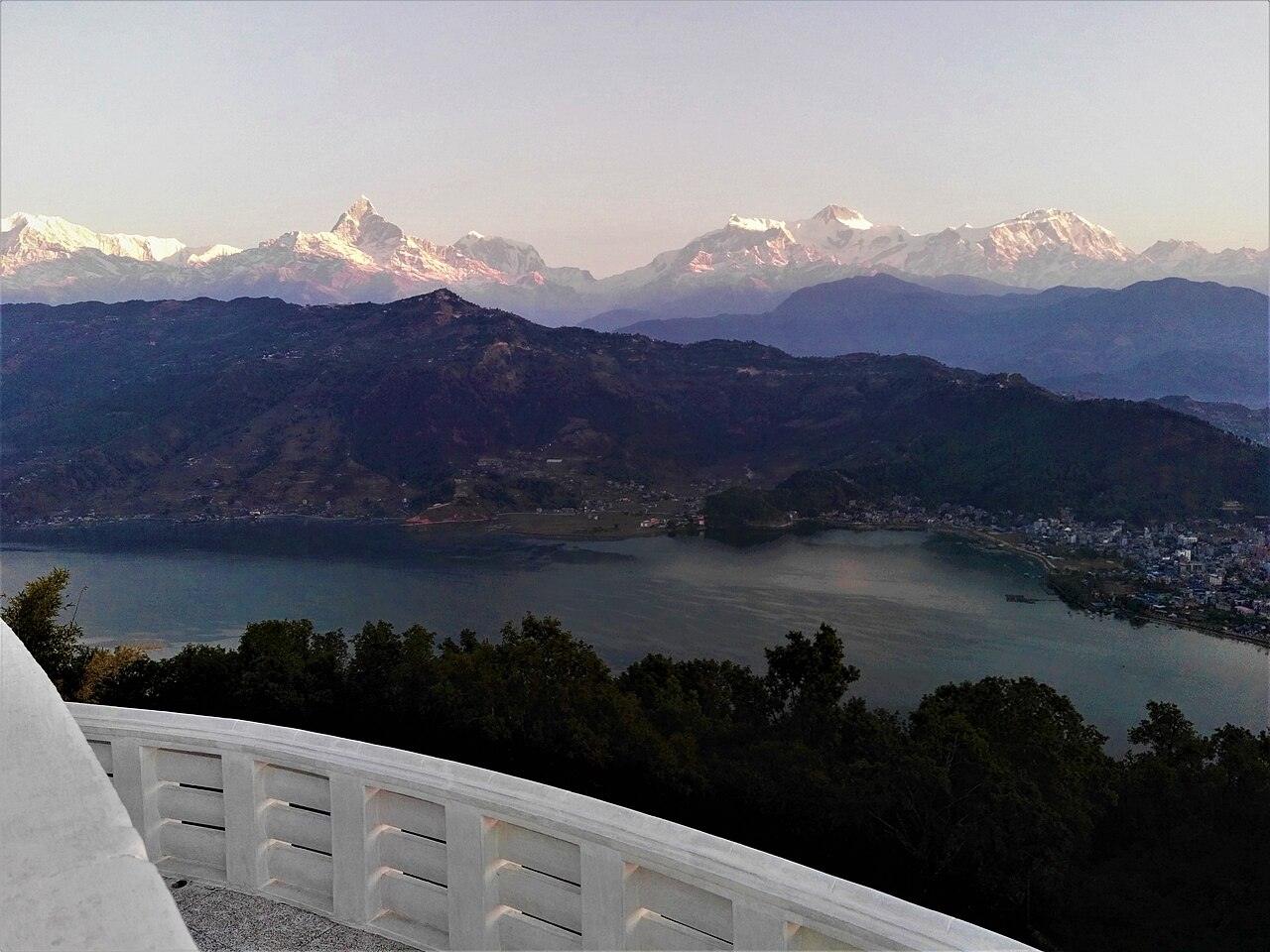 7 daysEasy
Kathmandu, Pokhara and Poon Hill
The temples of the Kathmandu Valley, the lake at Pokhara and a short trek with sunrise over the Annapurnas.
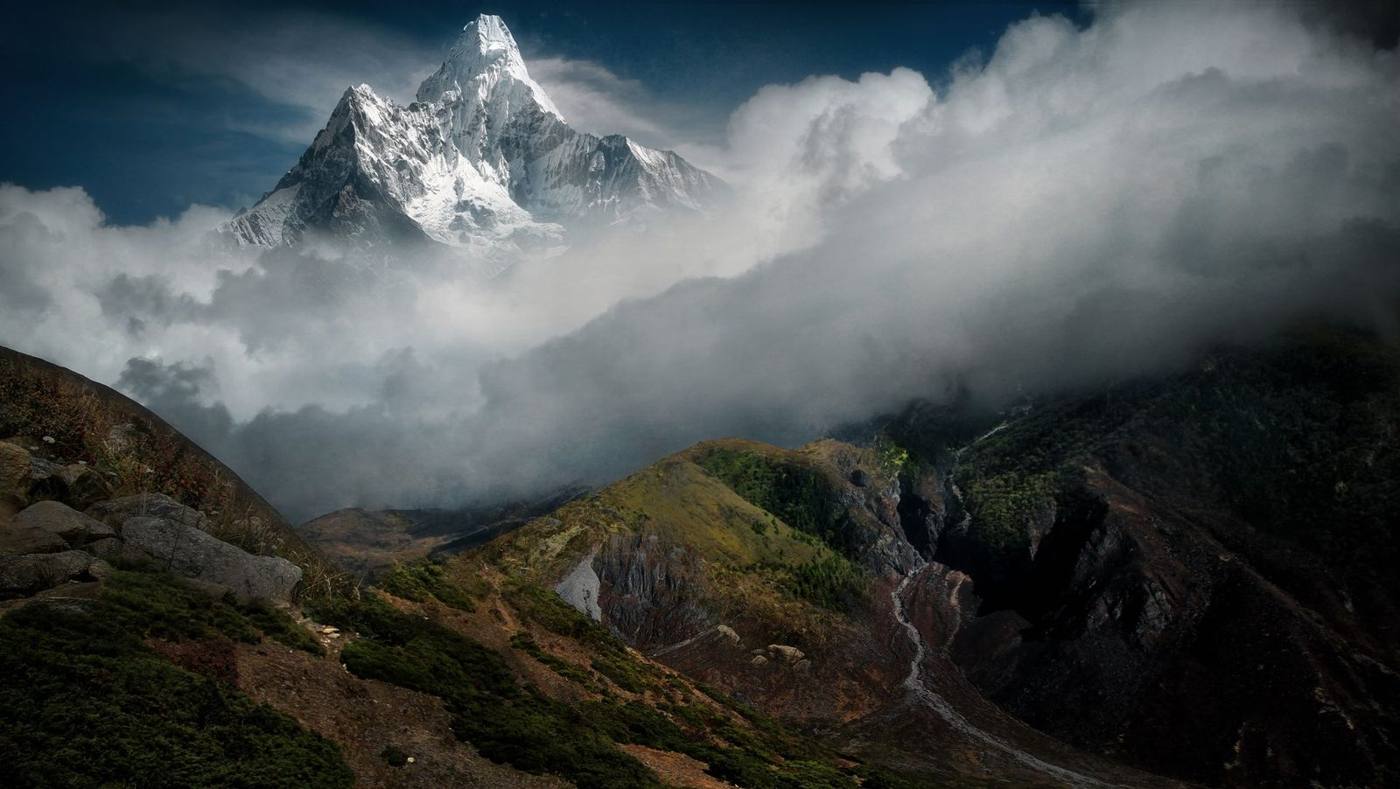 15 daysChallenging
Everest trek and Chitwan
The spectacular flight to Lukla, Sherpa villages and the Everest viewpoint of Kala Patthar, then the rhinos of Chitwan. Good fitness required.
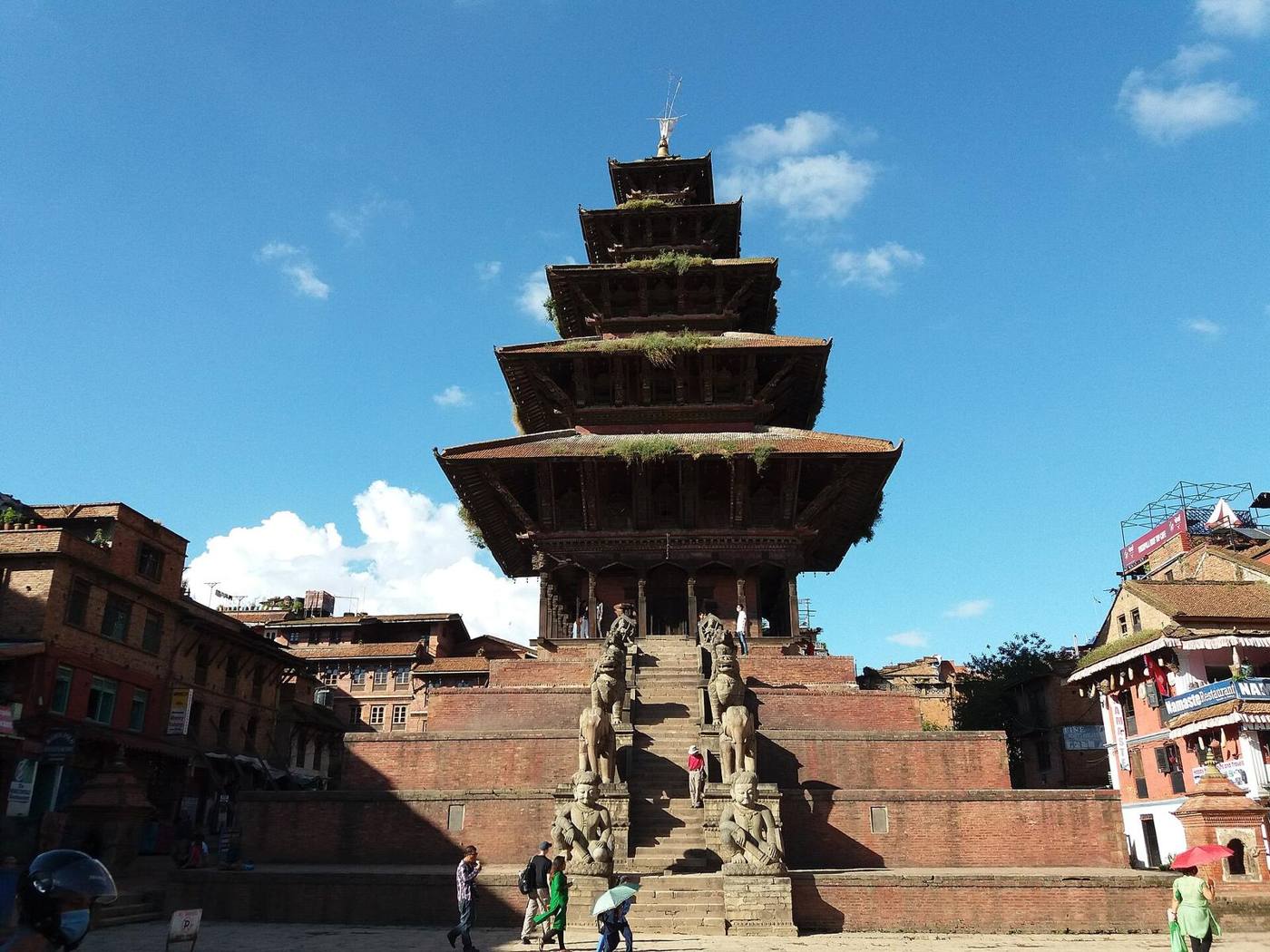 16 daysEasy
All of Nepal: the Kathmandu valley, Pokhara and Chitwan
The valley's three royal cities, a short trek with Annapurna views, rafting on the Trisuli, the rhinos of Chitwan and Lumbini, birthplace of the Buddha.