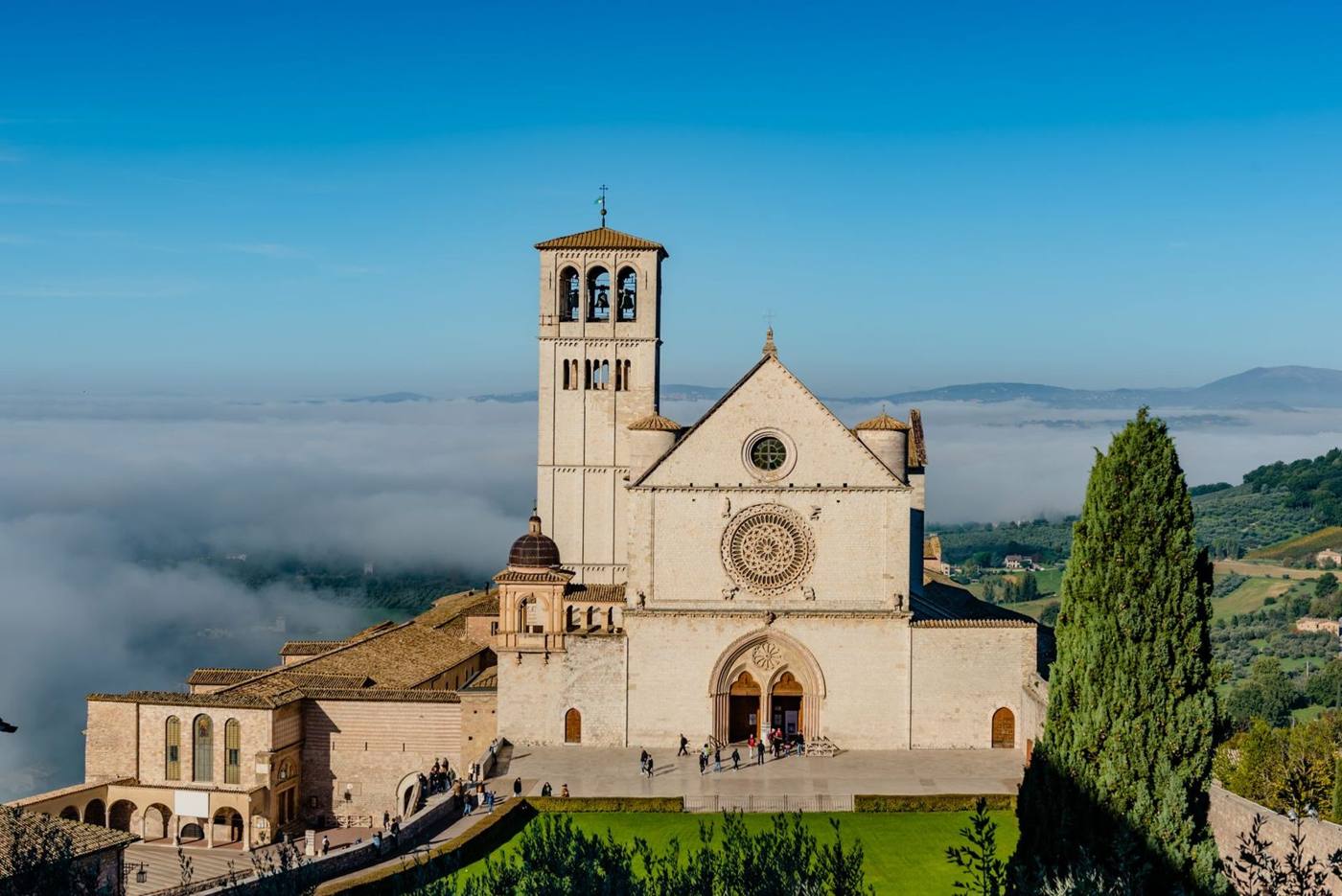
Umbria and Marche: Assisi, Perugia, Gubbio and Urbino
The green heart of Italy: the Basilica of Saint Francis in Assisi, the villages of Spello and Spoleto, Perugia and its lanes, medieval Gubbio and the ducal palace of Urbino, a Renaissance city.
- Spoleto
- Spello
- Assisi
- Perugia
- Gubbio
- Urbino
Day by day
- Day 1
Spoleto: the cathedral, the Ponte delle Torri and the fortress
Umbria is called the green heart of Italy: a region without a coastline, of hills, olive groves, woods and medieval stone towns perched on hilltops, each with its own churches, squares and saints. Together with neighbouring Le Marche it holds some of the most important masterpieces of Italian art. In six days you cross the two regions from south to north, from Spoleto to Urbino.
The trip begins in Spoleto, about an hour and a half by train from Rome. It is best, though, to hire a car, because some stops are awkward by public transport. Spoleto is an elegant town on a hill, with Roman remains, Romanesque churches and noble palaces. In summer it hosts the Festival dei Due Mondi, one of Italy's great festivals of music, theatre and dance.
In the morning walk down the great stairway to Piazza del Duomo, one of the most beautiful squares in Italy. The cathedral has a Romanesque facade with a thirteenth-century gold mosaic and, inside in the apse, Filippo Lippi's frescoes of the life of the Virgin, the painter's last work; he is buried here.
In the afternoon climb to the Rocca Albornoziana, the fourteenth-century fortress at the top of the hill, now a museum, and then walk to the Ponte delle Torri, a medieval aqueduct bridge more than two hundred metres long and about eighty metres high, suspended over a wooded gorge. The path around the fortress offers fine views over the valley.
In the evening try strangozzi with black truffle, a long handmade pasta typical of the area. Practical tip: Spoleto has escalators and mechanised walkways rising from the lower town: use them to avoid the climbs.
- Day 2
Spello and its flower-filled lanes, evening in Assisi
In the morning drive north to Spello, about half an hour away, one of Umbria's loveliest villages, built of pink stone from Monte Subasio. Its walls and gates are partly still Roman, such as Porta Venere with its two towers.
Spello is famous for its flower-filled lanes: residents decorate stairs, balconies and doorways with pots of flowers, and every year there is a contest for the most beautiful street. The village is also known for the Infiorata of Corpus Domini, in late May or June, when during the night residents cover the streets with carpets and pictures made of flower petals, which are walked over the next morning by the procession.
In the church of Santa Maria Maggiore visit the Baglioni chapel, frescoed by Pinturicchio in the early sixteenth century with the Annunciation, the Nativity and Christ among the doctors, in brilliant colours with Umbrian landscapes in the background. In one corner the painter included his self-portrait.
In the afternoon walk up to the top of the village for the view over the valley, then continue to Assisi, about twenty minutes away. Arrive before sunset: the evening light on the city's pink and white stone, seen from the plain, is one of the finest views in Umbria.
Sleep in Assisi, inside the walls, to enjoy the town in the evening and early morning, before the tour groups arrive. Practical tip: on Infiorata day Spello fills with visitors; if you want to see it, stay in the village or arrive very early.
- Day 3
Assisi: the basilica of Saint Francis, Santa Chiara and the Rocca Maggiore
Assisi is the town of Saint Francis, who in the thirteenth century chose poverty and love of nature, and of Saint Clare. It is a UNESCO World Heritage site and one of the most important pilgrimage destinations in the world.
Early in the morning go to the basilica of Saint Francis, built right after the saint's death in 1226, on two levels. In the lower basilica, low and dim, are Francis's tomb in the crypt and frescoes by Cimabue, Simone Martini and Pietro Lorenzetti. In the upper basilica, tall, bright and Gothic, the walls tell the saint's life in twenty-eight scenes, from renouncing his father's wealth to preaching to the birds: a fresco cycle traditionally attributed to Giotto and his workshop, one of the starting points of modern painting. In the 1997 earthquake part of the vault collapsed: today it is restored. Enter in silence and suitably dressed.
In the afternoon follow Via San Francesco to Piazza del Comune, with the Roman temple of Minerva, now a church, and continue to the basilica of Santa Chiara, in striped white and pink stone, which keeps the San Damiano crucifix, the one that according to tradition spoke to Francis.
Towards sunset climb to the Rocca Maggiore, the fortress at the top of the town, for the view over the Umbrian valley. If you have time, also walk down to San Damiano, the small convent outside the walls among the olive trees.
Practical tip: Assisi is full of slopes and steps; comfortable shoes and an unhurried pace make the visit far more pleasant.
- Day 4
Perugia: Corso Vannucci, the National Gallery of Umbria and the Etruscan well
In the morning go to Perugia, Umbria's capital, about half an hour from Assisi. It is a lively university city, with thousands of Italian and foreign students, built on a hill with a history running from the Etruscans to the Renaissance.
Leave the car in one of the lower car parks and ride the escalators that pass through the Rocca Paolina, a sixteenth-century fortress built by the Pope over an entire medieval quarter: walking under its vaults you can still see the buried streets and houses. You emerge in the centre on Corso Vannucci, the main street, where the whole city strolls in the evening.
At the end of the Corso is Piazza IV Novembre, with the cathedral and the Fontana Maggiore, a thirteenth-century fountain decorated with sculptures by Nicola and Giovanni Pisano. Opposite, in the Palazzo dei Priori, visit the National Gallery of Umbria, with works by Perugino, the painter who was Raphael's teacher, Pinturicchio, Fra Angelico and Piero della Francesca. In the same palace, if it is open, see the Collegio del Cambio, the guild hall frescoed by Perugino.
In the afternoon go down into the Etruscan well, a large well about thirty-seven metres deep dug in the third century BC, which supplied the city with water. Then pass under the Etruscan Arch, the ancient city gate.
In the evening taste Perugian specialities and chocolate, for which the city is famous, or torta al testo, flatbread cooked on a griddle. Practical tip: every October Perugia hosts a big chocolate festival, while July brings Umbria Jazz.
- Day 5
Gubbio: the Palazzo dei Consoli and the cable car up Monte Ingino
In the morning drive north-east to Gubbio, about an hour from Perugia, one of the best-preserved medieval towns in Italy, all in grey stone, resting on the slopes of Monte Ingino.
The heart of Gubbio is Piazza Grande, a hanging square built over great arches, suspended above the town and the valley. Here rises the fourteenth-century Palazzo dei Consoli, one of the most beautiful town halls in Italy, with its bell tower. Inside, the civic museum keeps the Eugubine Tablets, seven bronze tablets from the second and first centuries BC written in the Umbrian language in Etruscan and Latin letters: they are the most important document of this ancient Italic language and describe the town's religious rites.
Then stroll through the medieval lanes, with stone houses, pottery workshops and narrow doors beside the main ones, traditionally called doors of the dead.
In the afternoon take the Colle Eletto cable car, with small open cages in which you ride standing, two at a time, to the top of Monte Ingino. Here stands the basilica of Sant'Ubaldo, the patron saint, which keeps the Ceri, three tall wooden structures that every 15 May are raced through the streets and up the mountain in the Corsa dei Ceri, one of the oldest and most spectacular festivals in Italy. At Christmas a huge tree made of lights is switched on across the mountainside.
In the evening sleep in Gubbio. Practical tip: the cage cable car is safe but can be unnerving if you suffer from vertigo; there is also a road up.
- Day 6
Urbino: the ducal palace, the National Gallery of the Marche and Raphael's house
On the last day you cross the Apennines into Le Marche, to Urbino, about an hour and a half from Gubbio. Urbino is a small town on two hilltops, but in the fifteenth century it was one of the capitals of the Italian Renaissance, thanks to Duke Federico da Montefeltro, a military leader and great patron who brought artists, architects and scholars to his court. The historic centre is a UNESCO site.
In the morning visit the ducal palace, which Federico built as a city in the form of a palace, with the Torricini facade, two slender towers facing the valley. Inside is the National Gallery of the Marche, with masterpieces such as Piero della Francesca's Flagellation of Christ and Madonna of Senigallia and Raphael's portrait known as La Muta. Do not miss the duke's studiolo, a small room lined with wood inlay that looks like real shelves, books and instruments.
In the afternoon climb the steep streets to the house where Raphael was born in 1483: a fifteenth-century house with a courtyard and the room where, according to tradition, he painted a Madonna on the wall as a boy. Then continue to the Albornoz fortress, in the park at the top of the town, for the view over the Torricini and the hills.
In the evening head back towards Rome, Bologna or the Adriatic coast, or stay in Urbino. Taste crescia sfogliata, the local flatbread, filled with cured meats and cheese.
Practical tip: Urbino is a university town built on steep hills; park outside the walls and go up by lift or on foot.
A slow, uncrowded trip, except for Assisi at weekends and on religious holidays. You need a car and comfortable shoes: the towns are on hills. For the upper basilica in Assisi wear clothing covering shoulders and knees. Gubbio's Festa dei Ceri takes place every year on 15 May.
Before you go
- Documents and visa
- EU citizens only need a valid identity card or passport; hotels and guesthouses must register it on arrival. Other nationalities should check the visa rules for the Schengen area.
- Health and vaccines
- No vaccines required. EU citizens should bring their European Health Insurance Card (EHIC). Emergency number: 112.
- Money and payments
- Euro. Cards are accepted almost everywhere; many cities charge a tourist tax per night, paid directly at your accommodation.
- Power sockets
- Types C, F and L, 230 volts.
- Time zone
- Central European Time (UTC+1), summer time (UTC+2) from the last Sunday of March to the last Sunday of October.
- Safety
- A safe country. In big cities and on crowded public transport watch out for pickpockets. Emergencies: 112. Official advice: GOV.UK.
Information checked in November 2026 for Italian and EU citizens. Rules change: always check before you travel.
Variations
In 4 days: Assisi, Perugia, Gubbio and Urbino, without Spoleto and Spello, starting from Rome or Florence.
In 8 days: add Orvieto and Todi in southern Umbria, or the Valnerina and Norcia, with the Sibillini mountains.
Frequently asked questions
Do I need a car?
It is very useful: trains link Spoleto, Spello, Assisi and Perugia, but Gubbio and Urbino can be reached only by bus, with slow connections. In every town the centre is best on foot.
When is the best time to go?
Spring and autumn, with mild weather and the colours of the countryside. May is the month of the Corsa dei Ceri in Gubbio and often of the Spello Infiorata.
How can I see Assisi without the crowds?
By sleeping inside the walls and visiting the basilica of Saint Francis early in the morning or late in the afternoon, when day-trip groups have left.
Indicative itinerary written by World Atlas. Before booking, check timetables, seasonal openings, documents and safety.
 5 daysModerate
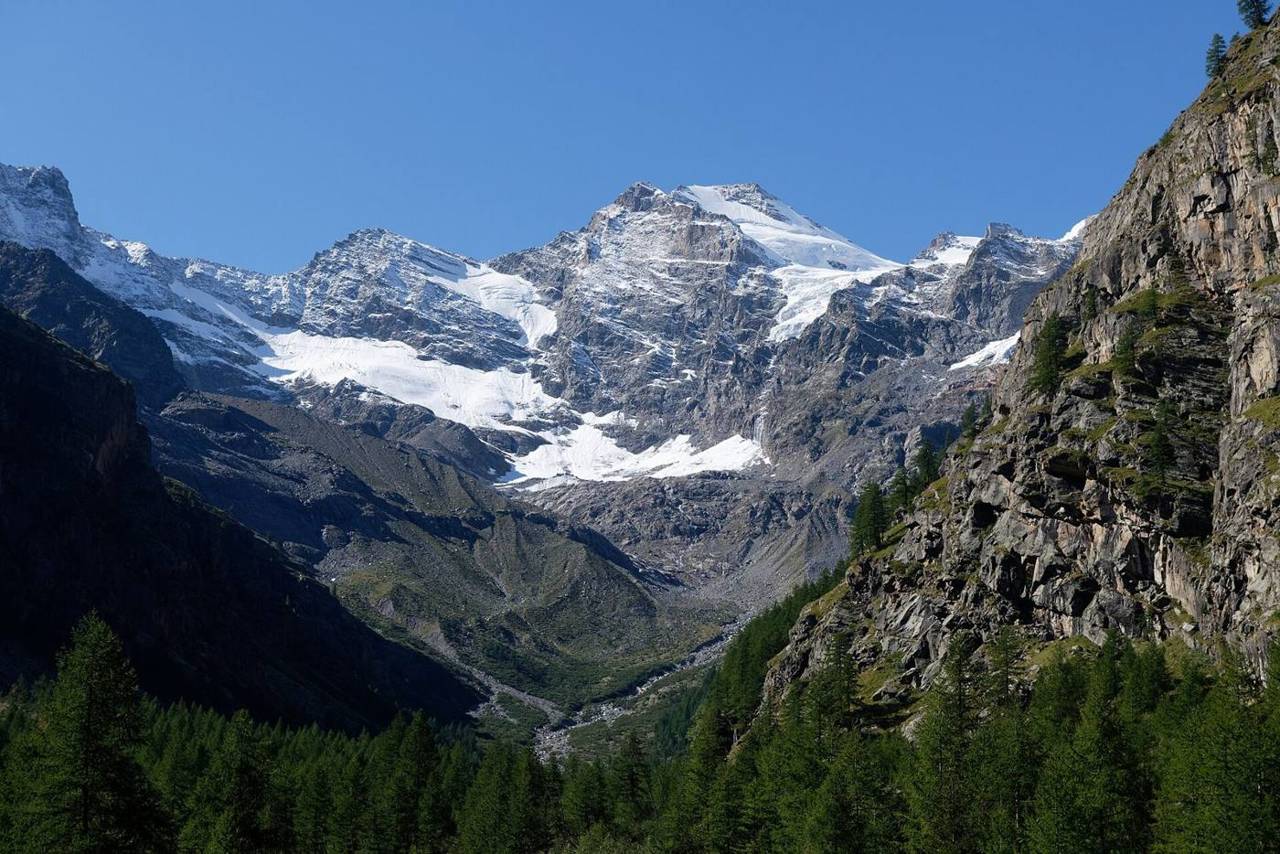
Aosta Valley: Mont Blanc and Gran Paradiso
Italy's smallest region and its highest mountains: the Skyway cable car on Mont Blanc, the Cogne and Valsavarenche valleys in Gran Paradiso National Park with ibex and chamois, Roman Aosta and the castles along the Dora.
 7 daysEasy
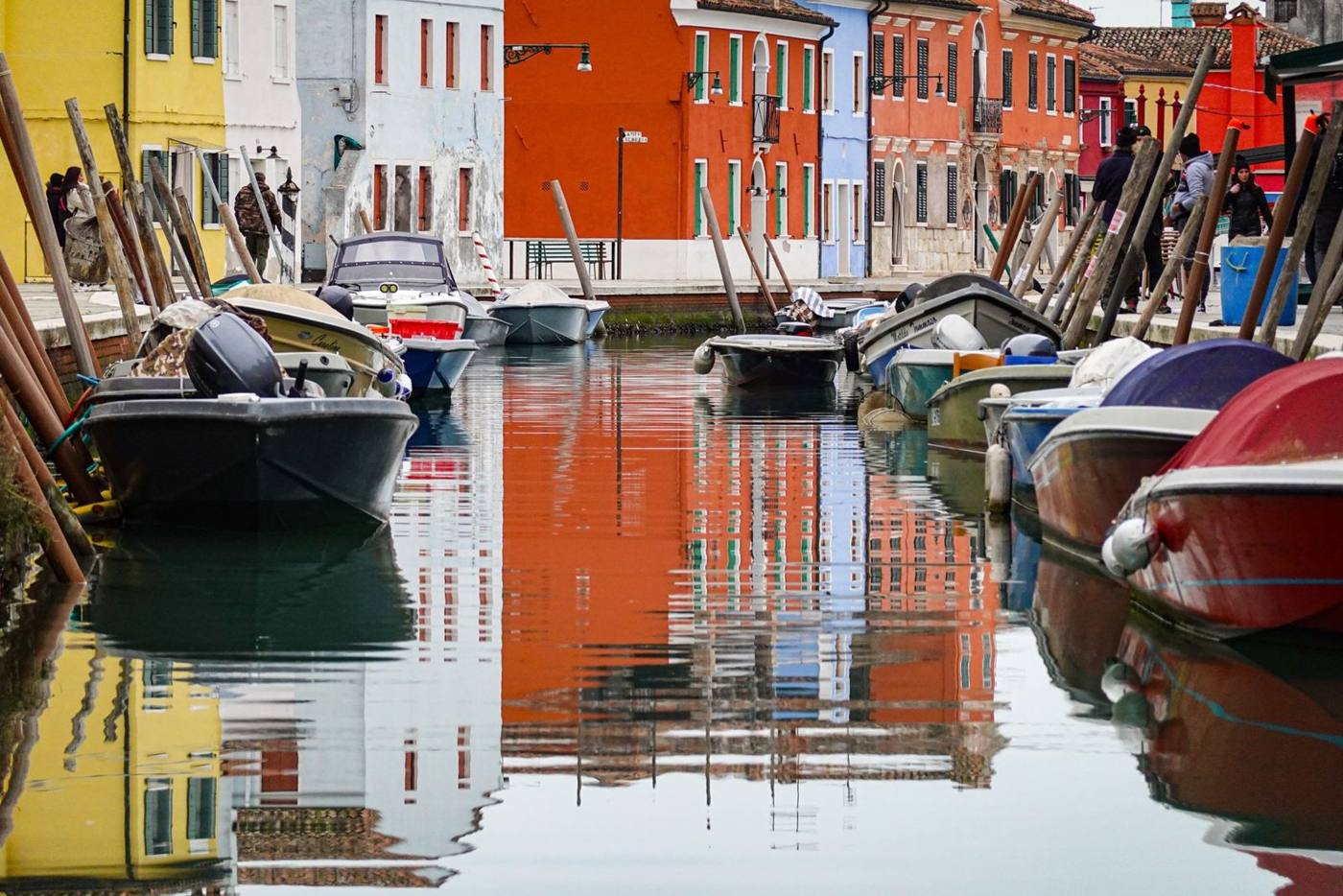
Veneto: Venice lagoon, Padua, Vicenza and Verona
Venice at a slow pace, with the islands of Murano, Burano and Torcello, then the art cities on the mainland: Giotto's frescoes in the Scrovegni Chapel in Padua, Palladio's villas and Teatro Olimpico in Vicenza, and the Verona Arena.
 6 daysEasy
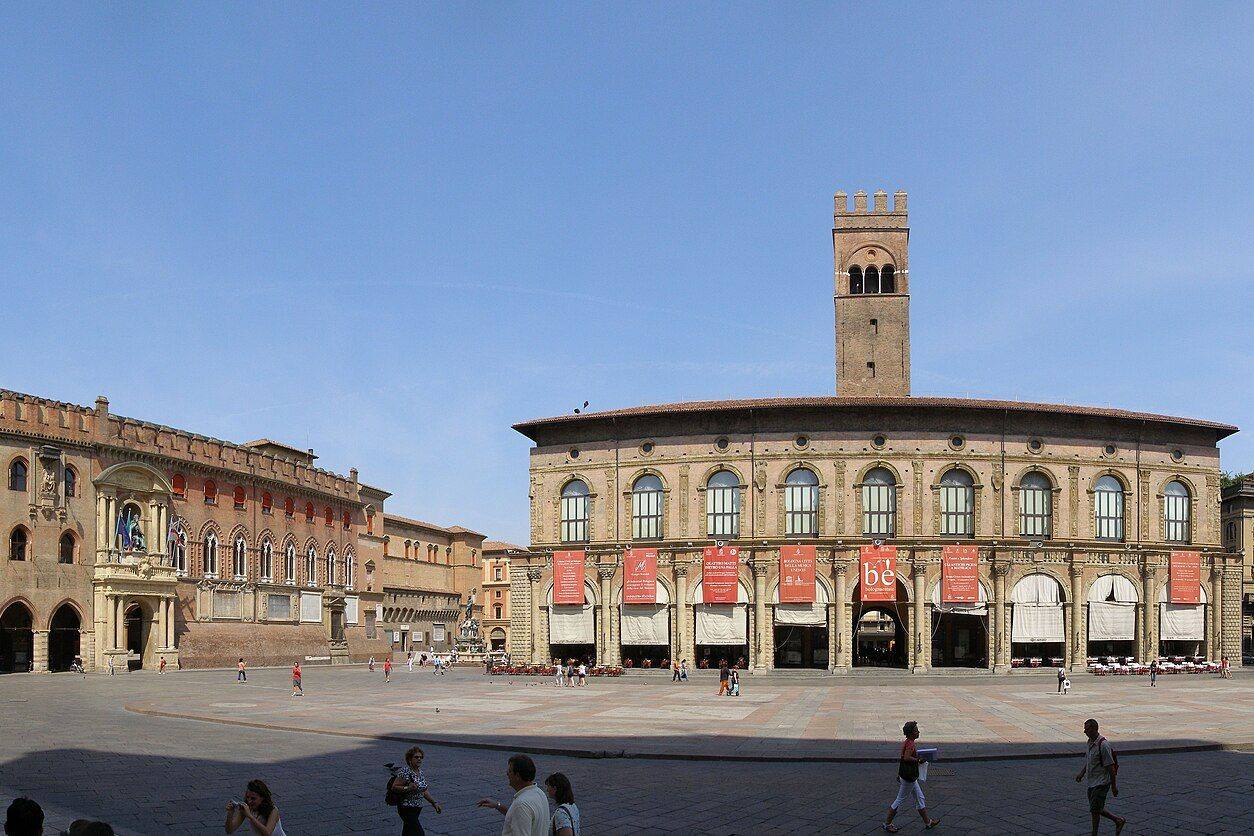
Emilia-Romagna: Bologna, Modena, Parma and Ravenna
The land of Parmigiano Reggiano, prosciutto and balsamic vinegar: Bologna and its porticoes, Modena with its Romanesque cathedral, Parma and the cheese dairies, Ferrara of the Este family and the Byzantine mosaics of Ravenna.