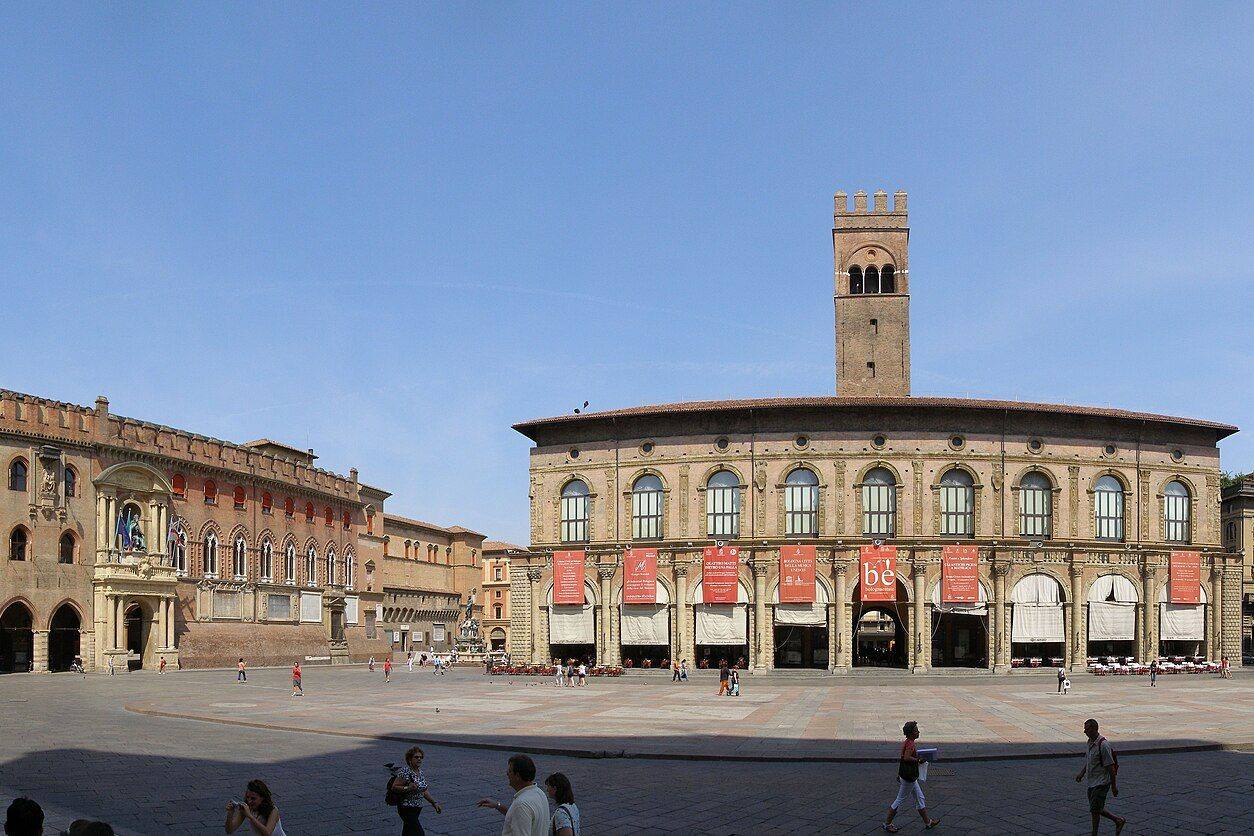
Emilia-Romagna: Bologna, Modena, Parma and Ravenna
The land of Parmigiano Reggiano, prosciutto and balsamic vinegar: Bologna and its porticoes, Modena with its Romanesque cathedral, Parma and the cheese dairies, Ferrara of the Este family and the Byzantine mosaics of Ravenna.
- Parma
- Modena
- Bologna
- Ferrara
- Ravenna
Day by day
- Day 1
Parma: Parmigiano Reggiano at dawn, the cathedral and the baptistery
The trip begins in Parma, about an hour by train from Milan or Bologna. If you can, arrive the evening before, because the best part of this day happens very early. At eight in the morning, in the dairies around the city, cheesemakers work the fresh milk in great copper vats, break the curd and lift the new wheels wrapped in cloths. You can only see this in the first hours of the day: by ten it is over. Many dairies accept visits by reservation, sometimes through the Parmigiano Reggiano Consortium; you also see the ageing rooms with thousands of wheels on the shelves, and the visit usually ends with a tasting of cheeses of different ages.
Back in town, spend the late morning on the cathedral square. Inside the Romanesque cathedral, look up at the dome painted by Correggio, with the Assumption of the Virgin in a whirl of clouds and figures. Next to it stands Benedetto Antelami's octagonal baptistery, in pink Verona marble, with sculptures of the months and the signs of the zodiac inside.
In the afternoon visit the Pilotta complex: the Teatro Farnese, built entirely of wood in the early seventeenth century, and the National Gallery. In the evening walk through the centre, lively and full of students. At dinner try anolini in broth, tortelli filled with greens and served with butter and parmesan, Parma ham and, if you find it, culatello from the lowlands along the Po.
Sleep in the old town, which you can cover on foot. Practical tip: book the dairy a few days ahead and be on time, because the cheesemaking does not wait for latecomers.
- Day 2
Modena: the cathedral, Piazza Grande and traditional balsamic vinegar
Half an hour by train takes you to Modena. In the morning go straight to Piazza Grande, where the Romanesque cathedral, the Ghirlandina tower and the square itself are a UNESCO World Heritage site. The cathedral, begun at the end of the eleventh century by the architect Lanfranco, has reliefs by Wiligelmo on its facade telling the stories of Genesis, among the finest Romanesque sculptures in Italy. Inside, go down to the crypt where Saint Geminianus, the city's patron, is buried. On the side of the square look for the stone where public speakers once stood, and the old measures carved into the wall of the town hall.
Then step into the covered market on Via Albinelli, open in the mornings, to see the stalls of cured meats, cheeses and local vegetables.
The afternoon is for traditional balsamic vinegar of Modena, which has nothing to do with the supermarket kind. It is made from cooked grape must, aged for at least twelve years as it passes through a series of small barrels of different woods, kept in the attics of houses where summer heat and winter cold do their work. Many family producers, in town and in the hills, offer visits and tastings by reservation.
If you like cars, Modena has a museum devoted to Enzo Ferrari, and Maranello, half an hour away, has the carmaker's own museum: decide whether to add them. In the evening try tortellini in broth, gnocco fritto with cured meats, tigelle flatbreads and, in winter, zampone.
You can sleep in Modena or move on to Bologna, half an hour by train. Practical tip: for traditional balsamic, look for the PDO seal on the small round bottle; everything else is a different product.
- Day 3
Bologna: porticoes, Piazza Maggiore, the Archiginnasio and the Quadrilatero
Bologna is your base for the next two nights. Start the morning in Piazza Maggiore, the heart of the city, with the basilica of San Petronio, huge and never finished: half of the facade is still bare brick. Inside, look for the meridian line almost seventy metres long, traced on the floor in the seventeenth century. Beside it stand Palazzo d'Accursio, the town hall, with its rooms and views from above, and Giambologna's Neptune fountain.
A few steps away visit the Archiginnasio, the first unified seat of the university, with thousands of students' coats of arms on the walls and the wooden anatomy theatre where the human body was studied. Bologna has the oldest university in the Western world, and you feel it: the city is full of young people.
At midday walk into the Quadrilatero, the narrow streets behind the square where meat, fish, cheese and vegetables have been sold since the Middle Ages. It is the right place for a quick lunch of mortadella, crescentine and a glass of wine from the nearby hills.
In the afternoon walk under the porticoes, almost forty kilometres of them in the centre, a UNESCO site since 2021. Reach the two towers, the symbol of the city: the Asinelli tower has been closed since late 2023 while work is done to make the leaning Garisenda tower beside it safe, and it is not yet known when visitors will be able to climb again. Continue to Santo Stefano, the "seven churches" joined in a single complex.
The evening is for tagliatelle with ragù, which locals never call spaghetti bolognese. Practical tip: check the Archiginnasio's hours, which change with the library's activities.
- Day 4
Bologna: the climb to San Luca under the world's longest portico
Early in the morning, while it is still cool, set off on foot from Porta Saragozza to climb to the sanctuary of the Madonna di San Luca on the Colle della Guardia. The route runs under an unbroken portico almost four kilometres long, with 666 arches, built in the seventeenth and eighteenth centuries to shelter pilgrims and the image of the Madonna carried in procession every year. It is the longest portico in the world. The first part is flat, then the climb begins, with steps and ramps: allow about an hour and a half with stops. At the top the Baroque sanctuary looks over the city, the hills and, on clear days, the plain as far as the Alps. If you prefer not to walk, a small tourist train runs from the centre.
Come down on foot or by bus and spend the afternoon in the museums. The National Picture Gallery has works by Raphael, Giotto, Parmigianino and the Carracci, the great family of Bolognese painters. Alternatively, the archaeological museum has a rich Etruscan and Egyptian collection.
Towards evening look for the little window on Via Piella, which shows a stretch of the canals that once crossed the city and powered the silk mills. Then have an aperitivo in the university streets, Via Zamboni or Piazza Verdi, which are always busy.
At dinner try tortellini, green lasagne with ragù and, to finish, rice cake. Practical tip: for San Luca bring water and comfortable shoes, and in summer leave by eight; the portico gives shade, but the climb is tiring in the heat.
- Day 5
Ferrara by bike: the Este castle and the walls
Ferrara is less than half an hour by train from Bologna and one of the most bicycle-friendly cities in Italy. As soon as you arrive, rent a bike near the station: it is how locals get around too. For centuries the city was the capital of the Este family, one of the most refined courts of the Renaissance, and its centre is a UNESCO site.
Start at the Este castle, surrounded by a moat full of water, with drawbridges, underground prisons and the dukes' apartments. Next to it is the cathedral of San Giorgio, with its Romanesque and Gothic facade in white and pink marble. Behind it lie the Jewish ghetto and the medieval lanes, such as Via delle Volte, covered by arches that linked the houses to the warehouses by the river.
Then ride to the Addizione Erculea, the expansion of the city planned at the end of the fifteenth century by Biagio Rossetti, with wide straight streets: this is why Ferrara is considered the first modern city in Europe. Along Corso Ercole I d'Este you see the Palazzo dei Diamanti, its facade covered with thousands of marble points, now used for exhibitions.
In the afternoon ride the full circuit of the walls, about nine kilometres along a raised tree-lined path, almost entirely clear of cars. It is flat and easy, suitable for everyone.
At the table try cappellacci filled with pumpkin, salama da sugo, a slow-cooked cured sausage, and the cross-shaped local bread. Go back to Bologna in the evening or sleep in Ferrara. Practical tip: some of the city's museums close on Mondays; check before you go.
- Day 6
Ravenna: San Vitale, Galla Placidia and Sant'Apollinare in Classe
The last day is for Ravenna, just over an hour by train from Bologna, the city of mosaics. In the fifth and sixth centuries it was the capital of the Western Roman Empire, then of Theodoric's kingdom and finally of the Byzantine Empire in Italy. From those centuries eight UNESCO-listed monuments survive, with the most beautiful early Christian and Byzantine mosaics in the world.
Start in the morning at the basilica of San Vitale, octagonal in plan: in the apse look at the two great panels showing Emperor Justinian and Empress Theodora with their courts, in gold and brilliant colours. In the same garden stands the small mausoleum of Galla Placidia, its vault deep blue and covered with golden stars. You enter through a low door and stay silent: the space is tiny and visitors go in small groups at set times.
Then visit Sant'Apollinare Nuovo, with long processions of saints and virgins along the walls of the nave, and the Neonian baptistery. For lunch try piadina, the Romagna flatbread that was born in this area.
In the afternoon take the bus or train to Classe, five kilometres away, where the Roman fleet had its harbour. The basilica of Sant'Apollinare in Classe stands alone among the fields, with a green and gold apse showing a paradise of trees, rocks and sheep. Return to town for the tomb of Dante, who died in exile in Ravenna in 1321.
In the evening go back to Bologna for your train or flight home. Practical tip: for San Vitale and Galla Placidia it is worth booking a timed entry, especially at weekends and in spring.
It works by train: the cities are 20-60 minutes apart. For the dairies, book and arrive early; cheese-making can only be seen in the morning. Bologna's two towers have been closed since late 2023 for safety work on the Garisenda; there is no reopening date yet for the Asinelli. Also a great trip in autumn, with fog and the richest food.
Before you go
- Documents and visa
- EU citizens only need a valid identity card or passport; hotels and guesthouses must register it on arrival. Other nationalities should check the visa rules for the Schengen area.
- Health and vaccines
- No vaccines required. EU citizens should bring their European Health Insurance Card (EHIC). Emergency number: 112.
- Money and payments
- Euro. Cards are accepted almost everywhere; many cities charge a tourist tax per night, paid directly at your accommodation.
- Power sockets
- Types C, F and L, 230 volts.
- Time zone
- Central European Time (UTC+1), summer time (UTC+2) from the last Sunday of March to the last Sunday of October.
- Safety
- A safe country. In big cities and on crowded public transport watch out for pickpockets. Emergencies: 112. Official advice: GOV.UK.
Information checked in November 2026 for Italian and EU citizens. Rules change: always check before you travel.
Variations
In 4 days: two days in Bologna, then Modena and Ravenna as day trips by train, without changing hotel.
In 8 days: add the hills and castles of the Piacenza Apennines, or the Po delta with the Comacchio lagoons and their flamingos.
Frequently asked questions
Do I need a car?
No: Parma, Modena, Bologna, Ferrara and Ravenna are linked by frequent trains. A car is only useful for dairies and balsamic producers in the countryside; otherwise take a taxi or an organised visit.
When is the best time to go?
Spring and autumn: in summer the plain is very hot and humid, and in winter there can be fog. Autumn is also the season of mushrooms, truffles and village food festivals.
Can I climb Bologna's two towers?
Not at the moment: the Asinelli tower has been closed since late 2023 because of the work on the Garisenda. Check the latest news before your trip.
Indicative itinerary written by World Atlas. Before booking, check timetables, seasonal openings, documents and safety.
 7 daysEasy
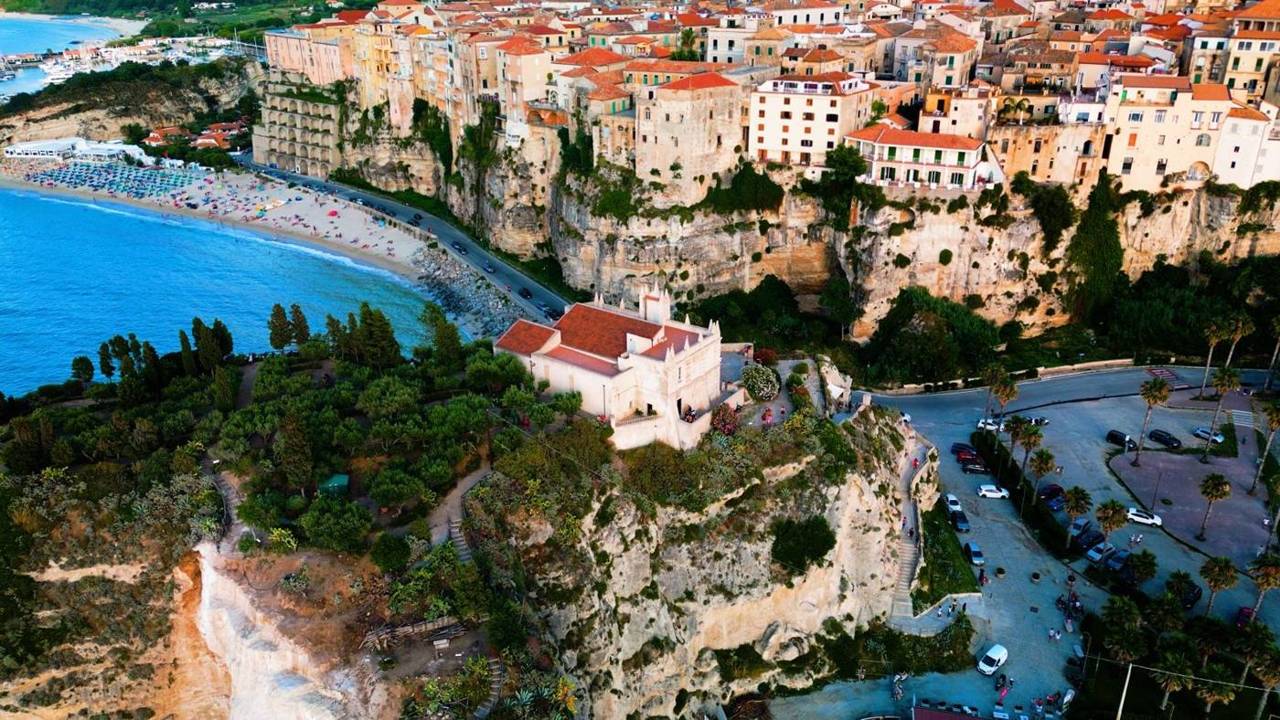
Calabria: Tropea, Scilla and the Sila
The Coast of the Gods with Tropea and Capo Vaticano, the fishing quarter of Chianalea in Scilla, the Riace Bronzes in Reggio Calabria and the wooded plateaus of the Sila with their lakes and larch pines.
 7 daysModerate
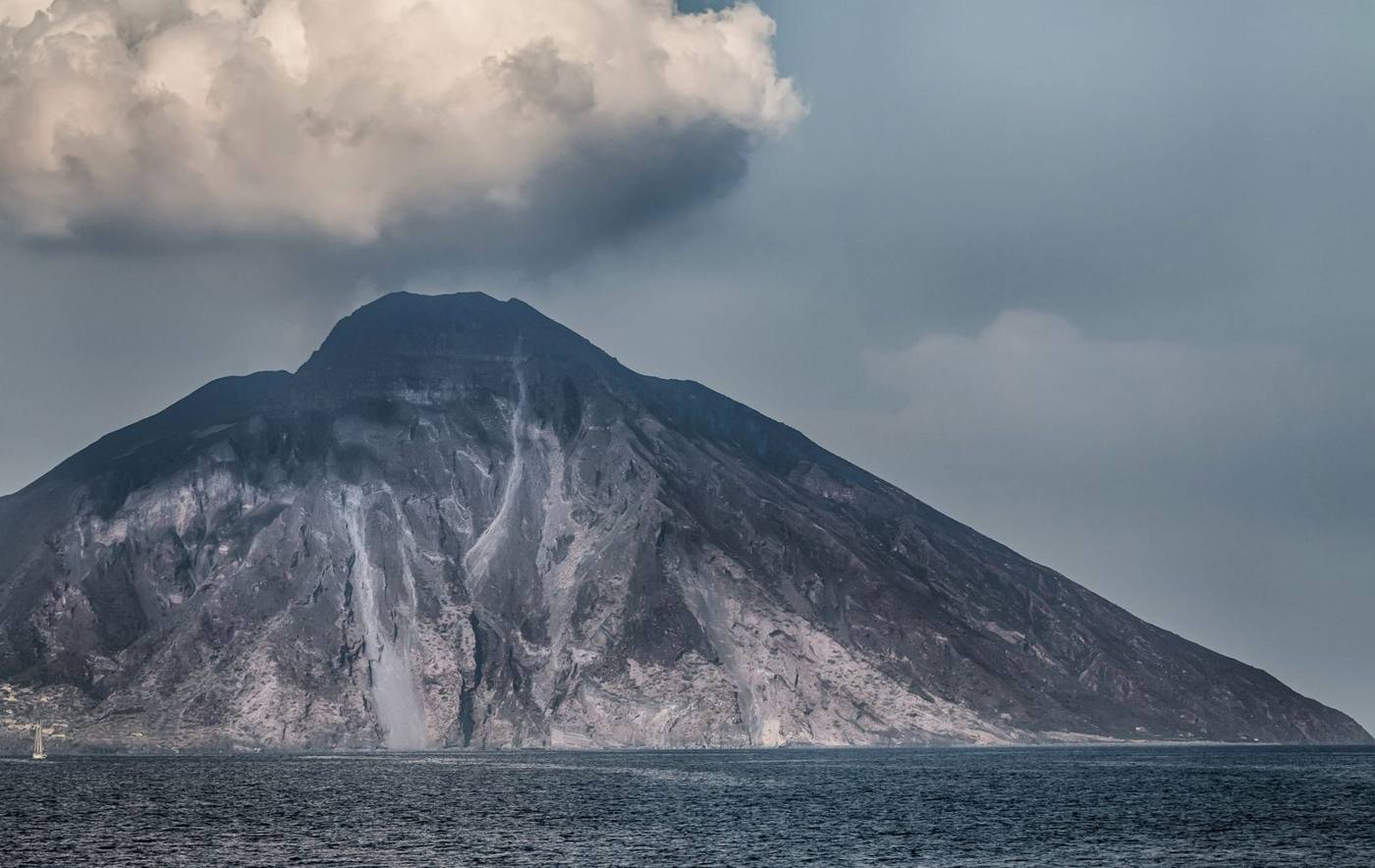
Aeolian Islands: Lipari, Salina and Stromboli
Seven volcanic islands in the Tyrrhenian Sea, a UNESCO World Heritage site: the pumice quarries of Lipari, the mud baths and crater of Vulcano, the Malvasia vineyards of Salina, Panarea and the eruptions of Stromboli seen at sunset.
 7 daysEasy
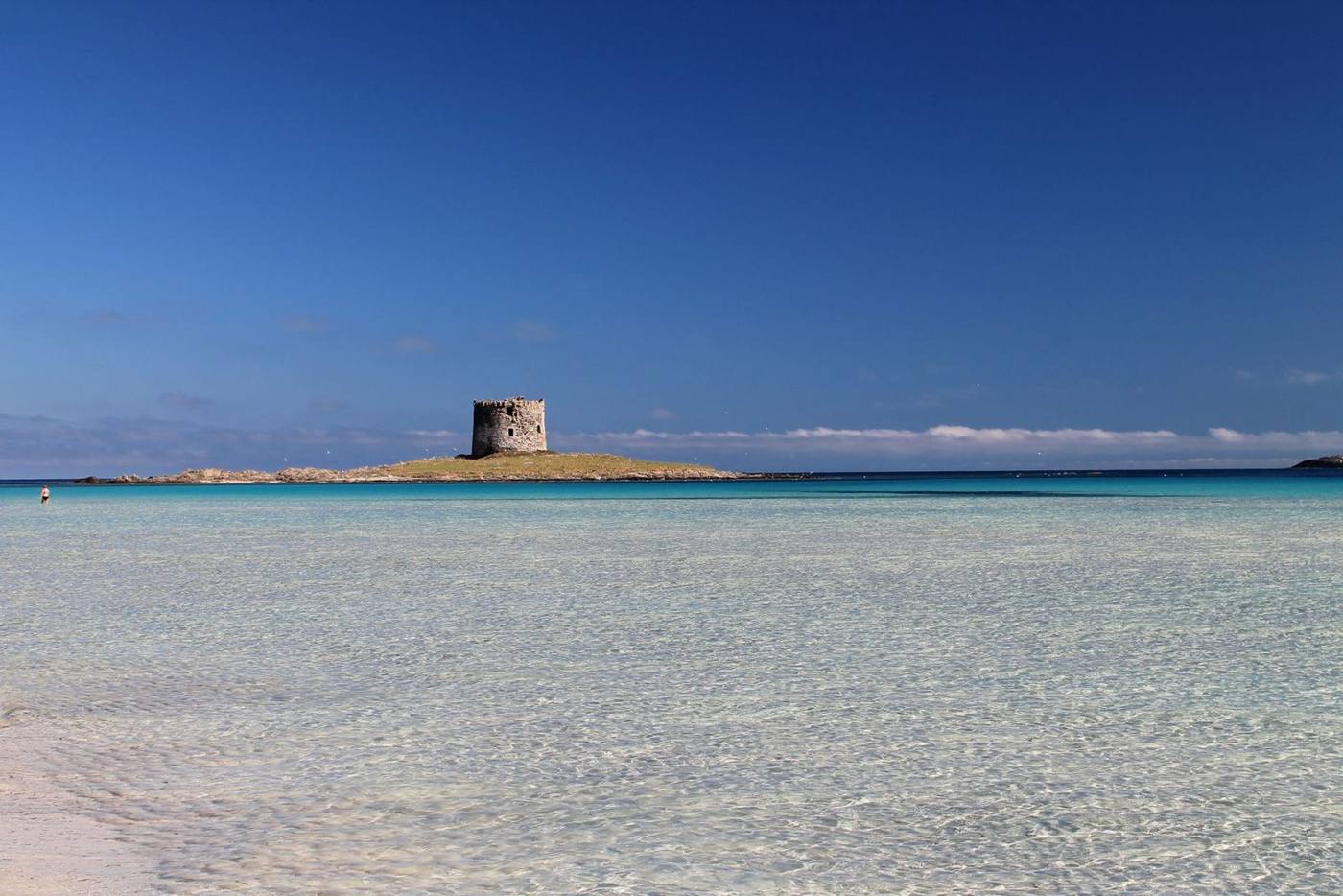
Northern Sardinia: Alghero, Stintino and La Maddalena
The Catalan town of Alghero and Capo Caccia with Neptune's Grotto, La Pelosa beach at Stintino, the granite of Gallura and the La Maddalena archipelago by boat, with the coves of Caprera.