North Sulawesi: Bunaken and Lembeh
Two different kinds of diving in a week: the vertical walls of Bunaken marine park, full of turtles and fish, and the Lembeh Strait, the world capital of muck diving, with strange creatures on black sand; on land, the tarsiers and black macaques of Tangkoko reserve.
- Manado
- Bunaken
- Tangkoko
- Bitung
- Lembeh
Day by day
- Day 1
Manado and the boat to Bunaken
This trip is a week of diving and nature in North Sulawesi, the large orchid shaped island at the centre of Indonesia. It combines two of the world's most famous places for divers: Bunaken marine park, with coral walls dropping sheer into the blue, and the Lembeh Strait, the capital of muck diving, dives on dark sandy bottoms in search of small and strange creatures. In between lies the Tangkoko forest, home to tarsiers, among the smallest primates in the world.
You arrive at Manado airport, the province's main city, usually on a domestic flight from Jakarta, Bali or Makassar, or on flights from Singapore. On arrival in Indonesia you pay the visa on arrival, which costs 500,000 rupiah.
Manado is a modern, busy city on its bay, with a largely Christian population: you see many churches and, on the hills, large religious statues. There are no major sights, so it is best to move on straight away.
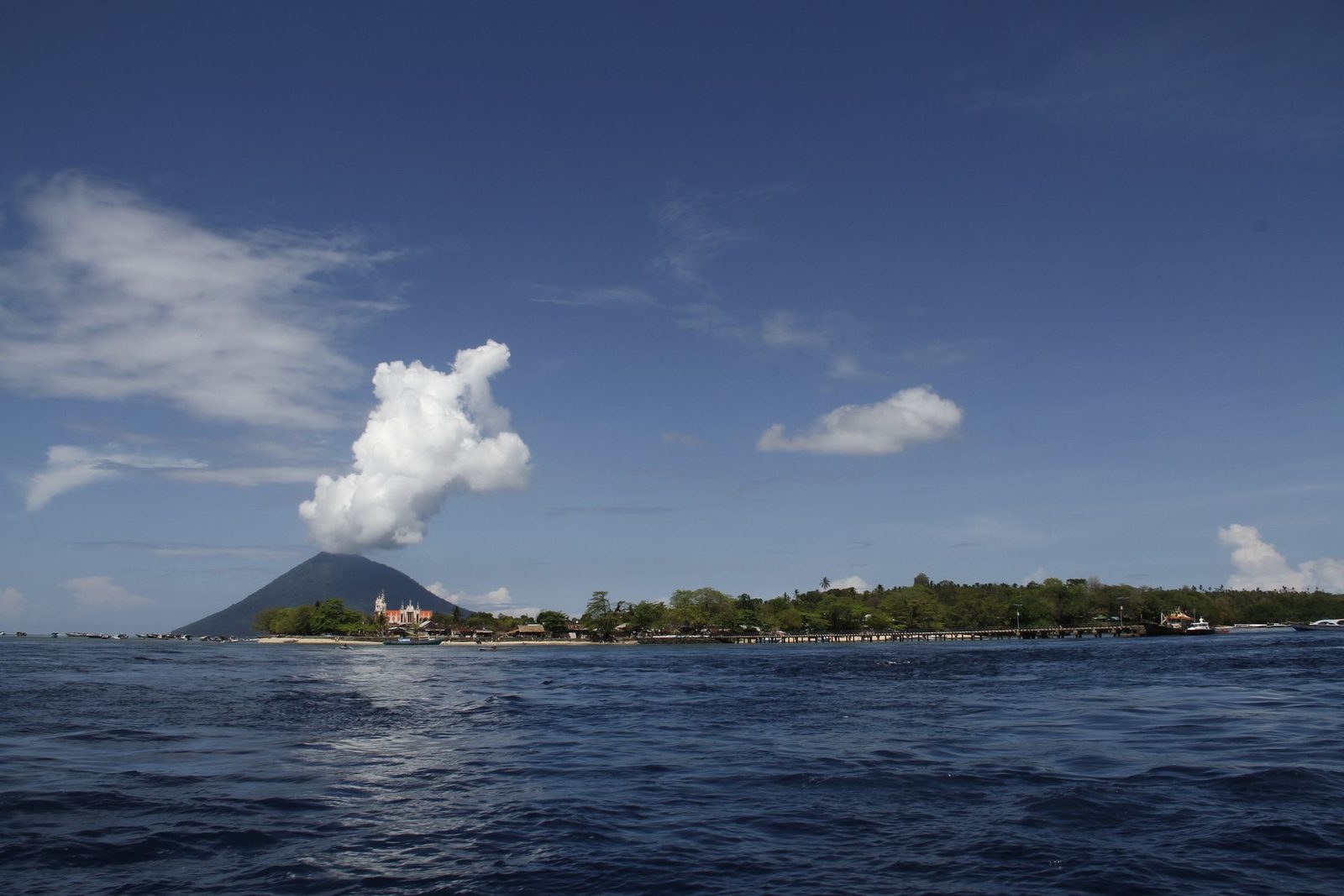
From Manado harbour, or from beaches north of the city, small boats reach Bunaken in about forty minutes. The island is small, with villages, palms, mangroves and small wooden houses by the sea where divers stay.
In the evening watch the sunset behind the Manado Tua volcano, the perfect cone rising from the sea next to Bunaken.
Spend the night on Bunaken.
Practical tip: if you plan to dive, bring your certification card and logbook. The marine park charges an entrance fee: check the current amount.
- Day 2
Bunaken: the walls of Lekuan
Today you begin diving in Bunaken marine park, one of Indonesia's first marine parks, established in 1991. Around the island the reefs end in vertical walls that drop for tens of metres, covered in hard and soft corals, huge sponges and sea fans. The water is often very clear.
The most famous dives are at Lekuan, on the island's south coast, a series of walls where you swim along the reef with the blue on one side. Here you almost always see green and hawksbill turtles, resting on coral ledges or swimming very close to divers, without fear. Around them pass schools of fish, Napoleon wrasse, trevally and sometimes whitetip reef sharks.
Usually there are two dives in the morning and one in the early afternoon, with breaks on the boat or the island. The walls suit divers with little experience too, because currents are often mild and you can choose your depth.
Between dives rest under the palms and drink coconut water.
Towards evening, if you still have energy, snorkel straight from the shore: in many places the wall begins a few metres from the beach, with low tide leaving a platform of sand and coral.
Spend the night on Bunaken.
Practical tip: do not touch corals or turtles, and keep good buoyancy near the walls. Use reef friendly sunscreen.
- Day 3
Bunaken: Mandolin, Manado Tua and snorkelling
On your second day on Bunaken explore other parts of the park.
Mandolin, on the west side of the island, is one of the finest walls, with very colourful corals, giant sea fans, clownfish in anemones and, in cracks in the rock, moray eels and small crustaceans. You often see schools of surgeonfish and butterflyfish too.
Another dive is around the volcanic island of Manado Tua, opposite Bunaken, with steep walls and sometimes stronger currents, where you may meet larger fish. If you are more experienced, ask the guide to go to these sites.
Non divers can join the boat trips and snorkel over the top of the walls, where the light is strongest and the colours brightest. In a few metres of water you see turtles, colourful fish and corals dropping into the blue.
In the afternoon walk through Bunaken village, with simple houses, churches, children playing and a wooden boardwalk through the mangroves. It is a good moment to see the island's daily life, far from mass tourism.
At sunset sit on the beach and watch the sky change colour behind Manado Tua.
In the evening have grilled fish with sambal, the spicy sauce typical of North Sulawesi.
Spend the night on Bunaken.
Practical tip: allow at least eighteen to twenty four hours between your last dive and your flight. Plan your diving days around your departure.
- Day 4
Tangkoko: tarsiers at sunset and crested macaques
Today leave Bunaken, return to the mainland and drive to Tangkoko nature reserve, on the north eastern tip of Sulawesi, about two hours from Manado. The road passes coconut plantations, villages and green hills.
Tangkoko is a tropical forest at the foot of a volcano, by the sea. It is famous for two animals that live only on Sulawesi or nearby islands.
The first is the Celebes crested macaque, an entirely black monkey with a crest of hair on its head and amber eyes. It lives in large groups that move through the forest and onto the beach. With a local guide you can follow them closely as they look for food, play and groom each other.
The second is the tarsier, a tiny nocturnal primate the size of a fist, with huge eyes, each larger than its brain, and long fingers. By day it sleeps in the hollows of large fig trees. At sunset the guide takes visitors to the tree where a family of tarsiers lives, and you wait in silence for them to come out to hunt insects. It is one of the highlights of the trip.
In the forest you may also see hornbills, large birds with enormous bills, and the cuscus, a tree dwelling marsupial.
Spend the night in the village of Batuputih, near the reserve.
Practical tip: visits are only possible with a local guide. Do not use flash with the tarsiers, whose eyes are very sensitive. Check the entrance and guide fees.
- Day 5
The Lembeh Strait: muck diving
Early in the morning, if you like, go back into the Tangkoko forest to see the macaques and birds at their most active. Then leave for the Lembeh Strait, about an hour's drive, near the port town of Bitung.
The Lembeh Strait is a channel of sea between Sulawesi and Lembeh island. At first sight it does not look special: green water, black volcanic sand, ships and fishing boats. But underwater it is one of the richest places in the world for small, strange creatures, and underwater photographers come from all over the planet.
Muck diving, literally diving in the mud, means swimming slowly over sandy bottoms, often with only a few metres of visibility, searching carefully for small, camouflaged animals. The Lembeh guides are famous for their skill in finding them.
In a single dive you can see frogfish in many colours, scorpionfish, seahorses, nudibranchs in hundreds of shapes and colours, shrimps, decorator crabs, ghost pipefish, octopus and squid.
In the afternoon do your second and third dives. At sunset there is a special dive at dusk, when mandarinfish come out, small and extraordinarily colourful fish that mate among the corals.
Spend the night on the Lembeh Strait.
Practical tip: muck diving requires good buoyancy, so you do not stir up sand or touch the bottom. If you take photos, bring a macro lens.
- Day 6
Lembeh: mimic octopus, pygmy seahorses and a night dive
The second day at Lembeh is devoted to the strait's rarest creatures.
With some luck and a good guide you may see the mimic octopus, able to imitate the shape and movement of other animals, such as flatfish and sea snakes, to defend itself from predators. Another famous octopus is the blue ringed octopus, small and venomous, with rings that light up when it feels threatened. It is watched only from a distance.
On the sea fans live pygmy seahorses, less than two centimetres long and the same colour as the coral, so well camouflaged that almost only the guides can find them. Other special animals are the flamboyant cuttlefish, which changes colour in waves of light, and the hairy frogfish.
In the afternoon, between dives, rest and look through the day's photos. Many dive lodges have a room for photographers.
In the evening do a night dive: by torchlight the bottom is transformed, with crabs, shrimps, cuttlefish, sleeping fish and small squid glowing in the dark. It is a unique experience even for those who have already done many dives.
Spend the night on the Lembeh Strait.
Practical tip: if you fly tomorrow, tonight's night dive can only be your last if the flight is at least eighteen to twenty four hours later. Otherwise make your last dive in the afternoon.
- Day 7
Back to Manado and departure
On the last day return to Manado, about an hour and a half from Lembeh, for your flight.
If you have time before leaving, you can make a short visit to the Minahasa region, in the hills south of Manado, with a cooler climate. Here lies Lake Tondano, a large volcanic lake surrounded by rice fields and villages. The area also has waruga, ancient stone tombs shaped like small houses, where the ancestors of the Minahasa people were buried in a seated position.
Another option is one of the region's traditional markets, such as Tomohon, known throughout Indonesia because besides fruit and vegetables it also sells unusual meats. It can be shocking, and many visitors prefer to avoid it.
In central Manado you can instead stroll along the seafront and stop for a final meal of North Sulawesi cooking, known across Indonesia for being very spicy, with fish, rice and vegetables.
Before leaving buy some souvenirs: Sulawesi coffee, chocolate, spices or traditional textiles.
Manado airport is about half an hour from the centre, but traffic can be heavy.
Practical tip: always respect the safety interval between your last dive and your flight. If you have a connection to Europe, leave a good margin, as domestic flights in Indonesia are often delayed.
For divers and photography lovers, though snorkellers find plenty too. Bunaken park charges an entrance fee. At Tangkoko you walk with park guides and never feed the animals. No flying within 24 hours of the last dive. Italian citizens need a visa on arrival (500,000 rupiah, best requested online beforehand as an e-VOA); an increase has been proposed: check the amount before leaving.
Before you go
- Documents and visa
- Passport with at least six months' validity. Visa on arrival 500,000 rupiah for 30 days, extendable once, or online on the official immigration website. In Bali you also pay the 150,000 rupiah tourist levy.
- Health and vaccines
- No compulsory vaccines arriving from Europe. Protect yourself against mosquitoes because of dengue; Bali has rabies, so keep away from dogs and monkeys. The eastern regions carry malaria risk: ask your doctor. Emergencies: 110 police, 112 general number.
- Money and payments
- Indonesian rupiah. Cards work in hotels and shops in tourist areas; QR payments are widespread; markets and villages need cash.
- Power sockets
- Types C and F, 230 volts: the same round-pin sockets as much of Europe.
- Time zone
- The country has three time zones. Java is UTC+7, Bali UTC+8, with no daylight saving time.
- Safety
- Tourist areas are generally calm. The United States rates Indonesia level 2 and the Papua regions level 4. Active volcanoes may close on alert. Very severe drug penalties. Official advice: GOV.UK.
Information checked in November 2026 for Italian and EU citizens. Rules change: always check before you travel.
Variations
In 4 days: Bunaken only, with three days of diving.
In 10 days: add the Sangihe islands to the north or Bogani Nani Wartabone park, for maleo birds.
Frequently asked questions
When is the best time to go?
For Bunaken, April to November, with calmer seas. Lembeh can be dived all year.
Do I need a diving certificate?
Yes, to dive. Non certified visitors can snorkel at Bunaken or take a course locally.
Do I need a visa?
Yes, the visa on arrival, which costs 500,000 rupiah. Check the current rules before leaving.
Indicative itinerary written by World Atlas. Before booking, check timetables, seasonal openings, documents and safety.
 6 daysModerate
Wakatobi
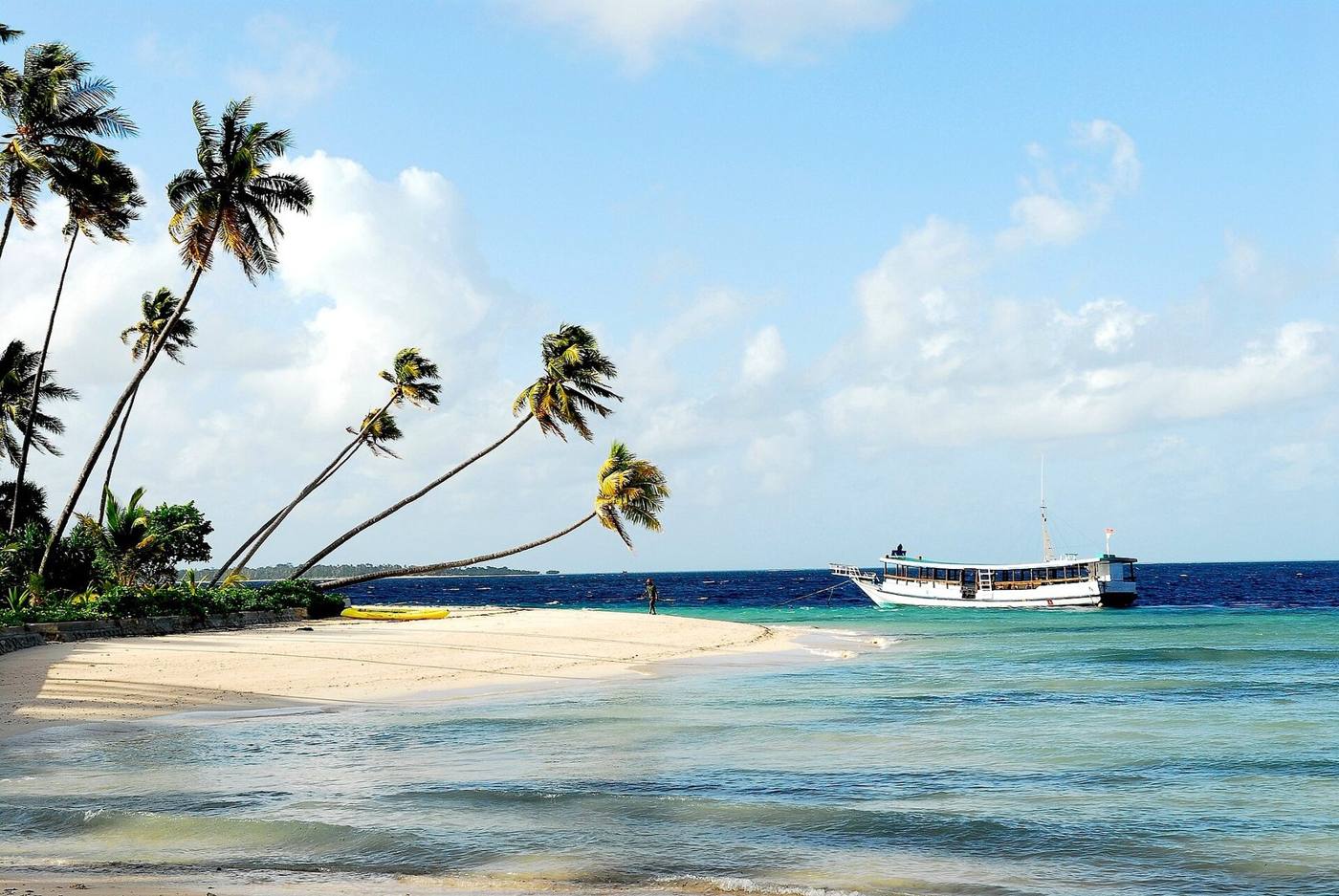
An archipelago in south-east Sulawesi, a national marine park and UNESCO biosphere reserve: some of Indonesia's most pristine coral reefs, clear water, Bajau villages built over the sea and almost empty beaches.
 6 daysEasy
Derawan and Kakaban
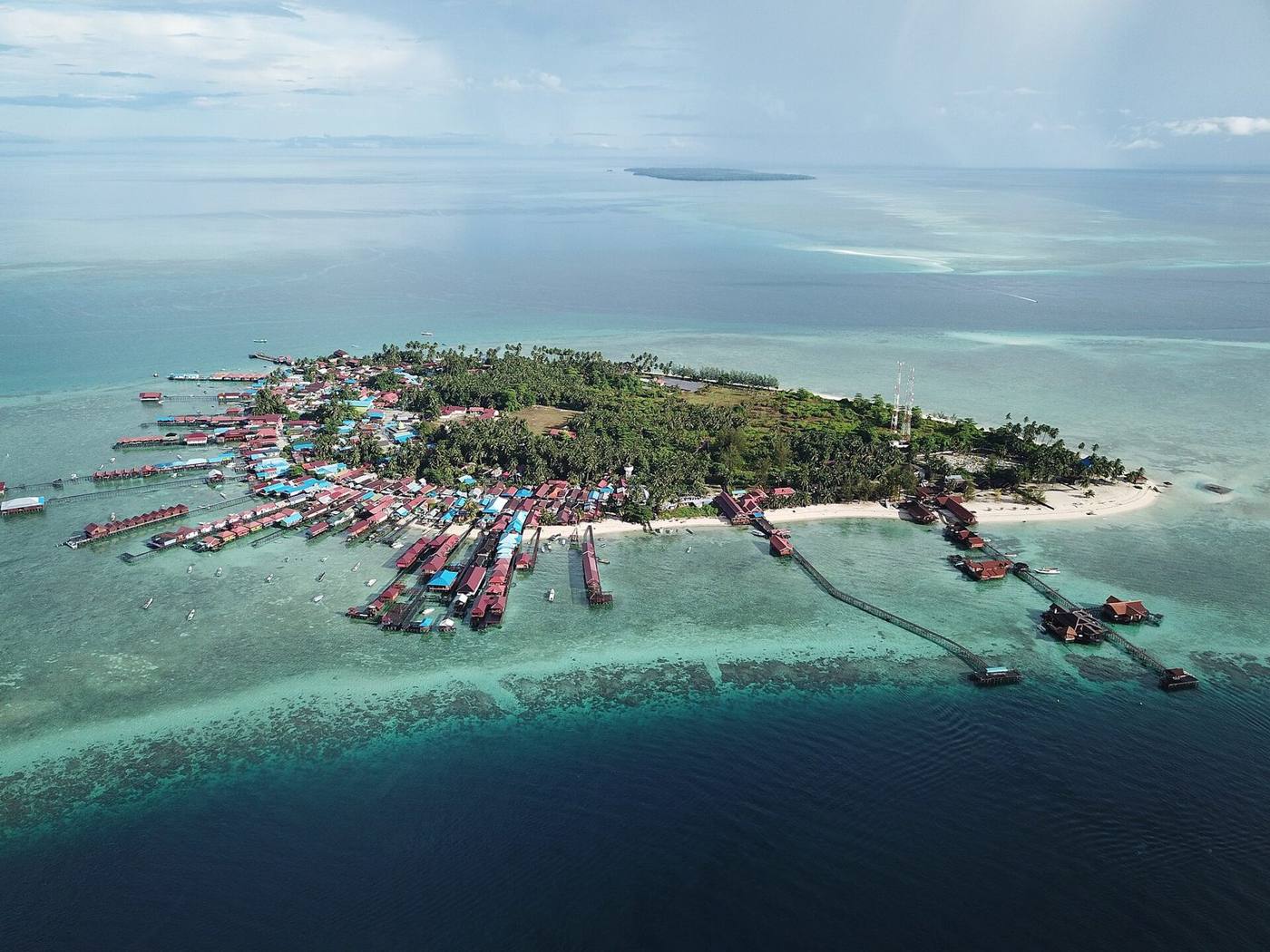
The islands off eastern Borneo: green turtles grazing seagrass a few metres from the Derawan jetties, the inland lake of Kakaban with stingless jellyfish you can swim among, the manta rays of Sangalaki and the Maratua lagoon.
 5 daysEasy
North and west Bali: Menjangan and Pemuteran
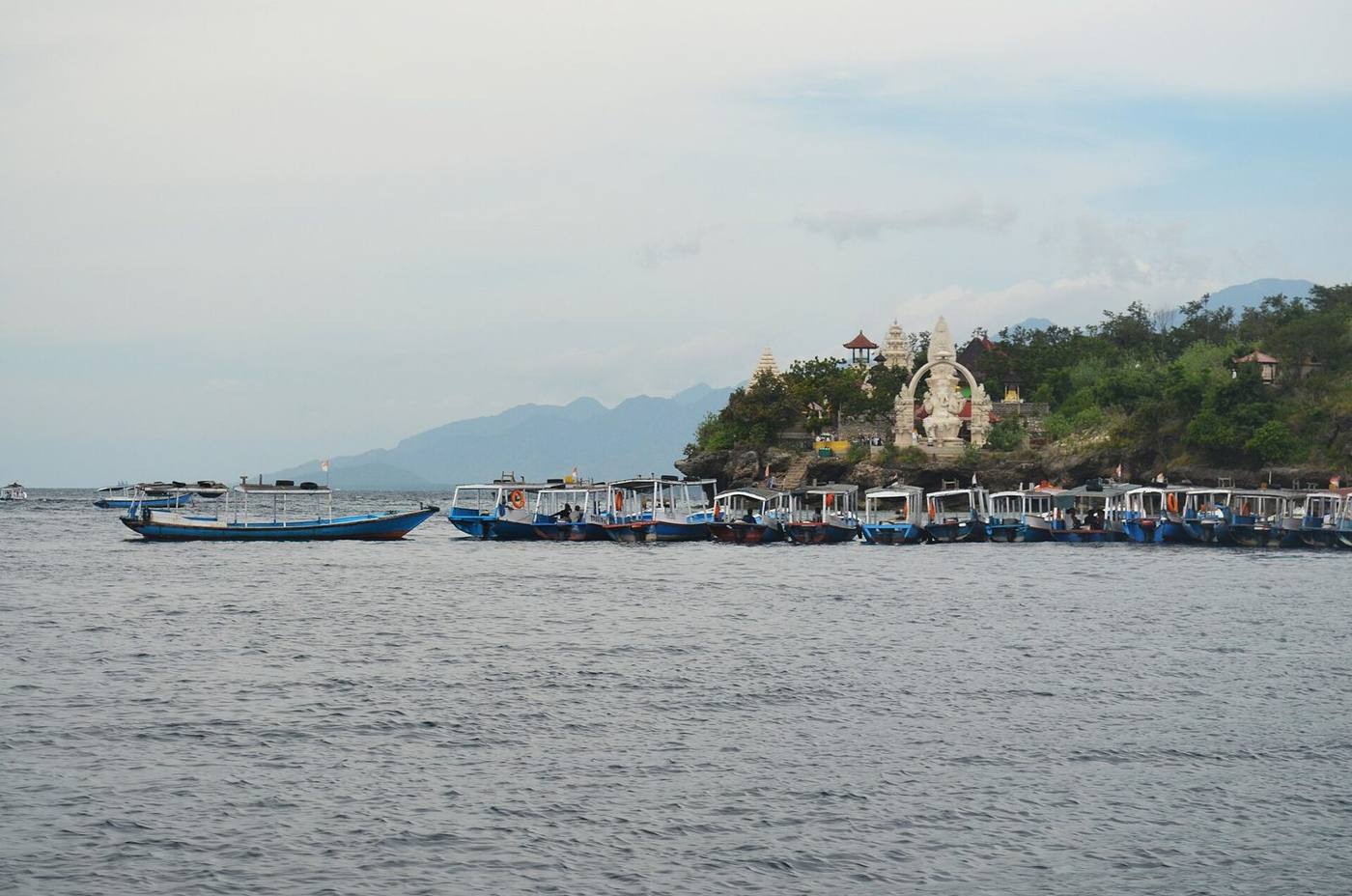
Quiet Bali, far from the crowded south: the village of Pemuteran with its Biorock artificial reef project, snorkelling and diving on the walls of Menjangan island in West Bali National Park, temples by the sea and the Munduk waterfalls in the hills.