Central Java: Yogyakarta, Solo and Dieng
Java's cultural heart beyond Borobudur: the sultan's palace and batik of Yogyakarta, the two royal palaces and markets of Solo, the temples of Sukuh and Cetho on the slopes of Mount Lawu, and the Dieng plateau with the island's oldest Hindu temples, coloured lakes and fumaroles.
- Yogyakarta
- Surakarta
- Candi Sukuh
- Candi Cetho
- Dieng
- Yogyakarta
Day by day
- Day 1
Yogyakarta: the Kraton and the Taman Sari water castle
Central Java is the cultural heart of Indonesia. Here are the great temples of Borobudur and Prambanan, but also the royal courts of Yogyakarta and Solo, where Javanese traditions of gamelan music, shadow puppetry, dance and batik are still alive, and volcanic highlands with the island's oldest temples. This six-day trip goes beyond the great temples, into the royal cities and the mountains.
Yogyakarta can be reached by air from Jakarta or Bali, or by train from Jakarta in about seven hours. It is the only region of Indonesia still ruled by a sultan, who is also the governor.
In the morning, visit the Kraton, the sultan's palace, built in the eighteenth century, a complex of open pavilions, courtyards and halls with pointed roofs, where the sultan still lives. You see court objects, carriages, portraits of the sultans and, on some days, gamelan and classical dance rehearsals.
Nearby is Taman Sari, the water castle, the sultans' pleasure garden, built in the eighteenth century, with the pools where the women of the court bathed, underground passages and a circular underground mosque. Around it is a neighbourhood of small houses and lanes with batik and craft workshops.
In the evening, walk along Malioboro, the city's main street, full of stalls, and try gudeg, Yogyakarta's signature dish, young jackfruit slow-cooked in coconut milk and palm sugar.
Practical tip: in the Kraton and temples, shoulders and knees must be covered. A sarong is sometimes lent at the entrance.
- Day 2
Yogyakarta: batik and a wayang performance
In the morning, visit a batik workshop, the art of decorating fabric with wax and dyes, recognised by UNESCO as intangible cultural heritage. You see craftsmen drawing patterns with the canting, a small copper tool filled with hot wax, then dyeing the fabric several times. Some patterns were once reserved for the sultan's family. In many workshops you can try making a small batik yourself.
Then visit the Sonobudoyo museum, near the Kraton, with a large collection of Javanese objects: masks, puppets, weapons, jewellery, gamelan instruments and textiles.
In the afternoon, if you have time, take a trip to Prambanan temple, about half an hour away, the largest Hindu temple complex in Indonesia, from the ninth century and a UNESCO site, with very tall carved towers dedicated to Shiva, Brahma and Vishnu. On some summer evenings the Ramayana ballet is performed in the open air in front of the temple.
In the evening, attend a wayang kulit performance, shadow puppetry, also UNESCO heritage. The dalang, the puppeteer, moves the perforated, painted buffalo-hide figures behind an illuminated screen, voices all the characters and directs the gamelan orchestra, telling stories from the Ramayana and the Mahabharata. Traditional performances last all night; there are also short versions for visitors.
Practical tip: in markets and with becak drivers, the pedal rickshaws, always agree on the price before setting off.
- Day 3
Solo: the Kasunanan and Mangkunegaran palaces and Klewer market
In the morning, take the train from Yogyakarta to Solo, also called Surakarta, in about an hour. Solo is another royal city of Java, quieter and less touristy than Yogyakarta, with two palaces and a strong tradition of Javanese culture.
Visit the Kraton Kasunanan, the palace of the sunan of Surakarta, built in the eighteenth century, with its great sand courtyard, pavilions and small museum of carriages, ritual objects and weapons. An octagonal tower, the Panggung Sangga Buwana, was by tradition the place where the ruler met the Queen of the South Sea, a figure of Javanese mythology.
Then go to the Mangkunegaran palace, a prince's residence, with a large open pavilion, the pendopo, one of the largest in Java, its ceiling painted with the symbols of the Javanese zodiac. The palace collection includes masks, jewellery, gamelan instruments and gold objects. On some days you can watch dance rehearsals.
In the afternoon, walk through Klewer market, near the Kraton, one of the largest textile and batik markets in Indonesia, with hundreds of stalls. Then visit Laweyan, the old quarter of the batik merchants, with houses behind high walls and workshops.
In the evening, try Solo cooking, such as nasi liwet, rice cooked in coconut milk with chicken and eggs, and serabi, a sweet coconut pancake.
Practical tip: a local guide is worthwhile for the palaces, to explain the symbols and the history of the court.
- Day 4
The Sukuh and Cetho temples and the tea plantations
In the morning, drive east from Solo onto the slopes of Mount Lawu, an extinct volcano over three thousand metres high, in about an hour and a half. The road climbs through terraced rice fields, villages and forests.
Sukuh temple, built in the fifteenth century, shortly before Islam arrived in Java, is one of the strangest temples in Indonesia. It is shaped like a truncated stone pyramid, recalling temples of Central America more than those of Java, with reliefs and statues linked to fertility and purification rites and to the legend of the hero Bima.
Higher up, at about one thousand four hundred metres, is Cetho temple, built in the same period on a series of terraces climbing the mountainside, with stone gates, statues and spectacular views over the valleys and clouds. The temple is still used by local Hindus for ceremonies.
In the afternoon, pass through the Kemuning tea plantations, between the two temples, with hills covered in rows of green bushes. You can drink tea in one of the small houses among the plantations, overlooking the valleys.
In the evening, return to Solo or sleep in a guesthouse on the mountain, where nights are cool.
Practical tip: in the mountains the mornings are often clear and mist arrives in the afternoon. Visit the temples early and bring a jacket.
- Day 5
The Dieng Plateau: the Arjuna temples, Lake Warna and the Sikidang crater
In the morning, set off for the Dieng Plateau, to the north-west, in about four or five hours by car. Dieng is a large volcanic caldera at about two thousand metres, with coloured lakes, steaming craters, potato and vegetable fields on very steep slopes and villages in the mist. The name Dieng means abode of the gods.
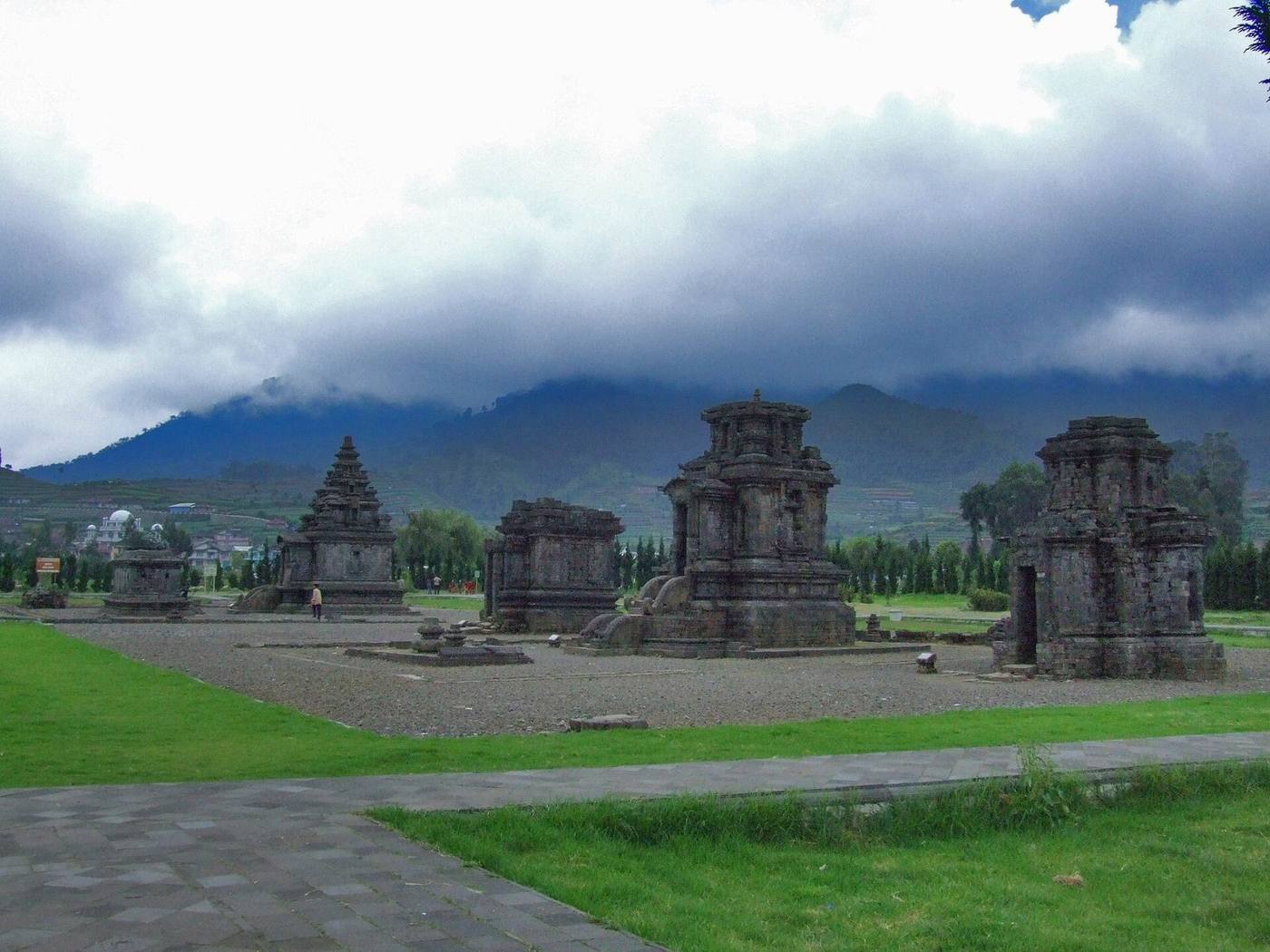
Start with the Arjuna temple complex, a group of small Hindu stone temples built in the eighth century, among the oldest in Java, on a meadow in the middle of the plateau. The temples bear the names of heroes from the Mahabharata.
Then go to the Sikidang crater, a volcanic field where water boils in pools of grey mud and steam rises from the ground with a strong smell of sulphur. A route of boardwalks lets you approach safely.
In the afternoon, visit Telaga Warna, the lake of colours, a volcanic lake that changes from green to turquoise to yellow depending on the light and the sulphur in the water, next to Telaga Pengilon, the mirror lake, with clear water. A trail climbs a small hill from which you see both lakes together.
In the evening, sleep in one of the simple guesthouses in Dieng village. Try mie ongklok, noodles in a thick sauce, and carica fruit, which grows only on the highlands.
Practical tip: at night in Dieng the temperature drops close to freezing, sometimes below in the dry months. Bring warm clothes and check the warnings about volcanic gases.
- Day 6
Sunrise from Sikunir and back to Yogyakarta
On your last morning, get up before four and climb Sikunir hill, a few kilometres from the village, known as the hill of the golden sunrise. You start from the village of Sembungan, one of the highest in Java, and climb on foot for about half an hour on a stepped trail.
From the top at dawn you see the sun rise above a sea of clouds, with the cones of Central Java's great volcanoes on the horizon: Sindoro and Sumbing, close and very high, and further away Merapi and Merbabu. Below, Lake Cebong reflects the morning light.
After sunrise, go down to the village for breakfast. If it is August, ask about the Dieng culture festival, with the ceremony of cutting the hair of children with naturally matted locks, the rambut gimbal, a tradition linked to local beliefs.
Then return to Yogyakarta, in about four hours. On the way you can stop at Borobudur temple, the largest Buddhist temple in the world, built in the ninth century and a UNESCO site, if you have not yet seen it. Climbing onto the temple structure is limited: check the rules before you go.
Practical tip: Italian citizens can get a visa on arrival in Indonesia for 500,000 rupiah, or apply online before leaving. Your passport must be valid for at least six months.
For lovers of Javanese culture, with a driver or by train. It combines well with Borobudur and Prambanan. On Dieng, above 2,000 metres, nights are cold; some areas close when crater gases rise. In palaces and temples dress covering shoulders and knees. Italian citizens need a visa on arrival (500,000 rupiah, best requested online beforehand as an e-VOA); an increase has been proposed: check the amount before leaving.
Before you go
- Documents and visa
- Passport with at least six months' validity. Visa on arrival 500,000 rupiah for 30 days, extendable once, or online on the official immigration website. In Bali you also pay the 150,000 rupiah tourist levy.
- Health and vaccines
- No compulsory vaccines arriving from Europe. Protect yourself against mosquitoes because of dengue; Bali has rabies, so keep away from dogs and monkeys. The eastern regions carry malaria risk: ask your doctor. Emergencies: 110 police, 112 general number.
- Money and payments
- Indonesian rupiah. Cards work in hotels and shops in tourist areas; QR payments are widespread; markets and villages need cash.
- Power sockets
- Types C and F, 230 volts: the same round-pin sockets as much of Europe.
- Time zone
- The country has three time zones. Java is UTC+7, Bali UTC+8, with no daylight saving time.
- Safety
- Tourist areas are generally calm. The United States rates Indonesia level 2 and the Papua regions level 4. Active volcanoes may close on alert. Very severe drug penalties. Official advice: GOV.UK.
Information checked in November 2026 for Italian and EU citizens. Rules change: always check before you travel.
Variations
In 3 days: Yogyakarta only, with the Kraton, batik, Prambanan and a wayang performance.
In 9 days: add Borobudur at a relaxed pace and the Bromo volcano to the east.
Frequently asked questions
When is the best time to go?
From May to September, the dry season, with clearer skies. On the Dieng Plateau nights are very cold in July and August.
Do I need a guide?
It is not compulsory, but a car with driver is very convenient for the mountain temples and Dieng, where public transport is slow.
What documents do I need?
A passport valid for at least six months and the visa on arrival, which costs 500,000 rupiah, or the e-visa online.
Indicative itinerary written by World Atlas. Before booking, check timetables, seasonal openings, documents and safety.
 7 daysEasy
West Sumatra: Bukittinggi and Harau
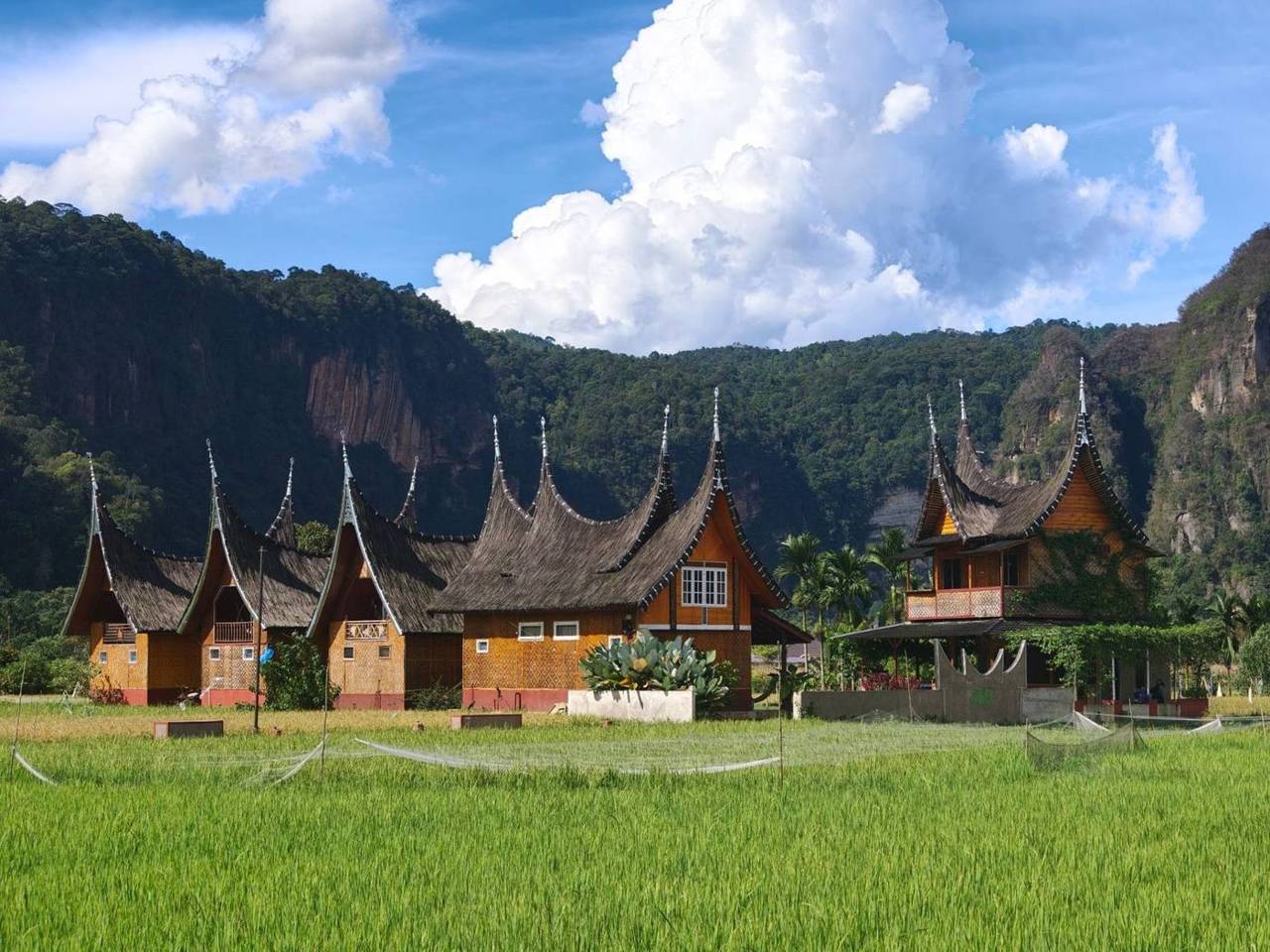
The land of the Minangkabau, a matrilineal society with buffalo-horn roofed houses: Bukittinggi above the Sianok canyon, the Harau valley between rock walls and rice fields, the volcanic lake of Maninjau, Pagaruyung palace and Padang cooking, with rendang.
 5 daysEasy
Belitung
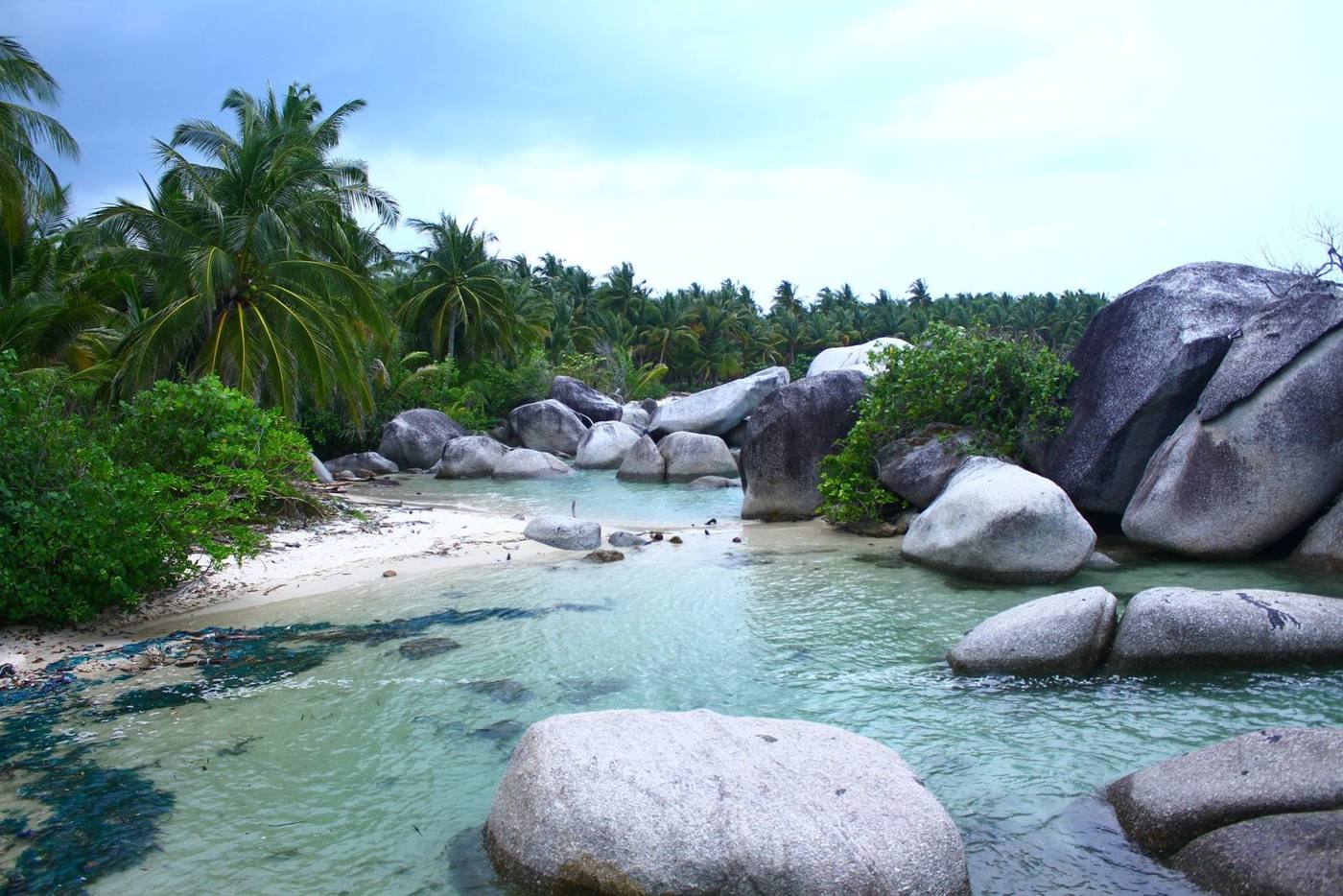
An island between Sumatra and Borneo, an hour's flight from Jakarta, famous for white beaches with huge polished granite boulders, calm clear water, islets reached by boat and the Dutch lighthouse of Lengkuas.
 8 daysEasy
Bali beyond the beaches
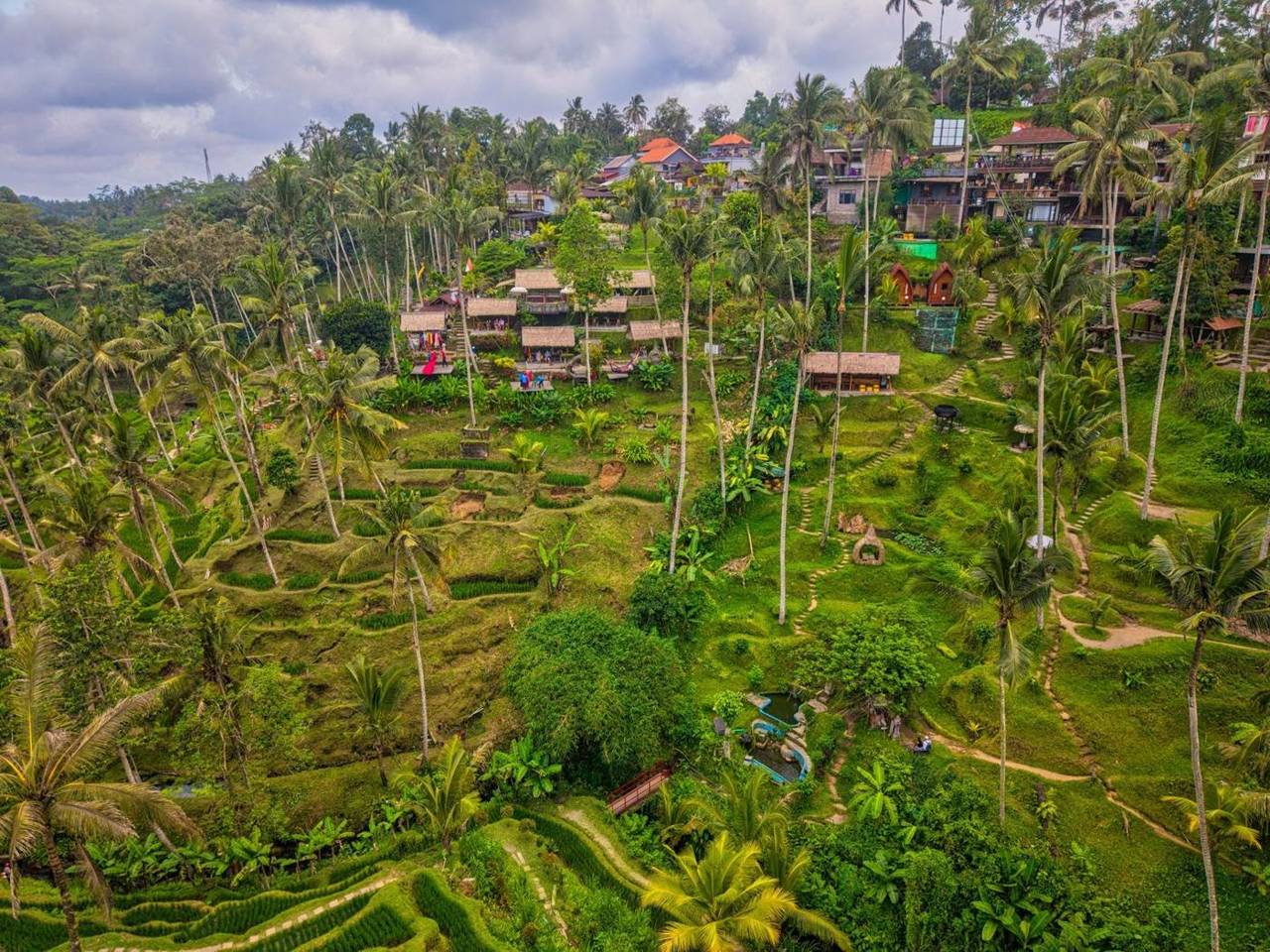
The rice terraces of Ubud and Sidemen, water temples, the lakes of Munduk and the quiet coast of Amed.