West Sumatra: Bukittinggi and Harau
The land of the Minangkabau, a matrilineal society with buffalo-horn roofed houses: Bukittinggi above the Sianok canyon, the Harau valley between rock walls and rice fields, the volcanic lake of Maninjau, Pagaruyung palace and Padang cooking, with rendang.
- Padang
- Bukittinggi
- Harau
- Pagaruyung
- Maninjau
Day by day
- Day 1
Padang and the road to Bukittinggi
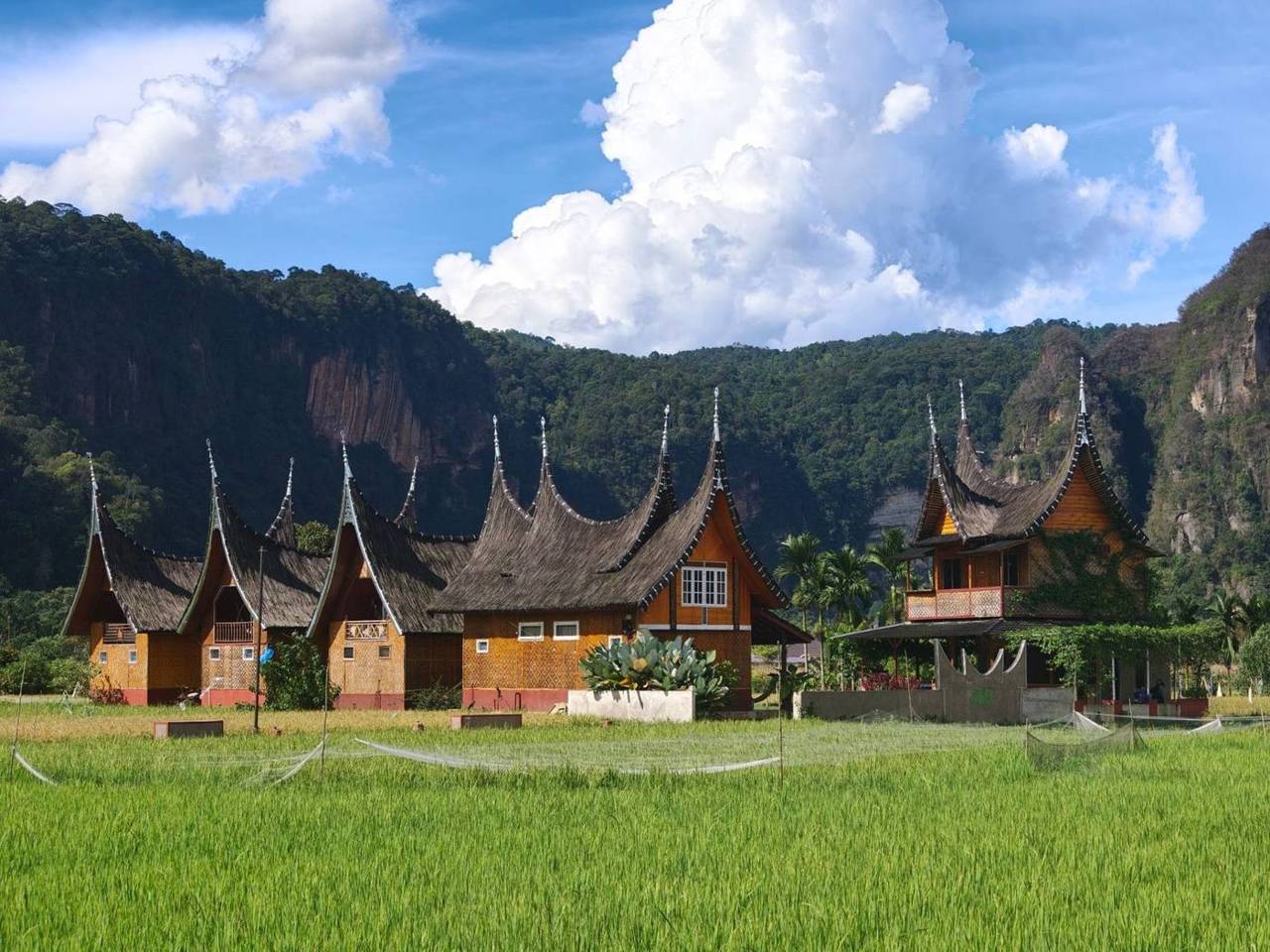
This trip explores West Sumatra, one of Indonesia's least known and most authentic regions. It is the land of the Minangkabau, a Muslim people with a matrilineal tradition, in which house, land and family name pass from mother to daughter. Their traditional houses, the rumah gadang, have curved roofs that rise to the sky like buffalo horns. The landscape is made of volcanoes, canyons, terraced rice fields, crater lakes and tropical forests.
On arrival in Indonesia you pay the visa on arrival, which costs 500,000 rupiah.
You fly into Padang, the region's main city, from Jakarta in about two hours, or from Kuala Lumpur.
Padang is a coastal city famous throughout Indonesia for its cooking. Padang restaurants serve dozens of dishes in small plates on the table, and you pay only for what you eat. The most famous dish is rendang, beef cooked for hours in coconut milk with spices until dark and dry.
After lunch drive to Bukittinggi, about two and a half hours inland. The road climbs through rice fields, villages and forest, and passes the Anai gorge, with a waterfall right beside the road and a historic railway bridge.
Bukittinggi lies at about 900 metres, with a cool climate, at the foot of the Marapi and Singgalang volcanoes.
Spend the night in Bukittinggi.
Practical tip: West Sumatra is a very religious region. Dress modestly, especially in villages and mosques, and ask permission before photographing people.
- Day 2
Bukittinggi: Sianok canyon and the market
Today discover Bukittinggi, a lively town built on hills, the cultural centre of the Minangkabau.
The town's symbol is the Jam Gadang, the great clock tower built by the Dutch in the 1920s. It was later given a curved roof in the style of Minangkabau houses. Around the tower is a busy square, a meeting place for families.
Near the tower is the Pasar Atas and Pasar Bawah market, the upper and lower market, with stalls of tropical fruit, vegetables, spices, dried fish, textiles and crafts. It is one of the most colourful markets in Sumatra, especially on the main market days.
Then go to the edge of Sianok canyon, a deep gorge about fifteen kilometres long with vertical rock walls, with a river flowing through rice fields at the bottom. From the viewing park on the rim you see the gorge with Singgalang volcano behind. Monkeys are often seen in the park.
In the same park is the entrance to the Japanese tunnels, a network of galleries dug during the Second World War by forced labourers under Japanese occupation, with ammunition rooms, prisons and exits onto the canyon.
In the afternoon walk down into the canyon and climb the other side by the Great Wall of Koto Gadang, a stairway built on the canyon side. In Koto Gadang, a village famous for handmade silver jewellery, visit the workshops.
Spend the night in Bukittinggi.
Practical tip: there are tickets for the tunnels and the canyon park: check the price. The monkeys steal food and glasses: keep them safe.
- Day 3
Harau Valley: cliffs and waterfalls
Today go to Harau Valley, about an hour and a half north east of Bukittinggi, near the town of Payakumbuh.
Harau Valley is one of Sumatra's most spectacular landscapes: a flat green valley covered in rice fields, enclosed by vertical sandstone cliffs up to two hundred metres high, from which slender waterfalls drop. It is often compared to a small Yosemite with rice fields. The cliffs are covered in tropical vegetation, and early in the morning mist rises from the fields.
On arrival settle into one of the valley's small homestays, wooden houses and bungalows run by local families, often looking onto the rice fields and cliffs.
In the afternoon walk to the valley's waterfalls. The best known are Sarasah Bunta and Akar Barayun, reached by short walks. You can swim in the pools at the foot of the falls.
Then stroll along the paths through the rice fields, stopping to watch farmers at work, water buffalo and ducks. Monkeys also live in the valley, including gibbons, whose call is heard at dawn and dusk.
At sunset the cliffs turn orange and pink.
In the evening have dinner at the homestay with Minangkabau dishes prepared by the family.
Spend the night in Harau Valley.
Practical tip: Harau homestays are simple. Bring mosquito repellent and a torch. Many accept cash only.
- Day 4
Harau: rice fields, climbing and village life
Today stay in Harau Valley to get to know it at a slow pace.
Early in the morning, at dawn, walk among the rice fields as the mist lifts and the cliffs slowly emerge. It is the most beautiful moment of the day.
Then take a hike with a local guide to the valley's more hidden corners, climbing a path along the edge of the cliffs to a viewpoint over the whole valley, with the rice fields like a green mosaic.
Harau is also known for rock climbing, with bolted routes on the sandstone cliffs. If you are experienced you can climb with a local guide; beginners can try easy routes.
In the afternoon ask your homestay family to show you village life: rice harvesting, preparing traditional dishes, processing coconuts, or silek, the traditional Minangkabau martial art still practised in the villages.
Alternatively, hire a scooter or bicycle and ride the lanes of the valley and nearby villages.
In the evening watch the stars over the valley, far from city lights.
Spend the night in Harau Valley.
Practical tip: climbing is done only with local guides with proper equipment. Check the guide's experience and the condition of the gear first.
- Day 5
Pagaruyung Palace and traditional villages
Today discover Minangkabau culture in the Tanah Datar region, south of Bukittinggi, about two hours from Harau Valley.
The main stop is Pagaruyung Palace in Batusangkar, a reconstruction of the royal palace of the kingdom of Pagaruyung, the old Minangkabau kingdom. The original palace was burned in the nineteenth century during the Padri War, and the reconstruction was damaged by fire in 2007 and then restored. It is a large three storey wooden building with a roof of eleven curved peaks, walls decorated with coloured carvings and an interior with rooms, ornate beds and traditional textiles. It is the finest example of Minangkabau architecture.
Then visit a nearby traditional village, such as Pariangan, considered one of the most beautiful villages in Indonesia and traditionally the first Minangkabau village, on the slopes of Marapi volcano. The village has traditional wooden houses, an old mosque and public hot spring baths, with views over terraced rice fields.
Along the road you see other rumah gadang, some still lived in by extended families of mothers, daughters and grandchildren.
In the afternoon continue to Bukittinggi or to Lake Maninjau.
Spend the night in Bukittinggi or at Lake Maninjau.
Practical tip: there is a ticket for Pagaruyung Palace: check price and opening times. In traditional houses and mosques take off your shoes before entering.
- Day 6
Lake Maninjau and the 44 bends
Today go to Lake Maninjau, a large volcanic lake west of Bukittinggi, about an hour away.
The lake lies inside a caldera, the crater of an ancient collapsed volcano, surrounded by steep green walls. It is an intense blue, ringed by villages, rice fields and small fishermen's houses. It is a quiet place, much loved by travellers who want to rest.
The most famous road there is the 44 bends, Kelok 44, a spectacular descent from the caldera rim to the lake, with each bend numbered. Before the descent stop at the Puncak Lawang viewpoint on the crater rim, at about 1,200 metres, with a view over the whole lake, one of the finest panoramas in Sumatra. Paragliding flights also start here.
Drive down the bends to the lake, then spend the afternoon on the shore. You can swim in the lake, go canoeing, or cycle along the road around the lake, through villages and rice fields.
The lake is also known as the birthplace of Buya Hamka, one of Indonesia's most important Muslim writers and scholars. His birthplace is now a small museum.
At sunset watch the light on the lake and the caldera walls.
Spend the night at Lake Maninjau.
Practical tip: the 44 bends road is narrow and steep. If you are not used to it, let a local driver take the wheel. Check the water before swimming: at certain times there are problems linked to fish farming.
- Day 7
Back to Padang
On the last day leave Lake Maninjau and return to Padang, about three hours along the coast or through the mountains.
If you take the coast road, stop at Pariaman, a seaside town with long beaches, known for the Tabuik festival, an annual religious celebration with large colourful towers carried in procession and thrown into the sea.
Once in Padang, if you have time before your flight, walk through the old town near the Batang Arau river, with old Dutch and Chinese warehouses and fishing boats. Then climb Gunung Padang hill, at the river mouth, with a small path and a view over the coast and islands.
Padang also has a long seafront where families gather at sunset and street vendors prepare snacks such as sate padang, meat skewers with a thick, spicy yellow sauce.
Before leaving buy some souvenirs: packaged rendang, spicy cassava chips called kripik sanjai, songket fabrics woven with gold thread, or Sumatran coffee.
Padang airport is about half an hour from the centre. There are flights to Jakarta, Kuala Lumpur and other Indonesian cities.
From Padang you can also reach the Mentawai islands offshore, famous for surfing and for the tribes who live in the forest.
Practical tip: domestic flights in Indonesia are often delayed. If you have an international connection, leave a good margin of time.
A cultural and little-touristed Sumatra, with a driver. The region is Muslim and conservative: dress covering shoulders and knees. Mount Marapi near Bukittinggi is often active and the climb can be banned: check the alert level. Landslides occur in the rainy season. Italian citizens need a visa on arrival (500,000 rupiah, best requested online beforehand as an e-VOA); an increase has been proposed: check the amount before leaving.
Before you go
- Documents and visa
- Passport with at least six months' validity. Visa on arrival 500,000 rupiah for 30 days, extendable once, or online on the official immigration website. In Bali you also pay the 150,000 rupiah tourist levy.
- Health and vaccines
- No compulsory vaccines arriving from Europe. Protect yourself against mosquitoes because of dengue; Bali has rabies, so keep away from dogs and monkeys. The eastern regions carry malaria risk: ask your doctor. Emergencies: 110 police, 112 general number.
- Money and payments
- Indonesian rupiah. Cards work in hotels and shops in tourist areas; QR payments are widespread; markets and villages need cash.
- Power sockets
- Types C and F, 230 volts: the same round-pin sockets as much of Europe.
- Time zone
- The country has three time zones. Java is UTC+7, Bali UTC+8, with no daylight saving time.
- Safety
- Tourist areas are generally calm. The United States rates Indonesia level 2 and the Papua regions level 4. Active volcanoes may close on alert. Very severe drug penalties. Official advice: GOV.UK.
Information checked in November 2026 for Italian and EU citizens. Rules change: always check before you travel.
Variations
In 4 days: Bukittinggi, Sianok canyon and Harau Valley.
In 10 days: add the Mentawai islands or Lake Toba to the north, with Samosir island.
Frequently asked questions
When is the best time to go?
June to September, the driest season. It rains often all year, but usually only for a few hours.
Do I need a visa?
Yes, the visa on arrival, which costs 500,000 rupiah. Check the current rules before leaving.
Do I need a driver?
It helps. Roads are narrow and public transport slow. Many lodgings arrange a car with driver.
Indicative itinerary written by World Atlas. Before booking, check timetables, seasonal openings, documents and safety.
 5 daysEasy
Belitung
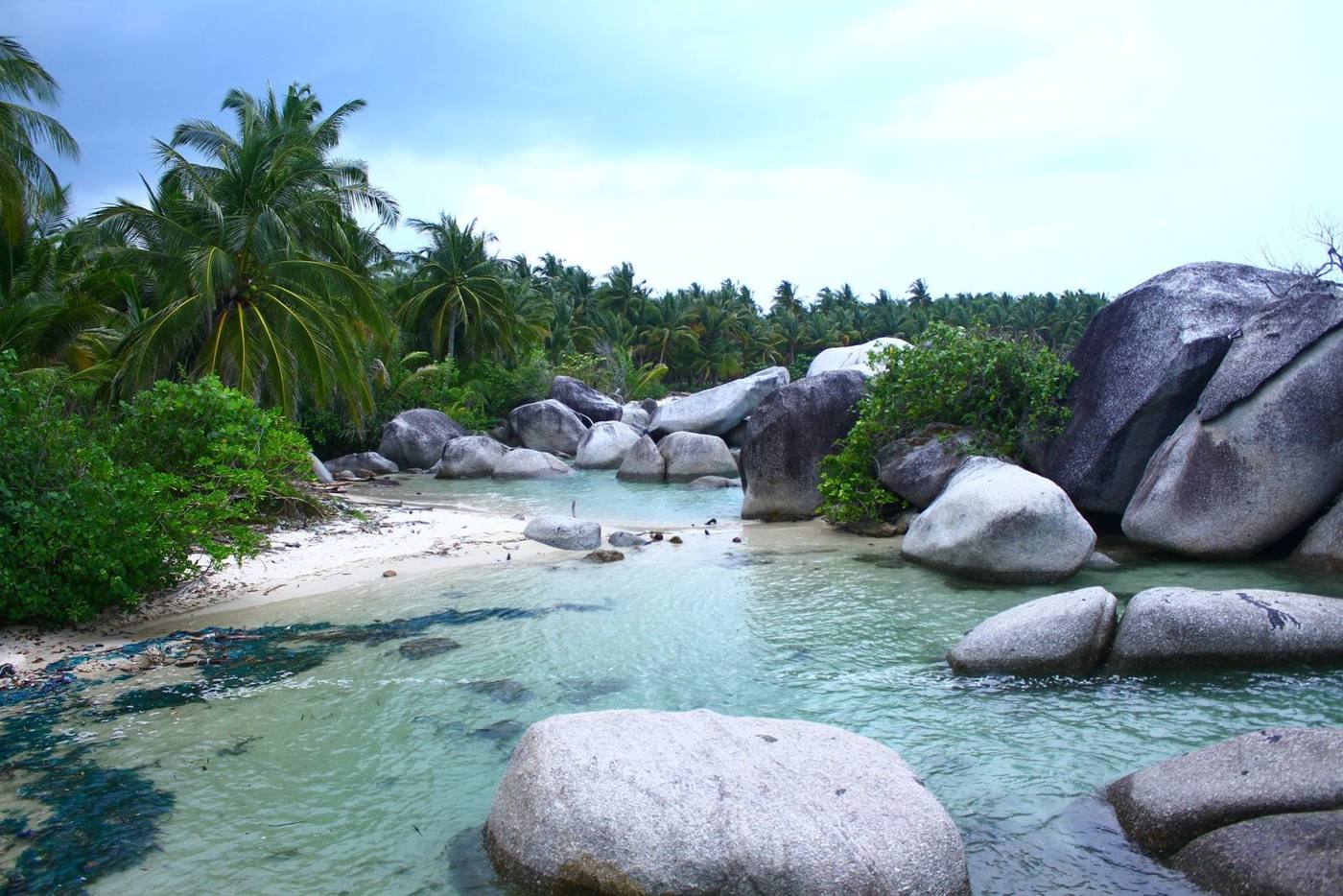
An island between Sumatra and Borneo, an hour's flight from Jakarta, famous for white beaches with huge polished granite boulders, calm clear water, islets reached by boat and the Dutch lighthouse of Lengkuas.
 8 daysEasy
Bali beyond the beaches
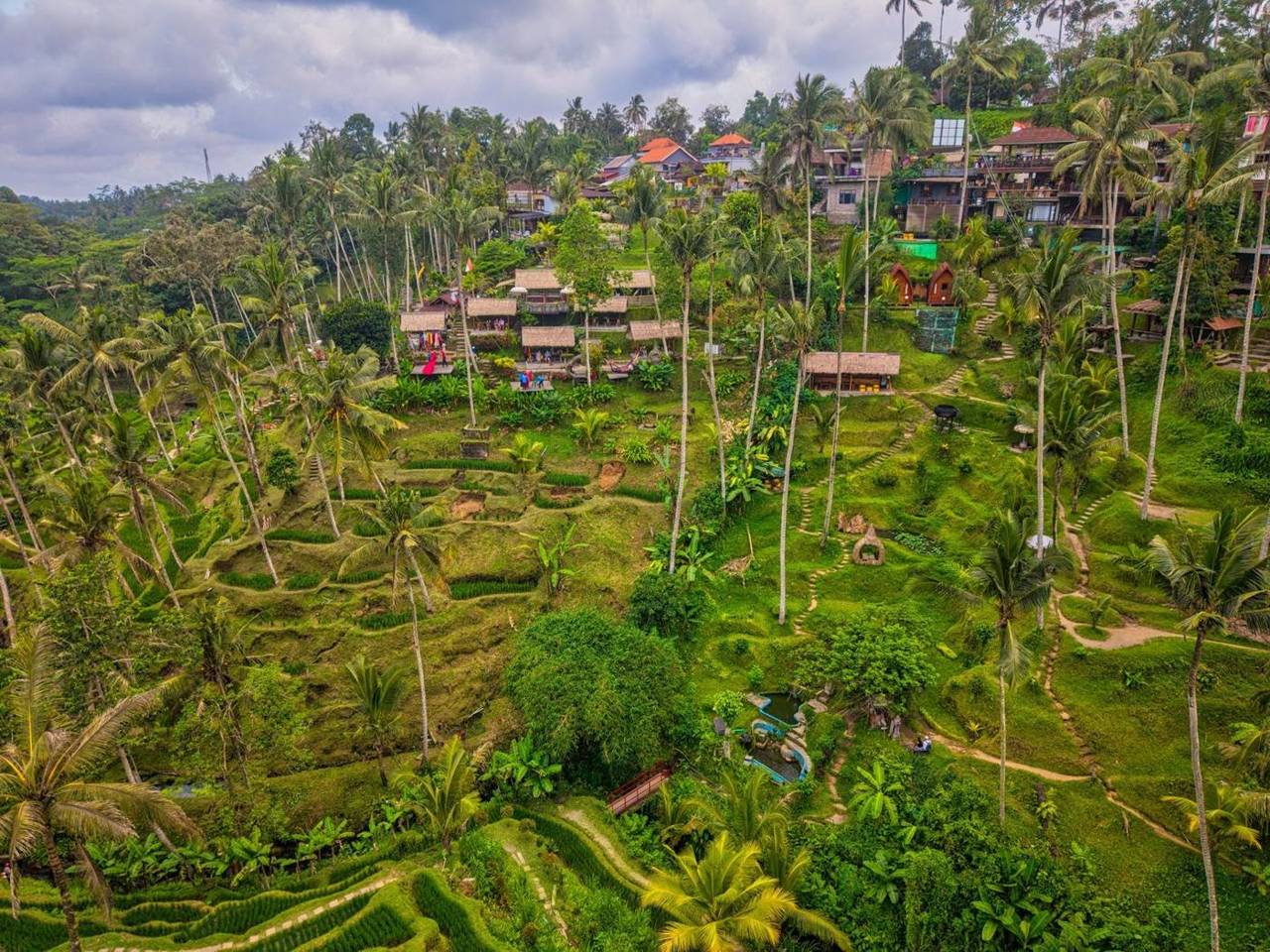
The rice terraces of Ubud and Sidemen, water temples, the lakes of Munduk and the quiet coast of Amed.
 12 daysEasy
Bali, Nusa Penida and the Gili Islands
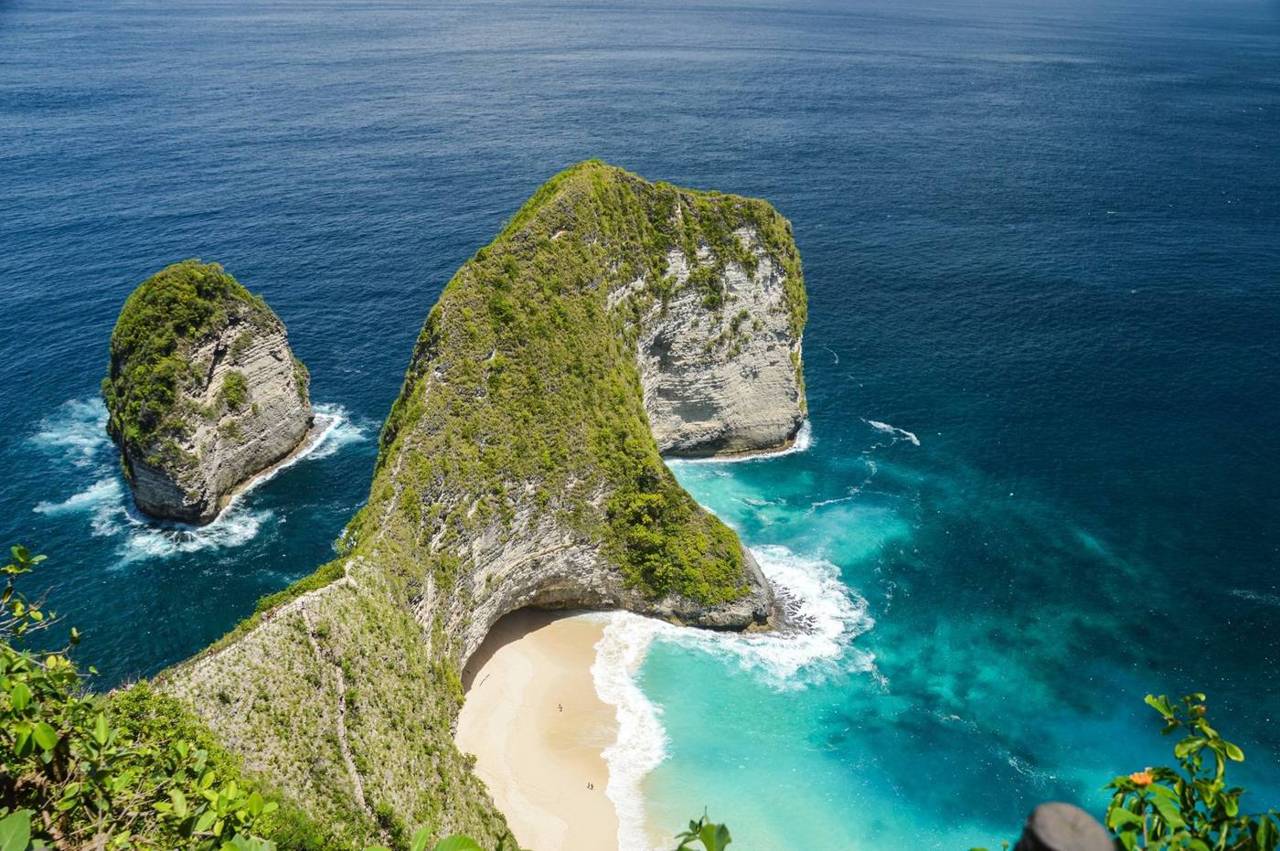
A few days in Ubud, the cliffs of Nusa Penida with its manta rays, and the Gili closed to cars Islands with turtles close to shore.