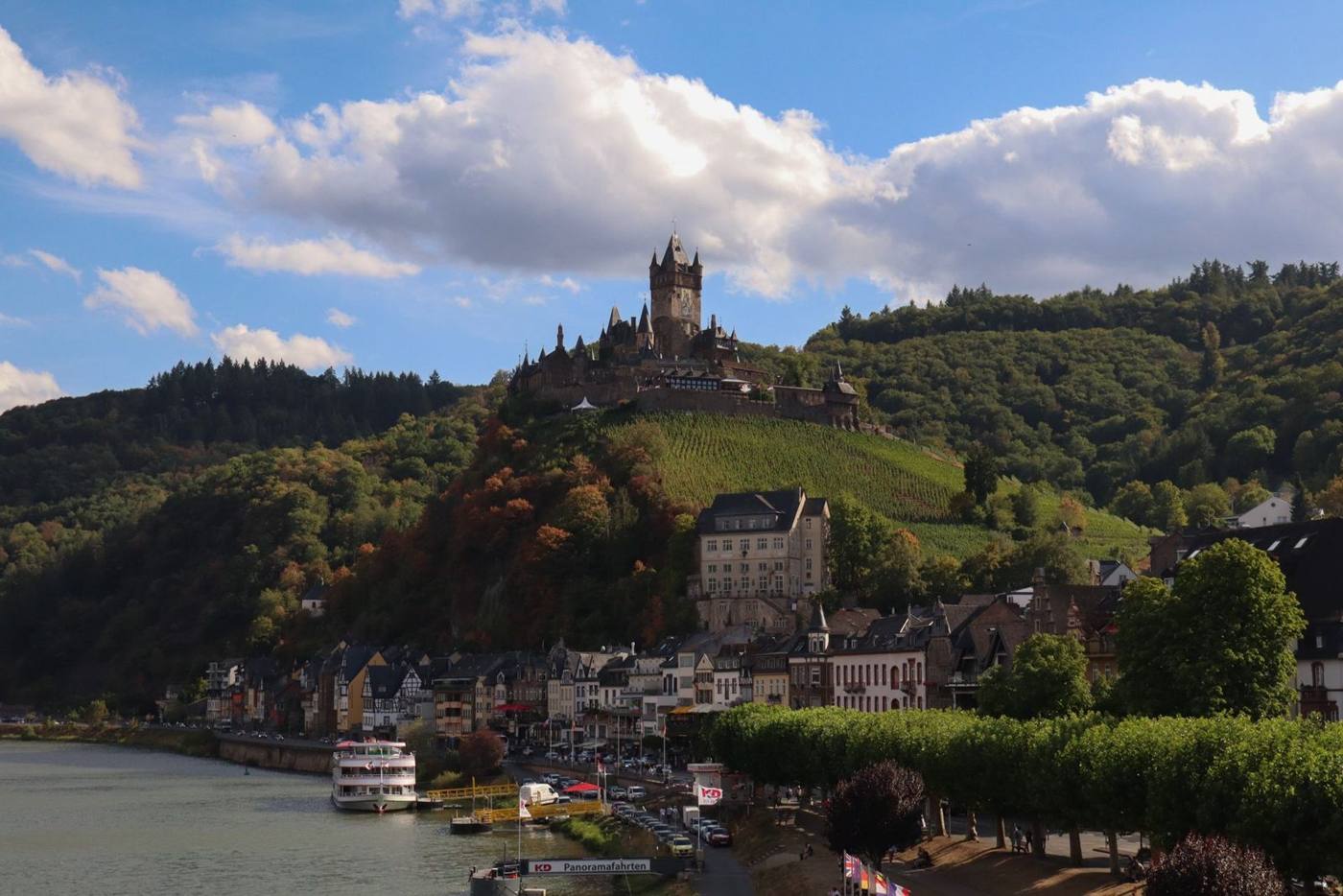
The Rhine and the Moselle
The Middle Rhine valley among castles and the Loreley rock, Koblenz, the steep vineyards of the Moselle, Eltz Castle and Roman Trier.
- Rüdesheim
- Bacharach
- Loreley
- Koblenz
- Cochem
- Burg Eltz
- Bernkastel-Kues
- Trier
Day by day
- Day 1
Rüdesheim and the Niederwald cable car
The Rhine and the Moselle are two of the most beautiful rivers in Europe, meeting at Koblenz in western Germany. The stretch of the Rhine between Rüdesheim and Koblenz, the Middle Rhine Valley, is a World Heritage site: a narrow gorge between vineyard-covered hills, with dozens of medieval castles on the rocks, half-timbered towns and the famous Loreley rock. The Moselle flows more slowly, with tight bends, very steep vineyards and wine villages. In six days you go from Rüdesheim to Trier, Germany's oldest city.
You arrive at Frankfurt airport, Germany's largest. From there, Rüdesheim is about an hour and a half by train, with a change in Wiesbaden or Mainz.
Rüdesheim is a wine town on the bank of the Rhine, with half-timbered houses, wine cellars and the Drosselgasse, a narrow lane full of places with music and terraces, very lively in the evening.
In the afternoon, take the cable car that climbs over the vineyards to the Niederwald monument, a huge statue of Germania more than ten metres high, built at the end of the nineteenth century to celebrate German unification. From the terrace the view takes in the Rhine, the vineyards and the hills.
Walk down through the vines, or continue by chairlift to Assmannshausen, the red wine village.
In the evening, taste a Rheingau Riesling.
In the evening, sleep in Rüdesheim.
Practical tip: Italian citizens need only an identity card. Germany is keeping border controls until March 2027: always carry your document.
- Day 2
By boat on the Rhine past Bacharach, Oberwesel and the Loreley
Today you sail the most beautiful stretch of the Rhine. In the morning, take a boat north from Rüdesheim through the Middle Rhine gorge. Scheduled cruises leave several times a day in the warmer months, and you can get off and back on in the various towns.
From the deck you see the castles one after another, on the hills and on islands: some are ruins, others were rebuilt in the nineteenth century, when the Rhine became a romantic destination for writers and painters. In the middle of the river is Pfalzgrafenstein castle, a small white fortress on an island, built to collect tolls from boats.
Get off at Bacharach, one of the loveliest towns on the Rhine, with walls, towers, half-timbered houses and the Gothic ruins of the Werner Chapel among the vineyards.
Then continue to Oberwesel, with almost complete medieval walls and more than ten towers, which you can walk along.
In the afternoon, the boat passes beneath the Loreley, a slate rock about one hundred and thirty metres high, where the river is narrowest and deepest. Legend tells of a beautiful woman who combed her golden hair on the rock and lured boatmen to shipwreck with her song.
In the evening, sleep in Sankt Goar or another town in the valley.
Practical tip: scheduled boats run mainly from April to October. In winter the service is reduced or suspended: at that time use the train, which runs along the river.
- Day 3
Koblenz and the Deutsches Eck
In the morning, continue north to Koblenz, by train or boat, in about an hour. On the way you see Marksburg castle, above Braubach, the only castle on the Middle Rhine never destroyed, visited on guided tours.
Koblenz is a city more than two thousand years old, founded by the Romans at the confluence of the Rhine and the Moselle. Its name comes from the Latin confluentes, the rivers flowing together.
Go to the Deutsches Eck, the German Corner, the point of land where the two rivers meet, with a large equestrian monument to Emperor William I. From here you see the waters of the two rivers, of different colours, joining.
Then take the cable car across the Rhine to Ehrenbreitstein fortress, on a hill on the opposite bank, one of the largest fortresses in Europe, built by the Prussians in the nineteenth century. From the fortress, the view over the city and the confluence is the finest.
In the afternoon, walk around the old town, with its squares, Romanesque churches such as the Basilica of St Castor near the Deutsches Eck, and the fountain of the spitting boy, a statue that now and then squirts water at passers-by.
In the evening, sleep in Koblenz.
Practical tip: the cable car and fortress have different opening times in summer and winter. Check the time of the last descent so you are not stuck on the other side of the river.
- Day 4
Eltz Castle on foot through the woods, then Cochem
In the morning, take the train along the Moselle to Moselkern, in about half an hour. From here a path of about an hour leads through the woods, along the Elz stream, to Eltz Castle.
The castle appears suddenly, on a rocky spur in the middle of the wooded valley, with towers, pointed roofs and windows: it looks like something out of a fairy tale. It is one of the most famous castles in Germany and has belonged to the same family for more than eight centuries. It has never been destroyed, and inside it keeps furniture, weapons, armour and old rooms. Visits are guided.
In the afternoon, return to the Moselle and continue by train to Cochem, one of the prettiest towns on the river, with colourful houses on the bank, little streets and steep vineyards.
Above the town rises the imperial castle, the Reichsburg, rebuilt in the nineteenth century in neo-Gothic style, with towers and battlements, and views over the bend in the river. Walk up in about fifteen minutes.
In the evening, taste Moselle cooking, with potatoes, meat and the valley's white wines.
In the evening, sleep in Cochem.
Practical tip: Eltz Castle usually opens only from April to October. Check the opening dates and times before you go, and arrive early to avoid queues.
- Day 5
The Moselle by bike to Bernkastel-Kues and a Riesling tasting
Today you discover the Moselle by bicycle. The Moselle cycle path follows the river along its whole length in Germany, almost always flat, on routes separate from traffic, and is one of the most popular in the country.
In the morning, hire a bike, electric if you like, and ride upstream through wine villages such as Beilstein, small and medieval, Zell and Traben-Trarbach, with Art Nouveau villas built by wealthy wine merchants in the early twentieth century. Along the way you see the steepest vineyards in Europe, on slopes of dark slate that hold the sun's heat.
The full route from Cochem to Bernkastel-Kues is long: if you want to cycle less, ride just one section and take the train or boat for the rest. Many hire shops let you leave the bike in another town.
In the afternoon, you reach Bernkastel-Kues, with its market square surrounded by half-timbered houses, the small pointed house that looks about to topple over, and the castle ruins above the vineyards.
Join a Riesling tasting at a winery in the valley: Moselle wines are white, fresh and aromatic, often with a slight sweetness.
In the evening, sleep in Bernkastel-Kues.
Practical tip: at weekends in September and October the Moselle villages host harvest festivals and fill up. Book accommodation in advance.
- Day 6
Trier: the Porta Nigra, the Roman baths and departure
In the morning, take the train or bus to Trier, in about an hour. Trier is Germany's oldest city, founded by the Romans more than two thousand years ago, and for a time it was one of the capitals of the Western Roman Empire. Its Roman monuments are a World Heritage site.
Start at the Porta Nigra, the black gate, the best-preserved Roman gate north of the Alps, built of huge stone blocks at the end of the second century. Its dark colour comes from time and pollution. You can go inside.
Walk through the market square, with its fountain and colourful houses, to the cathedral, Germany's oldest church, with Roman, Romanesque, Gothic and Baroque parts, and the Gothic Church of Our Lady next door.
Then go to the Basilica of Constantine, the emperor's enormous brick throne hall, built in the fourth century and now a Protestant church, with a vast interior space. Nearby are the Imperial Baths, with underground passages where hot water once flowed.
If you are interested, visit the house where Karl Marx was born in Trier in 1818, now a museum.
Then take the train to Luxembourg, less than an hour away, or to Frankfurt.
This trip combines well with Cologne and the Ruhr, or with Luxembourg and the Luxembourg Moselle.
Practical tip: many museums and monuments in Trier have a combined ticket. Ask at the tourist office near the Porta Nigra.
A gentle trip of wine, castles and rivers, a few kilometres from Luxembourg. The riverside cycle paths are flat and local trains carry bikes. Rhine boats run from April to October. In September and October every village holds a harvest festival.
Before you go
- Documents and visa
- A valid identity card or passport is enough for EU citizens. German land border checks have been extended until March 2027: always carry your document.
- Health and vaccines
- No vaccines required. EU citizens should carry the European Health Insurance Card. Emergencies: 112, police 110.
- Money and payments
- Euro. Cards are increasingly accepted, but many bars, bakeries and beer halls still take cash only.
- Power sockets
- Types C and F, 230 volts.
- Time zone
- UTC+1, UTC+2 in summer.
- Safety
- The United States rates Germany level 2 for terrorism. In stations and crowded markets watch out for pickpockets. Official advice: GOV.UK.
Information checked in November 2026 for Italian and EU citizens. Rules change: always check before you travel.
Variations
In 4 days: Rüdesheim, the Rhine boat, Eltz and Cochem.
In 9 days: add Cologne and Luxembourg.
Frequently asked questions
When is the best time to go?
From May to October, when the boats run and the vineyards are green. September and October bring the grape harvest and wine festivals.
Do I need a car?
No, trains and boats connect all the towns well. Cycling is the loveliest way to see the Moselle.
Is it good for families?
Yes, the castles, the boats and the flat cycle path are perfect for children.
Indicative itinerary written by World Atlas. Before booking, check timetables, seasonal openings, documents and safety.
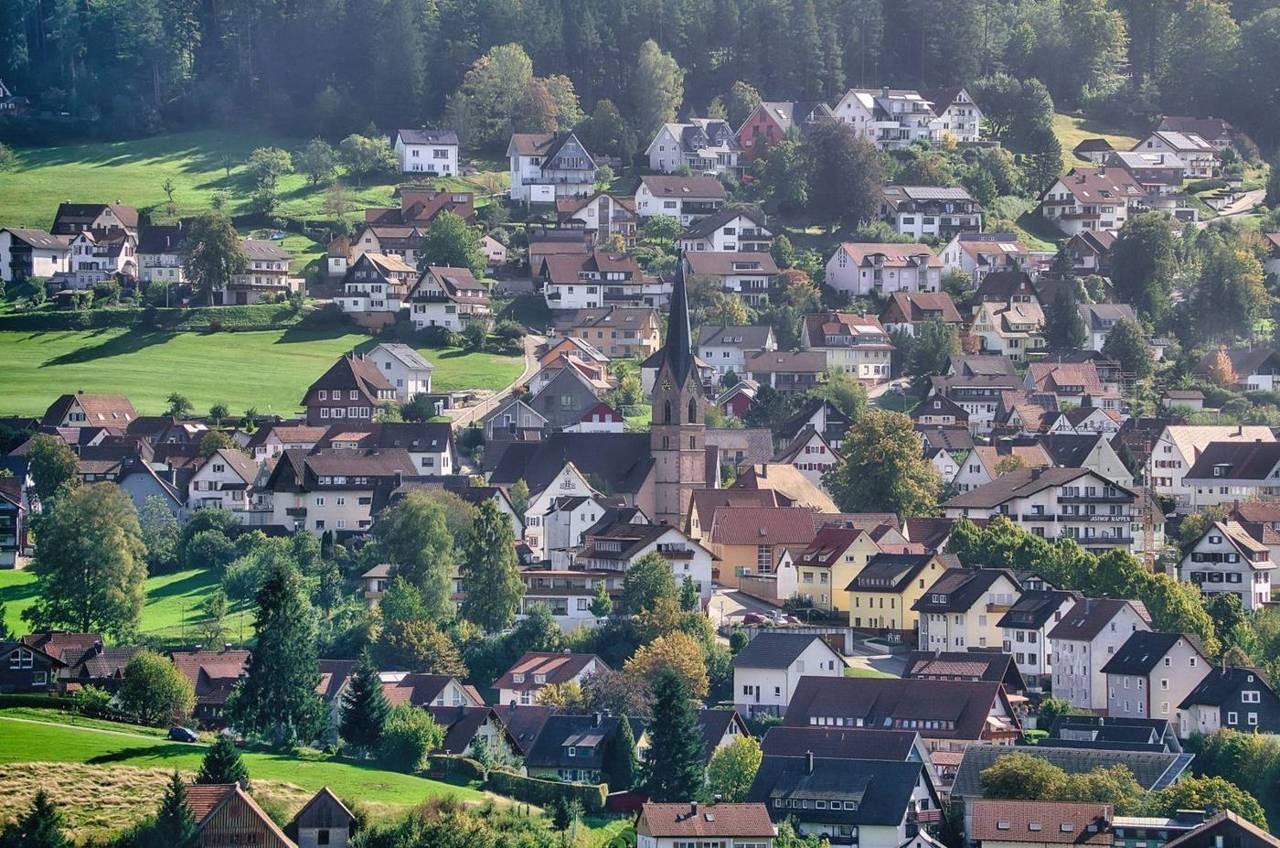 6 daysEasy
The Black Forest
Freiburg, the Triberg waterfalls, Lake Titisee, the Feldberg, the spa town of Baden-Baden and the villages of cuckoo clocks.
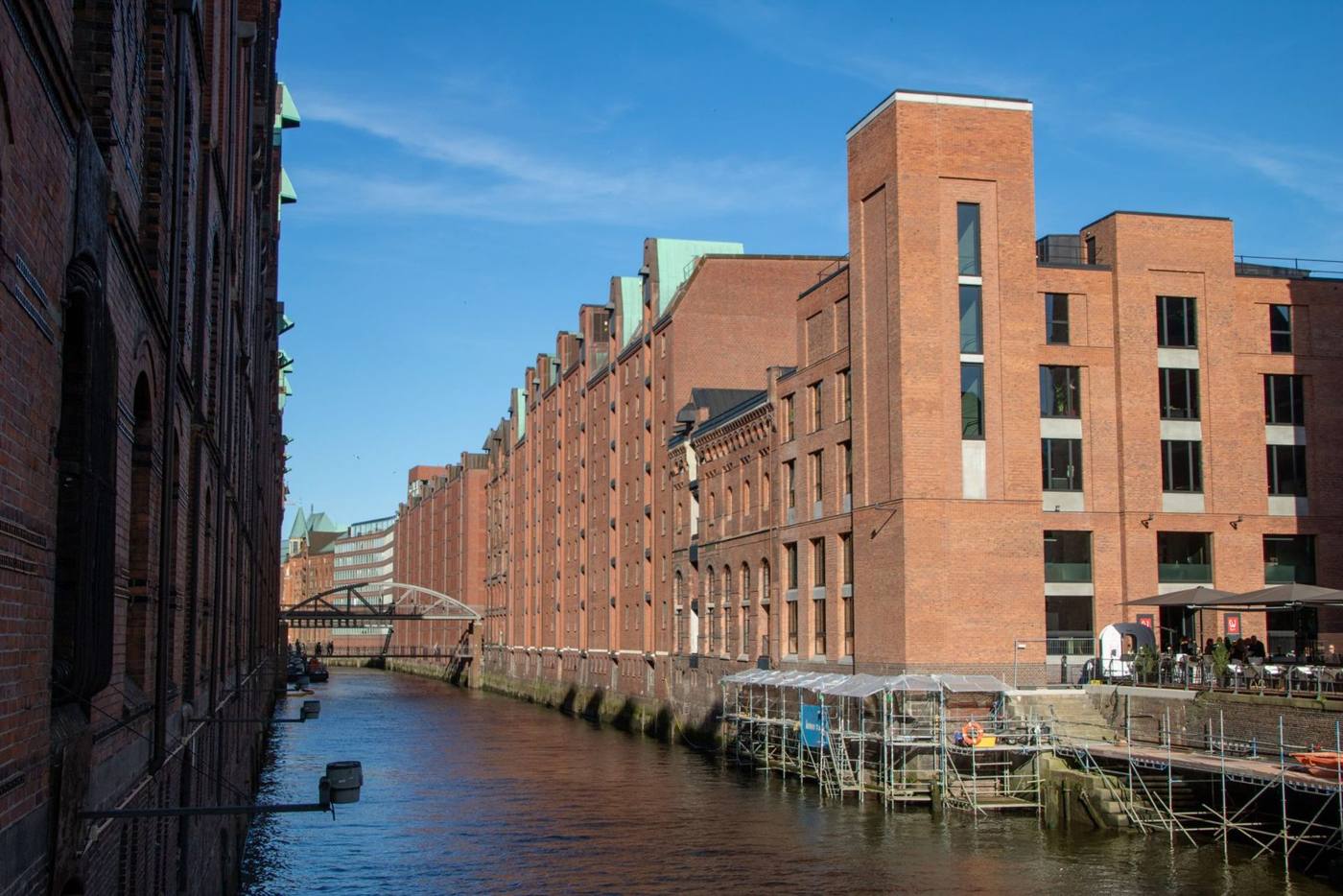 7 daysEasy
Hamburg and the Baltic Sea
Hamburg's port and the Speicherstadt, Hanseatic Lübeck, the brick towns of Wismar and Stralsund and the white cliffs of Rügen island.
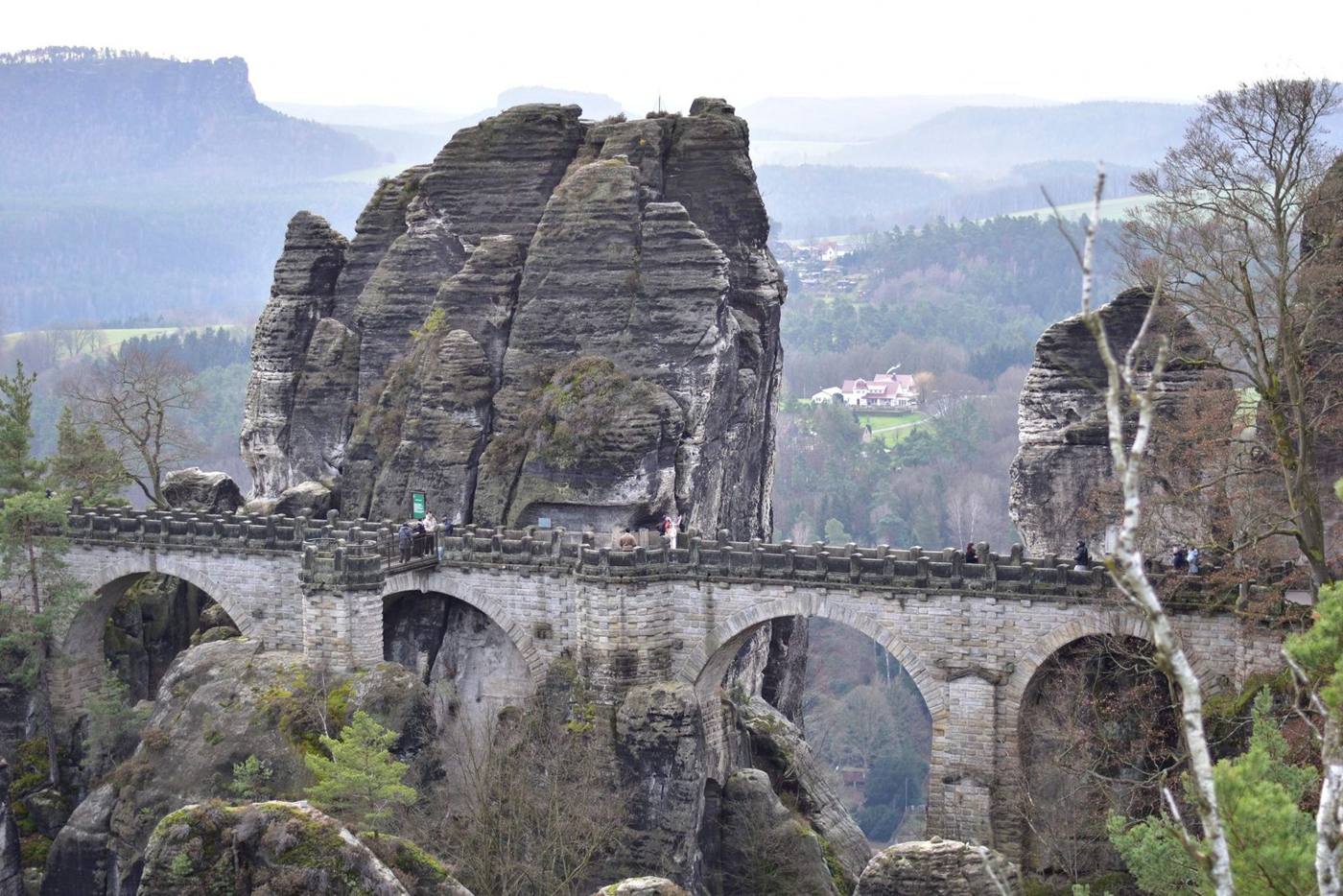 6 daysEasy
Saxony: Dresden, Leipzig and Saxon Switzerland
Rebuilt Dresden with the Frauenkirche and the Zwinger, the sandstone towers of the Bastei above the Elbe, Meissen and Bach's Leipzig.