Provence and the Côte d'Azur
Avignon and the Pont du Gard, the Luberon villages and lavender fields, Arles and the Camargue, the Verdon gorges and the coast from Nice to Èze.
- Avignon
- Pont du Gard
- Arles
- Camargue
- Luberon
- Valensole
- Verdon
- Nice
- Èze
Day by day
- Day 1
Avignon and the Palace of the Popes
This trip crosses Provence and the Côte d'Azur: Avignon and the Pont du Gard, Roman Arles and the Camargue with its flamingos, the hilltop villages of the Luberon, the lavender fields of Valensole, the Verdon gorges, and finally the coast between Nice, Èze, Villefranche and Antibes.
Before you leave: EU citizens only need a valid electronic identity card or passport; other nationalities should check their own rules. You need a car for the villages and gorges: rent it in Avignon or Marseille and drop it off in Nice.
You reach Avignon by high speed train or by plane to Marseille, about an hour away. The historic centre, inside the medieval walls, is best explored on foot.
In the afternoon visit the Palace of the Popes, a UNESCO site, the largest Gothic building in Europe, where the popes lived in the fourteenth century after leaving Rome. You see the great empty halls, chapels with frescoes by Italian painters and terraces with views over the city. Check opening hours and prices.
Then walk to the Pont Saint Bénézet, the famous bridge of Avignon from the song, which now has only four arches and stops halfway across the Rhône. From the Rocher des Doms garden above the palace you see the bridge, the river and the countryside.
In the evening have dinner in the squares of the centre with Provençal food: ratatouille, olive tapenade, lamb with herbs.
Sleep in Avignon.
Practical tip: in July Avignon hosts a big theatre festival. The city fills up: book well ahead.
- Day 2
The Pont du Gard and Avignon
In the morning drive west, about half an hour, to the Pont du Gard, a UNESCO site, a first century Roman aqueduct about fifty metres high, with three tiers of golden stone arches over the Gardon river. It was part of a channel about fifty kilometres long that carried water from the springs of Uzès to the Roman city of Nîmes, with a minimal gradient calculated with extraordinary precision.
You walk across the lower level and along paths on both banks, among olive and oak trees, to see it from different angles. The museum explains how it was built. In summer you can swim in the river below the bridge or paddle down the Gardon by canoe. Check opening hours and prices.
If you have time, continue to Uzès, a medieval town with a large arcaded square and a Saturday market full of local produce.
In the afternoon return to Avignon and visit the Petit Palais museum, with a collection of Italian painting from the Middle Ages and Renaissance, or walk along the ramparts.
At sunset cross the Rhône to Villeneuve lès Avignon, on the opposite bank, with Fort Saint André, from which you see the city lit up.
Sleep in Avignon.
Practical tip: at the Pont du Gard arrive early or late in the afternoon. At midday in summer it is very hot and crowded.
- Day 3
Arles and the Camargue
In the morning drive south, about forty minutes, to Arles, a Roman city on the Rhône and a UNESCO site. Visit the Roman amphitheatre, from the first century, which still hosts shows and Camargue races, in which young men try to snatch a rosette from a bull's horns without harming it. Then the ancient theatre, the baths of Constantine and the cloister of Saint Trophime, with carved Romanesque capitals.
Arles is also Van Gogh's town, where he painted some of his most famous pictures. You can see places he painted, such as the night café and the hospital garden, marked by panels.
In the afternoon enter the Camargue, the great Rhône delta, a flat land of marshes, salt lagoons, rice fields and beaches, with white horses, black bulls and thousands of pink flamingos. Stop at the Pont de Gau bird park, where paths and hides let you see flamingos, herons and other birds up close. Check opening hours and prices.
Go on to Saintes Maries de la Mer, a white town by the sea, with a fortified church where every May Roma pilgrims gather. At sunset climb onto the church roof to see the sea and the marshes.
Sleep in Arles or the Camargue.
Practical tip: the Camargue has many mosquitoes, especially at sunset. Bring strong repellent.
- Day 4
The Luberon: Gordes and Roussillon
Today you enter the Luberon, a region of hills and hilltop villages, among vines, olive groves, lavender fields and oak woods, about an hour from Arles.
The first stop is Gordes, one of the most photographed villages in France, built on a hill, with pale stone houses stepped around a castle. Arrive early, for the light and to avoid the crowds. Nearby is the Village des Bories, dry stone huts built without mortar by farmers over centuries.
Then go down to Sénanque Abbey, a twelfth century Cistercian abbey still lived in by monks, in a narrow valley. In late June and July lavender blooms in the fields in front of the abbey: a famous image of Provence. Respect the monks' silence and rules; visits inside are limited and by booking.
In the afternoon visit Roussillon, a village with houses painted in every shade of ochre, from yellow to red. Next to the village, the Ochre Trail crosses old ochre quarries, with orange and red walls and pinnacles among the pines. Check opening hours and prices.
Sleep in the Luberon, in Gordes, Roussillon or a nearby village.
Practical tip: on the Ochre Trail the coloured dust stains shoes and clothes. Do not wear light colours.
- Day 5
Luberon villages and markets
Today is a quiet day among the villages and markets of the Luberon.
In the morning go to one of the Provençal markets, held in turn in different villages: the most famous is the Sunday market in L'Isle sur la Sorgue, a town on the river with mill wheels, which also has antique and second hand dealers. Other markets are in Apt on Saturday, Lourmarin on Friday and Gordes on Tuesday. Check the days. You can buy olives, tapenade, goat's cheese, cured meats, fruit, lavender honey, soaps and Provençal fabrics.
Then visit Bonnieux and Lacoste, two villages on opposite hills overlooking the valley; Lacoste has the ruins of the Marquis de Sade's castle. Ménerbes, another hilltop village, has a small museum of corkscrews.
In the afternoon go down to Lourmarin, in the southern Luberon, with a Renaissance castle and cafés under plane trees. The writer Albert Camus lived his last years here and is buried in the village's small cemetery.
In the evening, in the village where you are staying, dine outdoors with a Provence rosé.
Sleep in the Luberon.
Practical tip: at the markets arrive before ten. After that they get crowded and parking is difficult. Bring cash and a canvas shopping bag.
- Day 6
The Valensole plateau and Lake Sainte Croix
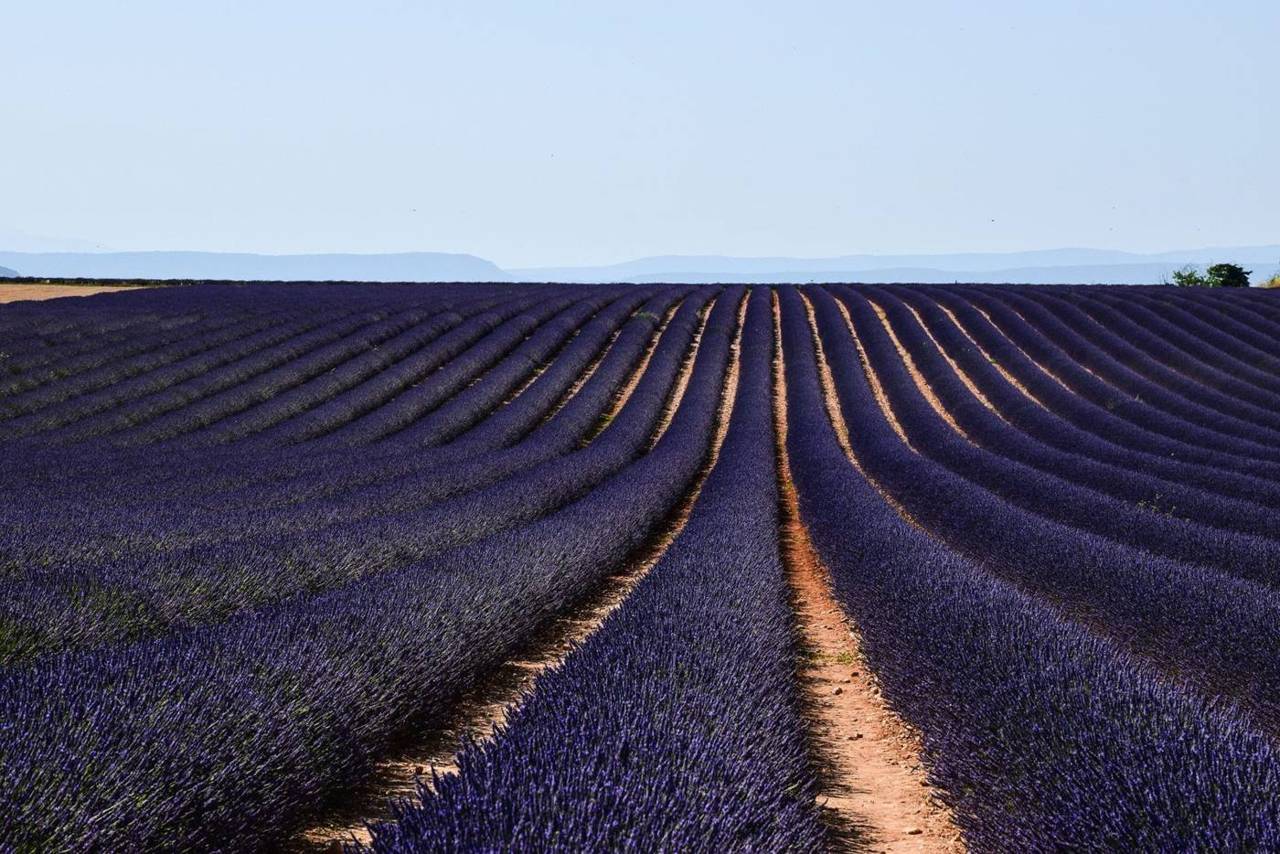
In the morning drive east, about an hour and a half, to the Valensole plateau, the best known area for Provence's lavender fields. Purple rows stretch for kilometres, alternating with fields of golden wheat and stone farmhouses. Flowering usually runs from late June to mid July, then the lavender is cut. Respect the fields: they are private property, do not trample or pick the plants.
Then go down to Moustiers Sainte Marie, a village set against a gorge, famous for its painted ceramics, with a golden star hanging on a chain between two rocks above the houses. Climb to the chapel of Notre Dame de Beauvoir above the village for a view of the lake.
In the afternoon reach Lake Sainte Croix, a large turquoise reservoir at the foot of the Verdon gorges. Rent a kayak, canoe or pedalo at the Pont du Galetas, at the mouth of the gorges, and paddle into the gorge between white limestone walls dropping into green water. It is one of the finest moments of the trip.
Sleep in Moustiers or a village near the lake.
Practical tip: in summer the Pont du Galetas car park fills up early. Arrive in the morning or late afternoon.
- Day 7
The Verdon gorges
Today you tour the Verdon gorges, Europe's largest canyon, up to seven hundred metres deep, with the emerald green river at the bottom.
The Route des Crêtes, on the north rim, is a loop of about twenty three kilometres, partly one way, with a series of viewpoints hanging over sheer walls, from which you see the river, circling vultures and climbers on the cliffs. Start from La Palud sur Verdon. The road is narrow with many bends.
The south rim road, the Corniche Sublime, has other spectacular viewpoints, such as the Balcons de la Mescla, where the Verdon meets the Artuby.
If you like walking, the Blanc Martel trail at the bottom of the gorges is one of the most famous in France: about fifteen kilometres in six or seven hours, with dark tunnels, iron ladders and sections along the river. You need a torch, good shoes, plenty of water and transport arranged between start and finish. Check the trail's status, as it is sometimes closed for rockfalls or dam water releases.
In the evening return towards the lake or Castellane.
Sleep in the Verdon area.
Practical tip: do not swim in the river inside the gorges. The water can rise within minutes when dams release water.
- Day 8
To Nice
In the morning leave the Verdon and head down to the coast, about two and a half hours, via Castellane and the Route Napoléon, the road Napoleon took in 1815 on his return from Elba, through mountains and stone villages, to Grasse.
Grasse is the world capital of perfume, with fields of roses, jasmine and tuberose around it. Visit the international perfume museum, which tells the history of perfume from antiquity to today, or one of the historic perfumeries, where you see the stills and can create a small personal perfume. Check opening hours and prices.
In the afternoon you reach Nice. Return the car: in town and along the coast it is easier to get around by regional train and bus.
At sunset walk along the Promenade des Anglais, the seven kilometre seafront along the Baie des Anges, with blue sea and a pebble beach. Then climb Castle Hill, on foot or by lift, for a view of the whole bay, the port and the red roofs of the old town.
In the evening have dinner in the old town with Niçoise food: socca, chickpea pancake, pissaladière, onion and anchovy tart, and salade niçoise.
Sleep in Nice.
Practical tip: the beach in Nice is pebbly. Bring water shoes to get into the sea.
- Day 9
Èze and Villefranche
In the morning explore Nice's old town: the Cours Saleya market, with flowers, fruit, vegetables and spices, the baroque cathedral of Sainte Réparate and the lanes with colourful façades. If you are interested in art, the Matisse and Chagall museums on Cimiez hill are among the finest on the coast. Check opening hours and prices.
Then take the bus or train east to Èze, a medieval village perched on a rocky spur more than four hundred metres above the sea, with stone lanes, arches and small workshops. At the top, the exotic garden among the castle ruins, with cacti and succulents, offers one of the finest views on the Côte d'Azur. Check opening hours and prices.
If you are fit, walk down from Èze to the sea on the Nietzsche path, named after the philosopher who walked it, about an hour of steep descent among rocks and pines, to Èze sur Mer, where you catch the train again.
In the afternoon stop at Villefranche sur Mer, a fishing village on a deep bay, with pastel houses on the harbour, the citadel and the chapel of Saint Pierre decorated by Jean Cocteau.
Sleep in Nice.
Practical tip: the Nietzsche path is easier downhill. In summer walk it early in the morning with plenty of water.
- Day 10
Antibes and departure
On the last day take the train west, about twenty minutes, to Antibes, an ancient town with walls on the sea, a harbour full of boats and an old town with a covered market and lanes.
Visit the Picasso museum in the Château Grimaldi, overlooking the sea, where Picasso worked in 1946 and left many works full of light and sea. Check opening hours and prices.
Then, if you have time, walk the Cap d'Antibes coastal path, about an hour among white rocks and turquoise water, in front of the grand villas of the coast. The path is sometimes closed in rough seas.
In the afternoon return to Nice and go to the airport, on the sea west of the city, linked by tram. Arrive early.
Before leaving buy something to take home: olive oil, tapenade, herbes de Provence, lavender honey, Marseille soap, a perfume from Grasse, calissons from Aix, the almond and candied melon sweets.
This trip shows the south of France in all its faces: papal and Roman cities, wild marshes, stone villages among the lavender, a spectacular canyon and the light of the coast that inspired so many painters.
Practical tip: between Nice, Villefranche, Antibes and Monaco regional trains are frequent and cheap. Avoid driving along the coast.
Southern France at its most complete, between art, nature and food. The lavender blooms for only a few weeks and is harvested from mid July: outside that window the trip is still lovely, but without the purple. July and August are very hot, the villages full and prices on the Riviera very high.
Before you go
- Documents and visa
- EU citizens need a valid identity card or passport. Other nationalities should check the Schengen rules.
- Health and vaccines
- No vaccines required. EU citizens should bring their EHIC. Emergencies: 112.
- Money and payments
- Euro. Cards are accepted almost everywhere; every accommodation charges the taxe de séjour per person per night.
- Power sockets
- Types C and E, 230 volts.
- Time zone
- Central European Time (UTC+1), summer time (UTC+2) from the last Sunday of March to the last Sunday of October.
- Safety
- A safe country, with a high terrorism alert level and security checks at museums and stations. In Paris watch for pickpockets on the metro. Official advice: GOV.UK.
Information checked in November 2026 for Italian and EU citizens. Rules change: always check before you travel.
Variations
In 7 days: Avignon, Arles, the Luberon and the Verdon, without the Côte d'Azur.
In 13 days: add Aix en Provence, Marseille and the Calanques, and Saint Paul de Vence.
Frequently asked questions
What document do I need?
EU citizens only need a valid electronic identity card or passport. Other nationalities should check their own rules.
When does the lavender bloom?
Usually from late June to mid July, depending on area and altitude. Then it is cut. The fields are private property: do not trample the plants.
Do I need a car?
Yes, for the Luberon, Valensole and the Verdon. On the Côte d'Azur it is better to use trains and buses: traffic and parking are difficult.
Indicative itinerary written by World Atlas. Before booking, check timetables, seasonal openings, documents and safety.
 6 daysEasy
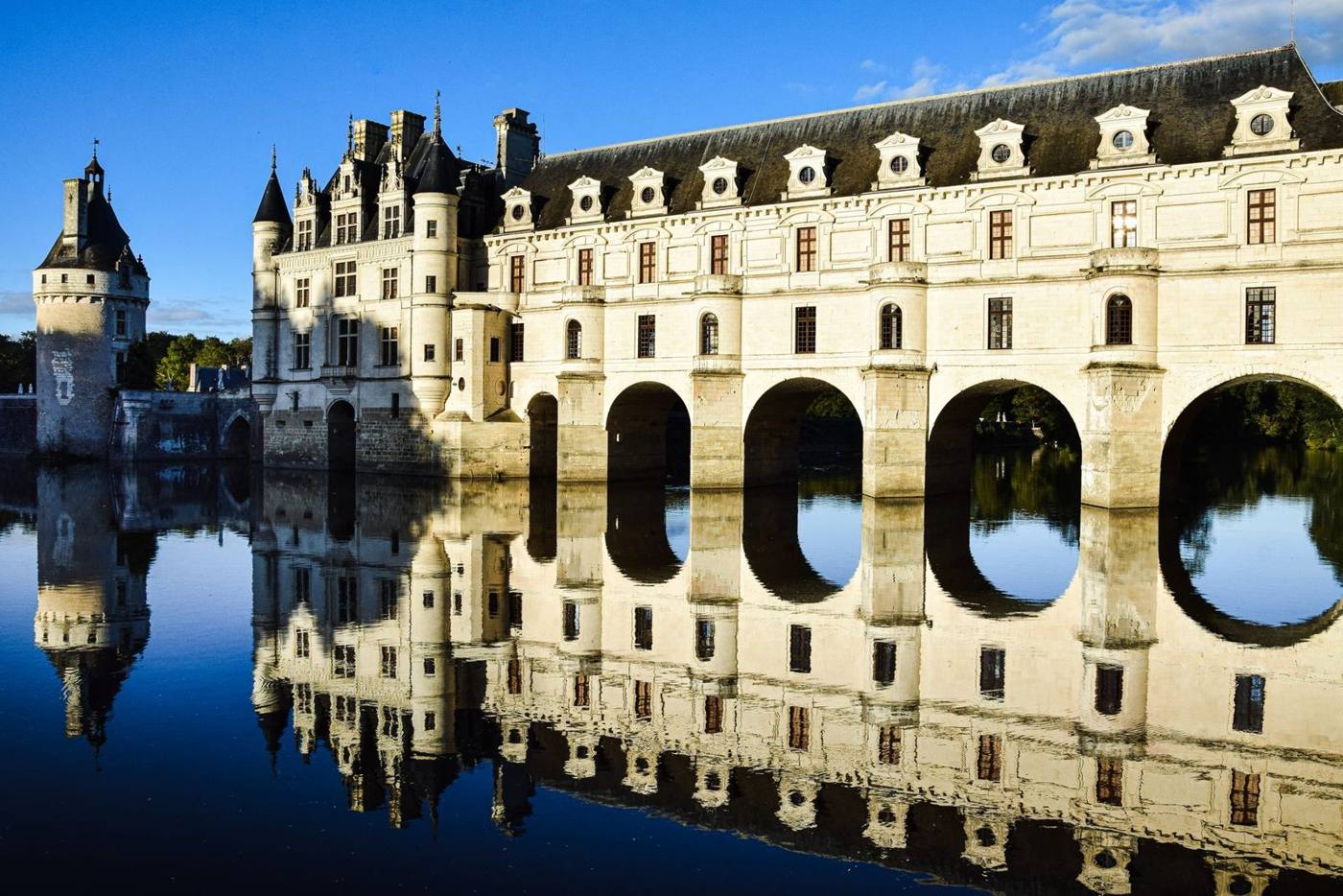
The Loire châteaux
Chambord, Chenonceau, Amboise and Villandry, by car or by bike along the Loire à Vélo, with the cellars of Vouvray and Chinon.
 9 daysEasy
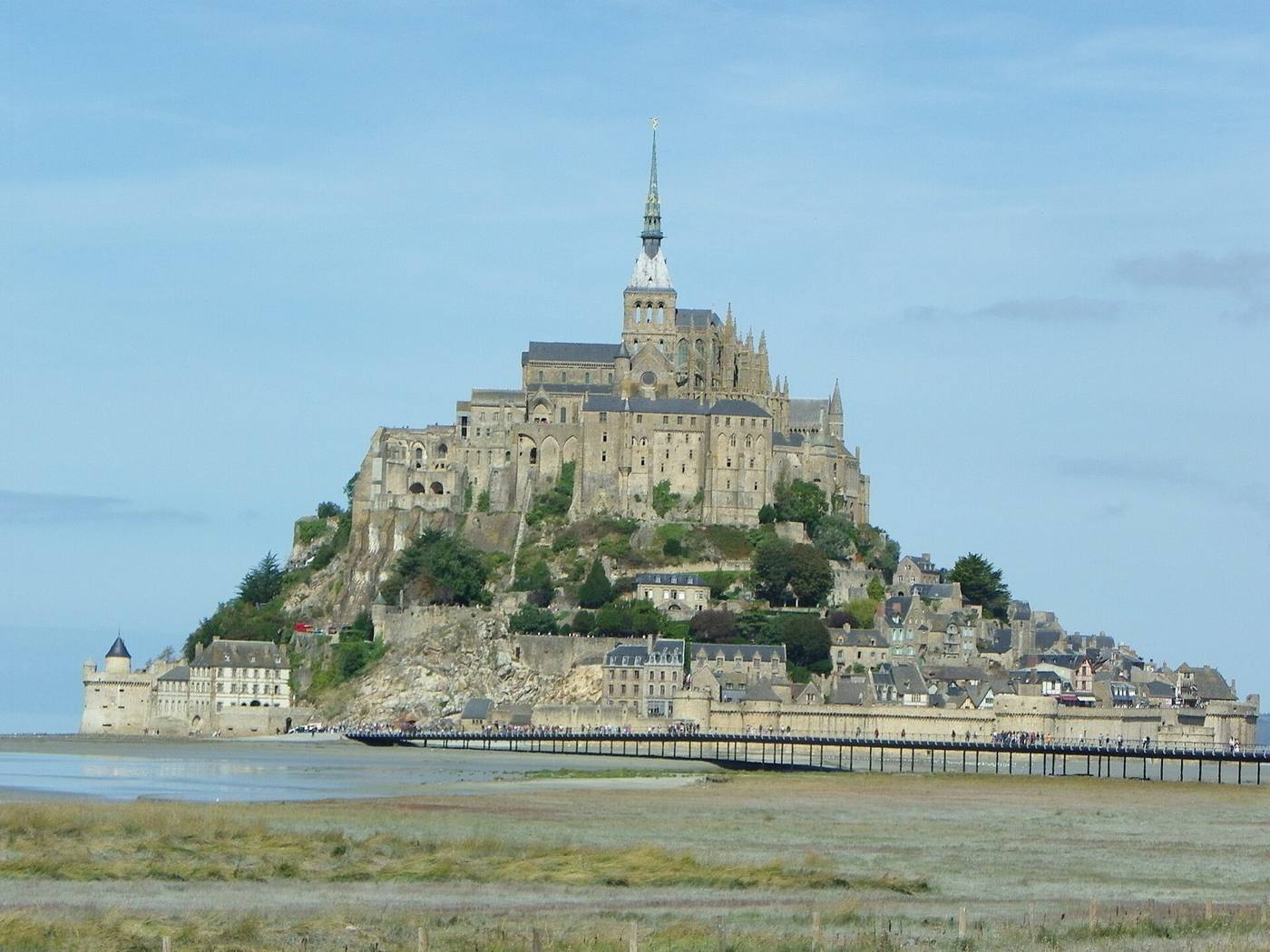
Normandy and Brittany
Giverny and Monet, the cliffs of Étretat, Honfleur, the D-Day beaches, Mont-Saint-Michel and the Breton coast from Saint-Malo to the Pink Granite Coast.
 8 daysEasy
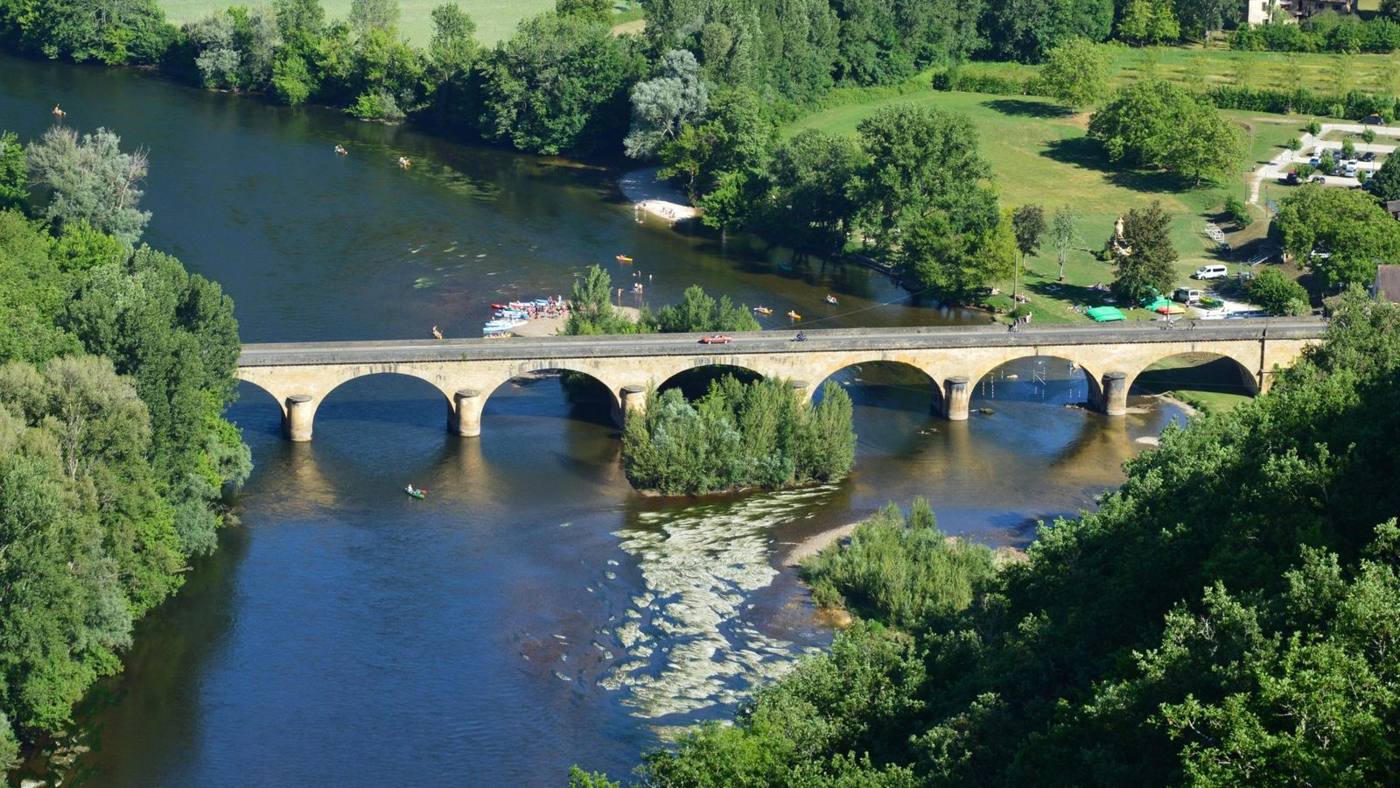
Bordeaux and the Dordogne
Bordeaux and Saint-Émilion, the villages of the Dordogne valley such as Sarlat and La Roque-Gageac, the prehistoric caves of Lascaux and Rocamadour.