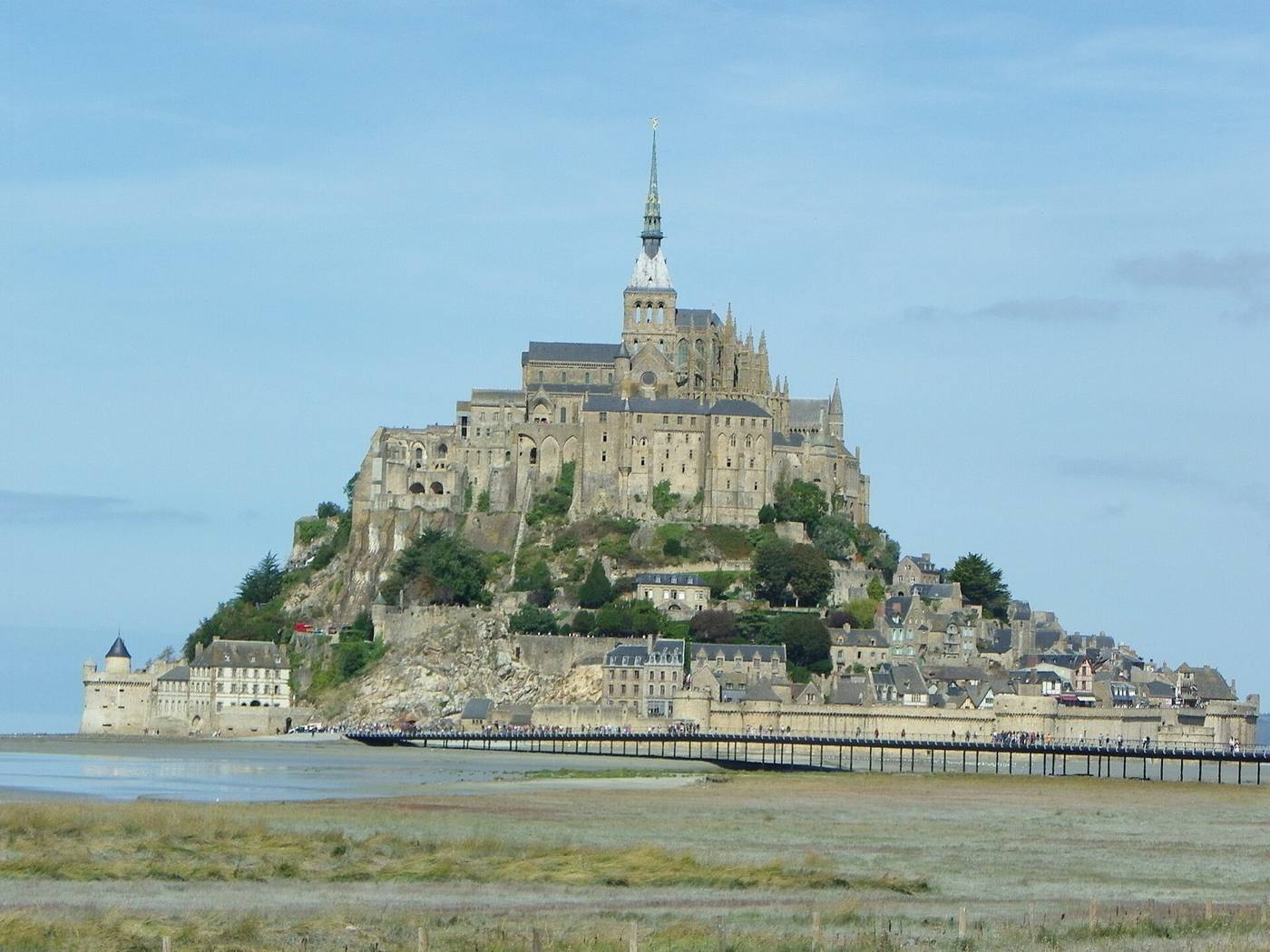
Normandy and Brittany
Giverny and Monet, the cliffs of Étretat, Honfleur, the D-Day beaches, Mont-Saint-Michel and the Breton coast from Saint-Malo to the Pink Granite Coast.
- Giverny
- Rouen
- Étretat
- Honfleur
- Bayeux
- Omaha Beach
- Mont-Saint-Michel
- Saint-Malo
- Ploumanac'h
Day by day
- Day 1
Giverny, Monet's house and gardens, and Rouen
This itinerary is done by car: pick it up in Paris, or take the train from Saint-Lazare to Vernon, under an hour, and rent it there. From Vernon a shuttle runs to Giverny in a quarter of an hour. Claude Monet's house and gardens are open every day only from April to early November, from 10 am to 6 pm: out of season this stop drops out. Book your time online, especially in May and June, when the wisteria and roses are in bloom.
Arrive at opening time. The garden has two parts: the Clos Normand in front of the house, with its flower beds, and the water garden across the road, with the Japanese bridge, the willows and the water lily pond that Monet painted for thirty years. The pink house with green shutters keeps its yellow kitchen and his collection of Japanese prints. The village also has the Musée des impressionnismes, with temporary exhibitions.
In the afternoon drive to Rouen, about an hour. Its cathedral of Notre-Dame is the one Monet painted more than thirty times at different hours of the day; on summer evenings the facade is lit by light projections. Walk along rue du Gros-Horloge, under the astronomical clock, to place du Vieux-Marché, where Joan of Arc was burned in 1431: today a modern church with a scaled roof stands there.
Sleep in Rouen, in the old centre of half-timbered houses. For dinner try the Normandy cheeses, camembert, livarot and pont-l'évêque, with cider. Practical tip: in Rouen use a covered car park, as the centre is largely pedestrian.
- Day 2
Étretat and its cliffs; Honfleur at sunset
Leave early for the coast, just over an hour's drive to Étretat. The white cliffs above the sea, with rock arches carved by the waves, are the most famous landscape in Normandy: Monet, Courbet and Boudin all painted them. In summer and at weekends the town's car parks fill early: arrive before ten or leave the car in the car parks outside the centre.
Climb the Falaise d'Aval, to the left of the beach: the uphill path takes half an hour to reach the top above the Porte d'Aval and the Aiguille, the needle of rock rising from the water, and continues towards the Manneporte, the largest arch. Then return to the beach and climb the opposite side, the Falaise d'Amont, to the chapel of Notre-Dame de la Garde. Stay on the paths: the cliff edges crumble and some stretches are closed.
In the afternoon drive south to Honfleur, about fifty minutes, crossing the Pont de Normandie over the Seine estuary, which is tolled. Honfleur is the most beautiful port on the coast: tall narrow houses around the Vieux Bassin, the church of Sainte-Catherine, built of wood by the port's shipwrights, and lanes full of art galleries. The Musée Eugène Boudin shows how open-air painting was born here.
At sunset sit on the quay of the Vieux Bassin, when the facades are reflected in the water. Sleep in Honfleur or nearby. For dinner, mussels in cream with cider, then a glass of calvados, the region's apple brandy. Practical tip: wear closed shoes at Étretat, as the paths are steep and slippery after rain.
- Day 3
Bayeux and the landing beaches: Arromanches and Omaha
From Honfleur to Bayeux is about an hour's drive. Bayeux is your base for two nights: it is close to all the beaches of 6 June 1944 and one of the few towns in the area left intact after the war. Important news: during this period the Bayeux Tapestry cannot be seen here. Its museum has been closed for works since September 2025, and from 10 September 2026 to 11 July 2027 the tapestry is on show at the British Museum in London. Visit instead the Gothic cathedral of Notre-Dame, with its Romanesque crypt.
In the late morning drive to Arromanches, fifteen minutes. Off the beach, the concrete blocks of the artificial harbour built by the Allies to land men and vehicles still sit in the sea; the best viewpoint is on the hill east of the town, near the statue of the Virgin.
In the afternoon continue west to Omaha Beach, where American soldiers suffered the heaviest losses. Above the beach lies the American Cemetery at Colleville-sur-Mer, with more than nine thousand white crosses in rows on the lawn: entry is at no cost and the visitor centre explains the landing through soldiers' letters and belongings. It is a place of silence: behave as you would in any cemetery.
Return to Bayeux for the night. For dinner try teurgoule, rice pudding with cinnamon baked for hours, a traditional dessert of the Calvados area. Practical tip: on 6 June and the days around the anniversary roads are closed for ceremonies and accommodation sells out months ahead.
- Day 4
Pointe du Hoc, Utah Beach and the cemeteries of 1944
A second day devoted to the landings. In the morning drive to the Pointe du Hoc, about half an hour from Bayeux: here American Rangers climbed a thirty-metre cliff with ropes and ladders to destroy the German guns. The ground is still pitted with bomb craters and the concrete bunkers remain, open to visitors. The site is managed like Colleville and is at no cost to enter.
Continue to Utah Beach, the westernmost beach, where a museum built on the landing site tells the story of the operation with original vehicles, including a bomber. Nearby is Sainte-Mère-Église, the village where paratroopers dropped on the night of 6 June: a dummy hangs from the church tower in memory of the soldier whose parachute caught on it.
In the afternoon, on the way back, stop at the German war cemetery at La Cambe, with its dark crosses in groups of five: it helps you grasp the human cost of the battle on both sides. If you still have time, the Longues-sur-Mer battery keeps the only German guns still in their bunkers on this coast.
Dinner in Bayeux. If you want the full story before seeing the beaches, the Mémorial de Caen, half an hour away, is the largest Second World War museum in France and needs half a day: in that case, move it to this morning. Practical tip: the distances between sites are short but the roads are small; do not plan more than four stops in a day.
- Day 5
On to Mont-Saint-Michel: the village and the abbey at dusk
From Bayeux to Mont-Saint-Michel is about an hour and a half's drive. Book two nights near the Mont, in the accommodation area next to the car park or in nearby villages, or on the Mont itself: the evening is what makes the difference, when the day visitors leave. The official car park is about two and a half kilometres from the Mont; from there a no-cost shuttle drops you about four hundred metres from the entrance in a dozen minutes. You can also walk it along the footbridge, in about forty minutes.
Arrive in the afternoon, after five, when the daytime crowd thins. Enter by the King's Gate and climb the Grande Rue, the steep narrow street of medieval houses; then leave the main street and walk the ramparts, which overlook the bay. The finest view, though, is from outside: go back onto the footbridge at sunset, when the Mont stands out against the sky and the wet sand.
Check the tides before you go: the bay has some of the largest tides in Europe. On days of very high tide the water rises fast and surrounds the Mont, which becomes an island again for a few hours: it is the sight to see, from the footbridge. Never walk on the sand of the bay alone: there is quicksand and the water comes in faster than you can walk.
For dinner try pré-salé lamb, raised on the salt meadows of the bay, and the fluffy omelette, the Mont's speciality. Practical tip: bring a jacket even in summer, the wind on the footbridge is strong.
- Day 6
The abbey early in the morning, the bay on foot with a guide, and Cancale
Return to the Mont when the abbey opens, the quietest moment of the day. Tickets are bought online for a set time and cost more in high season. The visit climbs to the abbey church on top of the rock, eighty metres above the sea, then descends through the Merveille, the Gothic monastery built on three levels: the hanging cloister with its slender columns and views over the bay, the refectory, the Knights' Hall. Allow an hour and a half to two hours. There are many steps: it is a tiring visit.
In the afternoon cross the bay on foot, barefoot on the sand, with a licensed guide: it is the only safe way to walk on the bay, because guides know the tide times and the quicksand areas. Walks leave from villages along the coast, last a few hours and must be booked in advance; times change daily with the tide.
In the evening drive to Cancale, about fifty minutes, Brittany's oyster port. On the seafront, at the market stalls near the lighthouse, oysters are sold by the dozen and eaten on the spot while the oyster beds emerge at low tide. From here it is twenty minutes to the walled town of Saint-Malo: sleep in Saint-Malo for the next two nights.
Practical tip: for the bay crossing bring shorts, a change of clothes and a bag for muddy feet; in spring and autumn the water is cold.
- Day 7
Saint-Malo, the ramparts and low tide; medieval Dinan
In the morning walk the full circuit of the ramparts of Saint-Malo, the granite walls around the corsairs' city: about two kilometres on foot, with views of the beaches, forts and islands. Inside the walls the tall grey stone houses all look old, but the town was almost entirely destroyed in 1944 and rebuilt exactly as before.
Check the time of low tide: when the water goes out you can walk across the beach to the island of Grand Bé, where the writer Chateaubriand is buried, his tomb facing the sea. A sign at the crossing shows until what time you can go: respect it, because at high tide the island is cut off for hours. On Bon-Secours beach there is also a seawater pool that fills with the tide.
In the afternoon drive to Dinan, half an hour away. It is one of the best-preserved medieval towns in Brittany, with half-timbered houses jutting over the street, walls and a castle. Walk down rue du Jerzual and rue du Petit-Fort, steep and cobbled, to the old port on the river Rance, then climb back up, or take a walk along the towpath by the water.
Return to Saint-Malo for dinner. In Brittany you eat galettes, savoury buckwheat crêpes, with Breton cider; for dessert kouign-amann, the butter and sugar cake, and salted butter caramel. Practical tip: in Saint-Malo leave the car in the car parks outside the walls and use the shuttles.
- Day 8
The Pink Granite Coast and the customs officers' path
Set off early westwards: from Saint-Malo to Perros-Guirec is about two hours' drive. The Côte de Granit Rose, the Pink Granite Coast, is named after its huge pink rocks, rounded by wind and sea into strange shapes among the houses and beaches. The colour is strongest in low sun, in the morning and at sunset.
The finest walk is the Sentier des Douaniers, the customs officers' path, the stretch of the GR34 coastal trail running from Trestraou beach in Perros-Guirec to the port of Ploumanac'h. Customs officers once patrolled it to watch for smugglers. You walk among granite boulders, heath and sea, past the Ploumanac'h lighthouse and the small chapel of Saint-Guirec on the beach. Allow about two hours one way at an easy pace; return on foot or by local bus in the warm season.
In the afternoon carry on to Trégastel, a few minutes further west, where the rocks on the beach are even larger, or take a boat from Perros-Guirec to the Sept-Îles archipelago, a nature reserve with a gannet colony and, in summer, puffins; boats circle the islands without landing in the protected areas.
Sleep in Perros-Guirec or Trégastel. For dinner fish and seafood, or more galettes. Practical tip: the path is easy but exposed to wind and sun, so bring water, a hat and a waterproof jacket.
- Day 9
Rennes and the train to Paris
On the last morning drive from Perros-Guirec to Rennes, about two hours, and return the car in the city: picking it up in Normandy and dropping it off in Brittany usually costs extra, so check when you book. If time allows, give a couple of hours to the centre of Rennes, the capital of Brittany: the colourful half-timbered houses around place Sainte-Anne and rue du Chapitre, the Parliament of Brittany and the Thabor gardens, one of the finest parks in France.
On Saturday morning the Marché des Lices takes place, one of the largest markets in the country, with the region's producers: cheese, butter, seafood, cider, flowers. It is the right place to buy good things to take home, starting with salted butter caramel and cider.
From Rennes station the TGV to Paris Montparnasse takes about an hour and a half. Tickets are bought online and cost less when booked weeks ahead; on Friday and Sunday evenings trains are full. Some trains run directly to Charles de Gaulle airport: if your flight leaves from there, check this option, which avoids changing in Paris.
Practical tip: between arriving at Montparnasse and a flight, allow at least three hours, since reaching the airports from the station takes metro or train and security takes time.
Two different, complementary regions, between 20th-century history, art and the Atlantic. Mont-Saint-Michel is overrun by day: staying nearby and visiting in the evening changes everything. The tides are very strong, so check the times. The weather is changeable even in summer. The food is excellent: crêpes, cider, Cancale oysters.
Before you go
- Documents and visa
- EU citizens need a valid identity card or passport. Other nationalities should check the Schengen rules.
- Health and vaccines
- No vaccines required. EU citizens should bring their EHIC. Emergencies: 112.
- Money and payments
- Euro. Cards are accepted almost everywhere; every accommodation charges the taxe de séjour per person per night.
- Power sockets
- Types C and E, 230 volts.
- Time zone
- Central European Time (UTC+1), summer time (UTC+2) from the last Sunday of March to the last Sunday of October.
- Safety
- A safe country, with a high terrorism alert level and security checks at museums and stations. In Paris watch for pickpockets on the metro. Official advice: GOV.UK.
Information checked in November 2026 for Italian and EU citizens. Rules change: always check before you travel.
Variations
In 6 days: Étretat and Honfleur on the first day, a single day on the landing beaches with Arromanches, Omaha and the Pointe du Hoc, then Mont-Saint-Michel with the evening and the next morning, and Saint-Malo before the train back from Rennes. You give up Giverny, Dinan and the Pink Granite Coast.
In 12 days: add a day at the Mémorial de Caen, two days in Finistère, with the Pointe du Raz and the Crozon peninsula, and one on the Gulf of Morbihan and at Carnac, with its lines of standing stones, before returning from Vannes or Rennes.
Frequently asked questions
Can I see the Bayeux Tapestry?
Not in Bayeux, for now. The tapestry museum has been closed for works since September 2025, and from 10 September 2026 to 11 July 2027 the tapestry is on show at the British Museum in London. If it matters to you, check the reopening date on the Bayeux museums' website before planning your trip.
Do I need a car, or are trains enough?
You need a car. Trains link Paris well with Rouen, Bayeux, Pontorson, Saint-Malo and Rennes, but the landing beaches, Étretat, the bay of Mont-Saint-Michel and the Pink Granite Coast have few buses, mostly only in summer. With a car, remember that French motorways are tolled and the Pont de Normandie charges a toll.
How do the tides work at Mont-Saint-Michel?
The bay has very large tides: at low tide the sea goes out for kilometres, at high tide it returns within hours. On days of very high tide the water surrounds the Mont for a short time, a sight to watch from the footbridge. Times change every day and are on the Mont's official website. Only walk on the sand of the bay with a licensed guide.
Indicative itinerary written by World Atlas. Before booking, check timetables, seasonal openings, documents and safety.
 8 daysEasy
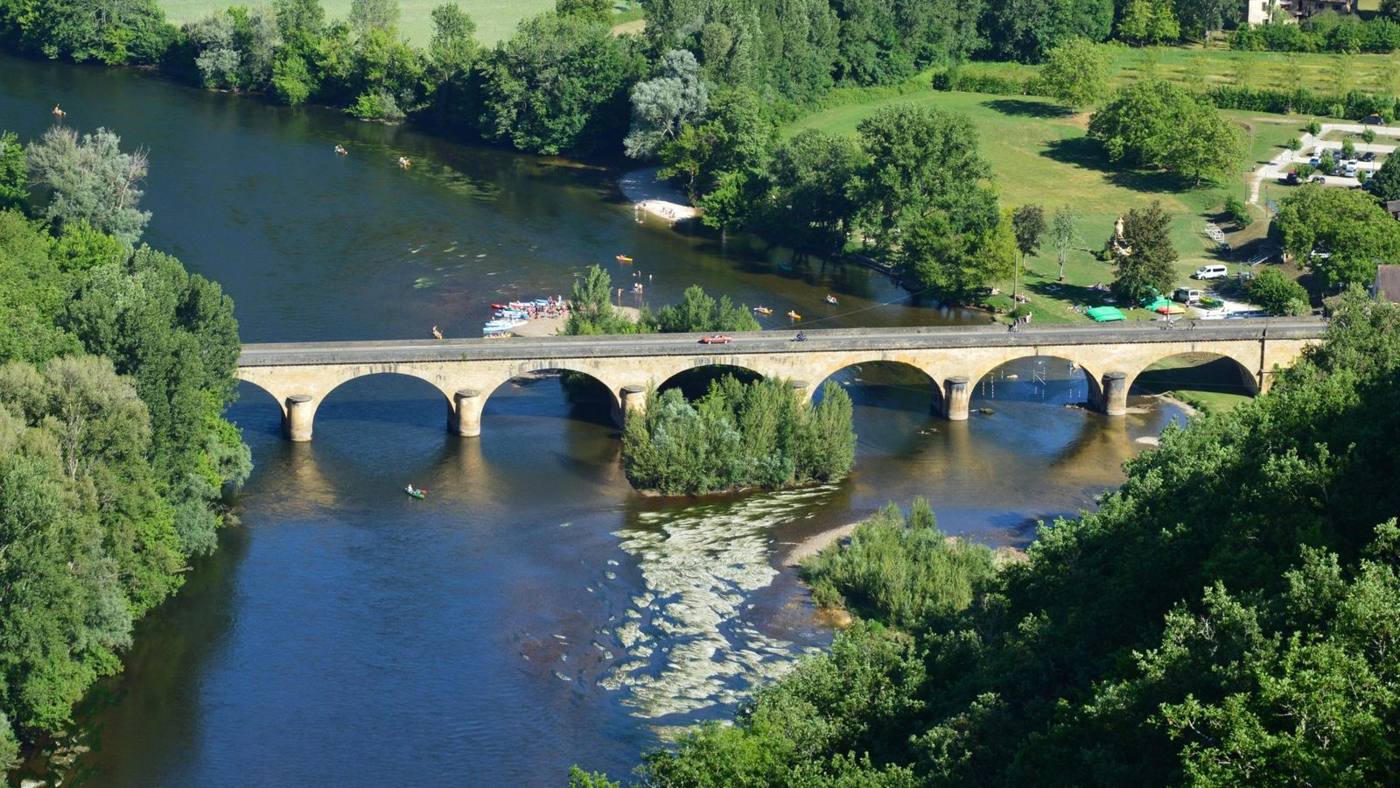
Bordeaux and the Dordogne
Bordeaux and Saint-Émilion, the villages of the Dordogne valley such as Sarlat and La Roque-Gageac, the prehistoric caves of Lascaux and Rocamadour.
 7 daysEasy
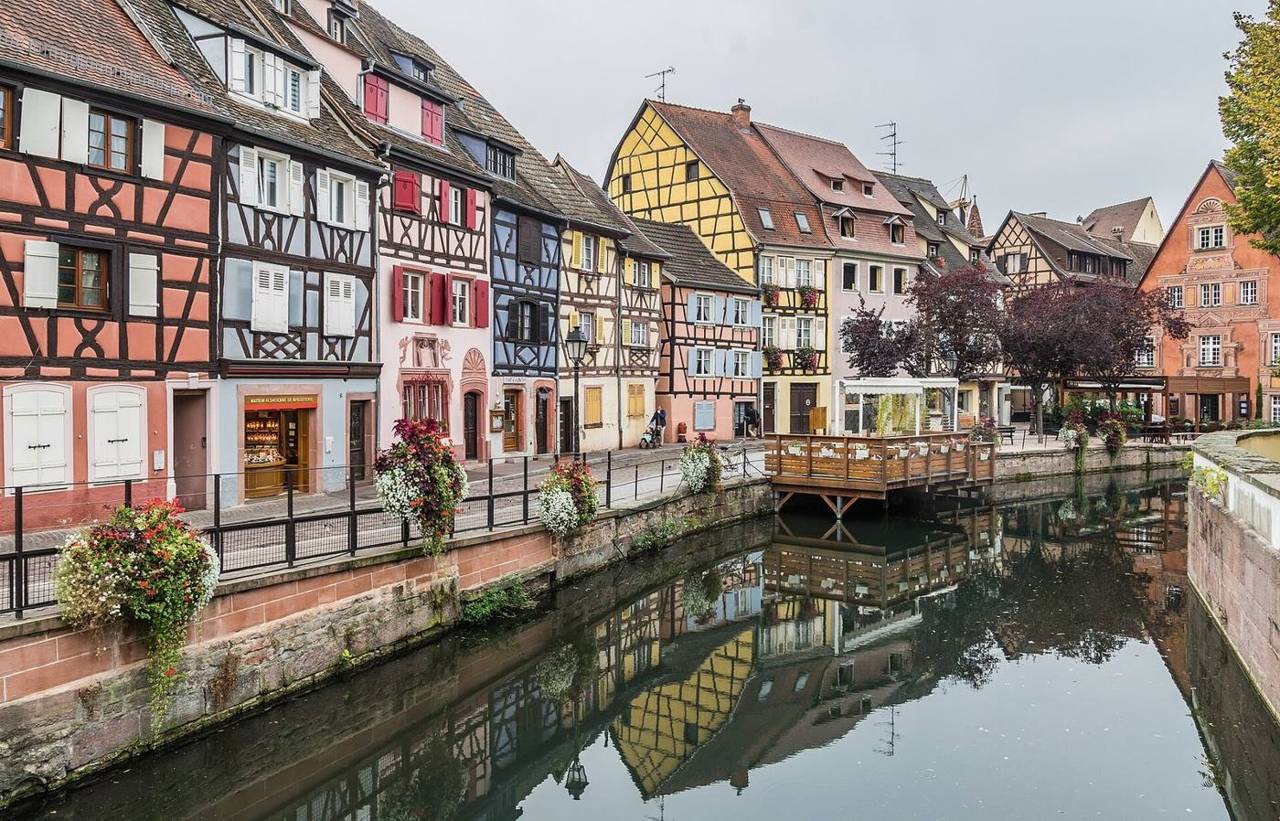
Alsace and Burgundy
Strasbourg, the Alsace wine route through Riquewihr, Eguisheim and Colmar, then Burgundy with Beaune, the Côte de Nuits and Dijon.
 10 daysModerate
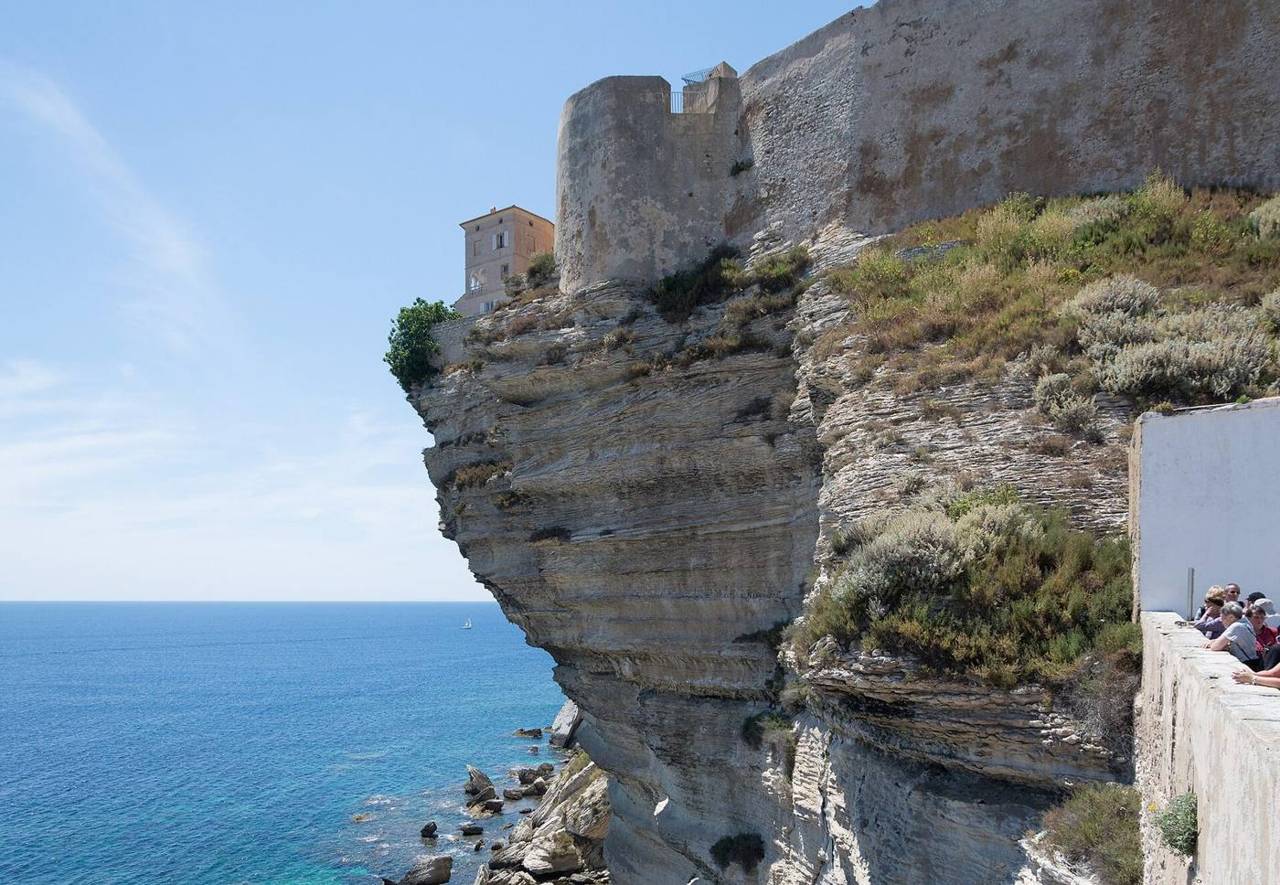
Corsica
A mountain island in the sea: Bonifacio on its cliffs, the beaches of Palombaggia, the Aiguilles de Bavella, the Calanques de Piana and the Scandola reserve.