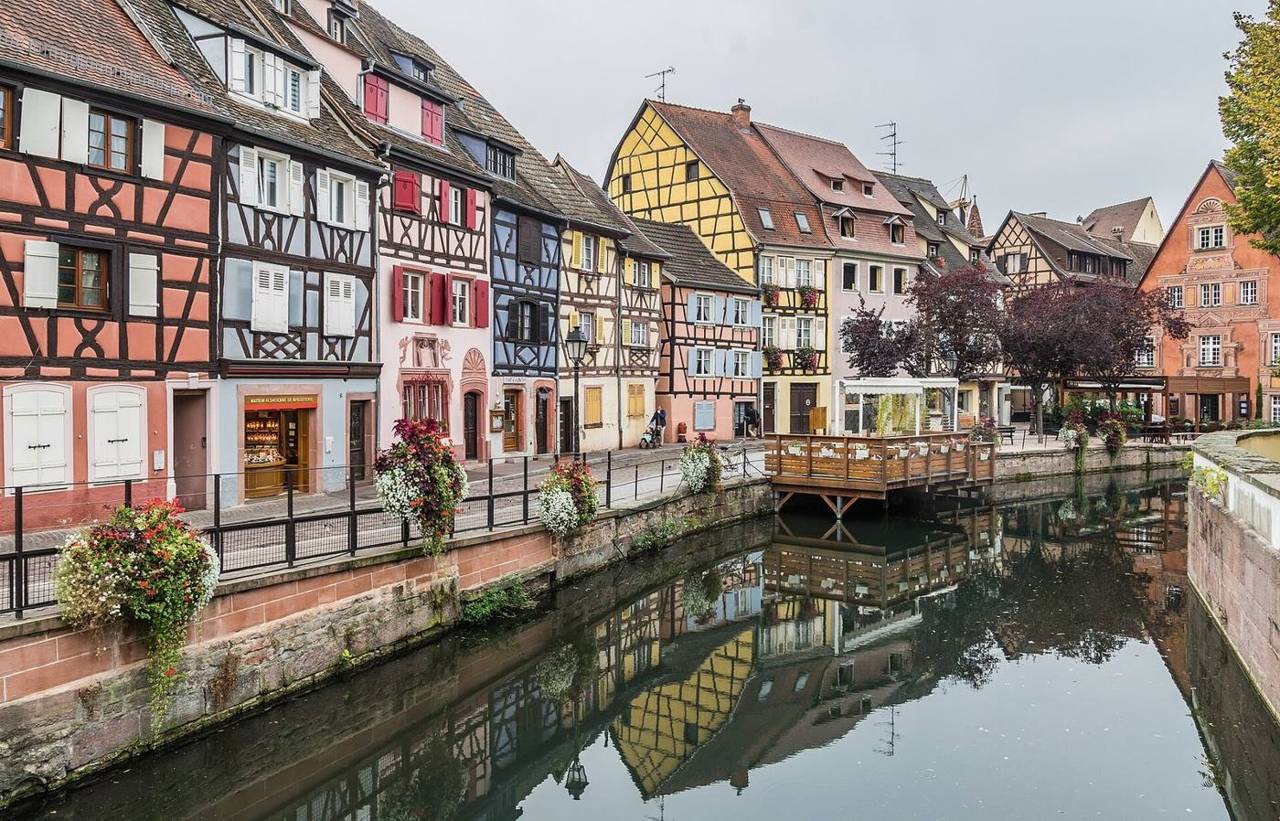
Alsace and Burgundy
Strasbourg, the Alsace wine route through Riquewihr, Eguisheim and Colmar, then Burgundy with Beaune, the Côte de Nuits and Dijon.
- Strasbourg
- Riquewihr
- Eguisheim
- Colmar
- Dijon
- Côte de Nuits
- Beaune
Day by day
- Day 1
Strasbourg: the cathedral and the Grande Île
This trip combines two French regions famous for wine and history: Alsace, on the German border, with its half timbered towns and villages among the vines, and Burgundy, with Dijon, Beaune and the hills of great red wines. Over seven days you see Strasbourg, the Alsace wine route with Colmar, then Dijon and the Côte de Nuits.
Strasbourg has an airport with domestic flights and high speed trains to Paris in about two hours. The old centre lies on an island in the River Ill, the Grande Île, a UNESCO World Heritage Site together with the German district built in the late nineteenth century.
The first day starts at Notre Dame cathedral, a Gothic masterpiece in pink Vosges sandstone, with a single tall, slender spire and a façade embroidered with statues. Inside is a great astronomical clock from the sixteenth century, rebuilt in the nineteenth, with figures that move every day at around half past twelve. If you have good legs you can climb to the cathedral platform for a view over the rooftops and, on clear days, the Black Forest.
In the afternoon walk around the centre: Place Kléber, the lanes around the cathedral and the half timbered houses. In the evening try Alsatian food: tarte flambée, a thin flatbread with cream, onions and bacon, and choucroute, sauerkraut with sausages, pork and potatoes.
Spend the night in Strasbourg.
Practical tip: France is in the Schengen area and EU citizens can travel with a valid national identity card. Check times and tickets for the astronomical clock and the platform in advance.
- Day 2
Petite France, the canals and the European Parliament
In the morning go to Petite France, Strasbourg's most picturesque district, where the River Ill splits into several channels. It was once the quarter of fishermen, millers and tanners. Today it is a cluster of half timbered houses with window boxes, bridges, locks and small waterside gardens.
Just beyond are the Ponts Couverts, three bridges with medieval towers, and the Barrage Vauban, a seventeenth century covered dam with a rooftop terrace overlooking Petite France, the towers and the cathedral.
A pleasant way to see the city is a boat trip on the canals, which passes Petite France, circles the Grande Île and reaches the European district. The boats have audio guides in many languages.
In the afternoon go to the European district, north east of the centre. Here you find the European Parliament, a large glass and steel building on the river, the Council of Europe and the European Court of Human Rights. During some plenary sessions the Parliament can be visited on a public route: check dates and rules.
On the way back walk through the nineteenth century German district, the Neustadt, with wide avenues, imposing buildings and the large Place de la République.
Spend the night in Strasbourg.
Practical tip: Strasbourg is very bike friendly, with a long network of cycle paths. It is easy to hire a bike for a few hours or the whole day.
- Day 3
The wine route: Riquewihr, Kaysersberg and Eguisheim
Today you leave Strasbourg and head south along the Alsace wine route, a road that runs for about one hundred and seventy kilometres through the foothills of the Vosges, past vineyards, ruined castles and colourful villages. It is best to hire a car, or use local trains and buses with more patience.
The first stop is Riquewihr, one of the most beautiful villages in France, enclosed by medieval walls, with half timbered houses painted pink, yellow and blue, wrought iron signs and flower filled courtyards. It is very popular: arrive early in the morning to walk at leisure.
Nearby is Kaysersberg, with a fortified bridge over the river, castle ruins on the hill and the birthplace of Albert Schweitzer, doctor and Nobel Peace Prize winner. Climb to the castle to see the village and vineyards from above.
In the afternoon go to Eguisheim, a village built in concentric rings around its castle and church. The lanes curl round on themselves between colourful houses. Many winegrowing families open their cellars for tastings of Riesling, Gewürztraminer and Pinot Gris.
Spend the night in Colmar or one of the villages.
Practical tip: parking in the wine route villages is often paid and away from the centre. If you go tasting, choose a driver: France's drink driving limit is low.
- Day 4
Colmar, Little Venice and the Isenheim Altarpiece
Today you visit Colmar, the most beautiful town in southern Alsace. The old centre is almost entirely pedestrian and keeps half timbered houses, Renaissance mansions, Gothic churches and squares with fountains.
The best known district is Little Venice, where the River Lauch flows between colourful houses with flower laden balconies and the boats of the old market gardeners. You can take a short boat ride or walk along the water to the old covered market. Nearby is the tanners' quarter, with tall narrow houses where hides were once dried.
The Unterlinden museum, in a former Dominican convent, holds the Isenheim Altarpiece, painted in the early sixteenth century by Matthias Grünewald. It is one of the masterpieces of European painting: a large altarpiece with opening panels, a dramatic crucifixion and scenes of great power and colour. It was painted for a hospital that cared for the gravely ill.
In the afternoon stroll through the centre and see the House of Heads, decorated with dozens of carved faces, and the museum devoted to Bartholdi, the sculptor of the Statue of Liberty, who was born in Colmar.
In the evening have dinner in Little Venice as the houses light up.
Spend the night in Colmar.
Practical tip: Colmar is very busy, especially during the Christmas markets at the end of the year. Book accommodation well ahead for that period and check museum opening times, as it closes on some days.
- Day 5
By train or car to Dijon
Today you leave Alsace and head west into Burgundy. By train from Colmar or Mulhouse you reach Dijon in a few hours, often with one change; by car the road follows the Doubs valley through the Besançon area.
Dijon was the capital of the Dukes of Burgundy, who in the fifteenth century ruled one of the richest states in Europe, from Flanders to Burgundy. Their wealth is still visible in the old centre, one of the best preserved in France, with noble mansions, roofs of coloured glazed tiles and elegant streets.
In the afternoon visit the Palace of the Dukes, on the large semicircular Place de la Libération. Part of it houses the fine arts museum, usually no-cost to enter, where you see the dukes' tombs, carved with great finesse and surrounded by small figures of mourning monks. You can climb the Philippe le Bon tower for a view over the rooftops.
Then follow the owl trail, marked by small bronze arrows in the pavement, which passes the main sights of the centre. On the wall of a church you find the little carved owl, which people touch with their left hand for luck.
In the evening try Burgundian food: snails in garlic and parsley butter, beef in red wine and Dijon mustard.
Spend the night in Dijon.
Practical tip: train tickets are cheaper when bought in advance. Check museum opening times, as some close on Tuesdays.
- Day 6
The Côte de Nuits, Beaune and the Hospices
Today you discover the Côte d'Or, the long vine covered slope between Dijon and Beaune, home to some of the most famous and expensive red and white wines in the world. Its climats, small vineyard plots known by name for centuries, are a UNESCO World Heritage Site.
The Route des Grands Crus runs through the Côte de Nuits south of Dijon, past villages with famous names such as Gevrey Chambertin, Vougeot and Vosne Romanée. The vines are divided by stone walls, with stone crosses at the field entrances. At the Château du Clos de Vougeot, built by Cistercian monks in the Middle Ages, you see huge wooden presses and vaulted cellars.
In the afternoon you reach Beaune, the wine capital of Burgundy. Its most famous monument is the Hospices, the Hôtel Dieu, a hospital for the poor founded in the mid fifteenth century. It has a courtyard with roofs of coloured tiles in geometric patterns, a great ward with rows of beds and Rogier van der Weyden's Last Judgement polyptych. Every November the Hospices hold a famous charity wine auction.
In the evening stroll through central Beaune, within its walls, and dine on regional dishes.
Spend the night in Beaune or return to Dijon.
Practical tip: many Côte d'Or wineries can only be visited by appointment. Book before you go and ask whether there is a charge for tasting.
- Day 7
Dijon and departure
The last day is for Dijon and the journey home. If you stayed in Beaune, the train back to Dijon takes about twenty minutes.
In the morning go to Les Halles, the covered market, a large nineteenth century iron structure open on some days of the week. You find Burgundy cheeses such as Époisses, gingerbread, mustard, cured meats and local fruit and vegetables. It is the ideal place to buy something to take home.
If you have time, visit the international city of gastronomy and wine, opened in a restored former hospital, with exhibitions on French cuisine, cookery schools and tastings. Or walk to Saint Bénigne cathedral, with its very old crypt, and to the church of Notre Dame, whose façade is lined with rows of false gargoyles and topped by a clock with automata.
In the afternoon take the high speed train to Paris, about an hour and a half, or to Lyon, and continue your journey or head home. From Burgundy, Italy can also be reached by car across the Alps in a few hours.
Practical tip: wine and cheese can travel in your suitcase on flights within the European Union, but liquids are not allowed in hand luggage beyond the set limits. Pack bottles carefully in your checked baggage.
Two great wine regions a few hours from Luxembourg and northern Italy, perfect for a road trip. Alsace has fairy-tale villages but they are very busy, especially during the December markets. In Burgundy tastings at the best estates must be booked. Whoever drives should go easy on the tastings.
Before you go
- Documents and visa
- EU citizens need a valid identity card or passport. Other nationalities should check the Schengen rules.
- Health and vaccines
- No vaccines required. EU citizens should bring their EHIC. Emergencies: 112.
- Money and payments
- Euro. Cards are accepted almost everywhere; every accommodation charges the taxe de séjour per person per night.
- Power sockets
- Types C and E, 230 volts.
- Time zone
- Central European Time (UTC+1), summer time (UTC+2) from the last Sunday of March to the last Sunday of October.
- Safety
- A safe country, with a high terrorism alert level and security checks at museums and stations. In Paris watch for pickpockets on the metro. Official advice: GOV.UK.
Information checked in November 2026 for Italian and EU citizens. Rules change: always check before you travel.
Variations
In 4 days: just Alsace, with Strasbourg, Colmar and the wine route.
In 10 days: add Champagne, with Reims and Épernay, between Alsace and Paris.
Frequently asked questions
When is the best time to go?
May to October. The grape harvest is in September, and December brings Alsace's famous Christmas markets.
Do I need a car?
For the wine route and the Côte d'Or it is the most convenient option. Between Strasbourg, Colmar, Dijon and Beaune, trains are enough.
Do I need to know about wine?
No. Many winegrowers are happy to explain their work to beginners, often in English.
Indicative itinerary written by World Atlas. Before booking, check timetables, seasonal openings, documents and safety.
 10 daysModerate
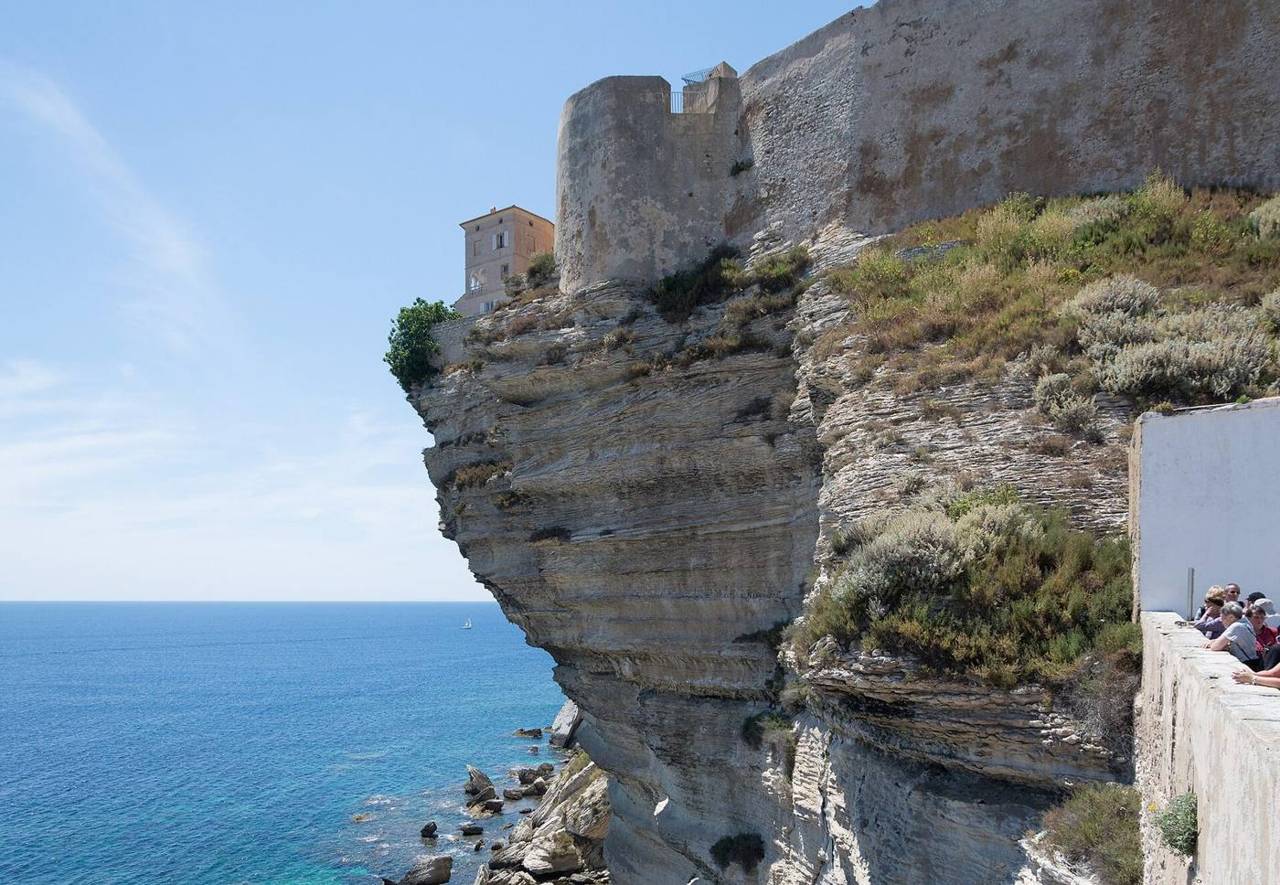
Corsica
A mountain island in the sea: Bonifacio on its cliffs, the beaches of Palombaggia, the Aiguilles de Bavella, the Calanques de Piana and the Scandola reserve.
 11 daysChallenging
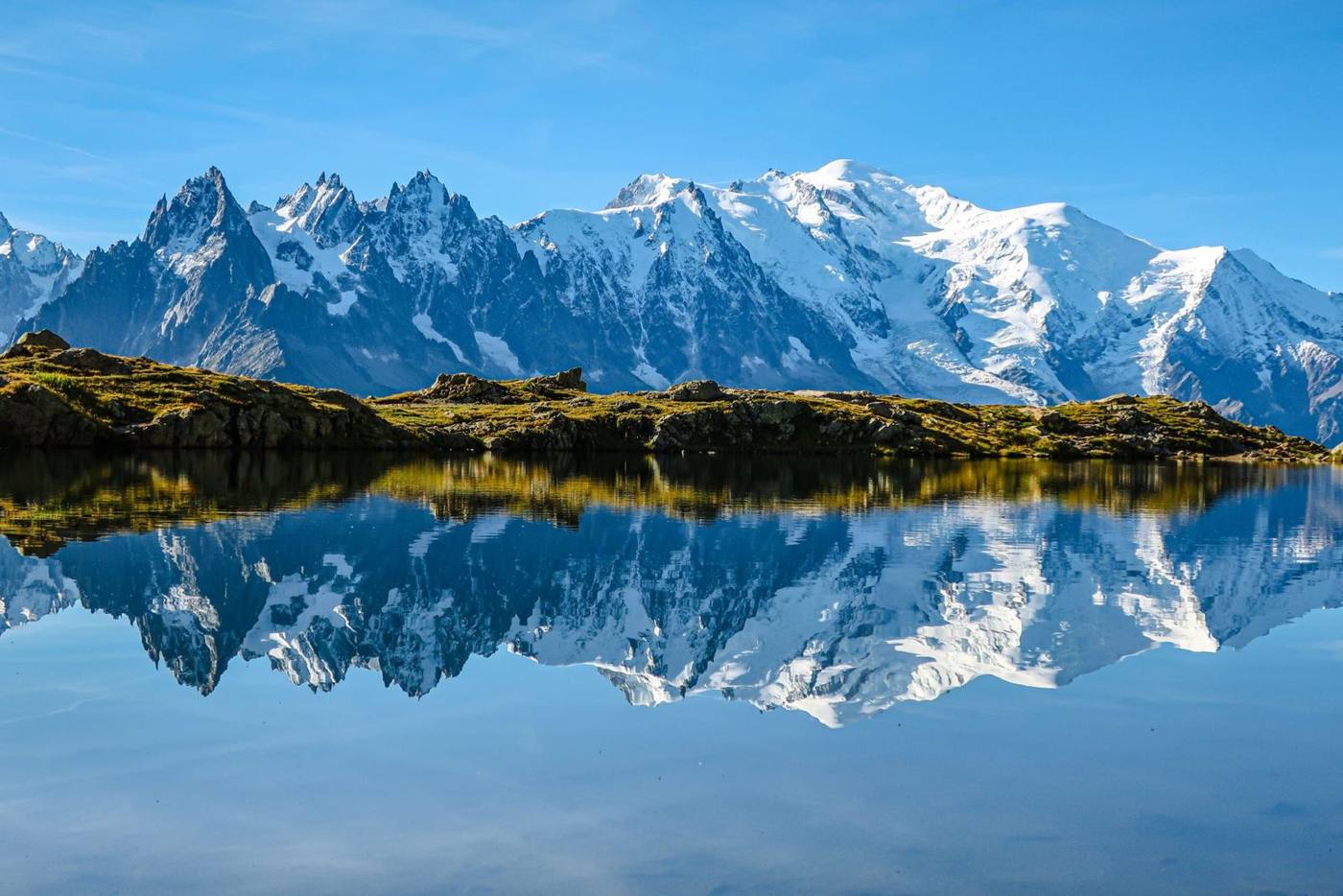
The Tour du Mont Blanc
The circuit around Mont Blanc in ten stages through France, Italy and Switzerland: Chamonix, Col de la Seigne, Courmayeur, the Val Ferret and Lac Blanc.
 8 daysEasy
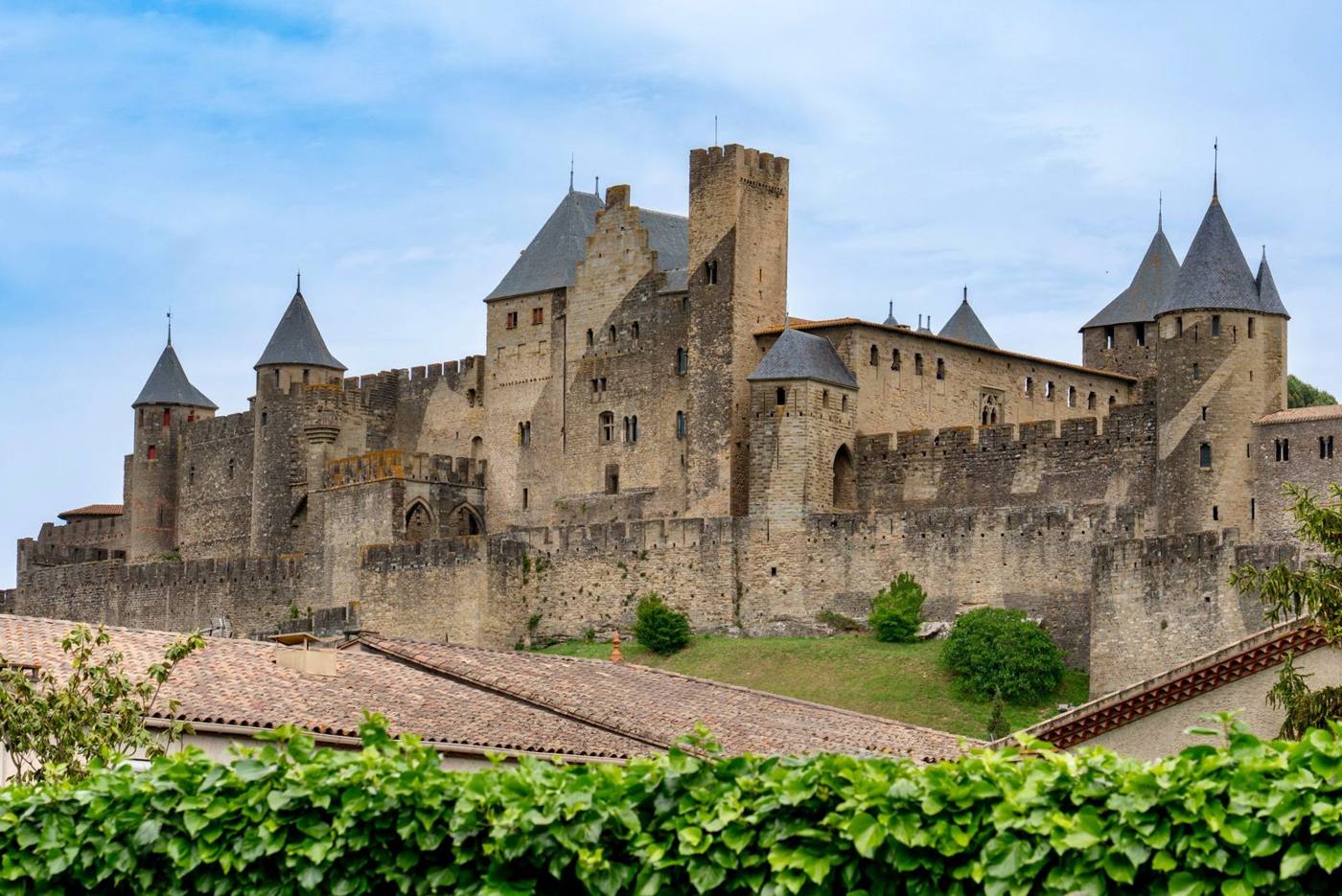
Occitanie: Carcassonne and the Tarn gorges
Toulouse, the fortified city of Carcassonne, the Cathar castles, Albi and its brick cathedral, the Millau Viaduct and the Tarn gorges by canoe.