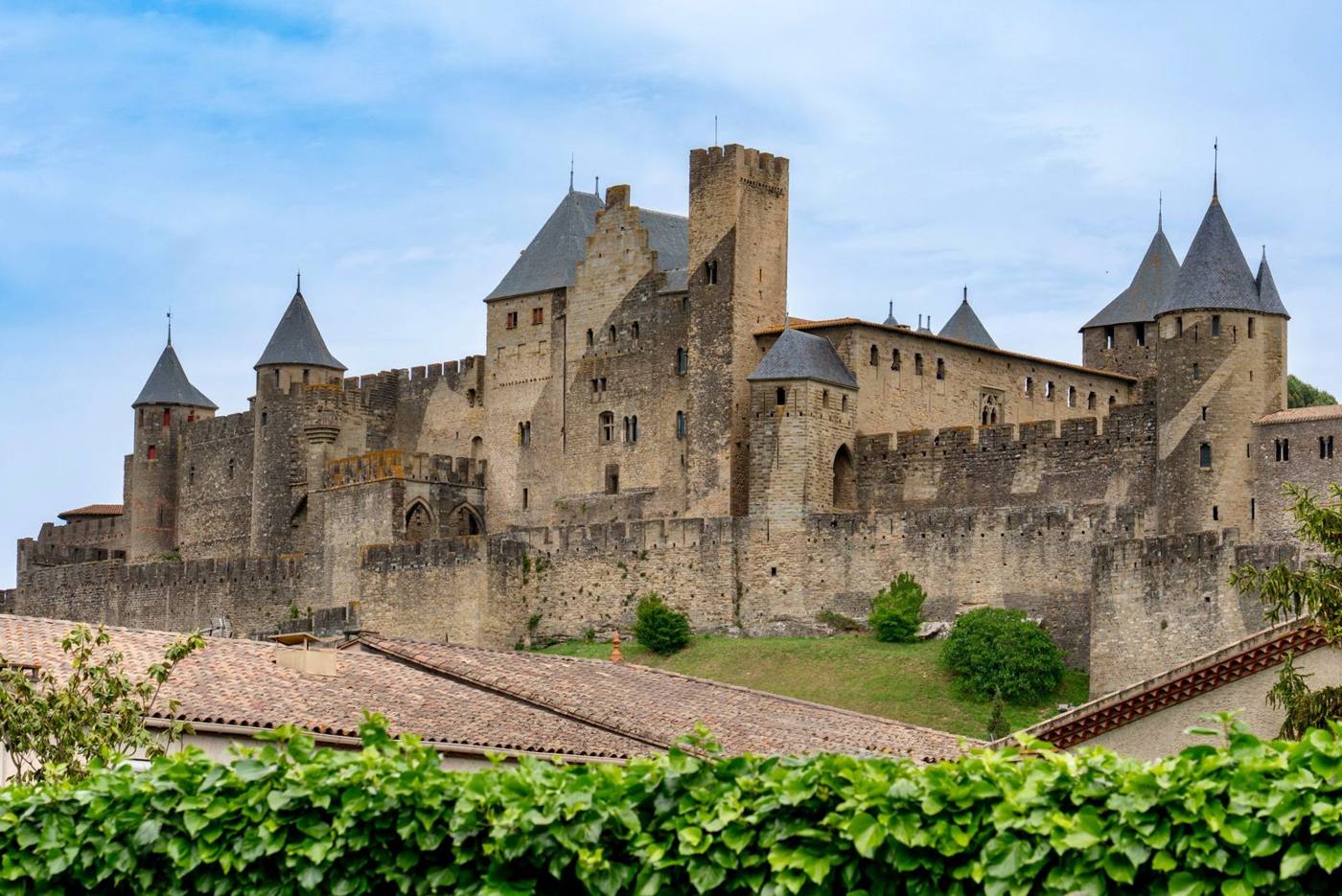
Occitanie: Carcassonne and the Tarn gorges
Toulouse, the fortified city of Carcassonne, the Cathar castles, Albi and its brick cathedral, the Millau Viaduct and the Tarn gorges by canoe.
- Toulouse
- Carcassonne
- Peyrepertuse
- Albi
- Cordes-sur-Ciel
- Millau
- Gorges du Tarn
Day by day
- Day 1
Toulouse, the pink city: the Capitole and Saint-Sernin
This trip crosses Occitanie, the great region of south western France between the Garonne, the Pyrenees and the Massif Central. It starts in Toulouse, the city of pink brick, and continues to Carcassonne, the largest medieval fortified city in Europe, the Cathar castles perched on rocky crags, Albi and its brick cathedral, and finally the Tarn gorges, a deep canyon between limestone plateaus, crossed by the Millau Viaduct. It is a trip to do by car.
France is in the Schengen area: EU citizens only need an identity card valid for travel. You fly into Toulouse, with direct flights from many European cities.
Toulouse is called the pink city for the colour of the bricks of its buildings and churches. On the first day start at the Place du Capitole, the great central square, with the eighteenth century town hall whose facade is decorated with pink marble columns. Inside you can visit the state rooms, with paintings telling the city's history.
Then walk to the Basilica of Saint-Sernin, the largest Romanesque church in Europe still intact, an important stop on the pilgrim road to Santiago de Compostela, with a multi storey octagonal bell tower.
In the evening walk along the Garonne, on the quays and across the Pont Neuf, as the bricks of the buildings glow pink and orange at sunset.
Spend the night in Toulouse.
Practical tip: the best time is May to June and September. In July and August it is hot and Carcassonne and the Tarn gorges are very crowded.
- Day 2
Toulouse: the Jacobins convent and the Cité de l'Espace
Today continue exploring Toulouse. In the morning visit the Jacobins convent, a large thirteenth century Gothic convent holding the relics of St Thomas Aquinas. The church has a famous central column, called the palm tree, from which the ribs of the vault spread out like palm fronds. The cloister, with paired columns and a garden, is one of the quietest corners of the city.
Then visit the Hôtel d'Assézat, a Renaissance mansion of brick and stone built by a merchant who grew rich on woad, a plant used to dye cloth blue, which made Toulouse's fortune in the sixteenth century. The mansion houses an art collection. There are still shops in the city selling woad dyed products.
In the afternoon choose between two visits. Toulouse is Europe's aerospace capital: at the Cité de l'Espace, on the outskirts, you see a full size Ariane rocket, a replica of the Mir space station you can enter and a planetarium. Alternatively visit the Musée des Augustins, the fine arts museum in an old convent, with Romanesque and Gothic sculpture.
In the evening have dinner with cassoulet, the region's signature dish: white beans slow cooked with Toulouse sausage, duck confit and pork.
Spend the night in Toulouse.
Practical tip: the Cité de l'Espace charges an entry fee and is reached by bus or car: check prices and times. In central Toulouse it is best to get around on foot or by metro.
- Day 3
Carcassonne: the medieval Cité, in the evening after the crowds
Today go to Carcassonne, about an hour south east of Toulouse, along the Canal du Midi, a seventeenth century navigable canal and UNESCO World Heritage Site linking the Atlantic to the Mediterranean, with locks, bridges and rows of plane trees.
The Cité of Carcassonne, a UNESCO World Heritage Site, is the largest medieval fortified city in Europe: a hilltop town enclosed by two rings of walls, about three kilometres in total, with fifty two towers, gates, drawbridges and moats. In the nineteenth century the town was in ruins and was restored by the architect Viollet-le-Duc, who added the pointed slate roofs: some criticise them as not faithful to the original, but the whole is spectacular.
Inside the walls visit the Château Comtal, the counts' castle, with a route along the walls and towers from which you see the lower town and the Pyrenees in the distance, and the Basilica of Saint-Nazaire, with fine Gothic stained glass.
During the day the streets of the Cité are full of souvenir shops and visitors. The best time is the evening: once the groups have left, the Cité falls silent and the floodlit walls are beautiful. Walk in the lists, the space between the two rings of walls.
Spend the night in Carcassonne.
Practical tip: entry to the Cité and its streets is at no cost; you pay only for the castle and the rampart walk: check the price. Staying inside or near the Cité lets you see it in the evening and at dawn.
- Day 4
The Cathar castles of Peyrepertuse and Quéribus
Today go into the Corbières, a region of dry hills, vineyards and scrub south of Carcassonne, to visit the Cathar castles, about an hour and a half away.
The Cathars were a medieval Christian movement in southern France, considered heretical by the Church of Rome. In the early thirteenth century the pope and the king of France launched a crusade against them, the Albigensian Crusade, with sieges, massacres and burnings. The last Cathars took refuge in castles built on rocky summits, now called Cathar castles, although many were later rebuilt by the kings of France as border fortresses facing Aragon.
In the morning climb to Peyrepertuse castle, built on a rocky ridge about three hundred metres long at almost eight hundred metres, like a stone ship above the hills. You walk up from the car park in about twenty minutes, then wander among the walls and climb a narrow staircase cut into the rock to the highest part, with an immense view.
In the afternoon go to Quéribus castle, a few kilometres away, on an isolated rock pinnacle, the last refuge of the Cathars, which fell in 1255. From the top you see the Pyrenees, the plain of Roussillon and, on clear days, the Mediterranean.
In the evening return to Carcassonne.
Spend the night in Carcassonne.
Practical tip: the castles are exposed to the wind, which blows hard here: bring a jacket. The paths are steep and stony: you need hiking shoes. Entry is charged and the castles may close in bad weather: check.
- Day 5
Albi and the Toulouse-Lautrec museum, then Cordes-sur-Ciel
Today go to Albi, about an hour and a half north of Carcassonne, on the banks of the Tarn. Albi's historic centre, called the episcopal city, is a UNESCO World Heritage Site.
Sainte-Cécile cathedral is one of the most impressive buildings in France: built between the thirteenth and fifteenth centuries, after the crusade against the Cathars, it is the largest brick cathedral in the world, looking like a fortress, with towering walls and a bell tower like a keep. Inside, by contrast, it is extremely rich: the walls and vaults are entirely painted with blue and gold Italian Renaissance frescoes, and there is a great fresco of the Last Judgement, as well as a Gothic choir screen of stone carved like lace.
Next door is the Palais de la Berbie, the old bishops' palace, home to the Toulouse-Lautrec museum, devoted to the painter born in Albi in 1864. It holds the largest collection of his work in the world: paintings, drawings and the famous posters of Paris nightspots of the late nineteenth century. From the palace garden you see the Tarn and the old bridge.
In the afternoon go to Cordes-sur-Ciel, about half an hour away, a medieval village built on a hill, with Gothic stone houses, fortified gates and steep lanes. On misty days it seems to float in the sky, hence its name.
Spend the night in Albi or Cordes.
Practical tip: the cathedral is at no cost, but the choir and treasury charge entry; the Toulouse-Lautrec museum also has a ticket: check. At Cordes park below and walk up.
- Day 6
The Millau Viaduct and the Tarn gorges
Today leave Albi and head east towards the Tarn gorges, passing Millau, about two hours away.
Near Millau you see the Millau Viaduct, the tallest road bridge in the world, opened in 2004, designed by the engineer Michel Virlogeux and the architect Norman Foster. The bridge crosses the Tarn valley on seven pylons with stays that make it look like a great sailing ship, and one pylon, with its mast, exceeds 340 metres, higher than the Eiffel Tower. The best places to see it are the viewing area and visitor centre below the bridge, or the village of Peyre, carved into the rock.
In the afternoon continue to the Tarn gorges, a canyon up to five hundred metres deep, carved by the river between two limestone plateaus called causses, the Causse Méjean and the Causse de Sauveterre. The road runs along the bottom of the gorge beside the river, between grey and yellow rock walls, woods and small stone villages.
Stop at the Point Sublime viewpoint, on the edge of the causse, with a view down over the whole gorge and the river's meanders.
In the evening you reach Sainte-Enimie, one of the most beautiful villages in France, with stone houses and stone slab roofs running down to the river, a stone bridge and an old monastery.
Spend the night in Sainte-Enimie or in the gorge.
Practical tip: the Millau Viaduct is a toll motorway: to see it from above you cross and pay, to see it from below follow the old road. In summer the gorge road is busy: set off early.
- Day 7
Sainte-Enimie and canoeing the Tarn gorges
Today discover the Tarn gorges from the water, the finest way to see them.
In the morning hire a canoe or kayak at Sainte-Enimie or La Malène. You drift down the river for a few hours, between rock walls hundreds of metres high, passing below villages clinging to the rock, pebble beaches and small, easy rapids. The Tarn's water is clear and green, and in summer you swim in the deep pools. The most famous stretch is Les Détroits, where the gorge narrows, down to the Cirque des Baumes, a great rock amphitheatre. At the end the hire company brings you back by minibus.
Alternatively, from La Malène traditional boats with boatmen go down the gorge, pushed with a long pole, while the boatmen tell the history of the places.
In the afternoon visit the village of Saint-Chély-du-Tarn, with a waterfall tumbling into the river beside a small church, or the abandoned village of Hauterives, reachable only on foot or by boat.
If you still have time, drive up onto the Causse Méjean, the plateau above the gorge, an almost empty steppe grazed by flocks of sheep and Przewalski's horses, wild horses from Mongolia bred here for reintroduction.
Spend the night in Sainte-Enimie or in the gorge.
Practical tip: canoeing is easy in summer, when the river is low, but always wear a life jacket. After heavy rain the river may be closed. Check with the hire company.
- Day 8
Back to Toulouse or Montpellier and departure
On the last day leave the Tarn gorges for your departure. There are two options: return to Toulouse, about three and a half hours away, or go to Montpellier on the Mediterranean, about two and a half hours, where there is another airport.
If you head for Montpellier, the road crosses the Causse du Larzac, a plateau of pastures and stony ground, with fortified villages of the Templars and Hospitallers such as La Couvertoirade, a small medieval village enclosed by intact walls. It then descends towards the Hérault valley, where you can detour to Saint-Guilhem-le-Désert, a village with a Romanesque abbey in a gorge, on the road to Santiago.
If you return to Toulouse, the road passes Millau, where you can visit the glove museum, since Millau has been the city of leather gloves for centuries, and Roquefort-sur-Soulzon, the village of Roquefort cheese, where you visit the natural caves in which the sheep's milk cheese matures and develops its blue veins.
Before leaving buy some of the region's produce: Roquefort, tinned cassoulet, Corbières and Gaillac wines, woad dyed goods and candied Toulouse violets.
From Toulouse and Montpellier there are flights to many European cities.
Practical tip: visits to the Roquefort cellars charge a fee and are guided: check the times. If you return the car in a different city, check the cost.
A less-trodden France, with strong medieval history and very varied scenery. Carcassonne was imaginatively restored in the 19th century and is full of shops, but remains spectacular, especially at night. The Cathar castles are reached by short, steep climbs. The Tarn gorges are crowded in August.
Before you go
- Documents and visa
- EU citizens need a valid identity card or passport. Other nationalities should check the Schengen rules.
- Health and vaccines
- No vaccines required. EU citizens should bring their EHIC. Emergencies: 112.
- Money and payments
- Euro. Cards are accepted almost everywhere; every accommodation charges the taxe de séjour per person per night.
- Power sockets
- Types C and E, 230 volts.
- Time zone
- Central European Time (UTC+1), summer time (UTC+2) from the last Sunday of March to the last Sunday of October.
- Safety
- A safe country, with a high terrorism alert level and security checks at museums and stations. In Paris watch for pickpockets on the metro. Official advice: GOV.UK.
Information checked in November 2026 for Italian and EU citizens. Rules change: always check before you travel.
Variations
In 5 days: Toulouse, Carcassonne and the Cathar castles.
In 11 days: add the Pyrenees and the Camargue, or Montpellier and the Roman cities of Nîmes and Arles.
Frequently asked questions
When is the best time to go?
May, June and September. In summer it is hot and Carcassonne and the Tarn gorges are very crowded.
Do I need a car?
Yes, for the Cathar castles and the Tarn gorges. Toulouse, Carcassonne and Albi are also linked by train.
Do I need a passport?
No, France is in the Schengen area and EU citizens only need an identity card valid for travel.
Indicative itinerary written by World Atlas. Before booking, check timetables, seasonal openings, documents and safety.
 7 daysEasy
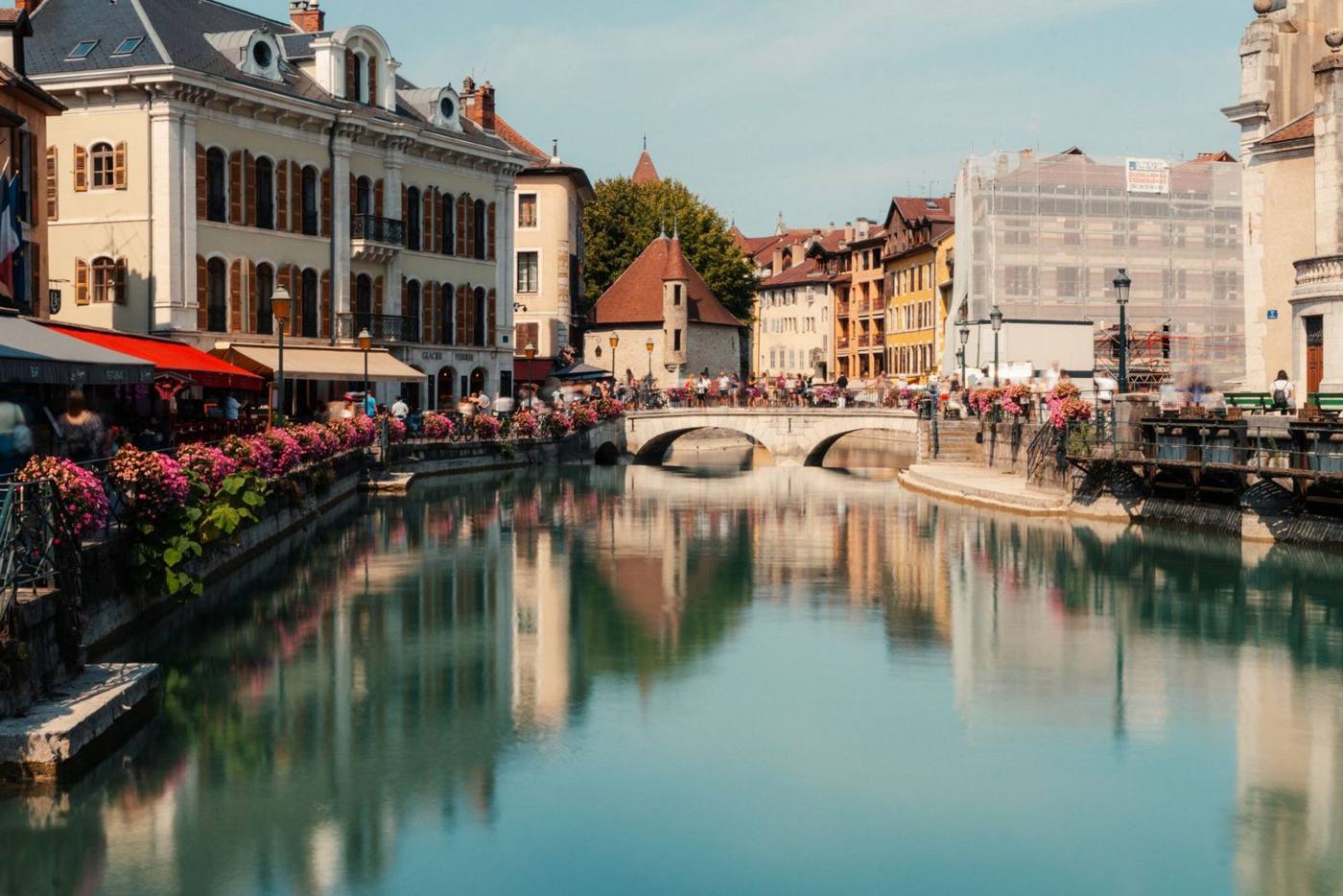
Lyon, Annecy and the Alps
The food capital of Lyon with its bouchons and traboules, Lake Annecy, Chamonix with the Aiguille du Midi and the Mer de Glace.
 5 daysModerate
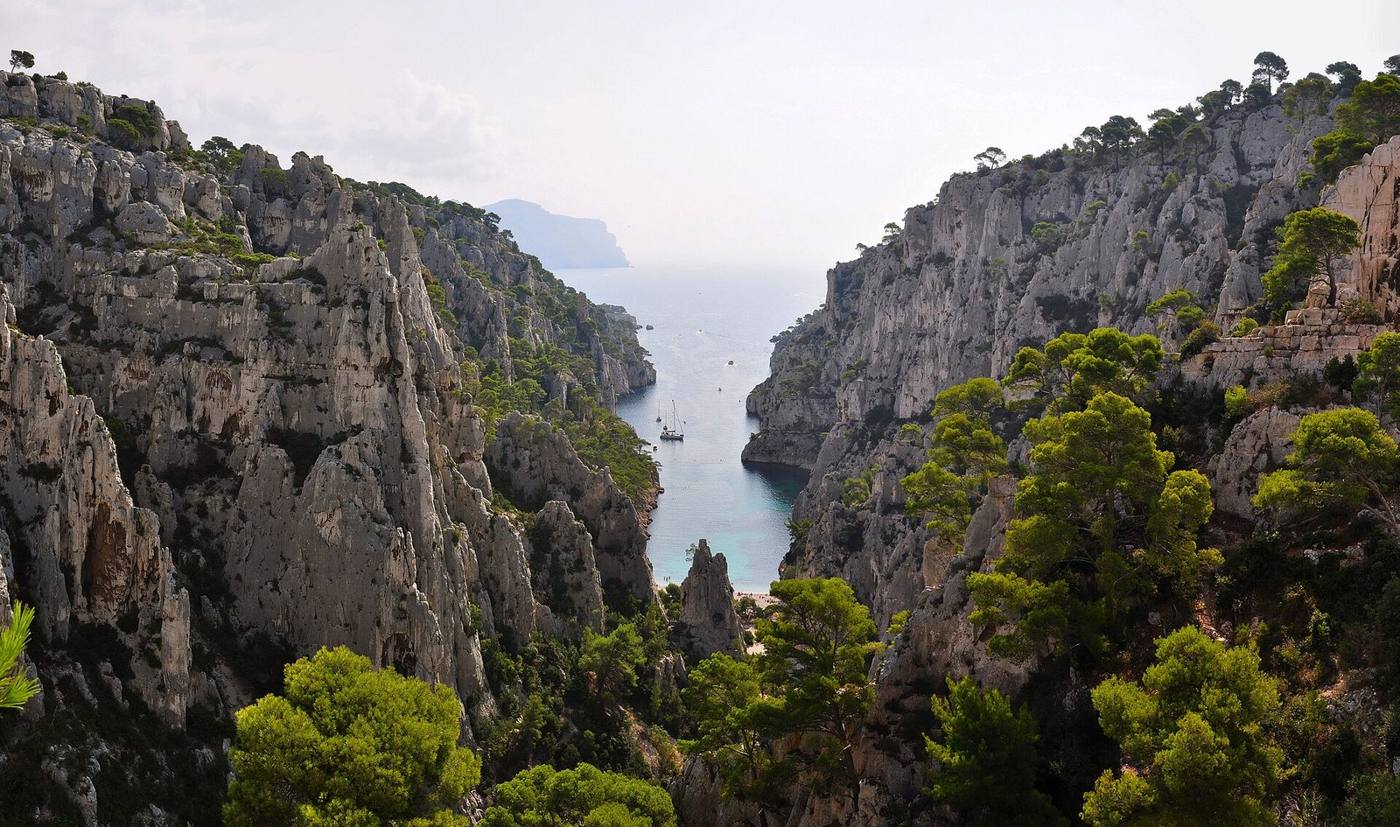
Marseille, the Calanques and Cassis
France's oldest city and its national park by the sea: the Vieux-Port, Le Panier, the MuCEM and Notre-Dame de la Garde, then the Calanques trails between white cliffs and turquoise water, Cassis with Cap Canaille and a trip to the Château d'If.
 5 daysEasy
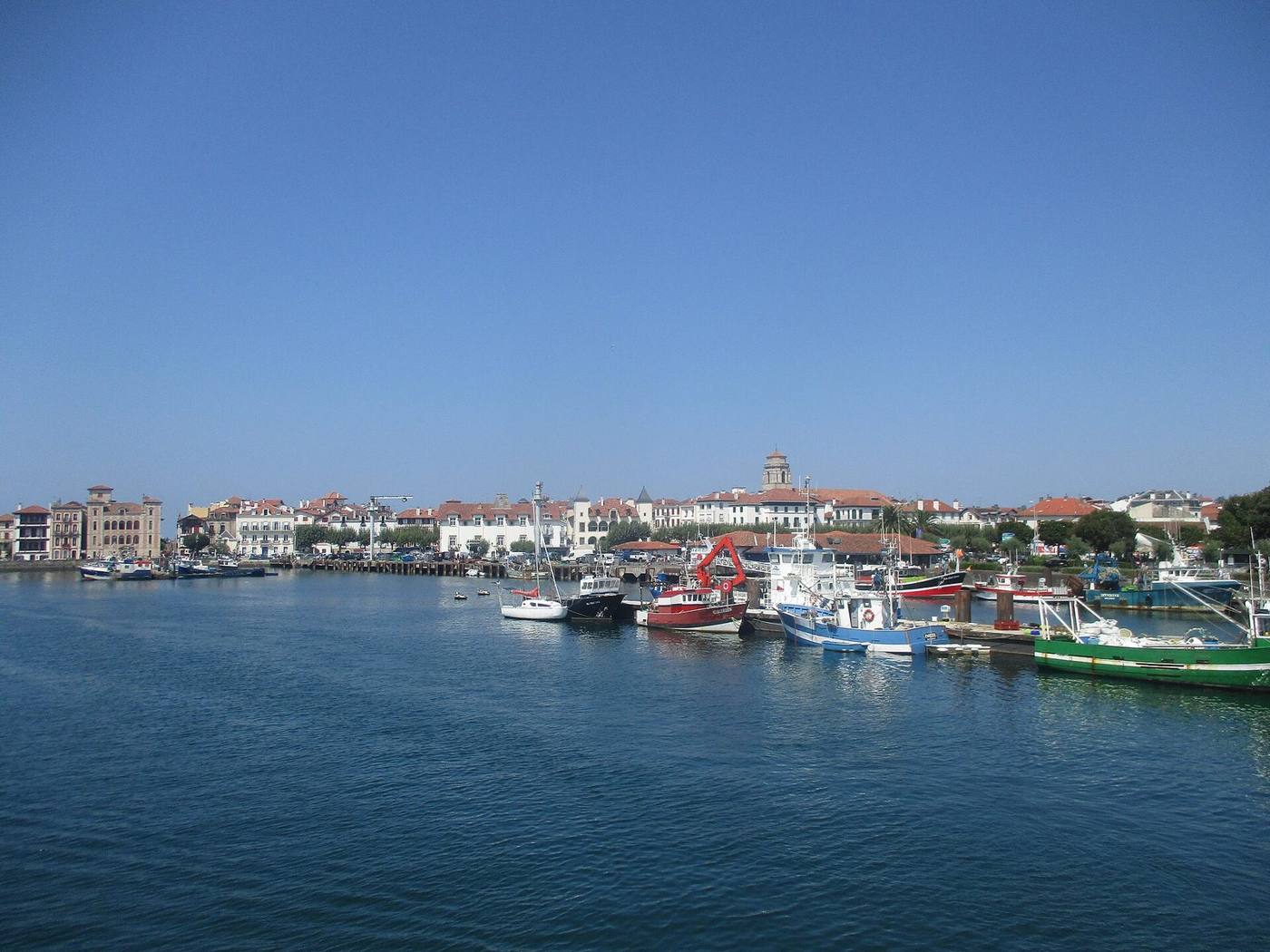
The French Basque Country and Biarritz
France's south-west corner between ocean and Pyrenees: Biarritz and its surf, Bayonne and its ham, the port of Saint-Jean-de-Luz, the white-and-red villages of Espelette and Ainhoa, and the rack railway up La Rhune with views over the Atlantic.