Lyon, Annecy and the Alps
The food capital of Lyon with its bouchons and traboules, Lake Annecy, Chamonix with the Aiguille du Midi and the Mer de Glace.
- Lyon
- Annecy
- Chamonix
- Aiguille du Midi
- Mer de Glace
Day by day
- Day 1
Lyon: Vieux Lyon and the traboules
This trip runs from France's second city of food, and for many its first, to the foot of Mont Blanc: Lyon, with its Renaissance centre and bouchons, the traditional bistros, then Annecy, with canals and a crystal clear mountain lake, and finally Chamonix, with cable cars climbing among glaciers. In seven days you move from city to mountains by train or car.
You reach Lyon by high speed train from Paris in about two hours, or by air. The historic centre is a UNESCO World Heritage Site.
On the first day explore Vieux Lyon, the old town, on the right bank of the Saône at the foot of Fourvière hill. Its narrow streets are lined with Renaissance buildings put up in the sixteenth century by Italian, Flemish and German bankers and merchants drawn by the fairs and the silk trade.
Lyon's special feature is the traboules, covered passages that cut through buildings and inner courtyards, linking one street to another. Residents used them and later the silk workers, the canuts, to carry fabrics sheltered from the rain. Some are open to the public during the day: you push a door and enter courtyards with spiral staircases, loggias and wells.
Also visit the Gothic Saint John's Cathedral, with a fourteenth century astronomical clock.
In the evening have dinner in a bouchon, with the simple, rich dishes of Lyon cooking.
Spend the night in Lyon.
Practical tip: traboules lie behind ordinary doors of residential buildings. Enter quietly, respect the opening hours and do not disturb the people who live there.
- Day 2
Fourvière, the Roman theatres and Les Halles
In the morning go up Fourvière hill by funicular from Vieux Lyon, or on foot by the stairs and gardens. At the top stands the Basilica of Notre-Dame de Fourvière, built at the end of the nineteenth century, white and highly decorated, with interiors rich in mosaics and marble. From the terrace beside the basilica the view takes in the whole city, with its two rivers, the Rhône and the Saône, the red roofs and, on clear days, the Alps and Mont Blanc on the horizon.
Just below the basilica are the Gallo-Roman theatres. Lyon was called Lugdunum and was one of the most important cities of Roman Gaul. The great theatre and the odeon, cut into the hill, are still used in summer for concerts and shows. Next door is an archaeological museum built into the hillside, with Roman mosaics, inscriptions and objects.
In the afternoon go down to the Presqu'île, the peninsula between the two rivers, with large squares, shops and grand buildings. Then go to Les Halles, the city's great covered market, named after one of France's most famous chefs. Stalls sell cheeses, charcuterie, fish, pastries and regional produce. It is the ideal place to taste Lyon's specialities.
In the evening, if you have time, stroll along the banks of the Rhône.
Spend the night in Lyon.
Practical tip: in December Lyon holds the Festival of Lights, with light installations across the city. It is beautiful but crowded: book well in advance.
- Day 3
Annecy, the old town on the canals
Today you go to Annecy, in the Savoy Alps, about two hours by train or car from Lyon.
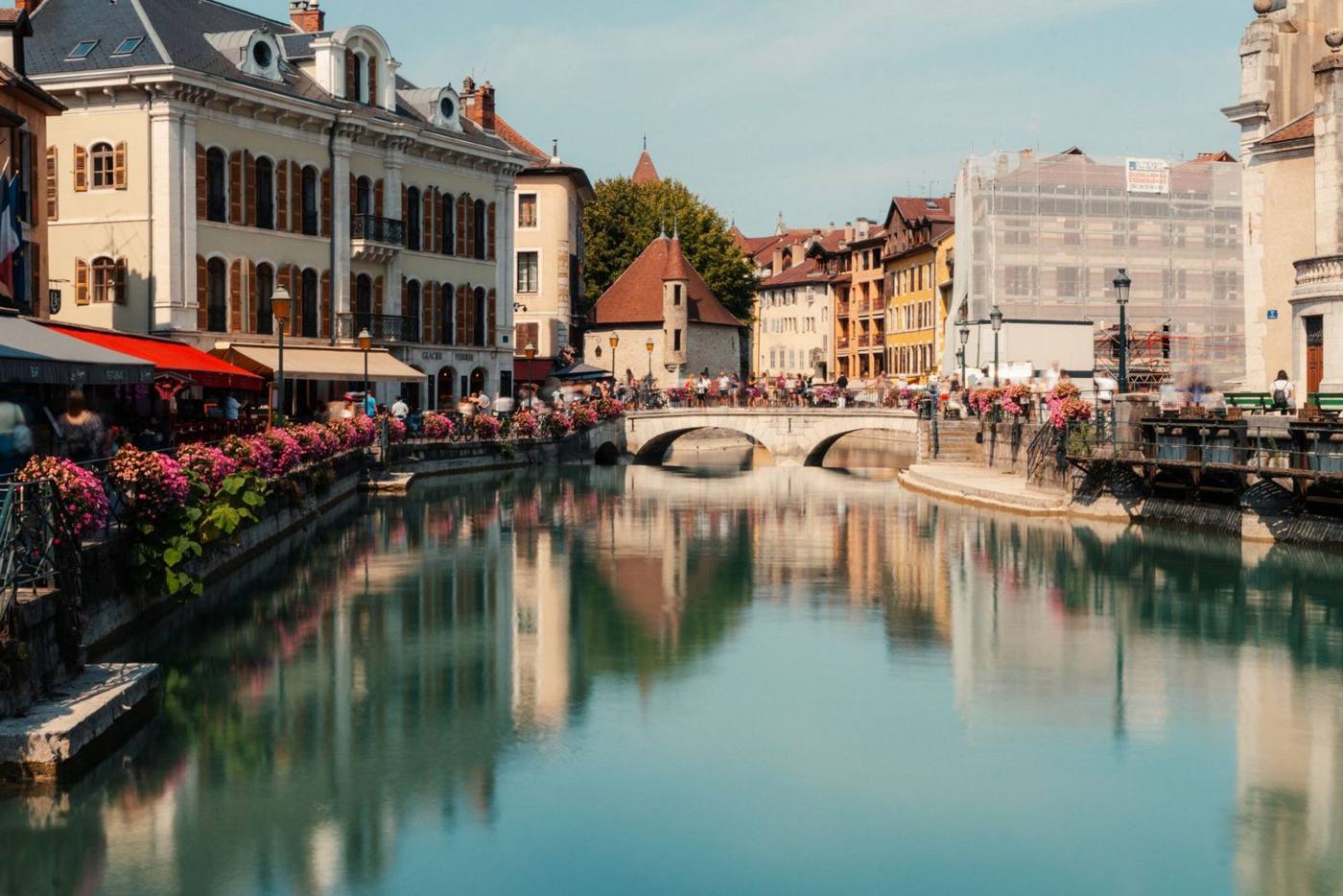
Annecy is a small town on the shore of a mountain lake, with a historic centre crossed by the Thiou river and small canals, lined with colourful houses, flower filled balconies, arcades and stone bridges. That is why it is often called the Venice of the Alps.
The town's symbol is the Palais de l'Isle, a twelfth century stone building shaped like a ship's prow, built on an islet in the middle of the canal. It has been a residence, a courthouse and a prison, and today it is a small museum on the town's history.
Walk the streets of the old town, among shops selling Savoy cheeses, pastry shops and markets. Above the town, on the hill, stands Annecy castle, once home to the counts of Geneva, with a museum and a view over the roofs and the lake.
In the afternoon go to the lake. The Jardins de l'Europe, a park with big trees near the centre, lead to the Pont des Amours, a small bridge with a view of the lake ringed by mountains.
In the evening have dinner with Savoy cooking: fondue, raclette, tartiflette, with potatoes, reblochon cheese and bacon.
Spend the night in Annecy.
Practical tip: there is usually a market in the old town on Tuesday, Friday and Sunday mornings. In summer the centre is very crowded: early morning is the quietest time.
- Day 4
Lake Annecy by bike, by boat and with a swim
Today spend the day on Lake Annecy, considered one of the cleanest lakes in Europe, with turquoise water and mountains all around.
In the morning hire a bike and follow the cycle path along the west shore, an old railway line turned into a flat, safe route away from cars. It passes small villages and beaches, with views of the lake and mountains. You reach the southern end of the lake in about an hour and a half of easy pedalling.
Alternatively, take a boat trip around the lake, stopping at several lakeside villages such as Talloires, with an old abbey, and Menthon-Saint-Bernard, with a fairytale castle on the hill.
In the afternoon swim at one of the lake's beaches. In summer the water is quite warm, and there are public beaches with lawns, jetties and lifeguards.
For something different, paragliding flights with instructors take off from the mountains around the lake, with views from above over the lake and the Alps.
In the evening return to Annecy and have dinner by the lake at sunset.
Spend the night in Annecy.
Practical tip: in summer the roads around the lake are very busy and car parks full. Bikes and boats are the best options. Check the boat timetable, which changes with the season.
- Day 5
Chamonix and the Aiguille du Midi at dawn
Today you go to Chamonix, at the foot of Mont Blanc, about an hour and a half by road from Annecy. Chamonix is one of the most famous places in mountaineering, and it hosted the first Winter Olympic Games in 1924. The town is surrounded by peaks and glaciers, with Mont Blanc, the highest mountain in the Alps, at over 4,800 metres.
If you arrive early, go straight up on the Aiguille du Midi cable car, which leaves from the town centre and climbs in a few minutes, in two stages, to 3,842 metres. It is one of the highest cable cars in the world. At the top, terraces and walkways look out over Mont Blanc, the glaciers and hundreds of peaks, as far as Switzerland and Italy. There is also a glass box suspended over a thousand metre drop.
Early morning is the best time, because the sky is often clear and clouds build during the day.
In the afternoon go back down to Chamonix and walk around the centre, with chalets, mountain shops and the Alpine museum, which tells the story of the valley and the first ascents of Mont Blanc.
In the evening have dinner in town.
Spend the night in Chamonix.
Practical tip: at 3,842 metres the air is thin and very cold, even in summer. Bring a warm jacket, gloves, sunglasses and sunscreen. Move slowly: if you get a headache or feel dizzy, go down. Book a timed cable car ticket, especially in summer.
- Day 6
The Mer de Glace and Lac Blanc
In the morning take the Montenvers rack railway, which leaves from Chamonix station and climbs through the forest to a viewpoint over the Mer de Glace, the longest glacier in France. The ride takes about twenty minutes.
From the viewpoint you see the glacier flowing between rock walls beneath the peaks of the Drus and the Grandes Jorasses. A gondola and then a long series of stairs lead down to the ice cave, carved into the glacier each year, where you walk inside blue ice. Along the stairs, signs with dates show how high the glacier was in past years: in a few decades it has dropped by many metres because of the warming climate. It is a beautiful and very instructive visit.
In the afternoon take one of the valley's most famous walks, to Lac Blanc, on the opposite side facing Mont Blanc. You go up on the Flégère cable car and then walk for about an hour and a half to the lake, at over 2,300 metres. On calm days the lake reflects Mont Blanc, the Grandes Jorasses and the glaciers.
In the evening return to Chamonix.
Spend the night in Chamonix.
Practical tip: the Lac Blanc trail has sections with metal ladders and rocks. You need hiking boots, water and a jacket. In early summer there may still be snow: ask Chamonix's mountain information office about trail conditions and check the cable car times.
- Day 7
Departure from Geneva
On the last day leave for Geneva airport, in Switzerland, about an hour and a half by road from Chamonix. Direct buses to the airport also leave from the valley.
If your flight is in the afternoon, you have a few hours for a quick visit to Geneva. The city lies on Lake Geneva, with the huge Jet d'Eau fountain shooting high above the water. The old town, on the hill, has Saint Peter's Cathedral, where John Calvin preached in the sixteenth century, and stone streets with fountains and small squares. Along the shore there are parks, the botanical garden and the lakeside promenade.
Alternatively, if you prefer to stay in the mountains, take a last morning walk in Chamonix, for example along the Arve river to the nearby village of Les Houches, or ride the cable car up to Le Brévent above Chamonix, for another view of Mont Blanc.
Before leaving, buy some Savoy produce: cheeses such as reblochon or beaufort, mountain charcuterie, honey.
Practical tip: Switzerland is in the Schengen area but not the European Union, and uses the Swiss franc. Geneva airport has a French sector where you can arrive and depart without entering Switzerland. If you have a hire car, ask in advance which side to return it to.
A trip combining France's richest cooking with great mountains. The Aiguille du Midi must be booked and is only worth it in clear skies, so keep a flexible day. The Mer de Glace has shrunk a lot; the descent to the glacier is long but tells the story of climate change clearly. Geneva is the most convenient airport.
Before you go
- Documents and visa
- EU citizens need a valid identity card or passport. Other nationalities should check the Schengen rules.
- Health and vaccines
- No vaccines required. EU citizens should bring their EHIC. Emergencies: 112.
- Money and payments
- Euro. Cards are accepted almost everywhere; every accommodation charges the taxe de séjour per person per night.
- Power sockets
- Types C and E, 230 volts.
- Time zone
- Central European Time (UTC+1), summer time (UTC+2) from the last Sunday of March to the last Sunday of October.
- Safety
- A safe country, with a high terrorism alert level and security checks at museums and stations. In Paris watch for pickpockets on the metro. Official advice: GOV.UK.
Information checked in November 2026 for Italian and EU citizens. Rules change: always check before you travel.
Variations
In 4 days: Lyon and Annecy, without Chamonix.
In 10 days: add a night in Geneva and two days in the Aosta Valley, through the Mont Blanc tunnel or by cable car across the glacier.
Frequently asked questions
When is the best time to go?
June to September for the mountains and the lake. Lyon is lovely all year; in December there is the Festival of Lights.
Do I need a car?
No. Lyon, Annecy and Chamonix are linked by train and bus, and Chamonix has shuttles and trains along the valley.
Do the cable cars run all year?
Not always. Some close for maintenance in spring and autumn. Check the timetables before you go.
Indicative itinerary written by World Atlas. Before booking, check timetables, seasonal openings, documents and safety.
 5 daysModerate
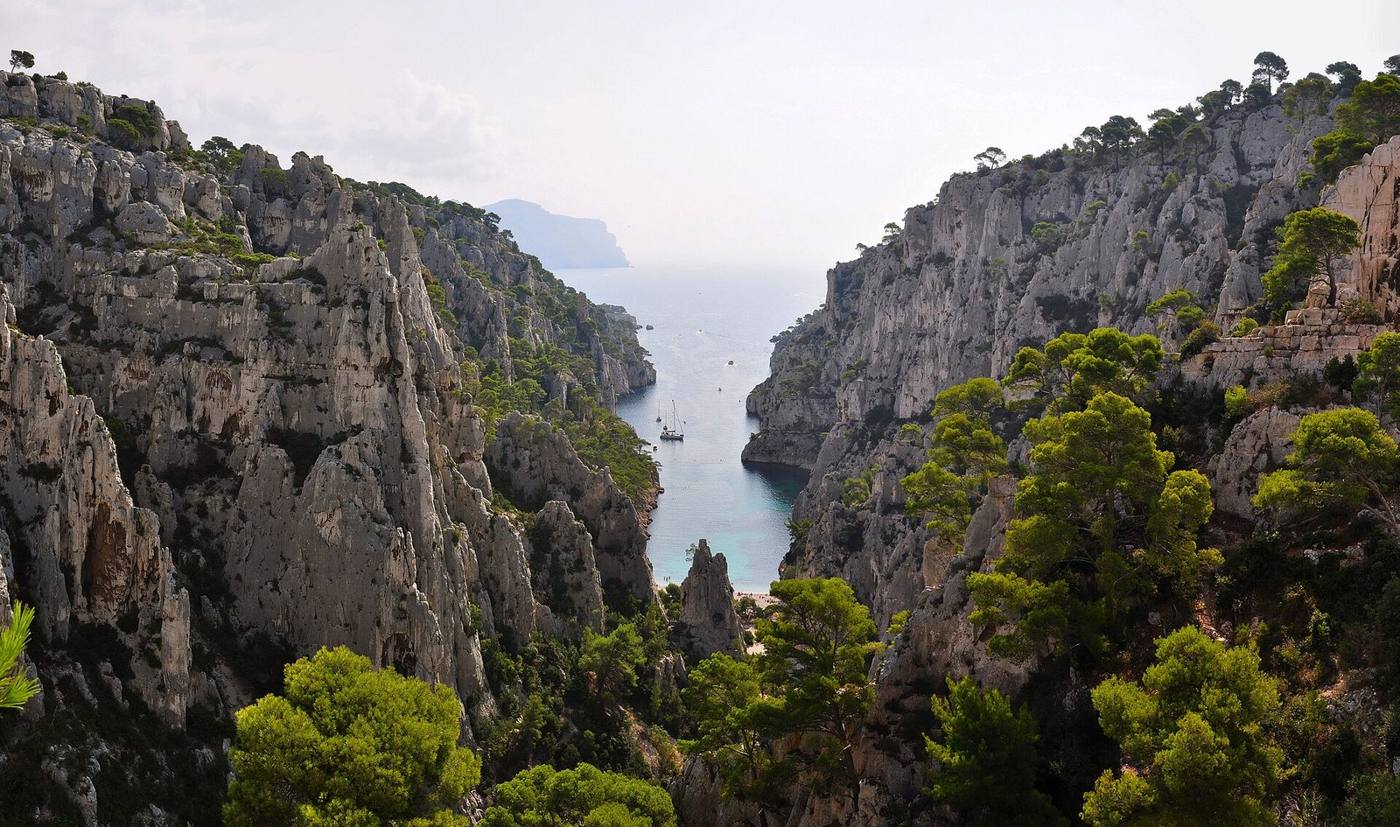
Marseille, the Calanques and Cassis
France's oldest city and its national park by the sea: the Vieux-Port, Le Panier, the MuCEM and Notre-Dame de la Garde, then the Calanques trails between white cliffs and turquoise water, Cassis with Cap Canaille and a trip to the Château d'If.
 5 daysEasy
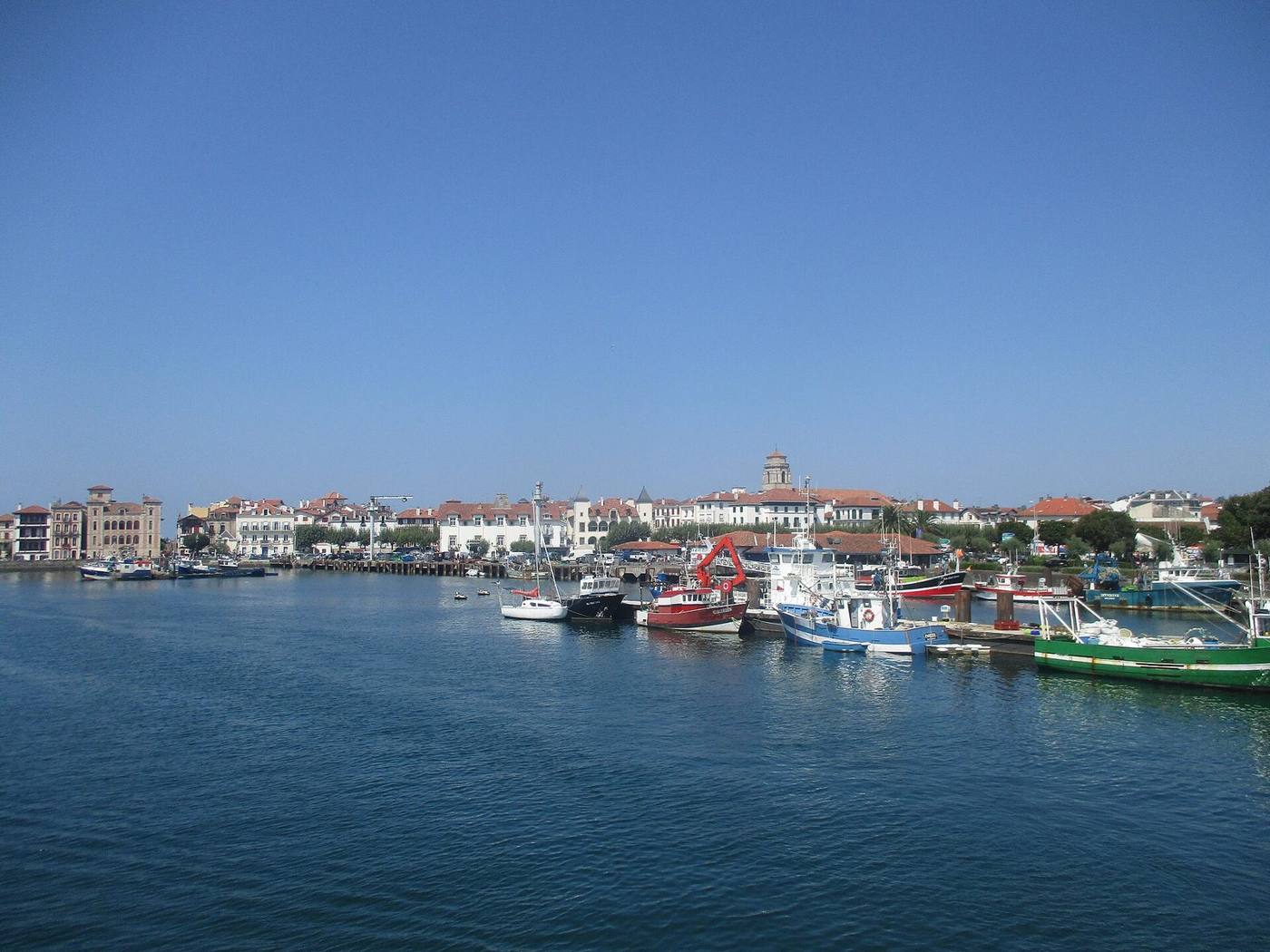
The French Basque Country and Biarritz
France's south-west corner between ocean and Pyrenees: Biarritz and its surf, Bayonne and its ham, the port of Saint-Jean-de-Luz, the white-and-red villages of Espelette and Ainhoa, and the rack railway up La Rhune with views over the Atlantic.
 4 daysEasy
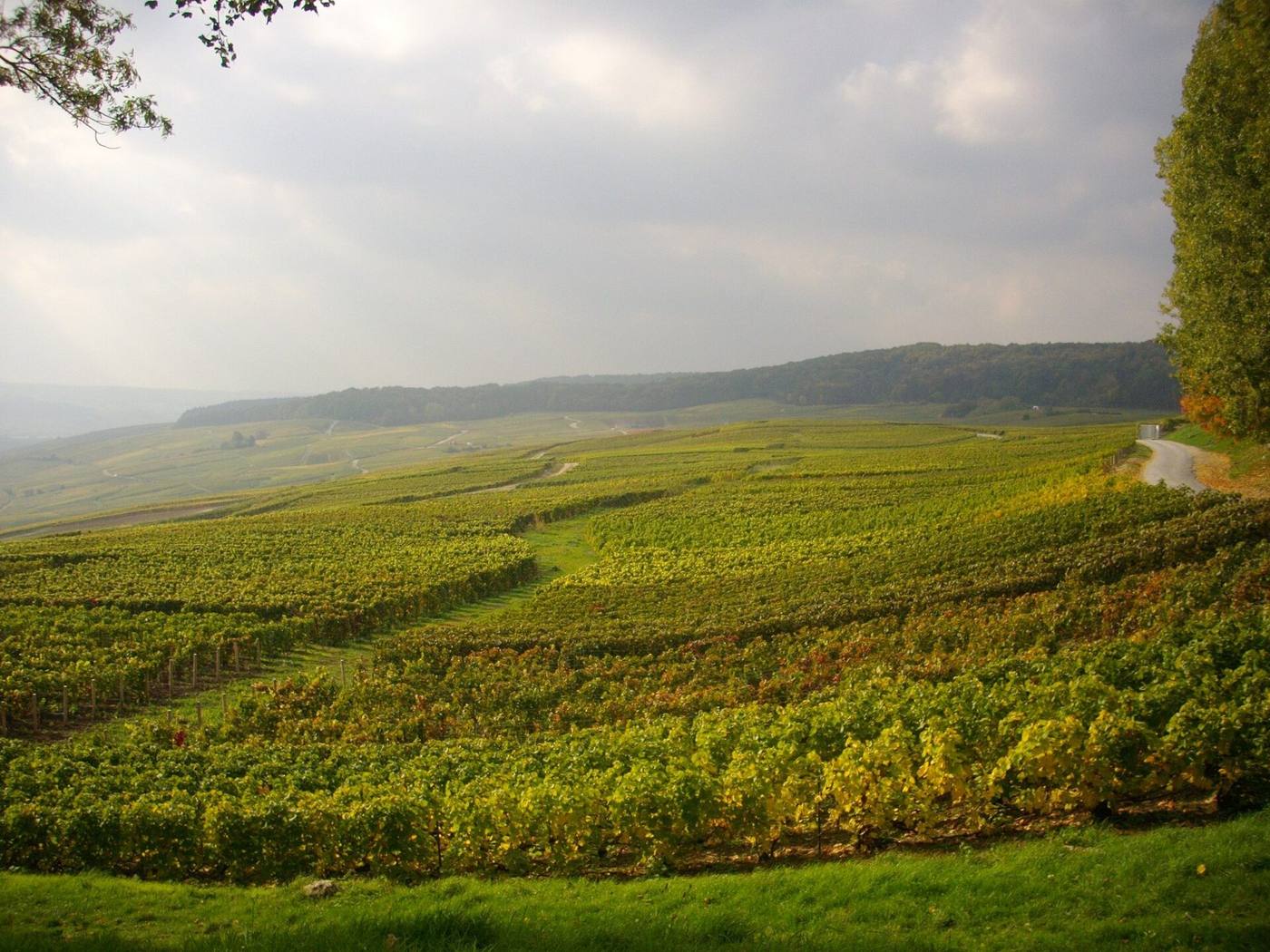
Champagne: Reims and Épernay
The hillsides, houses and cellars of Champagne, a UNESCO World Heritage site: Reims cathedral where the kings of France were crowned, cellars carved in chalk, the Avenue de Champagne in Épernay and the winegrowers' villages of the Montagne de Reims and the Côte des Blancs.