Marseille, the Calanques and Cassis
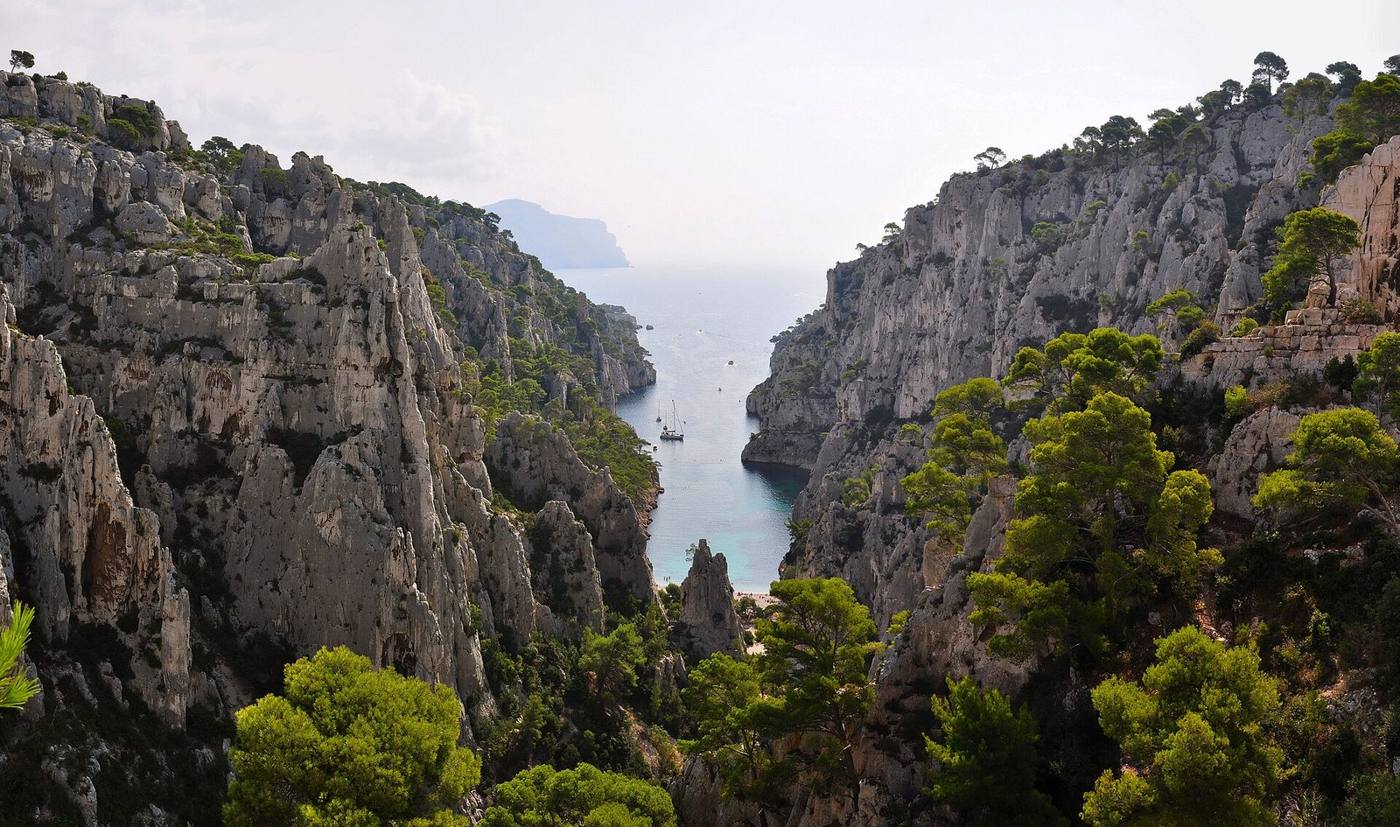
France's oldest city and its national park by the sea: the Vieux-Port, Le Panier, the MuCEM and Notre-Dame de la Garde, then the Calanques trails between white cliffs and turquoise water, Cassis with Cap Canaille and a trip to the Château d'If.
- Marseille
- Château d'If
- Sugiton Calanque
- Cassis
- Cap Canaille
Day by day
- Day 1
The Vieux-Port, the Panier, the MuCEM and Fort Saint-Jean
Marseille is the oldest city in France, founded by Greeks from Phocaea about 2,600 years ago, and you understand straight away that it is like nowhere else. You arrive by train at Saint-Charles station, at the top of a grand staircase, or by plane, with the shuttle bus to the centre. Drop your bags and walk down to the Vieux-Port, the old harbour, the heart of the city since its founding.
Early in the morning, on the town hall side, fishermen sell the day's catch straight from their boats. Under Norman Foster's great mirrored canopy you see yourself reflected upside down together with the harbour.
Then climb into the Panier, the oldest quarter, on the hill behind the town hall: steep lanes, stairways, washing hung out, murals and little squares. In the middle stands the Vieille Charité, a seventeenth-century almshouse with a Baroque chapel in the centre of its courtyard, now home to museums.
In the afternoon walk down to the sea and the MuCEM, the museum of European and Mediterranean civilisations, a cube wrapped in concrete lace. A suspended footbridge links it to Fort Saint-Jean, which once guarded the harbour entrance: the fort's gardens and terraces are among the best places to watch the sunset over the sea.
In the evening return to the Vieux-Port, always lively, and taste Provençal cooking: panisse, fried chickpea sticks, and olive tapenade. Sleep near the harbour or in the Cours Julien area. Practical tip: in Marseille keep an eye on bags and phones in crowded places and avoid empty streets in the centre at night.
- Day 2
Notre-Dame de la Garde, the Vallon des Auffes and the Château d'If
In the morning climb to the basilica of Notre-Dame de la Garde, which locals call the Bonne Mère, the good mother. You reach it on foot by a steep half-hour climb from the harbour, or by bus. From the terrace, at the highest point of the city, you see everything: the rooftops, the harbour, the Frioul islands and the limestone hills all around. Inside, the nineteenth-century basilica is full of sailors' votive offerings: painted boats, models and pictures of shipwrecks survived. The outer walls still bear bullet marks from the liberation of the city in 1944.
Walk down to the sea along the corniche, the coastal road, to the Vallon des Auffes, a small fishing harbour hidden under a bridge, with colourful boats and stone houses. It feels like a village out of time, a few minutes from the centre.
In the afternoon take the boat from the Vieux-Port to the Château d'If, on the islet facing the city: a sixteenth-century fortress turned prison, made famous by Alexandre Dumas's novel The Count of Monte Cristo. You visit the cells and climb onto the terraces for the view of the city. The same boat continues to the Frioul islands, with little coves for a swim.
The evening is for bouillabaisse, the fish soup of Marseille's fishermen, served in two stages: first the broth with toasted bread and rouille sauce, then the fish. Done properly it is an expensive dish. Practical tip: when the mistral blows hard, boats to If and the Frioul can be cancelled; check the same morning.
- Day 3
The Calanques on foot: Sugiton and Morgiou from Luminy
The Calanques are inlets of white limestone dropping sheer into a turquoise sea between Marseille and Cassis. They have been a national park since 2012 and are one of the most beautiful landscapes in the Mediterranean. Today you discover them on foot.
Early in the morning take the bus to Luminy, the university campus south of the city, where the path to the Sugiton calanque begins. It is about an hour each way, first through pine woods and then down a steep rocky descent to the viewpoint over the sea and the small pebble beach. In summer, in the busiest months, access to Sugiton in 2026 required a no-cost reservation on the national park's website: check whether you need one for your dates too.
After a swim, climb back up and, if you have the energy, continue towards Morgiou, a wider calanque with a small fishing harbour and wooden cabins known as cabanons. Alternatively reach Morgiou by bus and taxi from the Les Baumettes area. The path between Sugiton and Morgiou is harder, with exposed sections: you need a sure foot.
Bring plenty of water, at least two litres each, a hat and hiking shoes: there are no fountains or shops along the paths, and the white limestone reflects the sun.
Head back to Marseille in the late afternoon. Practical tip: from June to September access to the Calanques massifs is set every day according to the fire risk; when the risk is highest the paths are closed. Check the prefecture's map the evening before or the same morning.
- Day 4
Cassis and a boat trip to the Port-Pin and En-Vau calanques
In the morning go to Cassis, half an hour by bus or train from Marseille (the station is outside the village, served by a shuttle). Cassis is a small fishing port with pastel houses at the foot of the highest cliffs in France, and it is known for its white wine, one of the few in Provence with its own appellation.
Boats leave from the harbour on tours of the calanques: the shortest visits Port-Miou, Port-Pin and En-Vau in under an hour, the longest goes as far as Sugiton and Morgiou. From the sea you see the white walls rising straight out of the water, pines clinging to the rock and the colour of the sea shifting from blue to green.
If you prefer to walk, a path leaves Cassis for Port-Miou, Port-Pin and En-Vau. Port-Pin, about an hour away, has a beach shaded by pines. En-Vau, perhaps the most beautiful, is further and the final descent is steep, with rocky passages. Allow half a day there and back.
In the afternoon return to the village, stroll around the harbour and the little beach, and taste the white wine of Cassis with sea urchins or grilled fish.
You can sleep in Cassis, which is quieter, or go back to Marseille in the evening. Practical tip: in summer parking in Cassis is difficult and expensive; it is better to come by bus. The same fire-risk rules apply to the paths from Cassis: check the day's map.
- Day 5
The Route des Crêtes, Cap Canaille and the journey home
For the last day you need a car, hired in Marseille or Cassis, or a taxi. The Route des Crêtes is a scenic road of about fifteen kilometres linking Cassis to La Ciotat along the edge of the Cap Canaille cliffs, the highest in France, rising almost four hundred metres above the sea.
Set off early, when the light is best and there is less traffic. Along the road there are several viewpoints where you can stop: you look down on Cassis, the harbour, the calanques and the open sea. The rocks of Cap Canaille are ochre and red, unlike the white limestone of the calanques, and striped like a layer cake. At the highest point, the Grande Tête, you have the finest view.
Then go down to La Ciotat, a shipbuilding town where the Lumière brothers shot some of the first films in history. You can see the Eden Théâtre, one of the oldest cinemas in the world still in use, and walk along the harbour.
In the early afternoon return to Marseille for your train or flight. If you still have time, take a last walk through the Noailles market, the multicultural quarter near the Canebière, with spices, fruit and the scents of North Africa.
Practical tip: the Route des Crêtes is closed in strong wind and on days of high fire risk; there are no high barriers along the edge, so hold children by the hand at the viewpoints.
A lively city and a spectacular sea. In 2026 the Sugiton and Pierres Tombées calanque could be reached in summer only with a no-cost online booking, every day from 27 June to 30 August and on some weekends in June and September; check the year's calendar. From 1 June to 30 September the massif may close for fire risk: check the daily map. Bring water and hiking shoes.
Before you go
- Documents and visa
- EU citizens need a valid identity card or passport. Other nationalities should check the Schengen rules.
- Health and vaccines
- No vaccines required. EU citizens should bring their EHIC. Emergencies: 112.
- Money and payments
- Euro. Cards are accepted almost everywhere; every accommodation charges the taxe de séjour per person per night.
- Power sockets
- Types C and E, 230 volts.
- Time zone
- Central European Time (UTC+1), summer time (UTC+2) from the last Sunday of March to the last Sunday of October.
- Safety
- A safe country, with a high terrorism alert level and security checks at museums and stations. In Paris watch for pickpockets on the metro. Official advice: GOV.UK.
Information checked in November 2026 for Italian and EU citizens. Rules change: always check before you travel.
Variations
In 3 days: Marseille on day one, the Calanques on foot on day two, Cassis by boat on day three.
In 7 days: add Aix-en-Provence and the Sainte-Victoire mountain painted by Cézanne, or the island of Porquerolles.
Frequently asked questions
When is the best time to go?
Spring and autumn, with the sea still warm in September and October. Summer is very hot and crowded, and paths may be closed because of fire risk.
Can you swim in the calanques?
Yes, in almost all of them; the beaches are small and pebbly, with no facilities or shade. Bring everything you need and take your rubbish back with you.
Do I need to book Sugiton?
In summer 2026 yes, with a no-cost reservation on the national park's website during the busiest periods. Check the current rules for your dates.
Indicative itinerary written by World Atlas. Before booking, check timetables, seasonal openings, documents and safety.
 5 daysEasy
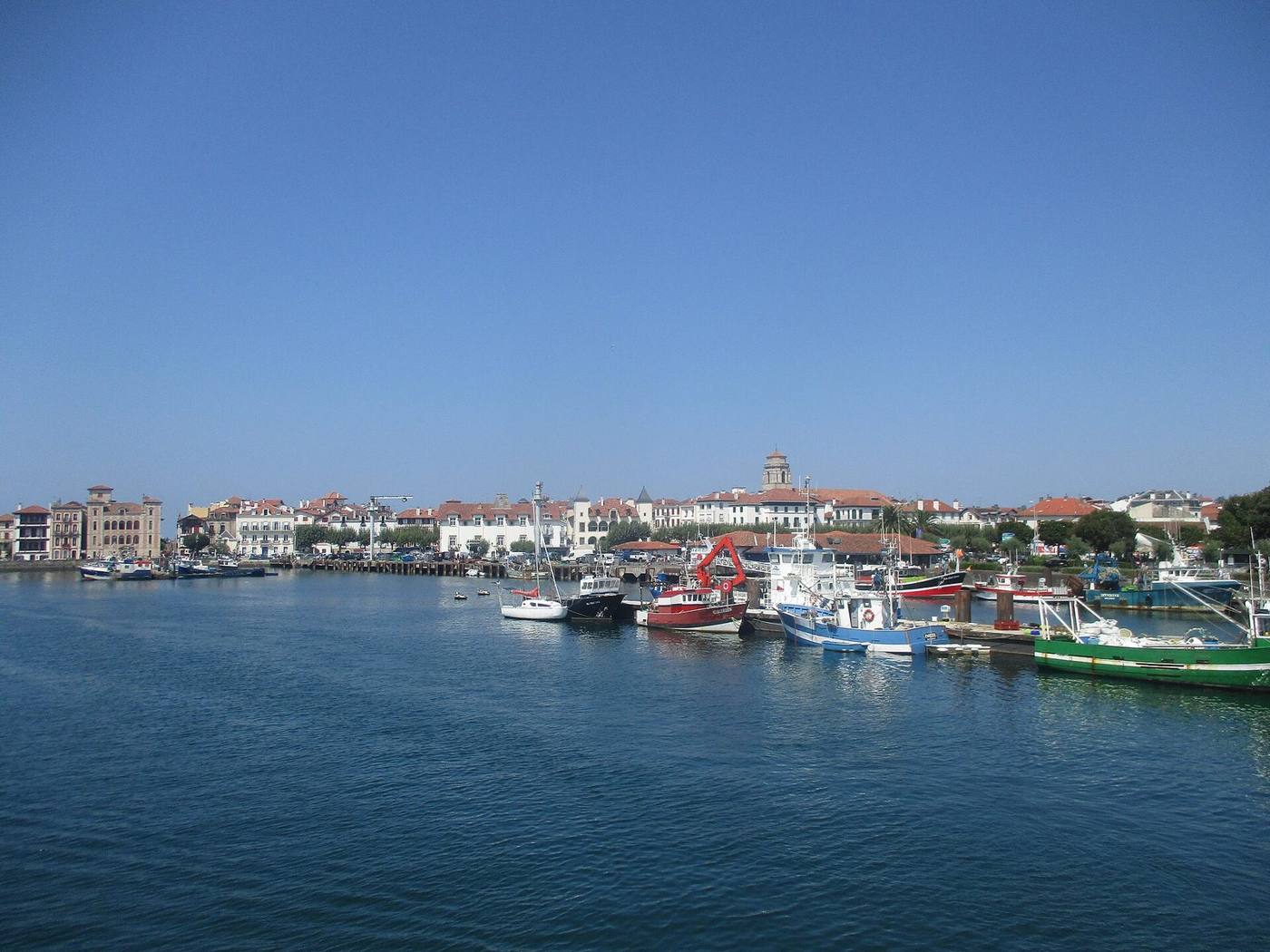
The French Basque Country and Biarritz
France's south-west corner between ocean and Pyrenees: Biarritz and its surf, Bayonne and its ham, the port of Saint-Jean-de-Luz, the white-and-red villages of Espelette and Ainhoa, and the rack railway up La Rhune with views over the Atlantic.
 4 daysEasy
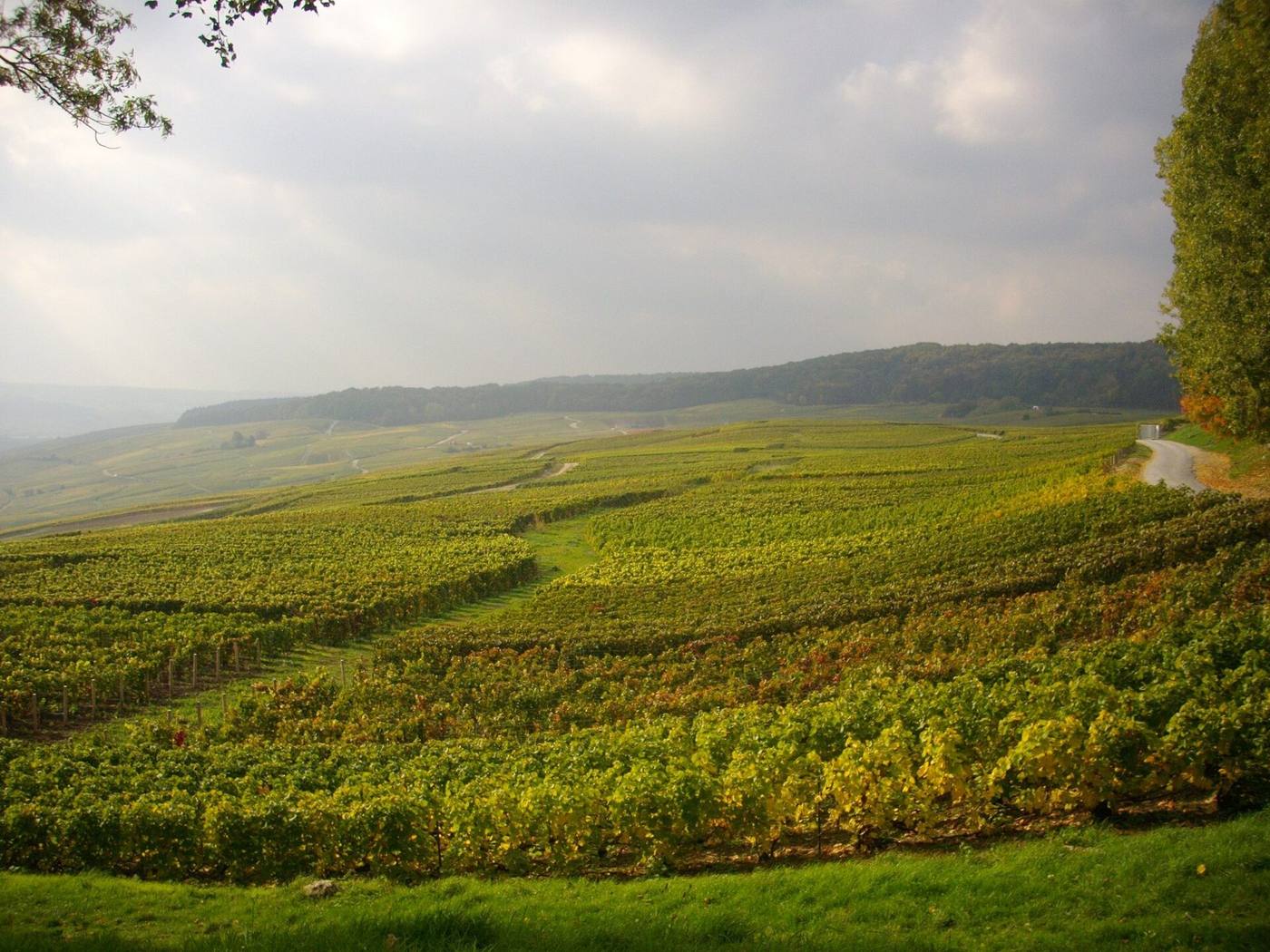
Champagne: Reims and Épernay
The hillsides, houses and cellars of Champagne, a UNESCO World Heritage site: Reims cathedral where the kings of France were crowned, cellars carved in chalk, the Avenue de Champagne in Épernay and the winegrowers' villages of the Montagne de Reims and the Côte des Blancs.
 6 daysEasy
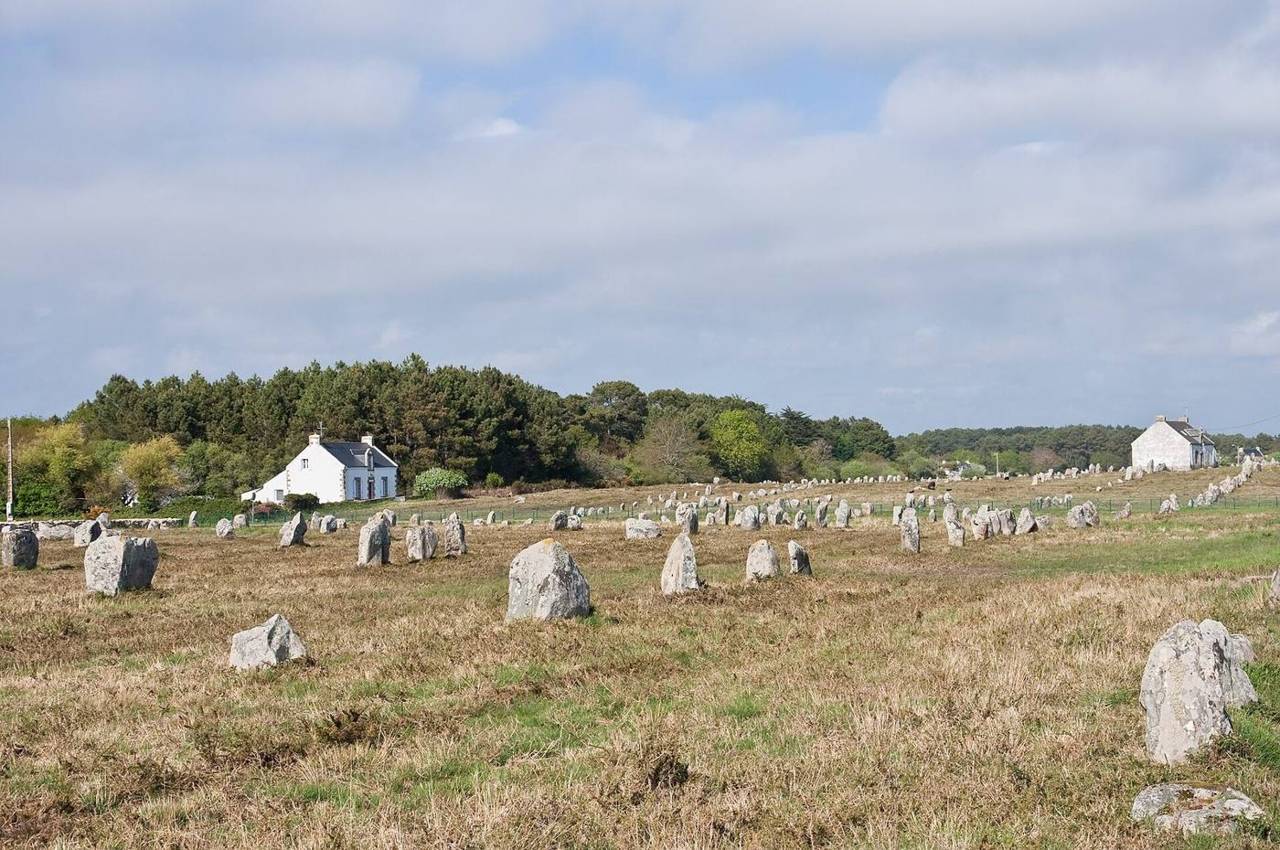
Southern Brittany: Carnac and the Morbihan
Brittany at its gentlest: the 3,000 aligned menhirs of Carnac, the Gulf of Morbihan and its islands, the walled town of Vannes, the wild Quiberon peninsula, the walled town of Concarneau and Quimper with its pottery and crêpes.