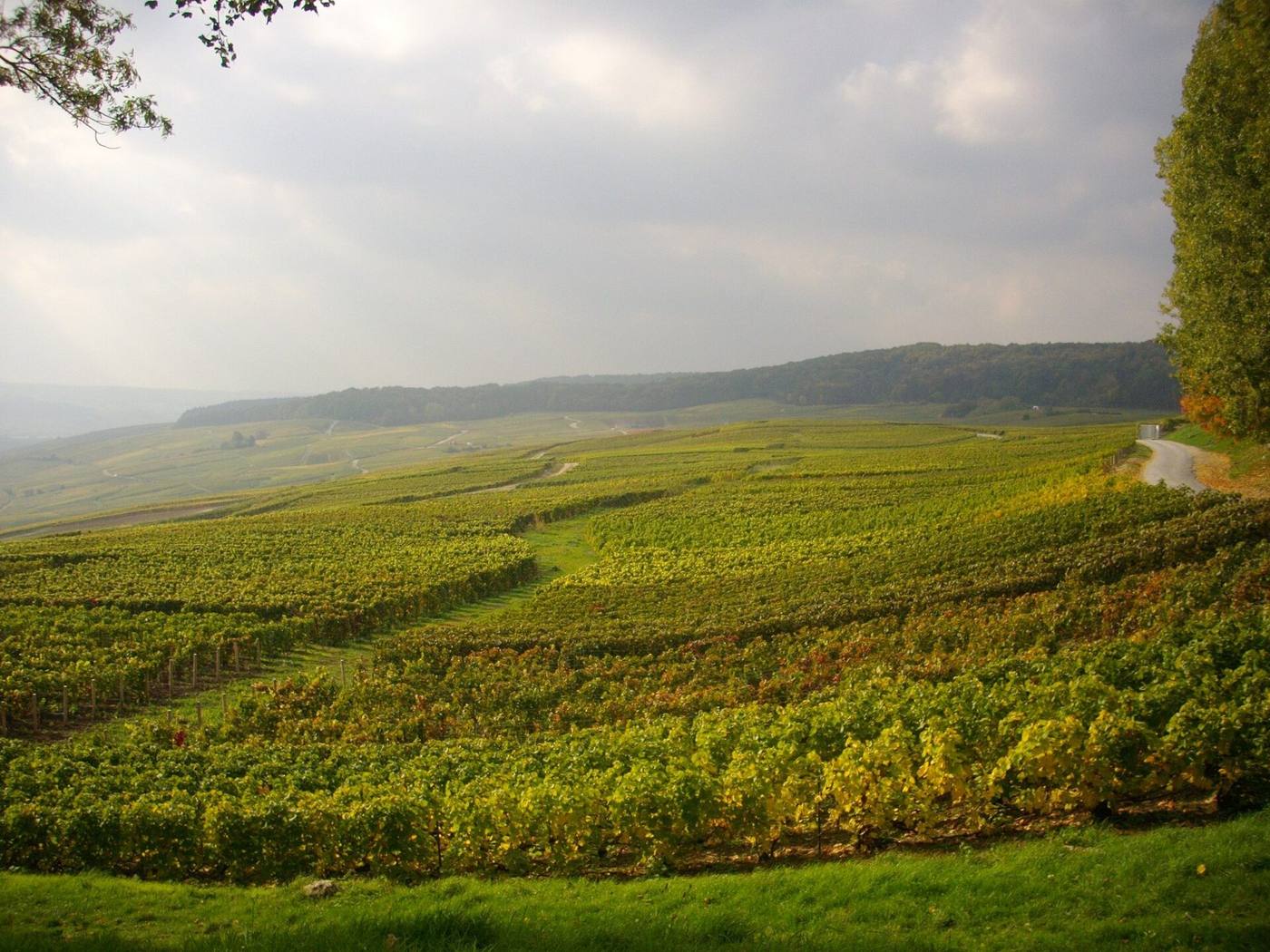
Champagne: Reims and Épernay
The hillsides, houses and cellars of Champagne, a UNESCO World Heritage site: Reims cathedral where the kings of France were crowned, cellars carved in chalk, the Avenue de Champagne in Épernay and the winegrowers' villages of the Montagne de Reims and the Côte des Blancs.
- Reims
- Montagne de Reims
- Hautvillers
- Épernay
- Côte des Blancs
Day by day
- Day 1
Reims: the cathedral, the Palace of Tau and the Basilica of Saint-Remi
To enter France EU citizens can use a valid identity card or passport. Check the rules for your nationality.
Champagne, in north-eastern France, is the region where champagne is made, the world's most famous sparkling wine, produced only here under very strict rules. The Champagne hillsides, houses and cellars have been a UNESCO World Heritage site since 2015. Reims is about forty-five minutes from Paris by high-speed train.
In the morning visit Reims Cathedral, one of the masterpieces of French Gothic, where the kings of France were crowned for almost a thousand years; here Joan of Arc accompanied Charles VII to his coronation in 1429. The façade has more than two thousand statues, including the famous Smiling Angel. Inside you see the great rose window, the medieval stained glass and modern windows designed by Marc Chagall. The cathedral was badly damaged by shelling in the First World War and rebuilt.
Next door is the Palace of Tau, the former archbishops' residence, where the coronation banquet was held; today it houses the cathedral treasury and many original statues from the façade.
In the afternoon reach the Basilica of Saint-Remi in the south of the city, a great Romanesque and Gothic church holding the tomb of Saint Remigius, the bishop who baptised Clovis, king of the Franks, around 500. The cathedral, palace and basilica are together a UNESCO site.
In the evening stroll along Place Drouet d'Erlon, the pedestrian street with its bars.
Practical tip: always book cellar visits online, even days ahead.
- Day 2
The Reims cellars in the crayères and the Montagne de Reims route
In the morning visit one of the great champagne houses of Reims, dug into the crayères, Roman-era chalk quarries tens of metres beneath the city, linked by kilometres of galleries where millions of bottles rest at a constant temperature. During the First World War, when Reims was shelled, residents lived for months in these galleries, with underground schools and chapels. The guided visit explains the traditional method: the second fermentation in the bottle that creates the bubbles, the long ageing on the lees, riddling, when bottles are gradually turned upside down to collect the sediment in the neck, and disgorging. It ends with a tasting.
In the afternoon take the car and drive the Montagne de Reims tourist route, a wooded plateau south of the city with vineyards on its slopes and winegrowers' villages such as Verzenay and Verzy. At Verzenay an old lighthouse stands among the vines, built as an advertisement in the early twentieth century and now a vineyard museum with a view over the whole area. In the Verzy forest grow the Faux de Verzy, hundreds of twisted dwarf beeches whose branches bend like umbrellas, a natural rarity studied by scientists.
In the evening return to Reims or sleep in a Montagne village.
Practical tip: if you taste a lot of champagne, don't drive; organise the day with a driver or a guided tour.
- Day 3
Hautvillers and Dom Pérignon's abbey, then Épernay and the Avenue de Champagne
In the morning reach Hautvillers, a small village on the hills above the Marne valley, its houses decorated with wrought-iron signs showing the residents' trades. Here, in the Benedictine abbey, lived the monk Dom Pérignon at the end of the seventeenth century, the abbey's cellar master, who according to tradition perfected the art of blending grapes from different vineyards and improved the quality of the local wine. He is buried in the abbey church. From the village viewpoint you see the Marne valley, with vineyards as far as the eye can see.
In the afternoon go down to Épernay, the small town considered the capital of champagne. Walk along the Avenue de Champagne, an elegant avenue about a kilometre long lined with the nineteenth-century mansions of the great champagne houses, their gardens and gilded gates. Beneath the street lie more than a hundred kilometres of cellars holding millions of bottles. You can visit a cellar, or the wine and archaeology museum in the Château Perrier on the avenue, which tells the story of champagne and the region, with a panoramic terrace over the roofs and vines.
In the evening, in Épernay, taste Champagne cooking: Reims ham, snails, Langres or Chaource cheese, and pink Reims biscuits for dipping in wine.
Practical tip: between September and early October the harvest takes place; villages are lively, but some cellars reduce visits.
- Day 4
The Côte des Blancs, small growers and the return
In the morning drive the Côte des Blancs, the hillside south of Épernay planted almost entirely with chardonnay, a white grape that makes fine, elegant champagnes called blanc de blancs. The main villages are Cramant, Avize, Oger and Le Mesnil-sur-Oger, ranked among the best in the region, with neat vines on the slopes and pale stone houses.
Here it is worth visiting small independent growers, called récoltants-manipulants, who farm their own vines and make champagne at home, often for generations. Visits are simpler and more personal than at the great houses, you talk directly with the winegrower and taste wines different from those found in shops. Many ask you to book a day ahead by phone or email.
In Oger, a flower-filled village, you can visit a small museum devoted to wedding and love traditions in Champagne. Further south, in Vertus, there is a Romanesque church built over a spring.
In the afternoon head back to Épernay or Reims for departure: trains from Reims reach Paris in about forty-five minutes, those from Épernay in about an hour and a quarter. With a car you can continue south to Troyes, with its old town of half-timbered houses.
Things to take home: champagne from small growers, pink Reims biscuits, Reims mustard and ratafia, a liqueur of grape must and spirit.
Practical tip: check your government's travel advice before leaving.
Short and easy, 45 minutes by high-speed train from Paris. Visits to the big houses are booked online; small growers are visited by appointment. Whoever drives must not drink: a tour or driver is best. Harvest is in September.
Before you go
- Documents and visa
- EU citizens need a valid identity card or passport. Other nationalities should check the Schengen rules.
- Health and vaccines
- No vaccines required. EU citizens should bring their EHIC. Emergencies: 112.
- Money and payments
- Euro. Cards are accepted almost everywhere; every accommodation charges the taxe de séjour per person per night.
- Power sockets
- Types C and E, 230 volts.
- Time zone
- Central European Time (UTC+1), summer time (UTC+2) from the last Sunday of March to the last Sunday of October.
- Safety
- A safe country, with a high terrorism alert level and security checks at museums and stations. In Paris watch for pickpockets on the metro. Official advice: GOV.UK.
Information checked in November 2026 for Italian and EU citizens. Rules change: always check before you travel.
Variations
In 2 days: Reims with the cathedral and a cellar on day one, Hautvillers and Épernay on day two.
In 6 days: add Troyes and the Côte des Bar, the southern part of Champagne, with more wine villages.
Frequently asked questions
Which document do I need for France?
A valid identity card or passport for EU citizens.
Do I need a car?
Reims and Épernay are reached by train; for the hill villages a car or a tour with a driver is much easier.
Do I need to book cellars?
Yes, always: the great houses online, small growers usually by phone or email.
Indicative itinerary written by World Atlas. Before booking, check timetables, seasonal openings, documents and safety.
 6 daysEasy
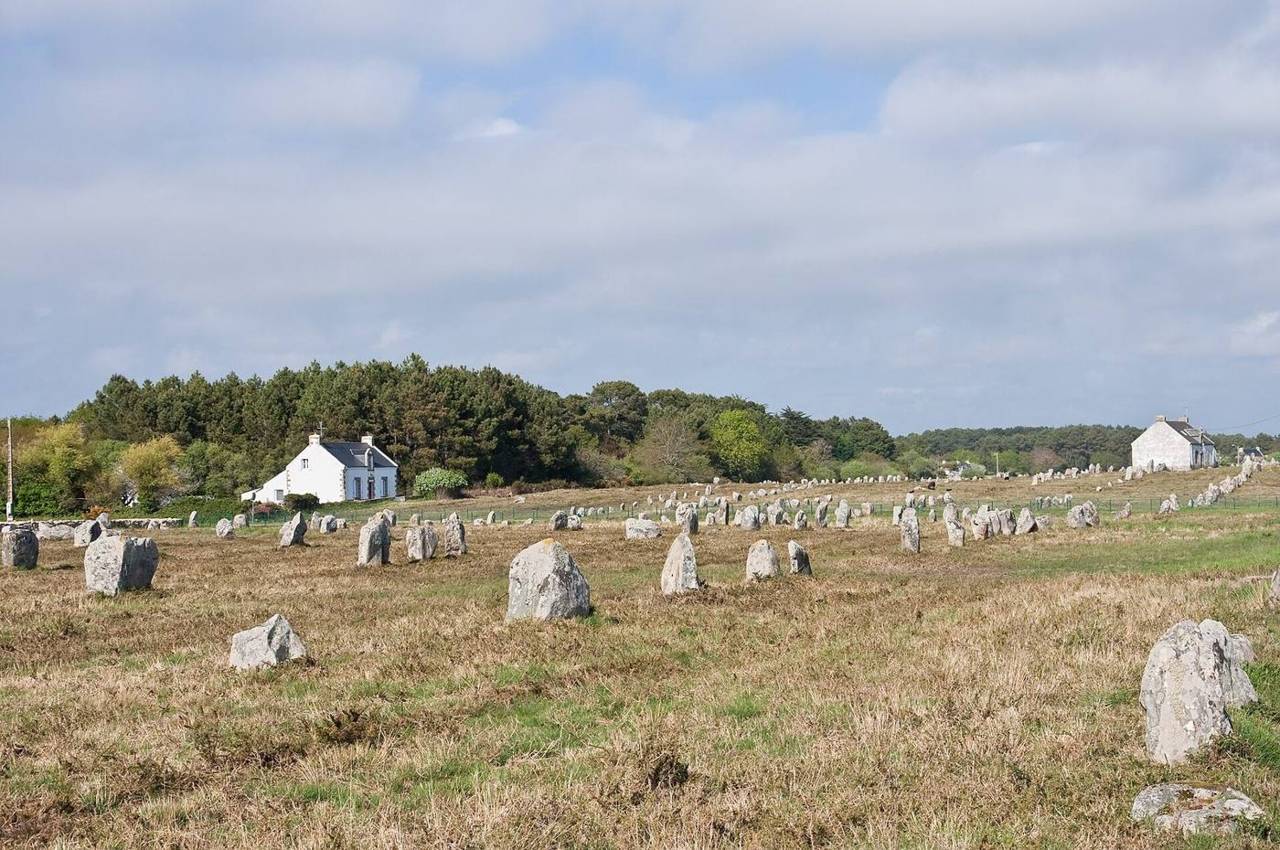
Southern Brittany: Carnac and the Morbihan
Brittany at its gentlest: the 3,000 aligned menhirs of Carnac, the Gulf of Morbihan and its islands, the walled town of Vannes, the wild Quiberon peninsula, the walled town of Concarneau and Quimper with its pottery and crêpes.
 6 daysEasy
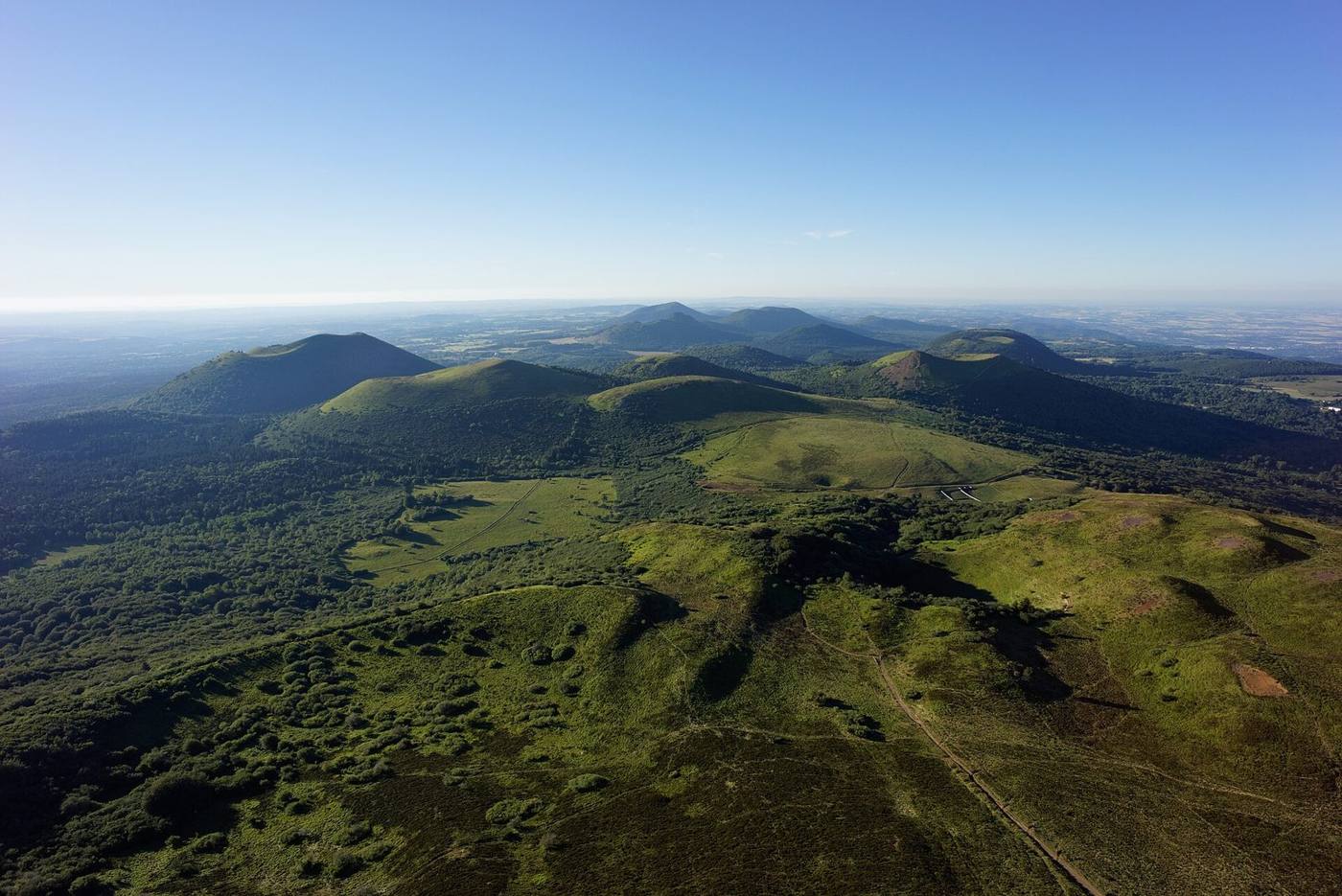
Auvergne: volcanoes and Le Puy-en-Velay
France of extinct volcanoes, a UNESCO World Heritage site: the Chaîne des Puys with the Puy de Dôme, volcanic lakes, Cantal cheeses, the village of Salers and Le Puy-en-Velay with churches built on lava peaks, a starting point of the Camino de Santiago.
 5 daysEasy
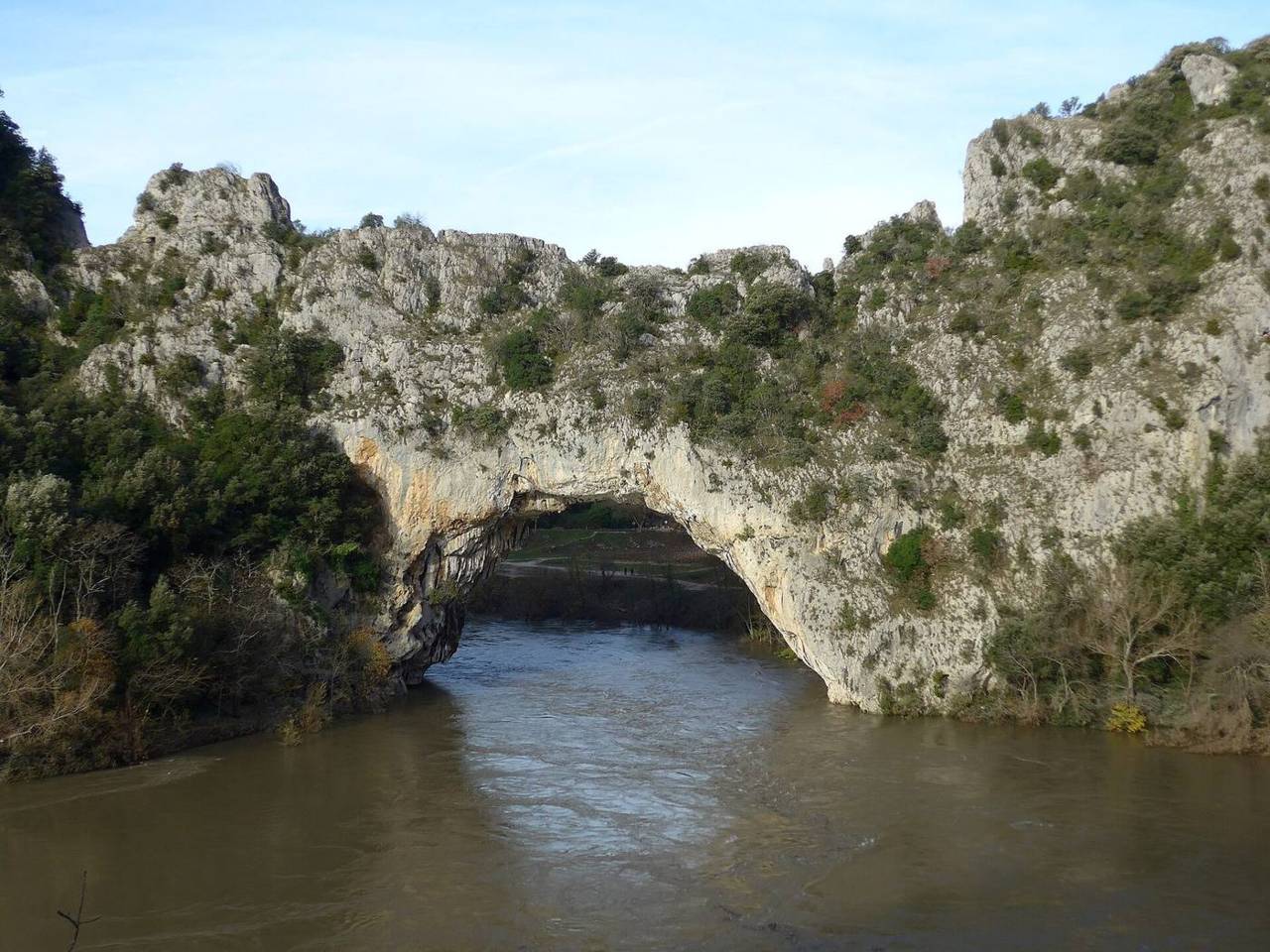
Ardèche: gorges and the Chauvet cave
The limestone gorges of the Ardèche, with the Pont d'Arc and the river to paddle by canoe, the faithful replica of the Chauvet cave with the world's oldest paintings, a UNESCO World Heritage site, the medieval villages of Balazuc and Vogüé and lavender fields.