Corsica
A mountain island in the sea: Bonifacio on its cliffs, the beaches of Palombaggia, the Aiguilles de Bavella, the Calanques de Piana and the Scandola reserve.
- Ajaccio
- Bonifacio
- Porto-Vecchio
- Bavella
- Corte
- Piana
- Porto
- Calvi
Day by day
- Day 1
Ajaccio, Napoleon's town
This trip goes around Corsica, the mountain island of the Mediterranean: granite towns by the sea, white sand beaches and turquoise water, red cliffs, forests of larch pines, gorges with natural pools and hilltop villages. You go from Ajaccio to Bonifacio, then inland to Bavella and Corte, and finally to the west coast with the calanques of Piana, Scandola and Calvi.
Before you leave: Corsica is France, so EU citizens only need a valid identity card or passport; other nationalities should check their own rules. You need a car: public transport is limited and the mountain roads are narrow and winding.
You reach Ajaccio by plane or by ferry from Livorno, Genoa, Savona, Nice or Marseille. The port and airport are close to the centre.
In the afternoon walk through Ajaccio's old town, with tall ochre houses and green shutters, to Napoleon Bonaparte's birthplace, now a national museum, with furniture, portraits and family mementoes. Check opening hours and prices. Then pass the cathedral where he was baptised and the square with the emperor's statue.
At sunset drive some twenty kilometres to the Pointe de la Parata, facing the Sanguinaires islands, dark rocks that turn red at sunset. An easy path climbs to the Genoese tower.
In the evening try Corsican food: black pig charcuterie, sheep's cheese, brocciu, Corsican soup and chestnut flour cakes.
Sleep in Ajaccio.
Practical tip: the best time is May to June and September. In July and August it is crowded and prices rise.
- Day 2
To Bonifacio, the clifftop town
In the morning leave Ajaccio and drive south, about two and a half hours, through hills covered in Mediterranean scrub. If you have time stop at Filitosa, a prehistoric site with menhirs carved as warriors with faces and swords, about three thousand years old, in an olive grove. Check opening hours and prices.
Then continue to Sartène, a grey granite town perched on a hill, with narrow lanes and stairways, considered one of the most Corsican on the island.
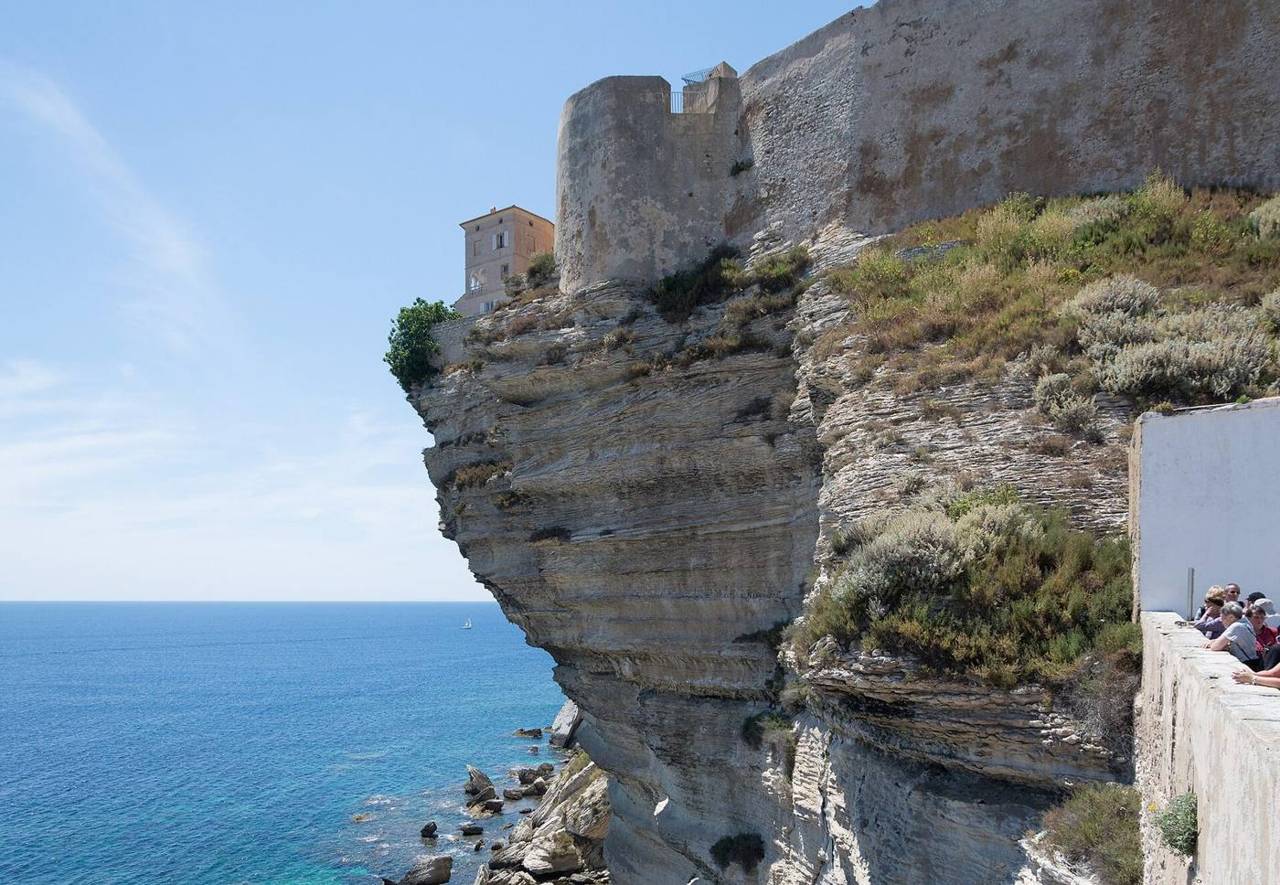
In the early afternoon reach Bonifacio, at the southern tip of Corsica. It is one of the most striking sights in the Mediterranean: the upper town is built on the edge of a white limestone cliff more than sixty metres above the sea, with houses that seem about to fall. Below, a narrow fjord shelters the harbour.
Leave the car at the harbour or in the signed car parks and walk up to the upper town along the path from the port. Stroll the lanes, go into the church of Santa Maria Maggiore and look out from the viewpoint.
At sunset walk the clifftop path east to the Pertusato lighthouse: you see the upper town lit by the sun and, on clear days, Sardinia across the Strait of Bonifacio.
Sleep in Bonifacio.
Practical tip: parking in Bonifacio is difficult in summer. Arrive early or stay somewhere with parking.
- Day 3
The cliffs by boat and the Lavezzi islands
In the morning take the boat tour of the cliffs, one of the things not to miss in Bonifacio. Boats leave the harbour, sail out of the fjord and run along the limestone cliffs, passing beneath the upper town, in front of the King of Aragon's Stairway, a staircase cut into the rock down to the sea, and into sea caves with turquoise water. The trip lasts about an hour. Check times and prices.
In the afternoon take a boat to the Lavezzi islands, an archipelago of small granite islands between Corsica and Sardinia, a nature reserve. The rocks are smoothed by the wind into rounded shapes and between them lie coves of white sand and clear water, perfect for swimming and snorkelling. On the main island is a small cemetery for the sailors of the frigate Sémillante, wrecked here in 1855.
Stay on the marked paths and bring water and food: there are no services on the island. Respect the reserve rules and check the time of the last boat back.
In the evening return to Bonifacio and have dinner at the harbour or in the upper town.
Sleep in Bonifacio.
Practical tip: there is little shade on the Lavezzi. Bring a hat, sunscreen and a T shirt to protect yourself while snorkelling.
- Day 4
The beaches of Palombaggia and Santa Giulia
Today is a beach day on Corsica's most famous beaches, around Porto Vecchio, about half an hour north of Bonifacio.
In the morning go to Palombaggia beach, a long beach of fine white sand, with turquoise water shelving gently, pink granite rocks at either end and maritime pines behind. Offshore you see the Cerbicale islands. Arrive early, before ten, to find parking and a quiet spot.
In the afternoon move to Santa Giulia, a little further south, a crescent shaped bay with very shallow, warm, lagoon coloured water, good for children, with a long beach and a lagoon behind.
If you prefer less crowded beaches, look for Rondinara, an almost enclosed round bay between Porto Vecchio and Bonifacio, very beautiful.
Towards evening visit Porto Vecchio, the town on the hill above the harbour, with Genoese walls, the church square and lanes full of restaurants and shops. The salt pans below the town turn pink and orange at sunset.
Sleep in or near Porto Vecchio.
Practical tip: in summer beach parking is paid and fills up early. Bring water and a sunshade: some beaches have few facilities, and on busy August days it is worth having a backup beach in mind.
- Day 5
The Col de Bavella and natural pools
In the morning leave the coast and head inland on the road to the Col de Bavella, about an hour and a half from Porto Vecchio, with tight bends through the Ospedale forest and the village of Zonza.
The Col de Bavella, at about one thousand two hundred metres, is one of the island's finest landscapes: the Bavella needles are great towers of red and grey granite rising above a forest of larch pines, bent and twisted by the wind. At the pass stand a statue of Our Lady of the Snows and a small village of stone houses.
Take a walk on the Trou de la Bombe path, about an hour and a half return, easy, to a natural arch in the rock with a view over the valley. Fitter walkers can follow a stretch of the GR20, Corsica's most famous and toughest trail, which passes right here.
In the afternoon drive down towards Solenzara and stop where the river forms natural pools of clear green water among smooth granite rocks. The water is cold but pleasant in summer.
In the evening continue to Corte, about two hours, or stay in Zonza.
Sleep in Zonza or Corte.
Practical tip: on Corsican mountain roads you will meet no-cost roaming cows, pigs and goats. Drive slowly, even on straight stretches.
- Day 6
Corte and the Restonica gorge
Today you are in Corte, in the centre of Corsica, the town that symbolises Corsican independence. Here in the eighteenth century Pasquale Paoli made the capital of short lived independent Corsica and founded a university, reopened in 1981. The upper town is perched on a rocky spur, with the citadel at the top.
In the morning climb into the upper town, past the square with Paoli's statue and up steep lanes, to the viewpoint below the citadel, hanging above the gorges. Visit the Museum of Corsica in the citadel, which tells of traditional island life, shepherding, religious brotherhoods and polyphonic singing. Check opening hours and prices.
In the afternoon drive up the Restonica valley, a narrow gorge between granite mountains, with the river forming natural pools of crystal clear water. The road is narrow and in summer traffic is regulated and there may be shuttles: check the current rules.
From the car park at the end of the road a path leads to Lac de Melo, about an hour and a half of steep climbing, with some sections with chains and ladders, to a glacial lake at about one thousand seven hundred metres. Fit walkers can continue to Lac de Capitello, higher up.
In the evening have mountain food in Corte: wild boar stew, trout and cheese.
Sleep in Corte.
Practical tip: in the mountains afternoon storms arrive quickly. Start early and turn back if the sky darkens.
- Day 7
The calanques of Piana
In the morning leave Corte and drive to the west coast, about two and a half hours, through the Vizzavona forest or the Niolo valley and the Aïtone forest, with giant larch pines, and the Col de Vergio, the island's highest road pass.
Descend to Porto, a small village at the head of a gulf, with a Genoese tower on a rock and a pebble beach. The Gulf of Porto, with the calanques of Piana, the Gulf of Girolata and the Scandola reserve, is a UNESCO site.
In the afternoon drive the road between Porto and Piana, which runs through the calanques: a maze of red granite rocks carved by wind and water into strange shapes, spires, arches, heads and animals, dropping to the blue sea. The road is narrow, with many bends and low walls: drive slowly and stop only in lay bys.
Leave the car in one of the car parks and walk one of the marked paths among the rocks, such as the one to the Château Fort, about an hour return, which ends at a viewpoint on a great castle shaped block of rock above the gulf.
At sunset the calanques turn fiery red. Watch the light from the road or from the village of Piana.
Sleep in Porto or Piana.
Practical tip: in summer coaches use the calanques road in both directions. Be patient and manoeuvre calmly.
- Day 8
The Scandola reserve by boat from Porto
In the morning take a boat from Porto to the Scandola nature reserve, on the west coast, one of the most important protected areas in the Mediterranean. It can only be reached by sea. Boats run along a coast of red, purple and black volcanic rock, with basalt columns, arches, caves and sheer cliffs where ospreys nest. Boats cannot land in the reserve and must respect speed and distance limits.
The trip lasts half a day and usually stops at Girolata, a small fishing village reachable only by boat or on foot, with a Genoese tower, a pebble beach and a few houses. Check times and prices.
In the afternoon, in Porto, climb to the Genoese tower on the rock, a few minutes' walk, to see the gulf from above, then swim at the village beach.
If you want to walk, follow the Spelunca gorge, an old mule track between two stone Genoese bridges above a river with natural pools, starting from Ota, a village a few kilometres from Porto. About two hours return.
In the evening have dinner by the harbour at sunset, with fish and fish soup.
Sleep in Porto.
Practical tip: on the boat the sea can be rough, especially in the afternoon. Choose a morning departure and bring a jacket.
- Day 9
Calvi and the Balagne
In the morning leave Porto and drive north on the coast road, about two and a half hours, with many bends and sea views, passing the Gulf of Galeria.
Reach Calvi, on the north west coast, a town with a large Genoese citadel on a rocky promontory above the sea, and a long beach of fine sand on the bay with snowy mountains behind until spring. A local tradition says Christopher Columbus was born here, when Calvi was Genoese.
Climb to the citadel and walk the walls and lanes to the cathedral of St John the Baptist. Then swim at the beach on the bay.
In the afternoon tour the villages of the Balagne, the hill country behind Calvi, known as the garden of Corsica, with olive groves, vineyards and stone villages perched on the hills. Visit Pigna, a village of craftspeople with workshops making musical instruments and ceramics, and Sant'Antonino, one of the oldest villages in Corsica, perched on a hilltop, with spiralling lanes and a sea view.
At sunset return to Calvi and watch the illuminated citadel from the beach.
Sleep in Calvi.
Practical tip: in the Balagne villages leave the car in the car parks at the entrance. The lanes are pedestrian and very narrow.
- Day 10
Departure from Calvi or Bastia
On the last day you leave from Calvi, from the airport or port, or from Bastia, about an hour and a half by car, which has more flights and ferries to Italy and mainland France.
If you leave from Bastia and have a few hours, visit the town, Corsica's largest port, with the old harbour surrounded by tall colourful houses, the church of St John the Baptist with its two towers, the great Place Saint Nicolas by the sea and the Genoese citadel with the governors' palace, now a museum. Bastia is less touristy than Ajaccio and very lively.
With more time you can tour Cap Corse, the peninsula north of Bastia, with fishing villages, Genoese towers and the marina of Erbalunga. Or, if you leave from Calvi, have a last swim on the beach of the bay.
Return the car with a full tank and arrive early at the port or airport.
Before leaving buy something to take home: Corsican charcuterie, cheese, honey, fig jam, chestnut flour, olive oil or a Corsican knife.
This trip shows a complete Corsica: Genoese towns by the sea, beaches, granite mountains, inland villages and the protected nature of the west coast.
Practical tip: in high season book ferries and hire cars well in advance. They sell out early.
An island with Caribbean-coloured sea and real mountains just a few kilometres away. Roads are slow and winding: map distances are deceptive, so allow double the time. In August it is packed and expensive, with full ferries. For experienced hikers there is the GR20, one of Europe's toughest treks, taking about 15 days.
Before you go
- Documents and visa
- EU citizens need a valid identity card or passport. Other nationalities should check the Schengen rules.
- Health and vaccines
- No vaccines required. EU citizens should bring their EHIC. Emergencies: 112.
- Money and payments
- Euro. Cards are accepted almost everywhere; every accommodation charges the taxe de séjour per person per night.
- Power sockets
- Types C and E, 230 volts.
- Time zone
- Central European Time (UTC+1), summer time (UTC+2) from the last Sunday of March to the last Sunday of October.
- Safety
- A safe country, with a high terrorism alert level and security checks at museums and stations. In Paris watch for pickpockets on the metro. Official advice: GOV.UK.
Information checked in November 2026 for Italian and EU citizens. Rules change: always check before you travel.
Variations
In 7 days: the south only, from Ajaccio to Bonifacio, Porto Vecchio, Bavella and back.
In 14 days: add Cap Corse, the Agriates desert and a few days on the GR20.
Frequently asked questions
What document do I need?
Corsica is France. EU citizens only need a valid identity card or passport. Other nationalities should check their own rules.
Do I need a car?
Yes. Public transport is limited. Roads are narrow and winding: allow plenty of time and drive slowly.
When is the best time to go?
May to June and September. In July and August it is crowded and prices rise; in the mountains afternoon storms are frequent.
Indicative itinerary written by World Atlas. Before booking, check timetables, seasonal openings, documents and safety.
 11 daysChallenging
The Tour du Mont Blanc
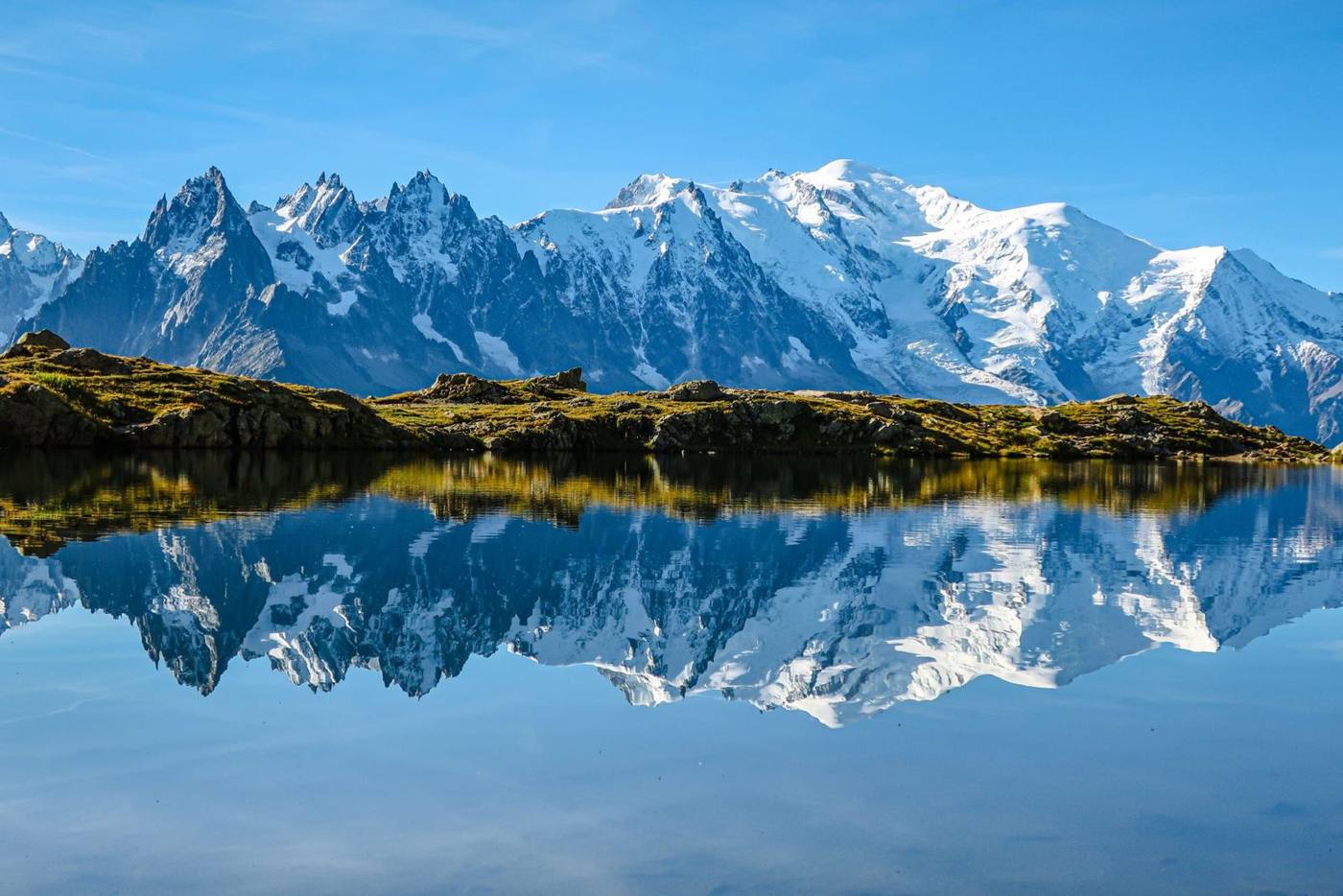
The circuit around Mont Blanc in ten stages through France, Italy and Switzerland: Chamonix, Col de la Seigne, Courmayeur, the Val Ferret and Lac Blanc.
 8 daysEasy
Occitanie: Carcassonne and the Tarn gorges
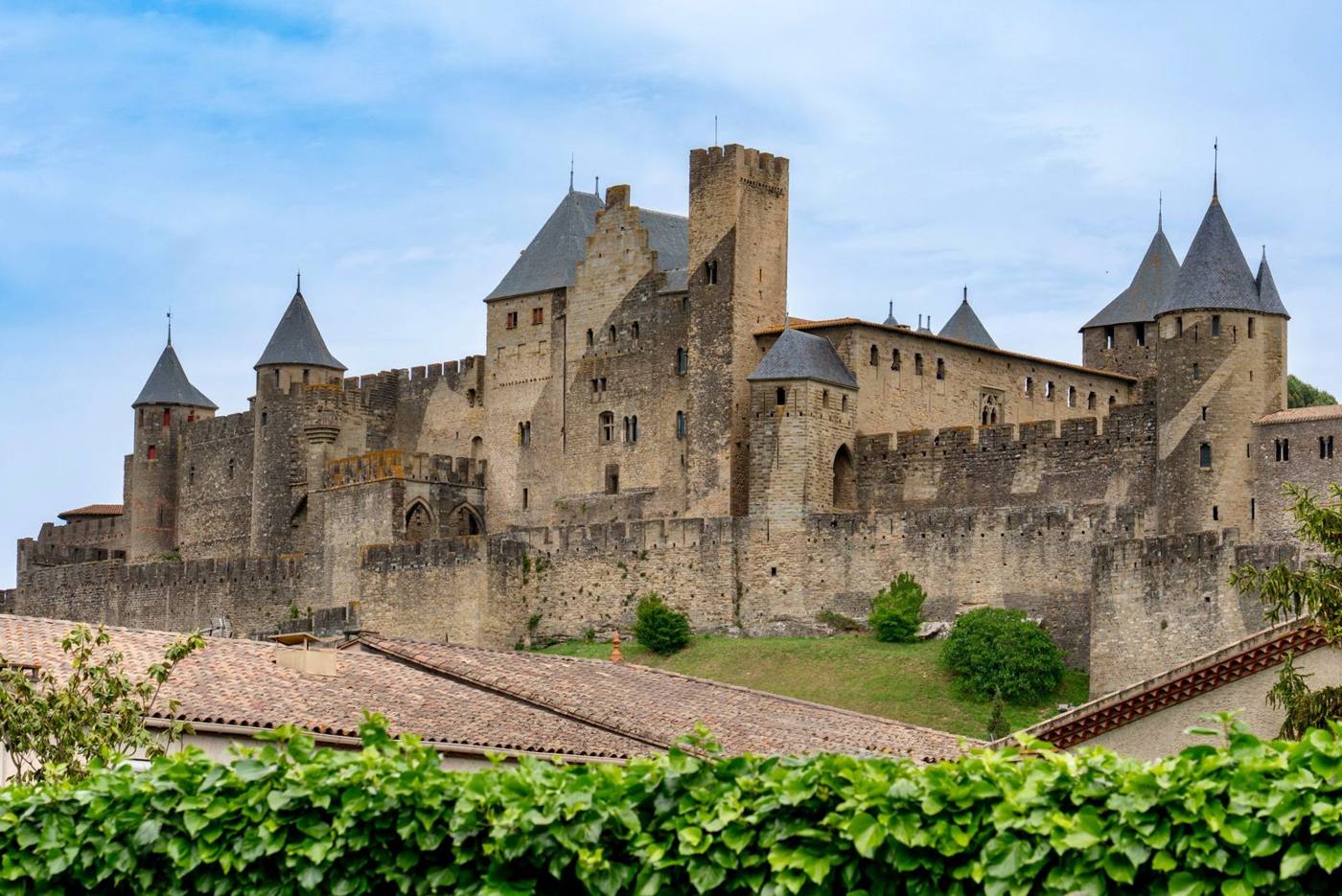
Toulouse, the fortified city of Carcassonne, the Cathar castles, Albi and its brick cathedral, the Millau Viaduct and the Tarn gorges by canoe.
 7 daysEasy
Lyon, Annecy and the Alps
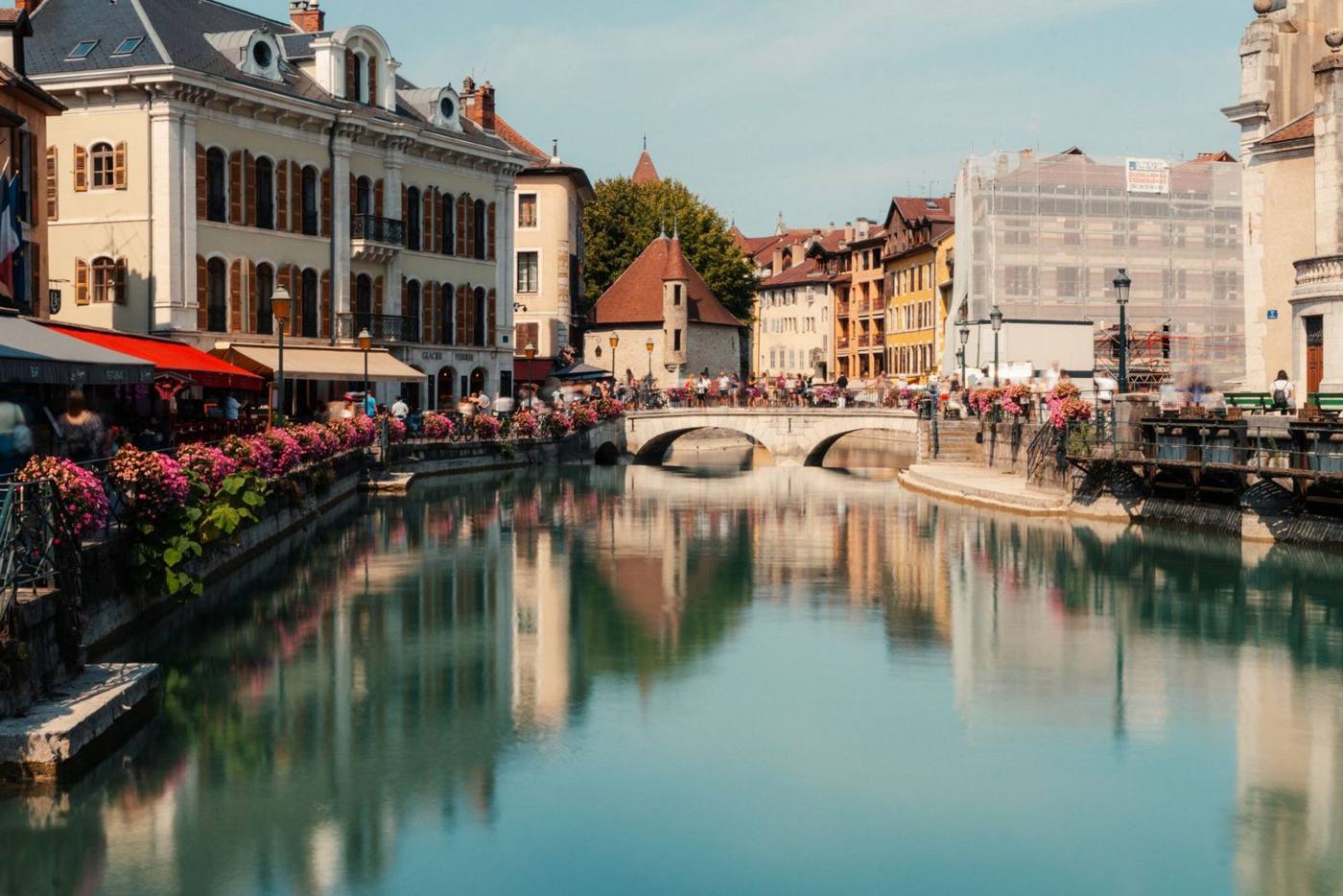
The food capital of Lyon with its bouchons and traboules, Lake Annecy, Chamonix with the Aiguille du Midi and the Mer de Glace.