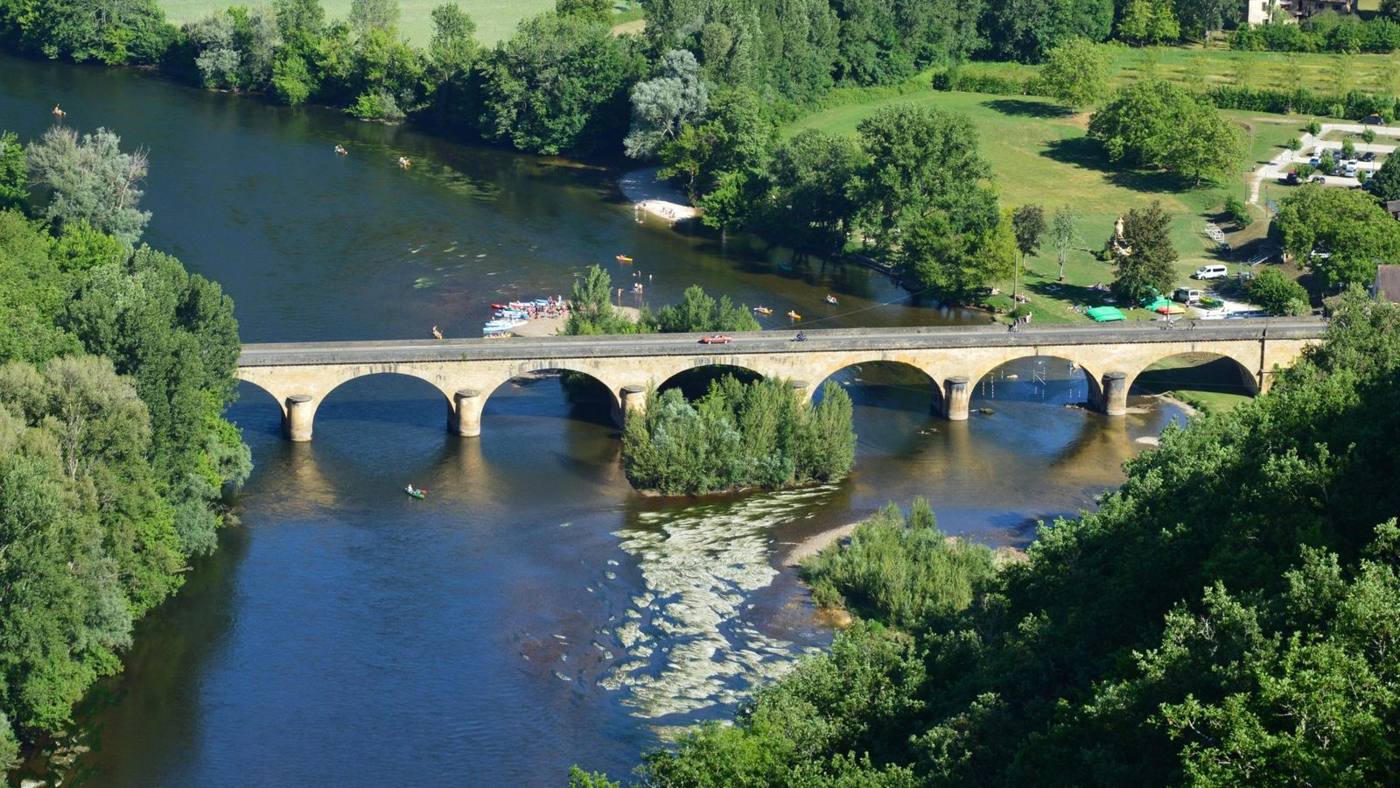
Bordeaux and the Dordogne
Bordeaux and Saint-Émilion, the villages of the Dordogne valley such as Sarlat and La Roque-Gageac, the prehistoric caves of Lascaux and Rocamadour.
- Bordeaux
- Saint-Émilion
- Sarlat
- La Roque-Gageac
- Lascaux
- Rocamadour
Day by day
- Day 1
Bordeaux: the centre and the Place de la Bourse
This trip combines Bordeaux, one of France's most elegant cities, with its eighteenth century buildings and world famous wineries, and the Périgord, the Dordogne region, with castles on cliffs, villages of golden stone, markets, prehistoric painted caves and a rich cuisine of duck, truffles and walnuts. It is a trip to do by car, at a relaxed pace.
France is in the Schengen area: EU citizens only need an identity card valid for travel. You fly into Bordeaux, with direct flights from many European cities, or take the high speed train from Paris in about two hours.
On the first day discover the centre of Bordeaux, a UNESCO World Heritage Site, called the Port of the Moon for the crescent shaped bend the Garonne makes in front of the city. Start at the Place de la Bourse, a great eighteenth century square open to the river, in front of which lies the Miroir d'Eau, the water mirror, the largest reflecting pool in the world: a thin layer of water on granite slabs reflecting the buildings, which from time to time turns into mist.
Then walk through the Saint-Pierre district, with medieval lanes, squares and cafés, to Saint-André cathedral and the Pey-Berland tower, from which you see the whole city. Continue along the rue Sainte-Catherine, one of the longest pedestrian streets in Europe, to the Grand Théâtre, a neoclassical theatre with columns.
In the evening have dinner with a Bordeaux dish: entrecôte à la bordelaise, with a red wine and shallot sauce, and a glass of the region's wine.
Spend the night in Bordeaux.
Practical tip: central Bordeaux is easy to get around on foot and by tram. Only hire the car on the day you leave for Saint-Émilion and the Dordogne.
- Day 2
Bordeaux: the Cité du Vin and the quays by bike
Today discover Bordeaux along the river. In the morning hire a bicycle and ride the quays along the Garonne, transformed over the last twenty years into a long promenade with gardens, lawns, cycle paths and restored old harbour warehouses.
Cycle north to the Chartrons district, the old wine merchants' quarter, with elegant houses, antique shops and a small street of shops and cafés, the rue Notre-Dame. Here, in past centuries, foreign merchants, English, Irish, Dutch and German, bought wine and shipped it around the world.
Then reach the Cité du Vin, a large modern museum devoted to wine, with a curved shape recalling wine swirling in a glass. Inside, an interactive route tells the history of wine around the world, from its origins to today, with sounds, scents and images. At the top of the tower is a viewing deck with a glass of wine included in the visit and views over the city and the river.
In the afternoon cross the river on the stone bridge, the Pont de Pierre, built at Napoleon's command, with seventeen arches, according to tradition one for each letter of his name. From the far bank the view of the riverside buildings is the finest in the city.
In the evening return to the centre for dinner and a last walk along the illuminated quays.
Spend the night in Bordeaux.
Practical tip: the Cité du Vin charges an entry fee: check the price and book online at weekends. Bordeaux has a public bike sharing scheme.
- Day 3
Saint-Émilion, the village and a winery
Today leave Bordeaux for Saint-Émilion, about fifty minutes east, one of the most beautiful villages in France and one of the most famous wine areas in the world. The village and its vineyards are a UNESCO World Heritage Site.
Saint-Émilion is built on a limestone hill, with pale stone houses, steep lanes and stairways called tertres, and medieval walls. The name comes from Emilion, a Breton monk who lived here in a cave as a hermit in the eighth century.
In the morning visit the monolithic church, a large church carved entirely out of the rock beneath the village between the eleventh and twelfth centuries, one of the largest in Europe. The underground visit is by guided tour only, starting from the tourist office, and includes the hermit's cave and the catacombs.
Then climb the King's Tower, a medieval tower with views over the rooftops and the vineyards surrounding the village on every side.
In the afternoon visit a winery, called a château, to see the vineyards and the cellars carved into the limestone where wine ages in barrels, and to taste. Here mainly red wines from merlot and cabernet franc are produced.
Also try the Saint-Émilion macarons, almond biscuits made to a seventeenth century recipe of the village nuns.
Spend the night in or near Saint-Émilion.
Practical tip: most wineries can only be visited by appointment, and visits charge a fee: check and book ahead. Choose a designated driver or book a visit with transport.
- Day 4
Sarlat and the Saturday market
Today go to Sarlat-la-Canéda, about two and a half hours by road from Saint-Émilion, in the Périgord Noir, the heart of the Dordogne. On the way you pass Bergerac, the Dordogne's wine town, and the river valley, among hills, woods and walnut groves.
Sarlat is one of the best preserved medieval and Renaissance towns in France, with honey coloured stone houses, stone slab roofs, towers, courtyards and narrow lanes. In the 1960s it was one of the first French towns restored as a protected historic centre. It is also often used as a set for historical films.
If you arrive on a Saturday, visit the great market, which fills all the squares and streets of the centre: duck, foie gras, walnuts, mushrooms, goat's cheese, strawberries, prunes, wine and, in winter, black Périgord truffles, called black diamonds. The smaller market is on Wednesday morning.
In the afternoon walk around town: Saint-Sacerdos cathedral, the birthplace of the writer La Boétie with its fine Renaissance facade, the Lantern of the Dead, a twelfth century conical tower, and the old church of Sainte-Marie, converted into the covered market, with huge metal doors by a modern architect.
In the evening have dinner with Périgord cuisine: duck confit, sarladaise potatoes fried in duck fat with garlic and parsley, walnut salad and walnut tart.
Spend the night in Sarlat.
Practical tip: in summer Sarlat is very crowded and parking is difficult. Leave the car in the car parks outside the centre and arrive early in the morning.
- Day 5
Canoeing the Dordogne below Beynac and La Roque-Gageac
Today discover the Dordogne valley from the water. The finest stretch of the river is between Carsac and Beynac, south of Sarlat, called the valley of the five castles, with medieval villages and castles built on the cliffs above the river.
In the morning hire a canoe or kayak to go down the river. You start upstream and drift with the slow, easy current, suitable even for beginners, for about two or three hours, stopping at pebble beaches to swim. At the end the hire company brings you back by minibus.
From the river you see Castelnaud castle, Beynac castle, the Château des Milandes, which belonged to the singer Josephine Baker, and the village of La Roque-Gageac, with its houses set against the cliff above the river, one of the most beautiful in France.
In the afternoon visit one of the castles. Beynac castle, from the twelfth century, stands on top of a cliff a hundred and fifty metres high, with an immense view over the valley. Opposite, on the other bank, Castelnaud castle, its eternal rival during the Hundred Years' War, houses a museum of medieval warfare, with weapons, armour and replicas of siege engines.
At sunset walk through La Roque-Gageac, along the road beneath the cliff, with gardens of exotic plants.
Spend the night in Sarlat or in a village in the valley.
Practical tip: in summer the river is low and warm, ideal for canoeing. Wear a life jacket, bring water and sunscreen and seal your phone and keys in a waterproof container.
- Day 6
Lascaux IV and the prehistoric Vézère
Today go to the Vézère valley, north of Sarlat, called the valley of mankind, one of the most important places in the world for prehistory, a UNESCO World Heritage Site, with dozens of decorated caves and shelters inhabited by Cro-Magnon people.
In the morning visit Lascaux IV, at Montignac, about half an hour from Sarlat. The Lascaux cave was discovered in 1940 by four teenagers and contains some of the most beautiful prehistoric paintings in the world, about eighteen thousand years old: horses, bulls, deer and bison painted in red, black and yellow on the walls. The original cave has been closed to the public since 1963 to protect the paintings, damaged by visitors' breath. Lascaux IV is a complete and exact replica of the cave, built in a modern centre, with the paintings reproduced to the millimetre, and a museum explaining the techniques and meaning of prehistoric art.
In the afternoon follow the Vézère down to Les Eyzies, the capital of prehistory, with the national museum of prehistory built beneath a cliff. Nearby are original caves you can still visit, such as Font-de-Gaume, with polychrome paintings of bison, in very small groups, and La Roque Saint-Christophe, a cliff with shelters and a village carved into the rock, inhabited from prehistory to the Middle Ages.
Spend the night in Sarlat or Les Eyzies.
Practical tip: Lascaux IV charges an entry fee and it is best to book online. Font-de-Gaume admits very few visitors a day: book well ahead and check opening times.
- Day 7
Rocamadour on the cliff
Today go to Rocamadour, about an hour's drive east of Sarlat, in the Lot department. It is one of the most spectacular places in France: a medieval village and sanctuary built one above the other on the vertical face of a limestone cliff, about a hundred and twenty metres above the Alzou canyon.
Since the Middle Ages Rocamadour has been one of the most important pilgrimage sites in Europe, on the road to Santiago de Compostela, for its Black Virgin, a small dark wooden statue from the twelfth century kept in the Notre-Dame chapel.
The village is divided into three levels. At the bottom is the main street, with medieval gates, houses and shops. From here you climb the great pilgrims' staircase, 216 steps, which the most devout pilgrims climbed on their knees, to the level of the sanctuaries, with seven chapels and the basilica of Saint-Sauveur built against the rock. At the top, above the cliff, is the castle, with a walkway on the ramparts and a dizzying view over the canyon.
For those who prefer not to climb on foot there are paid lifts between the levels.
The most beautiful way to arrive is from the village of L'Hospitalet, on the plateau opposite, from which you see all of Rocamadour clinging to the cliff.
Try rocamadour, a small creamy goat's cheese typical of the area.
Spend the night in Rocamadour or Sarlat.
Practical tip: in summer Rocamadour is very crowded. Arrive early in the morning or in the late afternoon, when the light on the cliff is most beautiful.
- Day 8
Back to Bordeaux and departure
On the last day head back towards Bordeaux, about three hours from Sarlat, for your departure.
If you have time in the morning, before leaving the Dordogne, make a detour to one of the places you have not yet seen. One option is the gardens of Marqueyssac, near Beynac, a park with thousands of box trees clipped into wave shapes and paths ending at a viewpoint above the Dordogne valley. Another is Domme, a fortified hilltop village with one of the finest views over the valley and a cave beneath its square.
On the way to Bordeaux stop at Bergerac, the Dordogne's wine town, with a historic centre near the river and the statue of Cyrano de Bergerac, the character from Rostand's play, even though the real Cyrano was not from here. Nearby is the Château de Monbazillac, among the vineyards, where a sweet white wine is made.
In the afternoon you reach Bordeaux, return the car and catch your flight or train.
Before leaving buy some Périgord and Bordeaux produce: foie gras, walnuts, walnut oil, prunes, a bottle of wine and canelés, small Bordeaux cakes with rum and vanilla, crisp outside and soft inside.
Practical tip: check the rules for carrying food and bottles in hand luggage. If you return the car in another city, check the cost.
A France of countryside, castles and fine food, with foie gras, walnuts and wines. The original Lascaux has been closed for decades: you visit the faithful replica of Lascaux IV, which is very well made. For original paintings there is Font-de-Gaume, with very few places that must be booked. In August the villages are crowded.
Before you go
- Documents and visa
- EU citizens need a valid identity card or passport. Other nationalities should check the Schengen rules.
- Health and vaccines
- No vaccines required. EU citizens should bring their EHIC. Emergencies: 112.
- Money and payments
- Euro. Cards are accepted almost everywhere; every accommodation charges the taxe de séjour per person per night.
- Power sockets
- Types C and E, 230 volts.
- Time zone
- Central European Time (UTC+1), summer time (UTC+2) from the last Sunday of March to the last Sunday of October.
- Safety
- A safe country, with a high terrorism alert level and security checks at museums and stations. In Paris watch for pickpockets on the metro. Official advice: GOV.UK.
Information checked in November 2026 for Italian and EU citizens. Rules change: always check before you travel.
Variations
In 5 days: Bordeaux and Saint-Émilion, or just the Dordogne with Sarlat, the castles and Lascaux.
In 11 days: add the Atlantic coast with the Dune du Pilat and Arcachon, or the Lot valley with Saint-Cirq-Lapopie.
Frequently asked questions
When is the best time to go?
May, June and September, with a mild climate and fewer crowds. In summer the Dordogne villages are very busy.
Do I need a car?
Yes, for the Dordogne. In Bordeaux you do not need one: the centre is easy on foot and by tram.
Do I need a passport?
No, France is in the Schengen area and EU citizens only need an identity card valid for travel.
Indicative itinerary written by World Atlas. Before booking, check timetables, seasonal openings, documents and safety.
 7 daysEasy
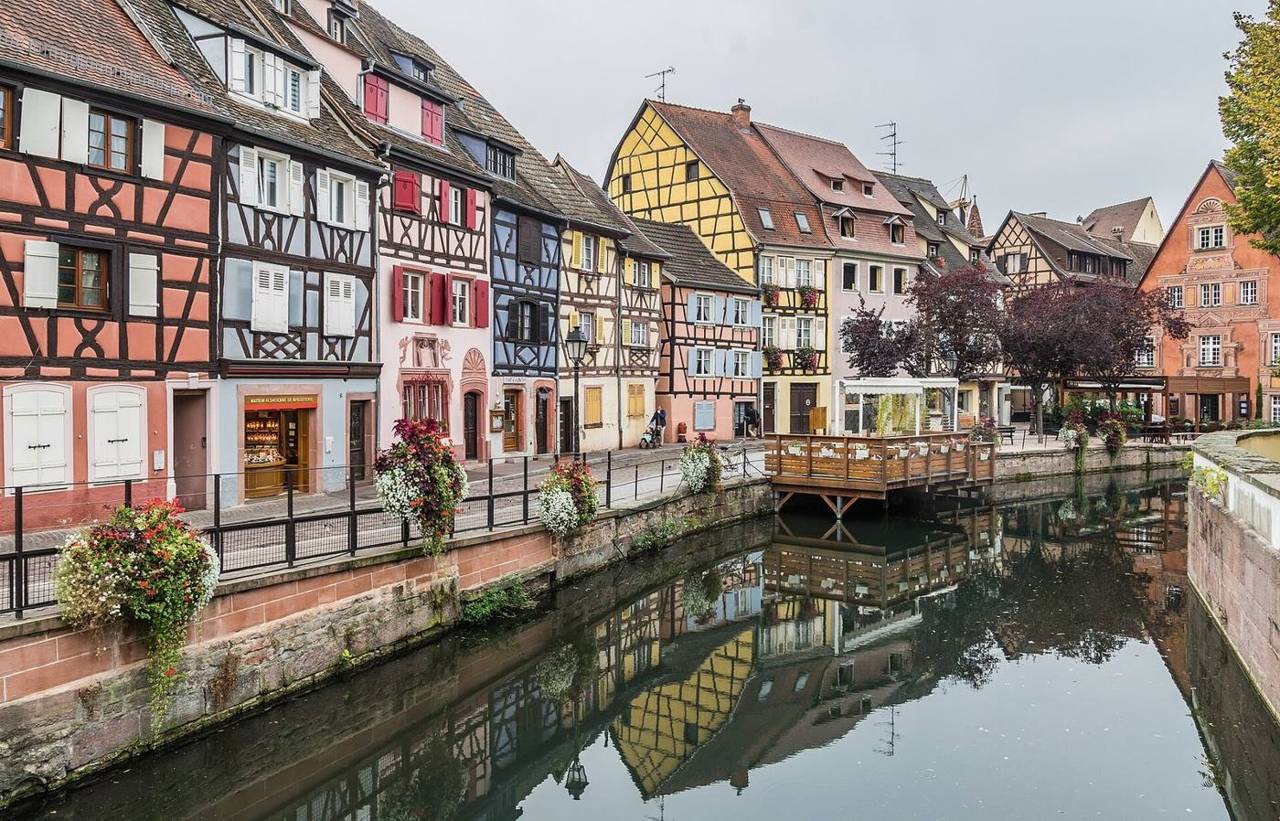
Alsace and Burgundy
Strasbourg, the Alsace wine route through Riquewihr, Eguisheim and Colmar, then Burgundy with Beaune, the Côte de Nuits and Dijon.
 10 daysModerate
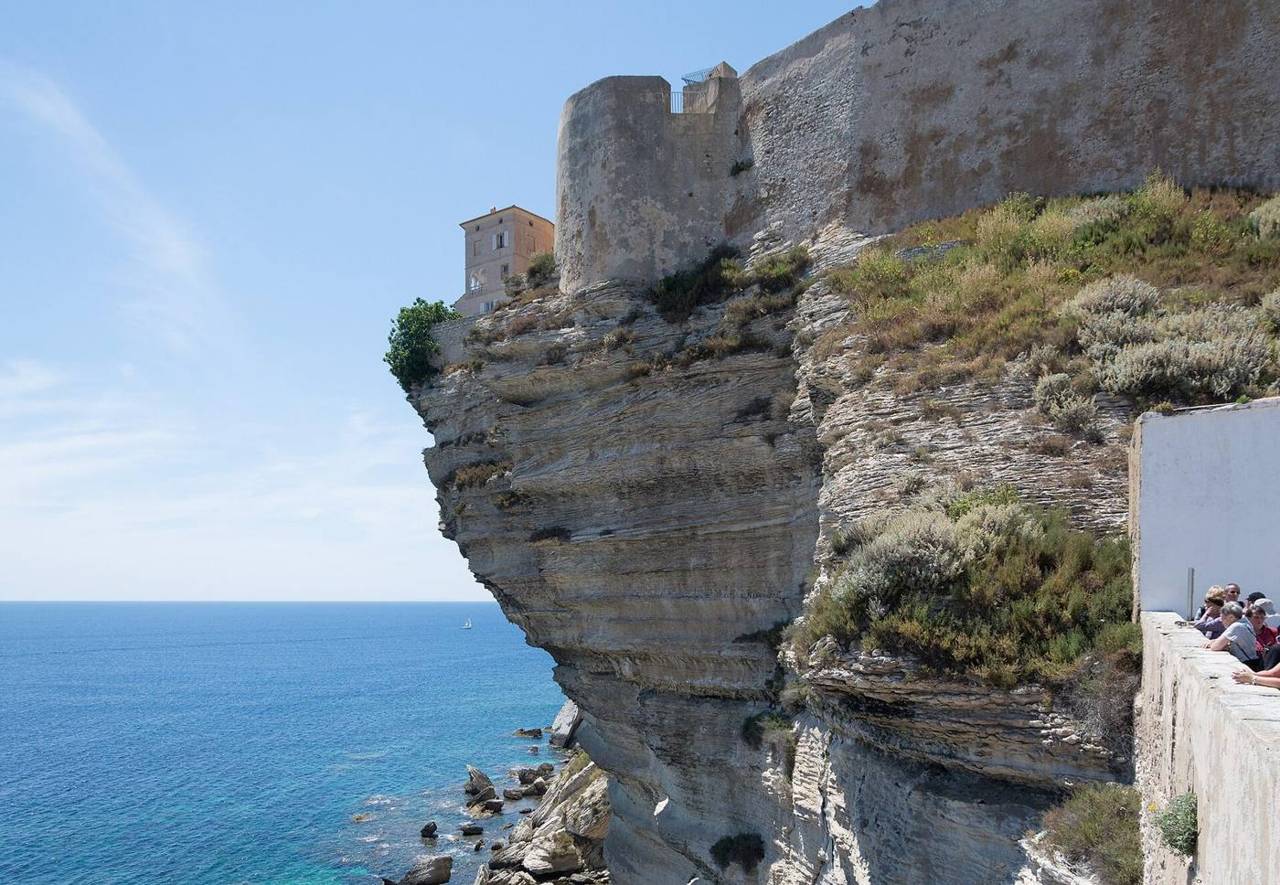
Corsica
A mountain island in the sea: Bonifacio on its cliffs, the beaches of Palombaggia, the Aiguilles de Bavella, the Calanques de Piana and the Scandola reserve.
 11 daysChallenging
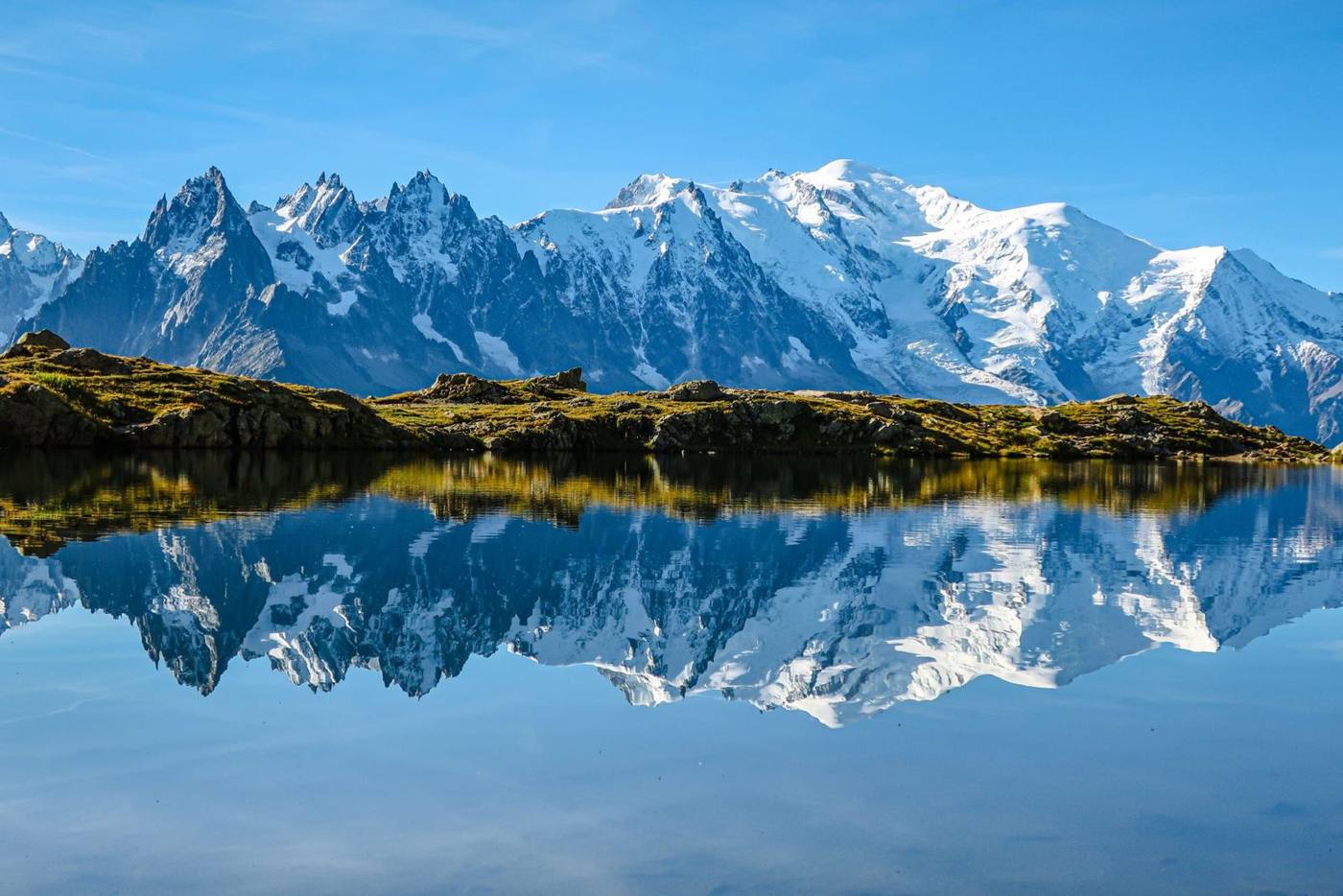
The Tour du Mont Blanc
The circuit around Mont Blanc in ten stages through France, Italy and Switzerland: Chamonix, Col de la Seigne, Courmayeur, the Val Ferret and Lac Blanc.