Mlilwane by bike
The reserve near Ezulwini where you walk, cycle or ride among zebras, antelope and warthogs, with no dangerous predators, and sleep in beehive huts.
- Ezulwini
- Mlilwane
Day by day
- Day 1
By bike among zebras and antelopes
This two-day trip takes you to Mlilwane Wildlife Sanctuary, in the Ezulwini valley, the green heart of Eswatini, between the towns of Mbabane and Manzini. It is the country's oldest protected area and one of the few places in southern Africa where you can go on foot, by bike or on horseback among zebras, antelopes and warthogs, because there are no large dangerous predators. You sleep in traditional beehive huts.
Before you go: Italian citizens enter Eswatini without a visa for stays of up to 30 days, with a passport valid for at least three months and with two blank pages; if you also travel through South Africa you need two more blank pages. Other nationalities should check their own rules. The country is generally calm, but there is petty crime on the outskirts of Mbabane and Manzini and there have been political protests: avoid demonstrations. The United States rates Eswatini at level 2, meaning increased caution. You drive on the left: do not drive at night, because there are animals on the road.
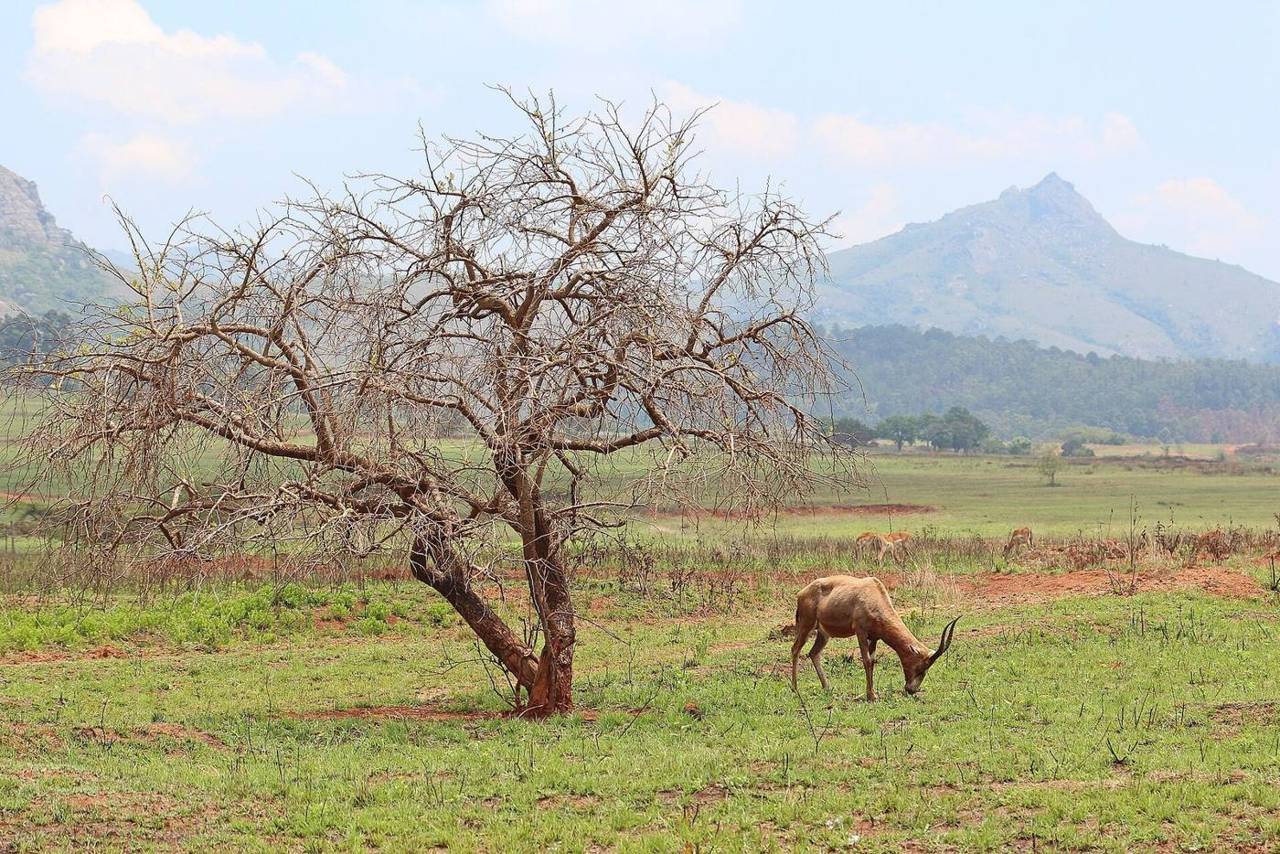
You arrive in the morning in the Ezulwini valley, the valley of heaven, and register at the sanctuary entrance. At the main camp hire a mountain bike and get a map of the routes. The dirt tracks cross savannah at the foot of the mountains, between small lakes and woods. Pedalling slowly, you meet zebras, wildebeest, impalas and warthogs grazing calmly a few metres away.
In the evening settle into one of the beehive huts, made of woven grass, and watch the sunset over the mountains.
Practical tip: the tracks are easy but with some climbs and sandy stretches. Bring water, sun cream and a hat, and do not get too close to the wildebeest and zebras: they are wild animals.
- Day 2
On horseback at dawn and the return
Early in the morning, when the light is golden and animals are most active, go out on horseback with a sanctuary guide. Riding lets you get closer to the animals than on foot: zebras and antelopes see the horse as another animal and do not run away. Rides are suitable for beginners too, with calm horses and a slow pace.
Along the way look at the mountains above the sanctuary, including Nyonyane, a granite peak also known as Execution Rock. The name Mlilwane means little fire and recalls the fires started by lightning on these mountains.
After breakfast walk to the pool near the main camp, home to hippos and crocodiles. Watch them only from the bank and at a distance: they are the only truly dangerous animals in the sanctuary.
Then leave Mlilwane and, if you have time, stop in the Ezulwini valley: the Mantenga reserve, with its waterfall and cultural village, and Lobamba, the royal capital, with the national museum.
In two days you have enjoyed a family-sized safari without a car: the bike tracks among zebras and antelopes, the night in the beehive huts, the dawn ride on horseback and the hippo pool, in the green heart of Eswatini. It is an affordable and relaxed trip, ideal to combine with Kruger or a journey through South Africa.
When to go: you can go all year round. From May to September is the dry season, with clear days and cool nights; from October to April there is more rain and the valley is very green.
Practical tip: book the horse ride the day before and wear long trousers and closed shoes.
A family-sized safari without a car. Inexpensive and relaxed. Keep away from the crocodiles and hippos by the lake.
Before you go
- Documents and visa
- Passport valid for at least three months with two blank pages; if you also travel through South Africa you need two more blank pages. British and Italian citizens enter without a visa for stays of up to 30 days.
- Health and vaccines
- Malaria is present only in a few low-lying areas in the east; yellow fever is required only for travellers arriving from a country at risk. Public healthcare is getting worse: you need insurance with repatriation. Ambulance: 977 or 933.
- Money and payments
- Lilangeni, at par with the South African rand, which is accepted everywhere. Visa and Mastercard cards are widely used.
- Power sockets
- Type M, the large South African plug with three round pins, 230 volts: you need an adapter.
- Time zone
- UTC+2 all year.
- Safety
- A generally safe country with no areas advised against. There is petty crime in the outskirts of Mbabane and Manzini; there have been political protests in recent years: avoid demonstrations and crowds. On the roads watch out for animals on the carriageway and do not drive at night. Official advice: GOV.UK.
Information checked in November 2026 for Italian and EU citizens. Rules change: always check before you travel.
Variations
In 1 day: a bike ride in the sanctuary in the morning and the hippo pool in the afternoon, without the night in the huts.
In 5 days: add the Hlane and Mkhaya reserves, with elephants, rhinos and lions, in the east of the country.
Frequently asked questions
Are there dangerous animals at Mlilwane?
There are no large predators such as lions or leopards, which is why you can go on foot, by bike and on horseback. The only animals to avoid are the crocodiles and hippos near the pool.
Do you need a visa for Eswatini?
No, Italian citizens enter without a visa for up to 30 days, with a passport valid for at least three months and two blank pages, plus two more if you travel through South Africa. Other nationalities should check their own rules.
Is Mlilwane suitable for children?
Yes, it is one of the most family-friendly safaris in southern Africa: easy bike tracks, horse rides for beginners and traditional huts to sleep in.
Indicative itinerary written by World Atlas. Before booking, check timetables, seasonal openings, documents and safety.
 3 daysEasy
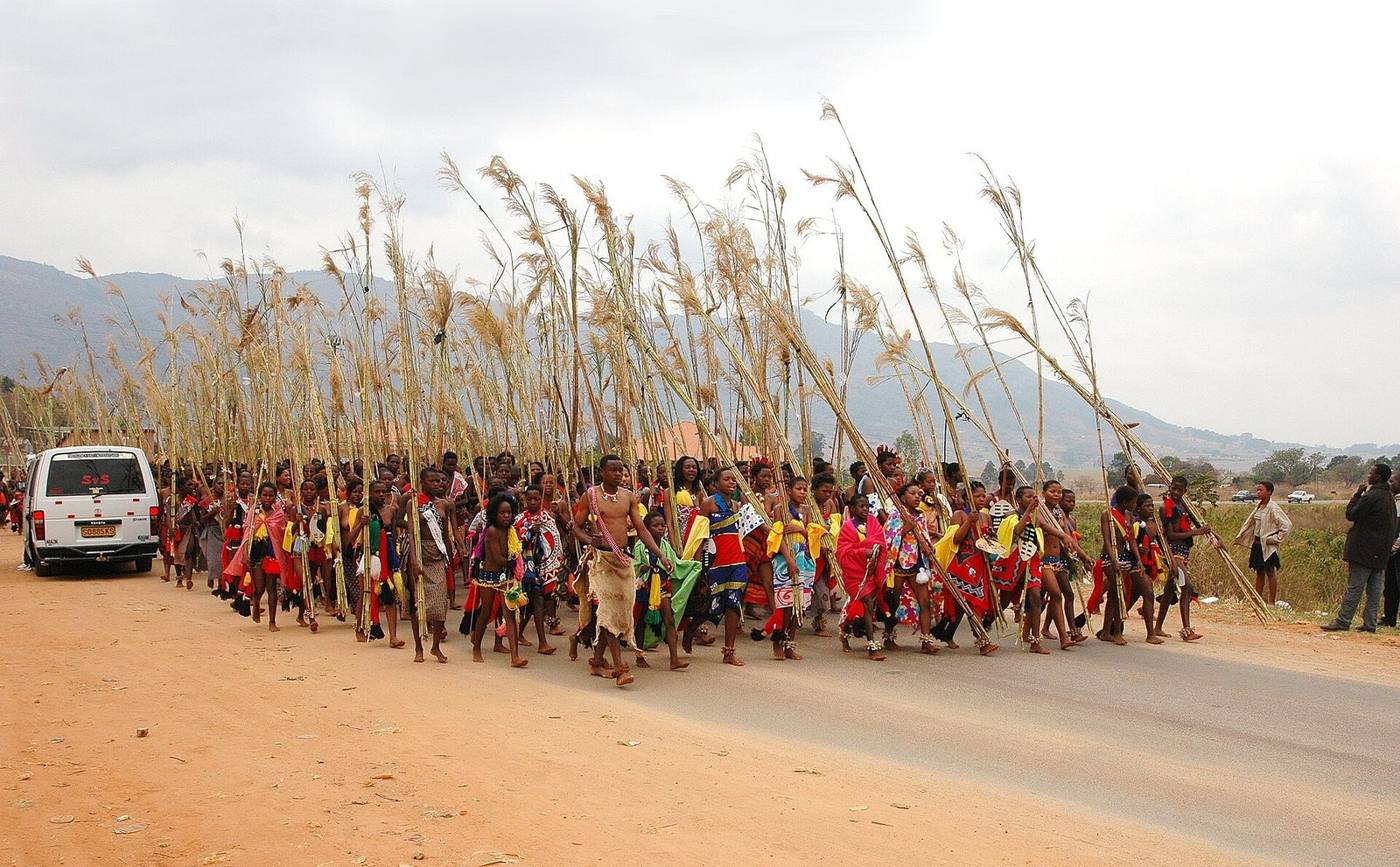
The Umhlanga reed dance
The great reed ceremony at Ludzidzini, where tens of thousands of young women bring reeds to the Queen Mother with songs and dances, one of Africa's largest traditional festivals.
 2 daysModerate
Sibebe and Mbabane
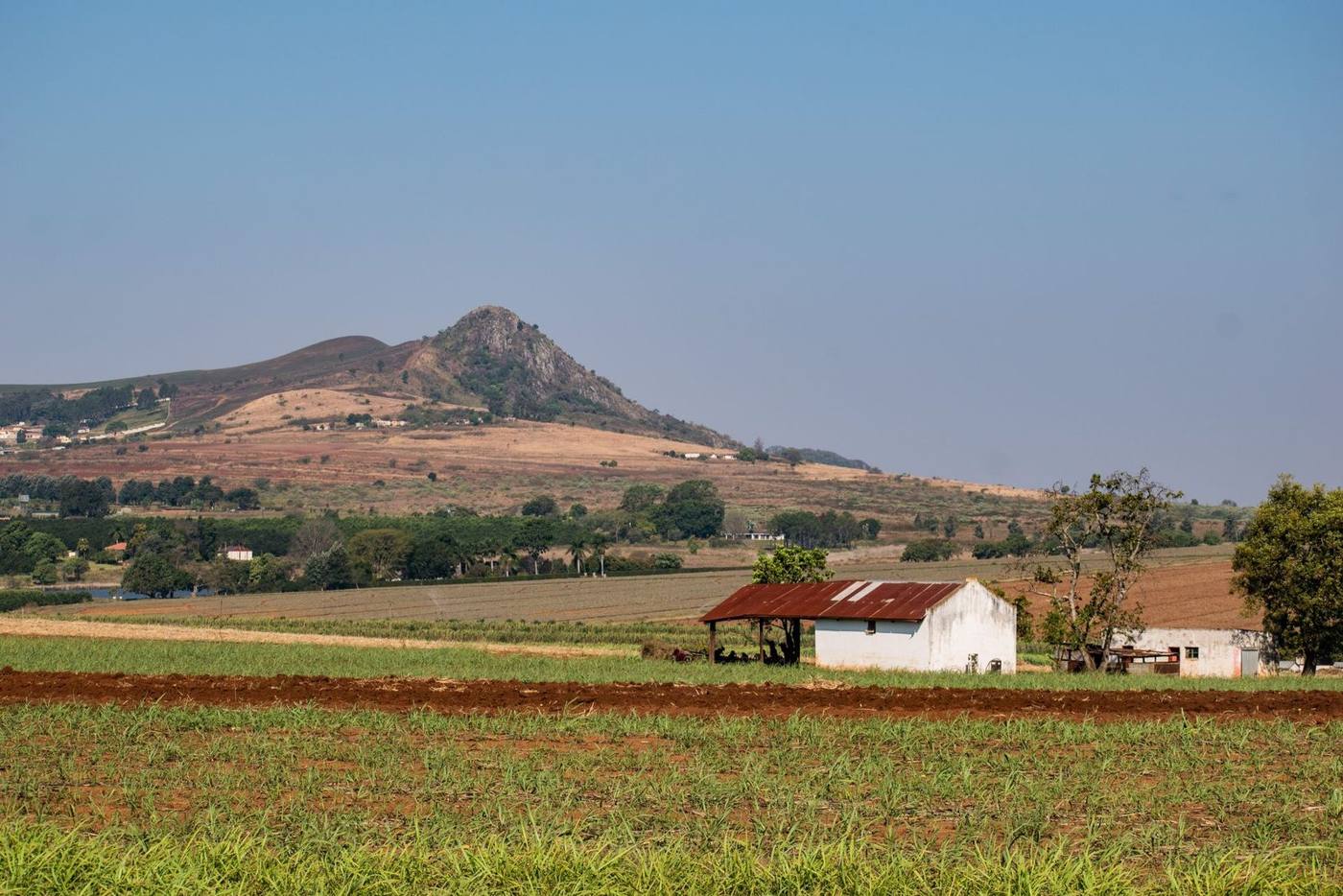
The climb up Sibebe, one of the world's largest granite monoliths just outside the capital, with community guides and views over the hills.
 4 daysEasy
Hlane and Mkhaya
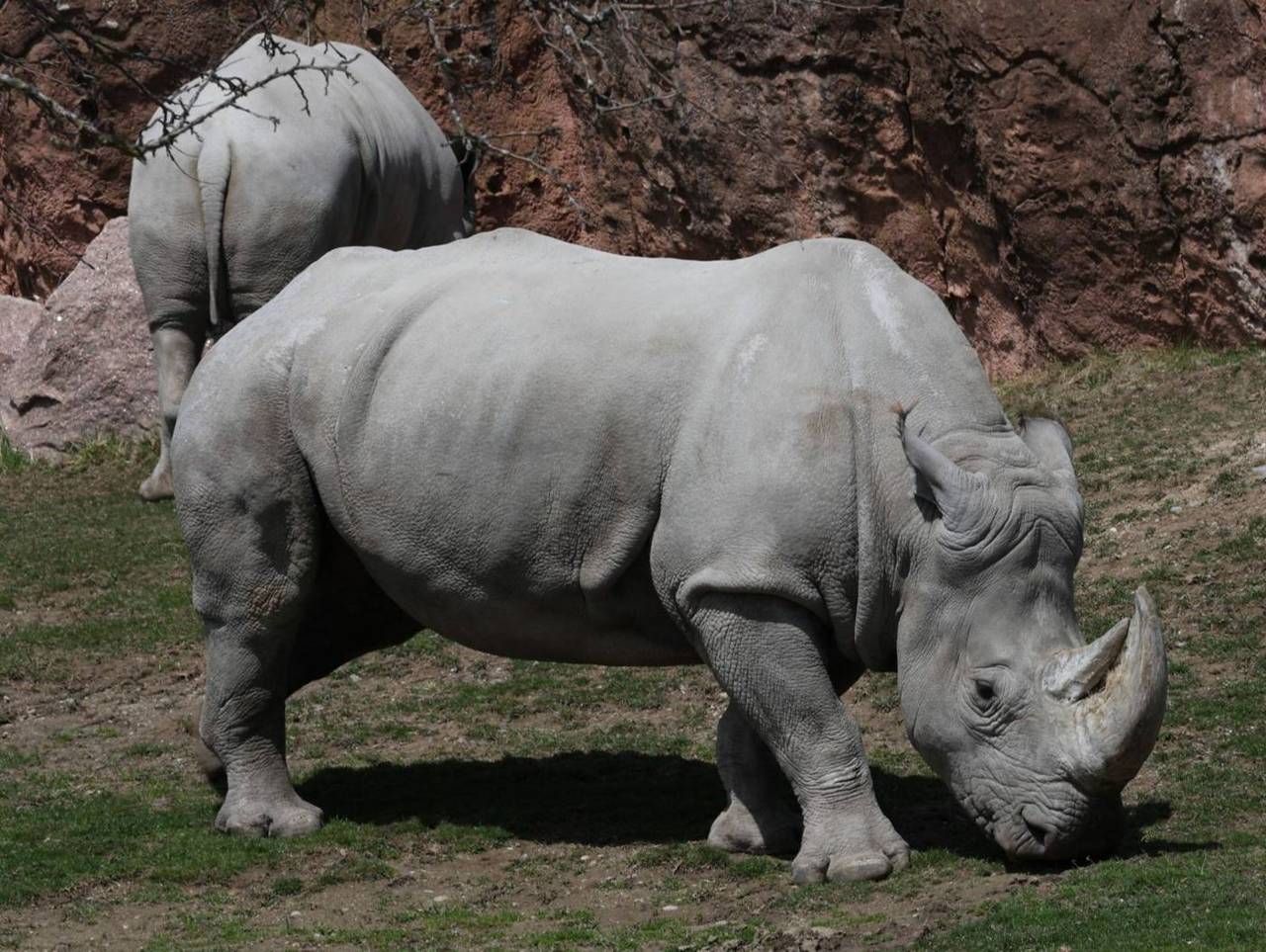
White and black rhinos tracked on foot in Mkhaya, lions and elephants in Hlane, the kingdom's royal reserve.