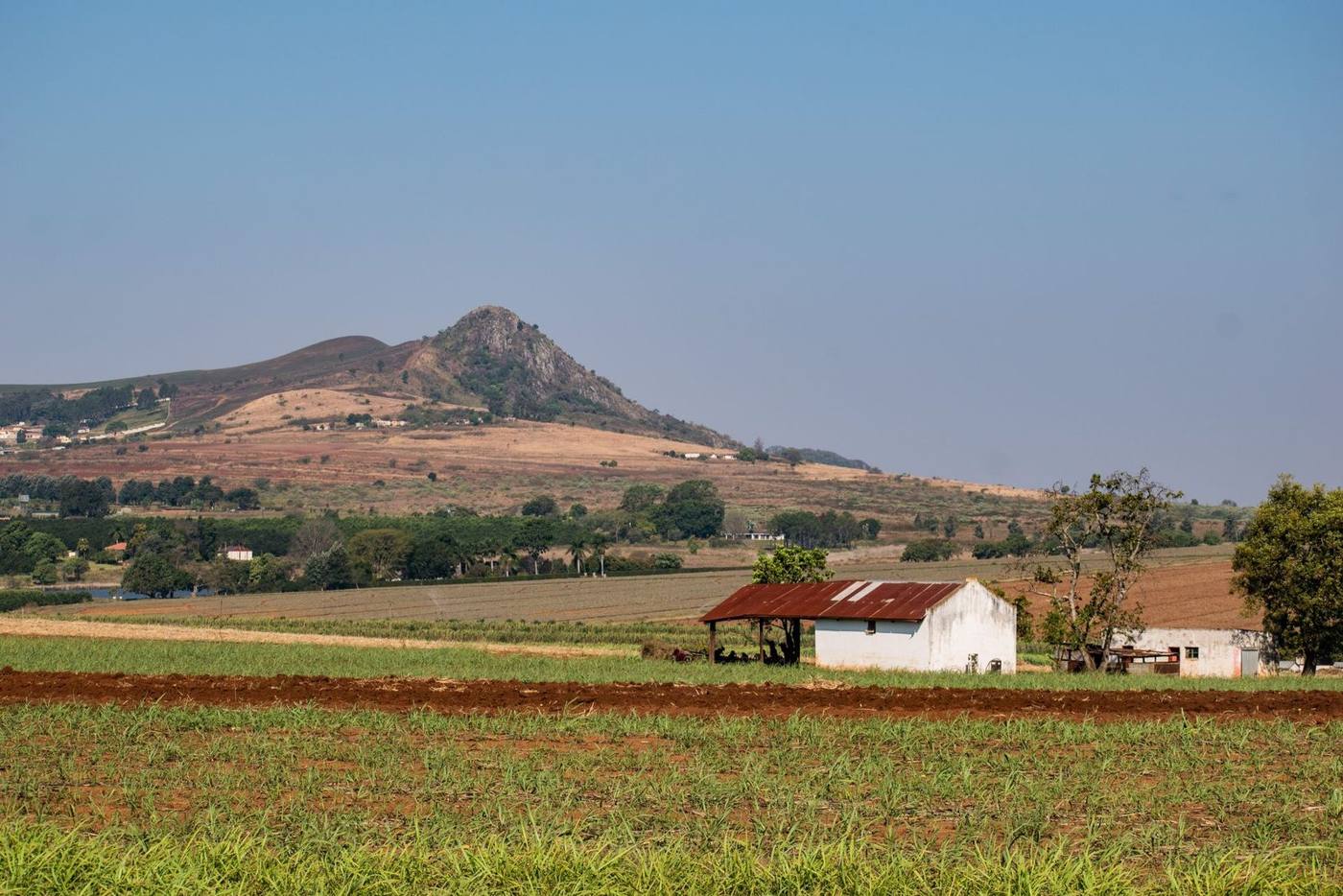
Sibebe and Mbabane
The climb up Sibebe, one of the world's largest granite monoliths just outside the capital, with community guides and views over the hills.
- Mbabane
- Sibebe
Day by day
- Day 1
The climb up Sibebe rock
This two-day trip takes you up Sibebe, a huge granite dome just outside Mbabane, the capital of Eswatini, considered one of the largest monoliths in the world. You climb on foot with a guide from the community that lives at the foot of the rock, and on the second day you explore the capital's market.
Before you go: Italian citizens enter Eswatini without a visa for stays of up to 30 days, with a passport valid for at least three months and with two blank pages; if you also travel through South Africa you need two more blank pages. Other nationalities should check their own rules. The country is generally calm, but there is petty crime on the outskirts of Mbabane and Manzini and there have been political protests: avoid demonstrations. The United States rates Eswatini at level 2, meaning increased caution. You drive on the left: do not drive at night, because there are animals on the road.
Set off early from Mbabane towards the north east, through Pine Valley, among pine and eucalyptus woods. At the community visitor centre, register, pay the fee and meet your guide. The path climbs steeply over rocks and grassland, with a few stretches where you also need your hands. At the top the view opens over the green hills, the valley and, on clear days, as far as the mountains on the border.
Come down in the early afternoon and rest in Mbabane.
Practical tip: wear hiking boots with a good grip and carry at least two litres of water; in the rain the rock becomes slippery and it is better to postpone the climb.
- Day 2
Mbabane market and departure
In the morning explore Mbabane, a small capital built on hills, very different from the big African cities. You can walk around the centre in a couple of hours.
Start at the main market, near the centre, where women sell fruit, vegetables, maize and spices and where you also find Swazi crafts: brightly coloured woven grass baskets, wooden carvings, fabrics with the symbols of the kingdom and small soapstone objects. Bargain politely and with a smile: it is part of the game here, but prices are already low. It is also the right place to try street food, such as grilled meat with maize porridge.
Then stroll through the streets of the centre, among low colonial buildings, churches and government offices. Mbabane is the administrative capital, while Lobamba, in the Ezulwini valley, is the royal and legislative capital.
In two days you have seen two sides of Eswatini: the grand nature of Sibebe rock, climbed with the people who live at its foot, and the everyday life of the capital's market. It is a short trip, easy to combine with a safari in Kruger or with the Ezulwini valley.
When to go: from April to October, in the dry season, with clear days and cool nights. In summer, from November to March, it often rains in the afternoon and the rock is more dangerous.
Practical tip: at the market keep your wallet in an inside pocket and carry small notes, in emalangeni or rand.
A short but steep walk with a surprising view. Slippery rock in the rain. Local guides know the best routes.
Before you go
- Documents and visa
- Passport valid for at least three months with two blank pages; if you also travel through South Africa you need two more blank pages. British and Italian citizens enter without a visa for stays of up to 30 days.
- Health and vaccines
- Malaria is present only in a few low-lying areas in the east; yellow fever is required only for travellers arriving from a country at risk. Public healthcare is getting worse: you need insurance with repatriation. Ambulance: 977 or 933.
- Money and payments
- Lilangeni, at par with the South African rand, which is accepted everywhere. Visa and Mastercard cards are widely used.
- Power sockets
- Type M, the large South African plug with three round pins, 230 volts: you need an adapter.
- Time zone
- UTC+2 all year.
- Safety
- A generally safe country with no areas advised against. There is petty crime in the outskirts of Mbabane and Manzini; there have been political protests in recent years: avoid demonstrations and crowds. On the roads watch out for animals on the carriageway and do not drive at night. Official advice: GOV.UK.
Information checked in November 2026 for Italian and EU citizens. Rules change: always check before you travel.
Variations
In 1 day: just the climb up Sibebe in the morning, returning to Mbabane in the afternoon.
In 4 days: add the Ezulwini valley, with the Mantenga cultural village and the Mlilwane sanctuary.
Frequently asked questions
Do you need a guide to climb Sibebe?
Yes, it is recommended: the community guides know the safest routes and the entrance fee supports the village. Check prices and times at the visitor centre.
How hard is the climb?
It is short but steep, with a few stretches on rock where you need your hands. You need a basic level of fitness; in the rain it is better to give it up.
Can you do it as a day trip from Mbabane?
Yes, Sibebe is a few kilometres from the capital and the climb and descent usually take half a day.
Indicative itinerary written by World Atlas. Before booking, check timetables, seasonal openings, documents and safety.
 4 daysEasy
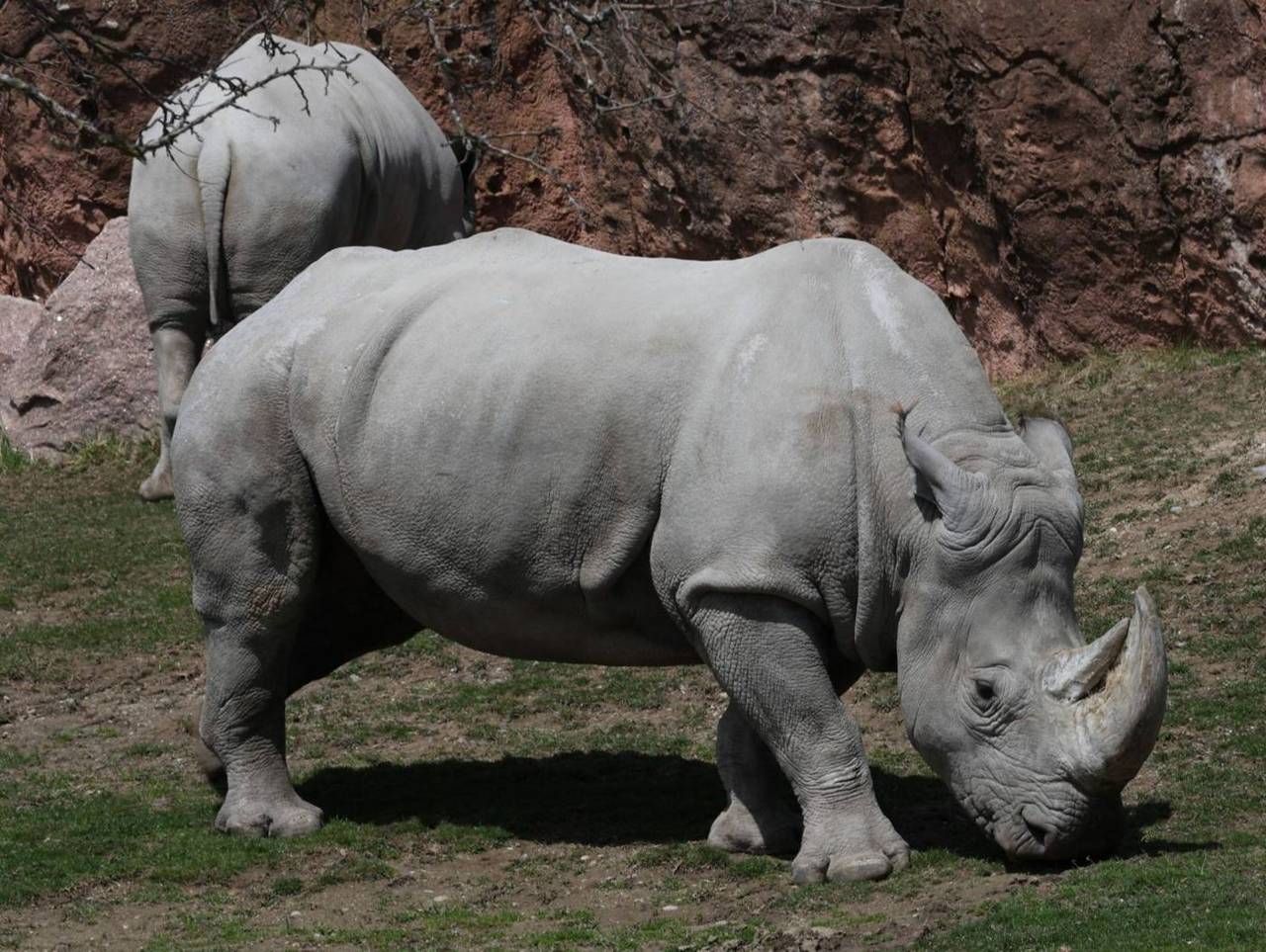
Hlane and Mkhaya
White and black rhinos tracked on foot in Mkhaya, lions and elephants in Hlane, the kingdom's royal reserve.
 4 daysEasy
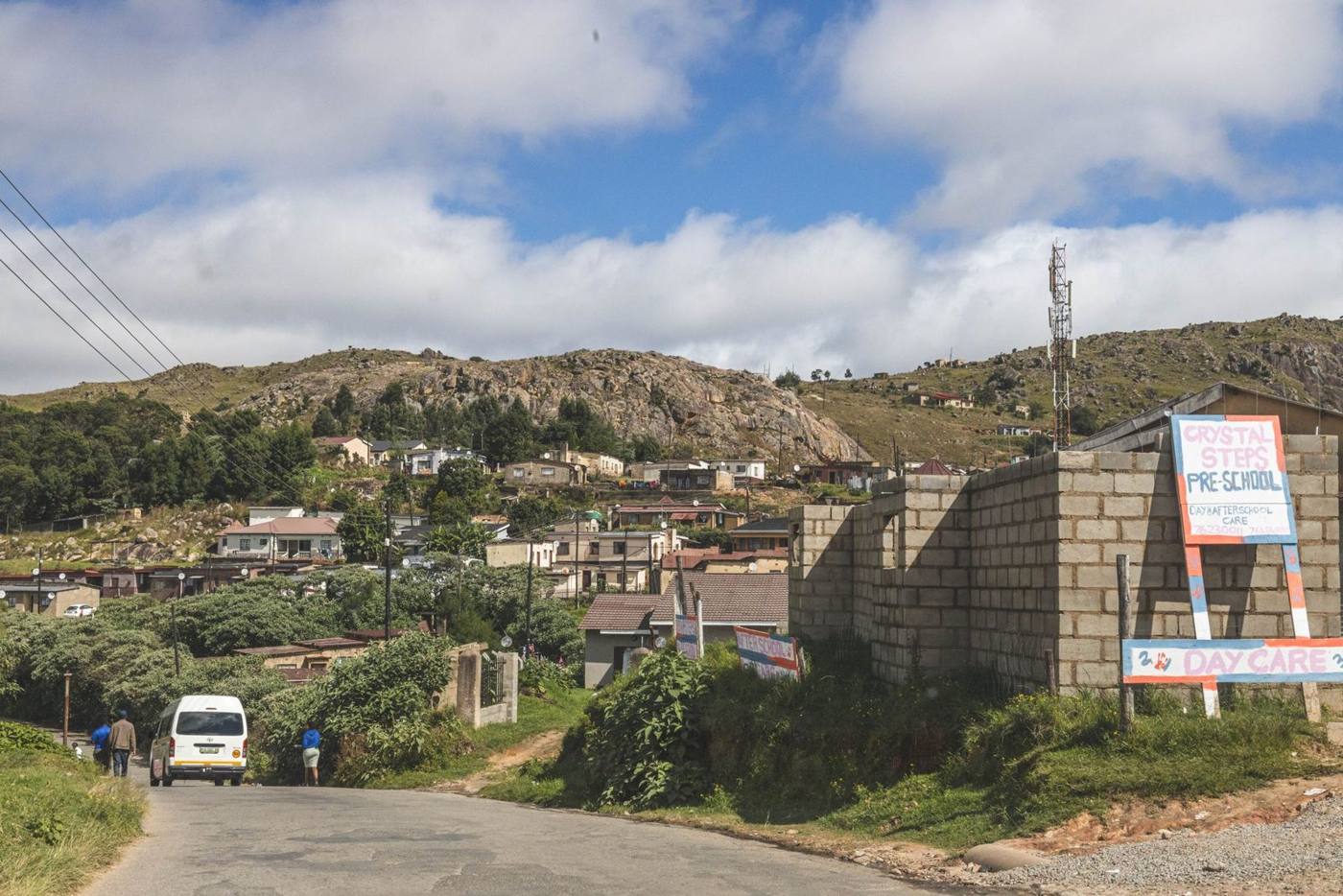
The Ezulwini valley
Mantenga cultural village, its waterfall, Mlilwane reserve by bike and horse, the crafts of Malkerns and Sibebe Rock.
 3 daysModerate
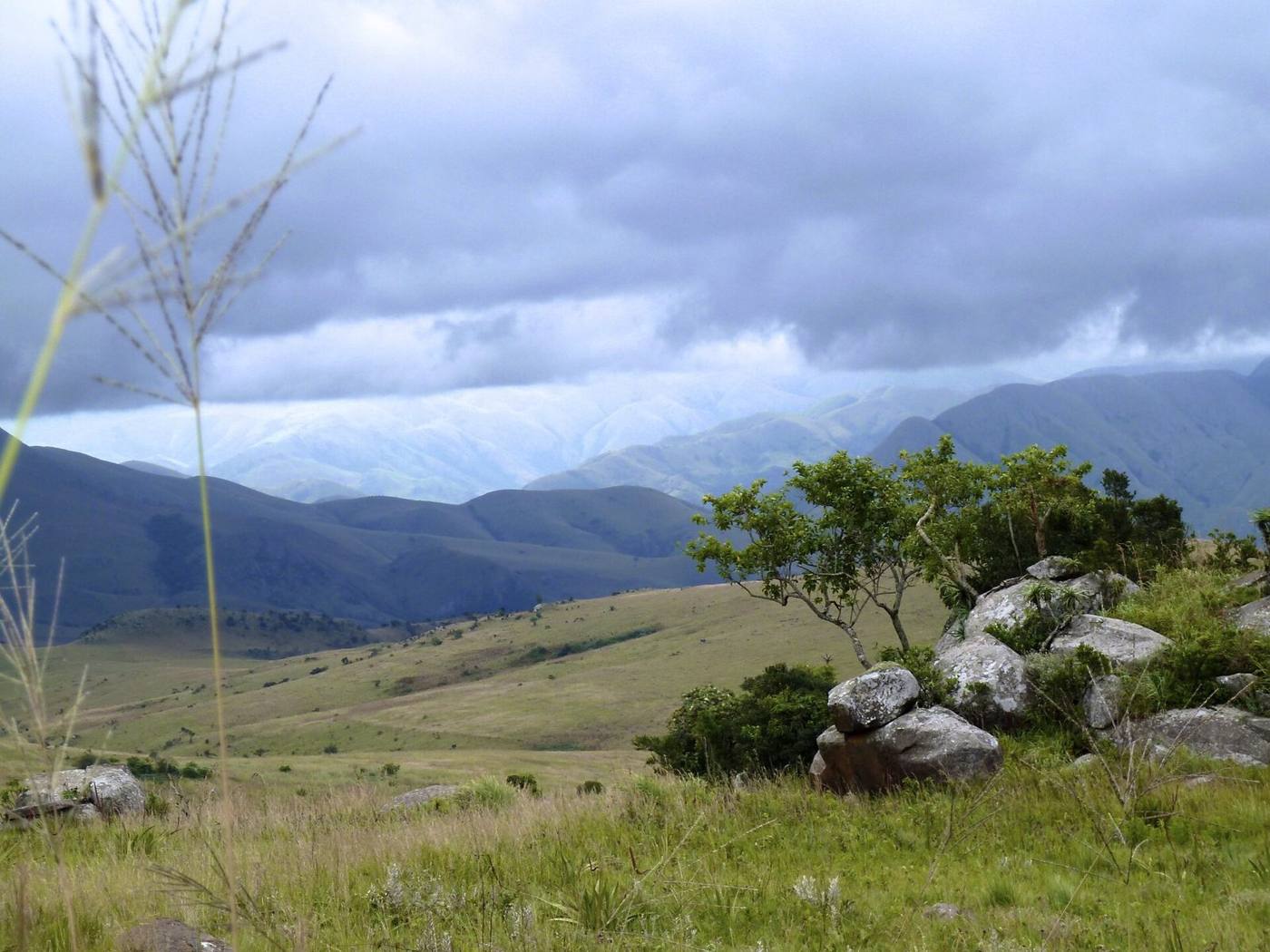
Malolotja
The country's wildest mountain reserve, with its highest waterfall, the world's oldest mine at Ngwenya and the canopy tour above the gorges.