Hlane and Mkhaya
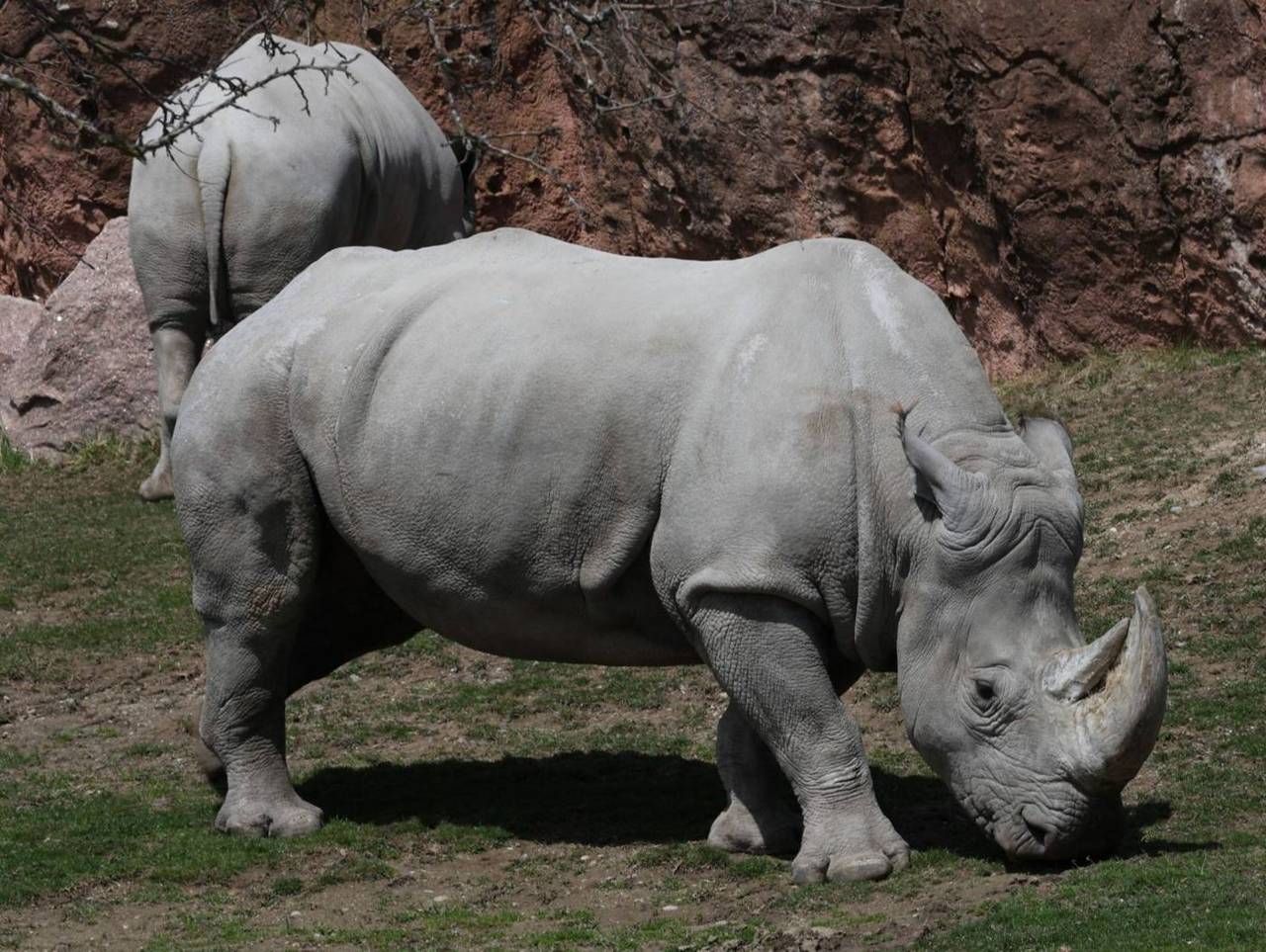
White and black rhinos tracked on foot in Mkhaya, lions and elephants in Hlane, the kingdom's royal reserve.
- Mbabane
- Mkhaya
- Hlane
- Mlawula
Day by day
- Day 1
From Mbabane to Mkhaya
This four-day trip takes you to the eastern lowveld of Eswatini, the land of the savannah, for two of the finest reserves in southern Africa: Mkhaya, where you track white and black rhinos on foot, and Hlane, the royal reserve, with lions and elephants. On the last day you pass through the Lubombo mountains, at Mlawula.
Before you go: Italian citizens enter Eswatini without a visa for stays of up to 30 days, with a passport valid for at least three months and with two blank pages; if you also travel through South Africa you need two more blank pages. Other nationalities should check their own rules. The country is generally calm, but there is petty crime on the outskirts of Mbabane and Manzini and there have been political protests: avoid demonstrations. The United States rates Eswatini at level 2, meaning increased caution. You drive on the left: do not drive at night, because there are animals on the road. In the eastern lowveld there is a risk of malaria in some areas: ask your doctor before you leave.
Leave Mbabane in the morning and head down east, through Manzini, the largest town in the country. The green hills give way to sugar cane plantations and then to savannah. Mkhaya cannot be visited on your own: you book in advance and meet at a meeting point near Phuzumoya, at a set time, from where a ranger drives you into the reserve in an open vehicle. Already on the way you see antelopes and buffalo.
In the evening sleep in the reserve, in an unfenced camp, with the sounds of the savannah all around.
Practical tip: leave plenty of time, because anyone who arrives late at the meeting point risks missing the transfer.
- Day 2
Mkhaya: rhinos on foot and by four-wheel drive
Mkhaya was created as a refuge for endangered species and is one of the best places in southern Africa to see black rhinos, rarer and shyer than white ones.
At dawn set off on foot with an armed ranger. You walk in single file, in silence, following fresh tracks in the sand and the wind, until you see white rhinos a few metres away, grazing or resting in the shade. The ranger tells you where to stop and how to move: follow every instruction without argument. The black rhino, on the other hand, is almost always watched from the vehicle, because it is more nervous and may charge.
At midday rest at the camp, while it is hot outside and the animals look for shade.
In the afternoon go out by four-wheel drive for a safari among the acacias and woods of the reserve. As well as rhinos you may see elephants, buffalo, zebras, roan antelopes and nyala, warthogs and crocodiles along the river. At sunset the ranger stops to watch the changing light over the savannah.
Rhino poaching is still a threat all over Africa. That is why the guards are armed and the reserve asks visitors not to reveal the location of the animals.
Practical tip: turn off geolocation on your photos before posting them; for the walk wear neutral colours, such as green, khaki or brown, and closed shoes.
- Day 3
Hlane: safari and waterholes
Leave Mkhaya after breakfast and drive north to Hlane Royal National Park, the largest protected area in the country. It was once the hunting ground of the Swazi kings; today it is protected by the will of the monarchy and its name means wilderness.
Settle in the main camp, which overlooks a waterhole. It is the finest sight in the park: from the terrace you watch white rhinos, elephants, impalas, zebras and wildebeest come to drink, while the hippos stay in the water and birds perch on the dead branches around.
In the afternoon take a guided four-wheel-drive safari in the lion area, which can only be visited with the park guides, because it is separated from the rest of the reserve. With some luck you see a pride resting in the shade or moving towards the waterholes in the evening. Hlane is also the kingdom of vultures: there are many nests on the big savannah trees.
If you prefer to walk, you can go out on foot with a guide among the acacias, to learn about animal tracks, trees and plants used in traditional medicine.
In the evening go back to the waterhole: in the dark, with a red torch, you hear elephants drinking and the calls of nocturnal animals.
Practical tip: check the times of guided safaris in advance and book the day before; in the hot months bring a hat, because there is no shade in the savannah.
- Day 4
Mlawula and the return or Kruger
In the morning drive east up into the Lubombo mountains, the range that marks the border with Mozambique, for a short visit to Mlawula Nature Reserve. The landscape changes completely: rocky gorges, dry forests, the Mbuluzi river and a great variety of birds. Take a short walk on one of the marked trails, with views over the lowveld savannah. Register at the entrance and check prices and times.
Then choose your route. If you are returning to Mbabane, drive back through Manzini in the early afternoon. If you are going on to Kruger, drive north to the Mananga border post and then enter South Africa towards the southern part of the park.
In four days you have enjoyed one of the closest safaris in southern Africa: the rhinos tracked on foot at Mkhaya, the lions and elephants of Hlane, the waterhole seen from the camp and the gorges of the Lubombo mountains. It is an easy and compact trip, which combines well with Kruger and involves short distances.
When to go: from May to September, in the dry season, the grass is short, the animals gather near water and temperatures are pleasant. From November to March it is very hot and often rainy, but the savannah is green and the young are born.
Practical tip: fill up with fuel before leaving the main roads, because there are few petrol stations in the lowveld, and check the opening hours of the border posts in advance.
A small kingdom with some of southern Africa's best rhino encounters. Excellent to combine with Kruger. Mkhaya is by booking only, with a transfer from the car park.
Before you go
- Documents and visa
- Passport valid for at least three months with two blank pages; if you also travel through South Africa you need two more blank pages. British and Italian citizens enter without a visa for stays of up to 30 days.
- Health and vaccines
- Malaria is present only in a few low-lying areas in the east; yellow fever is required only for travellers arriving from a country at risk. Public healthcare is getting worse: you need insurance with repatriation. Ambulance: 977 or 933.
- Money and payments
- Lilangeni, at par with the South African rand, which is accepted everywhere. Visa and Mastercard cards are widely used.
- Power sockets
- Type M, the large South African plug with three round pins, 230 volts: you need an adapter.
- Time zone
- UTC+2 all year.
- Safety
- A generally safe country with no areas advised against. There is petty crime in the outskirts of Mbabane and Manzini; there have been political protests in recent years: avoid demonstrations and crowds. On the roads watch out for animals on the carriageway and do not drive at night. Official advice: GOV.UK.
Information checked in November 2026 for Italian and EU citizens. Rules change: always check before you travel.
Variations
In 3 days: just Mkhaya and Hlane, without Mlawula, returning directly to Mbabane.
In 7 days: add the Ezulwini valley, with Mantenga and Mlilwane, before heading down to the lowveld.
Frequently asked questions
Can you visit Mkhaya on your own?
No, Mkhaya can only be visited by booking: you meet at a meeting point and a ranger takes visitors into the reserve in an open vehicle.
Is it safe to walk near rhinos?
Yes, if you follow to the letter the instructions of the armed ranger leading the group. Black rhinos are usually watched from the vehicle.
Do you need malaria prophylaxis?
In the eastern lowveld there is a risk of malaria in some areas. Ask your doctor before you leave and always use repellent at sunset.
Indicative itinerary written by World Atlas. Before booking, check timetables, seasonal openings, documents and safety.
 4 daysEasy
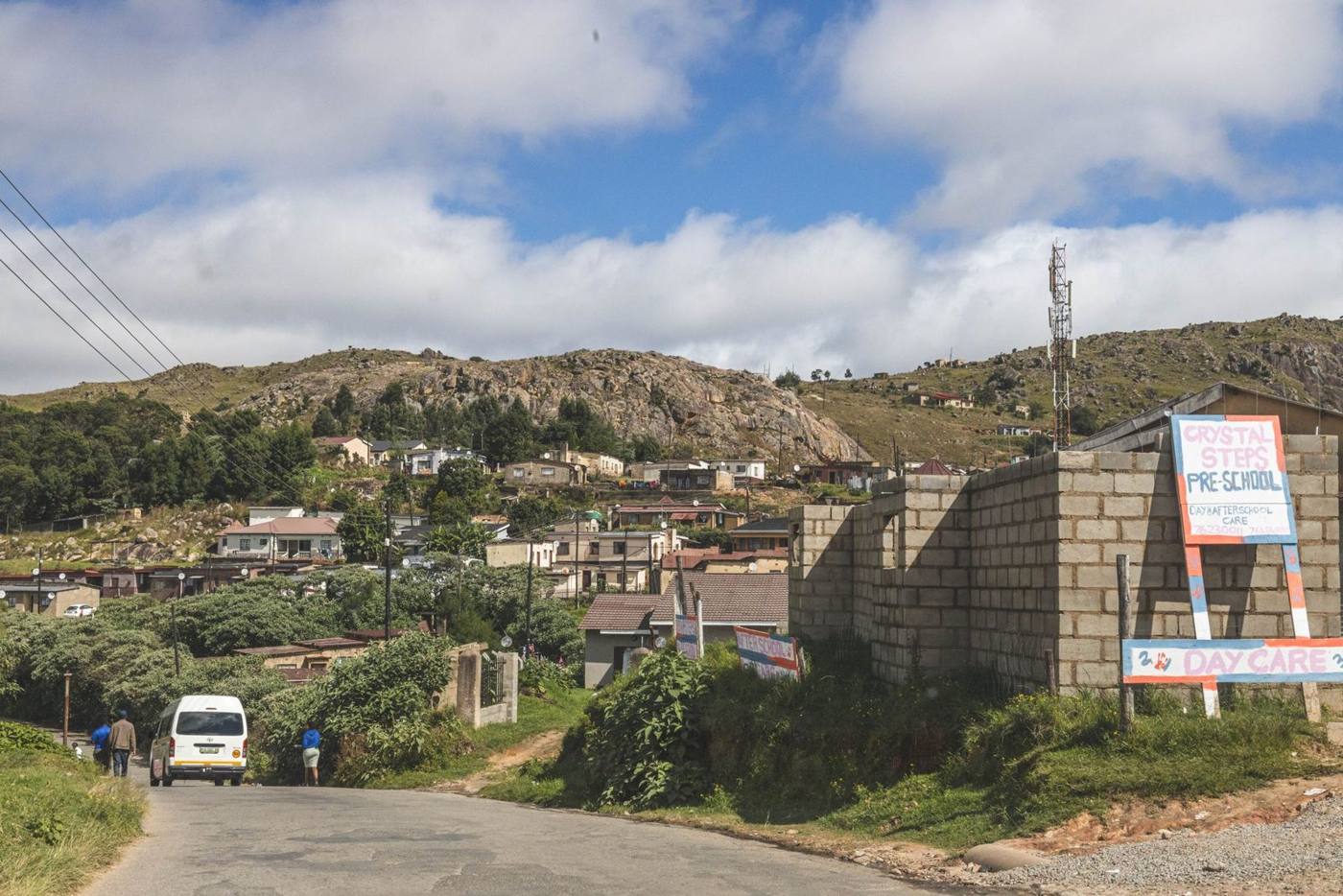
The Ezulwini valley
Mantenga cultural village, its waterfall, Mlilwane reserve by bike and horse, the crafts of Malkerns and Sibebe Rock.
 3 daysModerate
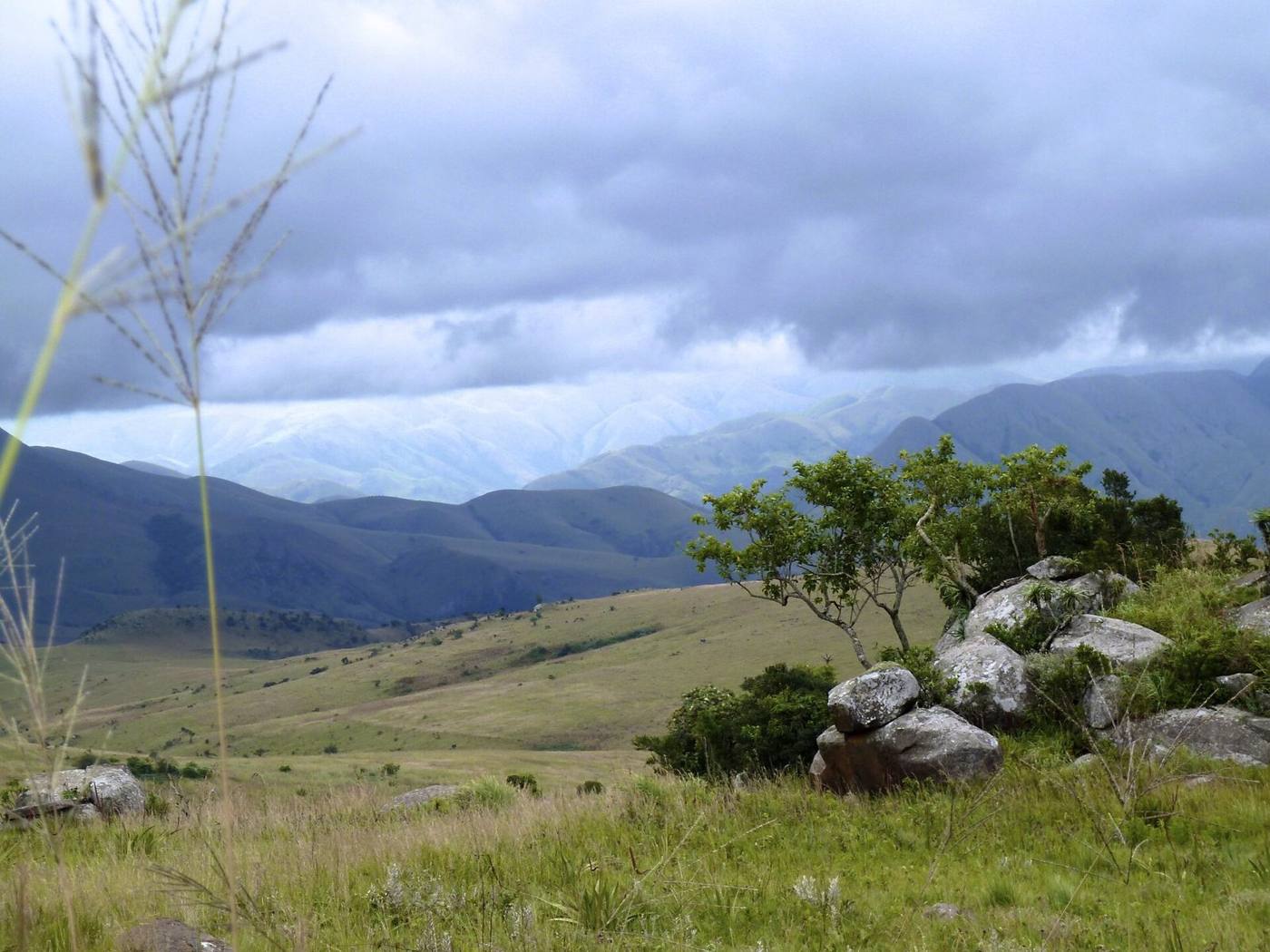
Malolotja
The country's wildest mountain reserve, with its highest waterfall, the world's oldest mine at Ngwenya and the canopy tour above the gorges.
 2 daysEasy
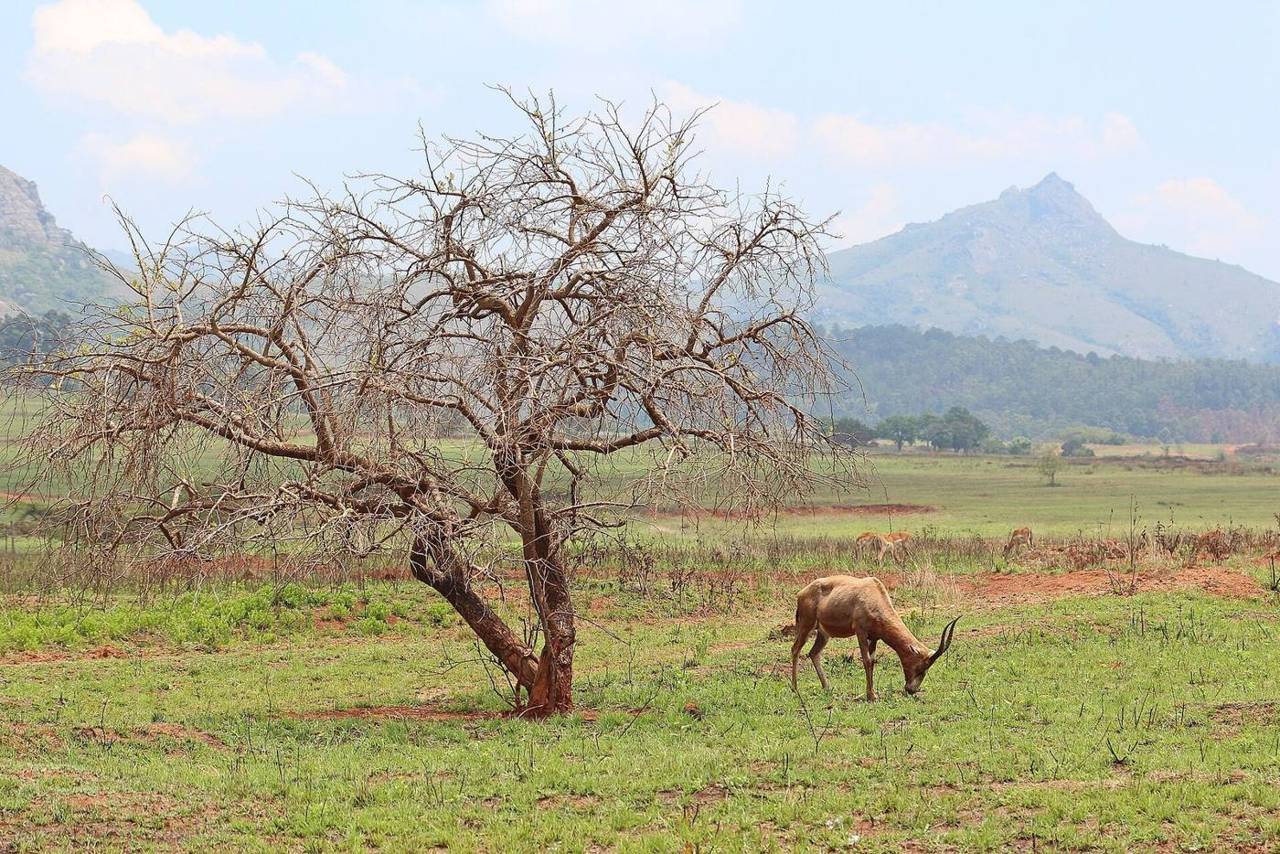
Mlilwane by bike
The reserve near Ezulwini where you walk, cycle or ride among zebras, antelope and warthogs, with no dangerous predators, and sleep in beehive huts.