Malolotja
The country's wildest mountain reserve, with its highest waterfall, the world's oldest mine at Ngwenya and the canopy tour above the gorges.
- Mbabane
- Ngwenya
- Malolotja
Day by day
- Day 1
Ngwenya mine and arrival at Malolotja
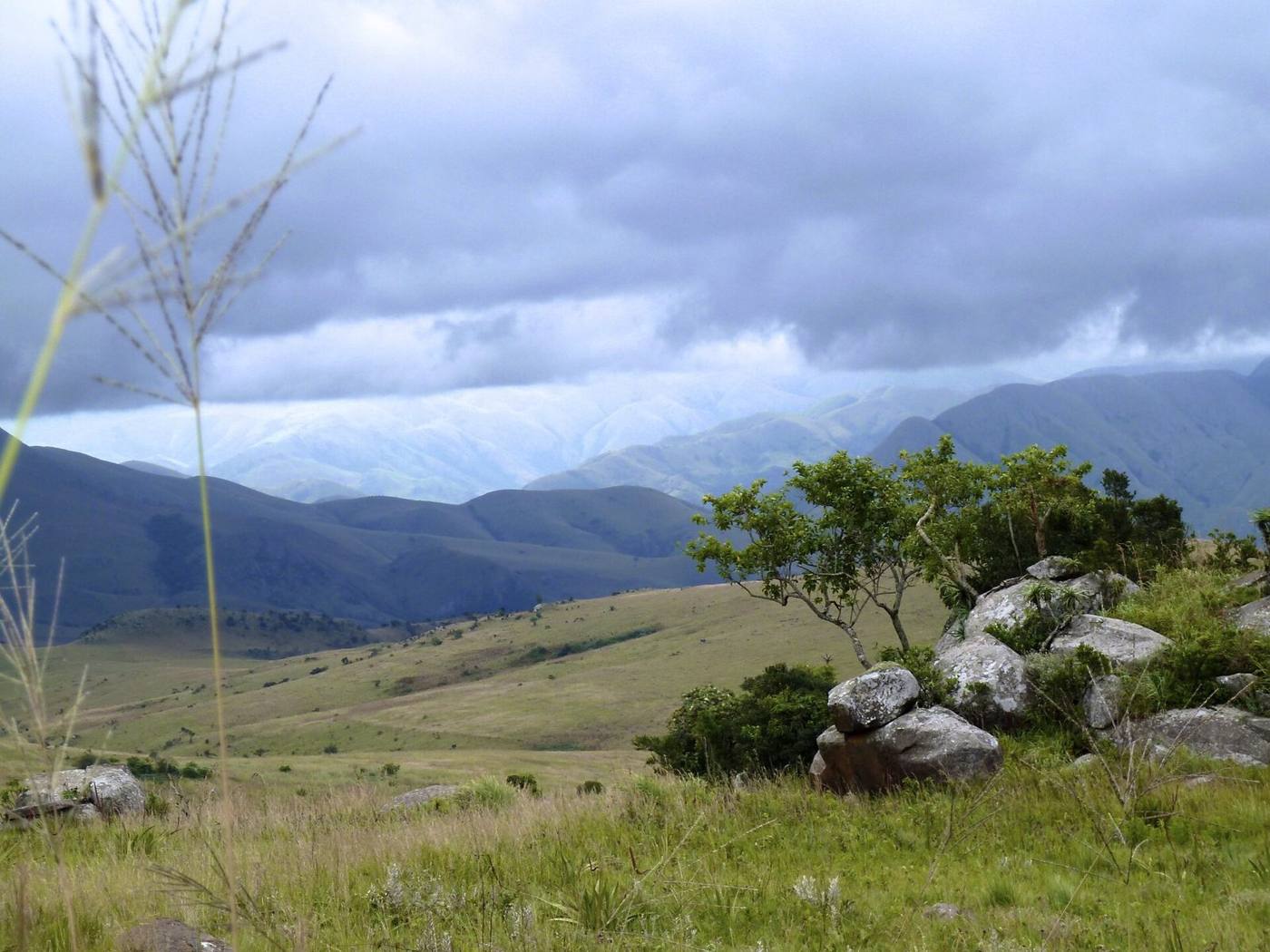
This three-day trip takes you to Malolotja, the wildest mountain reserve in Eswatini, in the north west of the country, a short distance from Mbabane and from the South African border post of Oshoek. It is a world of high grasslands, wooded gorges and waterfalls, where you walk among zebras and antelopes.
Before you go: Italian citizens enter Eswatini without a visa for stays of up to 30 days, with a passport valid for at least three months and with two blank pages; if you also travel through South Africa you need two more blank pages. Other nationalities should check their own rules. The country is generally calm, but there is petty crime on the outskirts of Mbabane and Manzini and there have been political protests: avoid demonstrations. The United States rates Eswatini at level 2, meaning increased caution. You drive on the left: do not drive at night, because there are animals on the road.
From Mbabane drive north west to Ngwenya. Here, inside the reserve, lies the Ngwenya mine, considered the oldest known mine in the world: more than 40,000 years ago people dug into the rock to extract haematite, a red mineral used as ochre to paint the body and for rituals. In the twentieth century the mountain was mined again for iron. A park guide takes you to the site and explains the diggings. Check prices and times.
In the afternoon enter the reserve, settle in the main camp and take a first walk across the grasslands at sunset.
Practical tip: even in summer the evenings up here are cool; bring a fleece and a waterproof jacket.
- Day 2
The canopy tour and the waterfall trail
Today is the busiest day of the trip.
In the morning do the canopy tour, a route suspended in the reserve's forest: wooden platforms built on trees and rock faces, bridges and steel cables on which you slide in a harness from one platform to the next, above a gorge full of ferns and birds. The guides explain the technique at the start and stay with you at every stage. You need no experience, but you should not suffer too much from vertigo. Book ahead and check prices and times.
In the afternoon take the trail that goes down towards the Malolotja waterfall, the highest in the country, which plunges into a deep valley between the rocks. The path is steep and the climb back is tiring: allow several hours and set off early. Along the way look at the grasslands, where zebras, black wildebeest, blesbok and eland graze, and search the sky for the southern bald ibis, a rare bird that nests on the rock faces. Between September and April the meadows are covered with wild flowers.
In the evening, at the camp, cook on the braai and enjoy a sky full of stars, far from the lights of the towns.
Practical tip: in summer fog often rises from the valleys in the afternoon; register at the park office before setting off on the trail, carry a map and turn back if visibility drops.
- Day 3
A last walk and the return
Get up at dawn for the best hour in the reserve. In the low light the grasslands turn golden and the animals come out to graze close to the paths. Take a short walk around the camp or climb to one of the nearby viewpoints, from which you see the ridges fading towards South Africa.
After breakfast leave Malolotja. If you are heading on to South Africa, the Oshoek border post is a few minutes' drive away; from there the main road leads towards Mpumalanga and Kruger National Park. If you are going back to Mbabane, stop at the small craft area of Ngwenya, where recycled glass and decorative objects are made.
In three days you have seen the wildest side of Eswatini: the oldest mine in the world, the forest crossed from above on the canopy tour, the long trail to the highest waterfall in the country and the grasslands with zebras and antelopes. It is a trip for people who love walking, in a small but very varied country.
When to go: from September to April the meadows are green and full of flowers and the days are warm, but the afternoons often bring fog and storms. From May to August the sky is clearer, but the nights are very cold, sometimes with frost.
Practical tip: at the Oshoek border traffic increases a lot at weekends and on public holidays; leave early and keep your passport and car documents ready.
For walkers in a small but varied country. Frequent mist in summer. Near the Oshoek border with South Africa, easy to combine with Kruger.
Before you go
- Documents and visa
- Passport valid for at least three months with two blank pages; if you also travel through South Africa you need two more blank pages. British and Italian citizens enter without a visa for stays of up to 30 days.
- Health and vaccines
- Malaria is present only in a few low-lying areas in the east; yellow fever is required only for travellers arriving from a country at risk. Public healthcare is getting worse: you need insurance with repatriation. Ambulance: 977 or 933.
- Money and payments
- Lilangeni, at par with the South African rand, which is accepted everywhere. Visa and Mastercard cards are widely used.
- Power sockets
- Type M, the large South African plug with three round pins, 230 volts: you need an adapter.
- Time zone
- UTC+2 all year.
- Safety
- A generally safe country with no areas advised against. There is petty crime in the outskirts of Mbabane and Manzini; there have been political protests in recent years: avoid demonstrations and crowds. On the roads watch out for animals on the carriageway and do not drive at night. Official advice: GOV.UK.
Information checked in November 2026 for Italian and EU citizens. Rules change: always check before you travel.
Variations
In 2 days: the Ngwenya mine and the canopy tour, without the long waterfall trail.
In 5 days: add the climb up Sibebe and the Ezulwini valley, with Mantenga and Mlilwane.
Frequently asked questions
Is the canopy tour suitable for everyone?
You need no experience and the guides follow every stage, but you must be comfortable with heights. There are age and weight limits: ask about them when you book.
Is the waterfall trail difficult?
Yes, it is steep and the climb back is tiring. Set off early, carry plenty of water and register at the park office.
Are there dangerous animals at Malolotja?
There are no lions, elephants or rhinos, which is why you can walk freely on the trails. Still keep your distance from zebras and antelopes.
Indicative itinerary written by World Atlas. Before booking, check timetables, seasonal openings, documents and safety.
 2 daysEasy
Mlilwane by bike
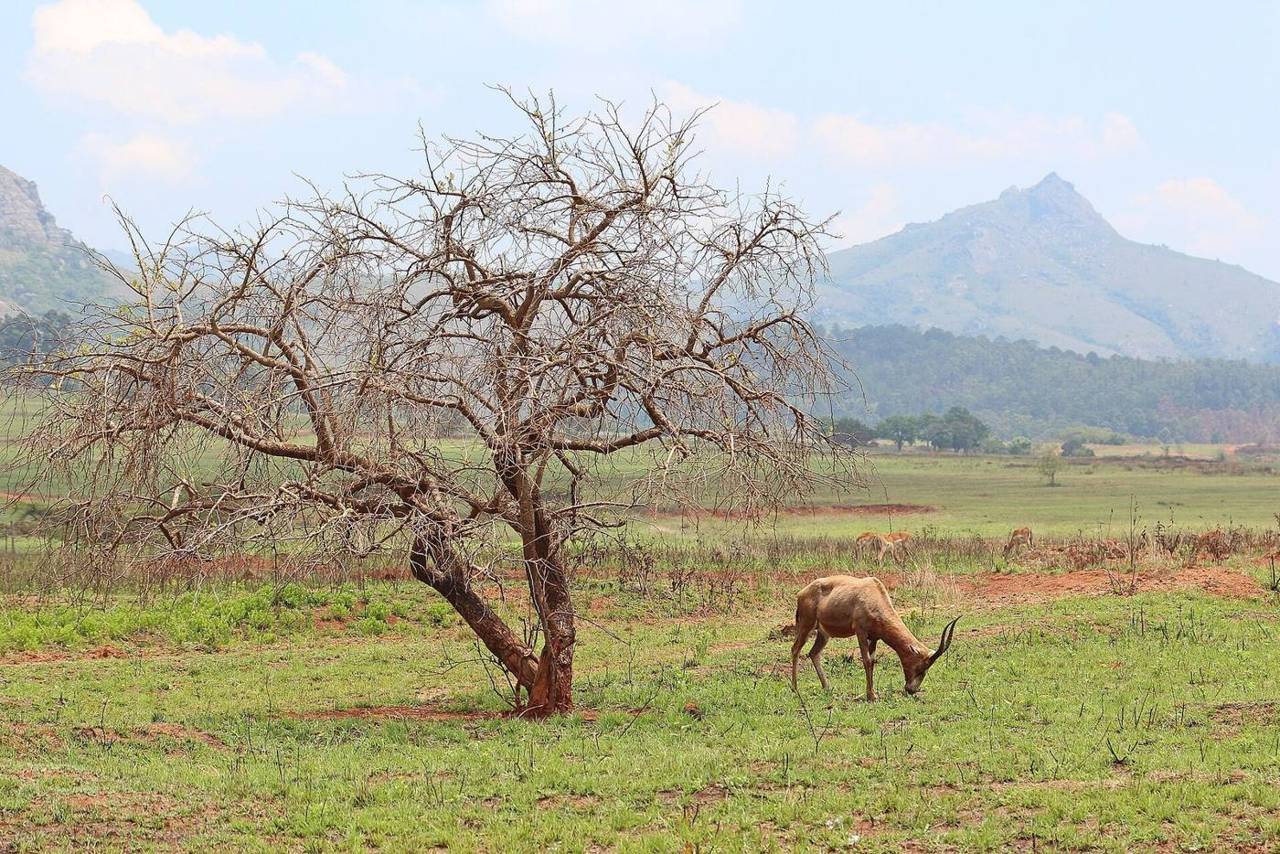
The reserve near Ezulwini where you walk, cycle or ride among zebras, antelope and warthogs, with no dangerous predators, and sleep in beehive huts.
 3 daysEasy
The Umhlanga reed dance
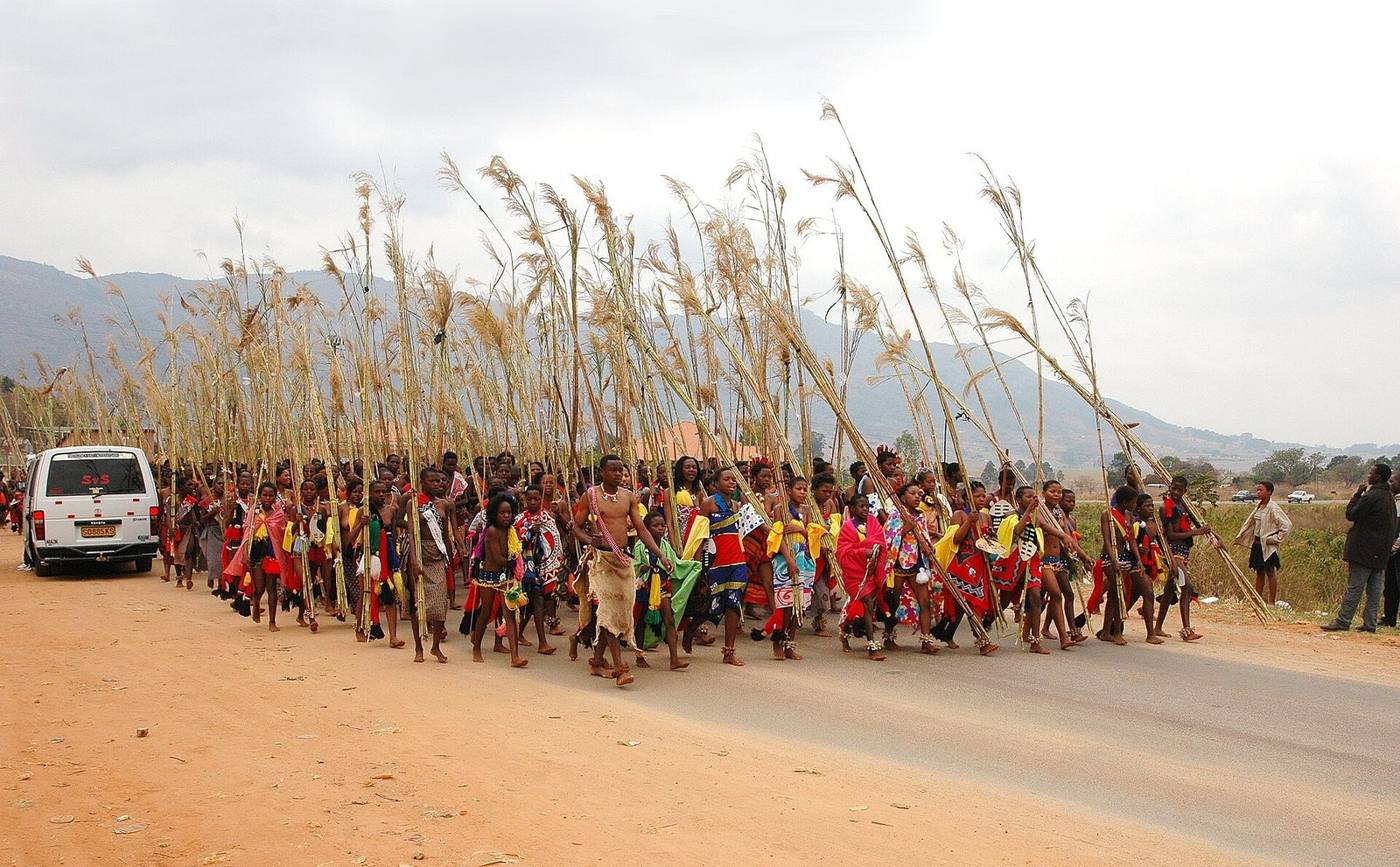
The great reed ceremony at Ludzidzini, where tens of thousands of young women bring reeds to the Queen Mother with songs and dances, one of Africa's largest traditional festivals.
 2 daysModerate
Sibebe and Mbabane
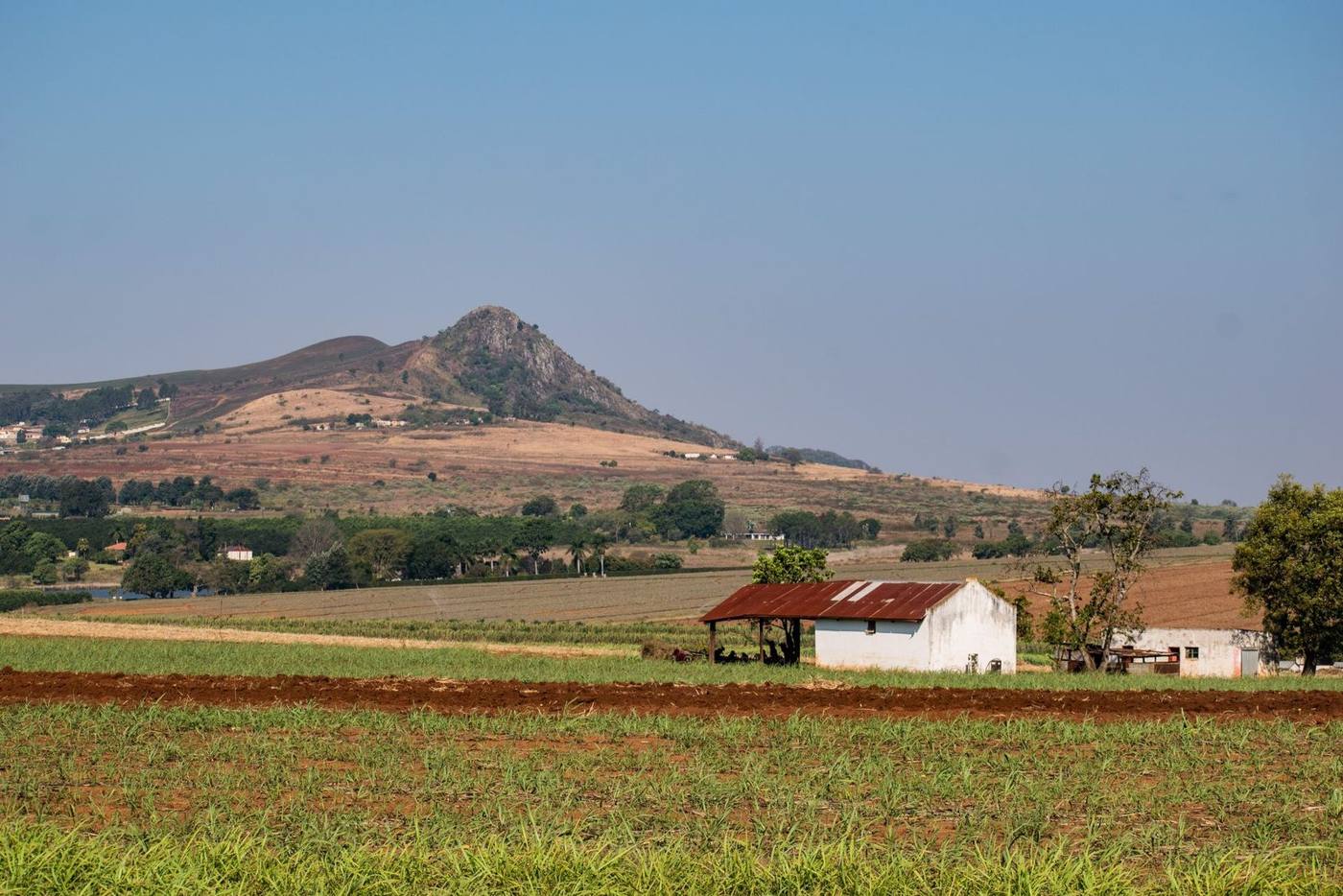
The climb up Sibebe, one of the world's largest granite monoliths just outside the capital, with community guides and views over the hills.