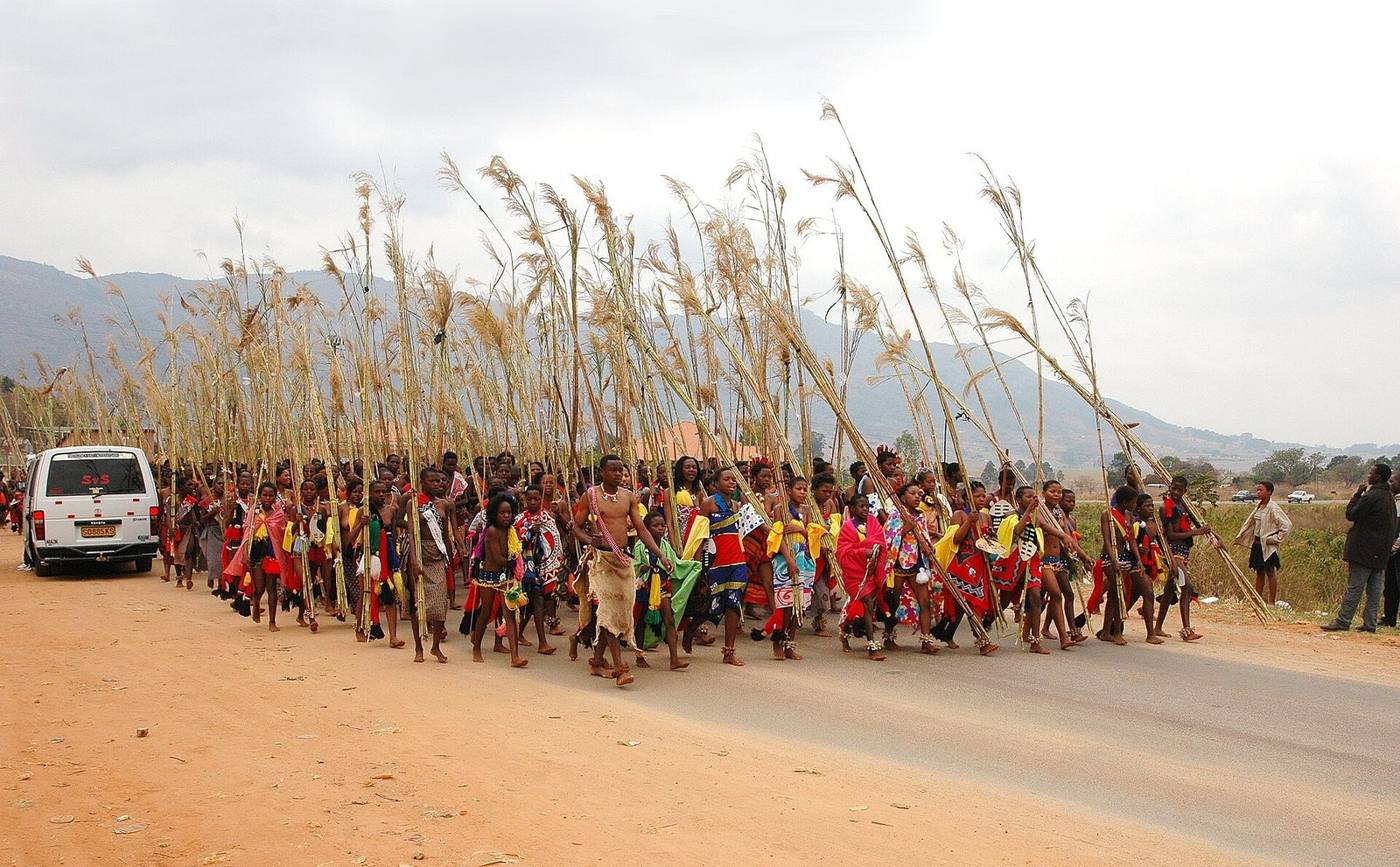
The Umhlanga reed dance
The great reed ceremony at Ludzidzini, where tens of thousands of young women bring reeds to the Queen Mother with songs and dances, one of Africa's largest traditional festivals.
- Ezulwini
- Ludzidzini
- Lobamba
Day by day
- Day 1
Lobamba and the national museum
This three-day trip takes you to Umhlanga, the reed dance, the great annual ceremony of the kingdom of Eswatini. Every year, between late August and early September, tens of thousands of girls come from all over the country to the royal residence of Ludzidzini, in Lobamba, to bring reeds to the queen mother, with songs and dances. The exact dates are announced only a few weeks in advance: check them on the official government and tourism channels of Eswatini before you book.
Before you go: Italian citizens enter Eswatini without a visa for stays of up to 30 days, with a passport valid for at least three months and with two blank pages; if you also travel through South Africa you need two more blank pages. Other nationalities should check their own rules. The country is generally calm, but there is petty crime on the outskirts of Mbabane and Manzini and there have been political protests: avoid demonstrations. The United States rates Eswatini at level 2, meaning increased caution. You drive on the left: do not drive at night, because there are animals on the road.
Settle in the Ezulwini valley, between Mbabane and Lobamba. In the afternoon visit the national museum in Lobamba, which tells the story of the kingdom, the clans, traditional dress and royal ceremonies; outside there is a small village of traditional huts. Next to it stand the parliament and the memorial park of King Sobhuza II, who led the country to independence in 1968.
Practical tip: during Umhlanga the accommodation in the valley fills up fast. Book as soon as the dates come out and choose a rate with cancellation.
- Day 2
The day of the dances at Ludzidzini
The ceremony lasts several days. The girls, divided into groups by region, go to cut reeds in the country's wetlands, sleep in tents and huts and return to Ludzidzini with bundles on their shoulders. The last days are those of the dances, open to the public.
Arrive early: the roads around Lobamba get blocked and the best seats in the stands are taken by the morning. You will see thousands of girls parading and singing, with beaded skirts, coloured ribbons and sashes across their chests, and laying the reeds in front of the queen mother's residence. The princesses stand out for the red feathers in their hair. On the main day the king also arrives, with the men of the regiments in traditional dress.
For the Swazi people it is a rite of identity and pride. The ceremony is also debated, even within the country, because of the role of the girls and its historical link with the choice of new wives for the king. Watch it with respect, as a guest.
For photos always follow the stewards' instructions: take pictures only from the public areas, do not walk up to the girls for close-ups, ask permission before photographing anyone away from the parade and do not photograph the king and the royal family up close. Do not use drones and do not photograph the police and the army, which is forbidden by law.
Practical tip: bring a hat, sun cream and water, and dress modestly, with shoulders and knees covered; you stay in the sun for many hours.
- Day 3
Mantenga and departure
In the morning, before leaving, visit the Mantenga cultural village, in the Ezulwini valley. It is a reconstruction of a nineteenth-century Swazi village, with beehive huts made of woven grass, the cattle enclosure and the family huts. A guide explains life in the past, the roles of men and women and the meaning of each hut. During the Umhlanga season the traditional dance shows draw even bigger crowds. Check prices and times.
After the visit walk to the Mantenga waterfall, in the nature reserve next to the village, among trees and rocks. It is a short walk, suitable for everyone.
In three days you have seen the cultural heart of Eswatini: the national museum and the places of the monarchy in Lobamba, the reed dance at Ludzidzini, with thousands of girls singing in front of the queen mother, and the traditional village of Mantenga. It is one of the few great royal rites still alive in Africa, to be experienced with respect and curiosity.
When to go: Umhlanga takes place once a year, between late August and early September, in the dry season, with clear days and cold nights. The dates change every year and are known only a few weeks before: keep your trip flexible.
Practical tip: on the days of the ceremony the roads between Ezulwini and Lobamba are very busy; leave plenty of time to reach the airport or the border.
A unique cultural event. Exact dates are announced only weeks before. Photograph only where allowed and respectfully; the ceremony is debated for the role of the girls.
Before you go
- Documents and visa
- Passport valid for at least three months with two blank pages; if you also travel through South Africa you need two more blank pages. British and Italian citizens enter without a visa for stays of up to 30 days.
- Health and vaccines
- Malaria is present only in a few low-lying areas in the east; yellow fever is required only for travellers arriving from a country at risk. Public healthcare is getting worse: you need insurance with repatriation. Ambulance: 977 or 933.
- Money and payments
- Lilangeni, at par with the South African rand, which is accepted everywhere. Visa and Mastercard cards are widely used.
- Power sockets
- Type M, the large South African plug with three round pins, 230 volts: you need an adapter.
- Time zone
- UTC+2 all year.
- Safety
- A generally safe country with no areas advised against. There is petty crime in the outskirts of Mbabane and Manzini; there have been political protests in recent years: avoid demonstrations and crowds. On the roads watch out for animals on the carriageway and do not drive at night. Official advice: GOV.UK.
Information checked in November 2026 for Italian and EU citizens. Rules change: always check before you travel.
Variations
In 2 days: arrive the day before the main day and leave straight after the dances.
In 6 days: add the Mlilwane sanctuary and the Hlane and Mkhaya reserves, with rhinos and elephants.
Frequently asked questions
When does Umhlanga take place?
Once a year, between late August and early September. The exact dates are announced by the government of Eswatini only a few weeks in advance.
Can you take photos during the ceremony?
Yes, from the public areas and following the stewards' instructions. Avoid close-ups of the girls, always ask permission, do not use drones and do not photograph the king up close, the police or the army.
Can tourists attend?
Yes, the days of the dances are open to the public. Arrive early, dress modestly and behave as a guest at an important ceremony.
Indicative itinerary written by World Atlas. Before booking, check timetables, seasonal openings, documents and safety.
 2 daysModerate
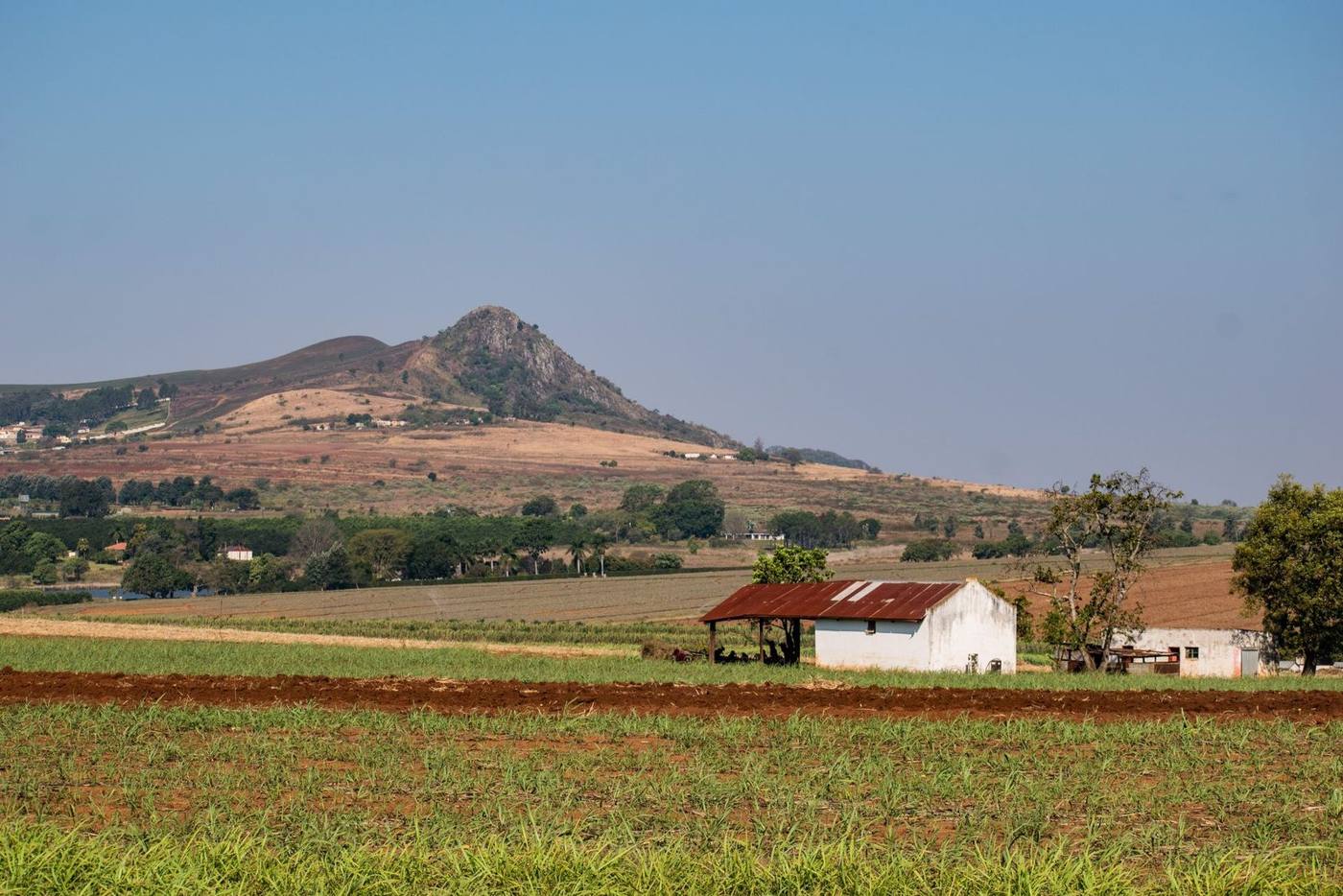
Sibebe and Mbabane
The climb up Sibebe, one of the world's largest granite monoliths just outside the capital, with community guides and views over the hills.
 4 daysEasy
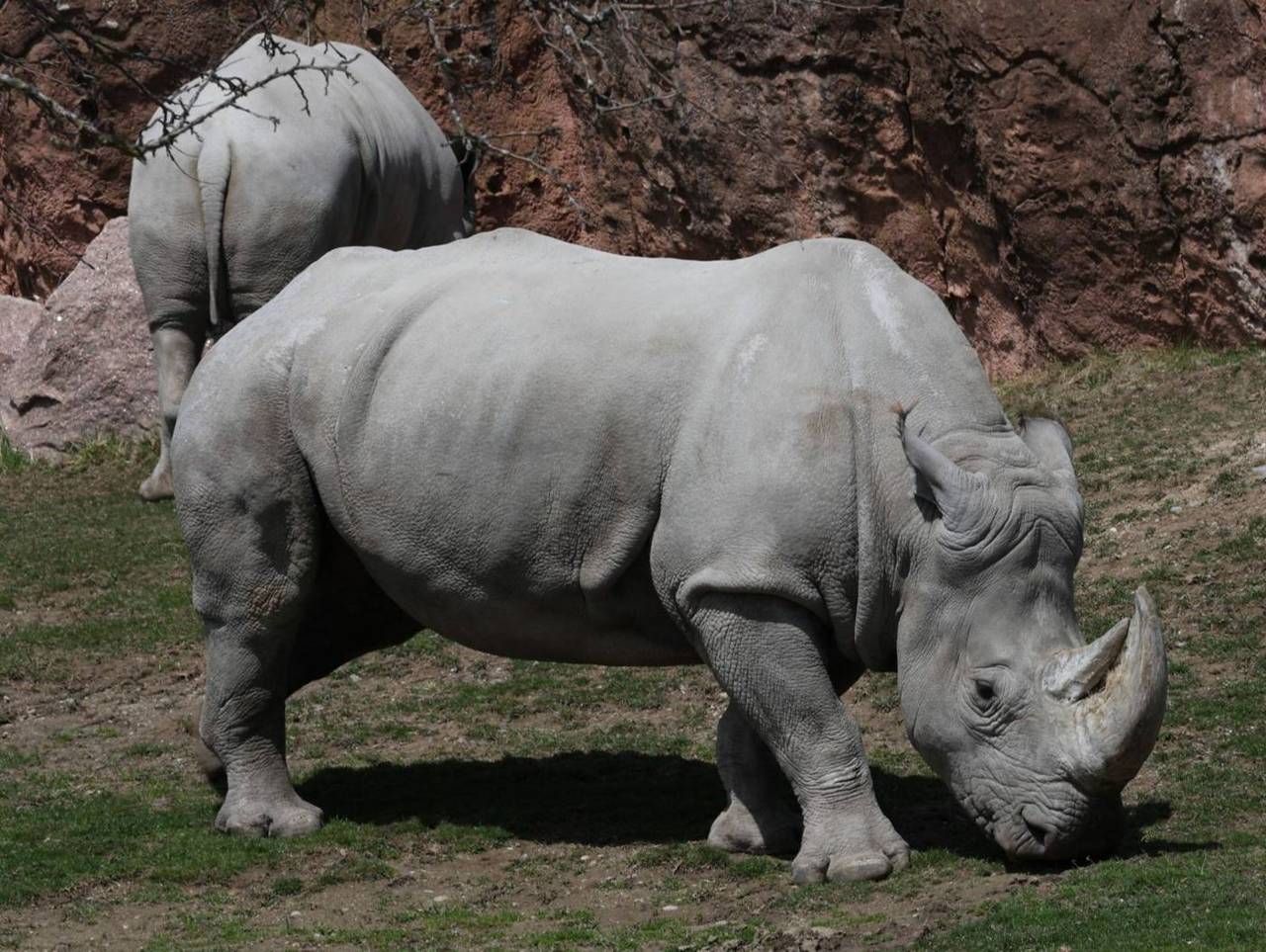
Hlane and Mkhaya
White and black rhinos tracked on foot in Mkhaya, lions and elephants in Hlane, the kingdom's royal reserve.
 4 daysEasy
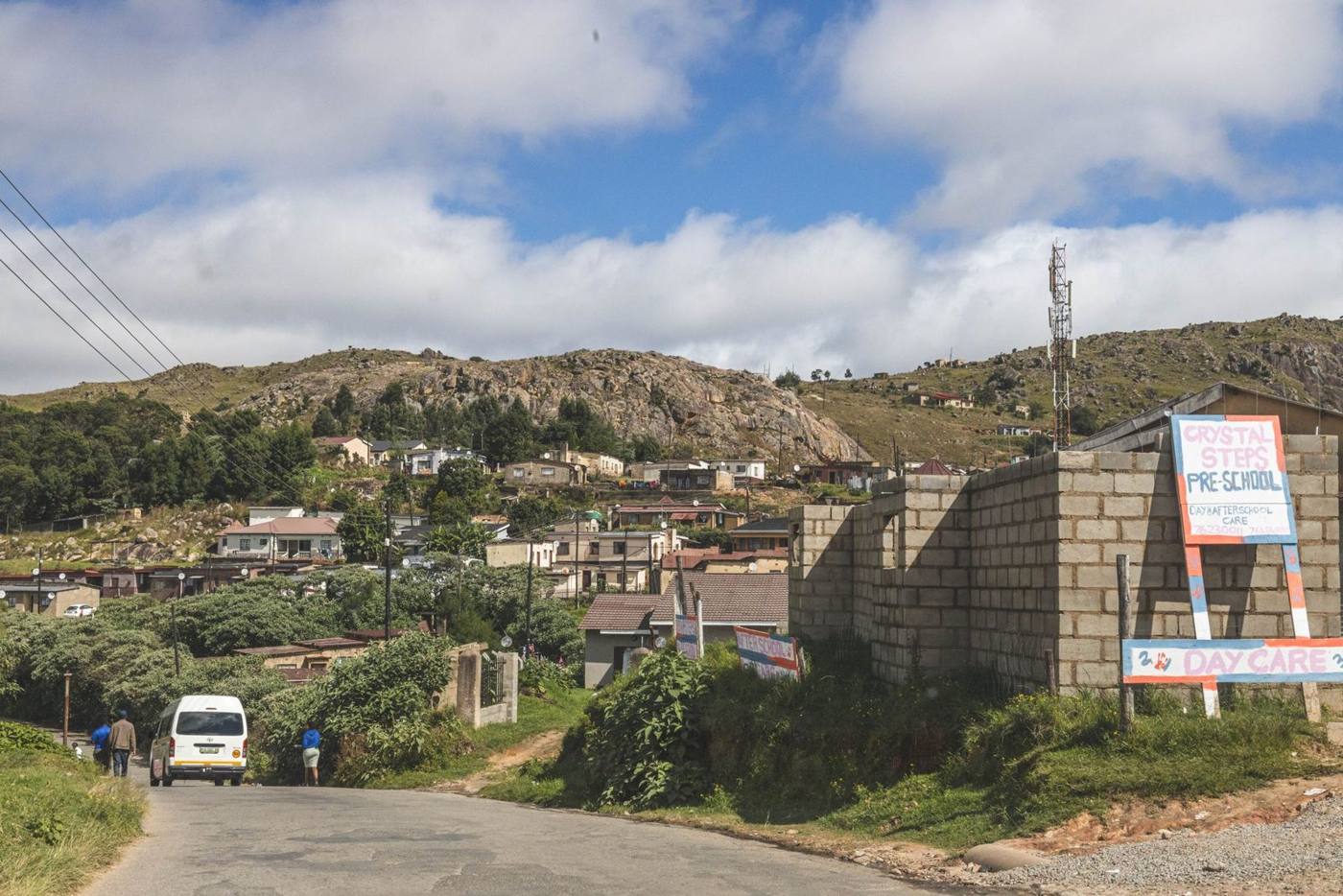
The Ezulwini valley
Mantenga cultural village, its waterfall, Mlilwane reserve by bike and horse, the crafts of Malkerns and Sibebe Rock.