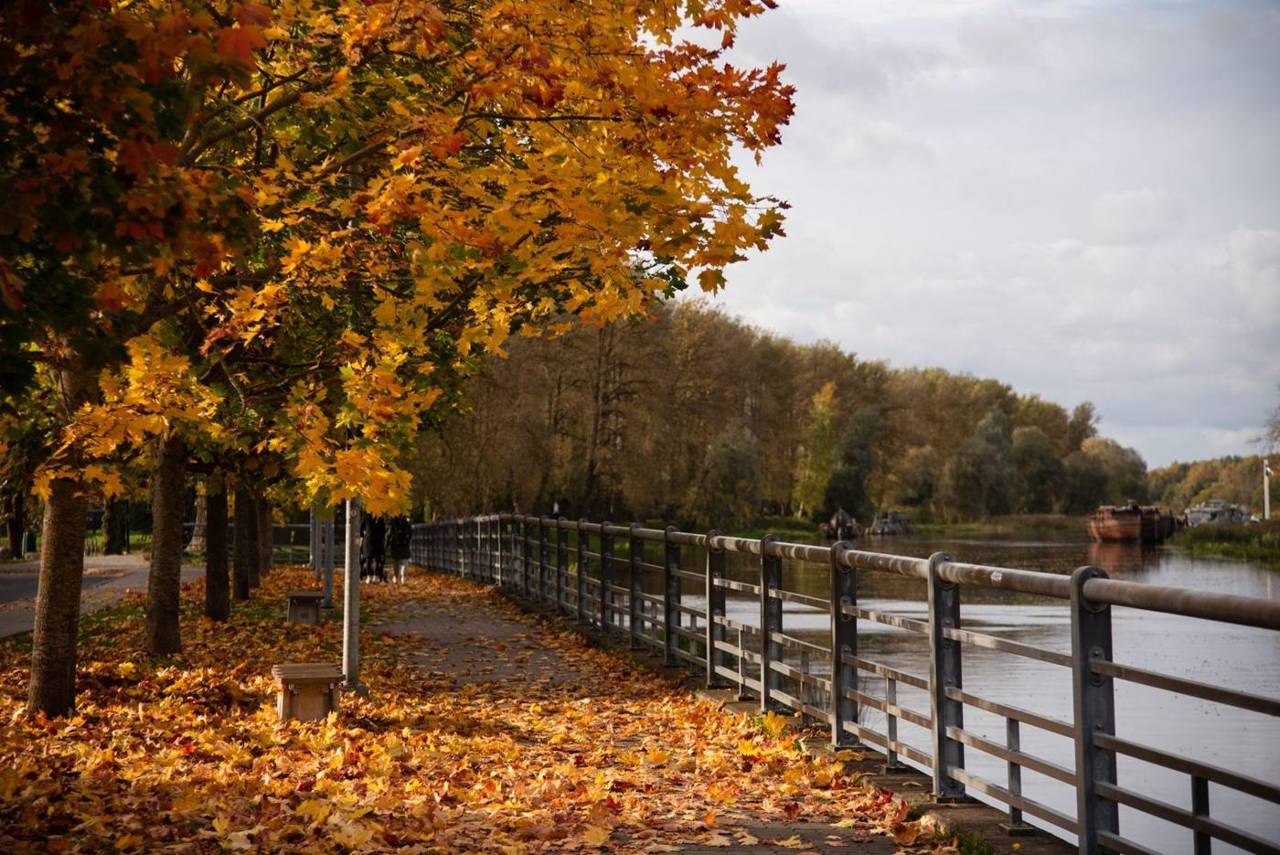
Tartu and southern Estonia
The university town of Tartu, the smoke-sauna country of Võro, the highest hill in the Baltics and the Soomaa wetlands.
- Tartu
- Võru
- Suur Munamägi
- Rõuge
- Viljandi
- Soomaa
Day by day
- Day 1
Tartu: the town hall, Cathedral Hill and the national museum
This trip takes you to southern Estonia, a land of hills, lakes, forests and smoke saunas. You start in Tartu, the university city, then head down to the Võru region, climb the highest hill in the Baltic states and finish among the bogs of Soomaa National Park. You travel by hire car.
Before you go: Italian citizens can enter Estonia with an electronic identity card or a passport, without a visa. Other nationalities should check their own rules. Estonia is a safe country. The Võru region is not far from the Russian border: from 1 December 2026 the road crossings with Russia are closed and the Italian foreign ministry advises caution near the border. This trip does not go near the frontier. The forests have ticks that can carry encephalitis.
In the morning, walk around Town Hall Square, with the pink and white eighteenth-century town hall and the Kissing Students fountain, the symbol of the city. On one side of the square is a house that visibly leans, now an art museum. The university, founded in 1632 under the Swedish king, has its neoclassical main building a few steps away.
Then climb Cathedral Hill, Toomemägi, a park with the ruins of the great Gothic brick cathedral, the Angel's Bridge and the Devil's Bridge. The restored choir holds the university museum. Check prices and times.
In the afternoon, visit the Estonian National Museum, the ERM, in a large modern building built on an old Soviet airfield on the edge of the city. It tells the history and daily life of Estonians and the Finno-Ugric peoples. Check prices and times.
Practical tip: you need at least three hours for the national museum; arrive early and save Cathedral Hill for the evening.
- Day 2
Võru and the smoke sauna
Today you head down into the Võru region, Võromaa, where people still speak Võro, a language close to South Estonian.
In the morning, drive from Tartu to Võru, about an hour. The small town lies on the shore of a lake, with a waterside promenade and wooden houses. Visit the small museum dedicated to Friedrich Reinhold Kreutzwald, the doctor who wrote the Kalevipoeg, Estonia's national epic. Check prices and times.
In the afternoon, go to a farm in the surrounding countryside for a smoke sauna, a Võromaa tradition recognised by UNESCO as intangible heritage. A smoke sauna has no chimney: the stove is heated for many hours, the smoke fills the room and is then let out through a small opening before you go in. The walls stay black, the heat is soft and the smell of smoked wood stays on your skin. You alternate rounds of heat with dips in the lake or river, and use bunches of birch twigs to massage yourself.
On many farms the sauna is also a place for cooking: in winter meat is smoked there. Only do it if you feel well, drink plenty of water and ask the locals how it works.
Stay in the Võru or Haanja area, for two nights.
Practical tip: book the smoke sauna several days ahead, because it takes many hours to prepare.
- Day 3
Suur Munamägi and the Rõuge lakes
Today you climb to the roof of the Baltic states and walk among the lakes of the Rõuge valley.
In the morning, drive to Suur Munamägi, the Great Egg Hill, about half an hour from Võru. At 318 metres above sea level it is the highest point in the Baltic states. On the top stands a viewing tower, with a lift and a terrace from which, on a clear day, you see forests, hills and lakes for dozens of kilometres. Check prices and times. Around the hill are the trails of Haanja Nature Park, through spruce forests and small valleys.
In the afternoon, drive to Rõuge, about twenty minutes. The village overlooks a glacial valley with a chain of seven lakes. The largest, Rõuge Suurjärv, is the deepest lake in Estonia. Walk to the Nightingale Valley, a narrow little valley where nightingales sing in late spring, and climb the hill of the old wooden fort, with a view over the lakes.
In the evening, if it is summer, swim in one of the lakes or hire a rowing boat.
Practical tip: climb the Suur Munamägi tower early in the morning or in the evening light, when the air is clearer and there are fewer people.
- Day 4
Viljandi and Soomaa National Park
Today you head west, to the great bogs of Soomaa.
In the morning, drive from Rõuge to Viljandi, about an hour and a half. The town sits on a hill above a lake. Visit the ruins of the Livonian Order's castle, one of the great medieval fortresses of the region, now a park with the remains of its walls. Cross the red suspension bridge linking the castle hills and look down on the lake. In late July Viljandi hosts a big folk music festival.
In the afternoon, drive to Soomaa National Park, about half an hour. The name means land of bogs: it is made up of raised bogs, flooded forests, meadows and slow rivers. In spring, when the snow melts, the rivers burst their banks and flood roads and meadows: Estonians call it the fifth season.
Walk the boardwalk across the Riisa bog, among dark pools, mosses and small pines, to the viewing tower. Alternatively, go out on the river by canoe with a guide, the best way to see the park, especially during the floods.
Bring waterproof boots, binoculars and something to eat, because the park has very few services. Stay near Soomaa.
Practical tip: at the park visitor centre, ask which trails are open, because during the spring floods some roads and boardwalks are under water.
- Day 5
Back to Tallinn
The last day begins at dawn in Soomaa, when the mist rises from the bog and you can hear cranes and woodpeckers.
Take a short walk on another trail in the park, such as the one along the river or through the flooded forest, and look for traces of beavers, elk and roe deer.
Then drive to Tallinn, about two and a half hours. If you want to break the journey, stop in Paide, in the centre of the country, or in Pärnu, on the coast, for lunch.
In these five days you have seen rural Estonia: the university city of Tartu with Cathedral Hill and the national museum, the smoke sauna of Võromaa, the view from Suur Munamägi, the Rõuge lakes, Viljandi Castle and the bogs of Soomaa.
When to go: from May to September, with long days, warm lakes and dry trails. In spring, usually between March and April, Soomaa floods for the fifth season and it is the best time for canoeing. Tartu is lively during the academic year and emptier in summer. In winter a smoke sauna followed by a roll in the snow is a very Estonian experience.
Practical tip: after walks in the forests and bogs, check your skin and clothes for ticks, and bring mosquito repellent.
Rural Estonia, made of forests, lakes and saunas. Tartu is lively in term time and emptier in summer. In spring Soomaa floods in its 'fifth season', the time to explore it by canoe.
Before you go
- Documents and visa
- EU citizens need a valid identity card or passport: Estonia is in the EU and the Schengen area. Other nationalities should check the Schengen rules and the Entry/Exit System.
- Health and vaccines
- No vaccines required. EU citizens should bring their EHIC, plus insurance covering medical costs and repatriation. In spring and summer the forests have ticks that can carry encephalitis: ask your doctor about the vaccine. Emergencies: 112.
- Money and payments
- Euro. Cards and phone payments are accepted almost everywhere, even for small amounts; carry some cash for farms and country markets.
- Power sockets
- Types C and F, 230 volts.
- Time zone
- Eastern European Time (UTC+2, summer UTC+3).
- Safety
- A safe country, with pickpockets in Tallinn's Old Town, especially in bars and nightclubs. Pedestrians must wear a reflector in the dark. From 1 December 2026 all road crossings with Russia (Narva, Koidula, Luhamaa) are closed to pedestrians and vehicles. The UK reports that some Ukrainian drones aimed at Russia have crossed into Estonian airspace: follow official guidance. Official advice: GOV.UK.
Information checked in November 2026 for Italian and EU citizens. Rules change: always check before you travel.
Variations
In 3 days: Tartu, the Võromaa smoke sauna and Suur Munamägi, without Soomaa.
In 7 days: add Setomaa, with the Seto villages, and the coast at Pärnu after Soomaa.
Frequently asked questions
What document do I need for Estonia?
Italian citizens can enter with an electronic identity card or a passport, without a visa. Other nationalities should check their own rules.
What is a smoke sauna?
It is a sauna without a chimney: the stove is heated for hours, the smoke is let out before you go in and leaves a soft heat. The Võromaa tradition is on UNESCO's intangible heritage list.
When is the fifth season in Soomaa?
In spring, when the snow melts, usually between March and April. The dates change every year: check the park website before you go.
Indicative itinerary written by World Atlas. Before booking, check timetables, seasonal openings, documents and safety.
 4 daysEasy
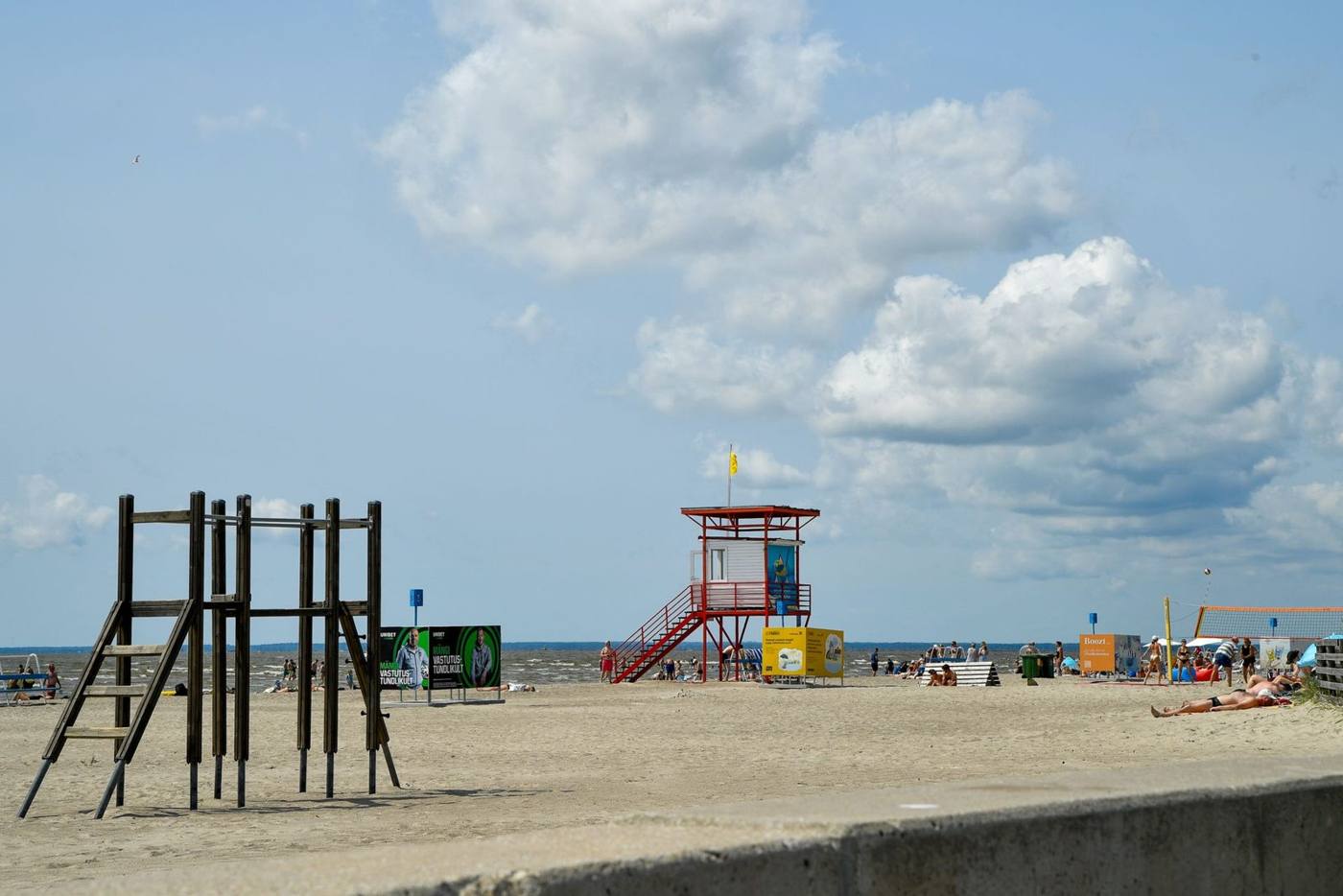
Pärnu and Kihnu island
Estonia's summer capital with its beach and spas, then Kihnu, the island where women still wear striped skirts and the culture is UNESCO heritage.
 4 daysEasy
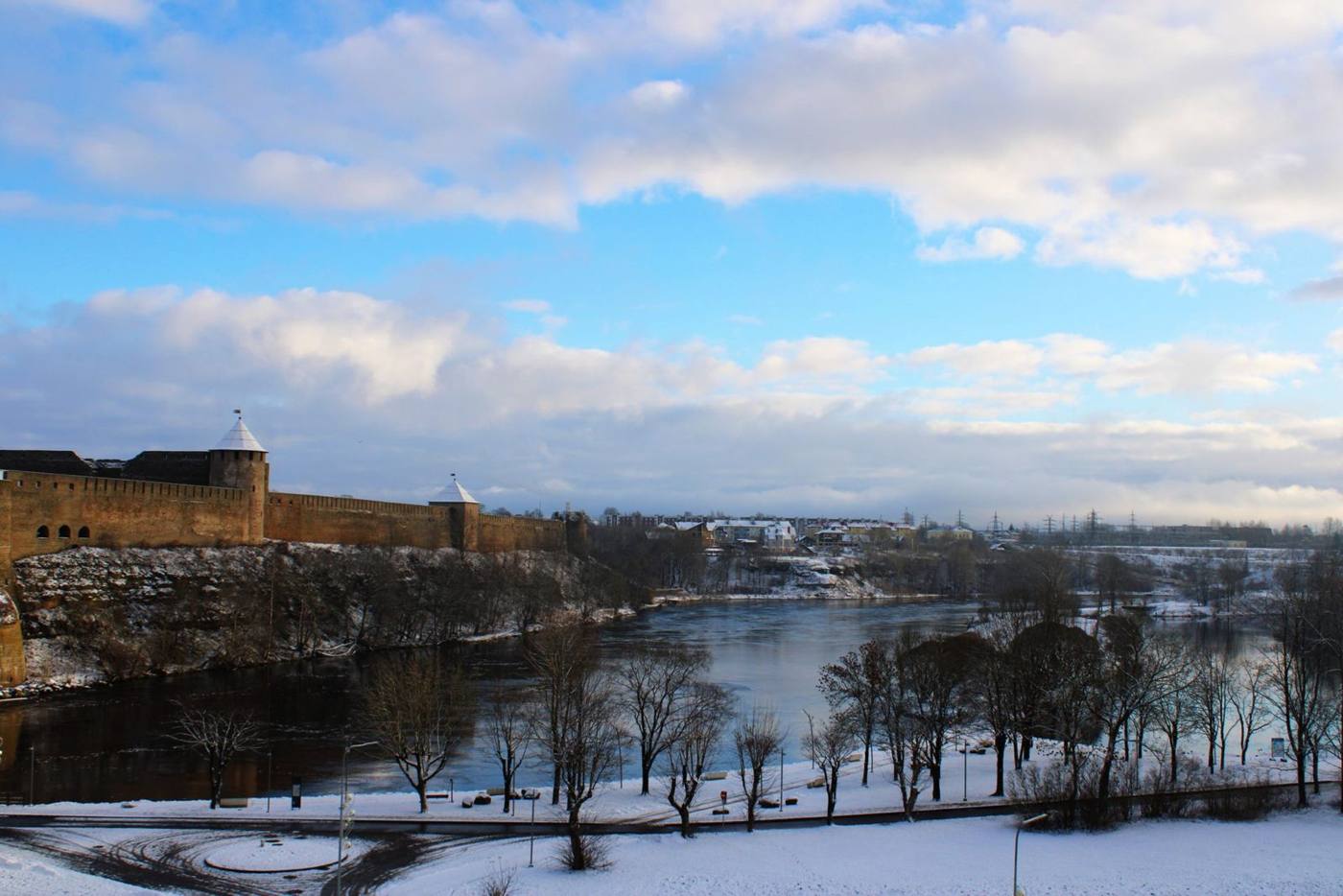
Narva and Lake Peipsi
Narva fortress facing Russia's Ivangorod castle, Valaste waterfall, Kuremäe convent and the Old Believer villages on Lake Peipsi with their onions and smoked fish.
 4 daysEasy
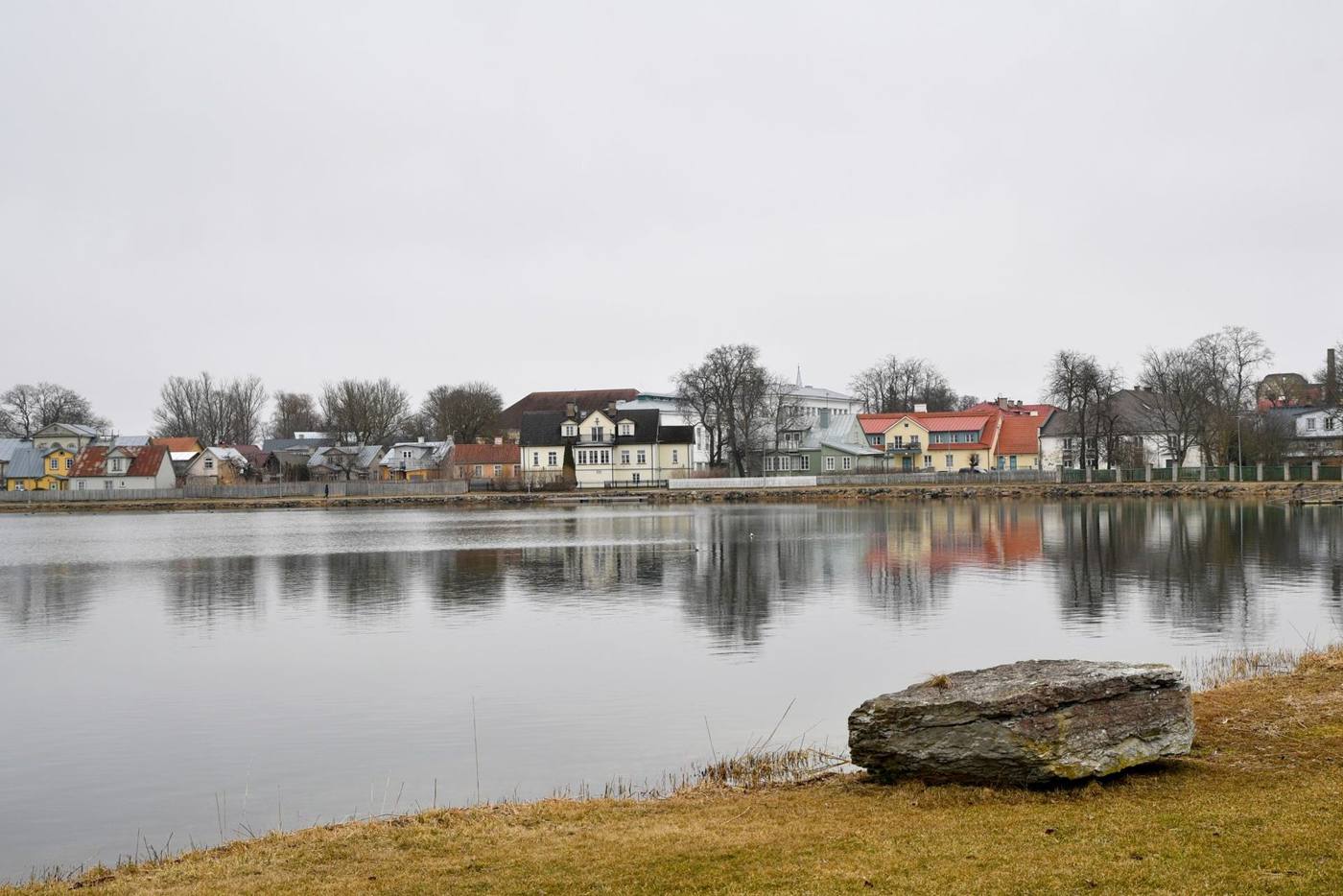
Matsalu and Vormsi
Matsalu National Park, one of Europe's best places for migrating birds, the watchtowers over the reed beds and quiet Vormsi island by bike.