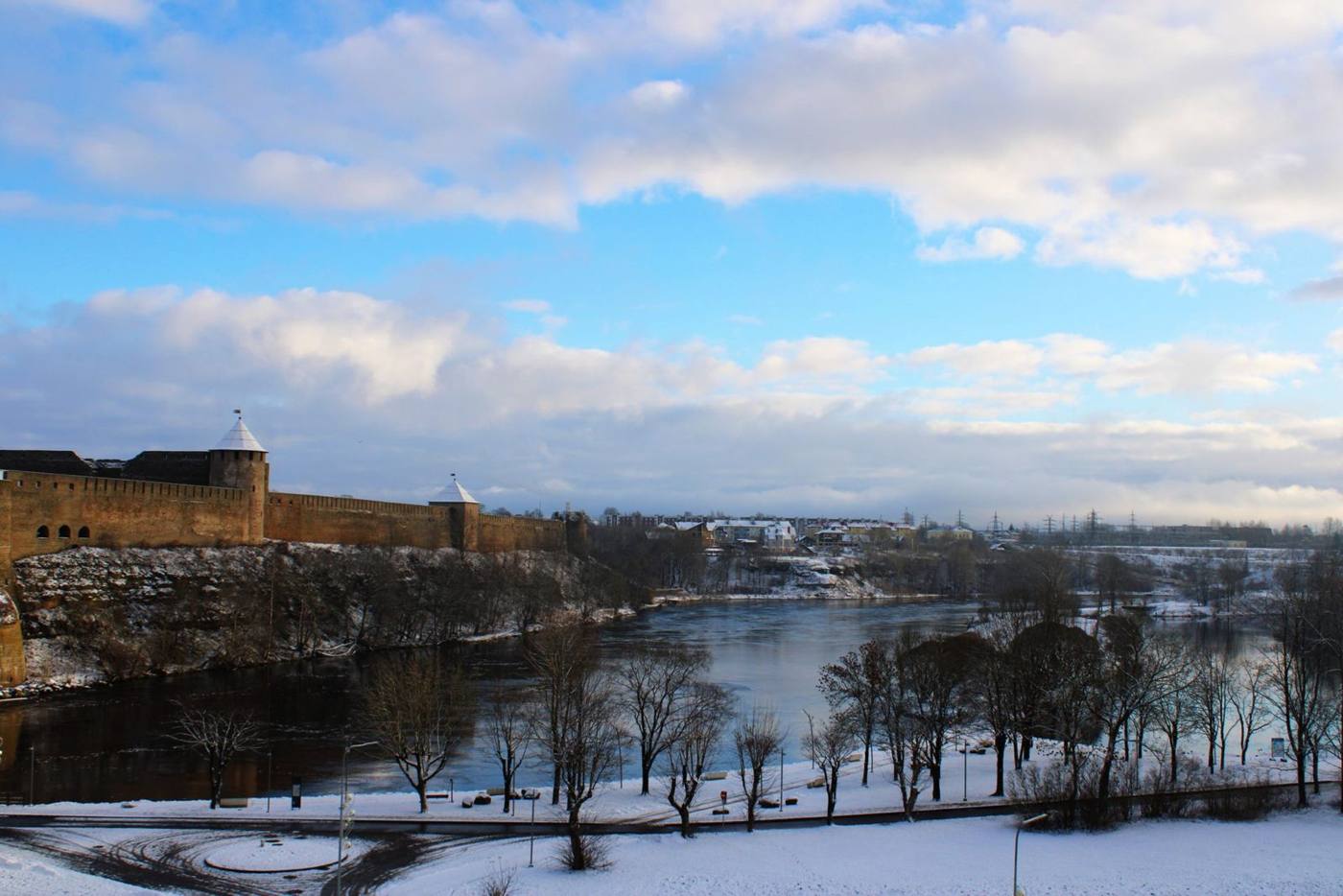
Narva and Lake Peipsi
Narva fortress facing Russia's Ivangorod castle, Valaste waterfall, Kuremäe convent and the Old Believer villages on Lake Peipsi with their onions and smoked fish.
- Valaste
- Narva
- Kuremäe
- Kallaste
- Kolkja
Day by day
- Day 1
The cliff and waterfall of Valaste
This trip takes you to north-eastern Estonia and along Lake Peipsi, where most people speak Russian and where the eastern border of the European Union runs. You will see the northern cliff, the fortress of Narva, the convent of Kuremäe and the villages of the Old Believers. You travel by hire car, starting from Tallinn and finishing in Tartu.
Before you go: Italian citizens can enter Estonia with an electronic identity card or a passport, without a visa. Other nationalities should check their own rules. Narva and Lake Peipsi are on the border with Russia. From 1 December 2026 all road crossings with Russia, including the one on the Narva bridge, are closed; the Italian foreign ministry advises caution along the whole border and advises against travel to Russia. This trip stays in Estonia. The UK also reports drones aimed at Russia entering Estonian airspace: follow the authorities' instructions.
In the morning, drive east on the Narva road, just over two hours, to Valaste. Here the coast ends in the Baltic Klint, a high limestone cliff dropping straight into the sea. The Valaste waterfall is the highest in Estonia, with a drop of about thirty metres: you see it well from the platform and the staircase that goes down towards the beach. It has the most water in spring, and in winter it often freezes.
In the afternoon, walk the path along the top of the Ontika cliff, through woods and viewpoints, then carry on to the park at Toila, at the mouth of a river, where a palace stood until it was destroyed in the Second World War.
Stay in Narva-Jõesuu, by the sea, or in Narva, for two nights.
Practical tip: the Valaste staircase and the cliff paths are slippery after rain. Keep away from the edge, where the rock crumbles.
- Day 2
Narva and the castle on the river
Today you explore Narva, the third city of Estonia, almost entirely Russian-speaking and facing the river that marks the border.
In the morning, visit Hermann Castle, a medieval fortress with a tall square tower. Inside is the city museum, telling the story of Narva between the Danes, the Teutonic Order, Sweden and Russia. Check prices and times. From the walls you can see, on the other bank, the Russian fortress of Ivangorod, built at the end of the fifteenth century: two castles facing each other, separated only by the river.
Then walk along the riverside promenade below the castle. In front of you is the Friendship Bridge, the old crossing point, now closed. Do not photograph border installations, checkpoints or guards, and respect the signs.
The Baroque old town was almost completely destroyed in 1944: the town hall survives, surrounded by post-war Soviet buildings that say a lot about recent history. In the afternoon, go to the Kreenholm district, with its huge nineteenth-century red-brick textile mill near the river falls. You can see the buildings from outside or on organised tours.
Towards evening, go back to Narva-Jõesuu and walk along the long sandy beach among the pines.
Practical tip: in town you will mostly hear Russian, but in museums and shops people almost always understand English too. Carry your identity card with you.
- Day 3
Kuremäe and the Onion Route
Today you leave the river and head south towards Lake Peipsi.
In the morning, drive to Kuremäe, about an hour. On the hill stands the Orthodox convent of Pühtitsa, founded at the end of the nineteenth century and still home to nuns. Its churches with onion domes, tidy gardens and the holy spring at the foot of the hill are a place of pilgrimage. Go in with your shoulders covered, women with a scarf on their heads, and ask before taking photos.
Then drive down to the lake. Peipsi is one of the largest lakes in Europe: from the shore it looks like a sea, with no far bank on the horizon. The border with Russia runs through the middle of the water.
In the afternoon, after Mustvee, join the Onion Route, which runs along the western shore. This is home to the Old Believers, Orthodox Christians who left Russia between the seventeenth and eighteenth centuries rather than accept church reforms. Their villages consist of a single long street with colourful wooden houses, small prayer houses called molennas and gardens full of onions, which in summer are sold in plaits along the road.
Stop in the villages of Kasepää and Varnja and buy smoked fish from the lake, such as vendace and perch.
Stay in a village on the Onion Route.
Practical tip: do not go out on the lake by boat or, in winter, onto the ice: the border line on the water is invisible and must not be crossed.
- Day 4
Kolkja, Kallaste and back to Tartu
On the last day you continue along the lake shore to the red cliffs of Kallaste.
In the morning, visit Kolkja, one of the largest Old Believer villages. The small museum tells the story of their life: icons, prayer books, traditional clothes and the old rules that some families still follow. Check prices and times. If you can, try Old Believer cooking, with fish soup, pirozhki and tea from the samovar.
Then drive to Kallaste, a small town where the lake shore is made of red sandstone, carved by the waves into small caves. Walk on the beach below the cliffs and visit the Old Believers' cemetery on the hill.
In the early afternoon, stop at Alatskivi manor, a white nineteenth-century neo-Gothic castle surrounded by a park. Check prices and times. Then drive back to Tartu, about three quarters of an hour.
In these four days you have seen Estonia's border country: the cliff and waterfall of Valaste, the fortress of Narva facing Ivangorod, the convent of Kuremäe, the Onion Route and the Old Believer villages, and the red cliffs of Kallaste.
When to go: from May to September, with long days, the onion season and fresh fish. The waterfall is at its best in spring. In winter the lake freezes and many museums open only by appointment.
Practical tip: carry some cash, because in the lake villages the onion and fish stalls do not always take cards.
Russian-speaking Estonia, interesting for understanding the EU border. The crossing into Russia is open to pedestrians only, with reduced hours, and should not be photographed. The lake villages are quiet and welcoming.
Before you go
- Documents and visa
- EU citizens need a valid identity card or passport: Estonia is in the EU and the Schengen area. Other nationalities should check the Schengen rules and the Entry/Exit System.
- Health and vaccines
- No vaccines required. EU citizens should bring their EHIC, plus insurance covering medical costs and repatriation. In spring and summer the forests have ticks that can carry encephalitis: ask your doctor about the vaccine. Emergencies: 112.
- Money and payments
- Euro. Cards and phone payments are accepted almost everywhere, even for small amounts; carry some cash for farms and country markets.
- Power sockets
- Types C and F, 230 volts.
- Time zone
- Eastern European Time (UTC+2, summer UTC+3).
- Safety
- A safe country, with pickpockets in Tallinn's Old Town, especially in bars and nightclubs. Pedestrians must wear a reflector in the dark. From 1 December 2026 all road crossings with Russia (Narva, Koidula, Luhamaa) are closed to pedestrians and vehicles. The UK reports that some Ukrainian drones aimed at Russia have crossed into Estonian airspace: follow official guidance. Official advice: GOV.UK.
Information checked in November 2026 for Italian and EU citizens. Rules change: always check before you travel.
Variations
In 3 days: Valaste and Narva, then Kuremäe and back to Tallinn, without the Onion Route.
In 6 days: add Alutaguse National Park with a night in a bear hide, and Tartu.
Frequently asked questions
Can I cross the border at Narva?
No. From 1 December 2026 all road crossings between Estonia and Russia are closed, and the Italian foreign ministry advises against travel to Russia. You can only look at Ivangorod Castle from the other bank.
Is Narva safe?
Yes, it is a quiet town. The Italian foreign ministry advises caution along the border: do not photograph border installations, respect the signs and follow the authorities' instructions.
What document do I need for Estonia?
Italian citizens can enter with an electronic identity card or a passport, without a visa. Other nationalities should check their own rules.
Indicative itinerary written by World Atlas. Before booking, check timetables, seasonal openings, documents and safety.
 4 daysEasy
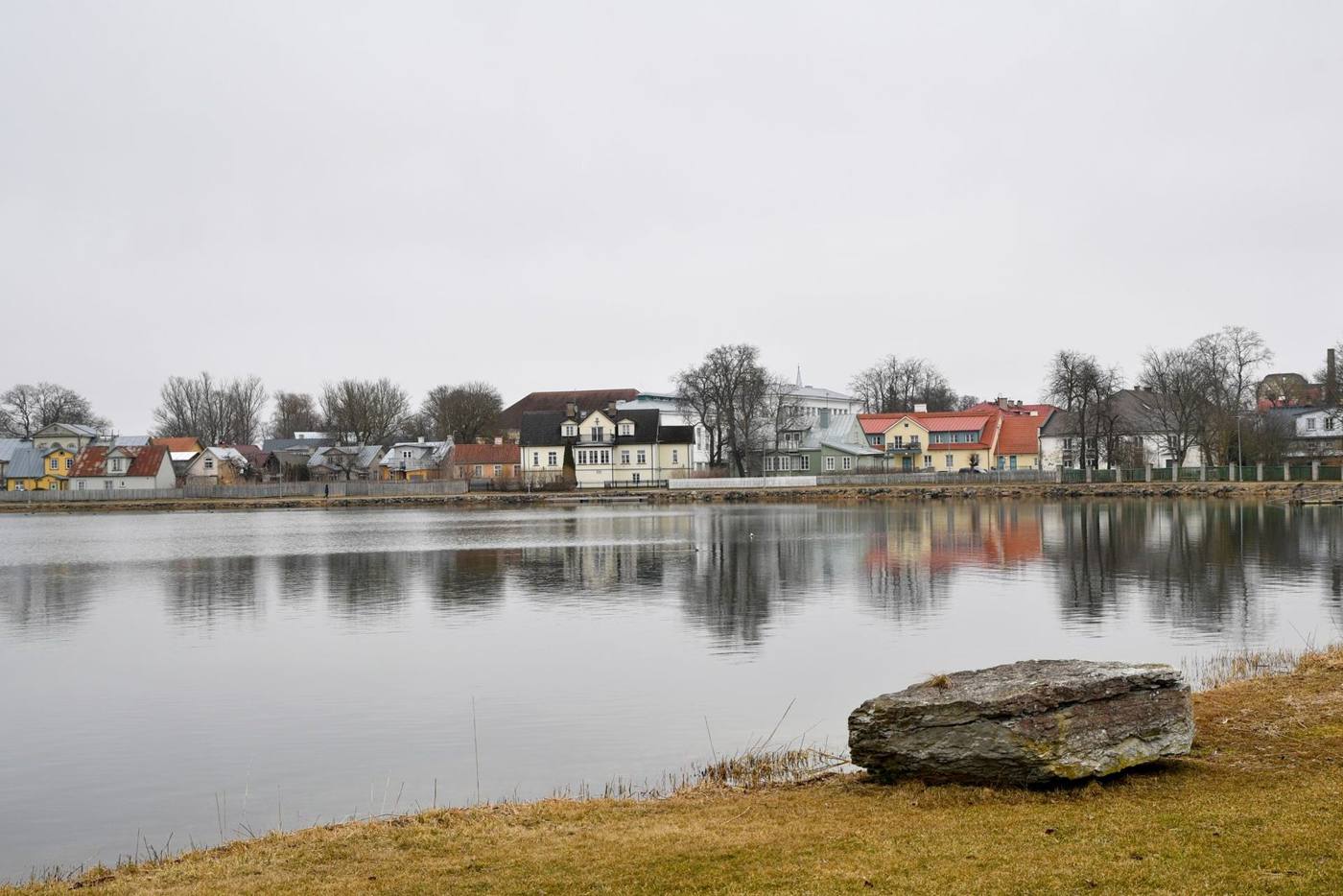
Matsalu and Vormsi
Matsalu National Park, one of Europe's best places for migrating birds, the watchtowers over the reed beds and quiet Vormsi island by bike.
 3 daysEasy
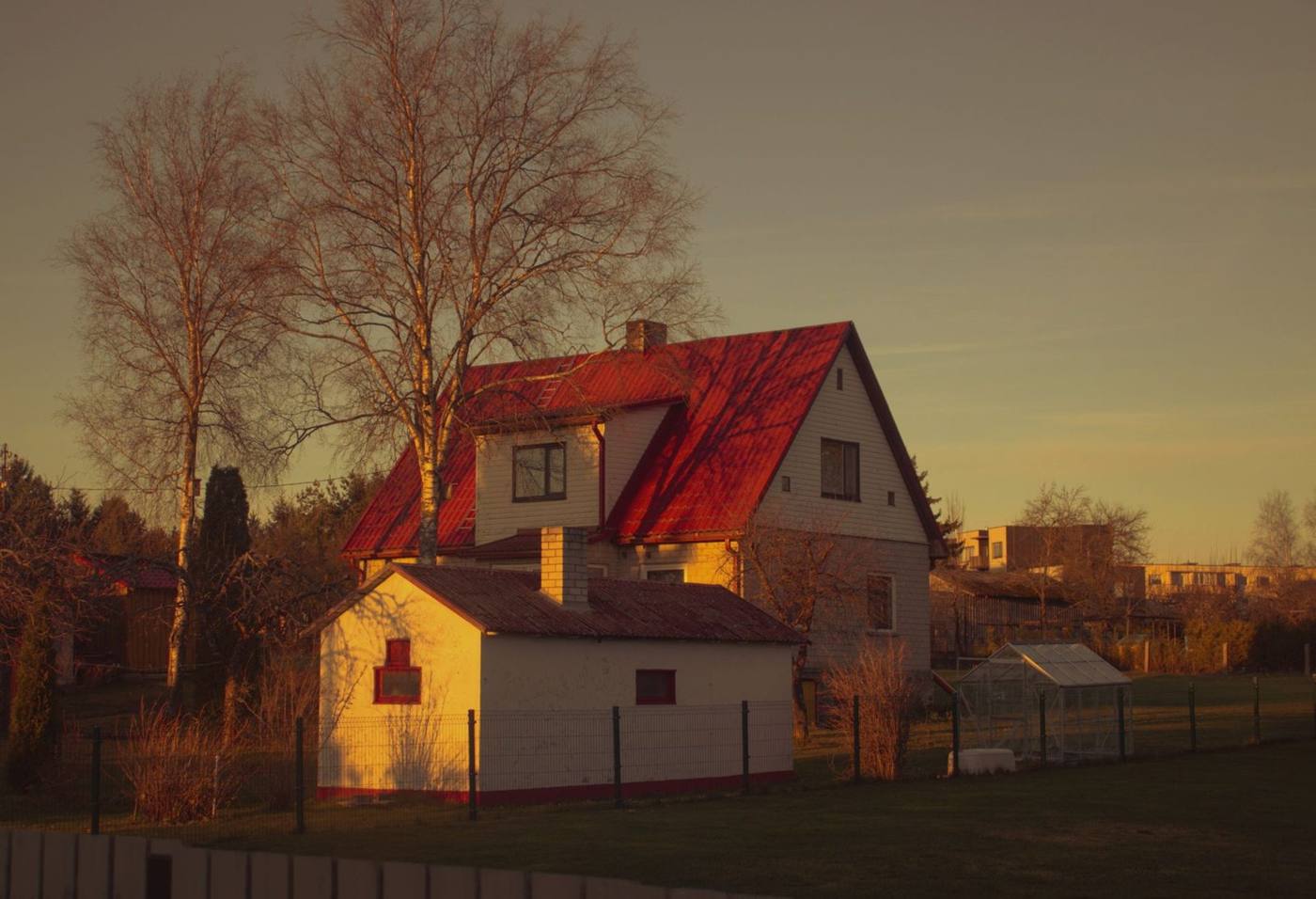
Setomaa
The land of the Seto, an Orthodox people of the south-east who elect a 'king' every year, the UNESCO leelo song, farm museums and the Pskov monastery across the border.
 3 daysEasy
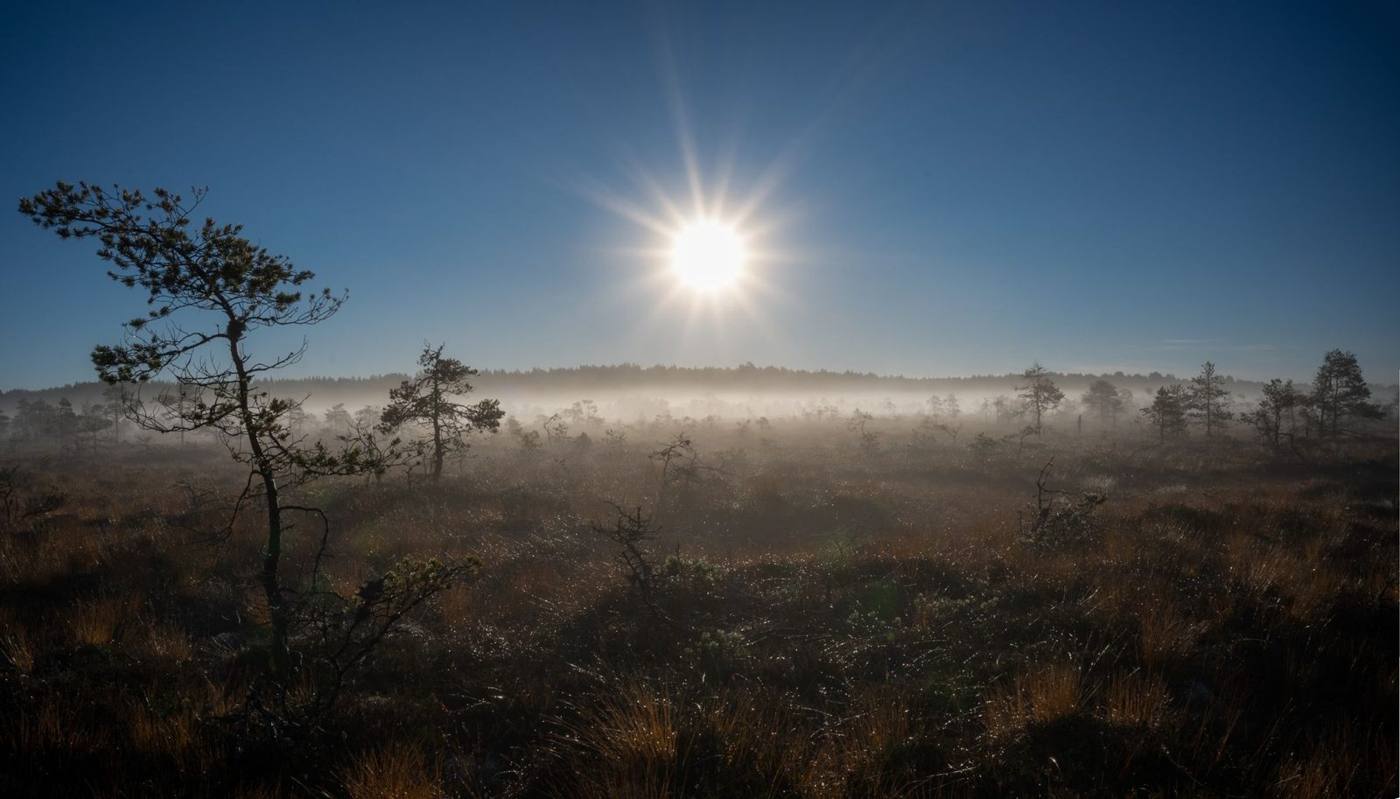
Alutaguse and the bears
The forests and bogs of Alutaguse National Park, with nights in hides watching bears, beavers and flying squirrels.