Matsalu and Vormsi
Matsalu National Park, one of Europe's best places for migrating birds, the watchtowers over the reed beds and quiet Vormsi island by bike.
- Haapsalu
- Matsalu
- Penijõe
- Vormsi
Day by day
- Day 1
Haapsalu and the Penijõe visitor centre
This trip takes you to the west coast of Estonia, to Matsalu National Park, a large shallow bay with reed beds, flooded meadows and islets, protected since the 1950s and one of the most important wetlands in Europe for migrating birds. At the end there is a day and a night on the quiet island of Vormsi. You travel by hire car from Tallinn.
Before you go: Italian citizens can enter Estonia with an electronic identity card or a passport, without a visa. Other nationalities should check their own rules. Estonia is a safe country. The meadows and woods along the coast have ticks that can carry encephalitis: ask your doctor about the vaccine.
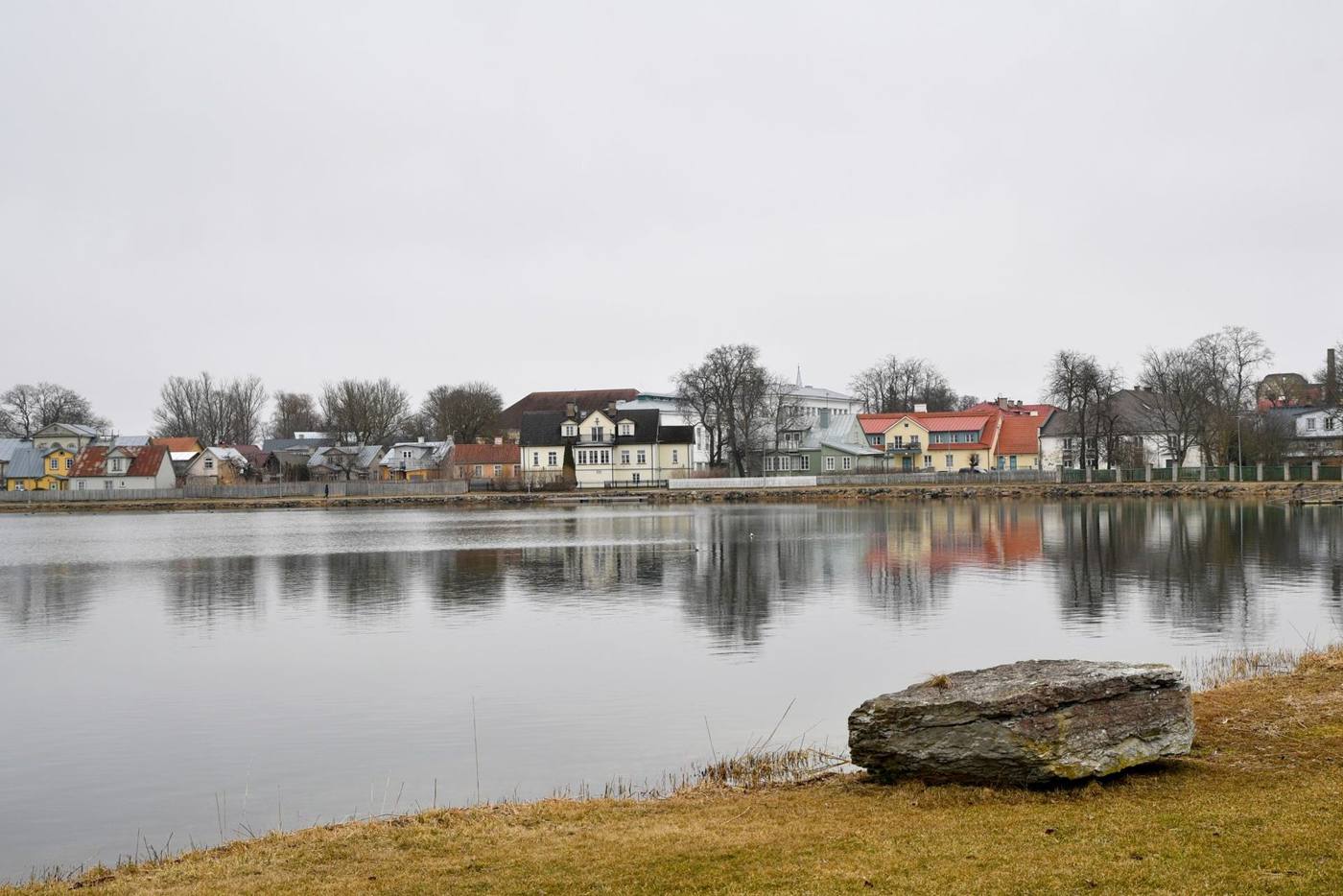
In the morning, drive from Tallinn to Haapsalu, about an hour and a half. Visit the episcopal castle, with its medieval walls and cathedral: according to legend, on full-moon nights in August the White Lady appears at the window. Check prices and times. Then walk along the seafront, with wooden villas from the nineteenth century, when Haapsalu was a resort famous for its mud cures.
In the afternoon, drive south to Penijõe, about an hour. The old manor house holds the park's visitor centre, with an exhibition on the birds, fish and coastal meadows of Matsalu. Ask here about the observation towers and the trails that are open.
Before sunset, walk the trail near the centre, through copses and meadows, and climb the first tower.
Stay in the Lihula area or on a farm near the park, for two nights.
Practical tip: in Haapsalu, look for the traditional lace shawl, knitted by hand so finely that, it is said, it can pass through a ring.
- Day 2
The Matsalu towers: geese, cranes and swans
Today is the birdwatching day, from one tower to the next around the bay.
Set off at dawn, when the birds are most active and the light is at its best. The wooden observation towers are spread along the shores of the bay and across the coastal meadows: the best known are at Haeska, Keemu and Suitsu. From the top you see the reeds, the shallow water and the meadows where the flocks stop.
In spring, in April and May, tens of thousands of waterbirds pass through Matsalu on their way to the Arctic: barnacle geese, Bewick's swans, ducks and waders. In autumn, in September and October, the cranes arrive too, gathering in their thousands in the fields in the evening, and you can hear them from far away. From May to July bitterns and marsh harriers nest in the reeds.
Around midday, take a break in one of the small villages of the park and rest: the middle hours are the least interesting.
In the afternoon, try another tower on the opposite side of the bay, or follow a trail across the coastal meadows, where cows and horses graze, keeping the grass short and helping the birds.
In the evening, go back to the tower nearest your accommodation to watch the flocks return at sunset.
Practical tip: bring binoculars, a bird guide or an identification app, warm windproof clothes and waterproof boots. Stay on the marked trails and do not disturb resting birds.
- Day 3
The ferry to Vormsi and a bike ride
Today you leave the mainland for a small, flat and silent island.
In the morning, drive to the port of Rohuküla, near Haapsalu, about an hour. The ferry to Vormsi takes less than an hour and crosses a strait of shallow water, with islets and stones breaking the surface.
For centuries Vormsi was home to Swedish-speaking farmers and fishermen, and the village names still show it. Today the island has few inhabitants, almost empty roads, woods, juniper meadows and wooden villages: it is perfect for exploring by bike.
Cycle to the village of Hullo and visit the medieval St Olaf's Church, with its cemetery of old round stone crosses shaped like wheels. Then carry on to the Rumpo peninsula, with juniper meadows and pebble beaches, or north to the Saxby lighthouse.
Stop often: on the beaches you will see sea ducks, in the meadows roe deer and, with a bit of luck, seals far away on the rocks.
The island has very few shops and services: bring water and something to eat for the whole day. Stay on the island.
Practical tip: book the ferry in advance on the official state ferry website, especially if you are travelling by car, and ask ahead where to hire bikes on the island.
- Day 4
Vormsi, Haapsalu and back to Tallinn
The last day starts with an early-morning walk on the island, when the light is low and the meadows are full of birds.
Cycle or walk to the nearest shore, watch the fishing boats and then take the ferry to Rohuküla.
In Haapsalu, visit the old railway museum, in the wooden station with its long covered platform, built in the early twentieth century for travellers who came from the capital and from St Petersburg for the cures. Check prices and times. Have lunch with Baltic fish, such as smoked herring or flounder.
In the afternoon, drive back to Tallinn, about an hour and a half.
In these four days you have seen the quietest side of western Estonia: the castle and seafront of Haapsalu, the Penijõe visitor centre, the Matsalu towers with their flocks of geese, swans and cranes, and the small island of Vormsi by bike.
When to go: the best months are April and May, for the spring migration, and September and October, for the cranes and the autumn colours. In summer the park is quieter and the days are very long, but there are fewer migrating birds and more mosquitoes. In winter the bay can freeze and many services close.
Practical tip: after each day in the meadows, check your skin and clothes carefully, because ticks are common from April to October.
For nature and birdwatching lovers, with thousands of birds migrating in spring and autumn. In summer the park is quieter. Bring binoculars.
Before you go
- Documents and visa
- EU citizens need a valid identity card or passport: Estonia is in the EU and the Schengen area. Other nationalities should check the Schengen rules and the Entry/Exit System.
- Health and vaccines
- No vaccines required. EU citizens should bring their EHIC, plus insurance covering medical costs and repatriation. In spring and summer the forests have ticks that can carry encephalitis: ask your doctor about the vaccine. Emergencies: 112.
- Money and payments
- Euro. Cards and phone payments are accepted almost everywhere, even for small amounts; carry some cash for farms and country markets.
- Power sockets
- Types C and F, 230 volts.
- Time zone
- Eastern European Time (UTC+2, summer UTC+3).
- Safety
- A safe country, with pickpockets in Tallinn's Old Town, especially in bars and nightclubs. Pedestrians must wear a reflector in the dark. From 1 December 2026 all road crossings with Russia (Narva, Koidula, Luhamaa) are closed to pedestrians and vehicles. The UK reports that some Ukrainian drones aimed at Russia have crossed into Estonian airspace: follow official guidance. Official advice: GOV.UK.
Information checked in November 2026 for Italian and EU citizens. Rules change: always check before you travel.
Variations
In 3 days: Haapsalu, Penijõe and a full day on the Matsalu towers, without Vormsi.
In 6 days: add the islands of Muhu and Saaremaa, with the Angla windmills and Kuressaare Castle.
Frequently asked questions
What document do I need for Estonia?
Italian citizens can enter with an electronic identity card or a passport, without a visa. Other nationalities should check their own rules.
Do I need to be an expert birdwatcher?
No. The towers are easy to reach and the flocks of geese and cranes are easy to see even without experience. Binoculars and a bird identification app are enough to start.
Can I go to Vormsi without a car?
Yes. The ferry takes foot passengers and bikes, and the island is easy to explore by bike. Book the ferry and your accommodation in advance anyway.
Indicative itinerary written by World Atlas. Before booking, check timetables, seasonal openings, documents and safety.
 3 daysEasy
Setomaa
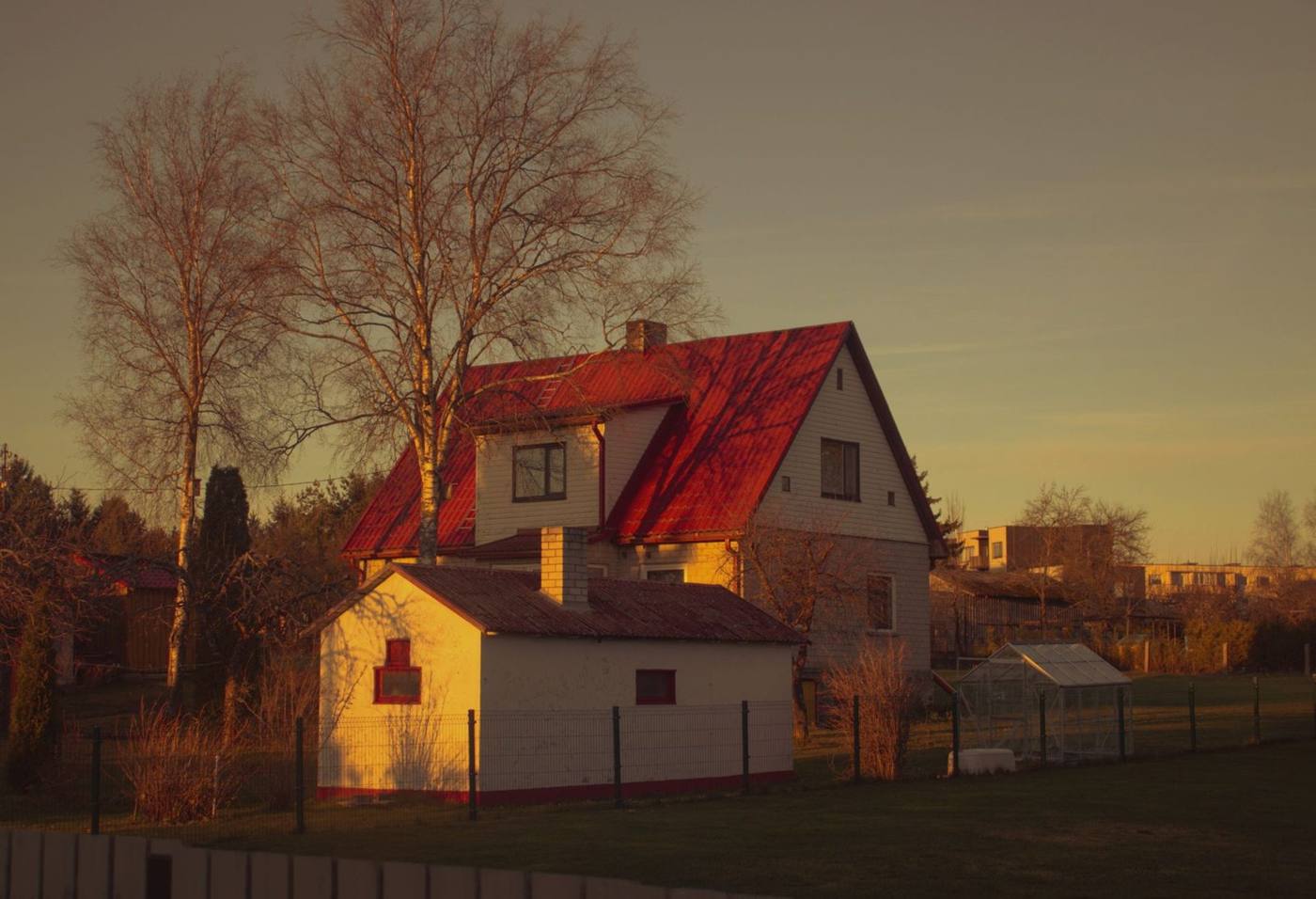
The land of the Seto, an Orthodox people of the south-east who elect a 'king' every year, the UNESCO leelo song, farm museums and the Pskov monastery across the border.
 3 daysEasy
Alutaguse and the bears
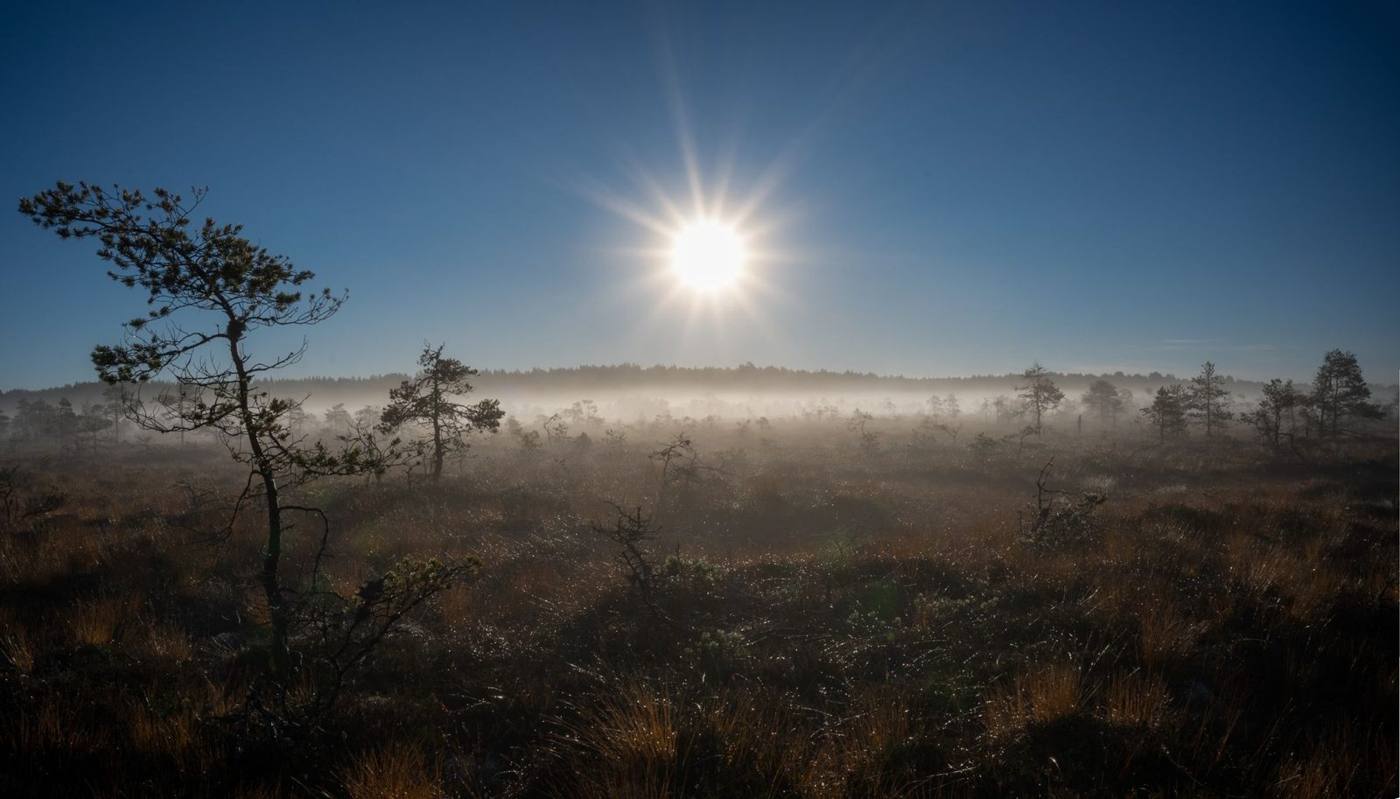
The forests and bogs of Alutaguse National Park, with nights in hides watching bears, beavers and flying squirrels.
 3 daysEasy
Tallinn in winter
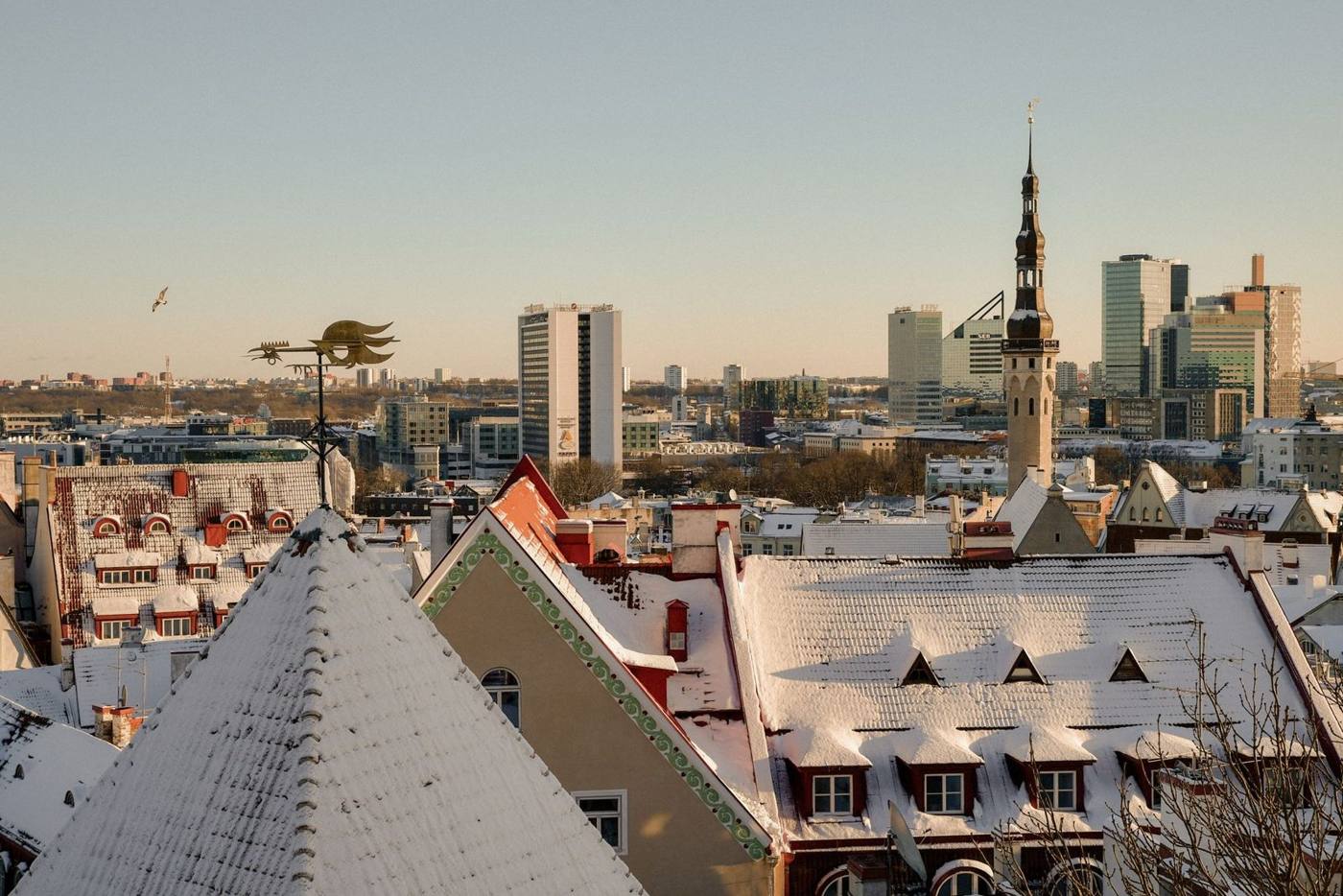
The old town under snow, the Christmas market in Town Hall Square, the Iglupark saunas and the frozen sea at Pirita.