Pärnu and Kihnu island
Estonia's summer capital with its beach and spas, then Kihnu, the island where women still wear striped skirts and the culture is UNESCO heritage.
- Pärnu
- Munalaid
- Kihnu
Day by day
- Day 1
Pärnu: the beach, the old town and the spas
This trip takes you to the south-west coast of Estonia: Pärnu, the country's summer capital, with its long beach and spa tradition, then Kihnu, a small island where traditional culture is still alive and recognised by UNESCO. You travel by car or bus from Tallinn, about two hours.
Before you go: Italian citizens can enter Estonia with an electronic identity card or a passport, without a visa. Other nationalities should check their own rules. Estonia is a safe country. In summer the meadows and woods along the coast have ticks that can carry encephalitis.
In the morning, walk around the old town, small and full of wooden and stone houses. Pass under the Tallinn Gate, the only surviving gate of the ramparts built by the Swedes in the seventeenth century, and visit the two eighteenth-century churches: the Lutheran St Elizabeth's and the Baroque Orthodox St Catherine's.
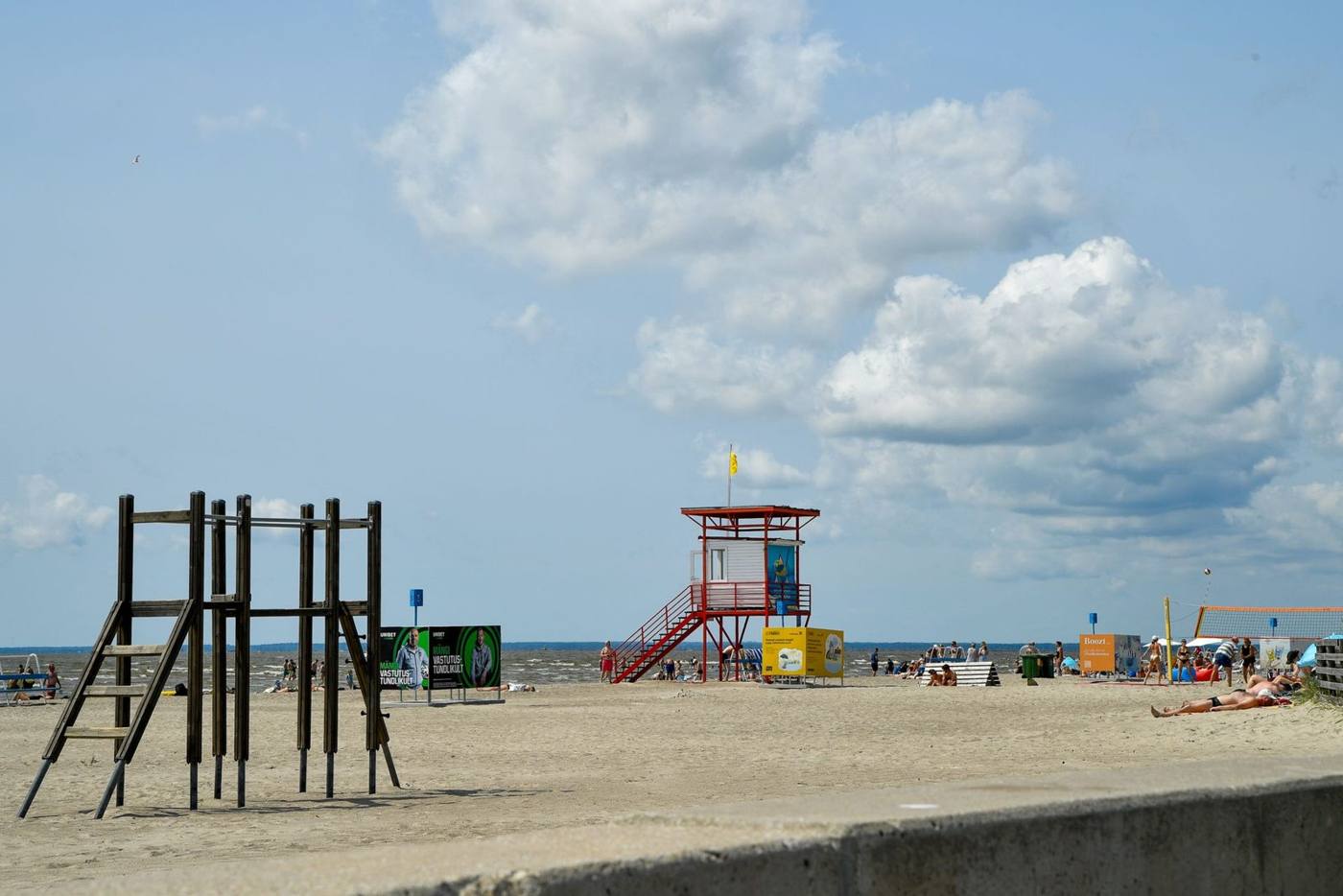
In the afternoon, head to the sea along the tree-lined avenue. The sandy beach is long and the water stays shallow for many metres: in summer it is among the warmest in the Baltic. Facing the beach is the large neoclassical building of the old mud baths, from the 1920s, a symbol of spa-town Pärnu.
In the evening, try a treatment or a sauna at one of the town's spas, or walk along the pier at the river mouth for the sunset.
Practical tip: book your accommodation on Kihnu and the ferry straight away, because the island has few beds and in summer they go quickly.
- Day 2
The ferry to Kihnu and the women in striped skirts
Today you leave the mainland for Kihnu, a small, flat island in the Gulf of Riga, about seven kilometres long.
In the morning, drive from Pärnu to the port of Munalaid, about three quarters of an hour. The ferry takes about an hour and crosses a shallow sea, where you often see swans and sea ducks.
Kihnu has a few hundred inhabitants and four villages. For centuries the men were away at sea, hunting seals and fishing, while the women ran the homes, the fields and the traditions. Even today many women wear striped red woollen skirts, aprons and colourful headscarves every day, and sing the old songs at festivals and weddings. The Kihnu cultural space is on UNESCO's intangible heritage list.
In the afternoon, tour the island on a motorbike with a sidecar, driven by a local woman: it is Kihnu's typical vehicle and the best way to hear the island's stories. Stop in the wooden villages, on the juniper meadows and on the pebble beaches.
In the evening, eat the catch of the day, such as fried or smoked Baltic herring, with black bread.
Stay on the island, for two nights.
Practical tip: always ask permission before photographing people, especially older women in traditional dress.
- Day 3
The museum, the church and the lighthouse of Kihnu
Today you explore Kihnu at a gentle pace, on foot or by bike.
In the morning, visit the island museum, where you discover life on Kihnu: striped skirts woven at home, seal-hunting tools, family photographs and objects brought back by sailors. Check prices and times.
Next door is the Orthodox Church of St Nicholas, because in the nineteenth century many islanders converted to the Orthodox faith. In the nearby cemetery lies Kihnu Jõnn, the captain who became a legend, sailed the seas of the world and died in a shipwreck in the twentieth century.
In the afternoon, cycle to the southern tip of the island, where the nineteenth-century iron lighthouse stands, with a juniper meadow and a view of the open sea. Along the coast you see seabirds, nets hung out to dry and boats pulled up on the stones.
If you are there on a festival day, listen to the singing and watch the traditional dances, with the women walking arm in arm.
In the evening, go back to the beach near your accommodation for the sunset, which in summer comes very late.
Practical tip: the island has few shops and they close early. Carry cash, because not everyone takes cards, and buy hand-knitted woollen gloves and socks there.
- Day 4
Back to Pärnu
In the morning, take a last walk around the village near your accommodation and then catch the ferry to Munalaid.
Drive back to Pärnu and spend your last hours on the beach, in the seaside parks or along the river. If the weather is bad, go to a spa or visit the town museum, which tells the story of Pärnu from the Stone Age to today. Check prices and times.
For lunch, try the food of the coast: fish soup, new potatoes with dill, herring with sour cream and, in summer, cakes with strawberries or blueberries.
In the afternoon, drive back to Tallinn, about two hours, or carry on south.
In these four days you have seen the most relaxed side of the Baltic summer: the old town and beach of Pärnu, the old mud baths, the ferry to Kihnu, the sidecar tour with an island woman, the museum, the Orthodox church and the lighthouse, and one of the last island cultures in Europe.
When to go: from June to August, with long days, the warmest sea and festivals. Midsummer, on 23 and 24 June, is the most important celebration of the Estonian summer. Out of season the ferries run less often, many services close and, in winter, the sea can freeze.
Practical tip: the sea at Pärnu is shallow and children can play far from the shore, but check the flags and the lifeguards' instructions before swimming.
A relaxed Baltic summer and one of Europe's last island cultures. Kihnu has few places to stay: book ahead. The sea at Pärnu is shallow and warm for the Baltic.
Before you go
- Documents and visa
- EU citizens need a valid identity card or passport: Estonia is in the EU and the Schengen area. Other nationalities should check the Schengen rules and the Entry/Exit System.
- Health and vaccines
- No vaccines required. EU citizens should bring their EHIC, plus insurance covering medical costs and repatriation. In spring and summer the forests have ticks that can carry encephalitis: ask your doctor about the vaccine. Emergencies: 112.
- Money and payments
- Euro. Cards and phone payments are accepted almost everywhere, even for small amounts; carry some cash for farms and country markets.
- Power sockets
- Types C and F, 230 volts.
- Time zone
- Eastern European Time (UTC+2, summer UTC+3).
- Safety
- A safe country, with pickpockets in Tallinn's Old Town, especially in bars and nightclubs. Pedestrians must wear a reflector in the dark. From 1 December 2026 all road crossings with Russia (Narva, Koidula, Luhamaa) are closed to pedestrians and vehicles. The UK reports that some Ukrainian drones aimed at Russia have crossed into Estonian airspace: follow official guidance. Official advice: GOV.UK.
Information checked in November 2026 for Italian and EU citizens. Rules change: always check before you travel.
Variations
In 3 days: Pärnu on the first day and just one night on Kihnu with the sidecar tour.
In 6 days: add Soomaa National Park, with boardwalks across the bog and a canoe trip.
Frequently asked questions
What document do I need for Estonia?
Italian citizens can enter with an electronic identity card or a passport, without a visa. Other nationalities should check their own rules.
How do I get to Kihnu?
By ferry from the port of Munalaid, about three quarters of an hour from Pärnu, with a crossing of about an hour. Book in advance on the official ferry website.
Can I swim on Kihnu?
Yes, but the beaches are mostly pebbly and the water is cooler than at Pärnu. For swimming, the shallow sandy beach at Pärnu is more comfortable.
Indicative itinerary written by World Atlas. Before booking, check timetables, seasonal openings, documents and safety.
 4 daysEasy
Narva and Lake Peipsi
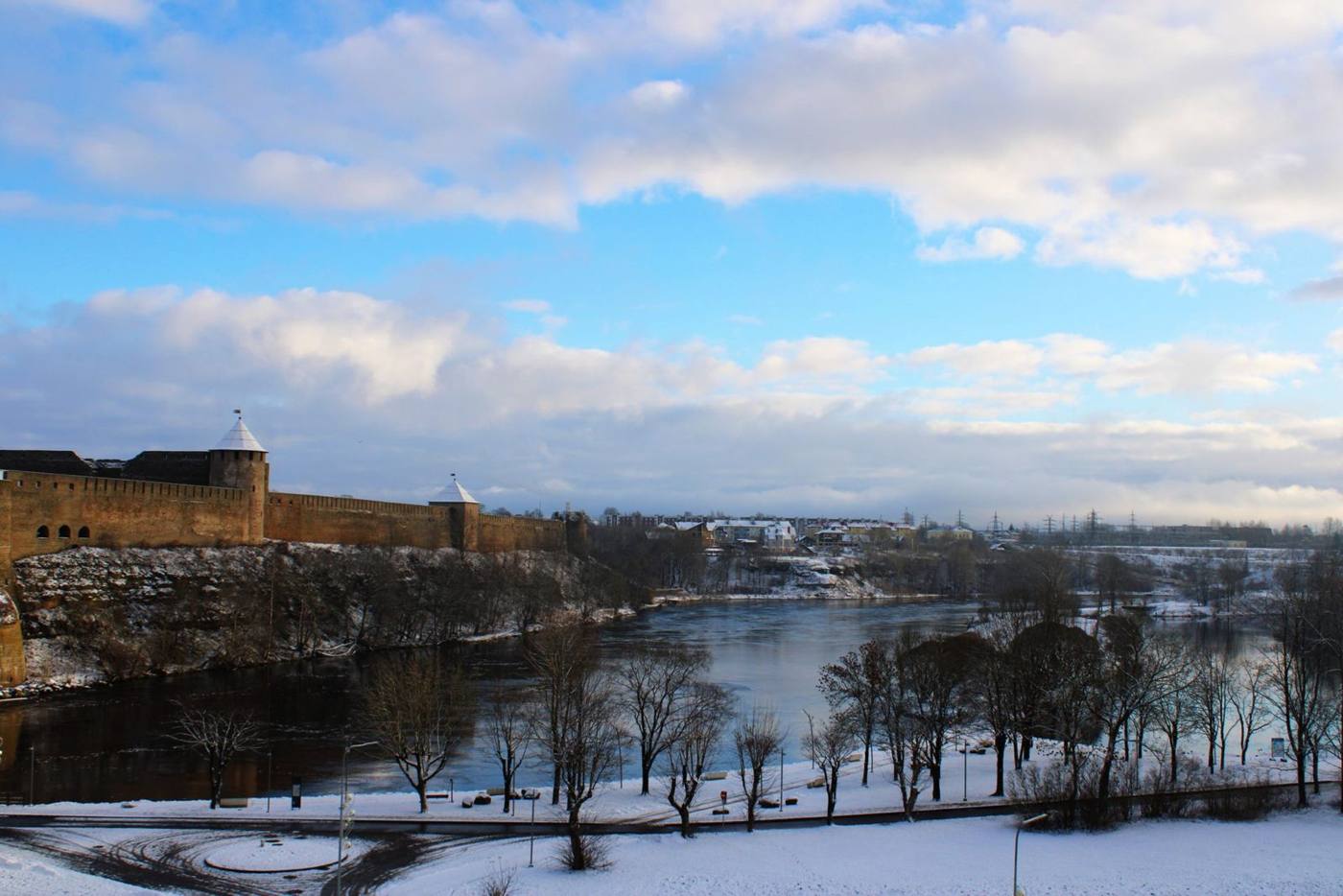
Narva fortress facing Russia's Ivangorod castle, Valaste waterfall, Kuremäe convent and the Old Believer villages on Lake Peipsi with their onions and smoked fish.
 4 daysEasy
Matsalu and Vormsi
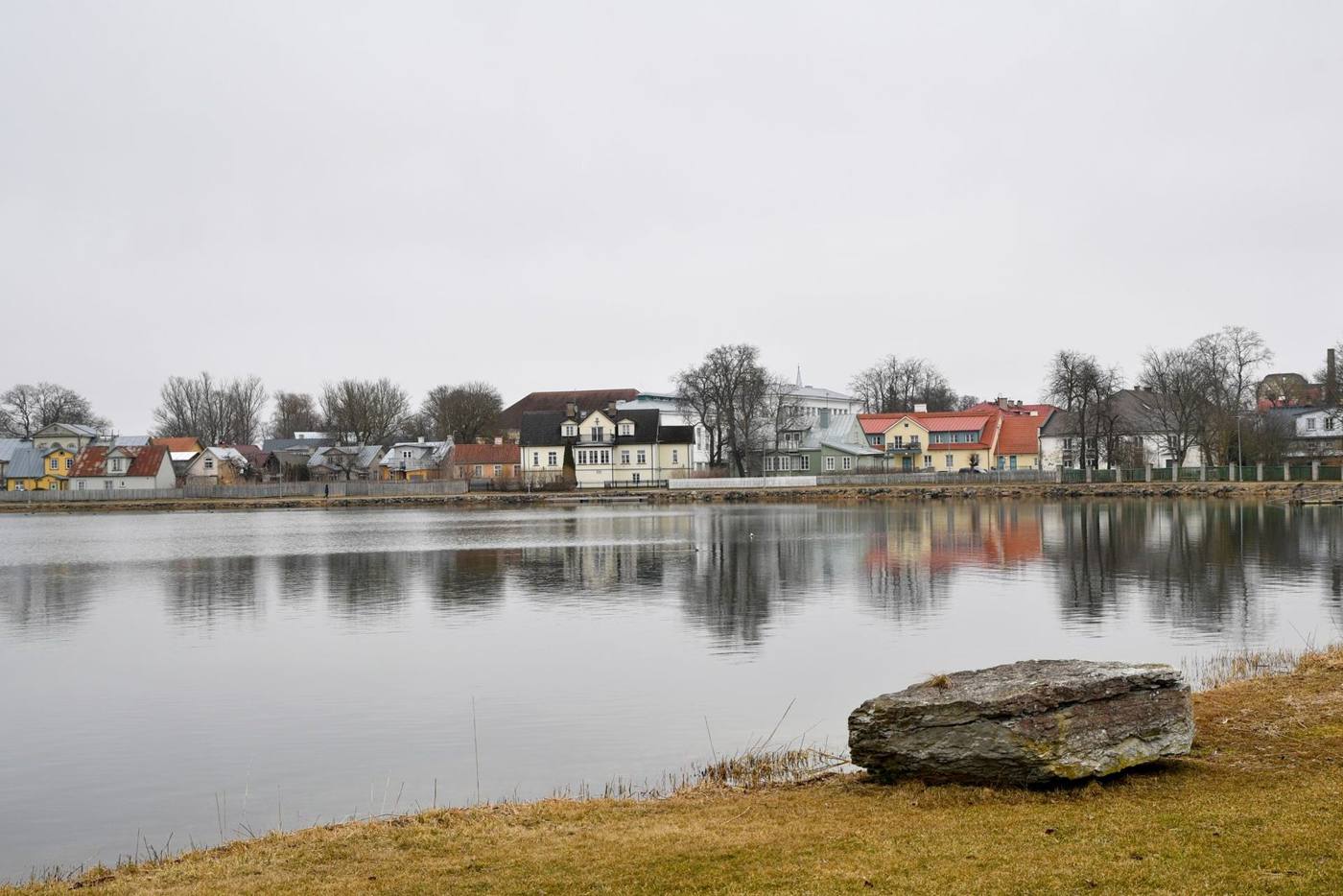
Matsalu National Park, one of Europe's best places for migrating birds, the watchtowers over the reed beds and quiet Vormsi island by bike.
 3 daysEasy
Setomaa
The land of the Seto, an Orthodox people of the south-east who elect a 'king' every year, the UNESCO leelo song, farm museums and the Pskov monastery across the border.