Shanxi: Pingyao, Datong and Wutaishan
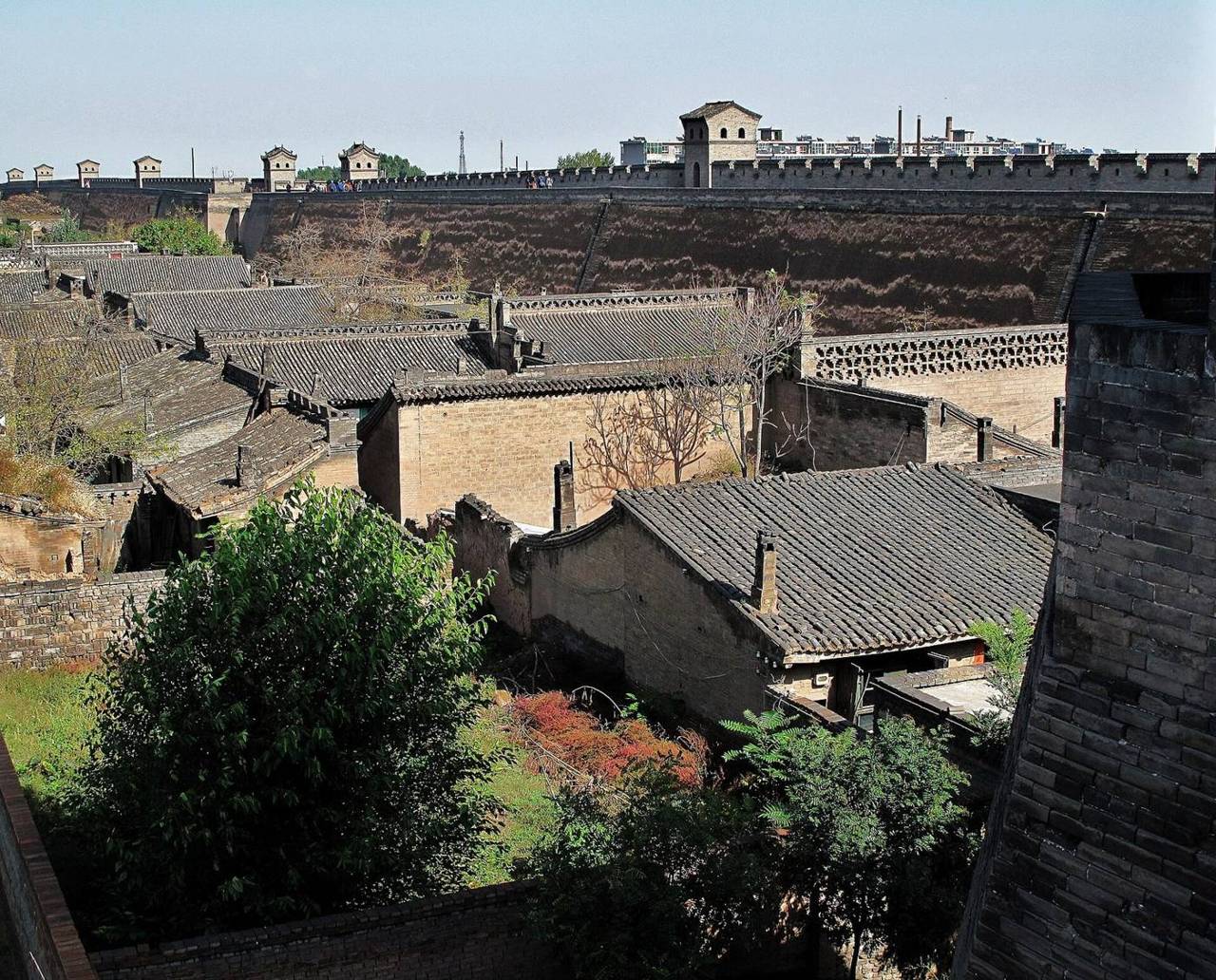
Ancient northern China: the walled city of Pingyao, intact since Ming times, the Buddhist grottoes of Yungang in Datong, the Hanging Temple clinging to the cliff and the sacred mountain of Wutaishan with its monasteries, all UNESCO World Heritage sites.
- Beijing
- Datong
- Hengshan
- Wutaishan
- Taiyuan
- Pingyao
Day by day
- Day 1
High speed train from Beijing to Datong and the city walls
Shanxi is a province in northern China, west of Beijing, little visited by foreigners but very rich in history: Buddhist grottoes carved fifteen centuries ago, temples hanging from cliffs, the world's oldest wooden pagoda, a sacred mountain full of monasteries and an almost intact walled town with its old banks. In seven days you cross the province from north to south by high speed train and car.
Italian citizens can enter China without a visa for short stays until 31 December 2026: check whether the rule is extended for 2027. Other nationalities should check their own rules.
On the first day take the high speed train from Beijing to Datong, in northern Shanxi, in about two hours. Between the late fourth and late fifth centuries Datong was the capital of the Northern Wei dynasty, a people from the steppes who converted to Buddhism and left great monuments.
In the afternoon walk on the city walls, rebuilt in recent years on the line of the old walls, with gates, towers and a raised promenade overlooking the whole historic centre. You can walk or cycle along them.
Then visit the twelfth century Huayan temple, with a large wooden hall and ancient Buddha statues, and the Nine Dragon Wall, a large fourteenth century wall of coloured glazed tiles.
In the evening have dinner in Datong with Shanxi cooking, famous for hand cut noodles and dark vinegar.
Spend the night in Datong.
Practical tip: buy high speed train tickets with your passport, online or at the station, and arrive an hour early for checks. In winter Shanxi is very cold and dry.
- Day 2
The Yungang Grottoes
Today you visit the Yungang Grottoes, about half an hour by road from Datong, one of China's three great Buddhist cave complexes and a UNESCO World Heritage Site.
The caves were carved into the sandstone face of a hill between the mid fifth and early sixth centuries, under the Northern Wei. There are more than two hundred of them along about a kilometre, containing tens of thousands of statues, from tiny figures a few centimetres high to great seated Buddhas over fifteen metres tall.
The first five caves, called the Tanyao caves after the monk who designed them, hold huge Buddhas that tradition says represent the dynasty's first emperors. The most famous is the great seated Buddha in the open air, because the front of its cave collapsed.
Other caves have walls and ceilings entirely carved and painted, with Buddhas, celestial musicians, animals, flowers and pagodas. You can see influences from Indian, Central Asian and Chinese art meeting here.
The visit takes at least half a day. The park also has gardens and a museum.
In the afternoon return to Datong and rest.
Spend the night in Datong.
Practical tip: some caves are closed in rotation for restoration. No flash inside the caves. Check opening hours and price at the entrance. In summer and on Chinese national holidays it is very busy: go early in the morning.
- Day 3
The Hanging Temple and the Yingxian wooden pagoda
Today you leave Datong by car for two extraordinary places.
The first is the Hanging Temple, about an hour and a half away, at the foot of Mount Heng, one of China's five sacred mountains. Founded about fifteen hundred years ago, the temple is built on a vertical rock face, tens of metres above the ground. The wooden halls seem to hang from the rock, supported by beams set into the cliff and thin wooden posts. Narrow walkways and stairs link the halls.
The temple is also unusual because it brings together China's three great traditions, Buddhism, Taoism and Confucianism, with statues of the three founders in the same hall.
In the afternoon go to Yingxian, about an hour away, home to the wooden pagoda of Fogong temple. Built in 1056 under the Liao dynasty, it is the oldest and tallest fully wooden pagoda in the world, about 67 metres high. It was built without nails, using joints and wooden brackets, and has withstood many earthquakes over almost a thousand years. Inside are large Buddha statues.
In the evening continue towards Wutaishan or return to Datong.
Spend the night in Wutaishan or Datong.
Practical tip: at the Hanging Temple the walkways are narrow and visitor numbers are capped: in high season there may be a wait. Not for those who suffer from vertigo. The Yingxian pagoda is usually seen only from outside or the ground floor, to protect it.
- Day 4
Wutaishan: the valley monasteries and the white pagoda
Today you discover Wutaishan, the mountain of five terraces, one of the four sacred mountains of Chinese Buddhism and a UNESCO World Heritage Site. It is dedicated to Manjushri, the bodhisattva of wisdom, and has welcomed pilgrims for almost two thousand years.
The name comes from five flat, terrace like peaks that ring a valley at around three thousand metres. In the valley, around the town of Taihuai, there are dozens of monasteries, some very old, home to Chinese and Tibetan monks and nuns.
The symbol of Wutaishan is the great white bottle shaped pagoda of Tayuan monastery, in Tibetan style, from the Ming period. Pilgrims walk around it, turning prayer wheels.
Then climb to Pusa Ding monastery, on a small hill, up a long stairway of 108 steps, with yellow tiled roofs, the colour reserved for emperors, who often visited it. From the top you see the whole valley with its monastery roofs.
Also visit Xiantong monastery, one of the oldest, with a hall made entirely of bronze.
In the evening the valley is quiet, with the sound of bells and chanting monks.
Spend the night in Wutaishan.
Practical tip: Wutaishan is high in the mountains, and nights are cool even in summer. From November to April it is very cold. You pay an entry ticket to the area, and some monasteries ask for an offering. Respect the prayers and ask before photographing monks.
- Day 5
To Pingyao, the walled town
Today you leave Wutaishan and head south to Pingyao, about four or five hours by road, or by car to Taiyuan and then by high speed train.
Pingyao is one of the best preserved ancient towns in China and a UNESCO World Heritage Site. It is still surrounded by its fourteenth century walls, about ten metres high and more than six kilometres long, with watchtowers and six gates. Inside, the streets still follow the old plan, with low houses, shops with wooden signs, temples and courtyard houses.
In the afternoon, as soon as you arrive, climb the walls and walk a stretch, or do the full circuit in about two hours. From the top you see the grey tiled roofs, courtyards and towers of the town, and the countryside beyond.
Then walk along the main street, known as Ming and Qing street, with merchants' houses, stalls and red lanterns. Climb the town tower in the centre to see the whole old town from above.
In the evening Pingyao lights up with lanterns. Have dinner with Pingyao beef, a tender preserved local speciality, and Shanxi noodles.
Spend the night in Pingyao, in a traditional courtyard house turned guesthouse.
Practical tip: in Pingyao the sites inside the walls are usually visited with a combined ticket valid for a few days. Check the price and duration. Cars are banned in the old town: get around on foot, by bike or by small electric shuttles.
- Day 6
Pingyao's old banks and Shuanglin temple
In the morning visit Pingyao's main sights.
In the nineteenth century Pingyao was China's financial centre. Here, in 1823, the Rishengchang was founded, considered China's first draft bank, which allowed merchants to move money between cities with bills of exchange instead of carrying silver. At its peak it had branches all over China. The building, now a museum, shows offices, strongrooms, courtyards and documents.
Also visit other historic buildings: the old county court, with its courtrooms, prison and offices, the Confucius temple and the houses of rich merchants, with courtyards one behind another and wood and brick decoration.
In the afternoon leave town for Shuanglin temple, about six kilometres away among the fields. The temple holds about two thousand painted clay statues, from the Song to the Qing dynasties, among the finest in China. They depict Buddhas, bodhisattvas, guardians, monks and ordinary people, with very lively expressions, painted robes and fine detail.
In the evening return to Pingyao and walk on the walls at sunset, then through the lit streets.
Spend the night in Pingyao.
Practical tip: at Shuanglin temple the halls are dark and the statues fragile. Do not use flash and bring a small torch if allowed. Not far away is Zhenguo temple, with a tenth century wooden hall.
- Day 7
Last morning in Pingyao and return from Taiyuan
On the last day enjoy a quiet morning in Pingyao, when the streets are still empty and the light is soft.
If you have time, visit the armed escort museum, which tells how caravans and silver convoys were protected by guards skilled in martial arts, or one of the lacquer workshops, Pingyao's traditional craft, with hand decorated objects.
Alternatively, take a trip to the Wang family compound or the Qiao family compound, less than an hour away. They are huge complexes of courtyard houses with hundreds of rooms, built by very wealthy nineteenth century merchant and banking families. They show how Shanxi's great families lived.
In the afternoon go to Taiyuan, the provincial capital, about an hour by high speed train. From Taiyuan high speed trains run to Beijing in about three hours, and flights go to many Chinese cities.
If you have a few hours in Taiyuan, the Shanxi provincial museum has a rich collection of ancient bronzes, Buddhist statues and ceramics, summing up everything you have seen on the trip.
Practical tip: in China you need cash or Chinese mobile payment apps, which now accept foreign cards: set them up before you leave. A translation app is very useful, as Shanxi is not used to foreign tourists.
For history lovers who want to leave the beaten track. Many sites have name-based tickets bought online with your passport, often only in Chinese: a local agency or a travel app helps. In Pingyao it is best to sleep inside the walls in a courtyard house. For Italian and many other European citizens, entry without a visa for up to 30 days applies until 31 December 2026: for trips after that date, check whether it has been extended.
Before you go
- Documents and visa
- Passport with at least six months' validity. Until 31 December 2026 Italian and many other European citizens need no visa for tourism up to 30 days; check whether the scheme has been extended and covers you.
- Health and vaccines
- No compulsory vaccines arriving from Europe. In big cities check air quality. Emergencies: 110 police, 120 ambulance, 119 fire.
- Money and payments
- Renminbi yuan. Almost everything is paid with Alipay and WeChat QR codes, which can be linked to foreign cards; carry some cash.
- Power sockets
- Types A, C and I, 220 volts: a universal adapter is useful.
- Time zone
- UTC+8 all year: all of China uses Beijing time.
- Safety
- The United States rates China level 2 because of arbitrary enforcement of local laws. Always carry your passport. Many Western websites and apps are blocked. Official advice: GOV.UK.
Information checked in November 2026 for Italian and EU citizens. Rules change: always check before you travel.
Variations
In 4 days: just Pingyao, with Shuanglin temple and a merchant compound, from Beijing by high speed train.
In 10 days: add Xi'an and its Terracotta Army, by high speed train from Taiyuan.
Frequently asked questions
When is the best time to go?
April to June and September to October. Winter is very cold, summer hot, and Wutaishan is cool.
Do I need a visa?
Italian citizens do not until 31 December 2026 for short stays. Check the rules for 2027 and for your nationality before you leave.
Do I need a car?
For Yungang, the Hanging Temple, Yingxian and Wutaishan a car with driver is best. High speed trains link Datong, Taiyuan and Pingyao.
Indicative itinerary written by World Atlas. Before booking, check timetables, seasonal openings, documents and safety.
 5 daysEasy
Henan: Luoyang, Shaolin and Kaifeng
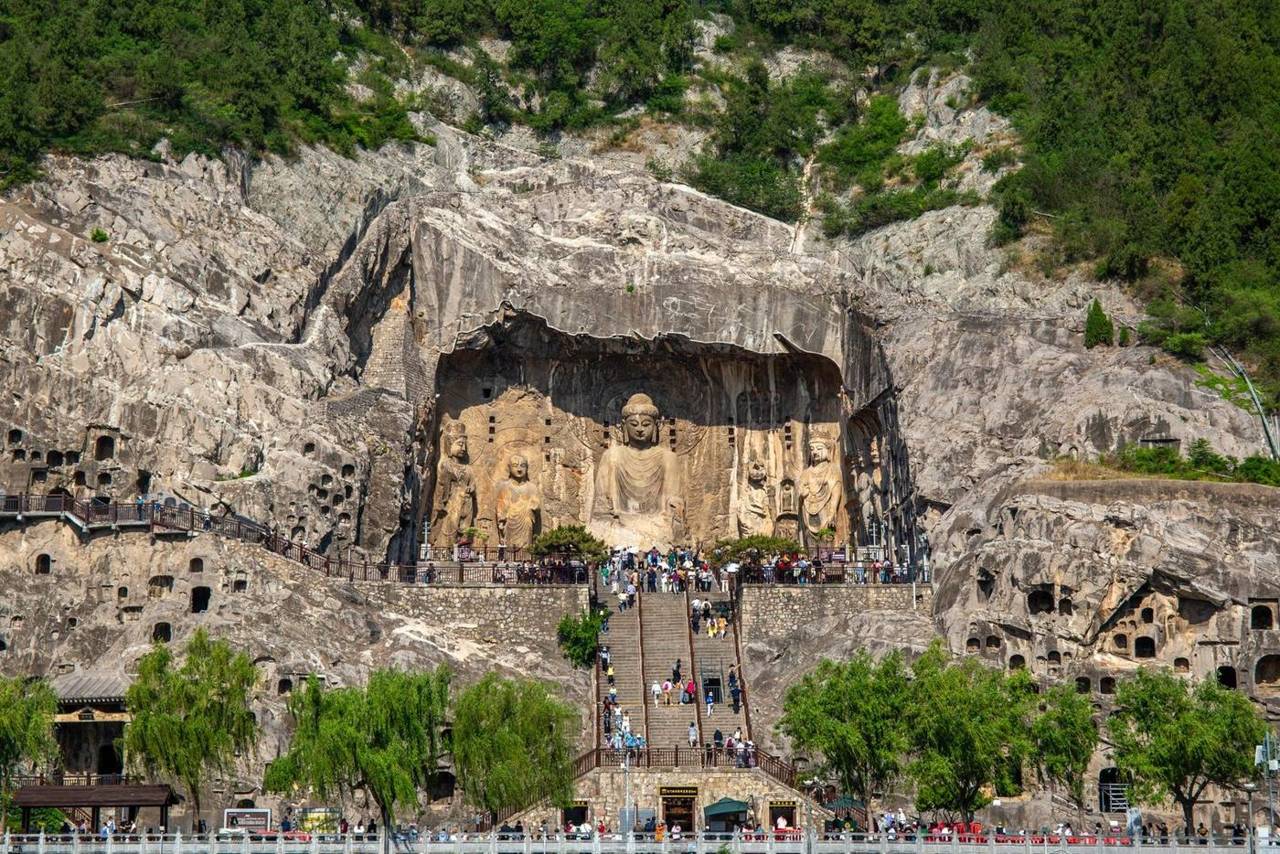
The cradle of Chinese civilisation along the Yellow River: the Longmen grottoes with thousands of Buddhas carved in the rock, the Shaolin monastery where kung fu was born, and Kaifeng, an old capital with its night market.
 6 daysModerate
Shandong: Taishan, Qufu and Qingdao
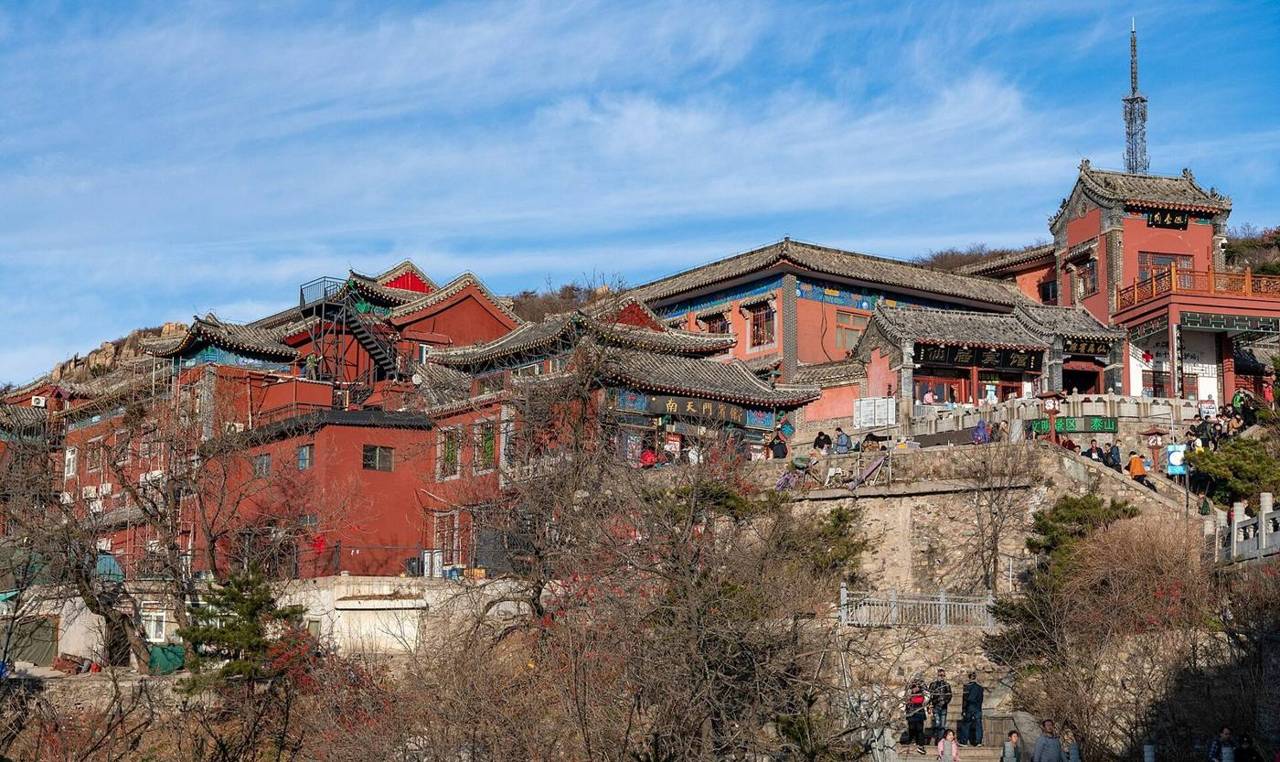
The land of Confucius: the temple, mansion and cemetery of the Kong family in Qufu, the climb up the 6,000 steps of Mount Tai, sacred mountain of the emperors, the springs of Jinan and Qingdao, a seaside city with German architecture and its beer.
 6 daysModerate
Qinghai: the blue lake and the Tibetan plateau
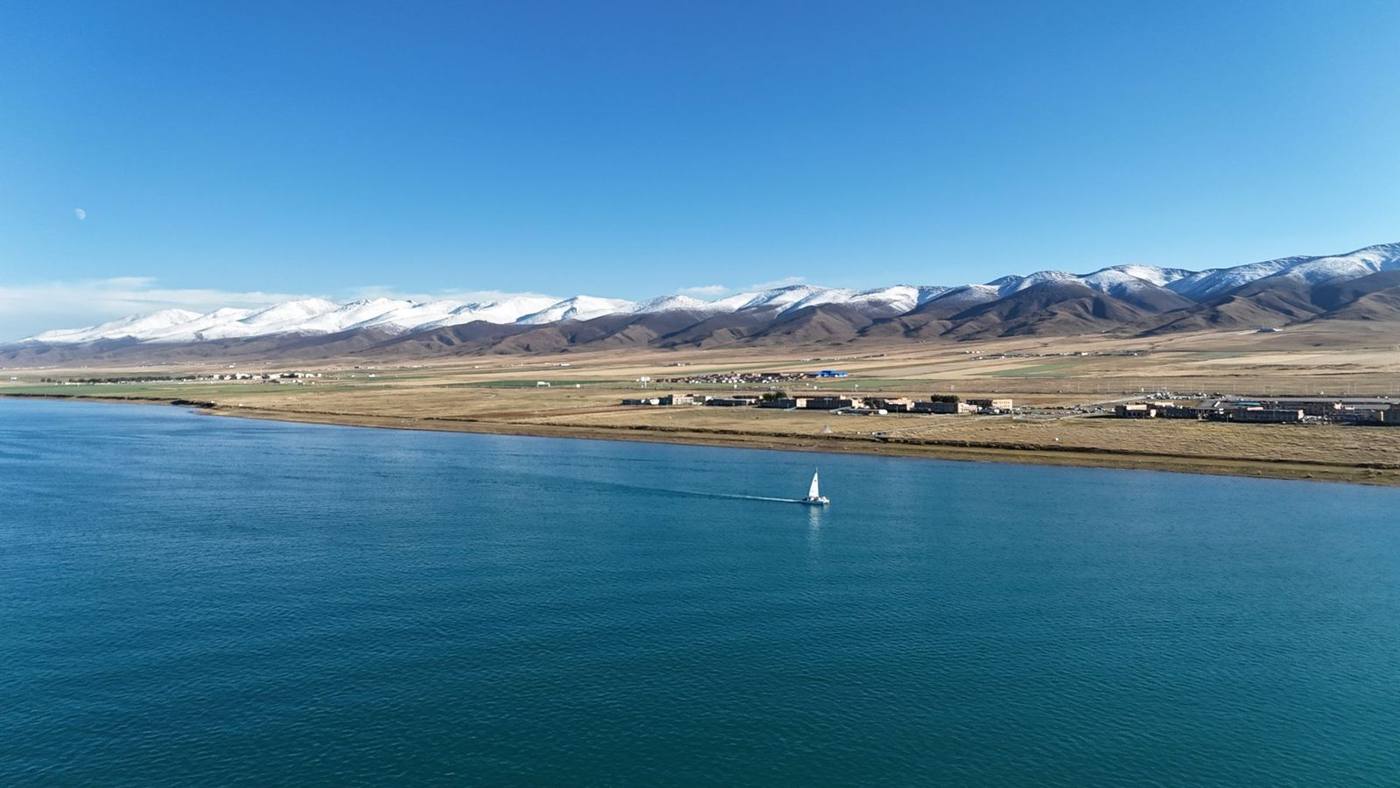
Tibetan culture outside Tibet, without special permits: Kumbum monastery, the great Qinghai Lake at 3,200 metres with its flowering rapeseed fields, the Chaka salt lake that mirrors the sky and herders' villages on the plateau.