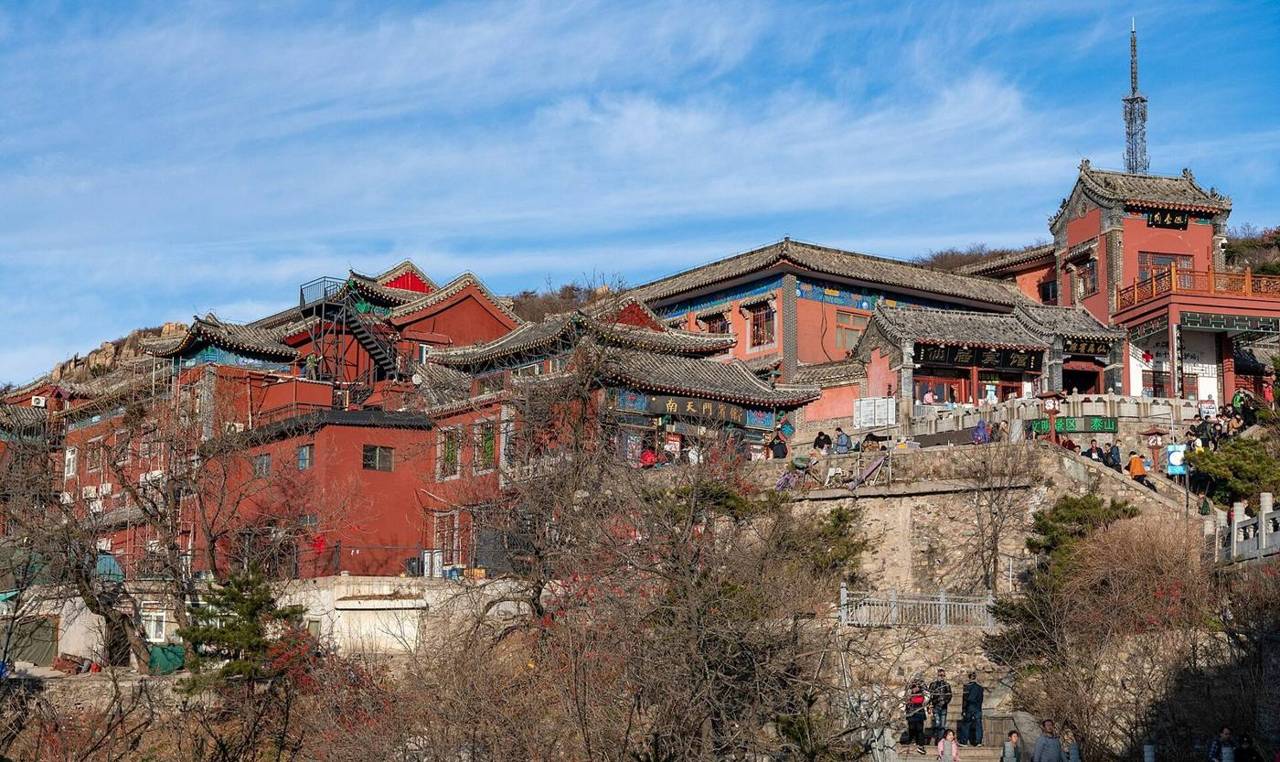
Shandong: Taishan, Qufu and Qingdao
The land of Confucius: the temple, mansion and cemetery of the Kong family in Qufu, the climb up the 6,000 steps of Mount Tai, sacred mountain of the emperors, the springs of Jinan and Qingdao, a seaside city with German architecture and its beer.
- Jinan
- Tai'an
- Taishan
- Qufu
- Qingdao
Day by day
- Day 1
Jinan: Baotu spring and Daming lake
Shandong is a province of eastern China on the Yellow Sea, between Beijing and Shanghai, little known to foreign travellers but fundamental to Chinese culture. Confucius was born here, the philosopher who shaped China for more than two thousand years, and here rises Mount Tai, the most sacred of China's five mountains, where emperors climbed to pay homage to heaven. On the coast is Qingdao, a former German colony, with brick houses and beer. In six days you cross the province by high-speed train.
Jinan, the capital, can be reached by high-speed train from Beijing in under two hours, or from Shanghai in about three and a half hours. It is called the city of springs, because more than seventy natural springs rise in the centre.
In the afternoon, visit the park of Baotu spring, the most famous, where water rises from the ground in three jets bubbling in a stone pool, surrounded by pavilions, bridges and gardens. The water is clear and cool, and many residents use it for tea.
Then walk along the canals of the centre to Daming lake, a large lake in the heart of the city, with pavilions on the water, willows, lotus flowers in summer and boats. On the shores there are temples, gardens and an island with an old pavilion.
In the evening, try Shandong cooking, called lu, one of the eight great cuisines of China, famous for clear soups, sweet and sour fish and leeks cooked in many ways.
Practical tip: in China many services work with phone payments. Before you go, set up a payment app with an international card, and also carry some cash.
- Day 2
Climbing Mount Tai and a night at the top
In the morning, take the high-speed train from Jinan to Tai'an, at the foot of Mount Tai, in about twenty minutes. Mount Tai, Taishan, 1,545 metres high, is the most important of China's five sacred mountains and a UNESCO site since 1987. For more than two thousand years emperors, poets, monks and pilgrims have climbed it, and along the path there are hundreds of temples, gates, inscriptions carved into the rock and stelae.
The classic climb starts at the First Gate of Heaven, north of Tai'an, and climbs about six thousand stone steps to the summit, in four to six hours. The path passes the Middle Gate of Heaven, halfway up, and then tackles the Eighteen Bends, the steepest stretch, a staircase that seems to rise into the sky up to the South Gate of Heaven, at the entrance to the summit area. Those less fit can take a bus to the Middle Gate of Heaven and then the cable car to the top.
At the top, walk along Heavenly Street, a street of shops and hotels, to the temple of the Princess of the Azure Clouds and the Jade Emperor temple on the summit, with the stone marking its highest point. Nearby is the cliff with the inscriptions of Emperor Xuanzong, from 726, carved in gold.
In the evening, sleep in one of the hotels at the top, to see the sunrise the next morning.
Practical tip: it is cold at the top, even on summer nights. Hotels often lend heavy jackets for the sunrise. Bring water and food for the climb: prices are higher up top.
- Day 3
Sunrise on Mount Tai and the Dai temple
In the morning, before dawn, go up with all the other visitors to the Riguanfeng viewpoint, the peak where people watch the sun rise. Watching the sunrise from Mount Tai is an ancient tradition: when the sky is clear the sun rises above a sea of clouds, and the crowd waiting in the dark, wrapped in jackets, applauds when the red disc appears on the horizon.
After sunrise, walk around the summit among the rocks, pines and temples, then go down on foot by the staircase, or by cable car to the Middle Gate of Heaven and by bus to town. Going down on foot you see the inscriptions and temples better than when hurrying up, such as the Valley of Scriptures, with the Diamond Sutra carved on a large flat rock in a stream bed.
In the afternoon, visit the Dai temple in Tai'an, the great temple at the foot of the mountain where emperors held ceremonies before the climb. It is one of the three great complexes of ancient architecture in China, with walls, courtyards, thousand-year-old cypresses and the Tiankuang hall, with a large mural showing the mountain god on a journey.
In the evening, rest in Tai'an and try Tai'an jianbing, a thin grain crêpe folded with leeks and sauces.
Practical tip: on Chinese national holidays, especially in early October, the mountain is extremely crowded. Avoid those days if you can.
- Day 4
Qufu: the temple, mansion and forest of Confucius
In the morning, take the high-speed train or bus from Tai'an to Qufu, in under an hour. Qufu is the birthplace of Confucius, the philosopher born in 551 BC, who taught respect for family, ancestors and social order, and whose ideas influenced China, Korea, Japan and Vietnam. The temple, mansion and cemetery of Confucius have been a UNESCO site since 1994.
Start with the Temple of Confucius, one of the largest complexes of ancient architecture in China, enlarged by emperors over the centuries. You pass through a series of courtyards with gates, ancient cypresses and stelae carried by stone tortoises, to the Dacheng hall, the main hall, with stone columns carved with dragons and a roof of yellow tiles, the colour reserved for emperors.
Next door is the Kong Mansion, the home where Confucius's direct descendants lived for generations, with hundreds of rooms, offices, courtyards and a garden.
In the afternoon, north of the town, visit the Confucius forest, the Kong family cemetery, where Confucius and more than a hundred thousand of his descendants are buried among ancient trees and stelae. The cemetery is large, and you can tour it by bicycle, electric cart or carriage.
In the evening, walk the streets of the old town, enclosed by its rebuilt walls, and try the cooking of the Kong family.
Practical tip: in late September, for Confucius's birthday, Qufu holds ceremonies with traditional music and dance.
- Day 5
Qingdao: the German old town and the seafront
In the morning, take the high-speed train from Qufu to Qingdao, in about three hours. Qingdao is a city on the Yellow Sea, with beaches, hills, bays and an atmosphere unlike any other Chinese city. From 1898 to 1914 it was a German concession, and the Germans built a port, a railway, a brewery and a district of red-roofed villas, which survives today.
In the afternoon, walk through the old town, starting at Zhanqiao pier, a long pier over the sea with a pavilion at the end, the symbol of the city. Then climb to Saint Michael's cathedral, with its two Gothic towers, and walk the sloping streets with stone houses, colonial villas and the Protestant church on the hill.
Continue east to Badaguan, the eight passes district, each street named after a pass of the Great Wall and planted with different trees, with villas in European styles set in greenery. Here the seafront passes close to beaches and small rocky headlands.
Towards evening, visit the Tsingtao beer museum, in the old brewery founded by the Germans in 1903. You see the historic buildings, the old machines and the story of the best-known Chinese beer in the world, with a tasting at the end.
In the evening, have dinner with fish and seafood, such as stir-fried clams and prawns, with draught beer. In Qingdao, draught beer is even sold in plastic bags at street shops.
Practical tip: in August the Qingdao International Beer Festival is held. The city is very crowded then.
- Day 6
Mount Lao and departure
The last day is devoted to Mount Lao, Laoshan, about an hour east of the city. It is a granite mountain dropping straight into the sea, over a thousand metres high, considered one of the cradles of Taoism. Taoist monks have lived here for centuries, and the mountain is dotted with temples, caves and springs.
The park is large and divided into several areas, linked by internal buses. The most visited is the area of the Taiqing palace, the oldest and largest Taoist temple of Laoshan, founded more than two thousand years ago, on the shore among ancient trees. From here a cable car or a trail climbs to the granite peaks, with views over the bays and the sea.
Laoshan spring water is famous all over China and is also used for Qingdao's beer and for the tea grown on the mountain's slopes, which you can taste in the villages.
In the afternoon, return to the city and take your flight or train. Qingdao has international flights and high-speed trains to Beijing, in about three hours, and to Shanghai.
Practical tip: Italian citizens can enter China without a visa for tourism until 31 December 2026, for a maximum stay of 30 days. For trips from 2027, check whether the exemption has been extended. Hotels register your passport: always keep it with you. In China many Western websites and apps do not work without special tools.
A cultural trip with a demanding climb: Mount Tai's steps are many and steep, but there are buses and a cable car for those who prefer. At the top it is cold at dawn even in spring. During Chinese public holidays (early May and early October) the mountain is extremely crowded: avoid them. For Italian and many other European citizens, entry without a visa for up to 30 days applies until 31 December 2026: for trips after that date, check whether it has been extended.
Before you go
- Documents and visa
- Passport with at least six months' validity. Until 31 December 2026 Italian and many other European citizens need no visa for tourism up to 30 days; check whether the scheme has been extended and covers you.
- Health and vaccines
- No compulsory vaccines arriving from Europe. In big cities check air quality. Emergencies: 110 police, 120 ambulance, 119 fire.
- Money and payments
- Renminbi yuan. Almost everything is paid with Alipay and WeChat QR codes, which can be linked to foreign cards; carry some cash.
- Power sockets
- Types A, C and I, 220 volts: a universal adapter is useful.
- Time zone
- UTC+8 all year: all of China uses Beijing time.
- Safety
- The United States rates China level 2 because of arbitrary enforcement of local laws. Always carry your passport. Many Western websites and apps are blocked. Official advice: GOV.UK.
Information checked in November 2026 for Italian and EU citizens. Rules change: always check before you travel.
Variations
In 4 days: Mount Tai with a night at the top and Qufu, starting from Beijing.
In 9 days: add Beijing at the start, with the Forbidden City and the Great Wall.
Frequently asked questions
When is the best time to go?
Spring and autumn, from April to June and from September to October. Avoid the national holiday in early October, when Mount Tai is extremely crowded.
Is the climb up Mount Tai tiring?
On foot it is about six thousand steps in four to six hours. Those who prefer can take the bus and cable car to the top.
What documents do I need?
A passport. Italian citizens can enter without a visa for tourism for up to 30 days, under an exemption valid until 31 December 2026: check whether it has been extended for 2027.
Indicative itinerary written by World Atlas. Before booking, check timetables, seasonal openings, documents and safety.
 6 daysModerate
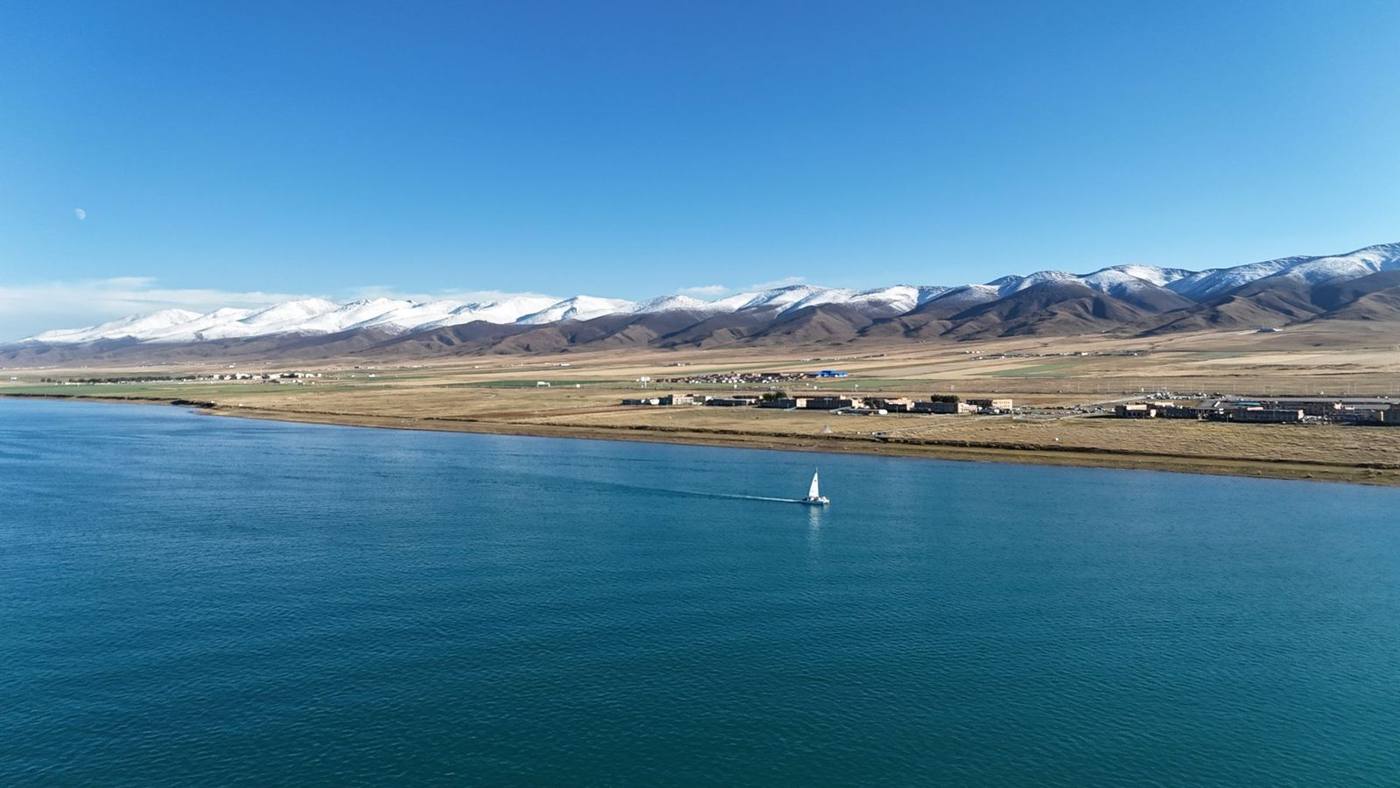
Qinghai: the blue lake and the Tibetan plateau
Tibetan culture outside Tibet, without special permits: Kumbum monastery, the great Qinghai Lake at 3,200 metres with its flowering rapeseed fields, the Chaka salt lake that mirrors the sky and herders' villages on the plateau.
 7 daysEasy
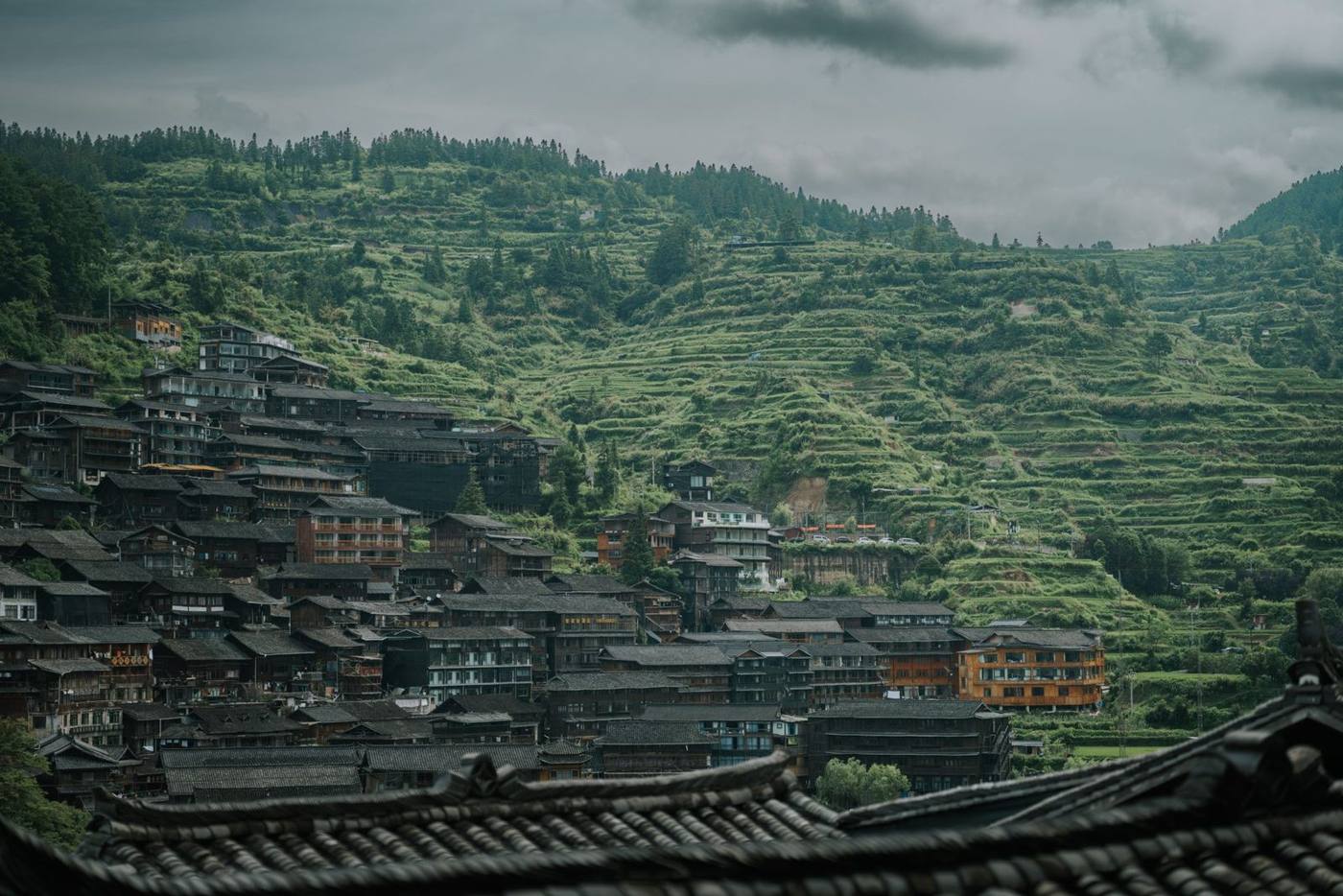
Guizhou: Miao and Dong villages
The China of the minorities: the great Miao village of Xijiang with its wooden houses on the hill, the wind-and-rain bridges and drum towers of the Dong at Zhaoxing, the Huangguoshu waterfall and the karst forests of Libo.
 4 daysEasy
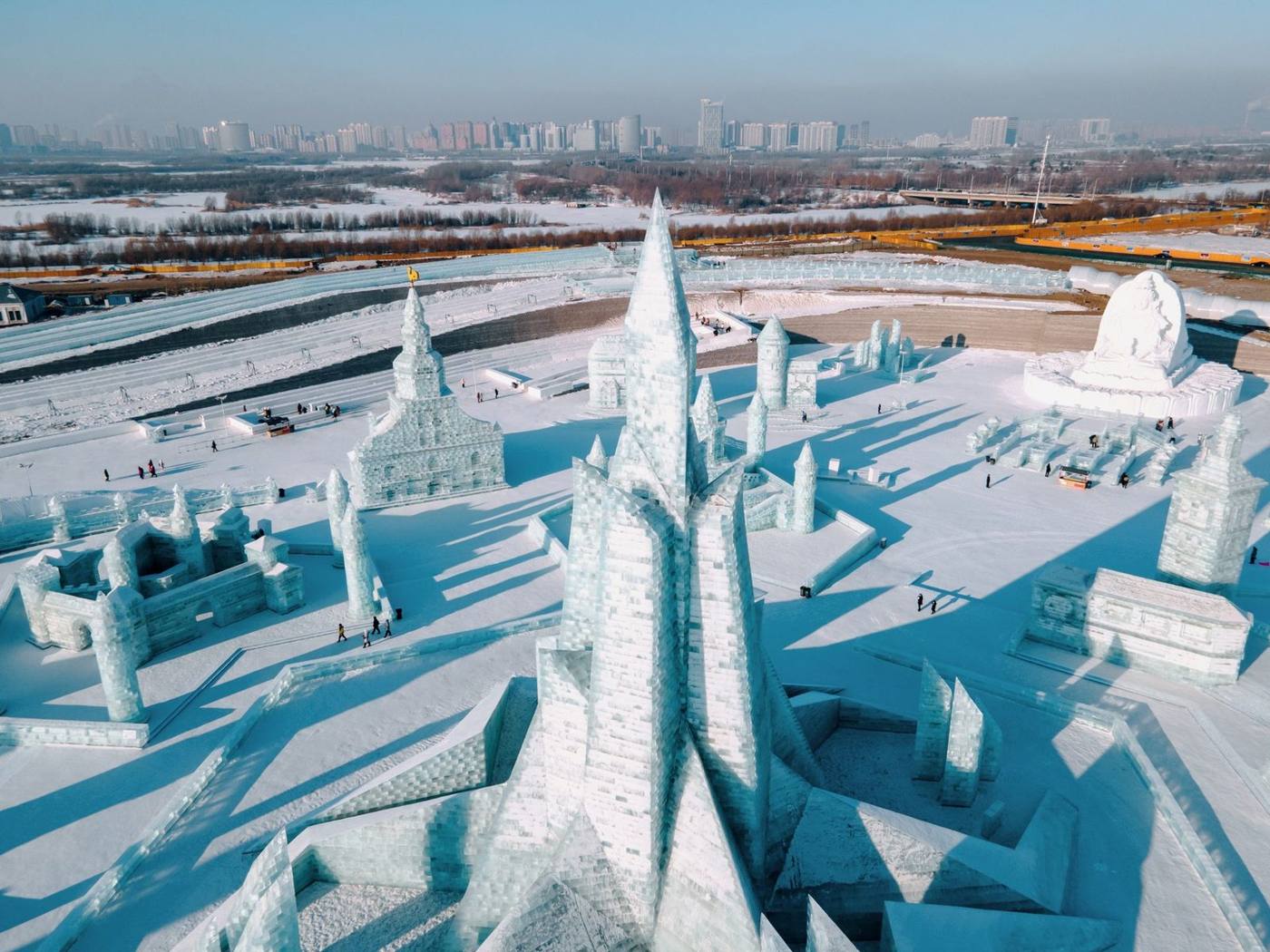
Harbin, the ice festival
China's coldest city at its most spectacular: the lit-up ice castles of Ice and Snow World, the snow sculptures of Sun Island, the central street with Russian architecture and St Sophia Cathedral, the Siberian tiger park.