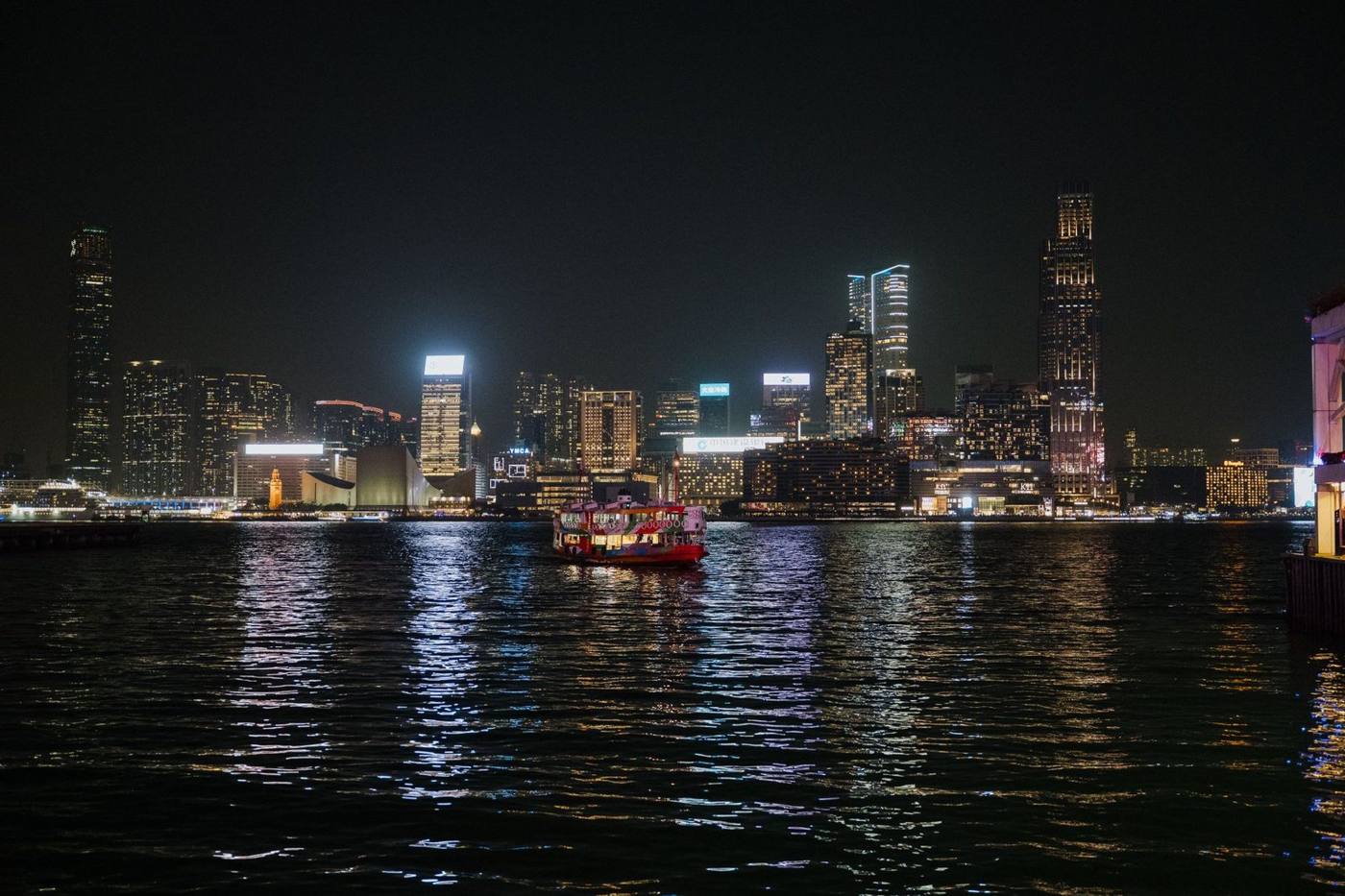
Hong Kong and Macau
The skyscrapers and hills of Hong Kong, the Star Ferry, the Kowloon markets, the Lantau Buddha and coastal trails, then Macau with its Portuguese historic centre (UNESCO World Heritage) and Macanese cooking.
- Hong Kong
- Kowloon
- Lantau
- Macao
Day by day
- Day 1
Victoria Peak, Central, Sheung Wan and the Star Ferry
Hong Kong and Macau are special administrative regions of China with their own entry rules, different from mainland China: EU citizens can enter without a visa for tourist stays of up to ninety days with a valid passport. Check the rules for your nationality. Each also has its own currency, the Hong Kong dollar and the Macau pataca.
From Hong Kong airport you reach the centre on the Airport Express train in about twenty-five minutes. Buy an Octopus card straight away, a rechargeable card valid on the metro, buses, trams, ferries and in many shops.
In the morning go up Victoria Peak on the Peak Tram, the funicular running since 1888, climbing very steeply among skyscrapers and forest. From the top you see the city's most famous view: the skyscrapers of Central, Victoria Harbour and, beyond it, the Kowloon peninsula. The Lugard Road loop, about an hour and almost flat, offers the best views.
In the afternoon go down to Central, the business district, with the Bank of China and HSBC towers, and ride the world's longest outdoor covered escalator, the Mid-Levels Escalator, climbing about eight hundred metres between the streets. Then stroll through Sheung Wan, with shops selling dried seafood, medicinal herbs and tea, and the Man Mo temple, full of incense coils hanging from the ceiling.
At sunset cross the harbour on the Star Ferry, the green and white ferry in service since 1888, to Tsim Sha Tsui, with views of the lit skyscrapers.
Practical tip: at eight in the evening, from the Tsim Sha Tsui waterfront, you can watch the light and music show on the island's skyscrapers.
- Day 2
Kowloon: Mong Kok markets, Wong Tai Sin and dim sum
Today is a day in Kowloon, the peninsula opposite Hong Kong Island, busier, more crowded and lively.
In the morning start with dim sum, small Chinese dishes steamed or fried and served in bamboo baskets with tea, a Hong Kong tradition called yum cha, drinking tea. Try har gow, translucent shrimp dumplings, siu mai, steamed buns with barbecued pork and egg tarts.
Then visit Wong Tai Sin temple, one of the city's busiest, with red and gold roofs, where Taoism, Buddhism and Confucianism are practised together. Worshippers shake fortune sticks in a bamboo cylinder until one falls out, and take it to the fortune-tellers nearby to have their future read.
In the afternoon go to Mong Kok, one of the most densely populated districts in the world, with its street markets: the Ladies' Market, with clothes and souvenirs, the Goldfish Market, with thousands of fish in plastic bags hanging in shop windows, the Flower Market and the Bird Garden, where older men bring their birds out in bamboo cages.
In the evening visit the Temple Street night market in Yau Ma Tei, with stalls, fortune-tellers, Cantonese opera singers performing in the street and open-air kitchens.
Practical tip: bargain politely in street markets; in electronics shops always check for an international warranty.
- Day 3
Lantau: the cable car, the Big Buddha and Tai O
Today is a trip to Lantau, Hong Kong's largest island, green and mountainous, also home to the airport. The metro reaches Tung Chung station in about forty minutes from the centre.
From here take the Ngong Ping 360 cable car, almost six kilometres long, rising in about twenty-five minutes over the bay, mountains and forest, with views of the airport and the sea. There are standard cabins and glass-floored cabins.
At the top stands the Tian Tan Buddha, known as the Big Buddha, a large seated bronze statue about thirty-four metres high, unveiled in 1993, on a hill reached by a staircase of more than two hundred steps. Next to it is Po Lin monastery, with colourful temples and a vegetarian restaurant. Nearby, the Wisdom Path has tall wooden columns inscribed with a Buddhist sutra.
In the afternoon take the bus to Tai O, a fishing village on the west coast, with stilt houses built over channels and mangroves, and shops selling dried fish and shrimp paste. You can take a short boat ride, sometimes with the chance of seeing Chinese white dolphins, pink in colour and increasingly rare.
In the evening return to the city by bus to Tung Chung and the metro.
Practical tip: the cable car closes for maintenance at certain times and in bad weather; check beforehand, and book online to avoid weekend queues.
- Day 4
The Dragon's Back trail and Shek O beach
Today discover Hong Kong's green side: almost two thirds of the territory is hills, woods and country parks, with well-marked trails a few minutes from the skyscrapers.
In the morning take the metro to Shau Kei Wan and then a bus to the start of the Dragon's Back, the city's most famous trail, running along the ridge of a hill shaped like a dragon's back on the south-east of Hong Kong Island. The route, about eight kilometres long, takes three to four hours. After an initial climb through trees, the path follows the ridge with views over the sea, beaches, islands and Shek O village. Then it descends through woods to Big Wave Bay, a beach popular with surfers.
In the afternoon reach Shek O beach, a quiet village with colourful houses, seafood restaurants and a sandy beach with clean water. Walk out to Shek O Headland, linked by a small bridge, with rocks above the sea.
Alternatively, if you prefer the sea, take a bus to Stanley, with its market, seaside promenade and beach, or the ferry to Lamma closed to cars Island, with trails between villages and seafood restaurants by the harbour.
Practical tip: summer is very hot and humid, with a risk of typhoons from June to October; set off early, carry plenty of water and check the Observatory's warnings.
- Day 5
Macau: Senado Square, the Ruins of St Paul's, Taipa and egg tarts
In the morning go to Macau, about an hour from Hong Kong by fast ferry, or by bus across the long sea bridge linking Hong Kong, Zhuhai and Macau. On entering Macau you pass through immigration.
Macau was a Portuguese colony for more than four hundred years, until 1999, and its historic centre, a UNESCO World Heritage site, is a unique blend of European and Chinese architecture. Start at Senado Square, the main square, with wave-patterned black and white Portuguese paving, pastel colonial façades and the yellow church of St Dominic. Then climb to the Ruins of St Paul's, the stone façade of a seventeenth-century Jesuit church destroyed by fire in 1835, standing alone at the top of a great staircase. Next to it, Monte Fort offers views over the city and houses the Macau Museum.
In the afternoon visit A-Ma temple, the city's oldest, dedicated to the goddess of fishermen, from whom the name Macau is said to come. Then reach Taipa, with its old village of narrow streets, colourful Portuguese houses and pastry shops. Try Portuguese-style egg tarts, puff pastry with egg custard, and the pork chop bun.
In the evening return to Hong Kong or, if you prefer, stay in Macau and see the lights of the great casinos on the Cotai Strip.
Things to take home: tea, Macau biscuits, porcelain and electronics with an international warranty.
Practical tip: bring your passport even on a day trip, as there are checks between Hong Kong and Macau. Check your government's travel advice before leaving.
Easy and safe, ideal at the start or end of a trip to China. Hong Kong and Macau have their own border controls and entry rules, different from mainland China: entering the mainland from here means crossing a real border. From June to September it is very hot and humid, with a typhoon risk.
Before you go
- Documents and visa
- Passport with at least six months' validity. Until 31 December 2026 Italian and many other European citizens need no visa for tourism up to 30 days; check whether the scheme has been extended and covers you.
- Health and vaccines
- No compulsory vaccines arriving from Europe. In big cities check air quality. Emergencies: 110 police, 120 ambulance, 119 fire.
- Money and payments
- Renminbi yuan. Almost everything is paid with Alipay and WeChat QR codes, which can be linked to foreign cards; carry some cash.
- Power sockets
- Types A, C and I, 220 volts: a universal adapter is useful.
- Time zone
- UTC+8 all year: all of China uses Beijing time.
- Safety
- The United States rates China level 2 because of arbitrary enforcement of local laws. Always carry your passport. Many Western websites and apps are blocked. Official advice: GOV.UK.
Information checked in November 2026 for Italian and EU citizens. Rules change: always check before you travel.
Variations
In 3 days: Victoria Peak, Central and the Star Ferry on day one, Kowloon on day two, Lantau with the Big Buddha on day three, without Macau.
In 8 days: add the islands of Lamma and Cheung Chau, the Sai Kung geopark, and two nights in Macau with Coloane and Cotai.
Frequently asked questions
Do I need a visa for Hong Kong and Macau?
EU citizens need no visa for tourist stays of up to ninety days in either, with a valid passport. Mainland China has different rules.
How do I get from Hong Kong to Macau?
By fast ferry in about an hour, or by bus across the Hong Kong-Zhuhai-Macau Bridge. There are immigration checks in both directions.
When is the best time to go?
October to December, with dry, cool weather. Summer is very hot and humid, with a risk of typhoons from June to October.
Indicative itinerary written by World Atlas. Before booking, check timetables, seasonal openings, documents and safety.
 7 daysEasy
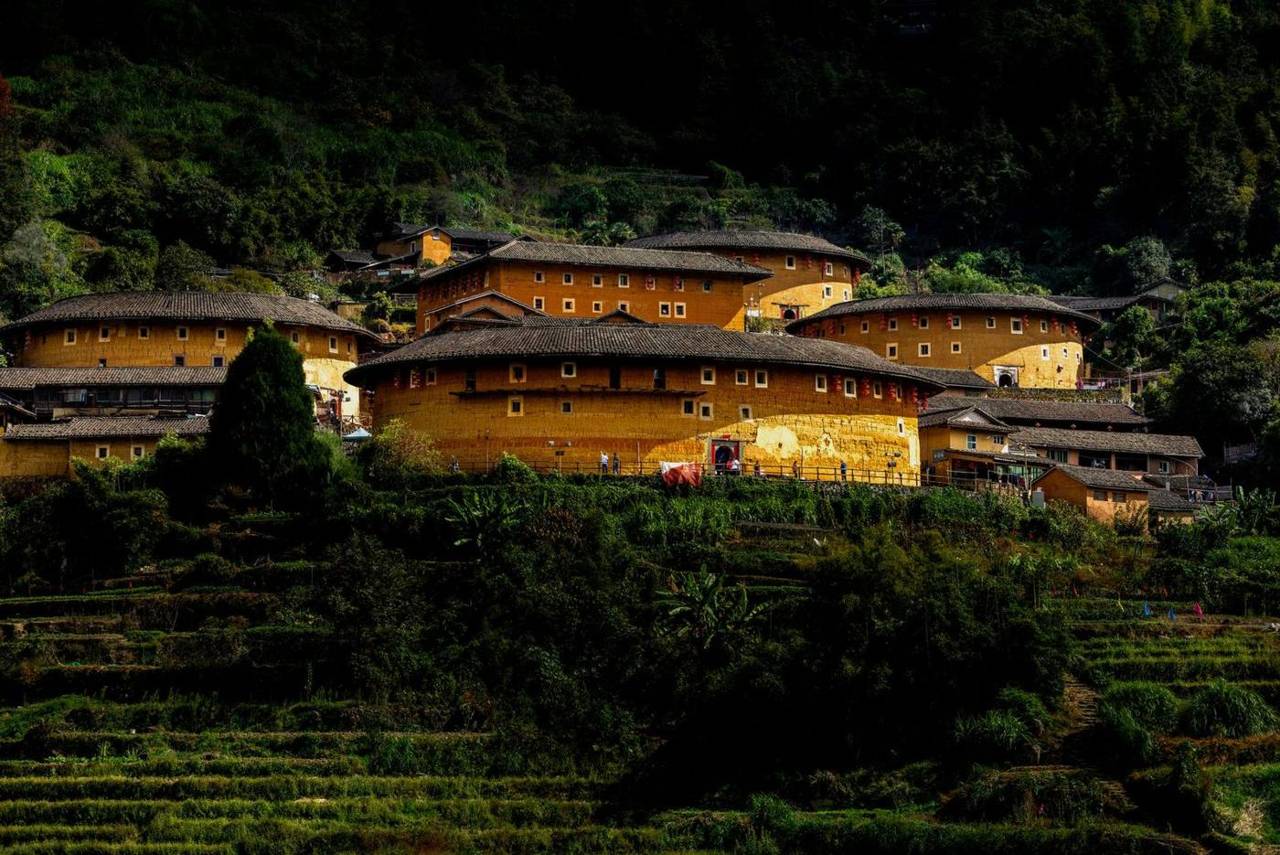
Fujian: Xiamen, the tulou and Wuyishan
The south-east coast: Xiamen and the island closed to cars of Gulangyu, the great round earthen houses of the Hakka (tulou), a UNESCO World Heritage site, and the Wuyi mountains, home of oolong tea, where you float down the Nine-Bend River on bamboo rafts.
 7 daysEasy
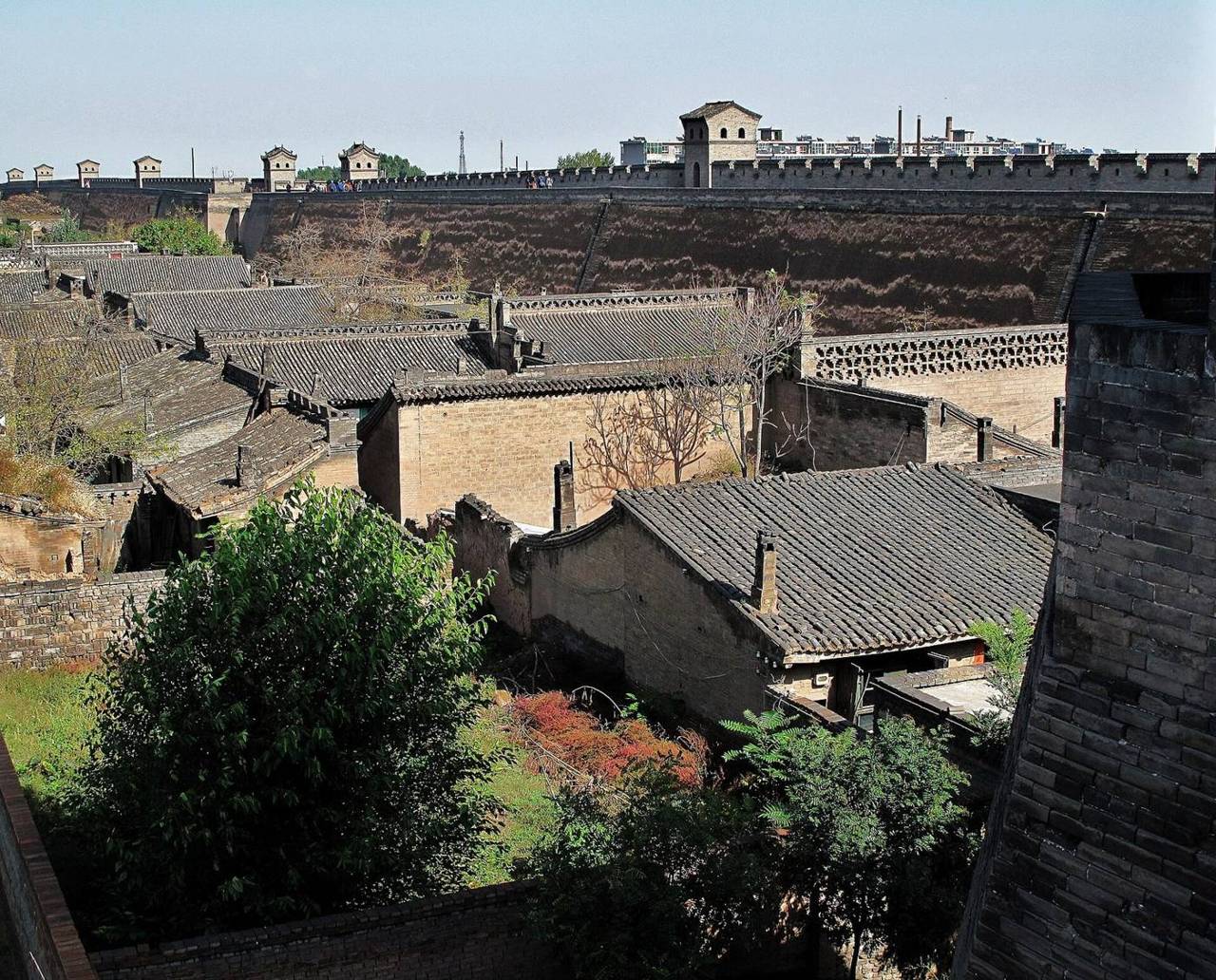
Shanxi: Pingyao, Datong and Wutaishan
Ancient northern China: the walled city of Pingyao, intact since Ming times, the Buddhist grottoes of Yungang in Datong, the Hanging Temple clinging to the cliff and the sacred mountain of Wutaishan with its monasteries, all UNESCO World Heritage sites.
 5 daysEasy
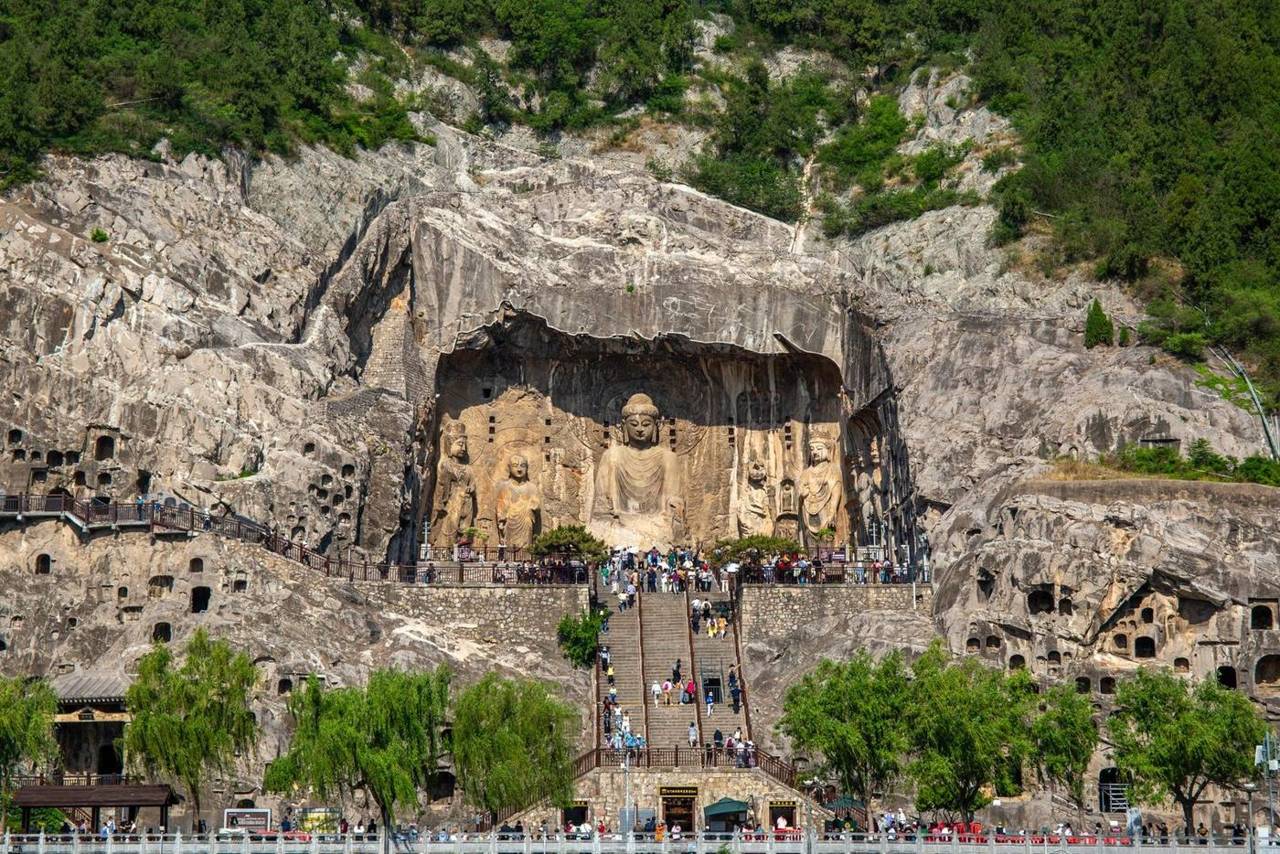
Henan: Luoyang, Shaolin and Kaifeng
The cradle of Chinese civilisation along the Yellow River: the Longmen grottoes with thousands of Buddhas carved in the rock, the Shaolin monastery where kung fu was born, and Kaifeng, an old capital with its night market.