Fujian: Xiamen, the tulou and Wuyishan
The south-east coast: Xiamen and the island closed to cars of Gulangyu, the great round earthen houses of the Hakka (tulou), a UNESCO World Heritage site, and the Wuyi mountains, home of oolong tea, where you float down the Nine-Bend River on bamboo rafts.
- Xiamen
- Gulangyu
- Tianluokeng
- Yongding
- Wuyishan
Day by day
- Day 1
Xiamen: Nanputuo Temple and the seaside university
Fujian is a province on China's south east coast, facing Taiwan. It is a land of green mountains, tea, old ports and villages where the Hakka live, a Chinese people with a history of migration and traditions of their own. Over seven days you see Xiamen, a relaxed and leafy seaside city, the great round earthen houses called tulou, and the Wuyi Mountains, home to some of the country's most famous teas. The tulou and Wuyishan are both UNESCO World Heritage Sites.
Xiamen has an international airport with flights from many cities in China and Asia. The city sits on an island linked to the mainland by bridges and tunnels.
In the afternoon visit Nanputuo Temple, one of the most important Buddhist temples in southern China, with very old origins. It has red and gold halls built one above another on a hillside, statues of the Buddha and the goddess of mercy, and a strong scent of incense. Behind the temple a path climbs between the rocks to a viewpoint over the city.
Next to the temple is the Xiamen University campus, considered one of the most beautiful in China, with buildings that combine Chinese roofs and European style walls, ponds and a nearby beach. At times visitor access is limited or requires booking: check first.
In the evening walk along the seafront and try Fujian cooking, light and based on fish, shellfish and soups.
Spend the night in Xiamen.
Practical tip: check China's entry rules for your nationality. Until 31 December 2026, Italian citizens can enter visa no-cost for short stays; for trips in 2027, check whether the rule has been extended. In China you need local payment and map apps: install them before you leave.
- Day 2
Gulangyu, the island of villas and music
Today you visit Gulangyu, a small island opposite Xiamen, a few minutes away by ferry. In the nineteenth century, after the port opened to foreigners, European, American and Japanese consulates, merchants and missionaries settled here, alongside wealthy Chinese families returning from South East Asia. They built villas, churches, schools and gardens in many styles, blending Western and Chinese architecture. Today the island is a UNESCO World Heritage Site.
There are no cars or motorbikes on the island: you explore on foot, along narrow climbing lanes, among tropical trees, huge banyans and houses with verandas. Gulangyu is also called piano island, because many families used to play, and there is still a piano museum and several music schools.
Climb Sunlight Rock, the highest point on the island, for a view over all of Gulangyu, the sea and the skyscrapers of Xiamen. Then visit Shuzhuang Garden, built on the sea by a wealthy merchant, with zigzag bridges over the water.
In the afternoon walk along the island's coast, past small beaches and rocks, and stop in the shopping lanes to taste local specialities such as oyster omelettes and bean paste pastries.
In the evening take the ferry back to Xiamen.
Spend the night in Xiamen.
Practical tip: the number of daily visitors to the island is capped and ferry tickets are bought with your passport, often online. Book ahead, especially at weekends and during Chinese holidays, and check which pier the tourist ferry leaves from.
- Day 3
The Tianluokeng tulou, the round houses of the Hakka
Today you leave the coast and head inland, through hills covered in tea and bamboo. In about three to four hours, with a car and driver or an organised bus, you reach the tulou area in Nanjing county.
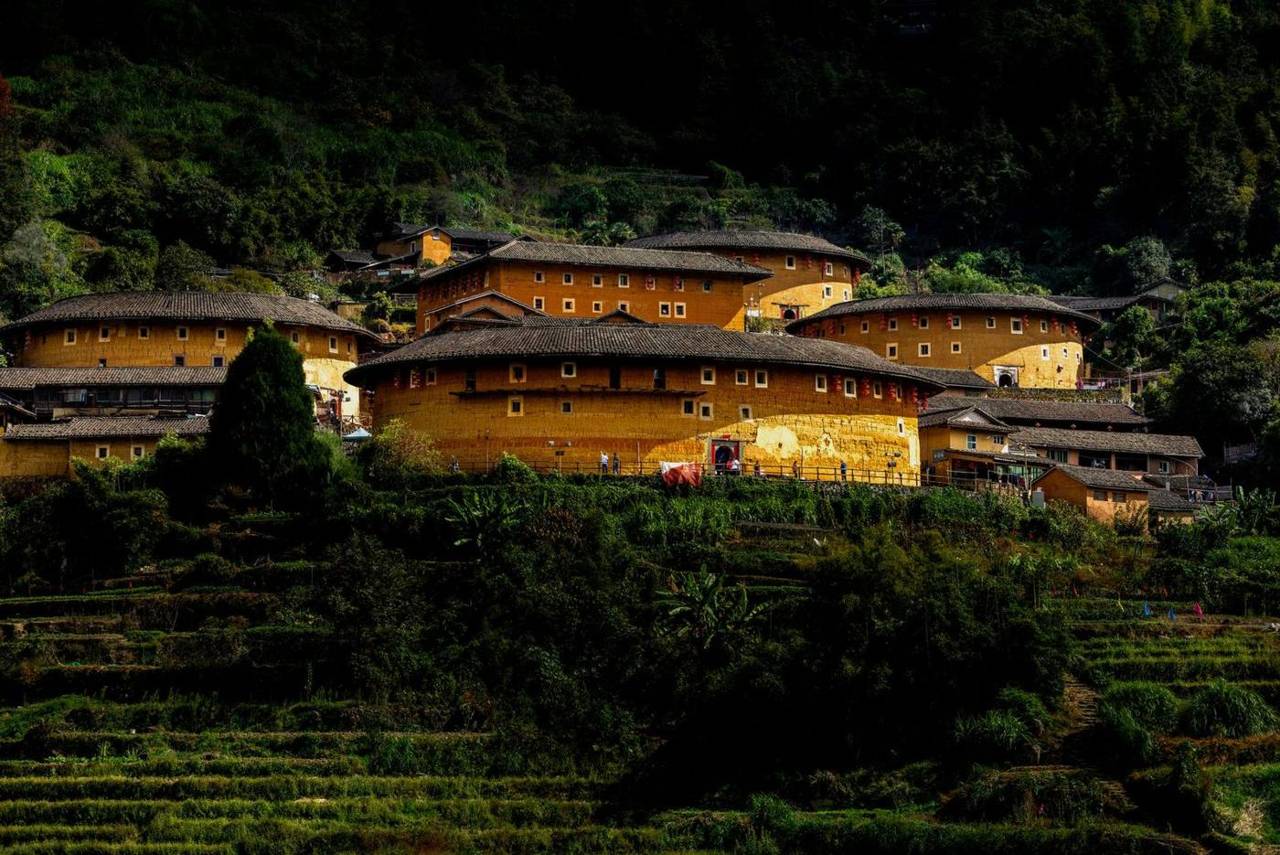
Tulou are large buildings of rammed earth, round or square, several storeys high, built from many centuries ago by the Hakka and other local communities. Each was a whole village: dozens of families, sometimes hundreds of people, lived inside, in rooms arranged on several floors around a large central courtyard. Thick walls and a single entrance protected them from bandits and wars.
The most famous group is Tianluokeng, fondly known as four dishes and a soup: from above you see a square tulou in the centre and four round or oval ones around it. The viewpoint on the hill gives the best view, especially early in the morning or late in the afternoon.
Then go down to visit the tulou from inside. Families still live in many of them and sell tea, dried fruit and handmade goods. You see the wooden stairs, the galleries, the well and the small ancestral temple in the courtyard.
In the evening sleep in a tulou converted into a small guesthouse, an unusual experience: rooms are simple, but the quiet of the courtyard at night is lovely.
Practical tip: check ticket prices for the tulou clusters before you go, as they change often. Respect the lives of the families who live there and always ask before entering private rooms.
- Day 4
The Yongding tulou and another night in a round house
Today you visit the Yongding tulou area, about an hour's drive from Tianluokeng. Here the buildings are larger and more elaborate, and some are considered the finest in all of Fujian.
Among the best known is Zhencheng Lou, called the prince of tulou, built in the early twentieth century. It has two concentric rings: the outer one with the families' rooms, the inner one with a large hall decorated with Western style columns, combining Chinese tradition with influences brought back by people who had worked abroad.
Nearby is Chengqi Lou, one of the largest round tulou, with four rings of buildings one inside another and hundreds of rooms. One family has lived here for many generations. Walking along the wooden galleries and looking down into the courtyard helps you understand how community life worked within these walls.
In the afternoon stroll through the villages and tea terraces around. The area is very green, with rivers, stone bridges and farmland. Stop at a tea house for a tasting of local tea, prepared with great care in small cups.
In the evening sleep in a tulou in Yongding or nearby.
Practical tip: roads between the tulou are narrow and winding. A car with a local driver lets you see more clusters in less time. Carry cash, as not all small sellers accept phone payments from foreign visitors.
- Day 5
The high speed train to Wuyishan
Today you leave the tulou area and head north to the Wuyi Mountains in northern Fujian. The easiest way is the high speed train: take it from Longyan or Xiamen station, depending on where you are staying, and reach Wuyishan station in a few hours, often with one change. The train crosses hills, rice fields and forested mountains.
China's high speed trains are punctual, clean and comfortable. Tickets are bought with your passport, online or at the station, and it is best to book a few days ahead.
From Wuyishan station a taxi takes you to the village area near the park, where most accommodation is.
In the afternoon take a first walk around. The Wuyi Mountains are famous for oddly shaped red and grey rocks, clear rivers, subtropical forest and Taoist and Buddhist temples hidden in the hills. They are a UNESCO World Heritage Site for both nature and history: Zhu Xi, one of the most important Confucian philosophers, lived and taught here, and the remains of his academy can still be seen.
In the evening walk around the village and taste rock tea, a Wuyishan speciality: dark, aromatic teas grown between the rock walls of the valleys.
Spend the night in Wuyishan.
Practical tip: Chinese stations have a security check and you show your passport. Arrive at least thirty to forty minutes before departure, as stations are large and platforms open only shortly before the train.
- Day 6
Rafting the Nine Bend Stream and climbing Tianyou Peak
Today is the best day in Wuyishan. In the morning you float down the Nine Bend Stream, which winds between the mountains for several kilometres, on a bamboo raft pushed by two raftsmen with long poles. The trip takes about an hour and a half. The river is calm and clear, and each bend reveals new rock walls, trees growing on stone and, high up, ancient hanging coffins in the crevices, left by peoples who lived here thousands of years ago.
The raftsmen tell the legends of each rock in Chinese: one looks like an elephant, another like a young woman, another like a huge cup. Even without understanding the words, the landscape speaks for itself.
In the afternoon climb Tianyou Peak, the peak of the heavenly tour. The path is made of stone steps cut into the rock, steep but safe, with handrails. In less than an hour you reach the top, with a view over the whole Nine Bend Stream winding between the mountains. It is the most famous view in Wuyishan.
If you still have energy, go down into the valley and walk to the Taoist temple of Tianxin, or to the great Buddha carved into the rock.
In the evening rest and have a dinner of mountain dishes such as mushrooms, bamboo shoots and river fish.
Spend the night in Wuyishan.
Practical tip: raft tickets are issued in your name with your passport and places are limited: book the day before. Check the park ticket options, as there are different formats for one or more days.
- Day 7
The Da Hong Pao tea gardens and departure
The last morning is devoted to tea. In Wuyishan's valleys, between rock walls, they grow Da Hong Pao, the big red robe, one of China's most famous teas. It is a dark, aromatic oolong that grows among the rocks and takes on a mineral taste from them.
An easy trail crosses the valley where the Da Hong Pao mother trees grow, a few ancient bushes clinging to a rock face. They have not been picked for years, to protect them, but they remain a symbol for the whole region. Along the trail you see tea terraces, streams, small bridges and more rock walls with old inscriptions.
At the end of the walk stop at one of the area's tea houses for a tasting. Local producers prepare tea in the traditional way, in small clay teapots, with short repeated infusions. Each infusion tastes different. If you want to buy some, choose a producer who lets you taste first.
In the afternoon head to Wuyishan airport, with domestic flights, or to the station for a high speed train back to Xiamen, Fuzhou or Shanghai to continue your journey.
Practical tip: loose tea can be taken into Europe in quantities for personal use. Keep it in its original sealed and labelled packaging, and check your home country's customs rules before you travel.
A different China, green and less crowded, with a strong tea culture. Gulangyu ferry tickets and the Wuyishan rafts are issued in your name and must be booked ahead with your passport number. Nights in the tulou are simple. For Italian and many other European citizens, entry without a visa for up to 30 days applies until 31 December 2026: for trips after that date, check whether it has been extended.
Before you go
- Documents and visa
- Passport with at least six months' validity. Until 31 December 2026 Italian and many other European citizens need no visa for tourism up to 30 days; check whether the scheme has been extended and covers you.
- Health and vaccines
- No compulsory vaccines arriving from Europe. In big cities check air quality. Emergencies: 110 police, 120 ambulance, 119 fire.
- Money and payments
- Renminbi yuan. Almost everything is paid with Alipay and WeChat QR codes, which can be linked to foreign cards; carry some cash.
- Power sockets
- Types A, C and I, 220 volts: a universal adapter is useful.
- Time zone
- UTC+8 all year: all of China uses Beijing time.
- Safety
- The United States rates China level 2 because of arbitrary enforcement of local laws. Always carry your passport. Many Western websites and apps are blocked. Official advice: GOV.UK.
Information checked in November 2026 for Italian and EU citizens. Rules change: always check before you travel.
Variations
In 4 days: Xiamen, Gulangyu and a night in a tulou, without Wuyishan.
In 10 days: add Fuzhou and the historic city of Quanzhou, a UNESCO World Heritage Site, on the coast.
Frequently asked questions
When is the best time to go?
Spring and autumn, from March to May and October to November. Summer is hot and humid, with a risk of typhoons on the coast.
Do I need a guide for the tulou?
It is not compulsory, but a local driver helps a lot in getting between villages and finding the finest clusters.
Is English spoken?
Not much outside hotels. Camera translation apps are very useful for menus and signs.
Indicative itinerary written by World Atlas. Before booking, check timetables, seasonal openings, documents and safety.
 7 daysEasy
Shanxi: Pingyao, Datong and Wutaishan
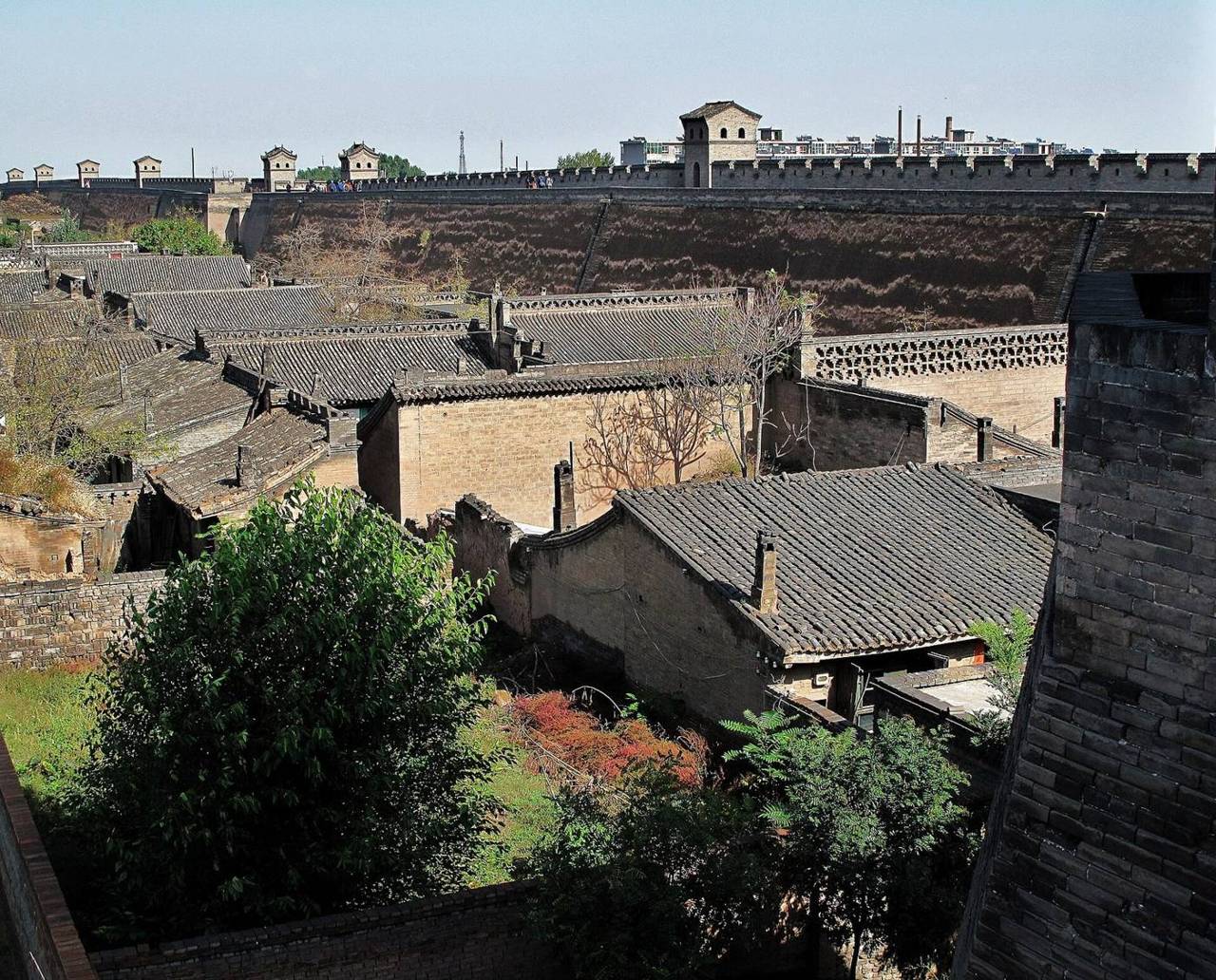
Ancient northern China: the walled city of Pingyao, intact since Ming times, the Buddhist grottoes of Yungang in Datong, the Hanging Temple clinging to the cliff and the sacred mountain of Wutaishan with its monasteries, all UNESCO World Heritage sites.
 5 daysEasy
Henan: Luoyang, Shaolin and Kaifeng
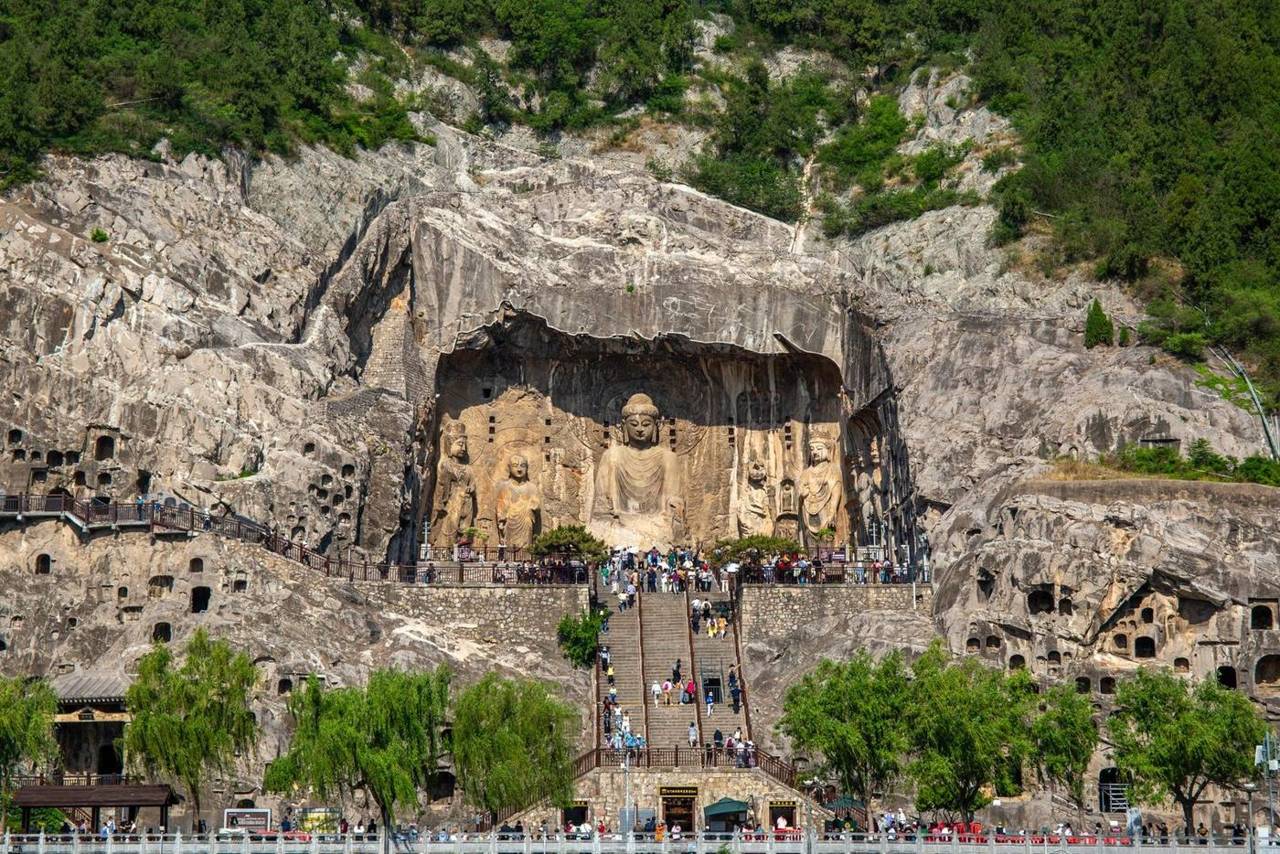
The cradle of Chinese civilisation along the Yellow River: the Longmen grottoes with thousands of Buddhas carved in the rock, the Shaolin monastery where kung fu was born, and Kaifeng, an old capital with its night market.
 6 daysModerate
Shandong: Taishan, Qufu and Qingdao
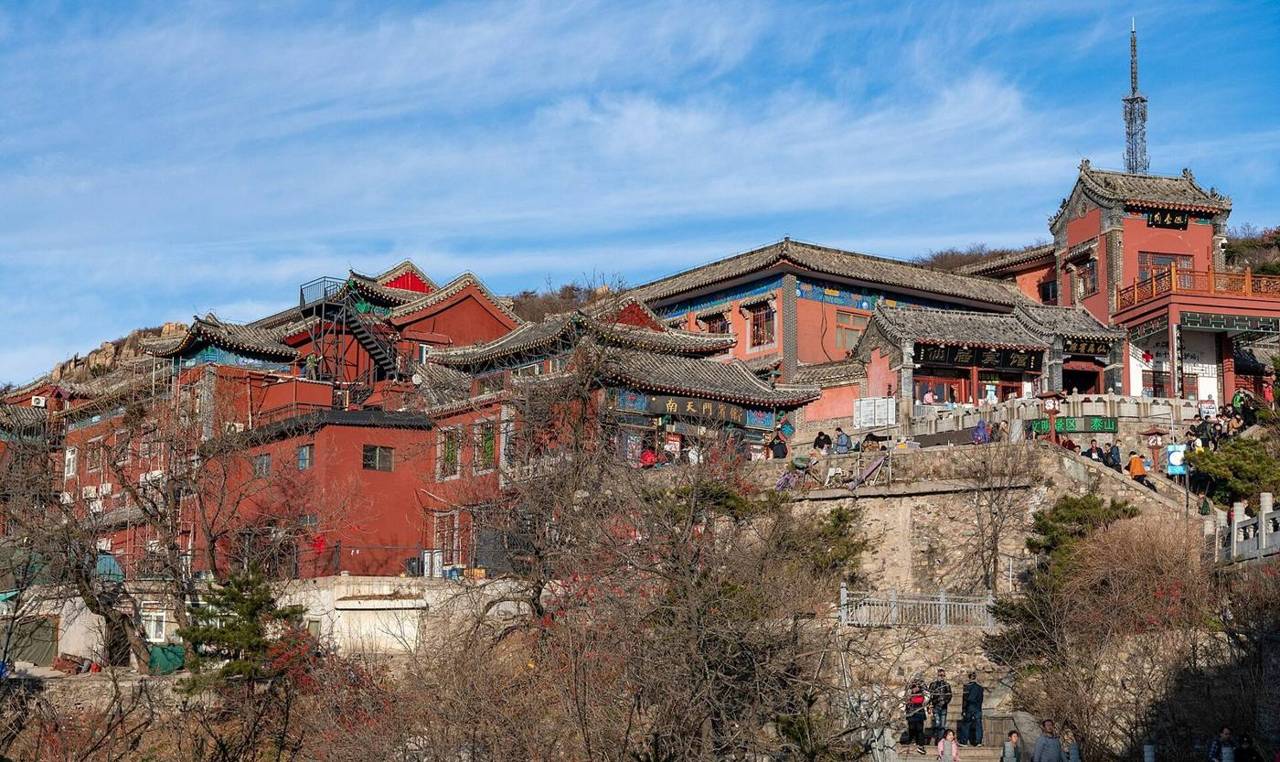
The land of Confucius: the temple, mansion and cemetery of the Kong family in Qufu, the climb up the 6,000 steps of Mount Tai, sacred mountain of the emperors, the springs of Jinan and Qingdao, a seaside city with German architecture and its beer.