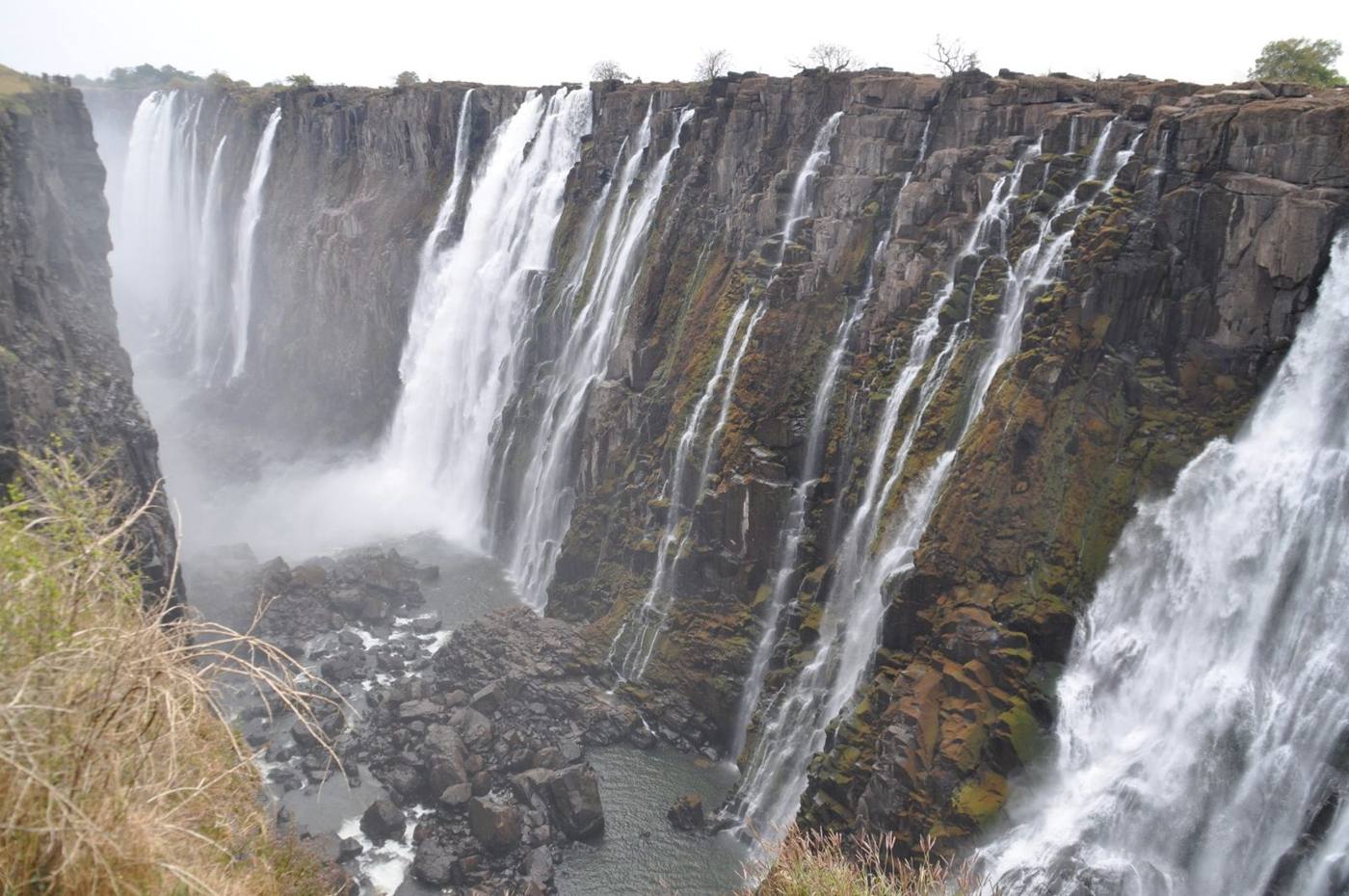
Victoria Falls from Livingstone
The falls from the Zambian side, Devil's Pool on the edge in the dry season, a sunset cruise on the Zambezi and a helicopter flight.
- Livingstone
- Mosi-oa-Tunya
- Livingstone Island
- Zambesi
Day by day
- Day 1
Livingstone and sunset on the Zambezi
This four-day trip takes you to the Victoria Falls from the Zambian side, based in Livingstone, the historic town a few kilometres from the falls. The falls, known locally as Mosi-oa-Tunya, the smoke that thunders, mark the border between Zambia and Zimbabwe and are a UNESCO World Heritage Site. The Zambezi, about 1,700 metres wide, plunges here into a narrow, deep gorge.
Before you go: Italian citizens enter Zambia without a visa and on arrival receive a stamp valid for 30 days; the passport must be valid for at least six months from entry and have three completely blank pages. Zimbabwe requires a visa and a passport valid for at least six months: Viaggiare Sicuri advises applying in advance on the official portal evisa.gov.zw. According to the British government, the KAZA Univisa, valid for Zimbabwe and Zambia, is issued at Victoria Falls airport and at the Victoria Falls and Kazungula borders: ask at the border whether it is available. Other nationalities should check their own rules. The falls area is a malaria zone: ask your doctor.
You land at Livingstone airport and go to your accommodation, in town or along the river. In the afternoon visit the Livingstone Museum, the oldest in Zambia, with sections on history, archaeology and ethnography and documents of the Scottish explorer David Livingstone, the first European to see the falls. Check prices and times.
At sunset take a cruise on the Zambezi, above the falls, where the river is wide and calm. You see hippos, crocodiles, elephants on the islands and, in the distance, the column of spray.
Practical tip: in town use a taxi called by your accommodation in the evening and keep valuables out of sight.
- Day 2
The falls and the Knife-Edge Bridge
Today you visit the falls from the Zambian side, inside Mosi-oa-Tunya National Park. Arrive at opening time, when the light is soft and there are still few groups. Check prices and times at the entrance.
The main path takes you along the edge of the gorge, facing the wall of water. The most exciting point is the Knife-Edge Bridge, a narrow bridge hanging over the gorge, which leads to a rocky headland right in front of the Eastern Cataract and the Boiling Pot, the whirlpool where the river turns before leaving the gorge. In the high-water season the spray is so strong that it feels like walking through a storm and the view is partly hidden; when the water is lower you clearly see the rock and the drop.
Also walk down the steep path to the Boiling Pot, at the bottom of the gorge: it is tiring, but from here you see the old Victoria Falls Bridge from below, suspended between the two countries.
In the afternoon, in the right season, visit Livingstone Island, the island on the edge of the falls from which the explorer first saw them. You reach it by boat with a licensed guide, and when the water is low the guides take visitors to the Devil's Pool, a natural pool right on the lip of the falls. Follow their instructions to the letter, and keep well within the area they show you.
Practical tip: bring a light waterproof or hire one at the entrance, and a waterproof case for your phone.
- Day 3
Helicopter or rafting, and the Zimbabwe side
Today you choose an adventure. In the morning you can take a helicopter flight over the falls: in a few minutes you see the whole front of the falls, the zigzag gorge the Zambezi has carved over the ages and the islands in the river. It is the best way to understand the shape of the falls. Or, in the low-water season, you can raft the rapids of the Batoka Gorge, among the most famous in Africa: it is a demanding activity, to be done only with licensed operators and following the safety instructions.
In the afternoon you cross the border to see the Zimbabwe side in a day. On foot or by taxi you cross the Victoria Falls Bridge, built at the start of the twentieth century, with a view down into the deep gorge. After the border checks you enter the park on the Zimbabwe side.
Here a path through the rainforest, which grows thanks to the constant spray, leads to a series of numbered viewpoints right in front of the wall of water. From this side you see most of the front of the falls, including the Main Falls, the most powerful part. Check prices and times at the entrance.
Return to Zambia before the border closes and before dark, leaving plenty of time for the queues at the border posts.
Practical tip: carry your passport and cash in US dollars for the visa and the park entrance, and keep all your receipts.
- Day 4
Departure
Today is departure day. If your flight is late, in the morning visit Mosi-oa-Tunya National Park, upstream of the falls, along the river. It is a small park with giraffes, zebras, impala, elephants and one of the few groups of white rhinos in Zambia, protected day and night by armed scouts. With a licensed guide you can see them on foot, at a safe distance.
Then take a last walk in Livingstone. The town keeps some buildings from the early twentieth century, when it was the capital of the colony, with wooden verandas and tin roofs. At the craft market you find wood carvings, woven baskets and chitenge cloth. Bargain politely.
In four days you have seen one of the great natural wonders of the world from every side: from the river at sunset, from the Knife-Edge Bridge in the spray, from above by helicopter or from below by raft, and from the Zimbabwe side. It is an easy trip to reach, and it combines well with a safari in Chobe, in Botswana, or in the Kafue.
When to go: from February to May for the greatest flow, when the falls are most powerful but the spray hides part of the view. From August to December the water is lower, you see the rock better and you can visit the Devil's Pool and go rafting. On full moon nights, at certain times of year, you can see the lunar rainbow.
Practical tip: get to the airport early and keep your passport with its entry stamps close at hand.
One of the great natural wonders, easy to reach. The KAZA Univisa lets you cross between Zambia and Zimbabwe without new visas. At peak flow the spray is so strong you see little: bring a raincoat.
Before you go
- Documents and visa
- Passport valid for at least six months from entry, with three completely blank pages. Italian citizens enter without a visa: on arrival they receive a stamp valid for 30 days, which can be extended at an immigration office before it expires. Cash above the equivalent of 5,000 US dollars must be declared.
- Health and vaccines
- No vaccinations are compulsory. Malaria is present throughout the country, especially near rivers and lakes: ask your doctor about prevention and use repellent and a mosquito net. In the rainy season, from November to April, there can be cholera cases: drink only bottled water. Emergencies: police 991, ambulance 992.
- Money and payments
- Zambian kwacha. Cards work in cities and at many lodges, but carry cash for villages and tips; use ATMs inside banks, because card cloning has been reported.
- Power sockets
- Types C, D and G, 230 volts: bring a universal adapter.
- Time zone
- UTC+2 all year.
- Safety
- The situation is generally stable, but demonstrations can happen: avoid them. In cities take care in markets and shopping centres and avoid the compounds, the poorer neighbourhoods, after dark. The border areas with the Democratic Republic of the Congo and Angola are advised against for non-essential travel because of landmines. Roads are in poor condition: do not drive at night. Official advice: GOV.UK.
Information checked in November 2026 for Italian and EU citizens. Rules change: always check before you travel.
Variations
In 2 days: one day for the Zambian side with the Knife-Edge Bridge and the sunset cruise, one day for the Zimbabwe side.
In 6 days: add two days in Chobe National Park, in Botswana, across the Kazungula border.
Frequently asked questions
Do I need a visa to see both sides of the falls?
Italian citizens enter Zambia without a visa. Zimbabwe requires a visa: the KAZA Univisa covers both countries, but ask at the border whether it is available. Other nationalities should check their own rules.
When can you visit the Devil's Pool?
Only when the water is low, roughly from August to December, and always with licensed guides. The dates change every year with the river level.
How much does entry to the falls cost?
Fees differ between the Zambian and Zimbabwean sides and change often: check prices and times at the entrance or on the official park websites.
Indicative itinerary written by World Atlas. Before booking, check timetables, seasonal openings, documents and safety.
 6 daysModerate
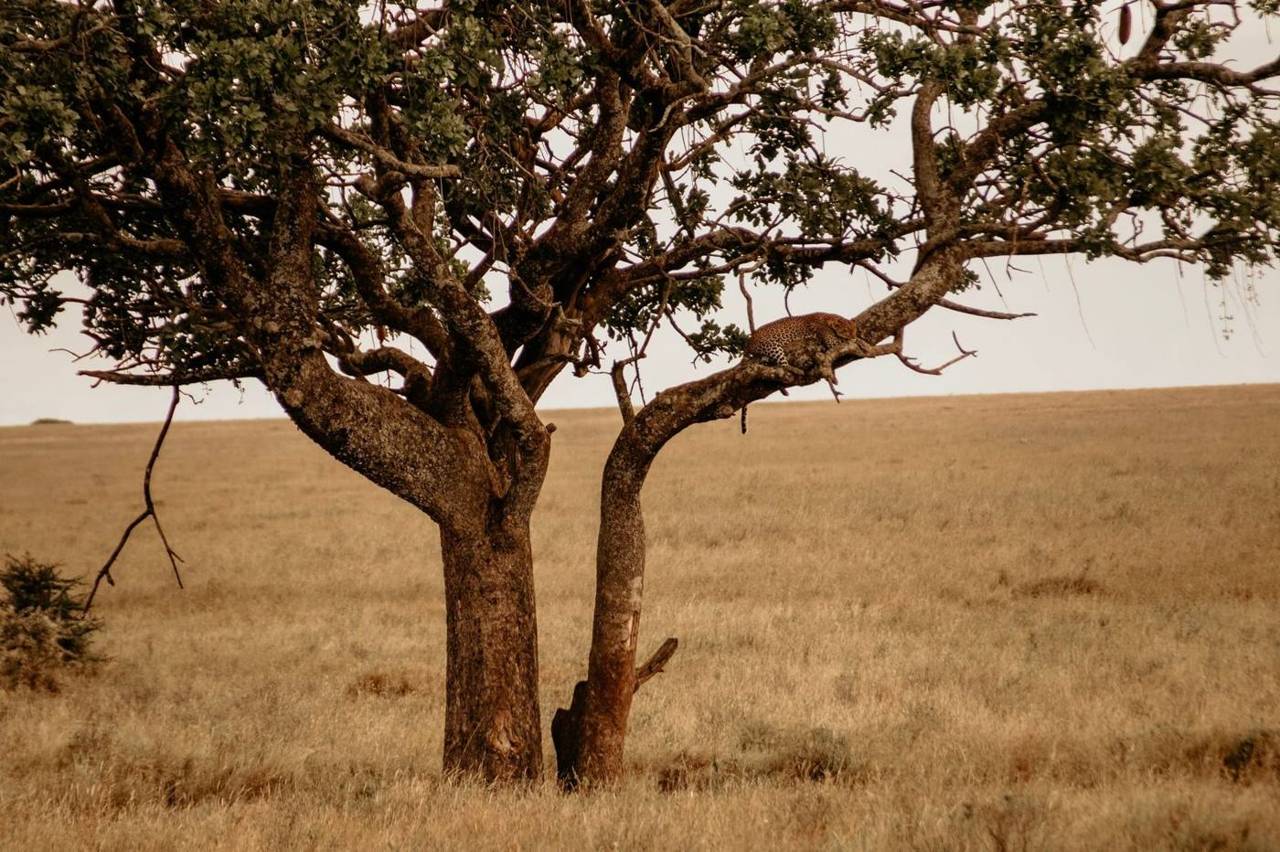
Walking safari in South Luangwa
The birthplace of the walking safari: leopards, wild dogs, hippos in the Luangwa river and night drives, in small riverside camps.
 5 daysModerate
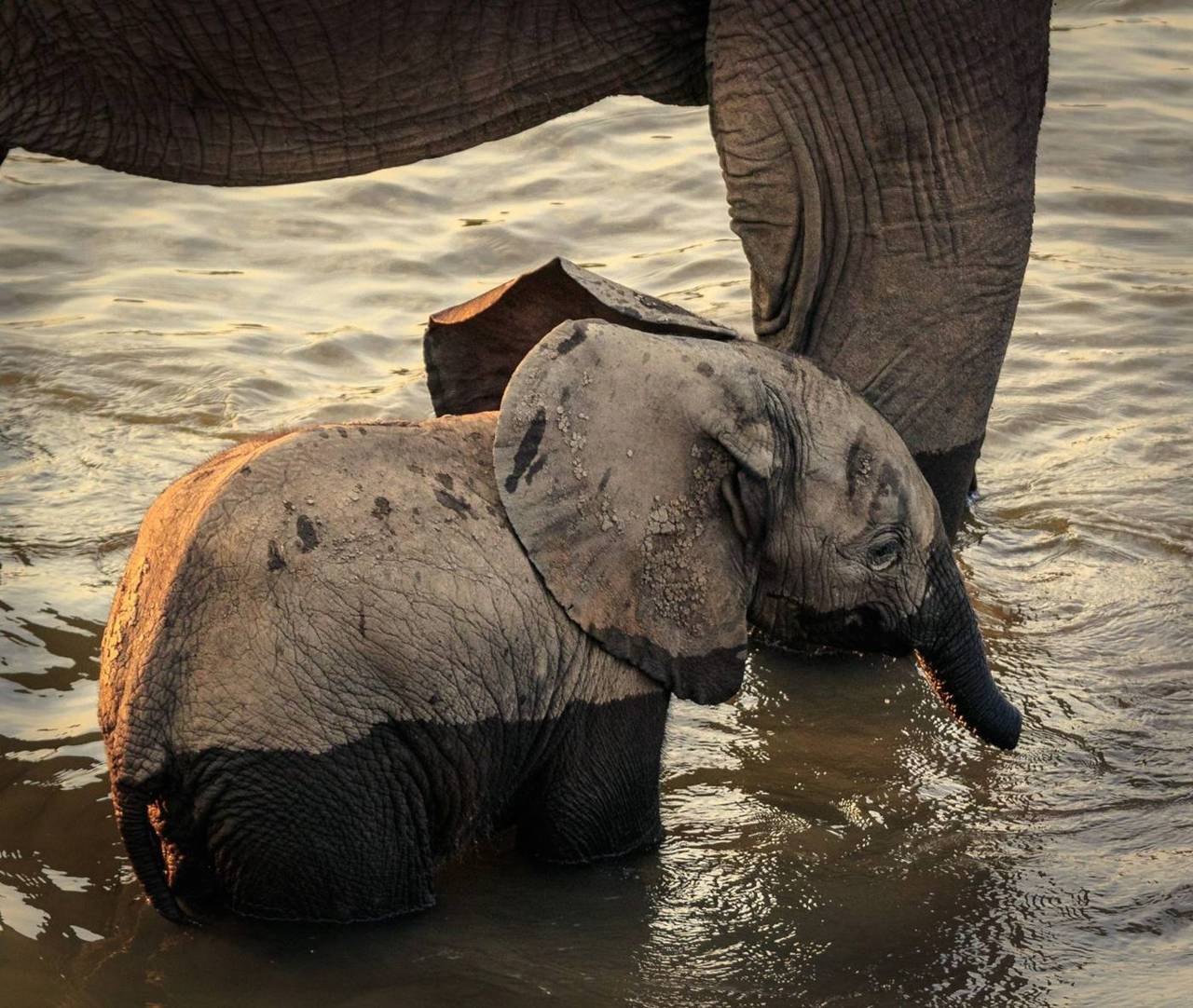
Canoeing the Lower Zambezi
By canoe among hippos and elephants in Lower Zambezi National Park, with the Zimbabwe escarpment opposite and tigerfish fishing.
 5 daysModerate
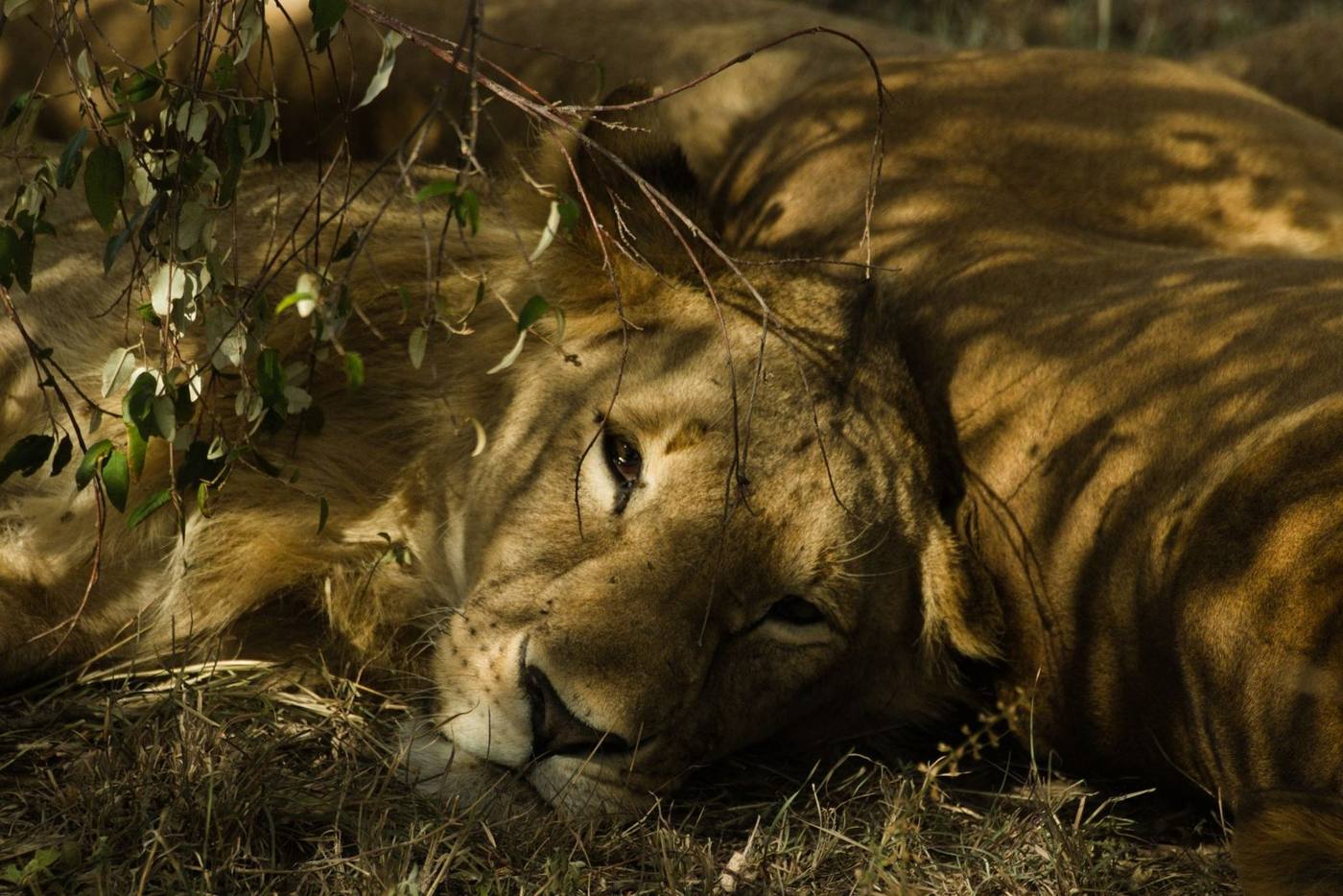
Kafue National Park
One of Africa's largest parks: the Busanga Plains with lions and antelope, the Kafue river by boat and the leopards of the south, with almost no other tourists.