Kafue National Park
One of Africa's largest parks: the Busanga Plains with lions and antelope, the Kafue river by boat and the leopards of the south, with almost no other tourists.
- Lusaka
- Kafue
- Busanga
Day by day
- Day 1
Towards the Kafue
This five-day trip takes you to Kafue National Park, in western Zambia, considered the largest and oldest park in the country. It is a vast territory of miombo woodland, rivers and grassy plains, crossed by the Kafue River, and still little visited compared with the more famous parks. It is a safari for those who have already seen the crowded side of Africa and are looking for empty spaces.
Before you go: Italian citizens enter Zambia without a visa and on arrival receive a stamp valid for 30 days. The passport must be valid for at least six months from entry and have three completely blank pages. Other nationalities should check their own rules. The park is a malaria area, and there are tsetse flies in the woodland: ask your doctor, bring a strong repellent and wear light colours, but not white. Viaggiare Sicuri reports roads in poor condition: do not drive at night.
From Lusaka you can arrive in two ways. By car you take the road west towards Mongu, which crosses the park: after a few hours of driving you reach the central section, on the river. Or you take a small plane to one of the airstrips near the camps, the best choice if you also want to reach the north of the park. Distances are great, and flying between camps saves you days.
In the afternoon, at camp, you watch the river flowing slowly between wooded banks. At sunset the puku come down to drink, and hippos begin to call from the water.
Practical tip: if you arrive by car, fill up and withdraw cash in Lusaka, because services along the road are few.
- Day 2
By boat on the Kafue River
Today you discover the park from the water. In the morning you board a boat for a cruise on the Kafue River, wide and calm, with banks covered in big trees and reed beds. The light is soft and the animals are active.
From the boat you see pods of hippos snorting in the water, crocodiles lying still on sandy banks and, along the shore, elephants, waterbuck and herds of puku, the small golden antelope typical of Zambia. Birds are everywhere: fish eagles at the tops of trees, kingfishers diving, herons and storks in the shallows. With luck you also see the giant kingfisher or Pel's fishing owl, a large nocturnal bird of prey that hides in the trees along the river.
You return to camp for lunch and a rest in the hot hours.
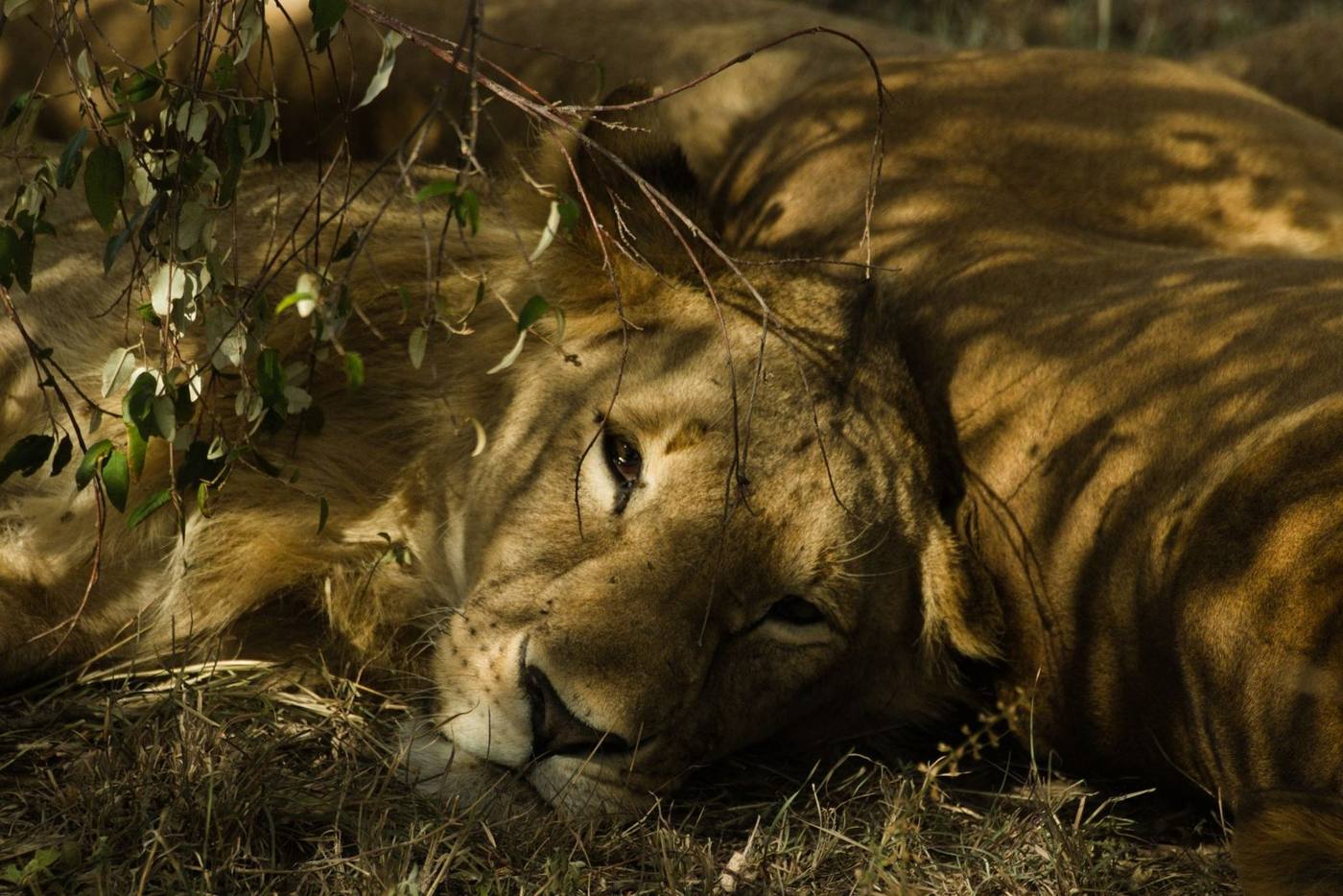
In the afternoon you set off by 4x4 for your first game drive on the tracks near the river. The Kafue has a great variety of antelope, including the sable, with long curved horns, and the rarer roan. On the tracks you also see impala, kudu, zebras and warthogs. Lions follow the herds, and in the evening leopards start to move.
If the camp offers it, you return after sunset with a spotlight, looking for the eyes of animals in the dark, such as genets, civets and bushbabies.
Practical tip: in the boat keep your arms inside the hull and never lean out, even when an animal is close.
- Day 3
Game drives and a walk
Today is for the savannah. At dawn you go out by 4x4 on the park tracks, when the air is cool and the predators are still active after the night. The Kafue is one of the parks in Zambia where you can see cheetahs, as well as lions, leopards and wild dogs, although encounters are never guaranteed in such a large territory.
The guide follows the tracks in the sand and listens for the alarm calls of baboons and impala, which often signal a predator nearby. When you find an animal, the engine is switched off and you watch in silence.
Mid-morning, if the camp offers it, you take a short walk with a licensed guide and an armed scout from the wildlife service. On foot you discover the tracks, insects, plants and nests that you miss from a vehicle.
In the afternoon you rest, then go out at sunset in another part of the park. The landscape changes often: thick woodland gives way to open clearings, small marshes and termite mounds as tall as a person, which animals often climb to look around.
In the evening, at camp, pack a light bag: tomorrow you fly to the north of the park, and the small planes have strict weight limits.
Practical tip: in the miombo woodland there are tsetse flies, attracted by dark colours such as blue and black: wear beige or khaki and keep repellent to hand.
- Day 4
The Busanga Plains
Today you reach the Busanga Plains, in the far north of the Kafue, one of the most beautiful landscapes in Zambia. You usually arrive by small plane, because the road is long and difficult. Busanga can only be visited in the dry season, roughly from July to October: during the rains the plains flood and become a great swamp.
From the air you see a sea of flat grass, dotted with islands of palms and fig trees. When you land, the silence is total. The plains are the realm of the red lechwe, an antelope that lives in flooded areas and runs through shallow water, and of puku, in their thousands. There are also buffalo, zebras, wildebeest and sitatunga in the reeds.
Where there are many antelope there are predators. Busanga is famous for its lions, which sometimes climb fig trees to rest, and for cheetahs, which hunt in the open grass. In the afternoon you go out by 4x4 with the guide, on tracks that follow the dry edges of the plains.
At sunset the sky becomes huge, orange and purple, and the palms stand out as silhouettes on the horizon. It is one of the most beautiful sunsets of the trip.
In the evening, at camp, the night is full of sounds: hyenas, distant lions, frogs and night birds.
Practical tip: bring a warm jacket: between June and August, on the open plains, the temperature at dawn can drop close to zero.
- Day 5
Back to Lusaka
Today you leave the Kafue. At dawn take a last short drive on the Busanga Plains, when the mist rises from the grass and the lechwe graze in the shallow water. Then you go to the airstrip and fly to Lusaka, usually with a stop at another camp in the park, or directly.
From the plane you see once more the size of the park: endless woodland, the ribbon of the Kafue River, the reservoir of Itezhi Tezhi in the south, small marshes and very few signs of people.
In five days you have got to know one of the largest and least crowded parks in Africa: the Kafue River by boat, the savannah by 4x4 and on foot, and the Busanga Plains with their red lechwe, lions and great sunsets. It is a real, wild safari, suited to those who have already seen the famous parks and are looking for space and silence.
If you still have time, the Kafue combines well with the Victoria Falls, reachable from Lusaka by domestic flight or by car in a day, or with the Lower Zambezi.
When to go: from July to October, in the dry season, when the Busanga Plains are accessible and animals gather near water. The central part of the park can also be visited from May. During the rains many camps close: check the dates.
Practical tip: keep a little space in your soft bag for souvenirs, but remember that on small planes the weight limit applies on the way back too.
A real, wild safari for those who have done the famous parks. Busanga can only be visited from July to October. Great distances: better to fly between camps.
Before you go
- Documents and visa
- Passport valid for at least six months from entry, with three completely blank pages. Italian citizens enter without a visa: on arrival they receive a stamp valid for 30 days, which can be extended at an immigration office before it expires. Cash above the equivalent of 5,000 US dollars must be declared.
- Health and vaccines
- No vaccinations are compulsory. Malaria is present throughout the country, especially near rivers and lakes: ask your doctor about prevention and use repellent and a mosquito net. In the rainy season, from November to April, there can be cholera cases: drink only bottled water. Emergencies: police 991, ambulance 992.
- Money and payments
- Zambian kwacha. Cards work in cities and at many lodges, but carry cash for villages and tips; use ATMs inside banks, because card cloning has been reported.
- Power sockets
- Types C, D and G, 230 volts: bring a universal adapter.
- Time zone
- UTC+2 all year.
- Safety
- The situation is generally stable, but demonstrations can happen: avoid them. In cities take care in markets and shopping centres and avoid the compounds, the poorer neighbourhoods, after dark. The border areas with the Democratic Republic of the Congo and Angola are advised against for non-essential travel because of landmines. Roads are in poor condition: do not drive at night. Official advice: GOV.UK.
Information checked in November 2026 for Italian and EU citizens. Rules change: always check before you travel.
Variations
In 3 days: two nights in the central part of the park, on the river, reachable by car from Lusaka, without Busanga.
In 8 days: add three nights at the Victoria Falls, with a flight from Lusaka to Livingstone.
Frequently asked questions
When can you visit the Busanga Plains?
Only in the dry season, roughly from July to October. In the rainy months the plains flood and the camps close.
Is the Kafue suitable for a first safari?
Yes, but it is wilder and less predictable than the famous parks: the animals are there, but the territory is huge. It is ideal for those who have already been on safari and want fewer crowds.
How much does park entry cost?
Park fees change and are often included in your stay at the camp: check prices and times when you book.
Indicative itinerary written by World Atlas. Before booking, check timetables, seasonal openings, documents and safety.
 5 daysModerate
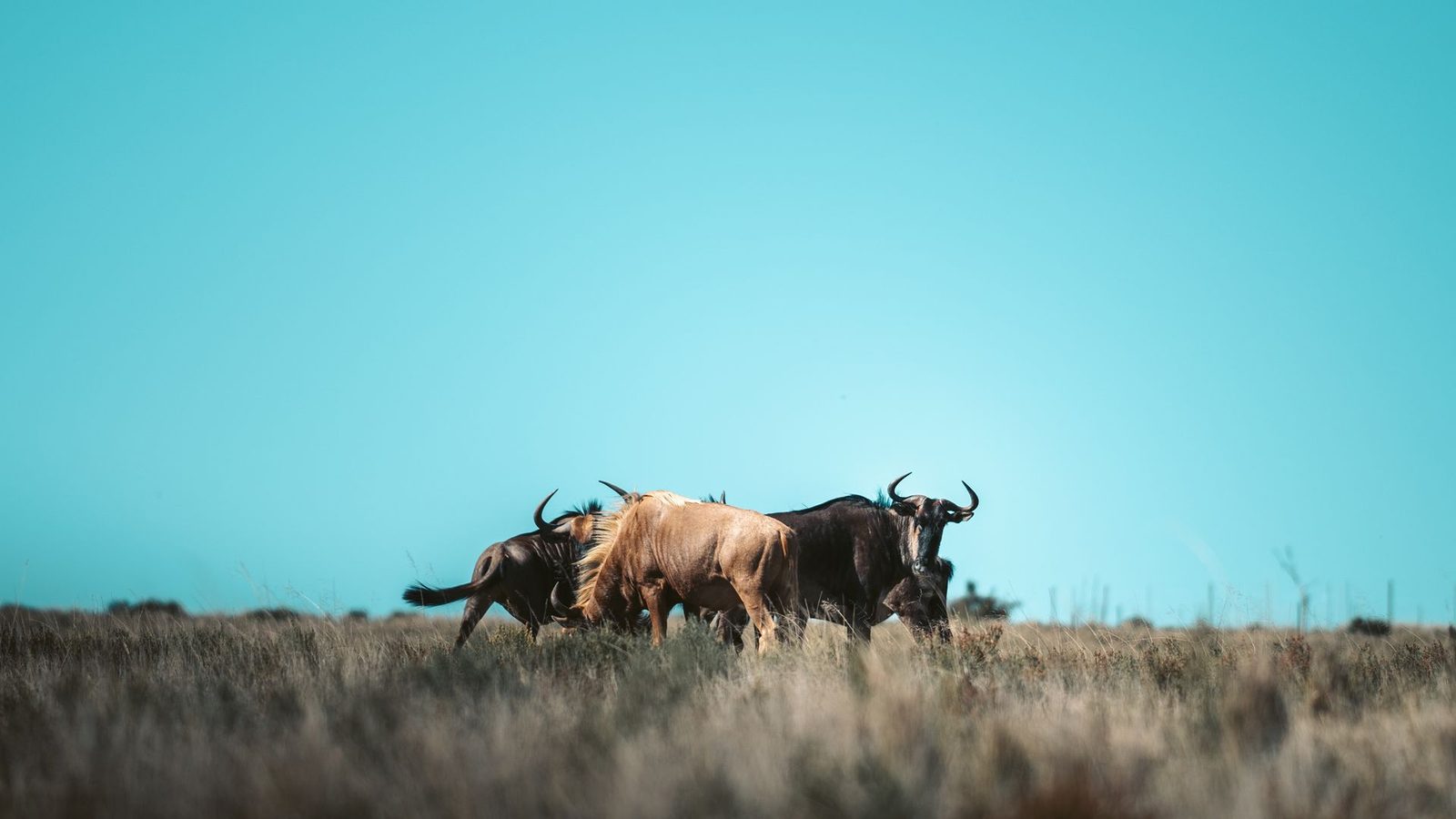
The Liuwa Plain migration
Africa's second wildebeest migration, on the grasslands of Liuwa Plain in the west, with hyenas, lions and waterbirds, in a park run with local communities.
 3 daysEasy
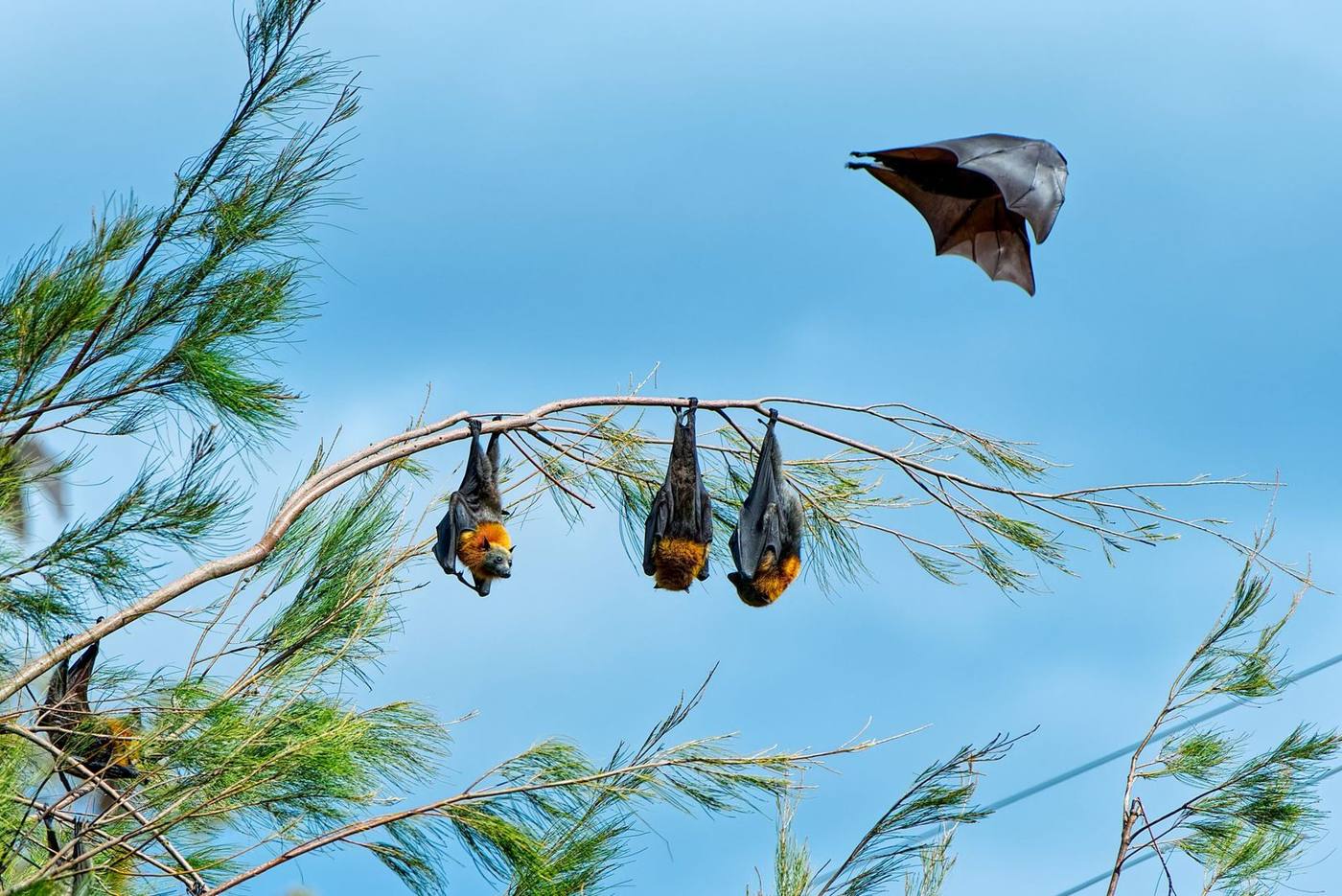
The bats of Kasanka
The world's largest mammal migration: some ten million fruit bats that fill the sky over Kasanka forest at dusk at the end of the year.
 4 daysModerate
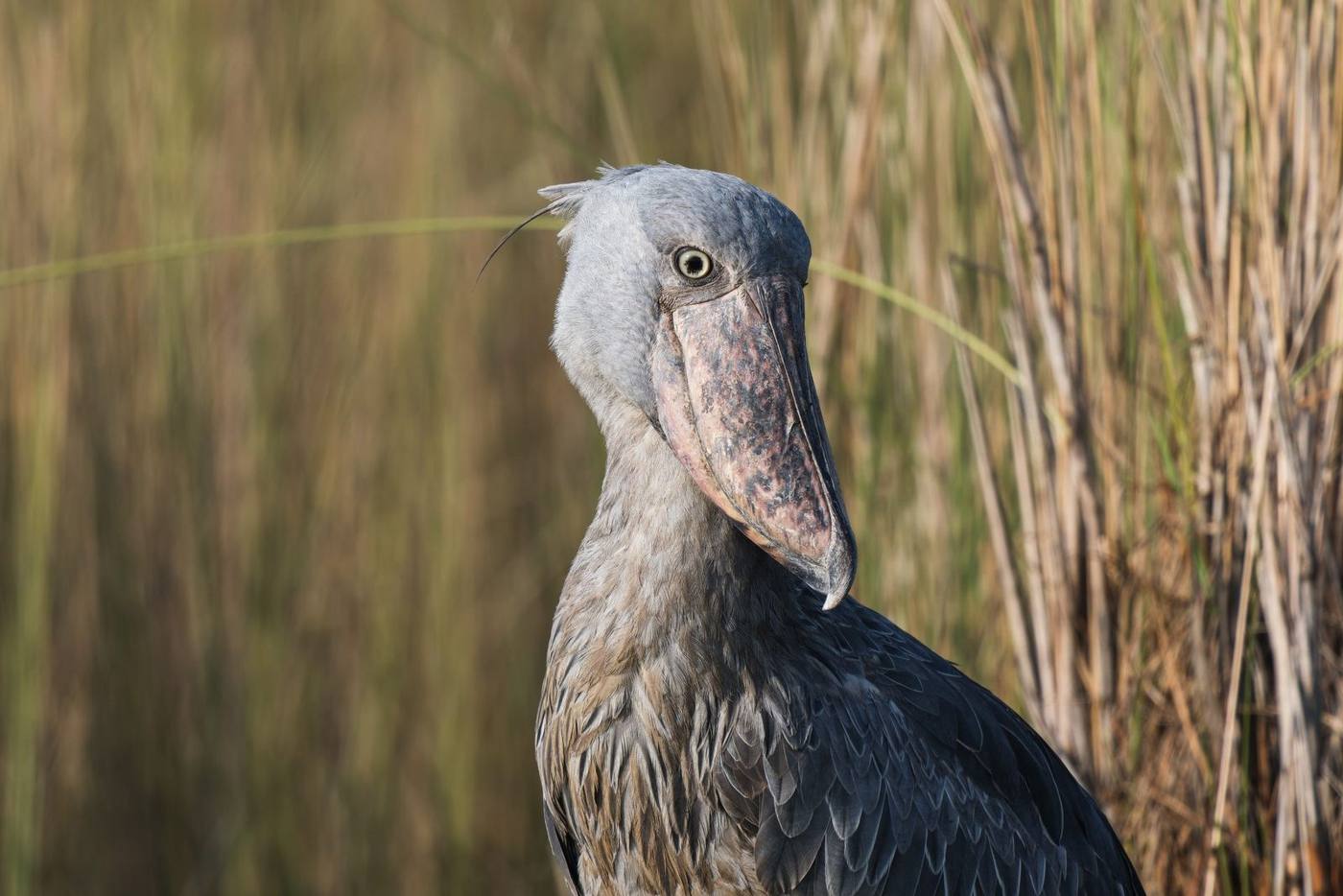
The shoebill of Bangweulu
The Bangweulu swamps, where you search by canoe for the shoebill, one of the world's rarest and strangest birds, among herds of black lechwe.