The bats of Kasanka
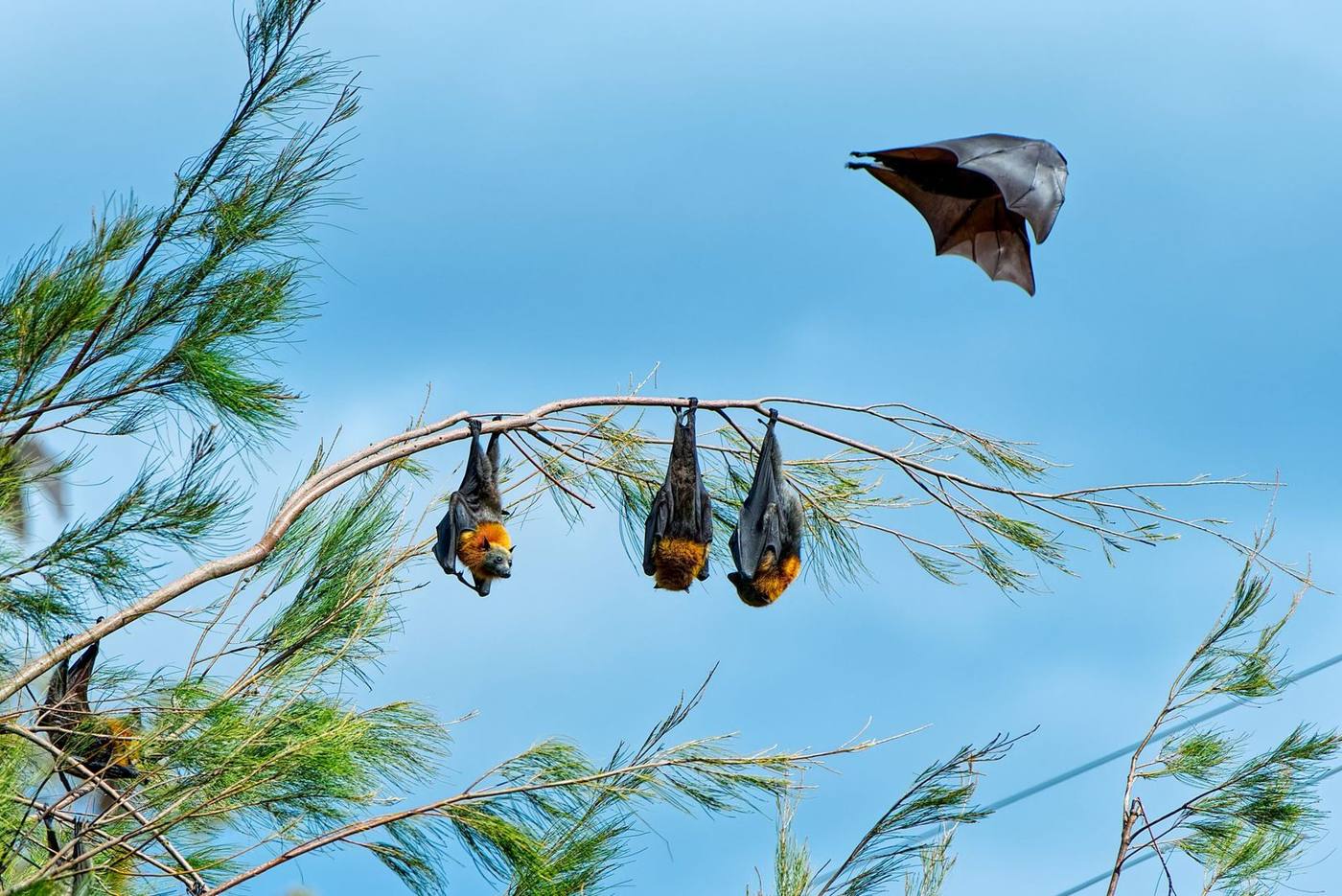
The world's largest mammal migration: some ten million fruit bats that fill the sky over Kasanka forest at dusk at the end of the year.
- Lusaka
- Serenje
- Kasanka
Day by day
- Day 1
From Lusaka to Kasanka
This three-day trip takes you to Kasanka National Park, in north-central Zambia, for one of the strangest sights in African nature: every year, between late October and December, millions of straw-coloured fruit bats arrive in a small patch of swamp forest in the park to feed on the fruit of the season. At dawn and dusk the sky fills with wings.
Before you go: Italian citizens enter Zambia without a visa and on arrival receive a stamp valid for 30 days. The passport must be valid for at least six months from entry and have three completely blank pages. Other nationalities should check their own rules. Some areas on this trip are close to borders or places where the situation changes often: check your government's travel advice before booking and again before you leave. The whole country is a malaria area and the bat season coincides with the start of the rains: ask your doctor and bring a strong repellent.
From Lusaka the road heads north on the main highway to Tanzania, passing Kapiri Mposhi and Serenje. It is a full day of driving, on tarmac that is often damaged and with many lorries: leave at dawn, with an experienced driver, and arrive before dark. If you have less time, you can book a small plane to the park airstrip.
In the evening, at camp, the guide explains the plan to you: tomorrow you are up before dawn, so have dinner early and get to bed.
Practical tip: fill up with fuel and withdraw cash in Serenje, the last town with services on the road to the park.
- Day 2
A sky full of bats
Today is the day of the show. You get up long before dawn and with the guide you reach the forest where the bats spend the day. You climb onto a wooden platform built in a tree, above the forest canopy, and wait in silence in the dark.
Shortly before sunrise, the bats return from a night spent eating fruit in the surrounding woodland. They come from every direction, in waves, ever thicker, until the sky looks like a moving dark cloud. Then they settle on the trees, so many that sometimes the branches bend under their weight. The noise of wings and calls fills the air. These are large bats, with wings that open as wide as an arm, and they eat mainly fruit.
Predators gather around the colony: eagles, falcons and kites that hunt in flight. It is a sight that recalls a migration on the savannah, but in the sky.
During the day you rest at camp or go for a walk with the guide. Kasanka is also the home of the sitatunga, an antelope that lives in swamps and swims well: you see it best early in the morning from the viewing towers above the reed beds.
At sunset you go back to the platform to watch the bats leave, flowing out of the forest in a long column against the orange sky. It lasts a while, and the light fades as the last ones go.
Practical tip: under the colony wear a hat and clothes you can wash, and never use a flash: it disturbs the animals.
- Day 3
Back, or on to Bangweulu
Today you leave Kasanka. If you have an hour in the morning, take a last outing at dawn along the river or to one of the viewing towers: the park has miombo woodland, swamps, rivers and small lakes, and besides the sitatunga it is home to puku, hippos and many bird species, including kingfishers and turacos.
Then you have two choices. The first is to return to Lusaka, with another long day on the road heading south. Leave early and stop only in towns, such as Serenje and Kapiri Mposhi, for fuel and a break. The second is to continue north-east to the Bangweulu swamps, the land of the shoebill, a bird that looks as if it came straight from prehistory. The road is long and partly unpaved, suitable only for a 4x4 with a driver who knows the area, and from November the rains can make it difficult. Many travellers combine the two places by small plane.
In three days you have seen one of the great natural events of the continent: the fruit bat colony of Kasanka, considered one of the largest gatherings of mammals in the world. It is a short but intense trip, with simple accommodation and very early starts.
When to go: between late October and December, when the bats arrive. The peak changes a little every year: ask the park for the dates before you book.
Practical tip: bring a head torch with a red light, useful for walking to the platform at dawn without disturbing anything.
One of the strangest sights in African nature. Viewed from platforms in the trees. Long roads and simple lodgings.
Before you go
- Documents and visa
- Passport valid for at least six months from entry, with three completely blank pages. Italian citizens enter without a visa: on arrival they receive a stamp valid for 30 days, which can be extended at an immigration office before it expires. Cash above the equivalent of 5,000 US dollars must be declared.
- Health and vaccines
- No vaccinations are compulsory. Malaria is present throughout the country, especially near rivers and lakes: ask your doctor about prevention and use repellent and a mosquito net. In the rainy season, from November to April, there can be cholera cases: drink only bottled water. Emergencies: police 991, ambulance 992.
- Money and payments
- Zambian kwacha. Cards work in cities and at many lodges, but carry cash for villages and tips; use ATMs inside banks, because card cloning has been reported.
- Power sockets
- Types C, D and G, 230 volts: bring a universal adapter.
- Time zone
- UTC+2 all year.
- Safety
- The situation is generally stable, but demonstrations can happen: avoid them. In cities take care in markets and shopping centres and avoid the compounds, the poorer neighbourhoods, after dark. The border areas with the Democratic Republic of the Congo and Angola are advised against for non-essential travel because of landmines. Roads are in poor condition: do not drive at night. Official advice: GOV.UK.
Information checked in November 2026 for Italian and EU citizens. Rules change: always check before you travel.
Variations
In 2 days: by small plane from Lusaka you arrive in the early afternoon, see the evening exodus and the dawn return, and leave.
In 7 days: add the Bangweulu swamps for the shoebill, but bear in mind that in December the tracks can be flooded.
Frequently asked questions
When do the bats arrive in Kasanka?
Usually between late October and December, with the peak in November. The dates change a little every year: ask the park before you book.
Is this trip suitable for everyone?
Yes, you do not need special skills, but you must accept long roads, simple accommodation and starts before dawn. Wooden ladders lead up to the platforms.
How much does park entry cost?
Fees change and are often included in your stay: check prices and times when you book.
Indicative itinerary written by World Atlas. Before booking, check timetables, seasonal openings, documents and safety.
 4 daysModerate
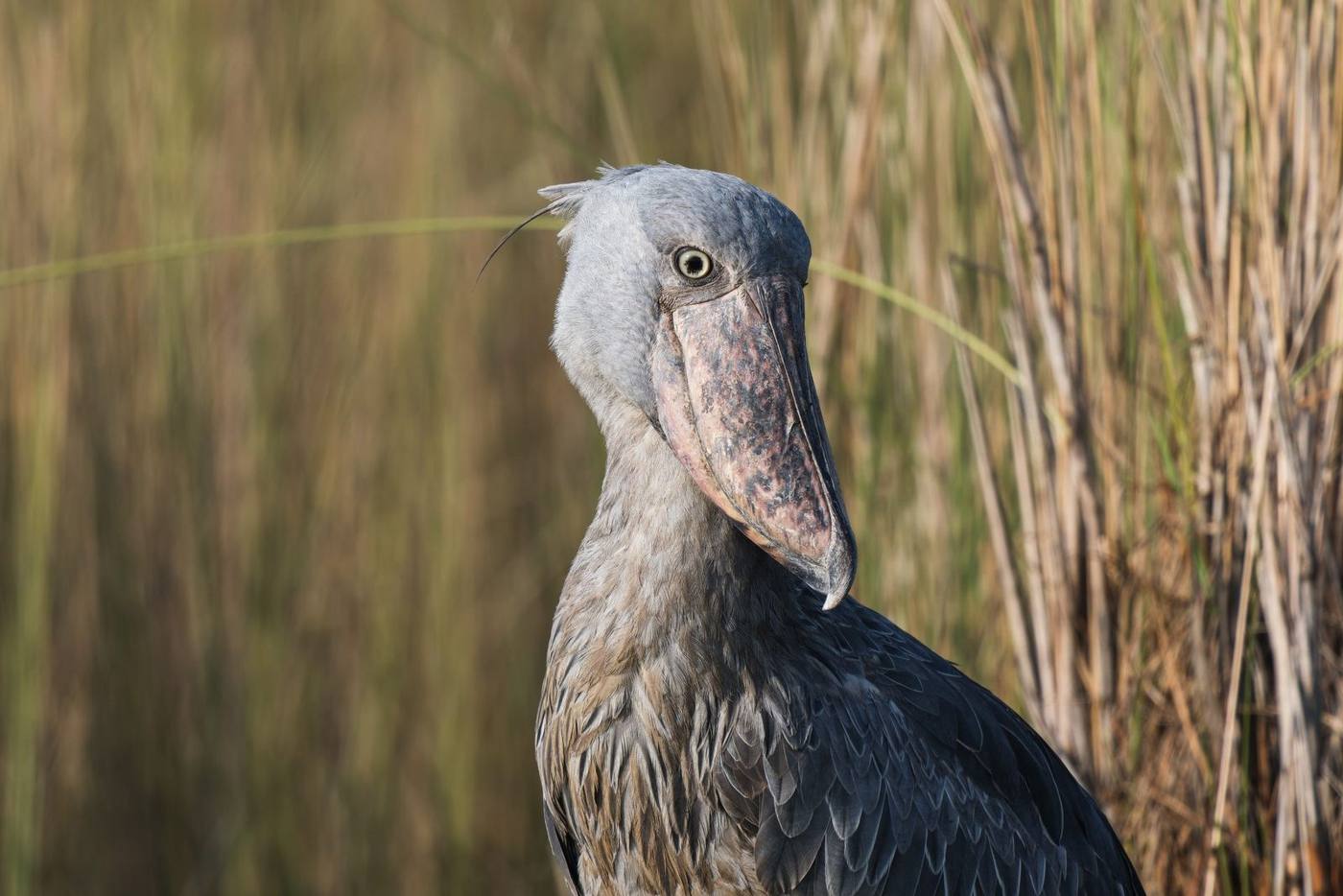
The shoebill of Bangweulu
The Bangweulu swamps, where you search by canoe for the shoebill, one of the world's rarest and strangest birds, among herds of black lechwe.
 4 daysModerate
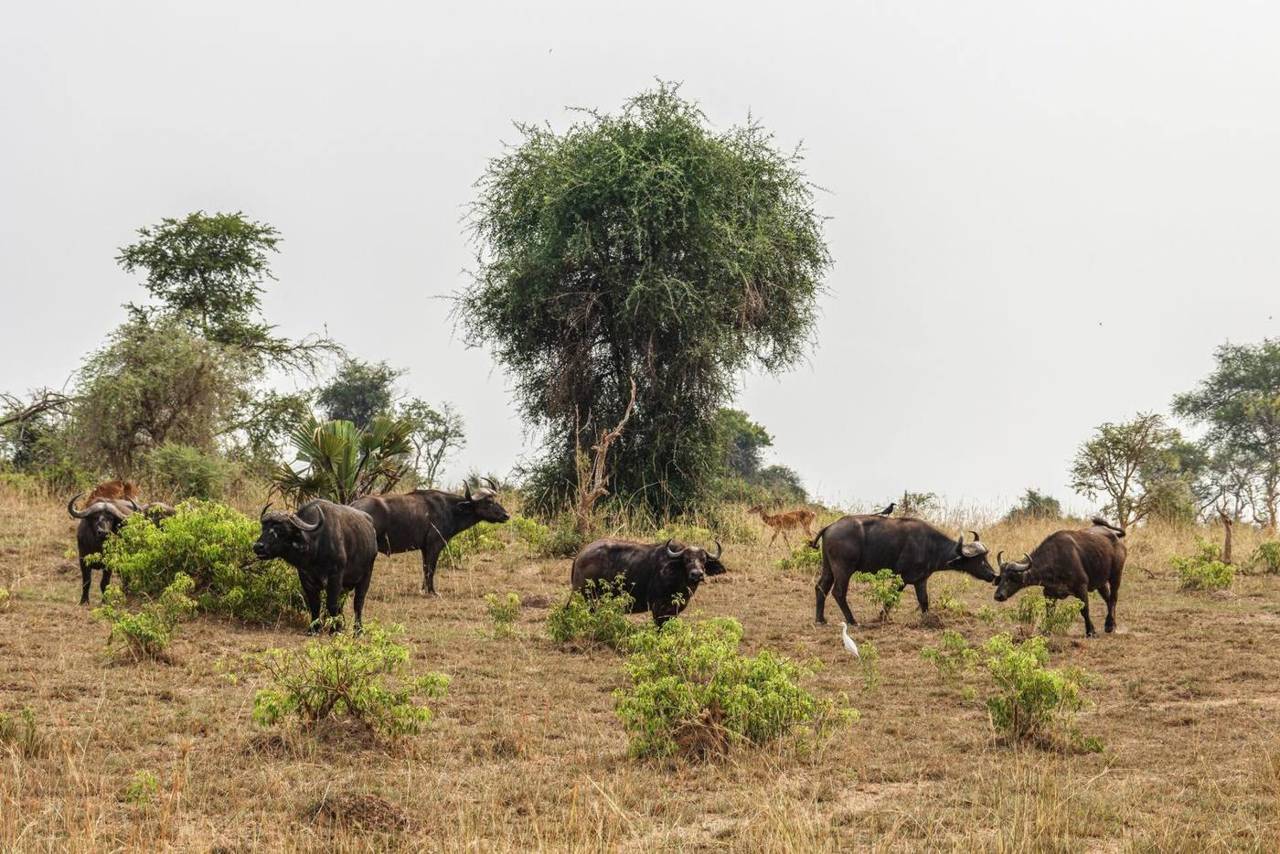
North Luangwa
Zambia's wildest park, with very few camps, walking safaris, reintroduced black rhinos and large herds of buffalo.
 6 daysModerate
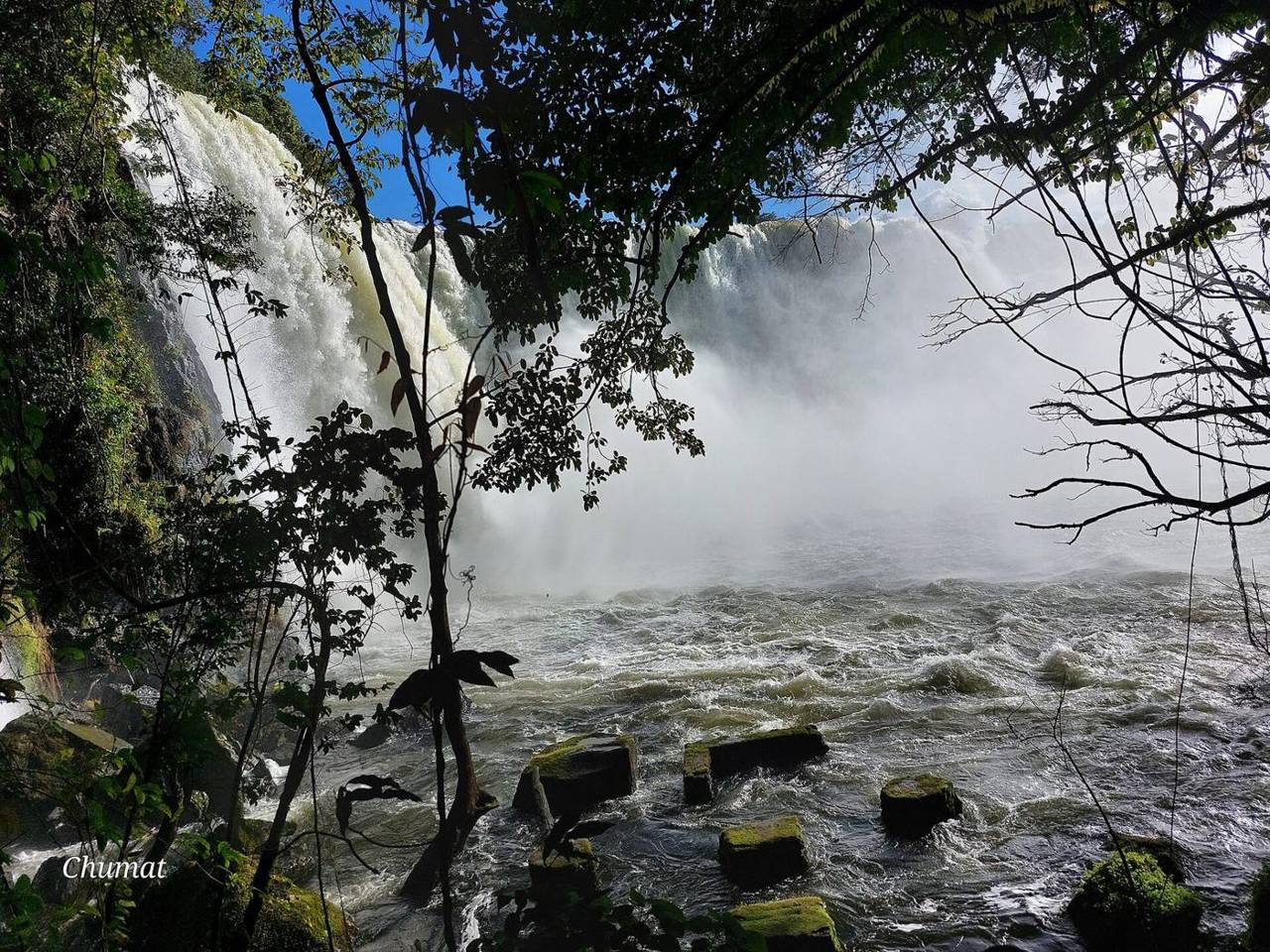
The northern waterfalls
The northern Zambia waterfall circuit: Kalambo, among Africa's tallest, Lumangwe, Kabwelume and Ntumbachushi, with Lake Tanganyika at Mpulungu.