North Luangwa
Zambia's wildest park, with very few camps, walking safaris, reintroduced black rhinos and large herds of buffalo.
- Mfuwe
- North Luangwa
Day by day
- Day 1
Flight from Mfuwe to camp
This four-day trip takes you to North Luangwa National Park, one of the wildest places in Zambia. The park lies in the upper part of the Luangwa valley, north of the better-known South Luangwa, but it is a different world: very few camps, no public roads for tourists and almost no vehicles. Here the safari is done mainly on foot, along the rivers and across the open savannah.
Before you go: Italian citizens enter Zambia without a visa and on arrival receive a stamp valid for 30 days. The passport must be valid for at least six months from entry and have three completely blank pages. Other nationalities should check their own rules. The Luangwa valley is a malaria area: ask your doctor, bring a strong repellent and sleep under a mosquito net. Check that your insurance covers walking safaris and evacuation by air.
You arrive in Mfuwe, the valley's airport, usually on a flight from Lusaka. Here you board a small plane that flies north over the valley. From the window you see the Luangwa River winding between sandbanks, the crescent-shaped lagoons and the green walls of the Muchinga escarpment to the west. You land on a dirt airstrip, where the guide is waiting.
In the afternoon, at camp, the guide explains how you walk in the park and what to do in case of close encounters. In the evening you hear lions roaring in the distance, and the sounds of the bush carry far in the dark.
Practical tip: on small planes luggage is limited to a few kilos and only soft bags are accepted: ask for the exact weight before you leave.
- Day 2
Your first walking safari
Today you set off at dawn for your first walk. The group is small, usually no more than six people, led by an experienced guide and an armed scout from the wildlife service, who walks in front. In Zambia walks in the parks are only done this way, with licensed guides and scouts.
You walk in single file and in silence along the river, often the Mwaleshi, one of the loveliest tributaries of the Luangwa, with clear water running over stones and small rapids. On foot every detail matters. The guide stops at a fresh lion track, picks up a tuft of buffalo hair caught on a branch, lets you smell a plant or shows you the spot where an elephant dug in the sand to find water.
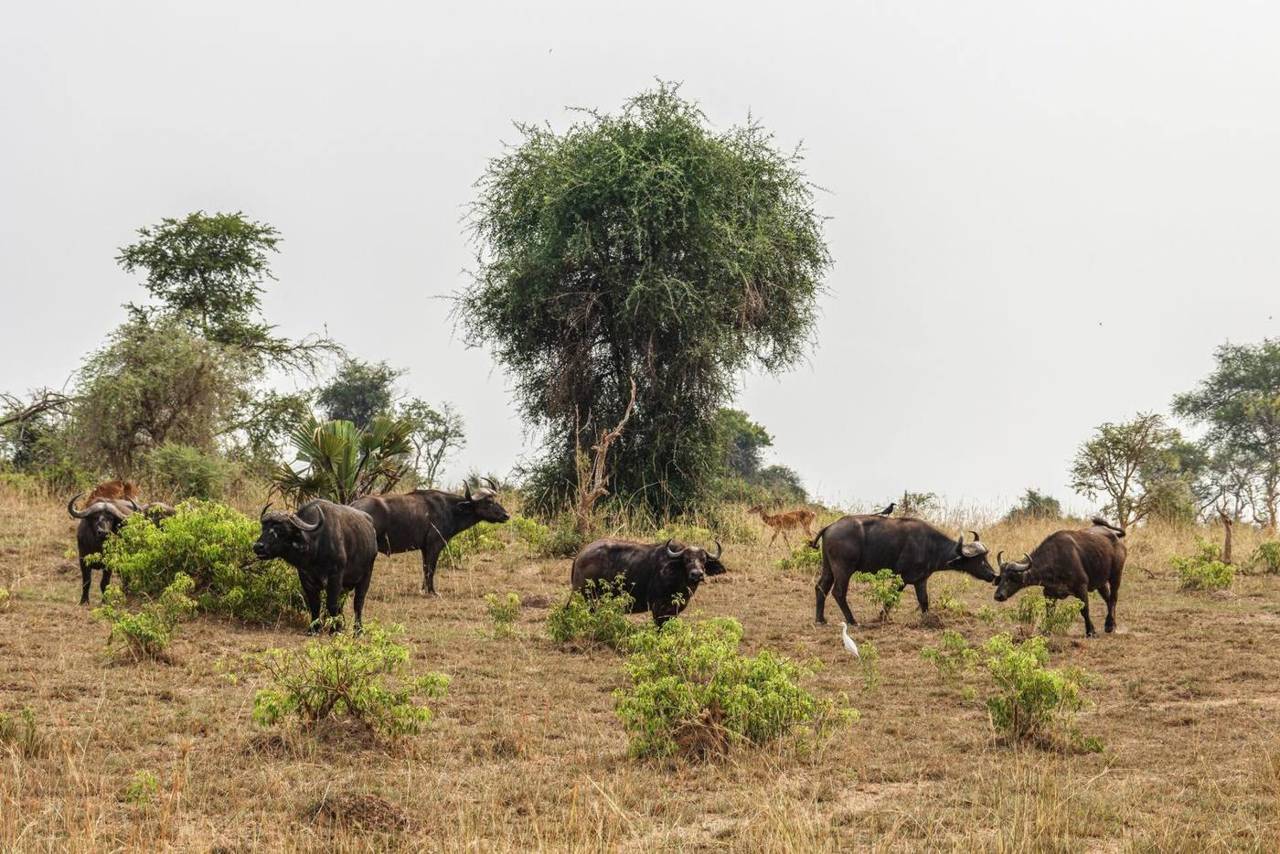
North Luangwa is famous for its large herds of buffalo, which sometimes number hundreds of animals. Seeing them on foot, from a safe distance, is a powerful experience: you hear the sound of hooves and the breathing of the herd. Where there are buffalo there are often lions and hyenas too.
You return to camp before the heat. After lunch you rest in your tent or in the shade, and in the afternoon you go on a second short walk or sit on a bank watching animals come to drink.
Practical tip: wear neutral colours, such as khaki and olive green, and light walking shoes you have already worn in: you will walk a few hours a day, sometimes through the shallow water of the river.
- Day 3
On the savannah without vehicles
Today you spend another day on foot, with a longer walk that can take you far from camp, along the riverbanks or towards the open plains. The pace is slow: the guide chooses the route according to the wind, the tracks and the light.
In North Luangwa nature has stayed clear of crowds. You meet no other groups, hear no engines, see no roads. You can calmly watch puku, small golden antelope, zebras, kudu and giraffes. On the banks crocodiles bask in the sun and in the bends of the river hippos crowd together in the water. With luck you see lions resting in the shade of a tree, at a distance the guide decides.
The park has an important story in conservation: here the black rhino, which had disappeared from Zambia because of poaching, was reintroduced, and the rangers protect it with great care. Seeing one is rare, but its presence tells of the work done over recent decades to save this valley.
At midday, if the camp offers it, you have lunch outdoors under a big tree, then walk back slowly. In the evening, around the fire, the guide tells stories of the valley and of the animals you have seen during the day.
Practical tip: bring a water bottle of at least one litre and a wide-brimmed hat, because in October the valley becomes very hot by mid-morning.
- Day 4
Back towards Mfuwe
Today you leave North Luangwa. If your flight is mid-morning, take a last short walk at dawn near camp, when the light is soft and the birds are singing: bee-eaters, hornbills, fish eagles and kingfishers along the river. Then you go to the airstrip and fly back by small plane to Mfuwe.
From Mfuwe you can take a flight to Lusaka or, as many travellers do, continue with a few days in South Luangwa, which is a short distance from the airport. The two experiences complement each other well: in the north you walk without seeing anyone, in the south you add game drives and night drives with a spotlight, famous for leopards.
In four days you have lived African nature in the simplest and most authentic way: on foot, in silence, with the guide and the scout, among herds of buffalo, lions, clear rivers and great empty spaces. It is an expensive trip because of the logistics, since you can only arrive by plane and the camps are few and small, but it remains one of the most genuine safaris on the continent.
When to go: from June to October, in the dry season, when the few camps are open and animals gather near the rivers. During the rains, from November to April, the park is almost inaccessible and the camps close: check the dates before booking.
Practical tip: keep some notes for tips for the guides, the scouts and the camp staff.
African wilderness without vehicles or crowds. Expensive because of the logistics. It pairs with South Luangwa.
Before you go
- Documents and visa
- Passport valid for at least six months from entry, with three completely blank pages. Italian citizens enter without a visa: on arrival they receive a stamp valid for 30 days, which can be extended at an immigration office before it expires. Cash above the equivalent of 5,000 US dollars must be declared.
- Health and vaccines
- No vaccinations are compulsory. Malaria is present throughout the country, especially near rivers and lakes: ask your doctor about prevention and use repellent and a mosquito net. In the rainy season, from November to April, there can be cholera cases: drink only bottled water. Emergencies: police 991, ambulance 992.
- Money and payments
- Zambian kwacha. Cards work in cities and at many lodges, but carry cash for villages and tips; use ATMs inside banks, because card cloning has been reported.
- Power sockets
- Types C, D and G, 230 volts: bring a universal adapter.
- Time zone
- UTC+2 all year.
- Safety
- The situation is generally stable, but demonstrations can happen: avoid them. In cities take care in markets and shopping centres and avoid the compounds, the poorer neighbourhoods, after dark. The border areas with the Democratic Republic of the Congo and Angola are advised against for non-essential travel because of landmines. Roads are in poor condition: do not drive at night. Official advice: GOV.UK.
Information checked in November 2026 for Italian and EU citizens. Rules change: always check before you travel.
Variations
In 3 days: two nights at a riverside camp, with two dawn walks, before the flight to Mfuwe.
In 8 days: add four days in South Luangwa for game drives and night safaris.
Frequently asked questions
Is a walking safari dangerous?
It carries some risk, which is why it is only done with experienced guides and armed scouts licensed by the wildlife service. Always follow their instructions, stay in line and never run.
How do you get to North Luangwa?
Almost always by small plane from Mfuwe, the airport of the Luangwa valley, which has flights to Lusaka. The camp arranges the transfer.
Do I need a visa for Zambia?
No, Italian citizens enter without a visa and receive a stamp valid for 30 days on arrival. The passport must be valid for at least six months and have three blank pages. Other nationalities should check their own rules.
Indicative itinerary written by World Atlas. Before booking, check timetables, seasonal openings, documents and safety.
 6 daysModerate
The northern waterfalls
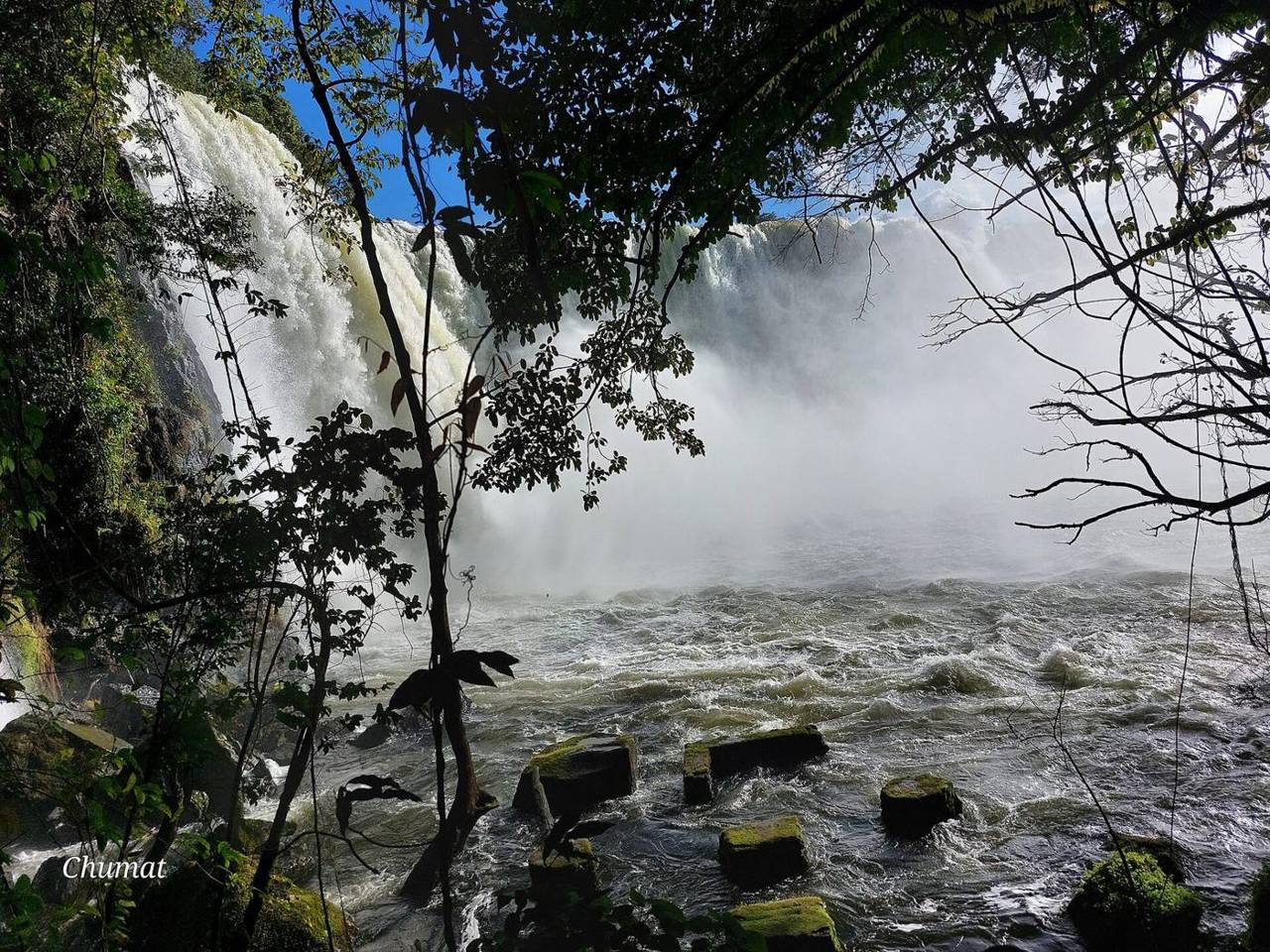
The northern Zambia waterfall circuit: Kalambo, among Africa's tallest, Lumangwe, Kabwelume and Ntumbachushi, with Lake Tanganyika at Mpulungu.
 3 daysEasy
Siavonga and Lake Kariba
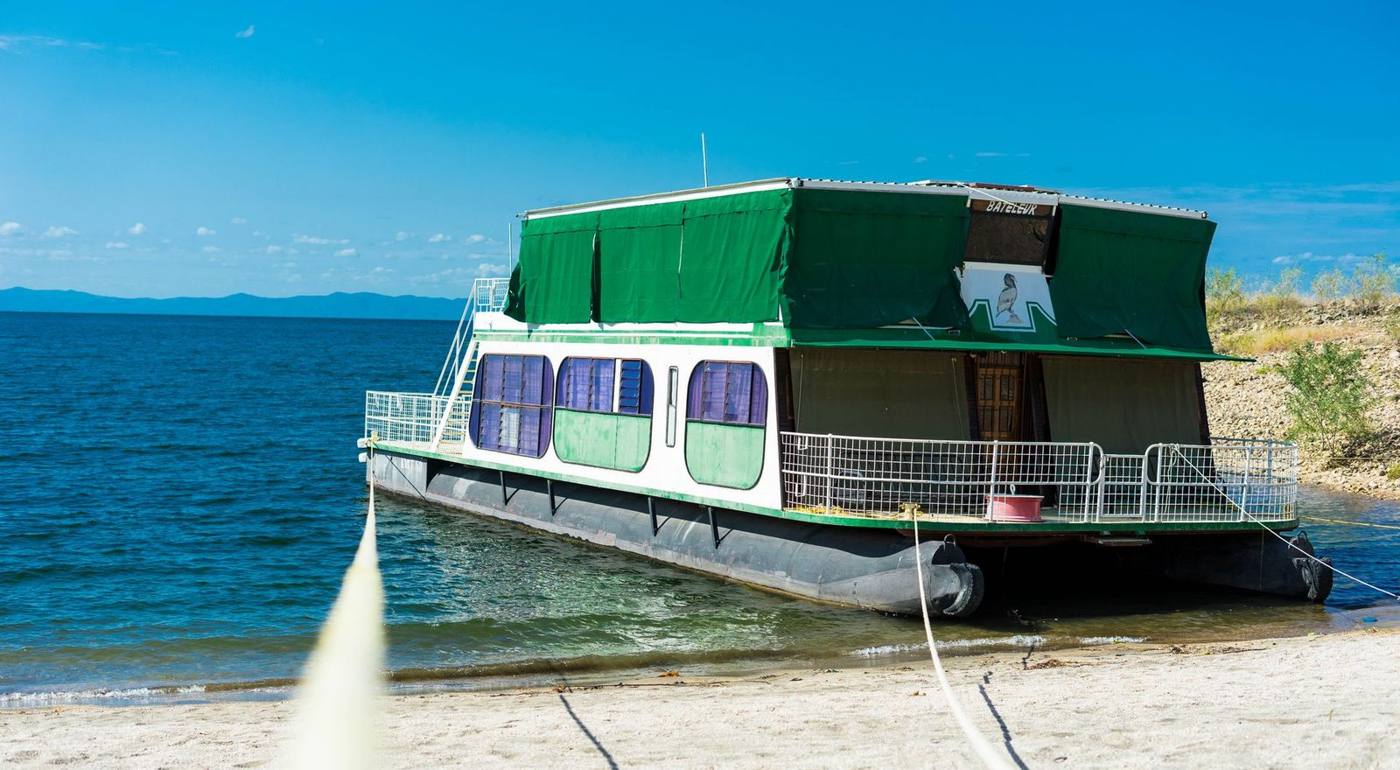
The Zambian side of Lake Kariba, three hours from Lusaka: sunsets over the lake, boats, the Kariba dam and tigerfish fishing.
 4 daysEasy
Victoria Falls from Livingstone
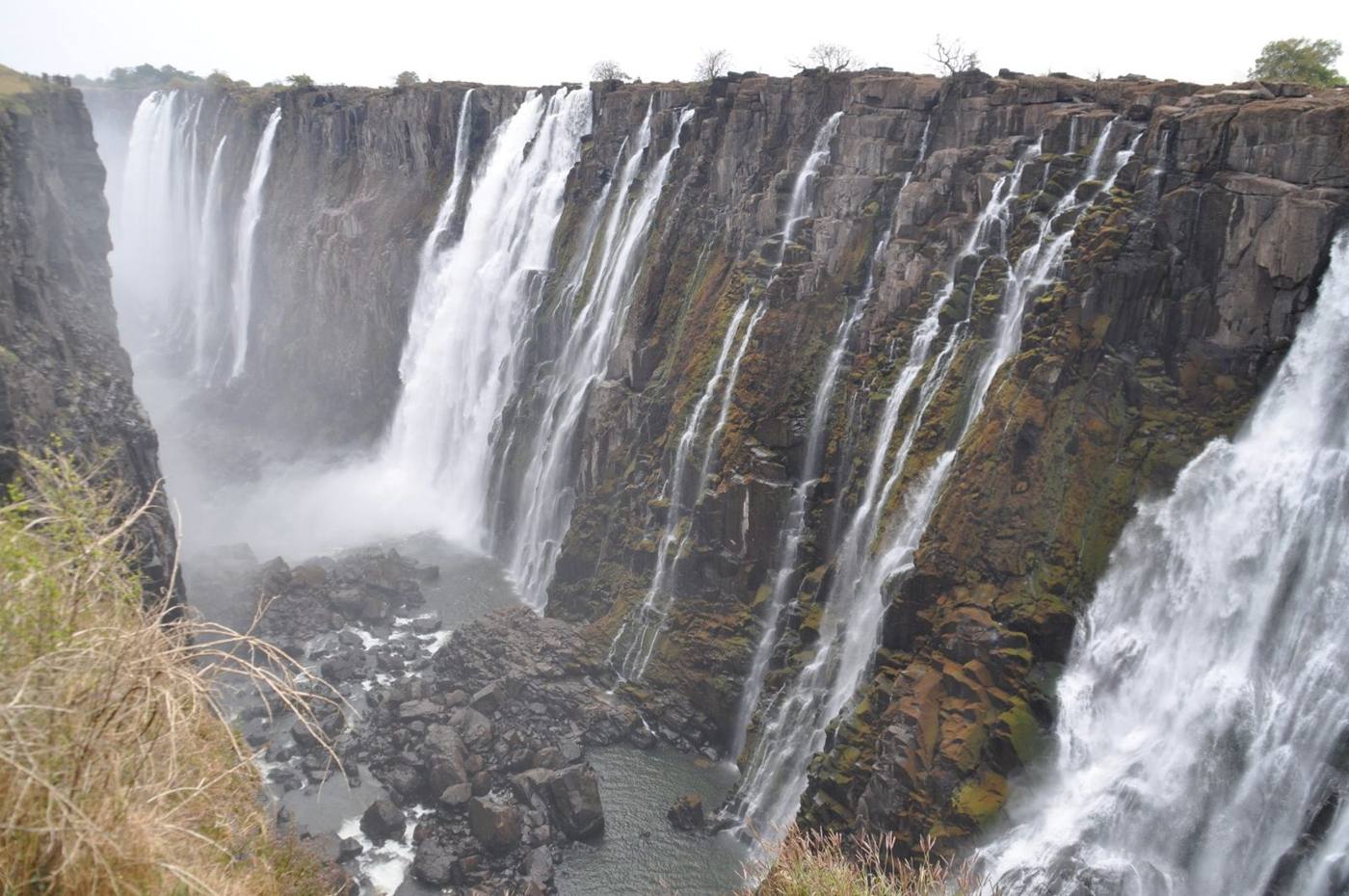
The falls from the Zambian side, Devil's Pool on the edge in the dry season, a sunset cruise on the Zambezi and a helicopter flight.