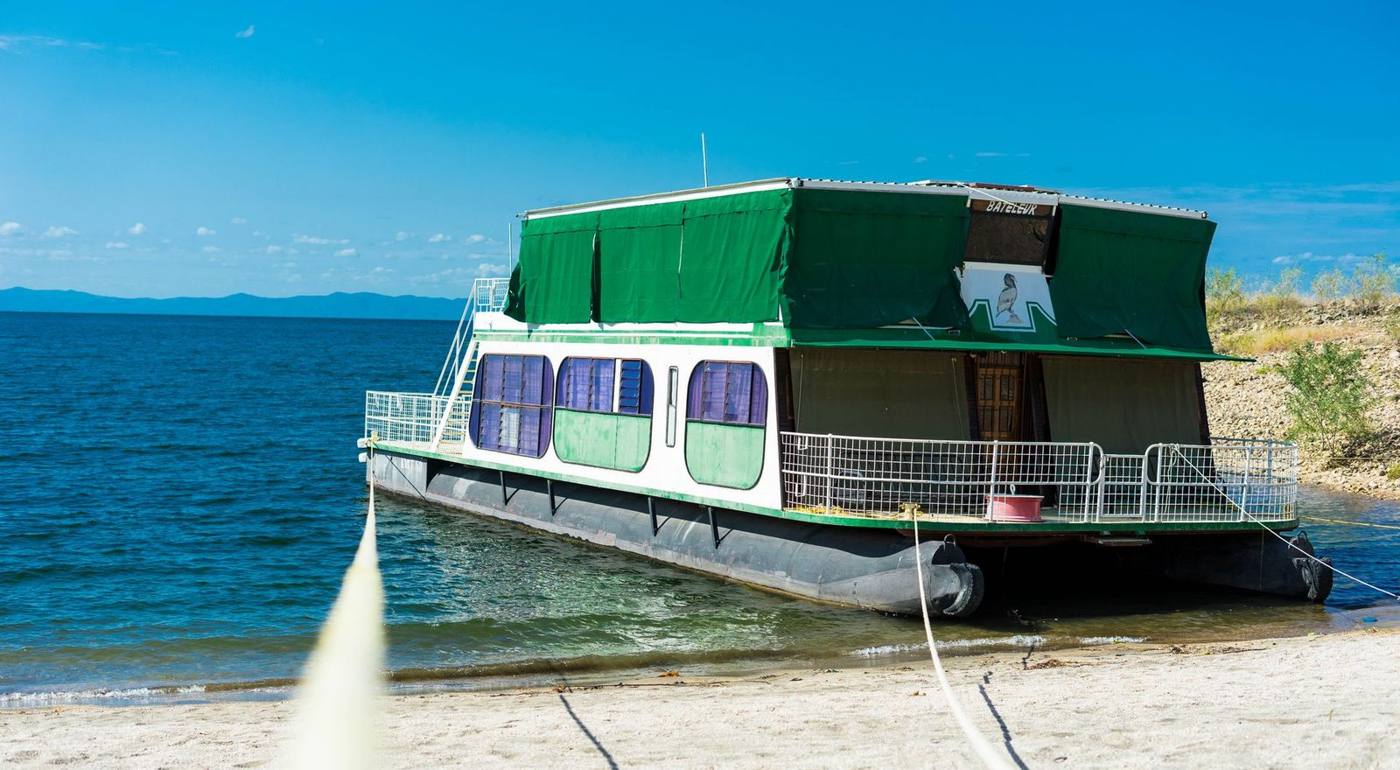
Siavonga and Lake Kariba
The Zambian side of Lake Kariba, three hours from Lusaka: sunsets over the lake, boats, the Kariba dam and tigerfish fishing.
- Lusaka
- Siavonga
- Kariba Dam
Day by day
- Day 1
From Lusaka to Siavonga
This three-day trip takes you to Siavonga, the town on the Zambian shore of Lake Kariba, the favourite weekend escape for people from Lusaka. The lake is one of the largest man-made lakes in the world, created in the late 1950s when a dam closed the Zambezi in a narrow gorge, and today it stretches for hundreds of kilometres between Zambia and Zimbabwe. It is a relaxing trip, made of water, sunsets and fish.
Before you go: Italian citizens enter Zambia without a visa and on arrival receive a stamp valid for 30 days. The passport must be valid for at least six months from entry and have three completely blank pages. Other nationalities should check their own rules. The lake is a malaria area: ask your doctor and bring repellent. If you want to cross the dam into Zimbabwe, you need that country's visa: check the rules on Viaggiare Sicuri.
From Lusaka take the road south, the same one that leads to the Chirundu border. You drop down from the plateau on a winding road, with slow lorries and wide views over the valley. After the turn-off for Siavonga the road crosses wooded hills and small villages. It takes a few hours: leave in the morning and arrive in daylight.
In the afternoon rest on the shore and look at the lake, blue and immense, with the hills of Zimbabwe on the far side. At sunset the water turns red and the fishing boats head back to the harbour.
Practical tip: on the road from Lusaka stop only in towns and at fuel stations, and drive carefully behind lorries on the descents.
- Day 2
By boat on the lake and the Kariba Dam
Today you discover the lake from the water. In the morning take a boat with a local guide along the coast, among quiet bays, rocky islands and inlets covered in trees. The water is clear and deep, and the landscape looks more like a sea than a lake. On the shores you see fishing villages, goats grazing on the hills and sometimes crocodiles basking on the rocks.
The lake is rich in birds: fish eagles calling from dead trees, cormorants drying their wings in the sun, herons and kingfishers. Many visitors also come here to fish, especially for tigerfish, following the required rules and licences.
Never swim in the lake: there are crocodiles and hippos even near the quietest shores, and the guides tell everyone so.
In the afternoon visit the viewpoint over the Kariba Dam, a huge curved wall of concrete between the rocks of the gorge. On one side you see the lake, on the other the Zambezi resuming its course downstream, squeezed between cliffs. The dam is on the border between the two countries and produces electricity for both: respect the photography bans signposted on site.
In the evening, from the harbour, you see the lights of the kapenta fishermen, fishing for small fish similar to sardines, coming on one after another across the dark lake.
Practical tip: on the boat bring sun cream, a hat and a light jacket, because on the lake the wind can suddenly become strong.
- Day 3
Back to Lusaka
Today you return to Lusaka. Before leaving, early in the morning, take a walk along the shore or to the harbour, when the fishermen unload the night's catch and women bargain over kapenta, which is then spread to dry in the sun on large racks. At the market you also find fruit, vegetables and fresh fish from the lake. Always ask permission before photographing people.
Then you set off north again. If you have time, you can combine Siavonga with the Lower Zambezi: the road to the park starts from Chirundu, not far from the turn-off for the lake. In that case it is worth staying an extra night and continuing to the river the next day, for a canoe safari.
In three days you have seen a different side of Zambia: not the savannah of the great parks, but the lake, visited mainly by Zambian families, with its bays, the kapenta fishermen, the great dam on the Zambezi and the red sunsets over the water. It is a quiet weekend, suited to those who want to rest after a safari or before flying home.
When to go: from May to September, in the cool dry season, when the days are clear and temperatures pleasant. From October the heat on the lake becomes very strong, and from November the rains arrive.
Practical tip: buy some dried kapenta at the market to take to Lusaka: it is one of Zambia's best-loved foods, often cooked with tomato and onion and served with nshima, the white maize porridge.
A relaxing weekend, popular with Zambians. Do not swim in the lake: there are crocodiles. A good addition to the Lower Zambezi.
Before you go
- Documents and visa
- Passport valid for at least six months from entry, with three completely blank pages. Italian citizens enter without a visa: on arrival they receive a stamp valid for 30 days, which can be extended at an immigration office before it expires. Cash above the equivalent of 5,000 US dollars must be declared.
- Health and vaccines
- No vaccinations are compulsory. Malaria is present throughout the country, especially near rivers and lakes: ask your doctor about prevention and use repellent and a mosquito net. In the rainy season, from November to April, there can be cholera cases: drink only bottled water. Emergencies: police 991, ambulance 992.
- Money and payments
- Zambian kwacha. Cards work in cities and at many lodges, but carry cash for villages and tips; use ATMs inside banks, because card cloning has been reported.
- Power sockets
- Types C, D and G, 230 volts: bring a universal adapter.
- Time zone
- UTC+2 all year.
- Safety
- The situation is generally stable, but demonstrations can happen: avoid them. In cities take care in markets and shopping centres and avoid the compounds, the poorer neighbourhoods, after dark. The border areas with the Democratic Republic of the Congo and Angola are advised against for non-essential travel because of landmines. Roads are in poor condition: do not drive at night. Official advice: GOV.UK.
Information checked in November 2026 for Italian and EU citizens. Rules change: always check before you travel.
Variations
In 2 days: one night in Siavonga, with the boat trip in the morning and the dam in the afternoon before heading back.
In 6 days: add three days in the Lower Zambezi for a canoe safari, reached from Chirundu.
Frequently asked questions
Can you swim in Lake Kariba?
No, never swim in the lake: there are crocodiles and hippos even near the quietest shores.
Can you visit the Kariba Dam?
Yes, there is a viewpoint over the dam. It is a border area: respect the photography bans and, if you want to cross into Zimbabwe, you need that country's visa.
Do I need a visa for Zambia?
No, Italian citizens enter without a visa and receive a stamp valid for 30 days on arrival. The passport must be valid for at least six months and have three blank pages. Other nationalities should check their own rules.
Indicative itinerary written by World Atlas. Before booking, check timetables, seasonal openings, documents and safety.
 4 daysEasy
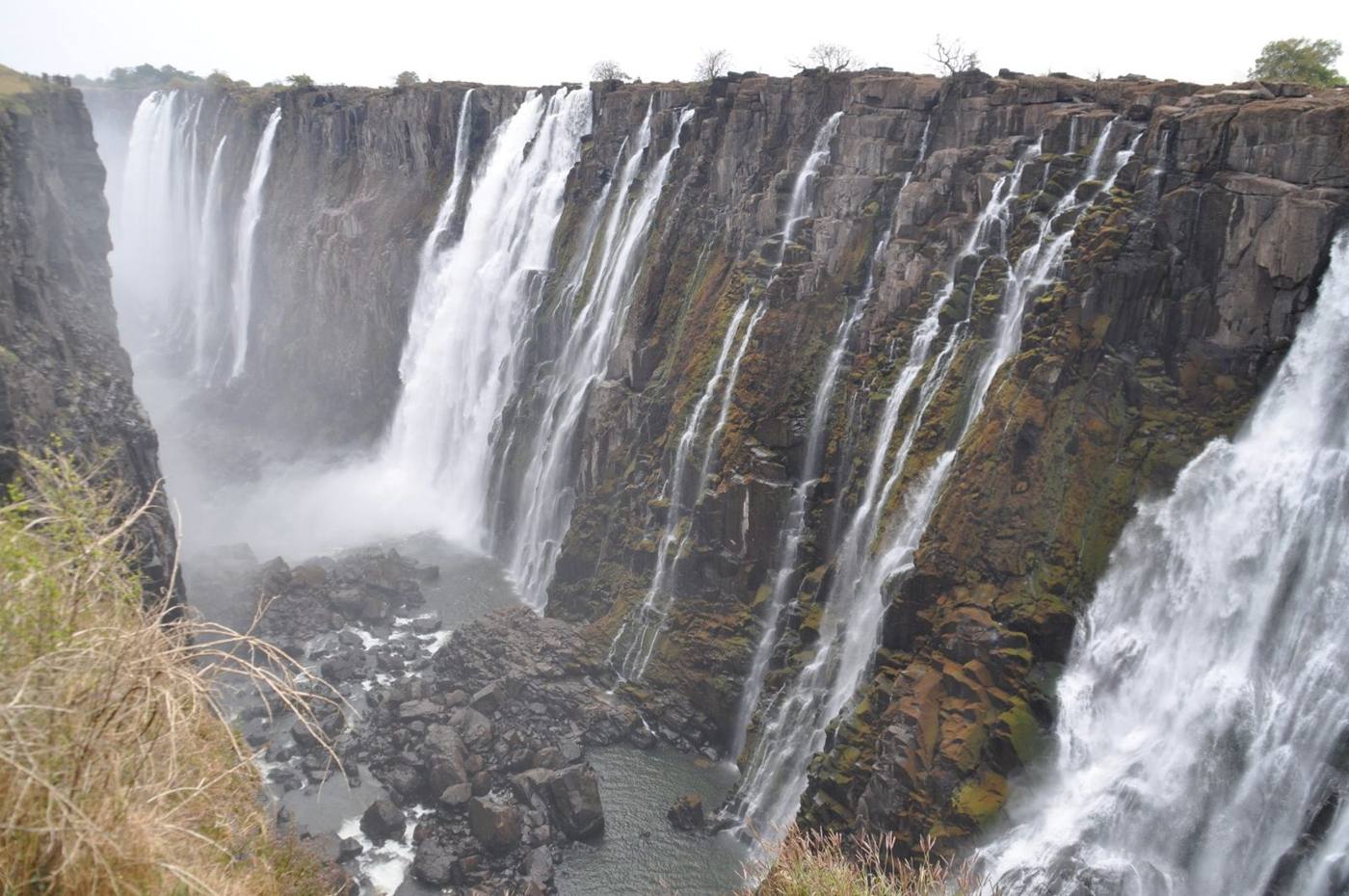
Victoria Falls from Livingstone
The falls from the Zambian side, Devil's Pool on the edge in the dry season, a sunset cruise on the Zambezi and a helicopter flight.
 6 daysModerate
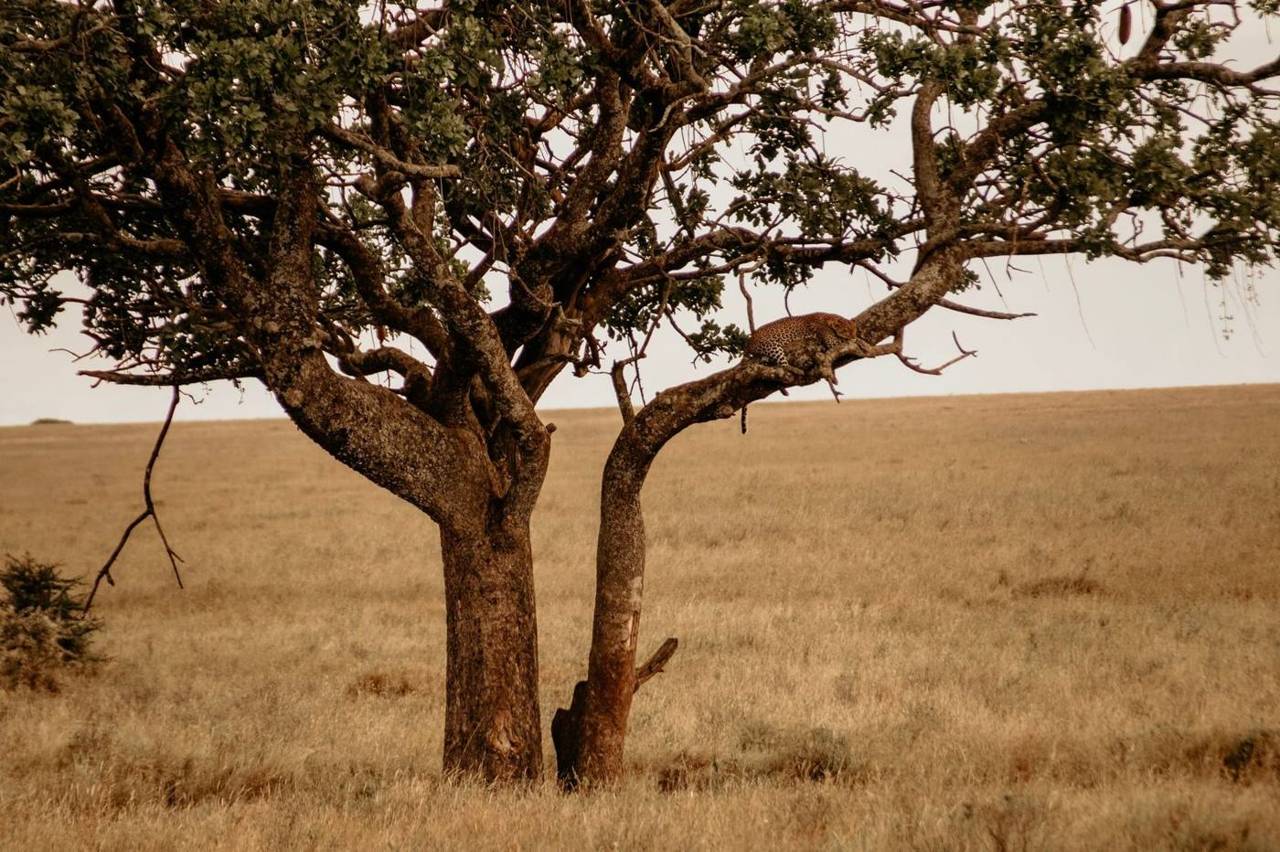
Walking safari in South Luangwa
The birthplace of the walking safari: leopards, wild dogs, hippos in the Luangwa river and night drives, in small riverside camps.
 5 daysModerate
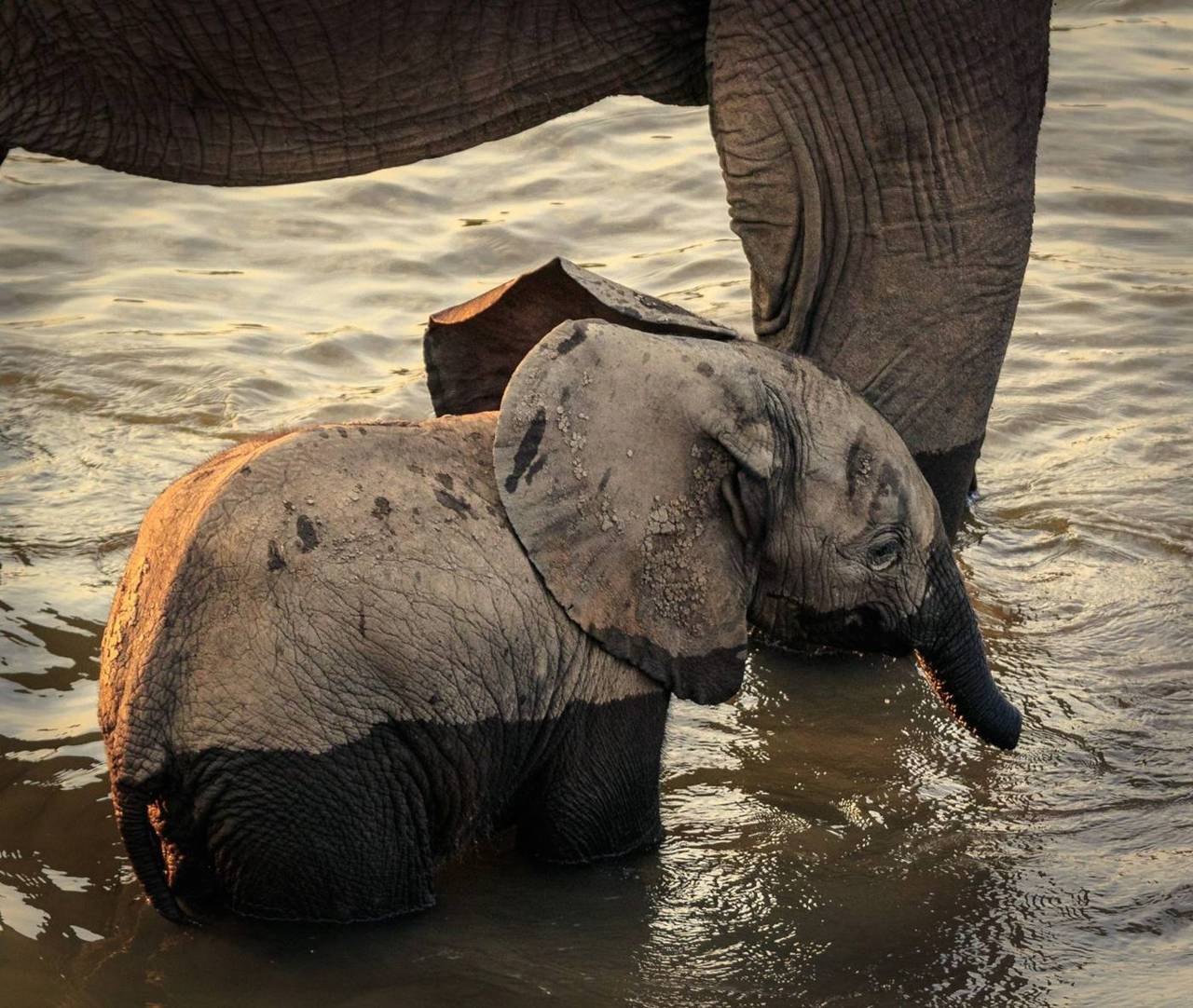
Canoeing the Lower Zambezi
By canoe among hippos and elephants in Lower Zambezi National Park, with the Zimbabwe escarpment opposite and tigerfish fishing.