Walking safari in South Luangwa
The birthplace of the walking safari: leopards, wild dogs, hippos in the Luangwa river and night drives, in small riverside camps.
- Lusaka
- Mfuwe
- South Luangwa
- Luangwa River
Day by day
- Day 1
Flight to Mfuwe and your first safari
This six-day trip takes you to South Luangwa National Park, in eastern Zambia, considered the birthplace of the African walking safari. Here, in the mid twentieth century, the first guided walks on the savannah for visitors began. The park is also one of the best in Africa for seeing leopards, especially on night drives with a spotlight.
Before you go: Italian citizens enter Zambia without a visa and on arrival receive a stamp valid for 30 days. The passport must be valid for at least six months from entry and have three completely blank pages. Other nationalities should check their own rules. The Luangwa valley is a malaria area: ask your doctor, bring a strong repellent and sleep under a mosquito net. Check that your insurance covers walking safaris.
In the morning you take a domestic flight from Lusaka to Mfuwe, the valley's airport. From the plane you see the Luangwa River winding between sandbanks and crescent-shaped lagoons. On arrival, the transfer to camp passes through the village of Mfuwe and over the bridge across the river, from which you often see hippos and crocodiles.
In the late afternoon you go on your first game drive. At sunset you stop on the riverbank for tea, then the guide switches on the spotlight and the night drive begins: you look for the eyes of animals in the dark, genets, hyenas and, with luck, your first leopard.
Practical tip: for the evening drive bring a light jacket, because after sunset the temperature drops quickly, especially between June and August.
- Day 2
Your first walk on the savannah
Today you go on your first walk. You set off at dawn, after a coffee around the fire, in a small group led by an experienced guide and an armed scout from the wildlife service. In Zambia walking safaris are only done this way: the guide explains and reads the land, the scout walks in front and protects the group.
Before you start, the guide explains the rules. You walk in single file, in silence, never running and never wandering off. If an animal comes close, you stop and follow instructions. On foot everything changes: you smell the savannah, hear the alarm calls of impala and the rustle of dry grass. The guide shows you the small things: the tracks of a lion from the night, elephant dung, an antlion digging its trap in the sand, plants used as medicine.
With a bit of luck you watch from a distance a Thornicroft's giraffe, a subspecies found only in the Luangwa valley, with darker patches and no spots below the knees.
Around ten you return to camp for brunch and a rest in the hot hours. In the afternoon you go out by vehicle along the river, where hippos and elephants gather at the lagoons, and in the evening you carry on with the spotlight, looking for nocturnal animals.
Practical tip: wear neutral colours, such as khaki and olive green, and comfortable, quiet closed shoes: no white and no bright colours.
- Day 3
Lagoons and carmine bee-eaters
Today the morning walk follows the lagoons, old bends of the river that have been cut off. They are full of life: hippos snorting, crocodiles lying still, herons, yellow-billed storks, ibises and jacanas walking on water lily leaves. At the water's edge you see puku, waterbuck and herds of impala, and often the tracks of lions hunting near the pools.
In the hottest months of the dry season, from August to October, carmine bee-eaters dig their nests in the sandy banks of the Luangwa. Thousands of red and blue birds fly in and out of the holes in the banks, and their flight colours the sky. Watch them from a distance, without going near the nesting wall.
You return to camp before the heat. In the afternoon, after a rest, you go out again by vehicle. South Luangwa has large herds of buffalo, many zebras and Cookson's wildebeest, a subspecies found almost only in the valley, and lions follow the herds. At sunset you stop at a spot overlooking the river, then return with the spotlight.
On the night drive stay seated, keep your arms inside the vehicle and do not use a flash: strong light blinds the animals and makes them more vulnerable to predators.
Practical tip: bring light binoculars on the walk too, because many animals are best watched from a distance, without disturbing them.
- Day 4
On foot from camp to camp
Today you live one of the most typical South Luangwa experiences: walking from one camp to another. Many camps in the park offer this kind of safari, in which you move on foot for a few hours with the guide and the scout, while your luggage goes by vehicle on another route. Ask in advance whether your camp offers it and which areas it crosses.
You set off at dawn and walk along the river and through mopane woodland, sometimes crossing the sandy bed of a dry tributary. It is a longer walk than the others, at a calm pace and with many stops. The silence is complete: you hear only your footsteps, birdsong and, now and then, a branch snapped by an elephant among the trees. The guide reads the wind and changes route if a group of buffalo or elephants is too close.
You reach the new camp in late morning. It is often a small, simple camp, with a few tents or thatched huts on the river, without fences. Here you rest in the hot hours and watch animals come down to drink in front of you.
In the afternoon you take a short stroll around camp or sit on a bank. In the evening, around the fire, you listen to the guide telling the story of the park and its animals.
Practical tip: bring a small backpack with water, sun cream, a hat and a light jacket: it is all you need on the walk.
- Day 5
Last day in the valley
Today is your last full day in the Luangwa valley. In the morning take a last walk with the guide and the scout or, if you prefer, a longer drive to parts of the park you have not yet seen. South Luangwa has a great variety of habitats: grassy plains, mopane woodland, ebony forest and big baobab trees, and each area has its own animals.
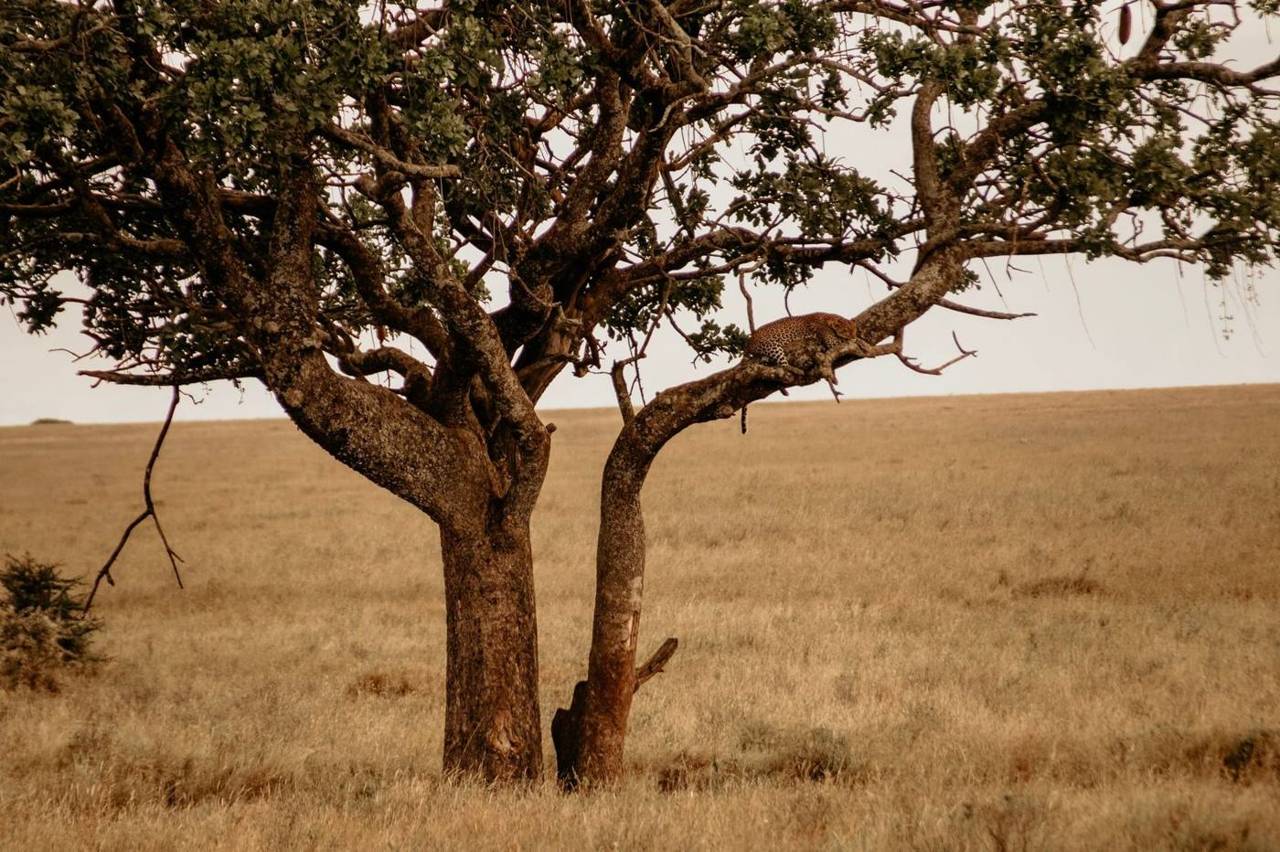
In these days you have probably seen elephants, hippos, buffalo, zebras, giraffes and many antelope. Today the guide can concentrate on what is missing: wild dogs, which move a lot and are hard to find, lions with cubs or a leopard by day, lying on a branch.
In the afternoon, if you like, visit the village of Mfuwe and one of the community projects in the area, where artisans make hand-printed fabrics, baskets and wooden objects. It is a way of getting to know the lives of the people who live around the park. Always ask permission before taking photos.
In the evening you go on your last night drive with the spotlight. After dinner, around the fire, the sky is full of stars and from the bank come the calls of hippos leaving the water to graze. It is a good moment to look back on the week.
Practical tip: prepare tonight the tips for the guides, scouts and camp staff, divided into envelopes: tomorrow morning you will have little time.
- Day 6
Flight to Lusaka
Today you leave South Luangwa. If your flight is around midday, take a last short drive at dawn along the river, when lions return from the hunt and elephants cross the water. Then you transfer to Mfuwe airport and fly to Lusaka.
In Lusaka you can take an international flight or continue to another part of Zambia: the Lower Zambezi, for a canoe safari, the Victoria Falls, with a flight to Livingstone, or North Luangwa, even wilder, by small plane from Mfuwe.
In six days you have got to know South Luangwa in the most authentic way: on foot at dawn with the guide and the scout, by vehicle in the afternoon along the river and at night with the spotlight, looking for leopards. You have seen lagoons full of hippos, carmine bee-eaters, Thornicroft's giraffe and one of the richest savannahs in Africa. The camps are expensive but small and of high quality, and the number of visitors stays low.
When to go: from June to October, in the dry season, when animals gather near the river and walks are possible. September and October are the hottest months and the richest in wildlife. From November to April many camps close for the rains, but some stay open for the green season, with green landscapes and a huge number of birds.
Practical tip: keep your passport and boarding pass close at hand, and check your luggage weight for the domestic flight.
One of Africa's best parks for leopards and for walking the bush with expert armed guides. Camps are expensive but small and of high quality. From November to April many camps close for the rains.
Before you go
- Documents and visa
- Passport valid for at least six months from entry, with three completely blank pages. Italian citizens enter without a visa: on arrival they receive a stamp valid for 30 days, which can be extended at an immigration office before it expires. Cash above the equivalent of 5,000 US dollars must be declared.
- Health and vaccines
- No vaccinations are compulsory. Malaria is present throughout the country, especially near rivers and lakes: ask your doctor about prevention and use repellent and a mosquito net. In the rainy season, from November to April, there can be cholera cases: drink only bottled water. Emergencies: police 991, ambulance 992.
- Money and payments
- Zambian kwacha. Cards work in cities and at many lodges, but carry cash for villages and tips; use ATMs inside banks, because card cloning has been reported.
- Power sockets
- Types C, D and G, 230 volts: bring a universal adapter.
- Time zone
- UTC+2 all year.
- Safety
- The situation is generally stable, but demonstrations can happen: avoid them. In cities take care in markets and shopping centres and avoid the compounds, the poorer neighbourhoods, after dark. The border areas with the Democratic Republic of the Congo and Angola are advised against for non-essential travel because of landmines. Roads are in poor condition: do not drive at night. Official advice: GOV.UK.
Information checked in November 2026 for Italian and EU citizens. Rules change: always check before you travel.
Variations
In 4 days: two walks and two night drives, with the flight from Lusaka on the first day and back on the last.
In 9 days: add three days in North Luangwa by small plane from Mfuwe, to walk in an even wilder park.
Frequently asked questions
Is a walking safari dangerous?
It carries some risk, which is why it is only done with experienced guides and armed scouts licensed by the wildlife service. Always follow their instructions, stay in line and never run.
Do you really see leopards?
South Luangwa is one of the best places in Africa to see them, especially on night drives with a spotlight, but no sighting is guaranteed.
Do I need a visa for Zambia?
No, Italian citizens enter without a visa and receive a stamp valid for 30 days on arrival. The passport must be valid for at least six months and have three blank pages. Other nationalities should check their own rules.
Indicative itinerary written by World Atlas. Before booking, check timetables, seasonal openings, documents and safety.
 5 daysModerate
Canoeing the Lower Zambezi
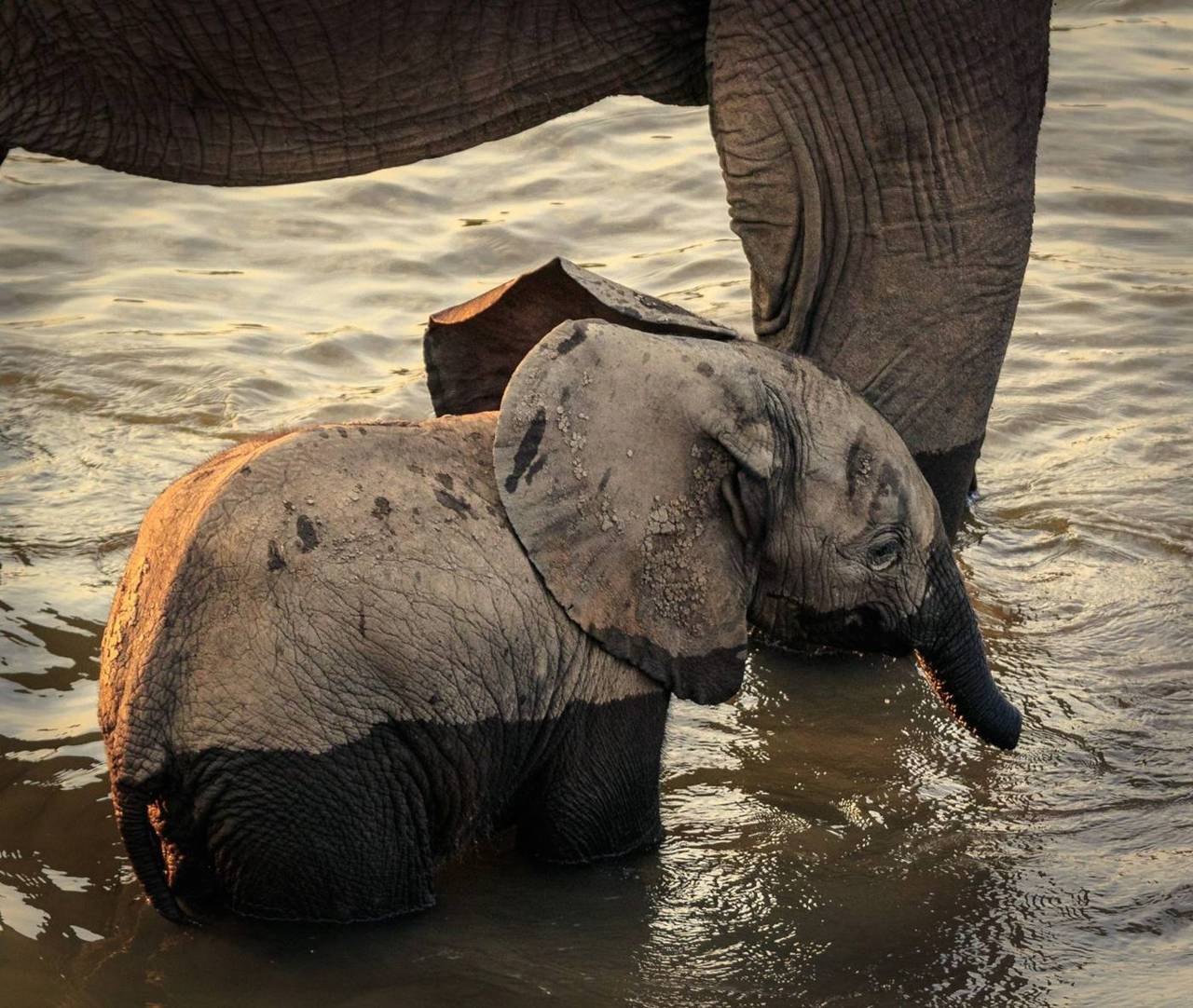
By canoe among hippos and elephants in Lower Zambezi National Park, with the Zimbabwe escarpment opposite and tigerfish fishing.
 5 daysModerate
Kafue National Park
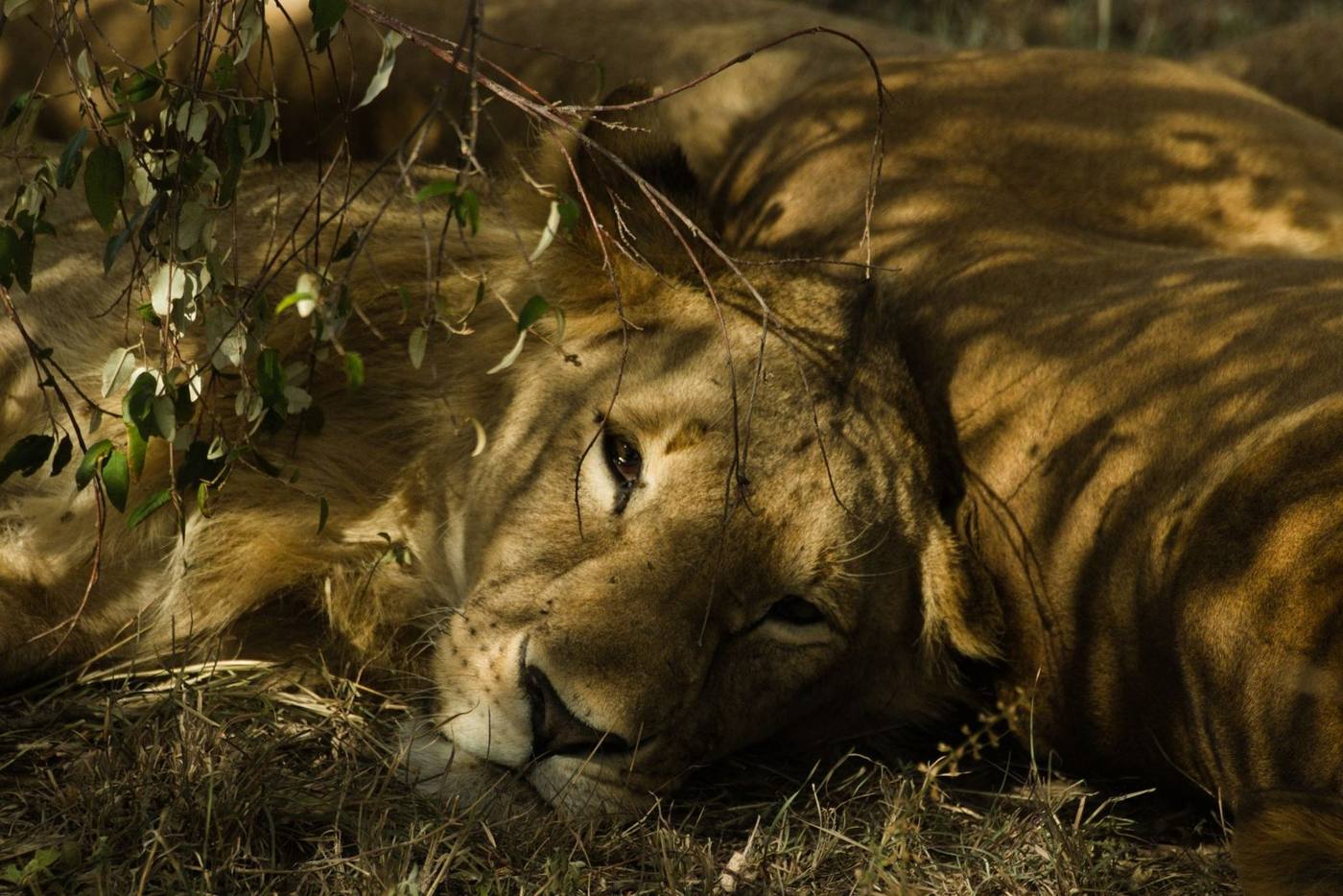
One of Africa's largest parks: the Busanga Plains with lions and antelope, the Kafue river by boat and the leopards of the south, with almost no other tourists.
 5 daysModerate
The Liuwa Plain migration
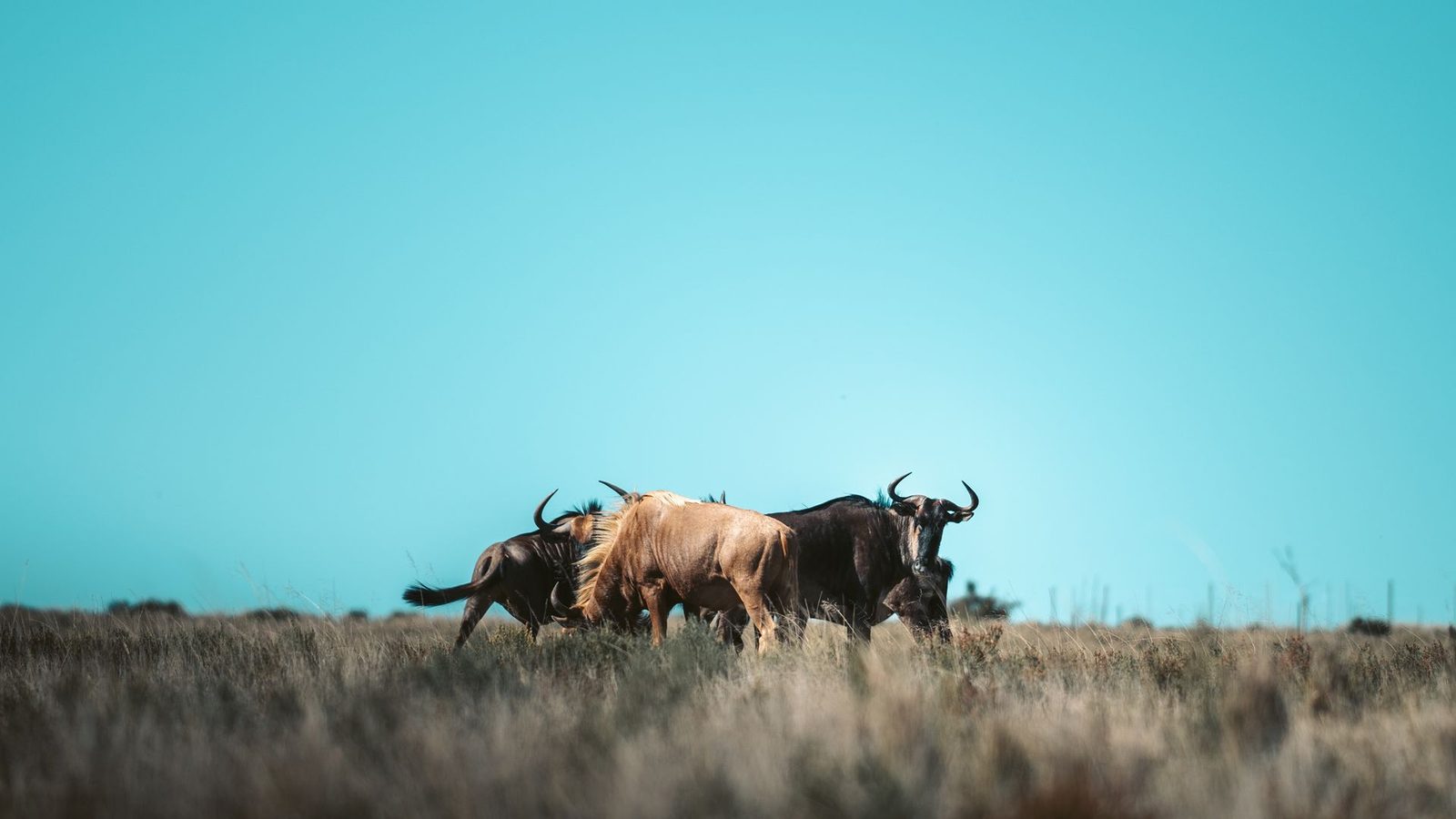
Africa's second wildebeest migration, on the grasslands of Liuwa Plain in the west, with hyenas, lions and waterbirds, in a park run with local communities.