Desert and the Aral Sea
The Savitsky Museum in Nukus and its banned avant-garde art, the Khorezm fortresses, the ship graveyard of Moynaq and a night in a desert yurt.
- Khiva
- Ayaz Kala
- Toprak Kala
- Nukus
- Moynaq
Day by day
- Day 1
Khiva, the walled city
This six-day trip runs from the Khorezm desert to the Aral Sea: the walled city of Khiva, the sand fortresses of Toprak Kala and Ayaz Kala with a night in a yurt, the Savitsky museum in Nukus with its forbidden avant-garde art, the ship cemetery of Moynaq and the present shores of the sea, reached by four-wheel drive. It is a hard but powerful trip, to the greatest environmental disaster in Central Asia.
Before you go: Italian citizens enter Uzbekistan without a visa for short stays, currently up to 30 days: check the length before you leave. You need a passport with at least three months' remaining validity. Temporary registration is compulsory within three working days of arrival: hotels, guesthouses and camps do it for you, and you keep the slips. Other nationalities should check their own rules.
You arrive in Khiva, usually by flight to Urgench and then by car for about half an hour. The old town, Itchan Kala, is enclosed by mud-brick walls and is a UNESCO World Heritage Site.
Walk among the madrasas and minarets covered in blue and turquoise tiles: the Kalta Minor, stout and unfinished, the Kunya Ark fortress, the Tash Hauli palace with its decorated courtyards and the Juma mosque, with its hall of carved wooden columns. Climb the Islam Khodja minaret, the tallest in the city, if it is open. Check prices and times.
At sunset watch the walls and domes turn pink from the terrace of the Kunya Ark.
Sleep in Khiva.
Practical tip: buy the combined ticket at the entrance to the old town and ask which monuments it includes.
- Day 2
The fortresses of Toprak Kala and Ayaz Kala
Today you explore ancient Khorezm, a kingdom that more than two thousand years ago built mud-brick fortresses on the edge of the desert.
In the morning drive north, cross the Amu Darya river and enter Karakalpakstan, the autonomous republic that covers the west of the country. The landscape becomes drier, with cotton fields, canals and then the sand of the Kyzylkum desert.
Visit Toprak Kala, a fortified city of the first centuries AD, with high walls, towers and the remains of a palace on a raised platform. Archaeologists found paintings, sculptures and documents written in ancient Khwarezmian here.
Then go on to Ayaz Kala, a group of three fortresses on nearby hills. Walk up to the highest one, along a steep sandy path: from the top you see the walls following the ridge, the desert all around and, below, a small salt lake.
In the afternoon, if you have time, also visit a third fortress in the area, such as Kyzyl Kala, with its reddish walls.
In the evening you reach the yurt camp near Ayaz Kala. Dinner with plov and warm bread, and watch the stars above the ruins.
Sleep in a yurt.
Practical tip: wear closed shoes for the climbs up the fortresses: the sand is deep and slides under your feet.
- Day 3
Nukus and the Savitsky museum
Today you see one of the most surprising museums in Central Asia.
In the morning watch the dawn over the fortress of Ayaz Kala, then set off for Nukus, the capital of Karakalpakstan. Along the way, if the programme includes it, stop at the Mizdakhan necropolis, a hill with old mausoleums and tombs, a place of pilgrimage linked to many legends.
In Nukus visit the art museum named after Igor Savitsky, a Russian painter and archaeologist who from the 1960s collected here, far from Moscow, thousands of works of the Soviet avant-garde, paintings that the regime had banned and that were in danger of being destroyed. Many artists had ended up in labour camps or had been forgotten.
In the rooms you see paintings with strong colours, portraits, Central Asian landscapes and works inspired by the European avant-garde. The museum also keeps archaeological finds from Khorezm and objects of Karakalpak culture, such as jewellery, textiles and decorated yurts. Check prices and times.
In the afternoon walk in the centre of Nukus, with its wide avenues and Soviet-era buildings.
In the evening have dinner with Karakalpak dishes, such as beshbarmak, boiled meat with homemade pasta.
Sleep in Nukus.
Practical tip: allow at least three hours for the museum: the collection is huge and the works on display change often.
- Day 4
Moynaq and the ship cemetery
Today you reach Moynaq, the place that tells the story of the vanishing Aral Sea.
In the morning drive north. The road crosses fields, poor villages and then salty plains. It takes a few hours.
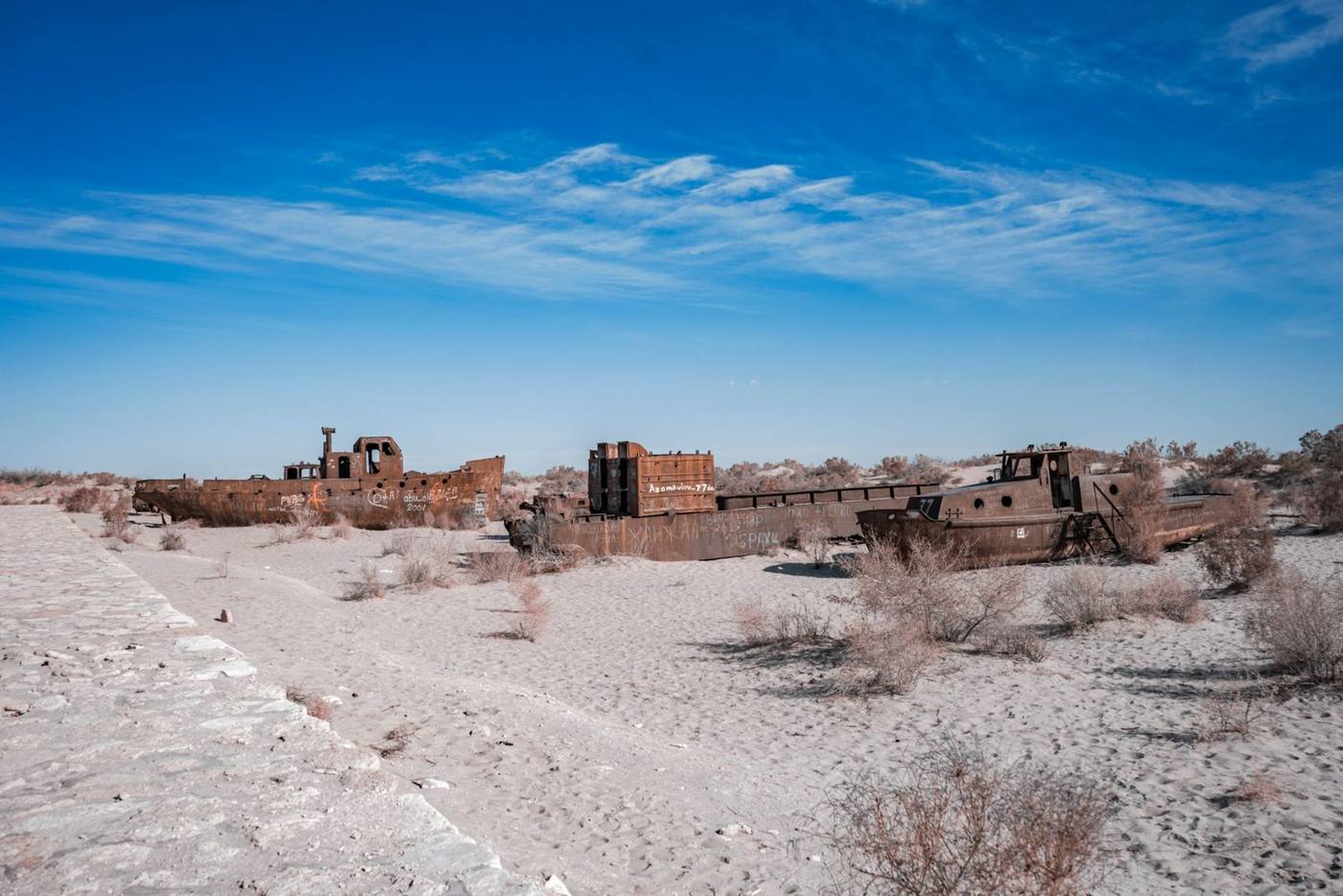
Moynaq was a large fishing port on the Aral Sea, with a fish cannery that supplied the whole Soviet Union. From the 1960s the waters of the Amu Darya and Syr Darya rivers were diverted to irrigate cotton, and the sea began to shrink. Today the shore is very far away, more than a hundred kilometres.
Visit the small local museum, with photos of the town when it was on the sea, and then go down to the ship cemetery: rusty fishing boats lying on the sand where there was once water. From the viewpoint with the monument to the fishermen you see the old seabed disappearing towards the horizon. Check prices and times.
In the afternoon set off by four-wheel drive with your driver and guide towards the sea. The tracks cross the old seabed and then the Ustyurt plateau, with its great white cliffs called chink.
In the evening you reach the tent camp set up near the shore.
Sleep in a tent near the Aral Sea.
Practical tip: bring plenty of water, sun cream, sunglasses and a scarf against the salty dust.
- Day 5
The present shores of the Aral Sea
Today you see what remains of the Aral Sea, once the fourth largest lake in the world.
Early in the morning walk to the shore. The water is very salty, the bottom shallow and muddy, and all around there is an enormous silence. Look at the white shells scattered on the sand, a sign of the sea that was here. If you like, take a short swim: the salty water keeps you afloat as in the Dead Sea.
Then set off again by four-wheel drive along the cliffs of the Ustyurt plateau. From the top of the white walls you see the flat expanse of the old seabed, with colours changing from the white of the salt to grey and ochre. Stop at a few viewpoints to grasp the scale of the disaster: where the tracks run today, the trawlers of Moynaq once sailed.
In the afternoon, if the programme includes it, stop at Lake Sudochye, a wetland with water birds, reed beds and a few fishing villages, which shows how nature tries to hold on.
In the evening you go back towards Moynaq or Nukus, depending on the programme, after a long day on the tracks.
Sleep in Nukus or in a simple guesthouse in Moynaq.
Practical tip: do not leave rubbish at the camp or on the shore: the area is fragile and waste collection hardly exists.
- Day 6
The flight from Nukus to Tashkent
On the last day you leave Karakalpakstan.
In the morning, if your flight time allows, visit the Nukus bazaar, with fruit, bread, smoked fish and woollen hats, or go back to the Savitsky museum for a second, quieter visit.
Then go to the airport and take the flight to Tashkent, about two hours over the Kyzylkum desert. From the window you see the sand, the canals and, sometimes, the salt flats of the old seabed.
In six days you have seen the walled city of Khiva, the sand fortresses of Toprak Kala and Ayaz Kala, the Mizdakhan necropolis, the Savitsky museum in Nukus, the ship cemetery of Moynaq, the Ustyurt plateau and the present shores of the Aral Sea. It is a trip that makes you think about water, farming and people.
When to go: April and May or September and October. In summer the desert often goes above 40 degrees, and in winter nights in a tent are freezing.
The distances are huge and services are minimal: the trip to the sea requires a four-wheel drive, an experienced driver, a guide and an organised camp.
This trip can be combined with the great Silk Road tour, leaving from Khiva towards Bukhara.
Practical tip: keep your registration slips for every night ready, including those for the tent camp.
A tough but powerful trip to Central Asia's greatest environmental disaster. Distances are huge and services minimal. The trip to the lake takes two days of 4x4 driving on tracks and a tented camp.
Before you go
- Documents and visa
- Passport with at least three months' remaining validity. British citizens should check their own entry rules; Italian citizens enter without a visa for up to 30 days. Temporary registration is compulsory within three working days of arrival: hotels and guesthouses do it for you, keep the slips until you leave. You must carry your passport at all times.
- Health and vaccines
- No compulsory vaccinations; ask your doctor about recommended ones. Drink only bottled water. Take insurance covering medical costs and repatriation. Emergencies: police 102, ambulance 103, fire 101.
- Money and payments
- Uzbek som (UZS). Visa and Mastercard cards and cash machines are common in big cities and hotels; in markets and rural areas you need cash. Bring dollars or euros in perfect notes and change money only at banks or licensed offices: street exchange is a crime.
- Power sockets
- Types C and F, 220 volts: you need an adapter for British plugs.
- Time zone
- UTC+5 all year: five hours ahead of the UK in winter, four in summer.
- Safety
- The country is generally calm for visitors. Governments advise against the areas along the Afghan border and urge caution near the borders with Kyrgyzstan and Tajikistan: cross only at official checkpoints. In the Fergana, Andijan, Namangan and Surkhandarya regions checks are more frequent. Check before taking photos near military or police sites and ask before photographing people. Official advice: GOV.UK.
Information checked in November 2026 for Italian and EU citizens. Rules change: always check before you travel.
Variations
In four days you skip the trip to the sea and see Khiva, the fortresses, Nukus and Moynaq, flying back from Nukus.
In eight days you add a second night on the Ustyurt plateau and two days in Khiva at the start, at a slower pace.
Frequently asked questions
Can you reach the Aral Sea in a day from Moynaq?
It is difficult: the tracks are long and slow. Usually you need two days by four-wheel drive with a night in a tent camp.
Is the Savitsky museum worth the journey?
Yes, it is one of the largest collections of Soviet avant-garde art in the world, in a city far from everything. Allow at least half a day for the visit.
What is the tent camp near the sea like?
It is simple, organised by the agency, with tents, hot meals and basic facilities. Bring warm clothes for the night, water and a head torch.
Indicative itinerary written by World Atlas. Before booking, check timetables, seasonal openings, documents and safety.
 4 daysEasy
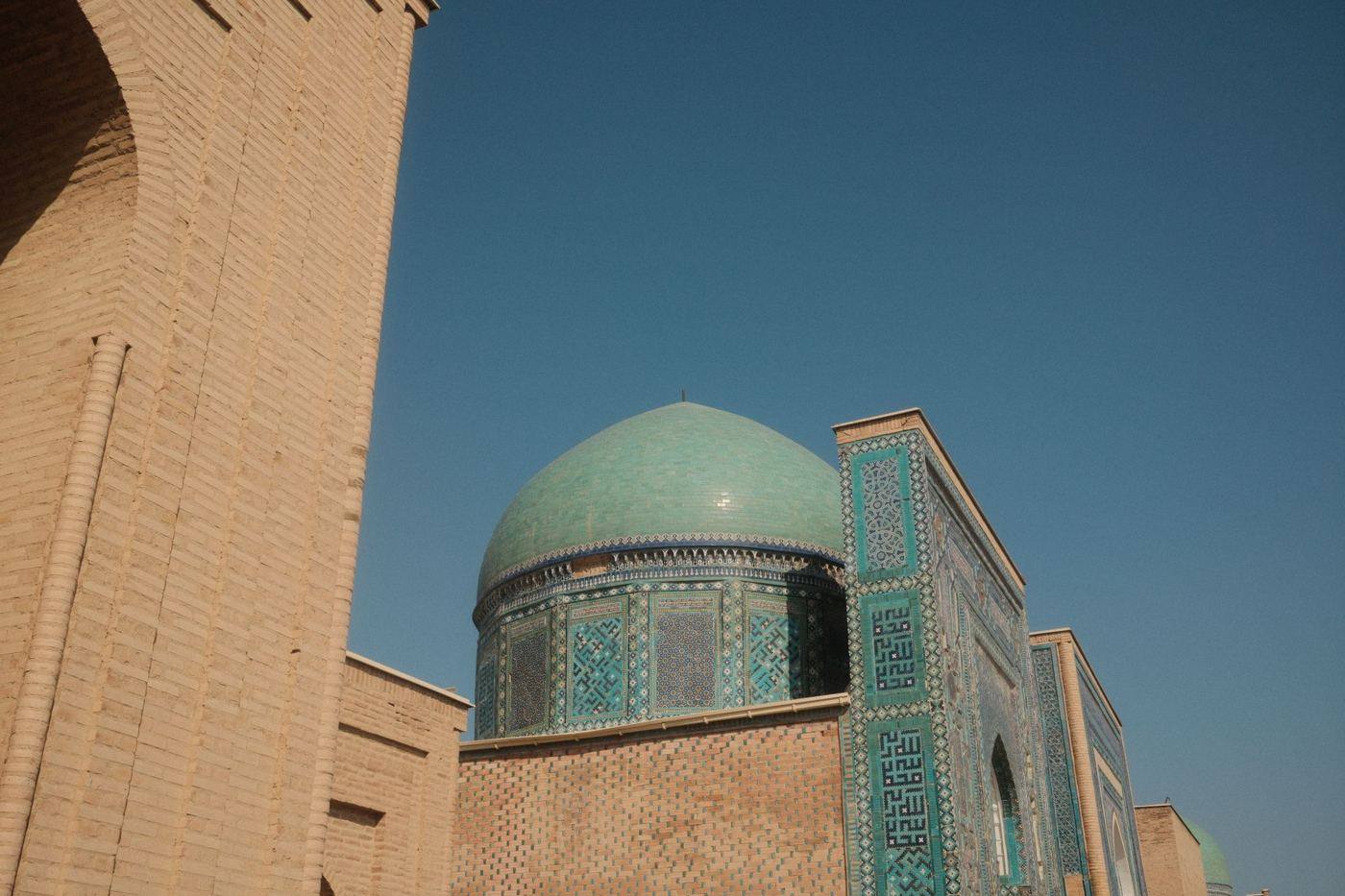
Samarkand and Shahrisabz
Samarkand at a slower pace: the Registan at night, the Shah-i-Zinda necropolis, Ulugh Beg's observatory, the Konigil paper mill, then Shahrisabz, Tamerlane's birthplace.
 3 daysEasy
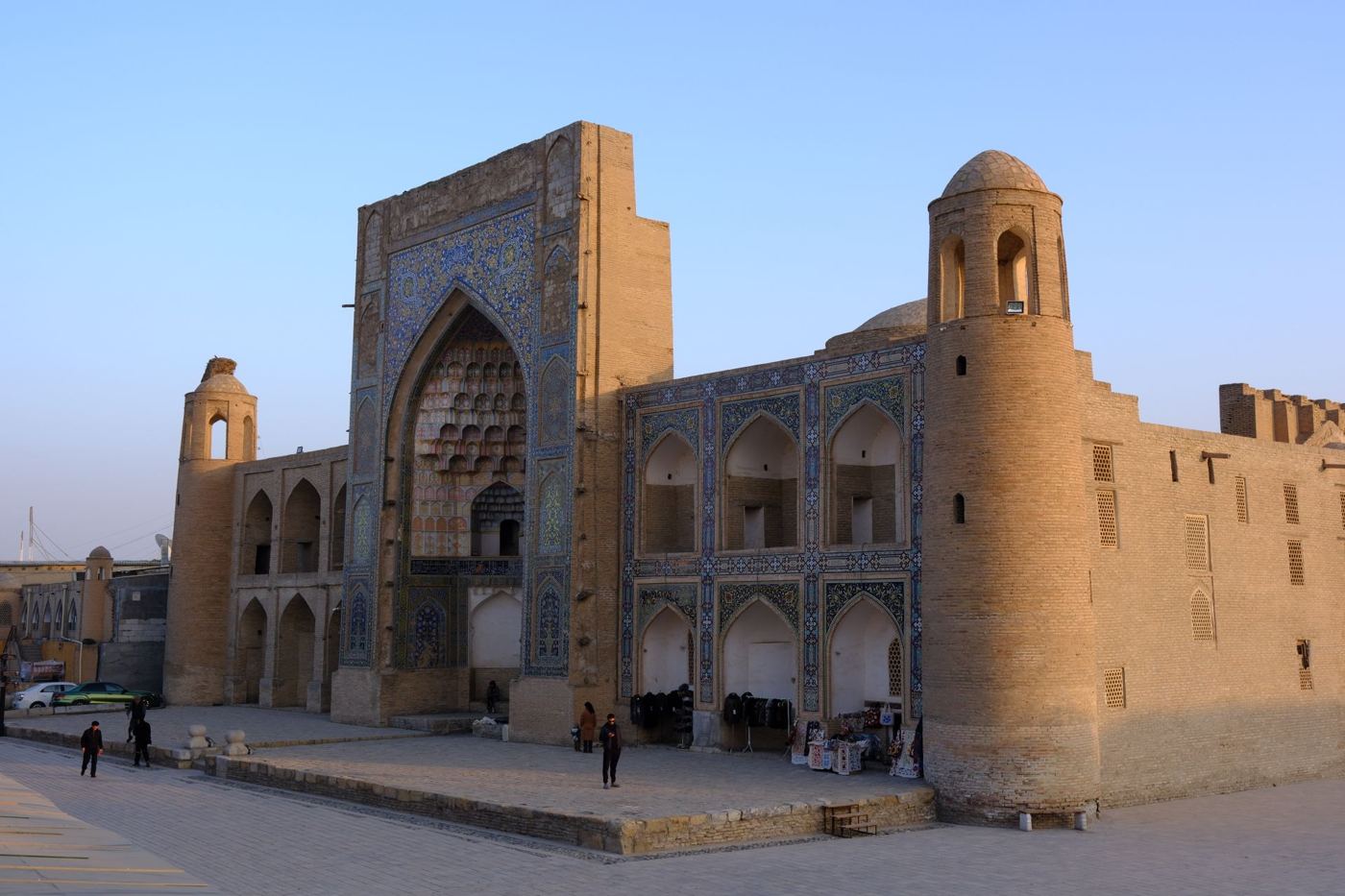
Bukhara and its surroundings
Bukhara beyond the centre: the emir's summer palace Sitorai Mohi Hosa, Chor Minor, the Sufi shrine of Bahauddin Naqshband and the pottery of Gijduvan.
 3 daysEasy
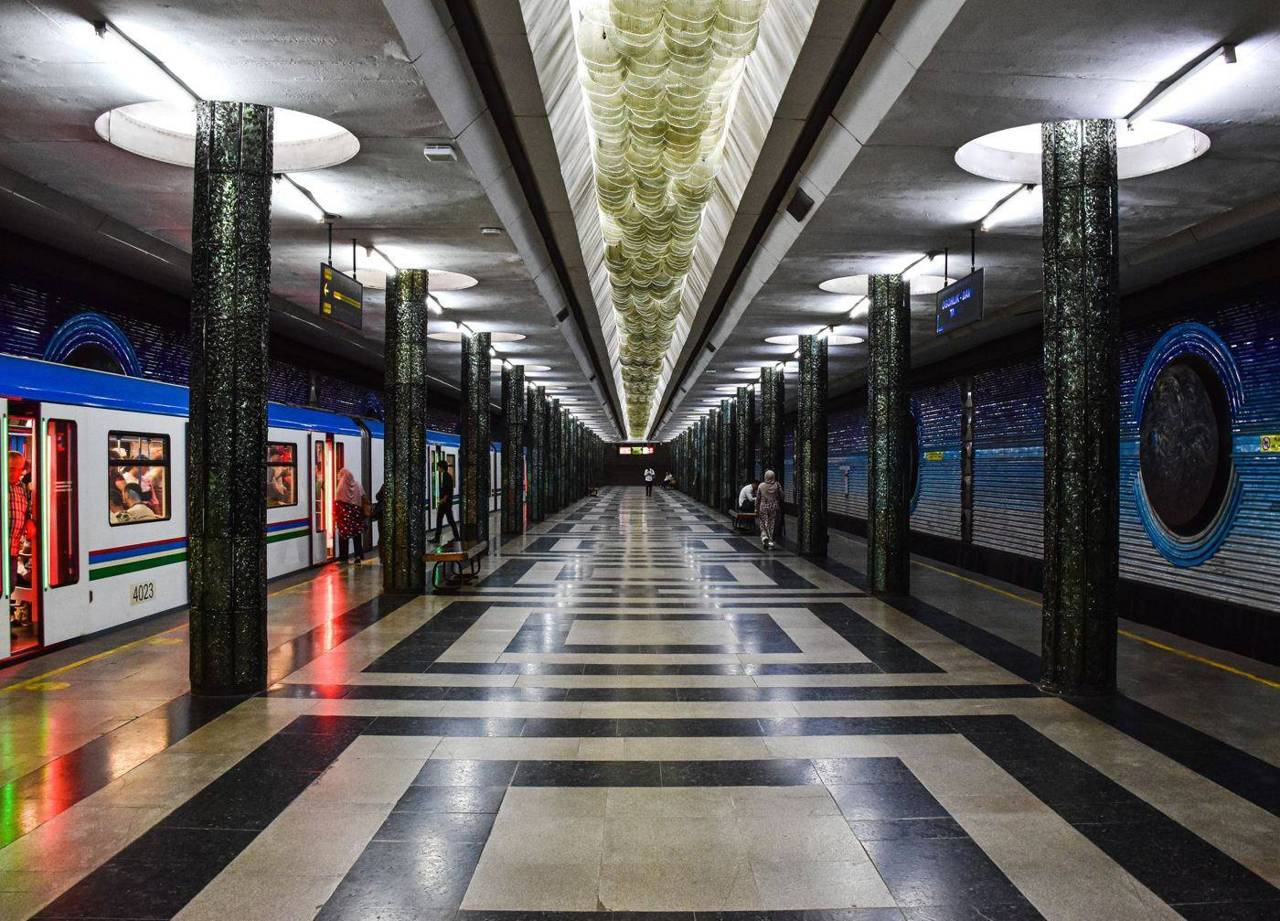
Tashkent and the Chimgan mountains
The capital with its decorated metro, Chorsu bazaar and the plov centre, then the Chimgan mountains and Lake Charvak two hours away.