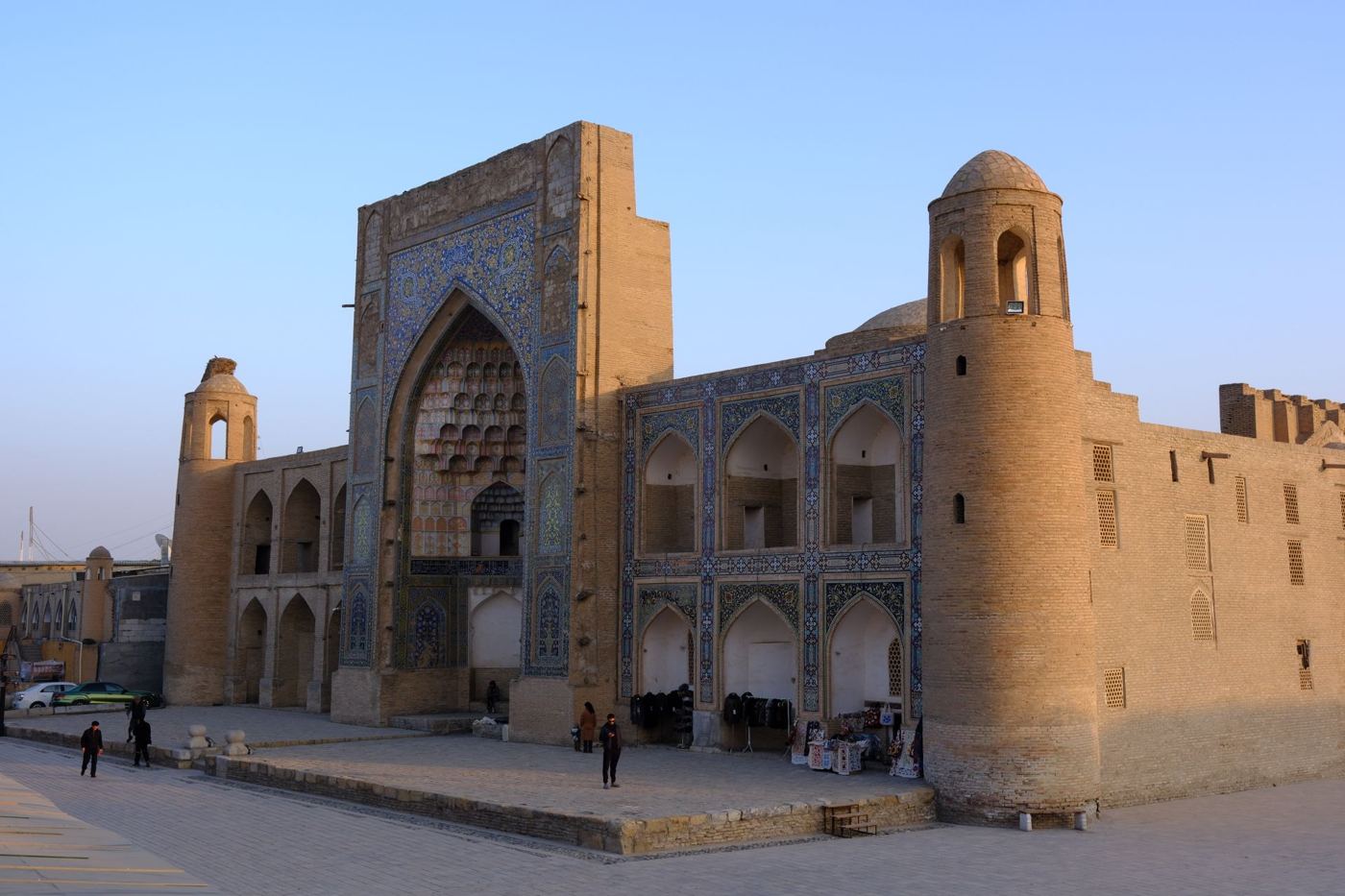
Bukhara and its surroundings
Bukhara beyond the centre: the emir's summer palace Sitorai Mohi Hosa, Chor Minor, the Sufi shrine of Bahauddin Naqshband and the pottery of Gijduvan.
- Bukhara
- Chor Minor
- Sitorai Mohi Hosa
- Bahauddin
- Gijduvan
Day by day
- Day 1
The Chor Minor and the streets of the old town
This three-day trip shows Bukhara beyond its most famous centre: the Chor Minor with its four towers, the streets of the old town, the summer residence of the last emir, the Sufi shrine of Bahauddin Naqshband and the ceramics of Gijduvan.
Before you go: Italian citizens enter Uzbekistan without a visa for short stays, currently up to 30 days: check the length before you leave. You need a passport with at least three months' remaining validity. Temporary registration is compulsory within three working days of arrival: hotels and guesthouses do it for you, and you keep the slips until you leave. Other nationalities should check their own rules.
Bukhara, a UNESCO World Heritage Site, is one of the oldest cities in Central Asia and for centuries was a great centre of Islamic learning and trade.
In the morning walk through the lanes behind Lyabi-Hauz to the Chor Minor, built at the beginning of the nineteenth century as the entrance to a madrasa that has disappeared. It has four towers with turquoise domes, each decorated differently, and is hidden among the low houses of the neighbourhood.
Then get lost in the streets of the old town, among mud-brick walls, carved wooden doors, small neighbourhood mosques and courtyards with vines. Pass under the trading domes, the covered markets of the sixteenth century, with carpets, knives, silks and embroidered suzani textiles.
At sunset reach the Kalon minaret, from the twelfth century, and the Poi Kalon square, with the mosque and the Mir-i-Arab madrasa, when the bricks turn golden.
In the evening sit at Lyabi-Hauz, the seventeenth-century pool surrounded by mulberry trees, with a tea and the local people.
Sleep in Bukhara, for three nights.
Practical tip: download an offline map: in the lanes of the old town it is easy to lose your bearings.
- Day 2
Sitorai Mohi Hosa and Bahauddin Naqshband
Today you leave the old town for two very different places: the palace of the last emir and the most important Sufi shrine in Central Asia.
In the morning drive to Sitorai Mohi Hosa, a few kilometres north of the centre. It is the summer residence built for the last emir of Bukhara at the beginning of the twentieth century, shortly before the Soviet conquest. The architecture mixes Russian style and Uzbek decoration: rooms with mirrors, white and gilded stucco, ceramic stoves, porcelain and gifts from all over the world. In the garden stands the pavilion overlooking the pool where, according to tradition, the emir watched the women of his harem. Check prices and times.
In the afternoon go to the complex of Bahauddin Naqshband, east of the city. Here lies the founder of the Naqshbandi Sufi order, who died in the fourteenth century, one of the most widespread orders in the Islamic world. The shrine has courtyards, mosques with wooden columns, an old mulberry tree and the tomb, a place of pilgrimage from all over Central Asia.
Move respectfully: women cover their hair, everyone has shoulders and legs covered, and you do not photograph people praying. Pilgrims walk around the tomb and pass under a tree branch considered lucky.
In the evening go back to Bukhara and have dinner with plov, with rice, mutton and carrots cut into thin strips.
Sleep in Bukhara.
Practical tip: bring a light scarf and a pair of socks: you need them to enter sacred places respectfully.
- Day 3
Gijduvan and lunch with the potters
The last day is devoted to ceramics, one of the great arts of Uzbekistan.
In the morning drive north-east, through countryside with canals, cotton fields and villages, to Gijduvan, a small town famous for its pottery. Here families of potters have worked for generations in a recognisable style: plates and bowls in warm colours, yellow, brown and green, decorated with floral and geometric patterns.
Visit a family workshop: you see work on the wheel, the preparation of the glazes and the kilns. There is often also a small museum with old pieces and a collection of suzani, the embroidered textiles. Check prices and times for visits.
At lunch eat with the potters' family, if the visit includes it: plov, salads, warm bread, fruit and tea. It is a good moment to ask questions about village life and the craft.
In the afternoon go back to Bukhara and take a last walk among the trading domes.
In three days you have seen the Chor Minor, the streets of the old town, the Kalon minaret at sunset, Sitorai Mohi Hosa, the shrine of Bahauddin Naqshband and the ceramics of Gijduvan.
When to go: April and May or September and October. In summer Bukhara often goes above 40 degrees, and in winter the days are cold but clear.
Practical tip: if you buy ceramics, have the pieces well wrapped and put them in your hand luggage, protected by your clothes.
The most atmospheric Silk Road city, best enjoyed in the evening around Lyabi-Hauz. In summer it often exceeds 40 degrees. Respectful clothing is needed at the shrine.
Before you go
- Documents and visa
- Passport with at least three months' remaining validity. British citizens should check their own entry rules; Italian citizens enter without a visa for up to 30 days. Temporary registration is compulsory within three working days of arrival: hotels and guesthouses do it for you, keep the slips until you leave. You must carry your passport at all times.
- Health and vaccines
- No compulsory vaccinations; ask your doctor about recommended ones. Drink only bottled water. Take insurance covering medical costs and repatriation. Emergencies: police 102, ambulance 103, fire 101.
- Money and payments
- Uzbek som (UZS). Visa and Mastercard cards and cash machines are common in big cities and hotels; in markets and rural areas you need cash. Bring dollars or euros in perfect notes and change money only at banks or licensed offices: street exchange is a crime.
- Power sockets
- Types C and F, 220 volts: you need an adapter for British plugs.
- Time zone
- UTC+5 all year: five hours ahead of the UK in winter, four in summer.
- Safety
- The country is generally calm for visitors. Governments advise against the areas along the Afghan border and urge caution near the borders with Kyrgyzstan and Tajikistan: cross only at official checkpoints. In the Fergana, Andijan, Namangan and Surkhandarya regions checks are more frequent. Check before taking photos near military or police sites and ask before photographing people. Official advice: GOV.UK.
Information checked in November 2026 for Italian and EU citizens. Rules change: always check before you travel.
Variations
In two days you combine the Chor Minor and Sitorai Mohi Hosa on the same day and on the second day go to Bahauddin and Gijduvan.
In four days you add the Chor Bakr necropolis and an evening of traditional music and dance in the old town.
Frequently asked questions
How far is Gijduvan from Bukhara?
About an hour by car, through the countryside. It is best to go with a driver and combine a workshop visit with lunch.
How should you dress at the shrine of Bahauddin Naqshband?
With shoulders and legs covered; women also cover their hair. It is a busy place of prayer: do not photograph people praying.
Is Bukhara suitable for solo travellers?
Yes, the centre is compact and easy to explore on foot, and the city is calm in the evening too. For the surroundings use a driver or an official taxi.
Indicative itinerary written by World Atlas. Before booking, check timetables, seasonal openings, documents and safety.
 3 daysEasy
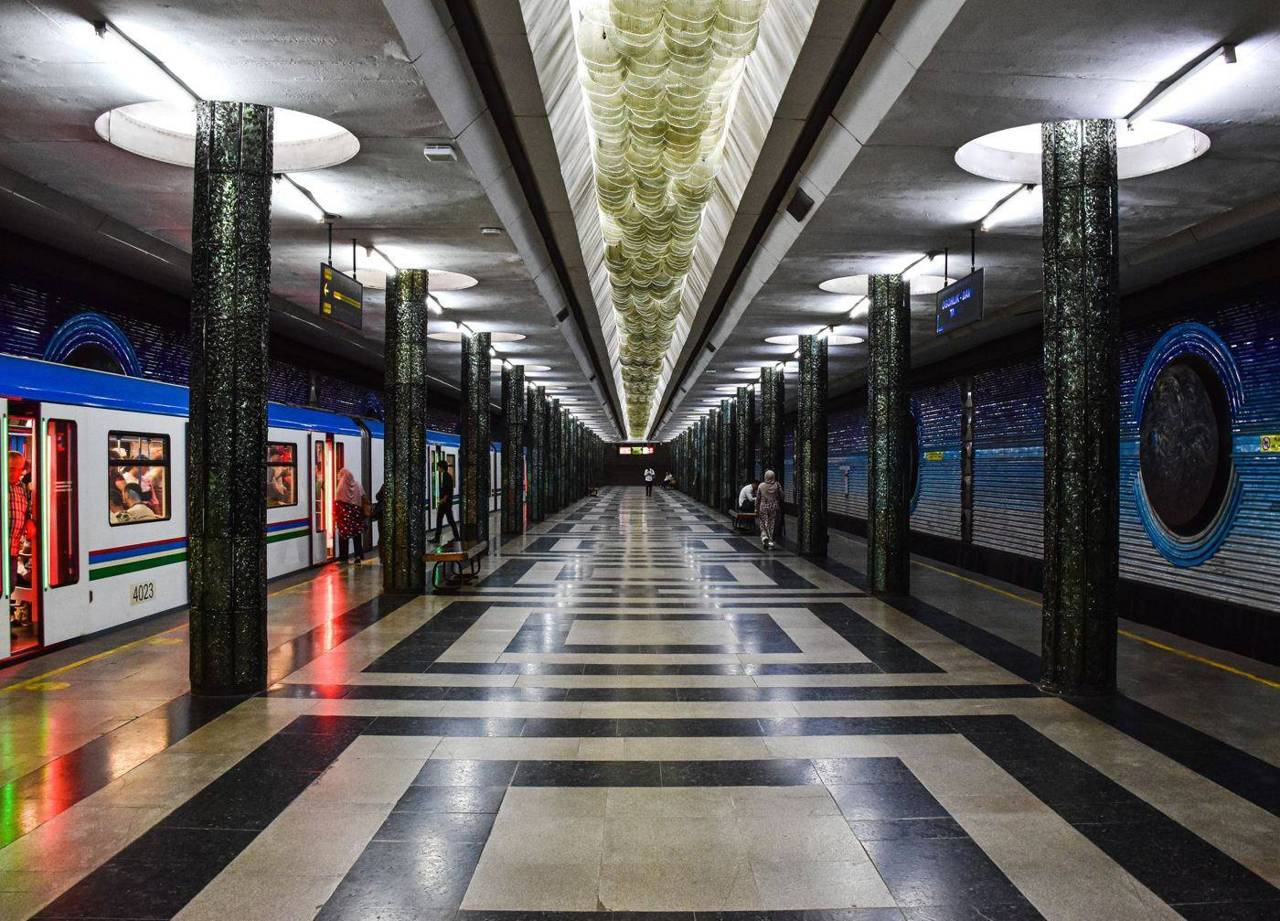
Tashkent and the Chimgan mountains
The capital with its decorated metro, Chorsu bazaar and the plov centre, then the Chimgan mountains and Lake Charvak two hours away.
 3 daysEasy
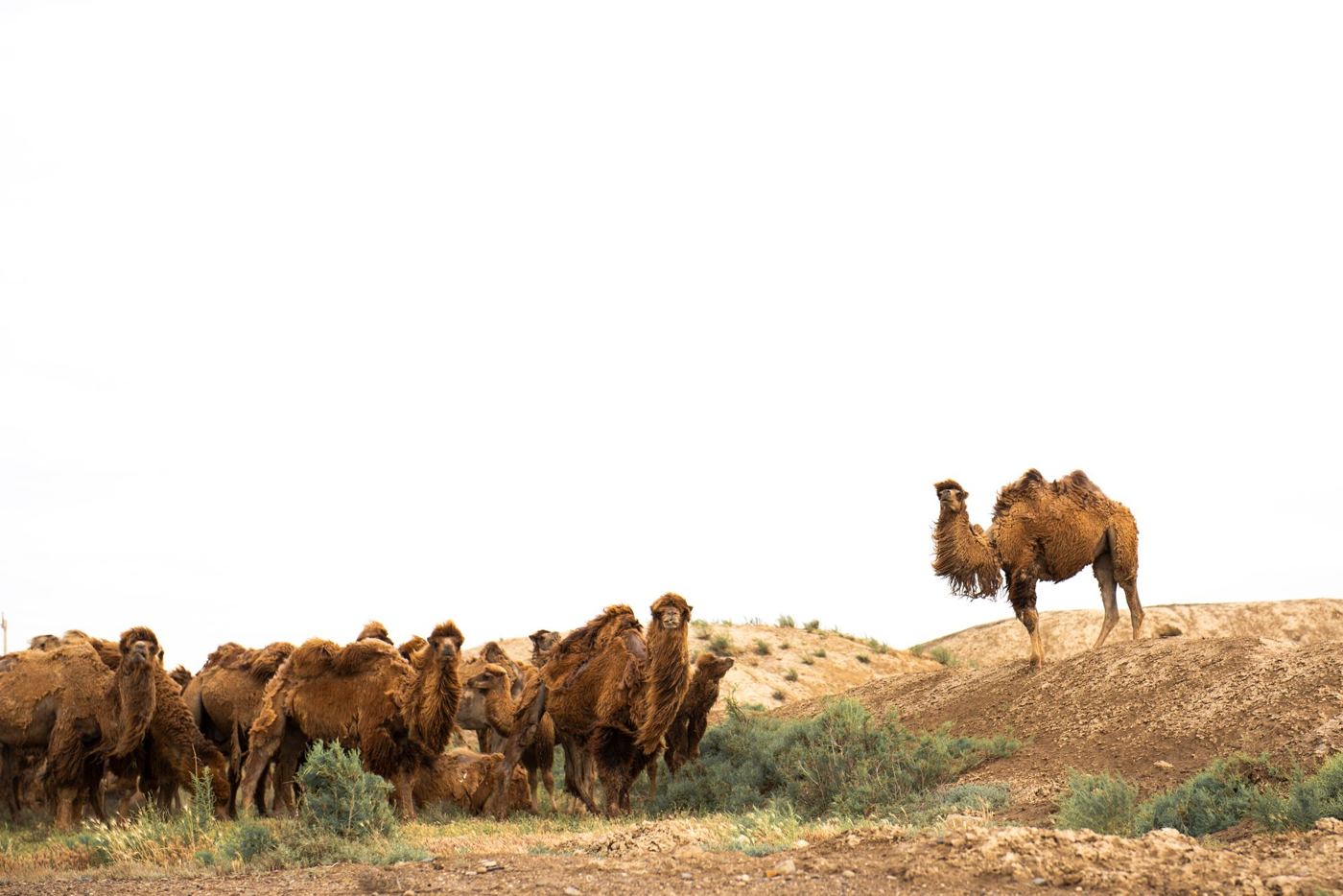
Aydarkul and Nurata
A night in a yurt camp in the Kyzylkum desert, a camel ride, a swim in Lake Aydarkul and the town of Nurata with Alexander the Great's fortress.
 3 daysEasy
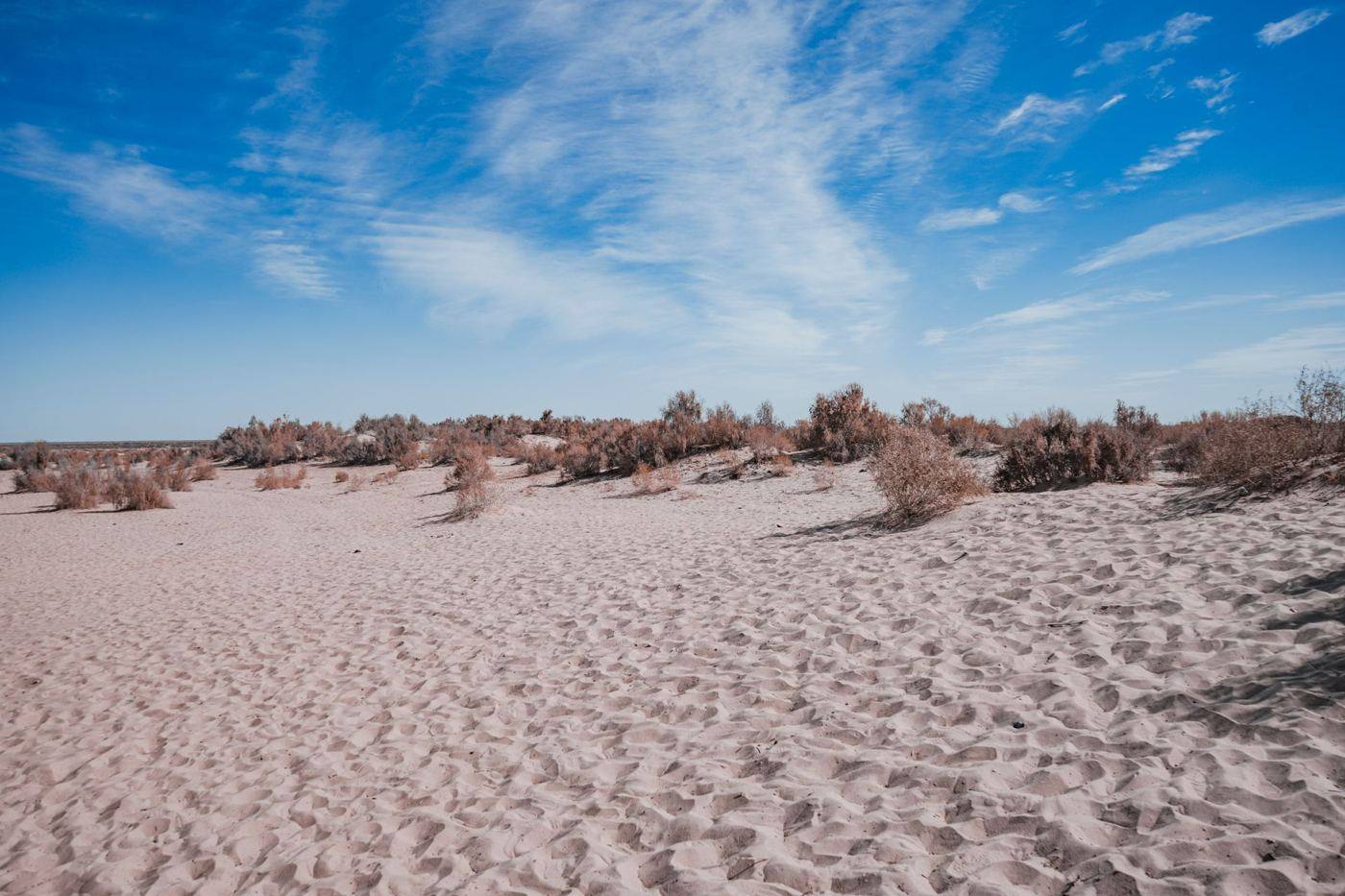
Termez and the Buddhist south
The country's southernmost city, with the Buddhist monasteries of Fayaz Tepe and Kara Tepe, the Zurmala stupa, the Sultan Saodat complex and the archaeological museum.