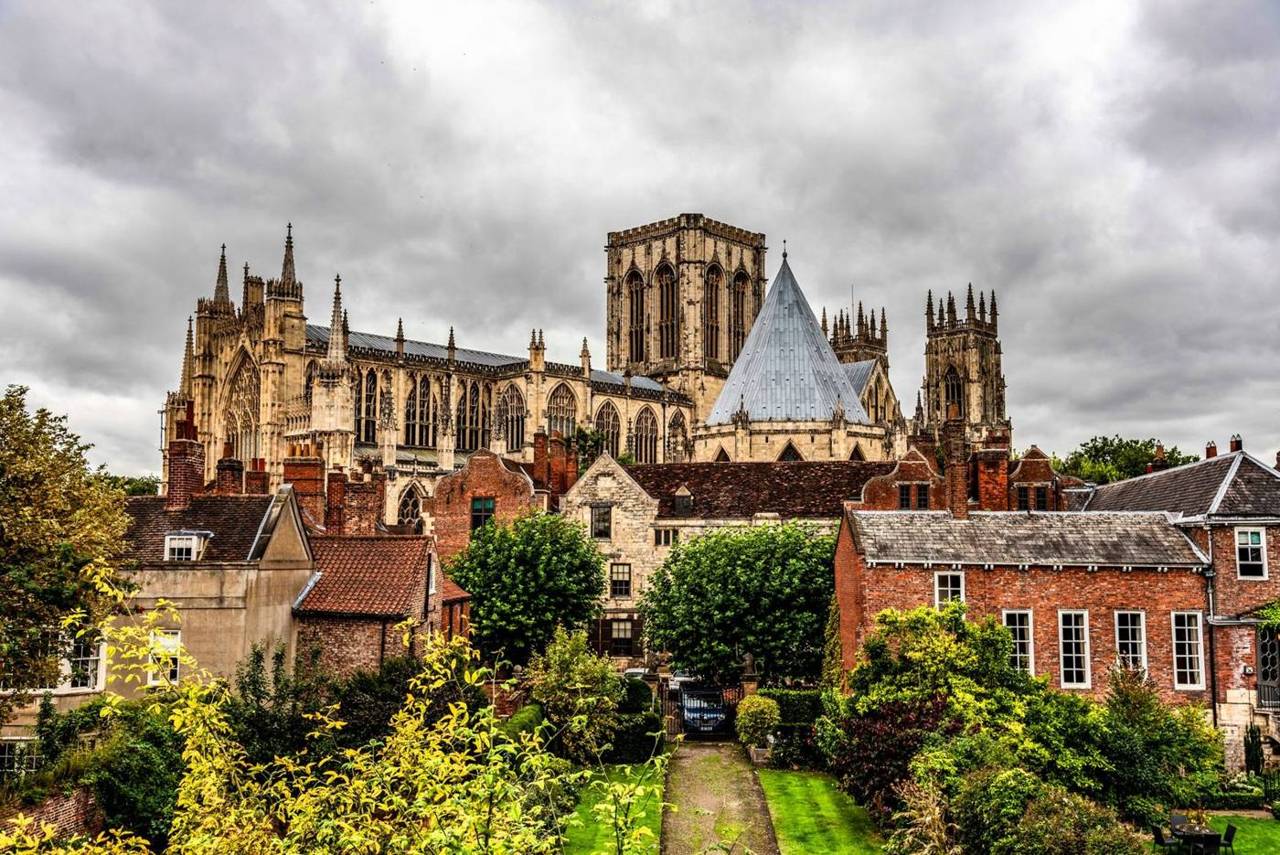
York and Yorkshire
The walled city of York and its minster, the Yorkshire Dales, Fountains Abbey and the harbour of Whitby on the coast.
- York
- Fountains Abbey
- Yorkshire Dales
- North York Moors
- Whitby
Day by day
- Day 1
York: the Minster and the walls
Yorkshire, in the north of England, is the country's largest county, with a very varied landscape: the green valleys of the Yorkshire Dales, with dry-stone walls and stone villages, the purple moors of the North York Moors, a coast with cliffs and fishing harbours, and at its heart York, one of the most beautiful historic cities in Britain. In six days you see York, Fountains Abbey, the Dales, the Moors and Whitby.
You reach York by train from London in about two hours, or by plane to Manchester or Leeds and then by train.
York was founded by the Romans in AD 71 as Eboracum, then became the capital of the Vikings, who called it Jorvik, and in the Middle Ages was one of the richest cities in England.
In the afternoon, visit York Minster, the cathedral, one of the largest Gothic cathedrals in northern Europe, built between 1220 and 1472. Inside it holds one of the largest collections of medieval stained glass in the world, including the Great East Window, the size of a tennis court, with scenes from the Bible from the creation to the apocalypse. If you feel up to it, climb the central tower, with about 275 steps, for the view over the city's rooftops.
Then walk on the medieval walls, the most complete in England, about three kilometres long, with fortified gates called bars.
In the evening, sleep in York.
Practical tip: to enter the United Kingdom, Italian citizens need a passport and the ETA electronic travel authorisation, which costs 20 pounds and is requested online before departure.
- Day 2
York: the Shambles and the railway museum
In the morning, walk down the Shambles, York's most famous medieval street, narrow and winding, with half-timbered houses leaning out so far at the top that the roofs almost touch. It was once the butchers' street, and you can still see the meat hooks and the counters below the windows. Around it are other lanes, the snickelways, narrow passages between houses, and the market square.
Then visit the Jorvik Viking Centre, built on the site of an archaeological dig that uncovered the wooden houses of the Viking city, with a ride in small cars through a reconstruction of the tenth-century city, with its sounds and smells. Alternatively, visit Clifford's Tower, the keep of the castle built by William the Conqueror on a mound, or the castle museum, with its reconstructed Victorian street.
In the afternoon, go to the National Railway Museum, one of the largest in the world, next to the station. It holds historic locomotives, including Mallard, the world's fastest steam locomotive, Queen Victoria's royal carriages and a Japanese high-speed train.
In the evening, take a walk along the river Ouse, or a ghost tour, very popular in York, one of the cities said to be most haunted in Europe.
In the evening, sleep in York.
Practical tip: York's centre is small and can all be covered on foot. You do not need a car in the city: hire one only from the third day.
- Day 3
Fountains Abbey and Studley Royal park
In the morning, drive north-west to Fountains Abbey, about an hour from York, near Ripon. It is one of the largest and best-preserved abbey ruins in England, a UNESCO World Heritage Site since 1986 together with Studley Royal park.
The abbey was founded in 1132 by thirteen Benedictine monks who wanted a stricter life and joined the Cistercian order. It became one of the richest abbeys in England thanks to the wool trade, until Henry VIII dissolved the monasteries in 1539. Today the great golden stone walls of the roofless church remain, along with the tall tower, the cloister and the long vaulted cellar where lay brothers stored wool and food.
From the abbey, walk into Studley Royal park, an eighteenth-century water garden created by a wealthy landowner along the valley of the river Skell, with geometric ponds, canals, statues, small classical temples and a view of the abbey at the end of the valley. Hundreds of fallow and red deer live in the deer park.
In the afternoon, visit Ripon, a small city with a cathedral that has a seventh-century crypt, one of the oldest in England. Every evening at nine, in the square, the hornblower sounds the setting of the watch, a tradition of over a thousand years.
In the evening, sleep in the Yorkshire Dales, for example in Grassington or Malham.
Practical tip: tickets for the abbey and park are bought at the entrance or online. Check the opening hours, which are shorter in winter.
- Day 4
Yorkshire Dales: Malham Cove, Gordale Scar and the Ribblehead viaduct
The Yorkshire Dales are a national park of green valleys, called dales, with meadows divided by thousands of kilometres of dry-stone walls, stone barns, grey villages with pub and church, limestone hills and waterfalls.
In the morning, go to Malham, a small village on the river, starting point of one of the finest walking loops in England, about eleven kilometres, in four hours. The path first reaches Malham Cove, a great amphitheatre-shaped limestone cliff about eighty metres high, formed at the end of the Ice Age by a waterfall that no longer exists. You climb a stone stairway to the top, where you walk on the limestone pavement, blocks of limestone separated by deep cracks. Then the path continues to Malham Tarn and descends to Gordale Scar, a narrow gorge between towering rock walls, with a waterfall. Along the way you also pass the small Janet's Foss waterfall in a wood.
In the afternoon, drive to the Ribblehead viaduct, about an hour away, a stone railway bridge with twenty-four arches built between 1870 and 1874 for the Settle to Carlisle line, in the middle of an empty moor at the foot of Whernside hill. If you wait, you might see a train cross.
In the evening, sleep in the Dales.
Practical tip: the weather in the Dales changes fast. Bring a waterproof jacket and hiking boots: the paths can be muddy.
- Day 5
The steam train across the North York Moors to Whitby and its abbey
In the morning, drive east to Pickering, about two hours from the Dales, on the edge of the North York Moors national park, one of the largest moorlands in England, which at the end of summer turns purple with flowering heather.
From Pickering, take the North Yorkshire Moors Railway, a heritage railway with steam trains that crosses the moors and valleys to Whitby on the coast, in about two hours. On the way you pass Goathland station, used in many films and television series, and the wooded valleys of the river Esk.
Whitby is a fishing port at the mouth of the Esk, with red-brick houses clinging to both banks. Climb the 199 steps to Saint Mary's church and the ruins of Whitby Abbey, on the cliff above the town, founded in 657. Its Gothic ruins inspired the writer Bram Stoker, who set part of his novel Dracula in Whitby.
Whitby was also the port where Captain James Cook learned to sail; the house where he lived as a young man is now a museum. On the west cliff there is an arch made from a whale's jawbone, recalling the town's whaling past.
In the evening, try fish and chips, considered among the best in England.
In the evening, sleep in Whitby.
Practical tip: the steam train runs mainly from spring to autumn, with reduced timetables in winter. Book ahead, and plan how to get back to your car in Pickering.
- Day 6
Back to York and departure
On your last morning, walk along Whitby harbour or on the beach below the cliff, where at low tide you find ammonite fossils and jet, the black stone used for Victorian mourning jewellery, for which Whitby was famous.
If you have time, make a short detour to Robin Hood's Bay, about twenty minutes south, a village of fishermen and smugglers with narrow houses along a very steep street running down to the sea. The houses were linked by secret passages, used by smugglers to hide tea, spirits and tobacco.
Then head back to York, about an hour and a half away, across the moors. On the way you can stop at Castle Howard, a great eighteenth-century country house with a dome, gardens and lakes, one of the most beautiful stately homes in England, or at Rievaulx Abbey, another great Cistercian ruin in a wooded valley.
In the afternoon you reach York and take the train to London, in about two hours, or north to Edinburgh, in about two and a half hours.
This trip combines well with the Lake District and Hadrian's Wall to the north-west, or with Northumberland and its castle coast, or with Edinburgh.
Practical tip: in England you drive on the left. On the narrow roads of the Dales and Moors, watch out for sheep, which often graze freely on the road.
An authentic England of medieval history and open countryside, cheaper than the South. York is under two hours by train from London. The Dales are best enjoyed on foot, even with walks of a few hours. Whitby is crowded on summer weekends.
Before you go
- Documents and visa
- You need a passport: identity cards are no longer accepted. Before leaving you apply online for an ETA, the electronic travel authorisation: it costs 20 pounds and is valid for two years.
- Health and vaccines
- No vaccines required. EU citizens should carry the European Health Insurance Card for necessary treatment. Emergencies: 999 or 112.
- Money and payments
- Pound sterling. Contactless cards are used everywhere, including on London public transport.
- Power sockets
- Type G, 230 volts: you need an adapter for British three-pin plugs.
- Time zone
- UTC in winter and UTC+1 in summer.
- Safety
- The United States rates the United Kingdom level 2 for terrorism. In big cities watch out for pickpockets; in Scotland and Wales the main risks are weather and mountains. Driving is on the left. ETA: GOV.UK.
Information checked in November 2026 for Italian and EU citizens. Rules change: always check before you travel.
Variations
In 3 days: York and one day in the Dales or Whitby.
In 10 days: add the Lake District and Hadrian's Wall.
Frequently asked questions
When is the best time to go?
From May to September, with long days; in August and September the heather flowers on the Moors. In winter York has a lovely atmosphere, but days are short and the steam train runs a reduced timetable.
What documents do I need?
A passport and the ETA electronic travel authorisation, which costs 20 pounds and is requested online before departure.
Do I need a car?
Not in York, but for the Dales, Fountains and the Moors it is very useful. Alternatively there are local buses, less frequent.
Indicative itinerary written by World Atlas. Before booking, check timetables, seasonal openings, documents and safety.
 4 daysEasy
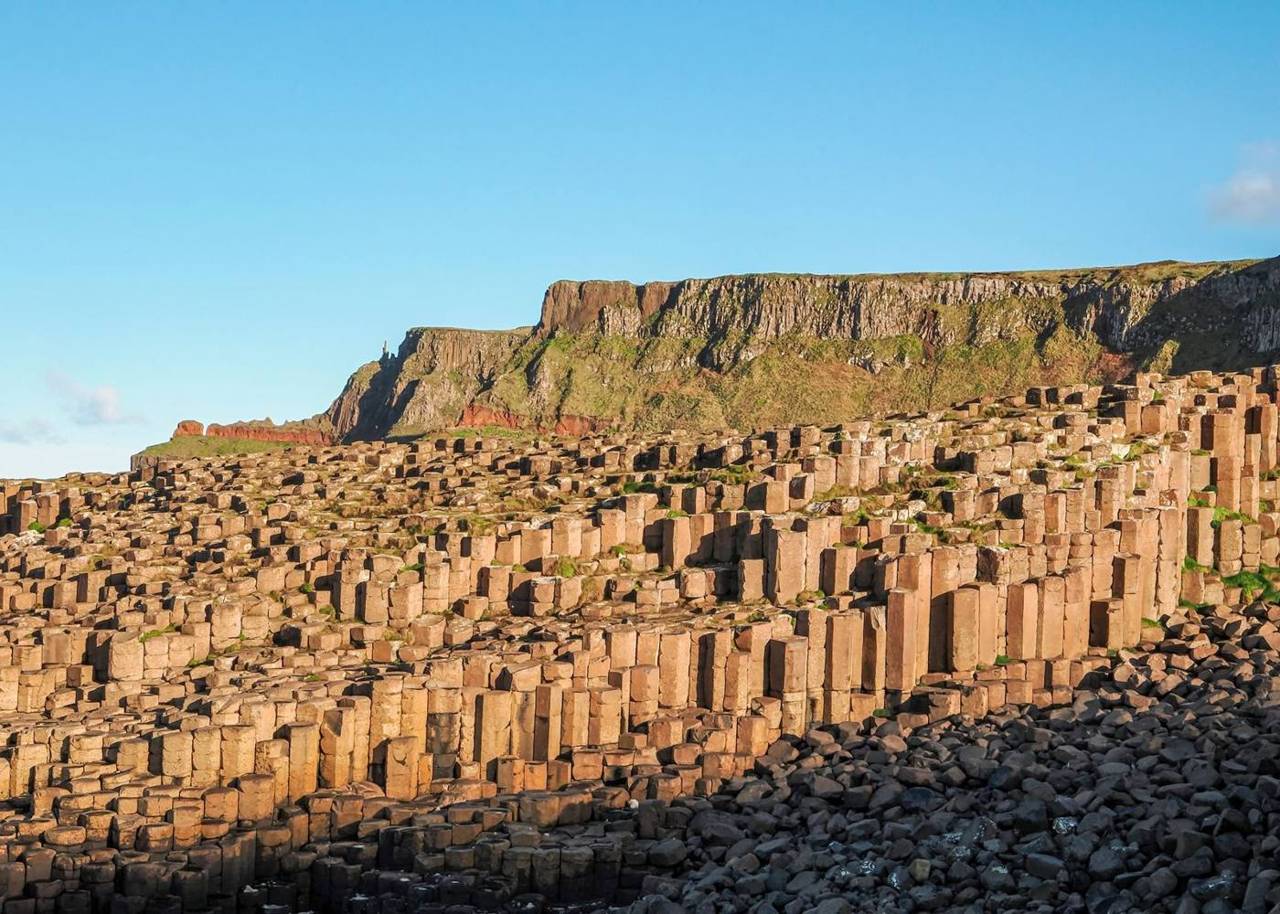
Belfast and the Causeway Coast
Northern Ireland: the Titanic museum and the murals of Belfast, the Antrim coast with the Giant's Causeway and Dunluce Castle.
 4 daysEasy
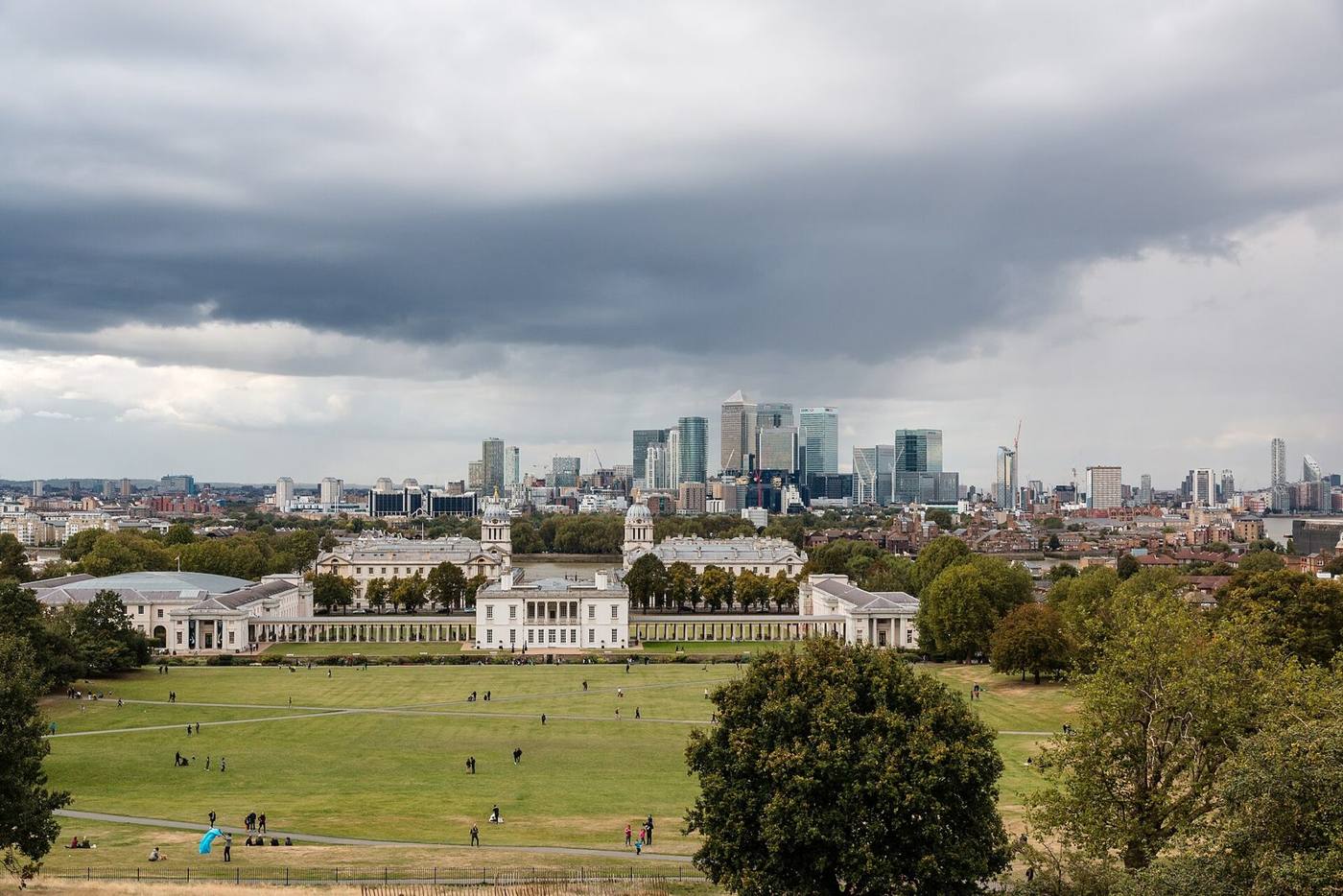
London beyond the classics
Londoners' London: Greenwich with the observatory and the meridian, Kew Gardens, Hampstead Heath and the view from Parliament Hill, the East End around Spitalfields, Shoreditch and Brick Lane, the canals of Little Venice and Camden and the weekend markets.
 4 daysEasy
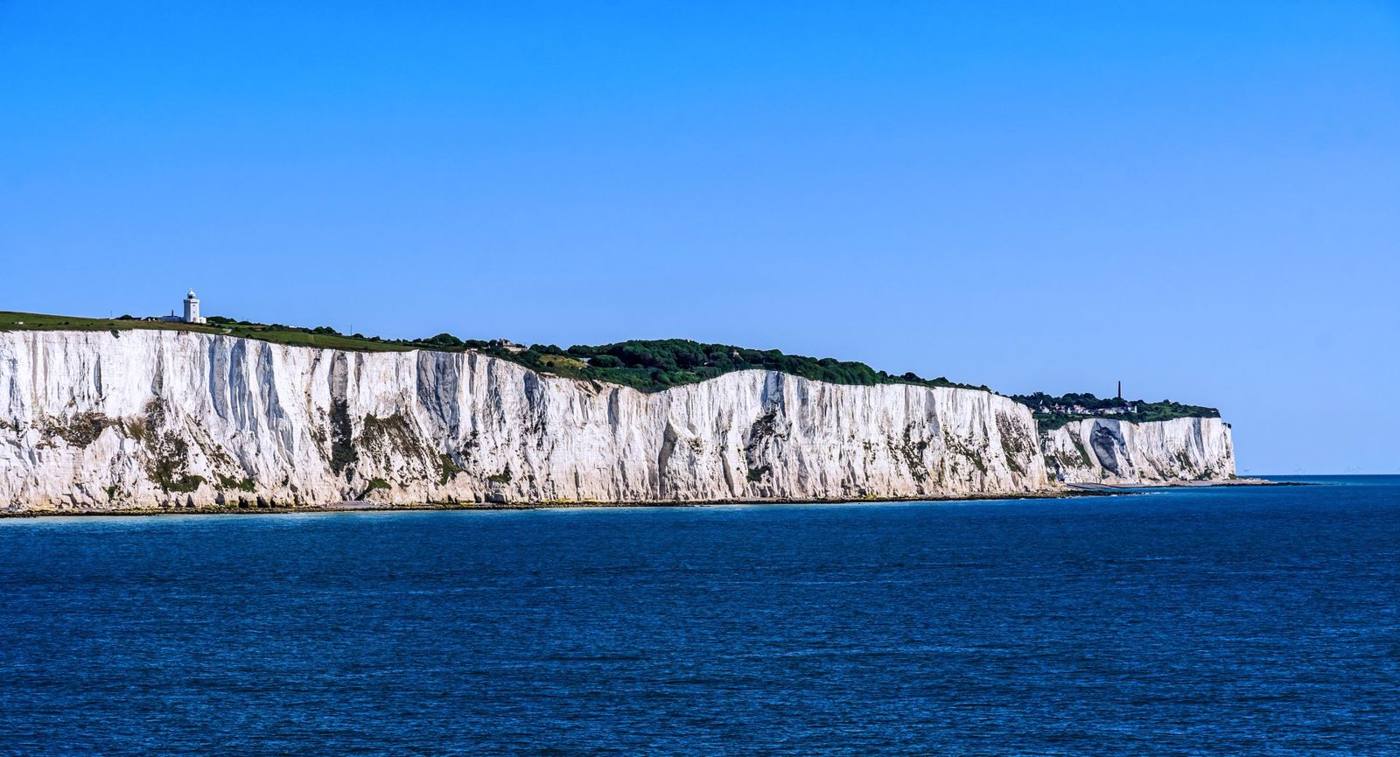
Canterbury, Kent and the White Cliffs of Dover
The Garden of England: Canterbury Cathedral, a UNESCO World Heritage site, Dover Castle and the White Cliffs above the Channel, the medieval town of Rye, Leeds Castle on its lake and the garden at Sissinghurst.