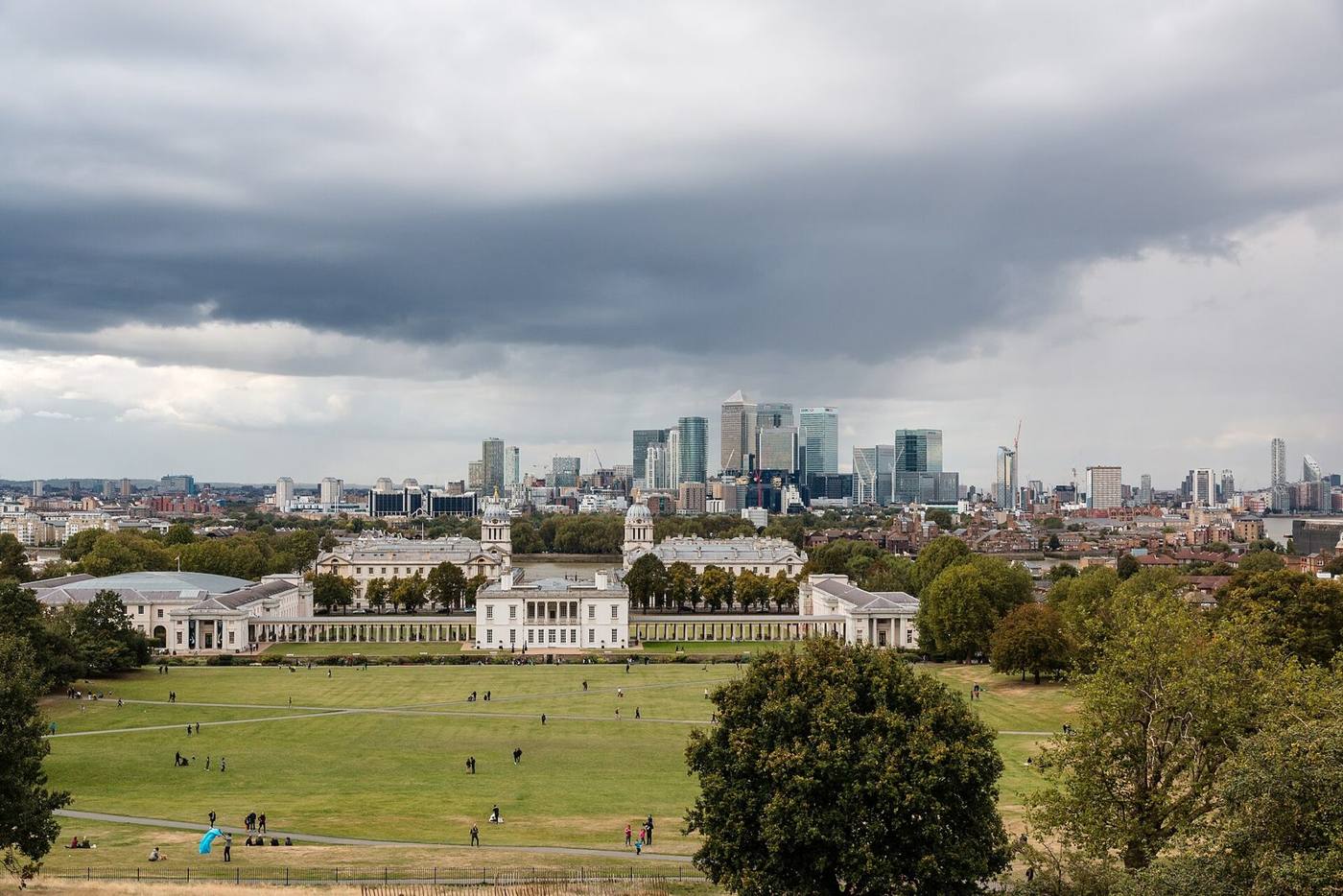
London beyond the classics
Londoners' London: Greenwich with the observatory and the meridian, Kew Gardens, Hampstead Heath and the view from Parliament Hill, the East End around Spitalfields, Shoreditch and Brick Lane, the canals of Little Venice and Camden and the weekend markets.
- London
- Greenwich
- Kew Gardens
- Hampstead
- Shoreditch
- Camden
Day by day
- Day 1
By boat on the Thames to Greenwich: the observatory and the Cutty Sark
To enter the United Kingdom EU citizens need a passport, as national identity cards are no longer accepted, and since 8 April 2026 an Electronic Travel Authorisation, ETA, applied for online or on the official UK government app, costing 20 pounds and valid for two years. Check the rules for your nationality.
This itinerary is designed for those who already know London's great classics, such as Westminster, the Tower and the British Museum, and want to discover another city, of parks, canals, villages, markets and creative districts. To get around, use a contactless card or your phone directly at the gates of the Underground, buses and riverboats: the system works out the best fare for the day automatically.
In the morning take the Thames riverboat from Westminster or London Bridge to Greenwich, about an hour, passing under bridges, past the Tower, the City and the skyscrapers of Canary Wharf.
Greenwich, a UNESCO World Heritage site, is the home of British maritime history. Visit the Cutty Sark, the last surviving fast merchant sailing ship, built in 1869 for the China tea trade, raised on a glass support you can walk beneath. Then cross Greenwich Park, the oldest enclosed royal park, and climb the hill to the Royal Observatory, where the Greenwich meridian, zero longitude, runs: you can stand with one foot in the eastern hemisphere and one in the western. From the hill you see the whole of London.
In the afternoon visit the National Maritime Museum, no-cost to enter, and the covered Greenwich Market.
Practical tip: London weather often changes within a day; always carry a folding umbrella.
- Day 2
Kew Gardens and Richmond
In the morning take the Underground or train west to Kew to visit the Royal Botanic Gardens, Kew, a UNESCO World Heritage site and one of the world's most important botanical gardens, with more than fifty thousand living plant species. Buy tickets online.
The gardens cover about a hundred and twenty hectares of lawns, lakes and avenues. The Palm House is a great nineteenth-century Victorian iron and glass glasshouse full of palms and tropical plants, with a high gallery looking over the treetops. The Temperate House is the largest Victorian glasshouse in the world. There is also the eighteenth-century Chinese pagoda, about fifty metres tall, the treetop walkway, Kew Palace, the smallest British royal palace, and the rock garden.
In the afternoon continue to Richmond, a few minutes by bus or on foot along the river, an elegant Thames-side district with Georgian houses, Richmond Green and the famous view from Richmond Hill, painted by Turner, over the bend of the river among the trees. Richmond Park, London's largest royal park, is home to hundreds of red and fallow deer roaming freely among the oaks.
In the evening return to town or have dinner in one of the historic pubs on Richmond's riverside.
Practical tip: in Richmond Park stay at least fifty metres from the deer, especially in autumn during the rut and in spring with young.
- Day 3
Hampstead Heath and the canal from Little Venice to Camden
In the morning go to Hampstead, an elegant hilltop village north of London, with lanes, brick houses, bookshops and cafés. Visit Keats House, where the poet wrote Ode to a Nightingale, or the Freud Museum in nearby Belsize Park, where the psychoanalyst lived his last year, with his famous couch.
Then walk on Hampstead Heath, a large wild park of woods, meadows and ponds, where locals swim in the freshwater ponds in all seasons. Climb Parliament Hill, from which you see the whole London skyline, from St Paul's Cathedral to the City towers. On the northern edge of the Heath stands Kenwood House, a neoclassical villa with an art collection including works by Rembrandt and Vermeer, no-cost to enter.
In the afternoon take the Underground to Little Venice, a quiet area where two canals meet, with colourful narrowboats moored and cafés on the water. From here follow the towpath of the nineteenth-century Regent's Canal east on foot for about an hour, past London Zoo and Regent's Park, to Camden. Alternatively, in season, a waterbus runs between Little Venice and Camden.
Camden is the city's alternative district, with its big market, vintage clothes shops, food stalls from around the world and live music venues.
Practical tip: Camden Market is very crowded, especially at weekends; keep an eye on your wallet and phone.
- Day 4
The East End: Spitalfields, Brick Lane, Shoreditch and departure
In the morning visit the East End, the districts east of the City, historically poor and working-class, where immigrants have arrived for centuries: French Huguenots in the seventeenth century, then the Irish, Eastern European Jews and, since the 1970s, the Bangladeshi community. Today it is one of London's most creative and lively areas.
Start at Old Spitalfields Market, a Victorian covered market with craft, fashion and food stalls. Around it, on Fournier Street and Princelet Street, you see eighteenth-century houses of Huguenot silk weavers, with glazed attics where they worked at their looms, and the great Christ Church Spitalfields.
Then walk along Brick Lane, the main street of the Bengali community, with curry houses, spice and fabric shops, and a mosque that was once a Huguenot church and a synagogue, a symbol of the area's history. On Sundays there is Brick Lane Market, and bakeries open day and night sell bagels, a legacy of the Jewish community.
In the afternoon reach Shoreditch, with art galleries, cafés, design shops and walls covered in street art, works by famous and lesser-known artists that change constantly.
For the airport, Heathrow is reached by Underground or the Elizabeth line; Gatwick, Stansted and Luton have trains from central London.
Things to take home: tea, biscuits, gin, second-hand books and vinyl records from the shops of Soho and Camden.
Practical tip: check your government's travel advice before leaving.
For those who have already seen monumental London. Many museums are at no cost; on public transport a contactless card is enough, with a daily spending cap. The best markets are at the weekend. A passport is needed (identity cards are no longer accepted) and, for EU citizens, the Electronic Travel Authorisation (ETA), applied for online before travelling: since 8 April 2026 it costs £20 and is valid for two years.
Before you go
- Documents and visa
- You need a passport: identity cards are no longer accepted. Before leaving you apply online for an ETA, the electronic travel authorisation: it costs 20 pounds and is valid for two years.
- Health and vaccines
- No vaccines required. EU citizens should carry the European Health Insurance Card for necessary treatment. Emergencies: 999 or 112.
- Money and payments
- Pound sterling. Contactless cards are used everywhere, including on London public transport.
- Power sockets
- Type G, 230 volts: you need an adapter for British three-pin plugs.
- Time zone
- UTC in winter and UTC+1 in summer.
- Safety
- The United States rates the United Kingdom level 2 for terrorism. In big cities watch out for pickpockets; in Scotland and Wales the main risks are weather and mountains. Driving is on the left. ETA: GOV.UK.
Information checked in November 2026 for Italian and EU citizens. Rules change: always check before you travel.
Variations
In 2 days: Greenwich by boat on day one, Hampstead Heath, the canal and Camden on day two.
In 7 days: add the great classics, such as Westminster, the Tower of London and the British Museum, or train trips to Oxford, Cambridge or Brighton.
Frequently asked questions
What do I need to enter the UK?
A passport, as identity cards are no longer accepted, and since 8 April 2026 an ETA, costing 20 pounds and valid for two years, applied for online or on the official app.
How do I pay for the London Underground?
With a contactless card or your phone directly at the gates; the system automatically caps your daily spending.
Is this itinerary suitable for a first visit to London?
It is designed for those who have already seen the great landmarks; first-time visitors can alternate these days with the central classics.
Indicative itinerary written by World Atlas. Before booking, check timetables, seasonal openings, documents and safety.
 4 daysEasy
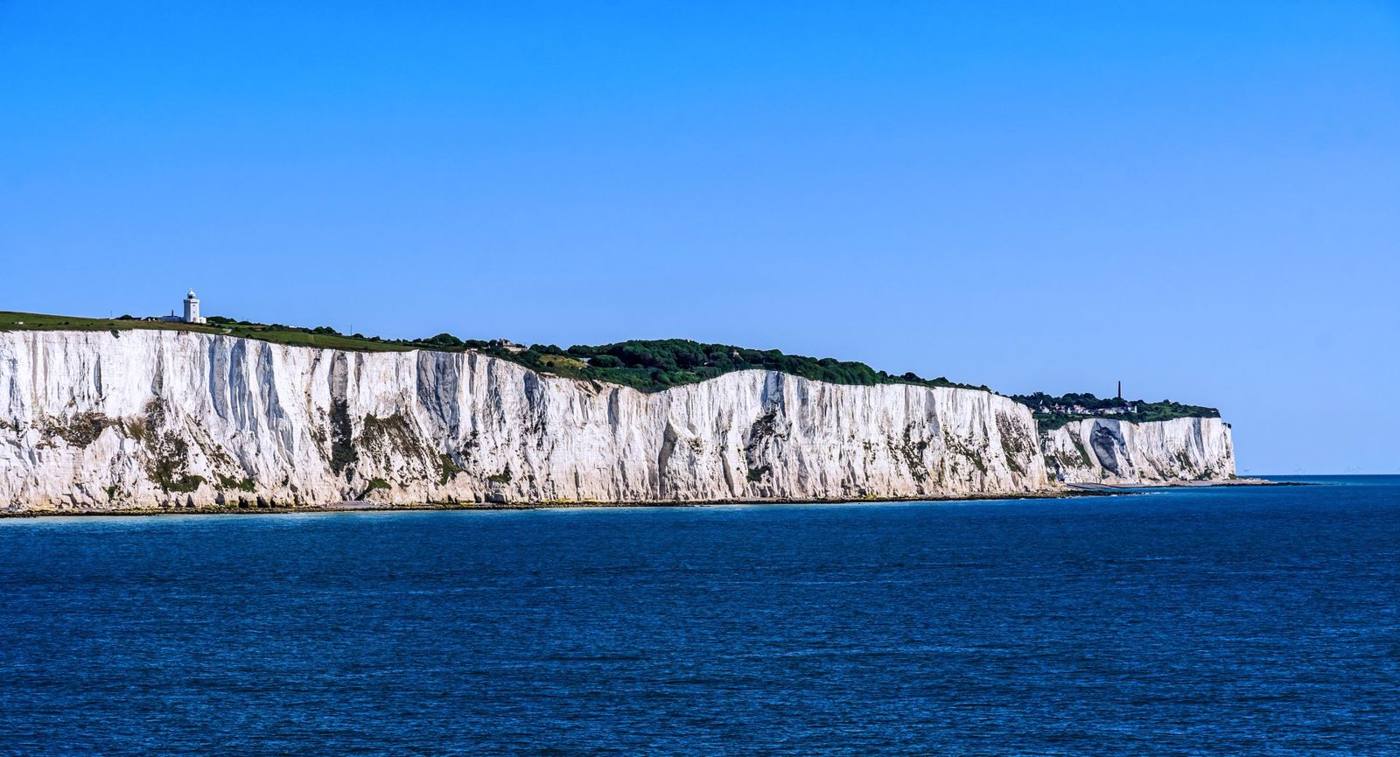
Canterbury, Kent and the White Cliffs of Dover
The Garden of England: Canterbury Cathedral, a UNESCO World Heritage site, Dover Castle and the White Cliffs above the Channel, the medieval town of Rye, Leeds Castle on its lake and the garden at Sissinghurst.
 4 daysEasy
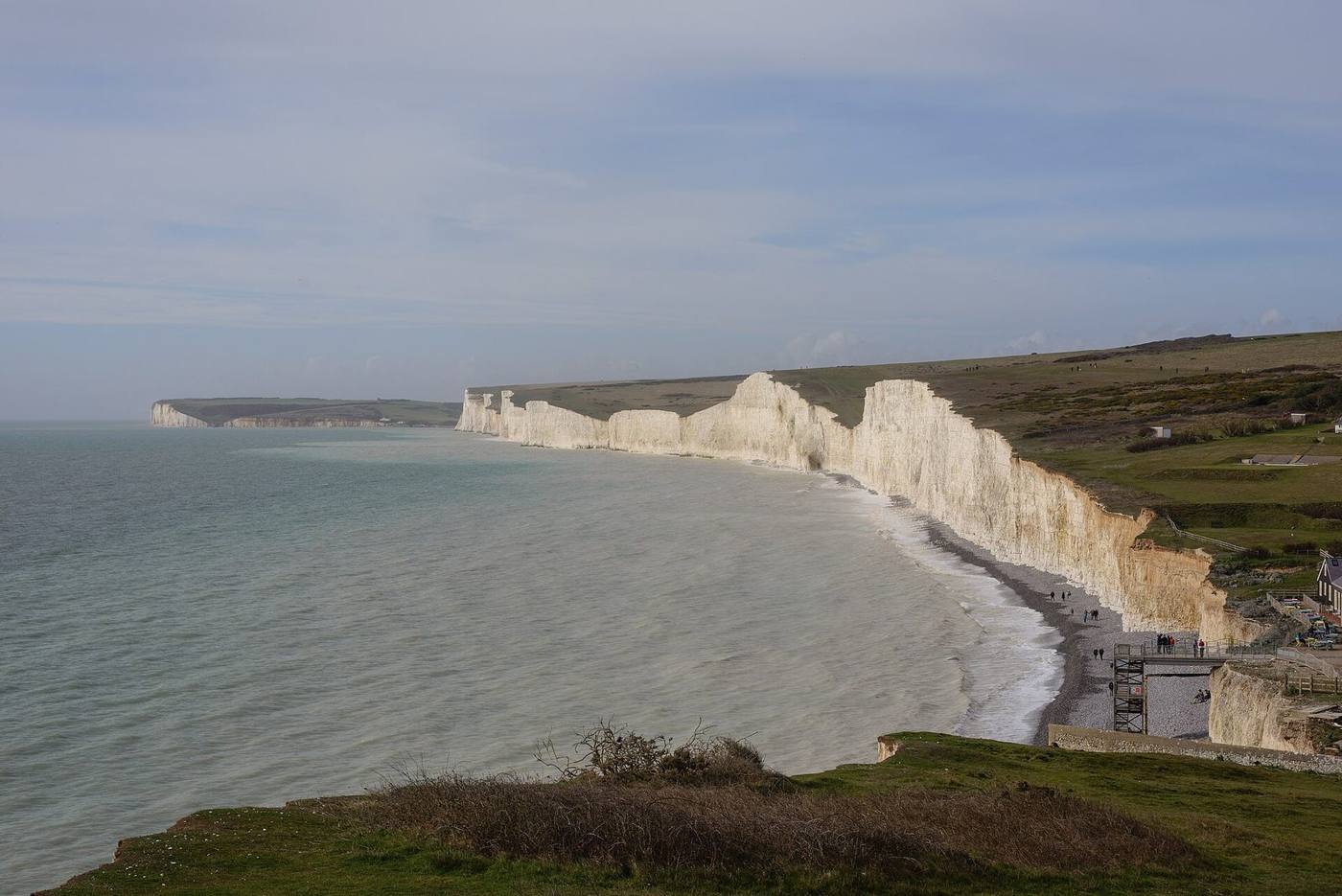
Brighton and the South Downs
The Sussex coast: Brighton with the Royal Pavilion, the pier and the Lanes, the clifftop path over the Seven Sisters to Beachy Head lighthouse, the South Downs National Park and the town of Lewes.
 5 daysEasy
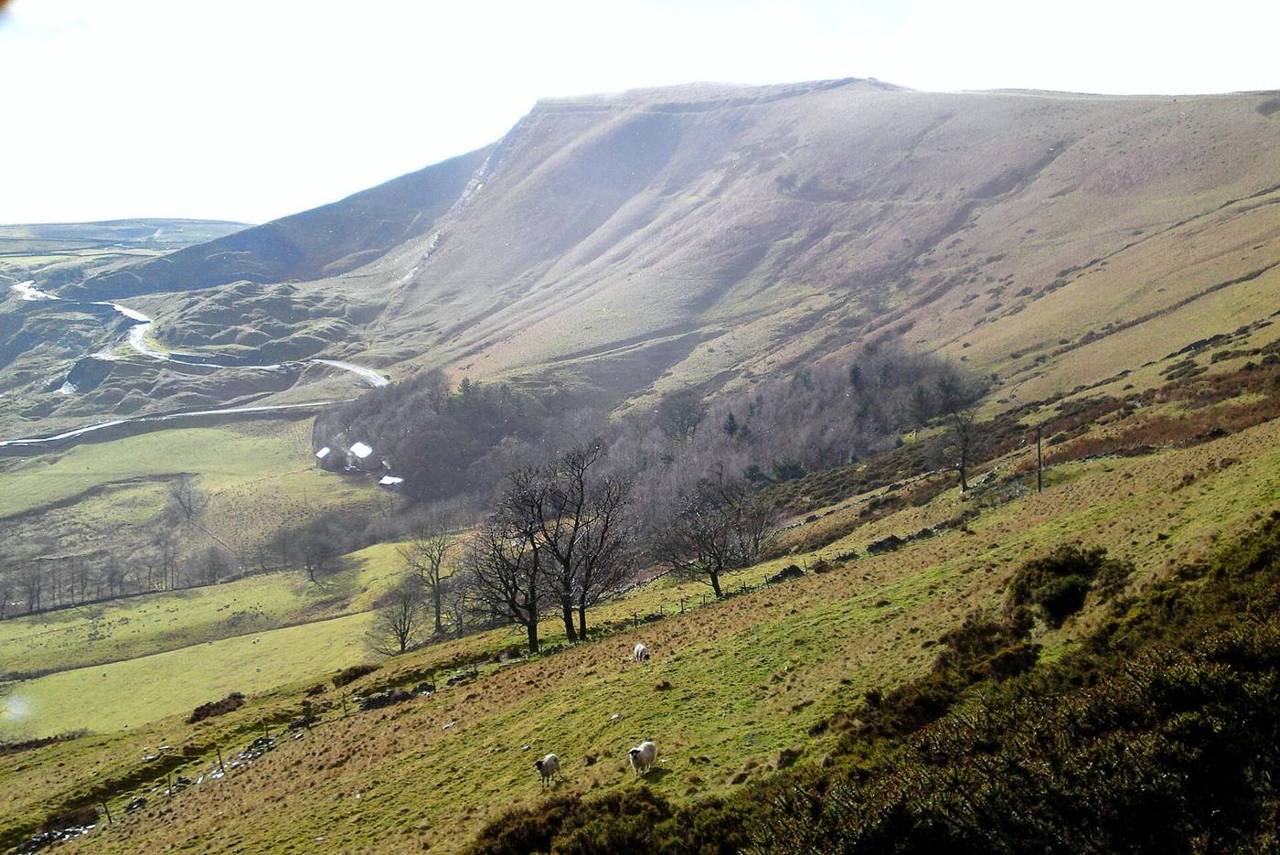
The Peak District, Manchester and Liverpool
The industrial and green North: Liverpool with its historic port, the Albert Dock museums and the Beatles sites, Manchester with its museums of the Industrial Revolution and football, and the Peak District park with its moors and Chatsworth.