Brighton and the South Downs
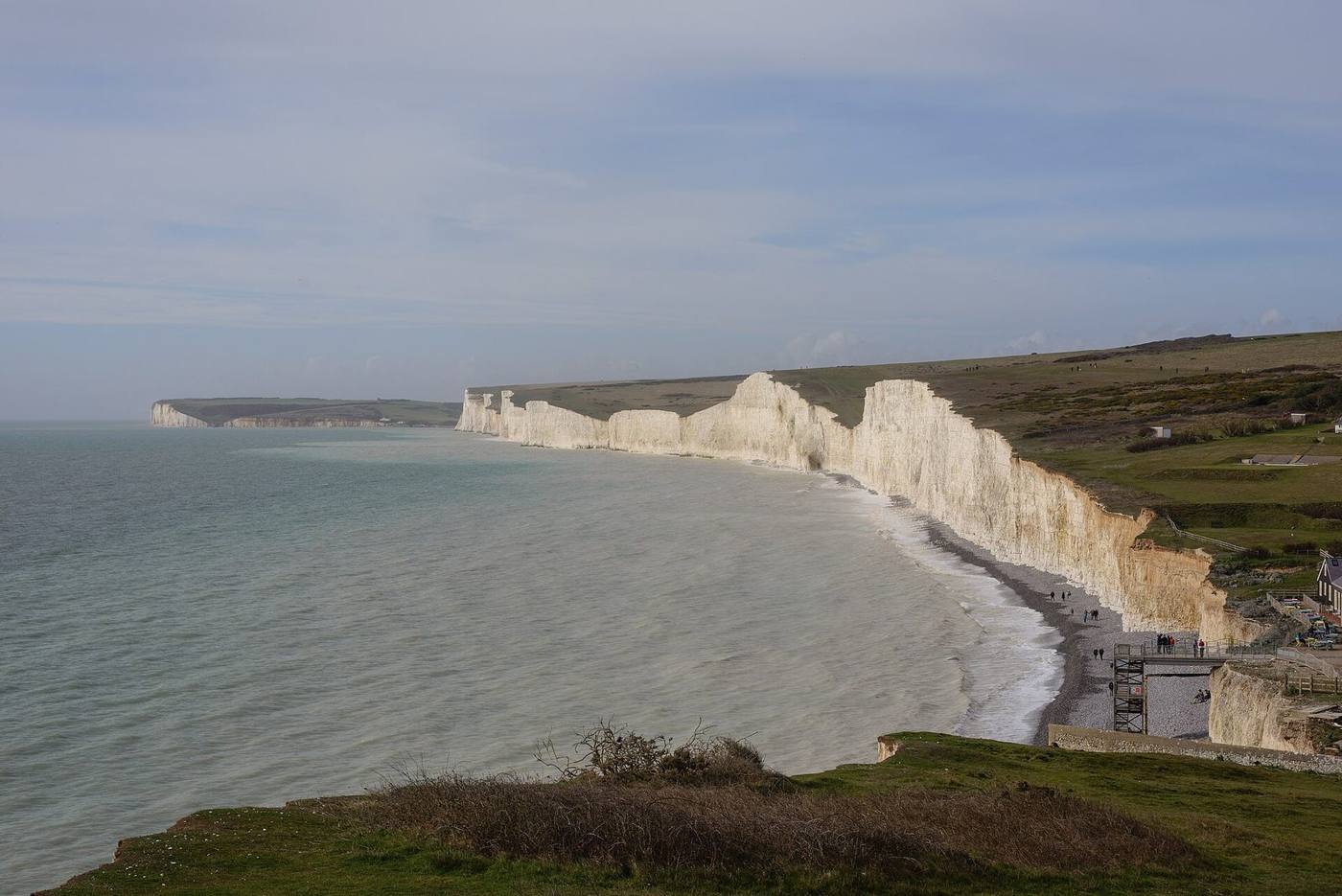
The Sussex coast: Brighton with the Royal Pavilion, the pier and the Lanes, the clifftop path over the Seven Sisters to Beachy Head lighthouse, the South Downs National Park and the town of Lewes.
- Brighton
- Lewes
- Seven Sisters
- Beachy Head
Day by day
- Day 1
Brighton: the Royal Pavilion, the Lanes and the pier
Brighton, on England's south coast about an hour by train from London Victoria, is the liveliest seaside town in the United Kingdom: a mix of Georgian architecture, pebble beach, independent shops, music and a long tradition of freedom and tolerance. Behind it rise the hills of the South Downs, a national park of green grassland that ends at the sea in white cliffs. To enter the United Kingdom you need a passport and an ETA, the electronic travel authorisation, which costs 20 pounds and is valid for two years.
In the morning visit the Royal Pavilion, the most extravagant palace in England, transformed between 1815 and 1823 by the architect John Nash for the Prince Regent, the future King George IV. Outside it has onion domes and minarets inspired by India; inside, halls decorated in Chinese style, with dragons, giant lotus-shaped chandeliers and a great kitchen with palm-tree columns.
Then lose yourself in the Lanes, the narrow alleys of the old fishing village, with jewellers, antique shops and small courtyards, and in the North Laine, a colourful quarter of vintage shops, cafés and street performers.
In the afternoon walk along the seafront to the Palace Pier, the Victorian pier of 1899, with rides, amusement arcades and the smell of candyfloss. Further west you can see the skeleton of the West Pier, destroyed by fires and storms, next to the i360 viewing tower.
In the evening have fish and chips on the seafront.
Practical tip: the beach is pebbly; bring water shoes if you want to swim.
- Day 2
Walking the Seven Sisters to Beachy Head
In the morning take the bus from Brighton towards Eastbourne along the coast and get off at Exceat, at the entrance to Seven Sisters Country Park, in about an hour. The Seven Sisters are a line of white chalk cliffs dropping sheer into the sea in a series of waves like the teeth of a saw: one of the most famous views of the English coast.
From the visitor centre follow the path along the valley of the Cuckmere river, which winds towards the sea in great meanders, to the beach at Cuckmere Haven, with the classic view of the cliffs and the coastguard cottages. Then climb the first of the seven hills and continue on the clifftop path, across short-grass meadows with sheep, to Birling Gap, a small inlet with steps down to the beach, where you see the chalk layers and fossils up close.
In the afternoon continue past Belle Tout, an old lighthouse that in 1999 was moved back seventeen metres to save it from erosion, to Beachy Head, the highest chalk sea cliff in Britain at about 160 metres, with its red and white lighthouse at the foot, on the beach. In all it is about fifteen kilometres, with many ups and downs.
In the evening walk down to Eastbourne and return to Brighton by bus or train.
Practical tip: keep away from the cliff edge, which collapses often without warning, and carry water: there are no shops along the path.
- Day 3
Lewes, the Norman castle and the South Downs trails
In the morning take the train to Lewes, about a quarter of an hour from Brighton, a small historic town on the hills, with brick and timber houses, steep lanes called twittens and second-hand bookshops. Visit the Norman castle, built after the conquest of 1066, with views over the town's roofs and the Ouse valley with the hills around, and Anne of Cleves House, a sixteenth-century timber-framed house that King Henry VIII gave his fourth wife after their divorce. Lewes is famous throughout England for its bonfire night on 5 November, with processions and fires.
In the afternoon walk a stretch of the South Downs Way, the trail of about 160 kilometres crossing the whole South Downs National Park from Winchester to Eastbourne. A fine route starts from Lewes and climbs towards the Firle hills, with views of the countryside, the villages and the sea.
A few kilometres away are two houses linked to the Bloomsbury group: Charleston, the country home of the painters Vanessa Bell and Duncan Grant, with walls and furniture painted by hand, and Monk's House in Rodmell, Virginia Woolf's country home, with the garden and the writing lodge where she worked.
In the evening return to Brighton.
Practical tip: Charleston and Monk's House have limited opening days and hours; check before you go.
- Day 4
Devil's Dyke, a walk on the hills, then back to London
In the morning take the bus from Brighton to Devil's Dyke, about half an hour north of the town, a deep dry valley carved into the chalk of the South Downs, almost a kilometre long. Legend says the devil dug it to let in the sea and flood the churches of the countryside. From the rim there is a very wide view over the Sussex countryside, with fields, hedges and woods, and on clear days as far as the Isle of Wight. It is a popular launch point for paragliders.
Walk along the ridge for an hour or two on short-grass downland, where in summer wild orchids bloom and the blue butterflies typical of chalk grassland fly. Alternatively, go to Ditchling Beacon, one of the highest points of the South Downs, with another spectacular view.
In the afternoon return to Brighton for a last walk on the seafront or in Kemptown and Hove, with long rows of white Georgian houses facing the sea, then take the train to London, about an hour. Gatwick airport, half an hour by train, has many flights to Europe.
Things to take home: Brighton rock, the coloured stick of sugar with lettering running through it, English sparkling wine from Sussex and second-hand books from Lewes.
Practical tip: on the hills the wind is strong and the weather changes quickly; always carry a waterproof jacket.
An hour by train from London. The Seven Sisters cliffs often collapse: keep well back from the edge. The sea is cold even in August and Brighton beach is shingle. A passport is needed (identity cards are no longer accepted) and, for EU citizens, the Electronic Travel Authorisation (ETA), applied for online before travelling: since 8 April 2026 it costs £20 and is valid for two years.
Before you go
- Documents and visa
- You need a passport: identity cards are no longer accepted. Before leaving you apply online for an ETA, the electronic travel authorisation: it costs 20 pounds and is valid for two years.
- Health and vaccines
- No vaccines required. EU citizens should carry the European Health Insurance Card for necessary treatment. Emergencies: 999 or 112.
- Money and payments
- Pound sterling. Contactless cards are used everywhere, including on London public transport.
- Power sockets
- Type G, 230 volts: you need an adapter for British three-pin plugs.
- Time zone
- UTC in winter and UTC+1 in summer.
- Safety
- The United States rates the United Kingdom level 2 for terrorism. In big cities watch out for pickpockets; in Scotland and Wales the main risks are weather and mountains. Driving is on the left. ETA: GOV.UK.
Information checked in November 2026 for Italian and EU citizens. Rules change: always check before you travel.
Variations
In 2 days from London: Brighton on day one, the Seven Sisters and Beachy Head on day two.
In 6 days: add Rye and Hastings, the town of the battle of 1066, or Arundel and Chichester to the west.
Frequently asked questions
What documents do I need?
A passport and an ETA, the electronic authorisation to apply for before travelling, which costs 20 pounds and is valid for two years.
Do I need a car?
No: trains and buses link Brighton, Lewes, the Seven Sisters and Eastbourne well.
When is the best time to go?
May to September for walking and the sea; in spring the Downs meadows are in flower.
Indicative itinerary written by World Atlas. Before booking, check timetables, seasonal openings, documents and safety.
 5 daysEasy
The Peak District, Manchester and Liverpool
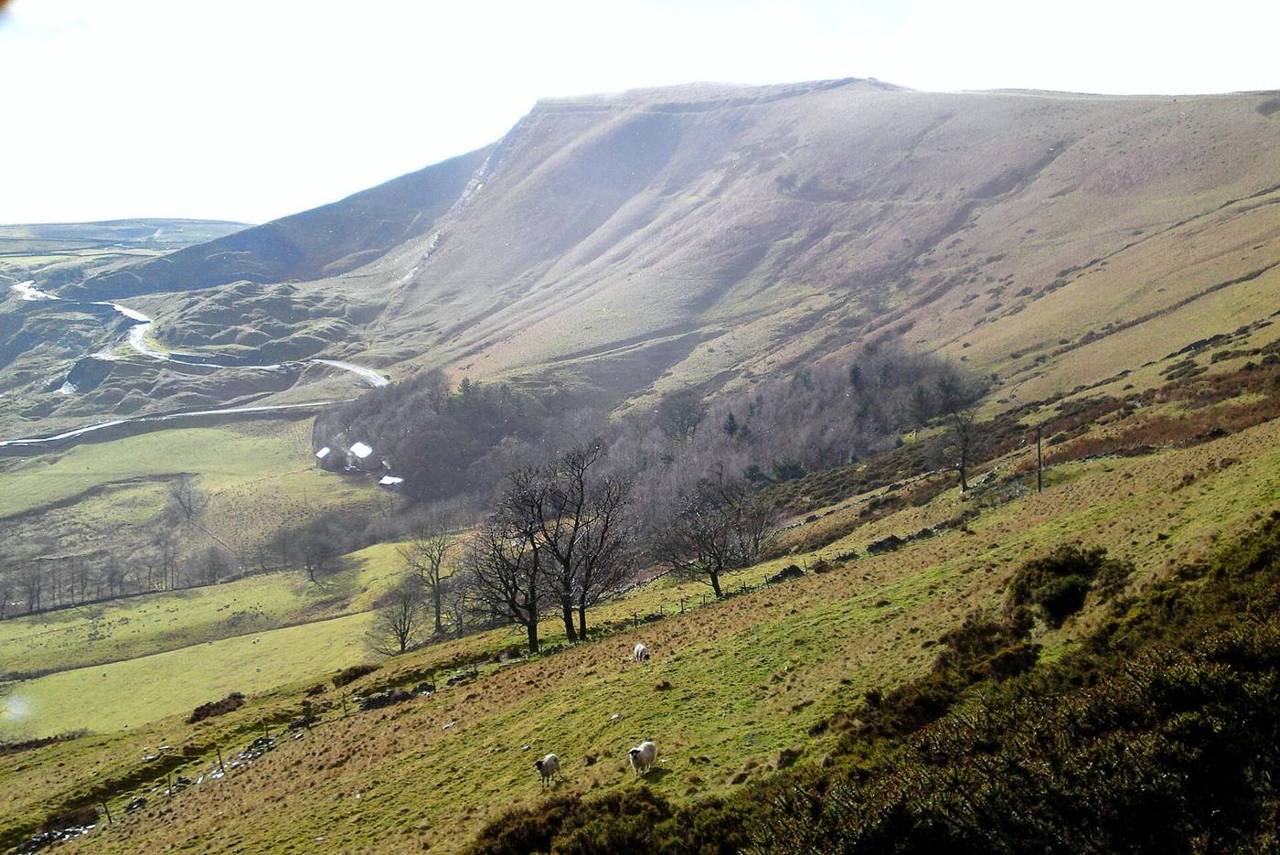
The industrial and green North: Liverpool with its historic port, the Albert Dock museums and the Beatles sites, Manchester with its museums of the Industrial Revolution and football, and the Peak District park with its moors and Chatsworth.
 5 daysEasy
Northumberland and Hadrian's Wall
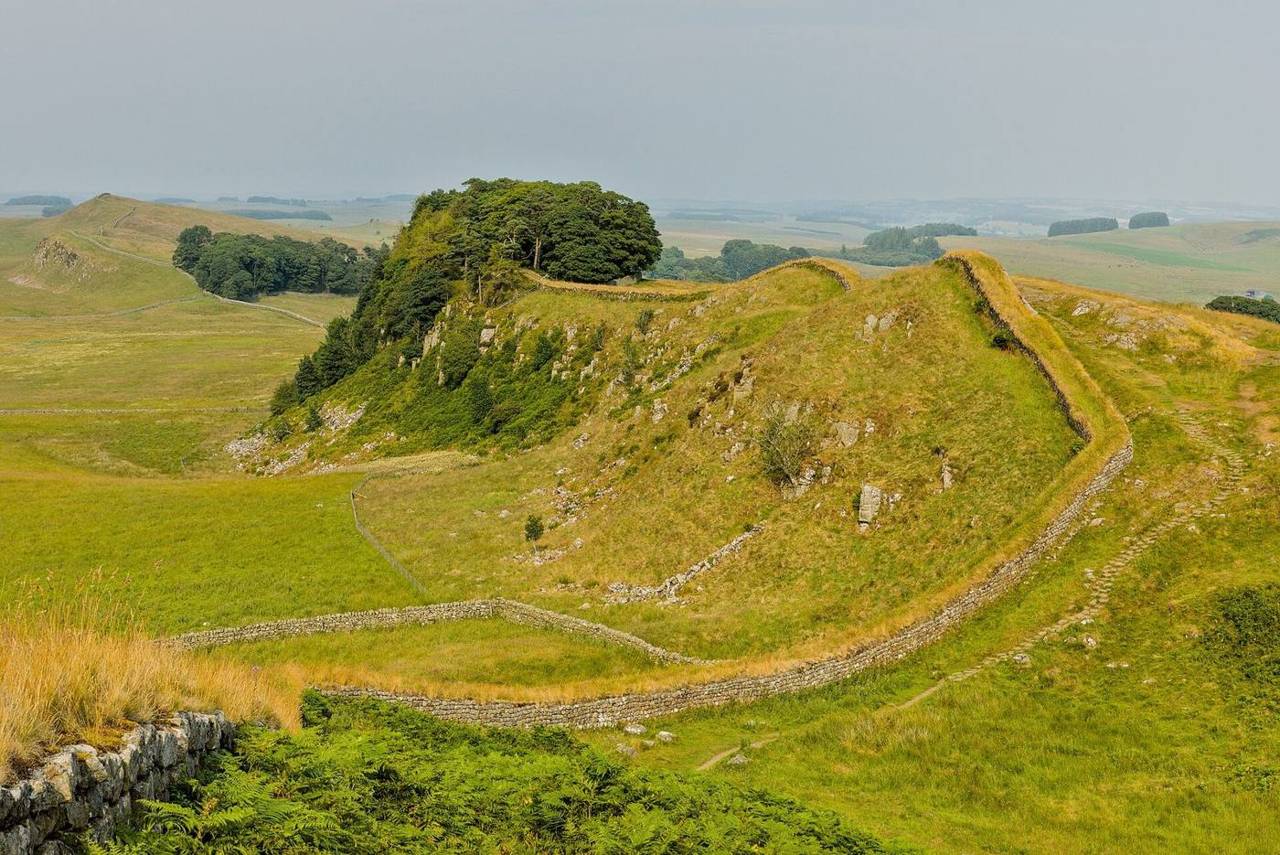
The border with Scotland: Hadrian's Wall, a UNESCO World Heritage site, with the Roman forts of Housesteads and Vindolanda, Durham Cathedral, the castles of Bamburgh and Alnwick by the sea and the holy island of Lindisfarne, reachable only at low tide.
 4 daysEasy
Cambridge and the Norfolk coast
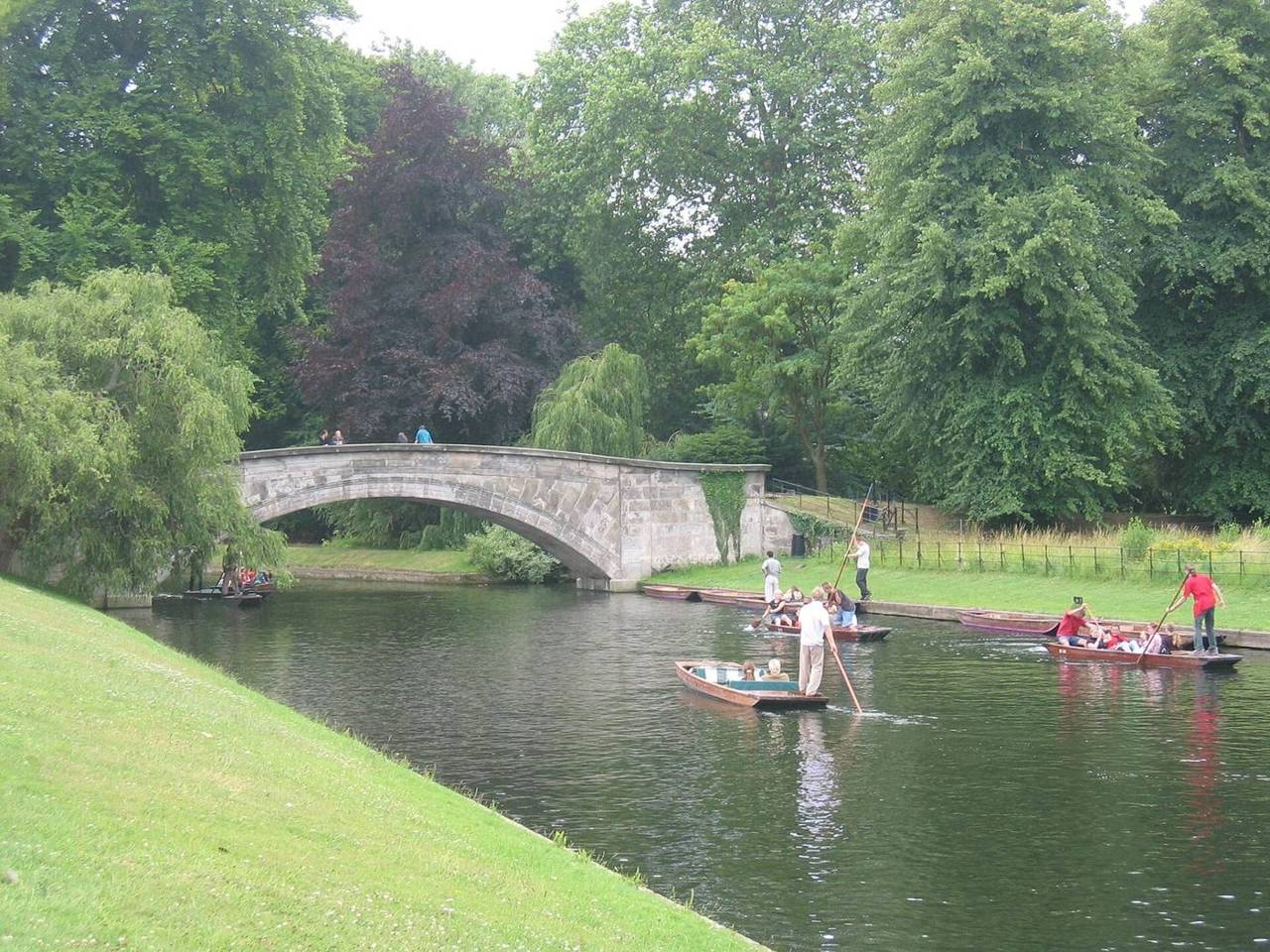
Eastern England: the Cambridge colleges and punting on the River Cam, Ely Cathedral, medieval Norwich, the Broads with their waterways, and the Norfolk coast with the grey seals of Blakeney and the beaches of Holkham.