Cambridge and the Norfolk coast
Eastern England: the Cambridge colleges and punting on the River Cam, Ely Cathedral, medieval Norwich, the Broads with their waterways, and the Norfolk coast with the grey seals of Blakeney and the beaches of Holkham.
- Cambridge
- Ely
- Norwich
- Blakeney
- Holkham
Day by day
- Day 1
Cambridge: King's College and punting on the river
Eastern England is a flat land of fields, canals, cathedrals and huge skies, with a coast of dunes, salt marshes and endless beaches where seals live. At its heart is Cambridge, one of the oldest and most famous universities in the world. In four days you see it at an easy pace, pass through two great cathedrals and end on the Norfolk coast.
Cambridge is less than an hour by train from London. The university was founded in 1209, when a group of scholars left Oxford, and today it is made up of more than thirty colleges, each with its own buildings, courts and gardens. Many can be visited at certain times of day, sometimes with a ticket.
In the morning, go into King's College and its chapel, begun in 1446 at the wish of King Henry VI: it is one of the masterpieces of English Gothic, with its stone fan vaulting, its great sixteenth-century stained-glass windows and, behind the altar, a painting by Rubens. Then walk past Trinity College, with its library designed by Christopher Wren, and on to the wooden Mathematical Bridge at Queens' College.
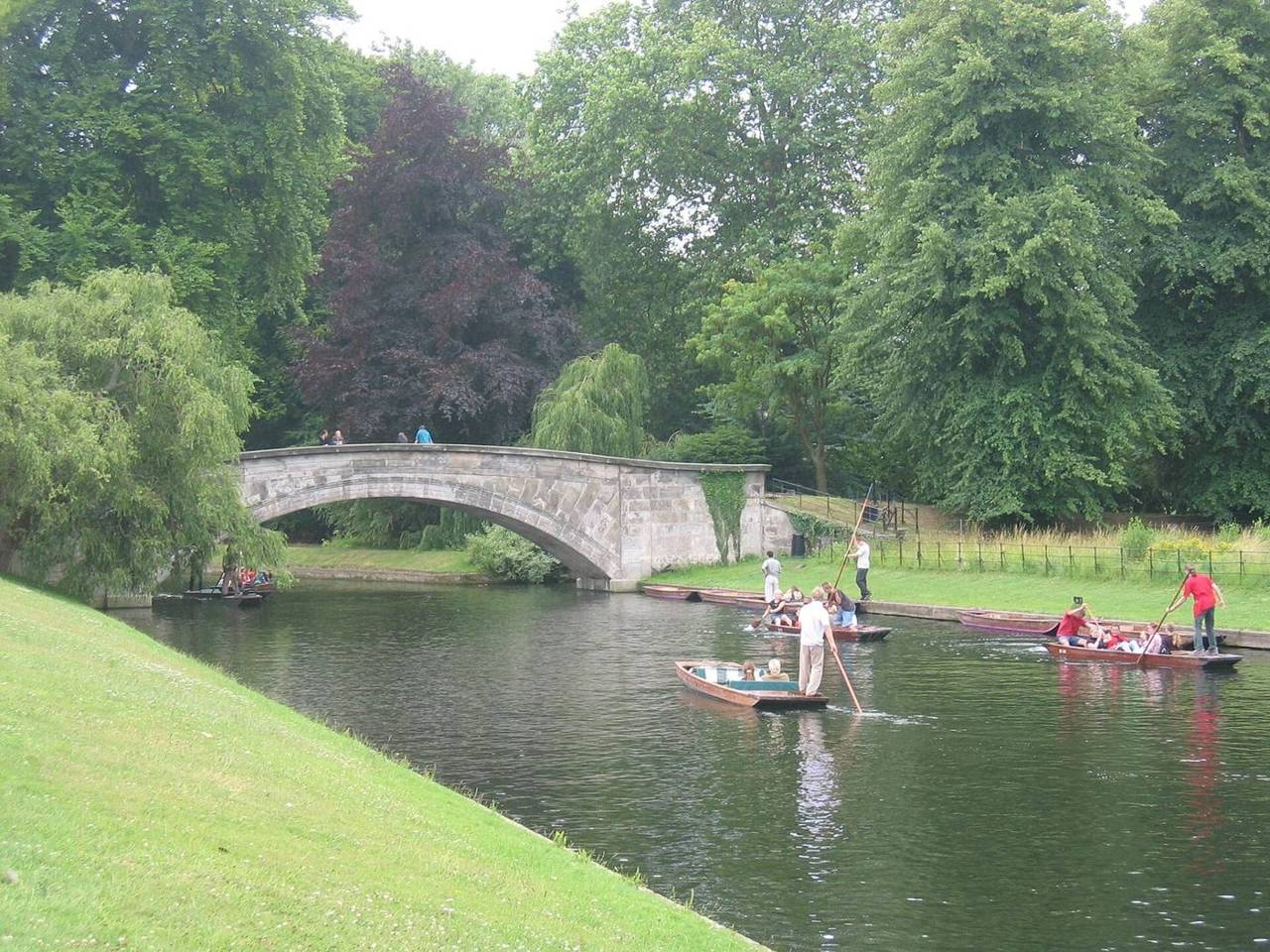
In the afternoon, go punting, the trip on the river Cam in a flat-bottomed boat pushed with a long pole, along the Backs, the lawns and gardens behind the colleges. You can rent a punt and push it yourself, but it is easier to take a punter who tells the story of the colleges. If it rains, visit the Fitzwilliam Museum, with Egyptian antiquities, paintings and manuscripts.
Practical tip: during exams, from May to June, many colleges close to visitors or reduce their hours. Check each college's website first.
- Day 2
Ely and its cathedral, then Norwich
In the morning, take the train to Ely, about a quarter of an hour from Cambridge. Ely is a small city that was once an island in the middle of the Fens, great marshes drained in the seventeenth century and turned into fields. The cathedral, called the Ship of the Fens, can be seen from miles away, high above the plain.
Inside, you are struck by the very long Romanesque nave, with its painted wooden ceiling, and above all by the Octagon, a large octagonal tower with a wooden lantern built in the fourteenth century after the central tower collapsed: an extraordinary feat of engineering for its time. You can climb up on a guided tour to see the structure close up. The town also has the house where Oliver Cromwell lived, the Puritan leader who governed England after the seventeenth-century civil war.
In the afternoon, continue by train to Norwich, in about an hour. For centuries Norwich was one of the richest cities in England thanks to the wool trade. Its Norman cathedral has a very tall spire and the largest monastic cloister in the country, with hundreds of carved and painted roof bosses. Not far away is the Norman castle, a great stone keep that now houses a museum.
In the evening, walk along Elm Hill, a cobbled medieval street with half-timbered houses, and through the covered market in the centre.
Practical tip: for the coast over the next two days it is worth renting a car in Norwich. In summer there is also a bus along the coast, but with a car it is easier to follow the tide times.
- Day 3
By boat to the seals of Blakeney Point
Today you drive north to the Norfolk coast, about an hour from Norwich. It is a protected coast, designated an Area of Outstanding Natural Beauty, with salt marshes, tidal creeks, dunes and villages of flint houses, the dark, shiny stone typical of this area.
In the morning you reach the small harbour of Morston or Blakeney, from where boats leave for Blakeney Point, a long spit of sand and shingle protected by the National Trust. One of the largest seal colonies in England lives here: grey seals and common seals. The boat approaches the sandbanks where the animals rest by the dozen, sometimes by the hundred, and you see them from a few metres away, with their round heads popping out of the water. Between November and January the grey seal pups are born, white and fluffy. In summer many terns also nest on the point.
In the afternoon, walk along the Norfolk Coast Path, on the embankment between the marshes and the fields, to Cley next the Sea, with its brick windmill, and the Cley Marshes nature reserve, one of the most famous birdwatching sites in England, with hides from which you can watch herons, avocets and ducks.
In the evening, taste the fish of the coast: Cromer crab, mussels and local shrimps.
Practical tip: the seal boats leave according to the tides, so at different times each day. Book in advance and check the time the evening before.
- Day 4
Holkham beach and the return
On your last morning, go to Holkham, one of the most beautiful and largest beaches in England. From the car park you walk through a pine wood planted in the nineteenth century to hold back the dunes, and suddenly an expanse of very pale sand opens up, kilometres long. At low tide the sea retreats a very long way, and the sky and the sand seem to go on forever. It is a perfect place for a long walk, and in winter thousands of wild geese arrive here from the north.
Behind the beach is Holkham Hall, a large eighteenth-century Palladian house, surrounded by a park with a lake and a herd of deer. It can be visited in certain months of the year, with rooms full of ancient statues and paintings brought from Italy during the Grand Tour.
Not far away is Wells-next-the-Sea, a small harbour with colourful beach huts, a seafront and fish and chip shops. Stop for lunch before leaving.
In the afternoon, head back to Norwich and take the train to London, in about two hours, or return the car and continue to Cambridge.
If you still have time, on the way you can stop at the royal estate of Sandringham, the country residence of the royal family, open to visitors at certain times of the year.
Practical tip: to enter the United Kingdom you need a passport, as an identity card is no longer enough, and the ETA electronic authorisation, to be requested online before you leave: it costs 20 pounds and is valid for two years.
Quiet and easy, an hour by train from London to Cambridge. Colleges have limited visiting hours during exams (May-June). Seal boats depend on the tides. A passport is needed (identity cards are no longer accepted) and, for EU citizens, the Electronic Travel Authorisation (ETA), applied for online before travelling: since 8 April 2026 it costs £20 and is valid for two years.
Before you go
- Documents and visa
- You need a passport: identity cards are no longer accepted. Before leaving you apply online for an ETA, the electronic travel authorisation: it costs 20 pounds and is valid for two years.
- Health and vaccines
- No vaccines required. EU citizens should carry the European Health Insurance Card for necessary treatment. Emergencies: 999 or 112.
- Money and payments
- Pound sterling. Contactless cards are used everywhere, including on London public transport.
- Power sockets
- Type G, 230 volts: you need an adapter for British three-pin plugs.
- Time zone
- UTC in winter and UTC+1 in summer.
- Safety
- The United States rates the United Kingdom level 2 for terrorism. In big cities watch out for pickpockets; in Scotland and Wales the main risks are weather and mountains. Driving is on the left. ETA: GOV.UK.
Information checked in November 2026 for Italian and EU citizens. Rules change: always check before you travel.
Variations
In 2 days: Cambridge and Ely, by train from London, without the coast.
In 7 days: after the Norfolk coast, head down into Suffolk, with medieval wool villages such as Lavenham and the coast at Southwold and Aldeburgh.
Frequently asked questions
When is the best time to go?
From May to September for the coast and long days. From November to January for grey seal pups and wild geese. During the May and June exams, the Cambridge colleges are often closed.
Do I need a car?
Not for Cambridge, Ely and Norwich, which are linked by train. For the Norfolk coast a car is very useful, although there is a coastal bus in summer.
What documents do I need?
A valid passport and the ETA electronic authorisation, to be requested online before you leave. Identity cards are not accepted.
Indicative itinerary written by World Atlas. Before booking, check timetables, seasonal openings, documents and safety.
 5 daysEasy
Glasgow, Stirling and St Andrews
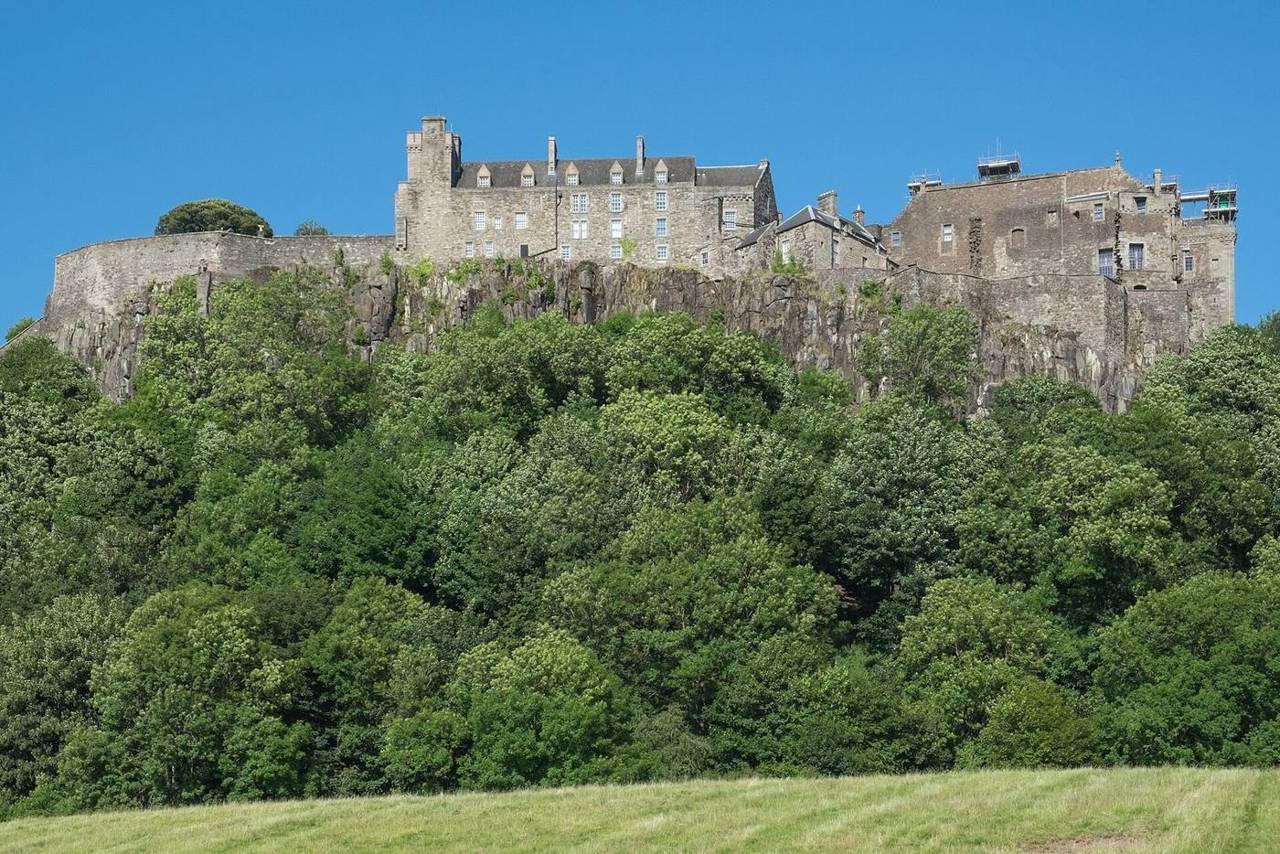
Scotland of cities and history: Glasgow with Kelvingrove, Mackintosh's architecture and the cathedral, Stirling Castle and the Wallace Monument, Loch Lomond, Fife with the fishing villages of the East Neuk and St Andrews, the home of golf.
 8 daysModerate
The North Coast 500
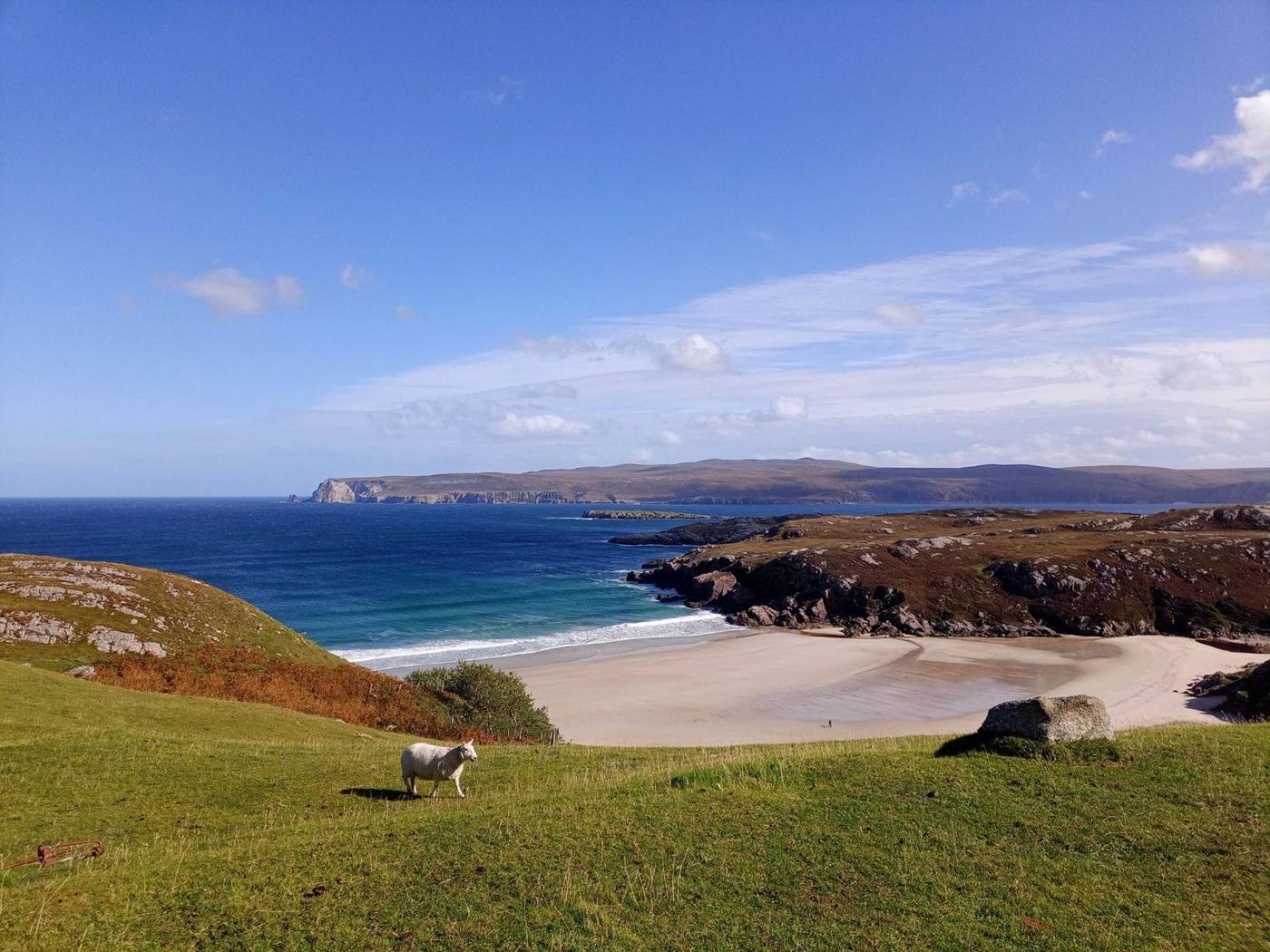
The great road loop of northern Scotland, about 800 km from Inverness: the Bealach na Bà pass to Applecross, the Torridon lochs, the white beaches of Durness and Smoo Cave, John o' Groats and the Duncansby cliffs, Dunrobin and Ardvreck castles.
 5 daysEasy
The Shetland Islands
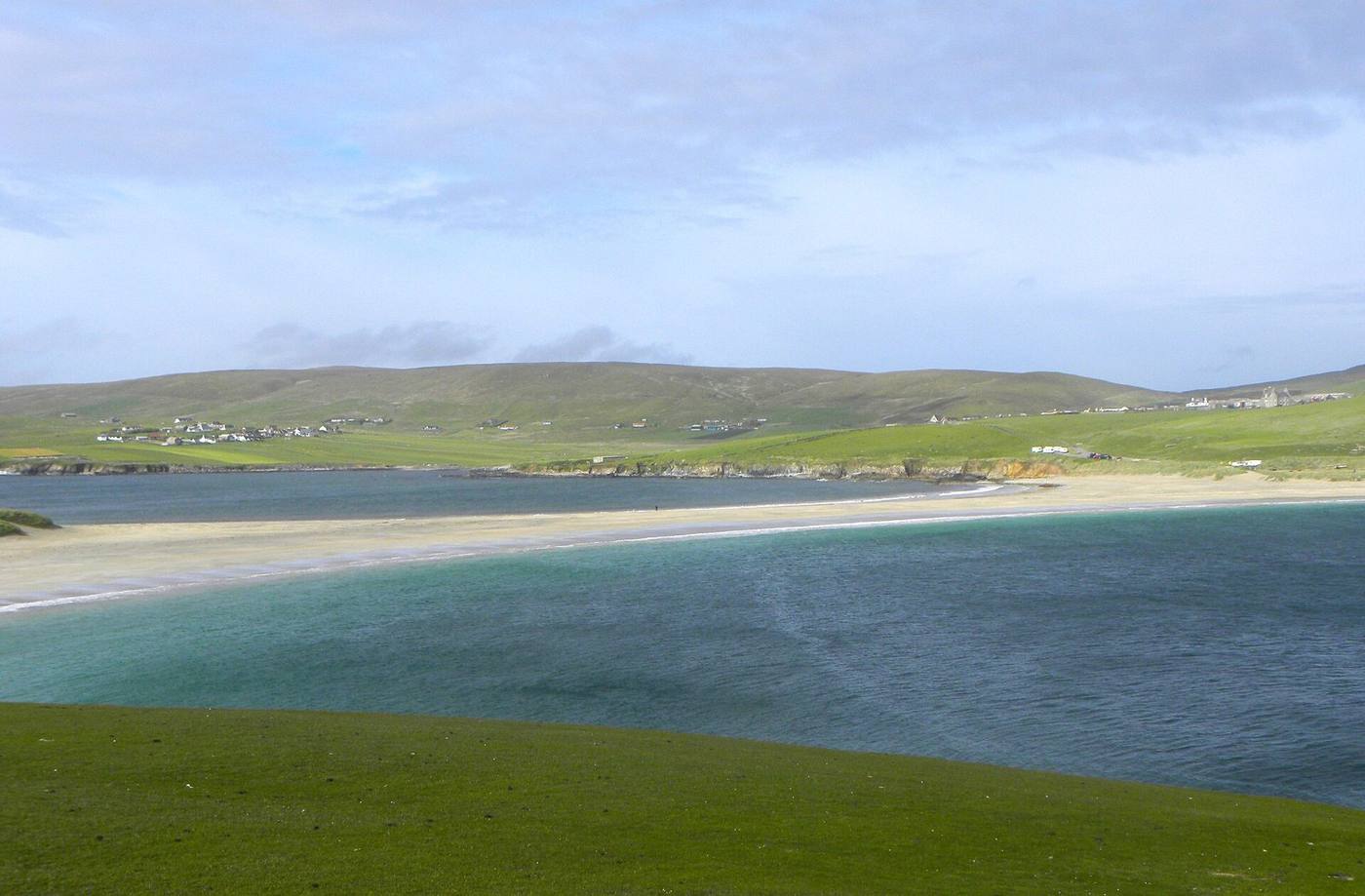
The UK's northernmost archipelago, closer to Norway than to Edinburgh: the cliffs of Sumburgh Head with puffins, the prehistoric site of Jarlshof, the double tombolo beach of St Ninian's, the islands of Unst and Yell, ponies and otters.