Glasgow, Stirling and St Andrews
Scotland of cities and history: Glasgow with Kelvingrove, Mackintosh's architecture and the cathedral, Stirling Castle and the Wallace Monument, Loch Lomond, Fife with the fishing villages of the East Neuk and St Andrews, the home of golf.
- Glasgow
- Loch Lomond
- Stirling
- St Andrews
- East Neuk
Day by day
- Day 1
Glasgow: the cathedral, the Necropolis and Kelvingrove
This five-day trip crosses central Scotland, the most populated part of the country and the richest in history, between the west and east coasts. It begins in Glasgow, Scotland's largest city, lively and industrial, with a great heritage of Victorian architecture and no-cost museums. Then it moves on to the most famous loch, Loch Lomond, to Stirling, with the castle of the Scottish kings, and to St Andrews, the university town by the sea where golf was born. It ends in the fishing villages of the East Neuk.
Glasgow can be reached by direct flights from several European cities, or by train from Edinburgh in about fifty minutes.
In the morning, visit Glasgow Cathedral, one of the few medieval cathedrals in Scotland to survive the sixteenth-century Protestant Reformation almost intact. The Gothic interior is dark and solemn, with the crypt holding the tomb of Saint Mungo, the city's founder. Behind the cathedral, climb the hill of the Necropolis, a large Victorian cemetery with monuments, columns and mausoleums of the rich merchants of the nineteenth century, and a view over the whole city.
In the afternoon, go to the West End, the university district, with the university's Gothic building and Kelvingrove Park. In the no-cost Kelvingrove museum you see collections of art, natural history and arms, including a famous Christ by Salvador Dalí, and a room devoted to Charles Rennie Mackintosh, the architect and designer who is the city's symbol.
In the evening, Glasgow offers live music in many venues: the city is famous for its music scene.
Practical tip: in Glasgow most of the major museums are at no cost. The weather changes often: always bring a waterproof jacket.
- Day 2
Loch Lomond
In the morning, head north for about forty minutes by car or train to Balloch, at the southern tip of Loch Lomond. It is the largest freshwater lake in Great Britain by surface area, about 36 kilometres long, with dozens of islands, and part of Loch Lomond and the Trossachs National Park, Scotland's first national park, created in 2002. The loch marks the transition from the southern lowlands to the Highlands in the north.
From Balloch, take a boat trip on the loch, among wooded islands, with the mountains growing ever higher to the north. Some boats stop at Luss, one of the prettiest villages in Scotland, with its stone cottages, flowers and pier on the loch.
If you prefer walking, climb Conic Hill on the east shore near Balmaha, in about two and a half hours there and back. It is a stretch of the West Highland Way, Scotland's most famous trail. From the top the view over the loch and the islands lined up along the geological fault that separates the Lowlands from the Highlands is spectacular.
In the afternoon, continue along the west shore to Tarbet or Arrochar, with views of the loch and of Ben Lomond. If you have time, go through the Trossachs valley, with its smaller lochs and woods celebrated by Walter Scott.
In the evening, sleep near the loch or in Stirling.
Practical tip: in summer, along the loch, there are many tiny biting insects called midges, especially in the evening and in damp weather. Bring repellent.
- Day 3
Stirling, the castle and the Wallace Monument
In the morning, go to Stirling, a town built around a volcanic crag at the point where the River Forth could be crossed. For centuries whoever controlled Stirling controlled Scotland, and some of the most important battles in Scottish history were fought here.
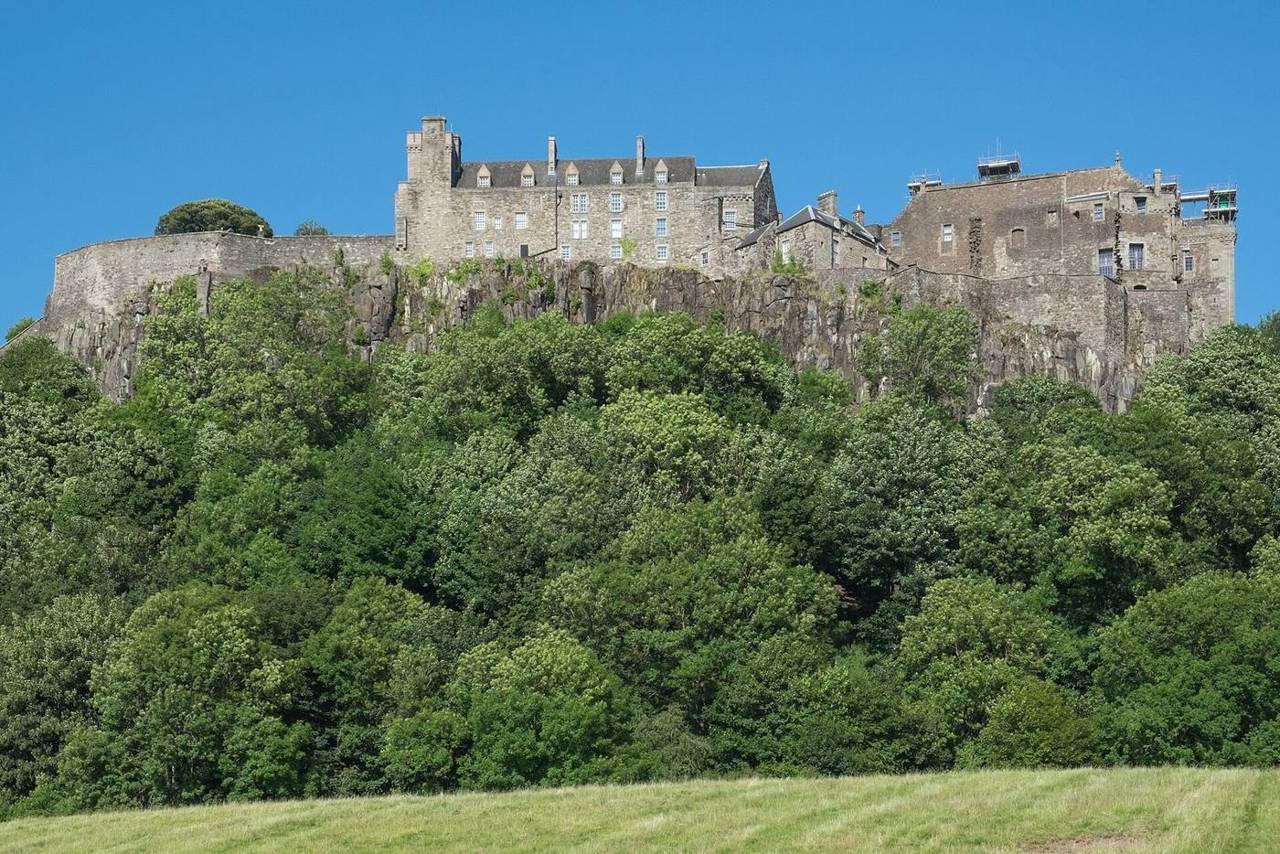
Start with Stirling Castle, at the top of the crag, one of the largest and most important fortresses in the country. It was the favourite residence of the Stuart kings in the sixteenth century. Visit the restored Great Hall with its timber roof, the royal palace with its painted rooms and copies of the unicorn tapestries, the Chapel Royal and the kitchens. Mary, Queen of Scots was crowned here as a baby in 1543. From the walls you see the plain, the river and the Highland mountains.
Then go down into the old town, with its old houses, the cemetery and the Church of the Holy Rude, where James VI was crowned.
In the afternoon, go to the Wallace Monument, a Victorian tower on the Abbey Craig hill, dedicated to William Wallace, the hero who defeated the English at the Battle of Stirling Bridge in 1297. Inside you climb 246 narrow steps, passing rooms with Wallace's story and his great sword. From the top you see the whole valley.
If you still have time, visit the Bannockburn battlefield, where Robert the Bruce defeated the English in 1314, with a modern visitor centre.
In the evening, sleep in Stirling.
Practical tip: for Stirling Castle it is best to book online, especially in summer, and arrive at opening time.
- Day 4
St Andrews: the cathedral, the castle and the Old Course
In the morning, head east through the county of Fife to St Andrews, in about an hour and a half. It is a small town on the North Sea, with Scotland's oldest university, founded in 1413, and known all over the world as the home of golf.
Start with the ruins of the cathedral, which was the largest church in Scotland in the Middle Ages, destroyed during the Reformation. Parts of the façades, the walls and the cemetery by the sea remain. Climb St Rule's Tower, older than the cathedral, for the view over the town, the harbour and the coast.
Nearby, visit the ruins of the castle on the cliff, with a bottle-shaped dungeon cut into the rock and an underground passage dug during a sixteenth-century siege, which you can still crawl through.
In the afternoon, walk along the three main streets of the old town, with the university buildings, courtyards and chapels. Then go to the Old Course, the oldest golf course in the world, where golf has been played for about six hundred years. On Sundays it is usually closed to play and becomes a public park, and you can walk on the course and across the famous stone bridge of the eighteenth hole.
At sunset, walk on West Sands beach, a long sandy beach where the opening scene of the film Chariots of Fire was shot.
Practical tip: to play the Old Course you must book far in advance or enter the daily ballot at no cost tee times.
- Day 5
The East Neuk villages and departure from Edinburgh
On your last morning, head down the coast south of St Andrews, into the area called the East Neuk, the eastern corner of Fife. It is a coast of small fishing harbours, with white and colourful houses with red pantile roofs, influenced by trade with the Low Countries in past centuries.
Start with Crail, the most photographed village, with its small harbour enclosed by stone houses, the lobster fishermen's boats and the steep street running down to the sea. Continue to Anstruther, the largest village, with the Scottish Fisheries Museum, which tells the story of the herring fishermen, their boats and traditions. Anstruther serves some of the best fish and chips in Scotland, with freshly caught fish.
Then pass through Pittenweem, a still-working harbour with the cave of Saint Fillan, a seventh-century hermit, and Elie, with a golden sandy beach and a lighthouse.
If you have time, walk a stretch of the Fife Coastal Path, the path along the coast from one village to the next, above cliffs and beaches.
In the afternoon, head to Edinburgh, about an hour and a half away, crossing the Firth of Forth on the modern bridge, next to the famous red railway bridge, a UNESCO World Heritage Site.
This trip combines well with Edinburgh and with the Highlands, the Isle of Skye or the North Coast 500.
Practical tip: for the United Kingdom you need a passport, since the identity card is no longer enough, and the ETA electronic authorisation, which costs 20 pounds and is valid for two years.
It combines with Edinburgh and the Highlands. Scottish weather is changeable all year: bring layers and a waterproof. To play the Old Course at St Andrews you enter a daily ballot. A passport is needed (identity cards are no longer accepted) and, for EU citizens, the Electronic Travel Authorisation (ETA), applied for online before travelling: since 8 April 2026 it costs £20 and is valid for two years.
Before you go
- Documents and visa
- You need a passport: identity cards are no longer accepted. Before leaving you apply online for an ETA, the electronic travel authorisation: it costs 20 pounds and is valid for two years.
- Health and vaccines
- No vaccines required. EU citizens should carry the European Health Insurance Card for necessary treatment. Emergencies: 999 or 112.
- Money and payments
- Pound sterling. Contactless cards are used everywhere, including on London public transport.
- Power sockets
- Type G, 230 volts: you need an adapter for British three-pin plugs.
- Time zone
- UTC in winter and UTC+1 in summer.
- Safety
- The United States rates the United Kingdom level 2 for terrorism. In big cities watch out for pickpockets; in Scotland and Wales the main risks are weather and mountains. Driving is on the left. ETA: GOV.UK.
Information checked in November 2026 for Italian and EU citizens. Rules change: always check before you travel.
Variations
In 3 days: Glasgow, Stirling Castle and St Andrews.
In 9 days: add Edinburgh at the start and the Highlands with the Isle of Skye at the end.
Frequently asked questions
Do I need a car?
Not necessarily: Glasgow, Stirling and Balloch are linked by train, and St Andrews can be reached by train to Leuchars and then by bus. For the East Neuk and Loch Lomond a car is more convenient.
When is the best time to go?
From May to September, with long days. The weather is changeable all year round: bring layers and a waterproof jacket.
What documents do I need?
A passport, since the identity card is no longer enough, and the ETA electronic authorisation, applied for online before leaving: it costs 20 pounds and is valid for two years.
Indicative itinerary written by World Atlas. Before booking, check timetables, seasonal openings, documents and safety.
 8 daysModerate
The North Coast 500
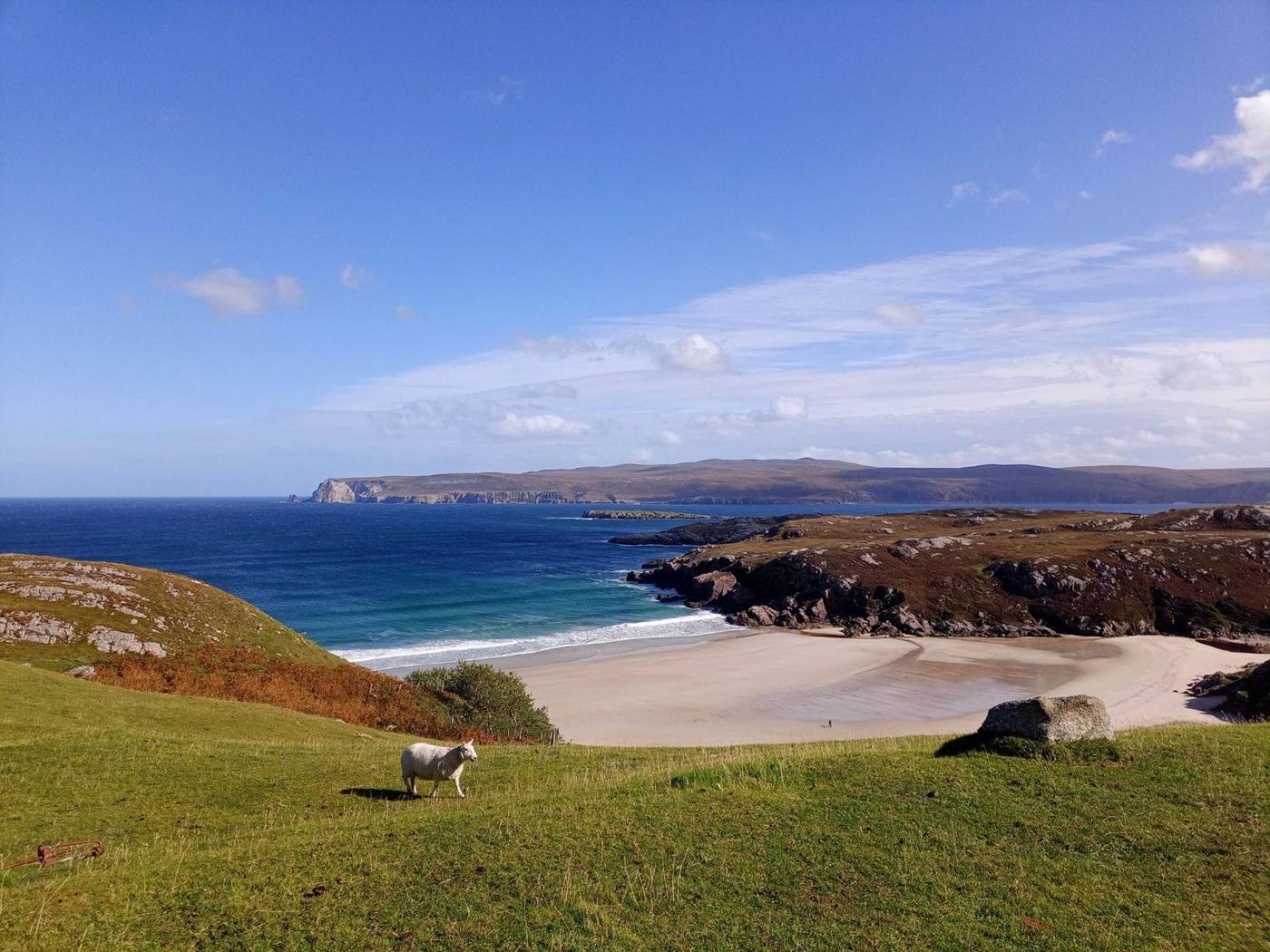
The great road loop of northern Scotland, about 800 km from Inverness: the Bealach na Bà pass to Applecross, the Torridon lochs, the white beaches of Durness and Smoo Cave, John o' Groats and the Duncansby cliffs, Dunrobin and Ardvreck castles.
 5 daysEasy
The Shetland Islands
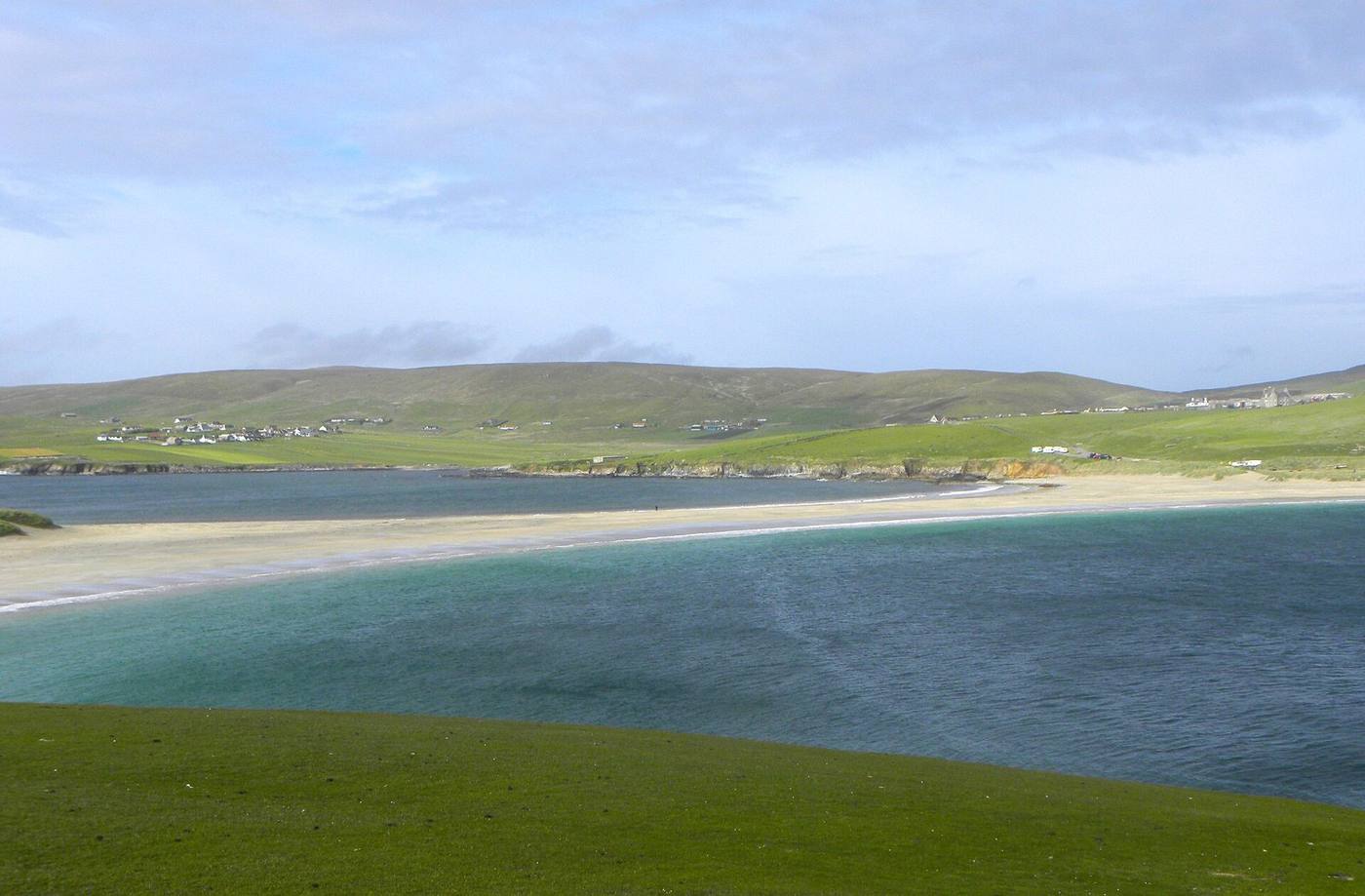
The UK's northernmost archipelago, closer to Norway than to Edinburgh: the cliffs of Sumburgh Head with puffins, the prehistoric site of Jarlshof, the double tombolo beach of St Ninian's, the islands of Unst and Yell, ponies and otters.
 5 daysEasy
Cardiff, the Brecon Beacons and Gower
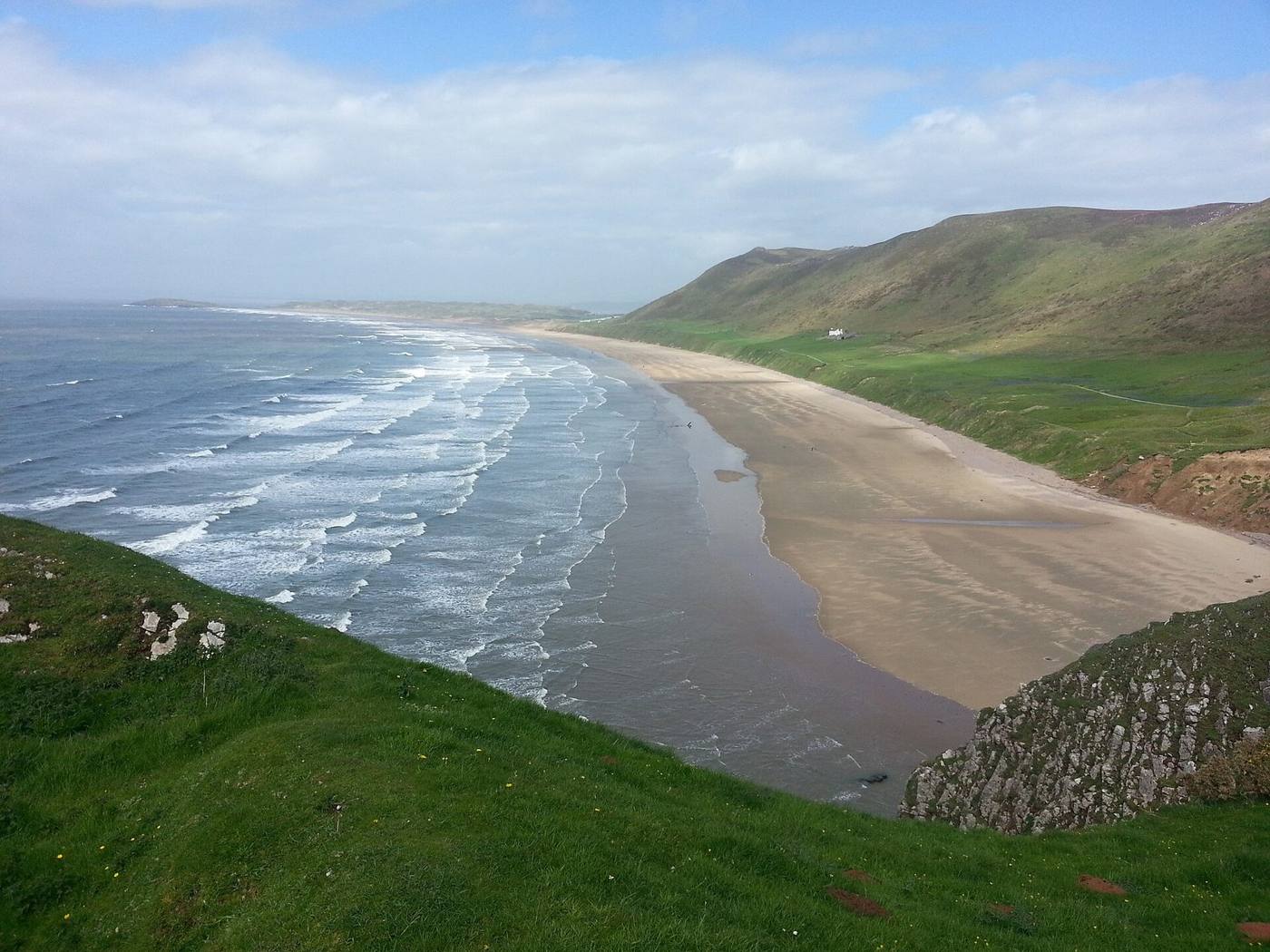
South Wales: Cardiff with its castle and bay, Bannau Brycheiniog (Brecon Beacons) National Park with Pen y Fan and its waterfalls, Caerphilly Castle and the Gower Peninsula with Rhossili Bay.