Cardiff, the Brecon Beacons and Gower
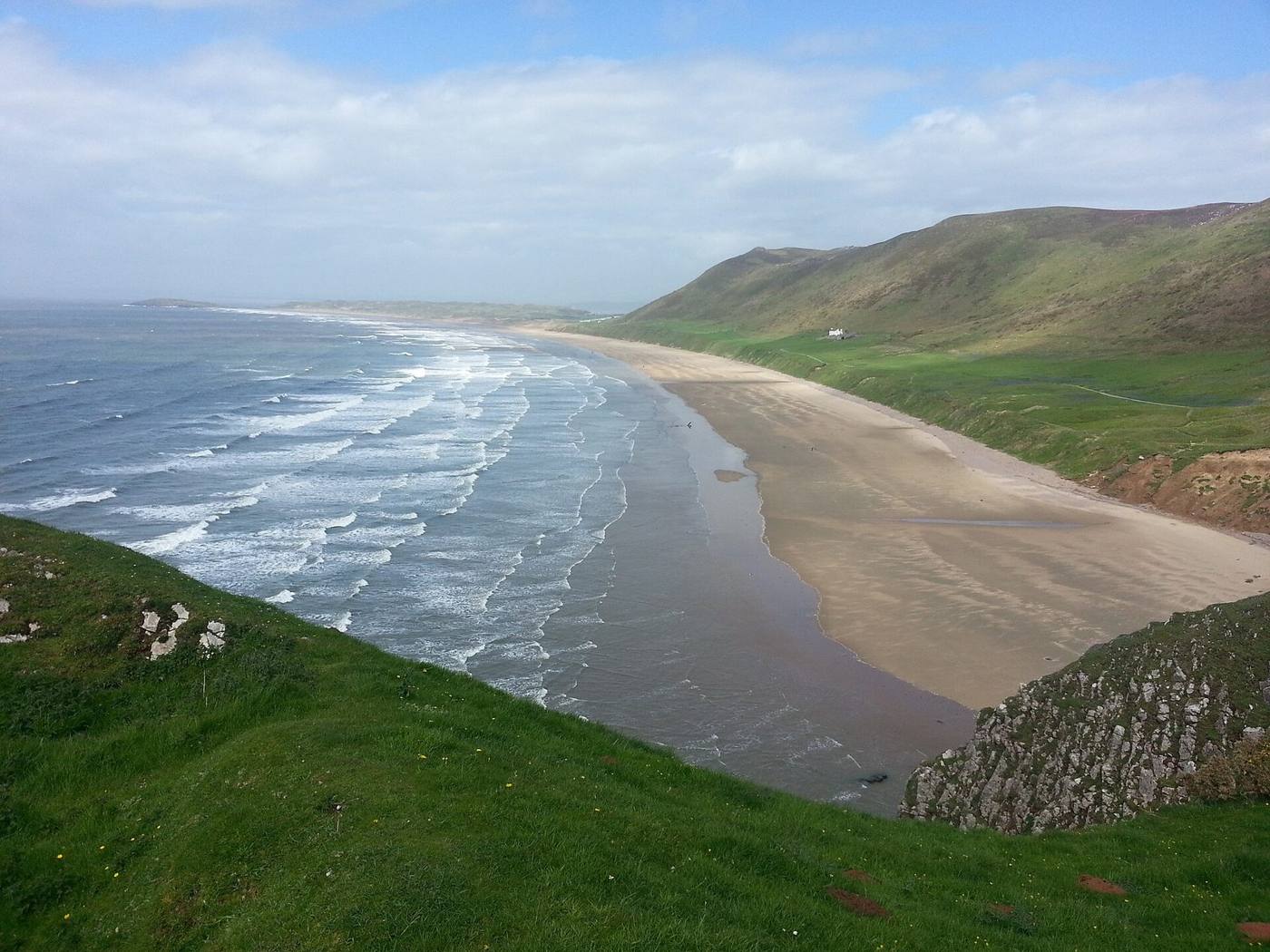
South Wales: Cardiff with its castle and bay, Bannau Brycheiniog (Brecon Beacons) National Park with Pen y Fan and its waterfalls, Caerphilly Castle and the Gower Peninsula with Rhossili Bay.
- Cardiff
- Caerphilly
- Pen y Fan
- Ystradfellte
- Rhossili
Day by day
- Day 1
Cardiff: the castle and the bay
South Wales combines a young, lively capital, medieval castles among the largest in Europe, the green, wild mountains of Brecon Beacons National Park, now also known by its Welsh name Bannau Brycheiniog, and the Gower peninsula, with some of the finest beaches and cliffs in Britain. Welsh is also spoken here, an ancient Celtic language seen on every sign next to English. In five days you see Cardiff, Caerphilly, Pen y Fan, the Ystradfellte waterfalls and Rhossili.
You arrive in Cardiff by train from London in about two hours, or by air to Cardiff or Bristol airport.
In the morning, visit Cardiff Castle in the city centre, with Roman walls, a Norman keep on a mound and a Victorian palace, fantastically decorated in the nineteenth century with painted rooms, gilded ceilings, carved wood and medieval animals and figures, one of the richest Gothic Revival interiors in Britain.
In the afternoon, walk or take a boat to Cardiff Bay, the old coal port, now transformed into a waterfront district with the Welsh parliament in a modern building of glass and wood, the Millennium Centre with its great copper facade and words in Welsh and English, and the white wooden Norwegian church.
In the evening, sleep in Cardiff.
Practical tip: to enter the United Kingdom, Italian citizens need a passport and an ETA, the electronic travel authorisation, which costs 20 pounds.
- Day 2
Caerphilly Castle and the road to the Beacons
In the morning, take the train or drive to Caerphilly, about twenty minutes north of Cardiff. Here stands Caerphilly Castle, the largest in Wales and one of the largest in Britain, built in the thirteenth century by a Norman lord to control the lands of the Welsh princes.
The castle is surrounded by large artificial lakes and several rings of walls, one of the first concentric fortresses in Europe. One of its towers leans spectacularly, more than the Tower of Pisa, perhaps because of soldiers' mining during the Civil War in the seventeenth century, or because the ground gave way. Walk the walls, halls and towers, and see the reconstructed siege engines.
In the afternoon, drive north through the South Wales valleys, the old coal valleys, with terraced houses on the hillsides, where until a few decades ago thousands of miners worked underground.
If you have time, stop at Blaenavon, an industrial landscape and World Heritage site, with a coal mine where former miners take visitors underground, and old ironworks.
In the evening, you reach the Brecon Beacons, in the town of Brecon or a nearby village.
In the evening, sleep in the Beacons area.
Practical tip: many castles and monuments in Wales are run by the Welsh public heritage body and have different hours in summer and winter. Check opening times before you go.
- Day 3
The climb to Pen y Fan
Today you climb Pen y Fan, the highest mountain in South Wales, at about eight hundred and eighty metres. It is not very high, but the scenery is grand: grassy ridges, steep north faces, glacial valleys and a view that, on clear days, reaches the Bristol Channel and the mountains of mid Wales.
The most popular path starts from the Pont ar Daf car park, on the main road between Brecon and Merthyr Tydfil, and climbs on a wide, well-kept path to Corn Du, the neighbouring summit, and then to Pen y Fan. It usually takes about two or three hours there and back. It is very busy at weekends.
For a longer, quieter walk, take the horseshoe route starting from the valley to the north and following the ridge over Corn Du, Pen y Fan and Cribyn, in about five or six hours.
At the top, look down the walls dropping towards the small glacial lake of Llyn Cwm Llwch at the foot of the mountain, and the green plain with fields divided by hedges.
In the evening, return to Brecon and walk around the centre, with its cathedral and canal.
In the evening, sleep in the Beacons area.
Practical tip: on Pen y Fan the weather changes quickly, with fog, wind and rain even in summer. Bring a waterproof jacket, warm layers and walking boots, and check the mountain forecast.
- Day 4
The Ystradfellte waterfalls walk
Today you explore Waterfall Country, an area in the south-western Brecon Beacons near the villages of Ystradfellte and Pontneddfechan. Here several rivers flow through narrow gorges and woods, forming a series of waterfalls one after another.
In the morning, follow the Four Falls Trail, which starts from a car park near Ystradfellte and descends through the forest along the Mellte and Hepste rivers, in about three or four hours. Along the way you see the falls of Sgwd Clun-Gwyn, Sgwd Isaf Clun-Gwyn, Sgwd y Pannwr and the most famous, Sgwd yr Eira, the waterfall of snow.
At Sgwd yr Eira the path passes behind the waterfall: you walk on a rock ledge under the cliff, with the water falling in front of you, a unique sensation. The rocks are slippery and you need to take care.
The woods are damp and green, with moss, ferns and lichen-covered trees, and the rivers flow between dark rocks.
In the afternoon, if you still have energy, visit the Dan yr Ogof caves nearby, a cave system with stalactites, underground lakes and a dinosaur park.
In the evening, sleep in the Beacons area or in Swansea.
Practical tip: the waterfall trail is steep and slippery, with rock steps and roots. Wear walking boots and do not go near the edge of the falls: there have been serious accidents.
- Day 5
Gower and Rhossili, then the return
In the morning, drive to the Gower peninsula, west of Swansea, in about an hour. Gower was the first area in Britain to be protected as an Area of Outstanding Natural Beauty, in 1956, for its beaches, limestone cliffs, moorland and villages.
Go to Rhossili, at the western tip of the peninsula. From the clifftop village you see one of the finest beaches in Britain: a bay of golden sand almost five kilometres long, with dunes and a green hill behind it, and the wreck of a nineteenth-century ship emerging from the sand at low tide.
Walk along the cliff to the headland, from where you see Worm's Head, a long, narrow island stretching into the sea like a serpent or dragon, the name the Vikings gave it. At low tide you can reach it on foot across a causeway of rock, but only at the times shown.
In the afternoon, visit other Gower bays, such as Three Cliffs Bay, with three rocky points on the beach and the ruins of a castle on the hill.
Then return to Swansea or Cardiff for the train back to London.
This trip combines well with Pembrokeshire, further west, with its cliffs and the small city of St Davids, or with North Wales and Snowdonia.
Practical tip: the crossing to Worm's Head is open only for about two and a half hours either side of low tide. Check the times posted at the coastguard station: the tide comes in fast.
It complements the Snowdonia and Pembrokeshire trip. The park has changed its official name to the Welsh Bannau Brycheiniog, but many signs still say Brecon Beacons. Pen y Fan in fog and wind can be dangerous: check the forecast. A passport is needed (identity cards are no longer accepted) and, for EU citizens, the Electronic Travel Authorisation (ETA), applied for online before travelling: since 8 April 2026 it costs £20 and is valid for two years.
Before you go
- Documents and visa
- You need a passport: identity cards are no longer accepted. Before leaving you apply online for an ETA, the electronic travel authorisation: it costs 20 pounds and is valid for two years.
- Health and vaccines
- No vaccines required. EU citizens should carry the European Health Insurance Card for necessary treatment. Emergencies: 999 or 112.
- Money and payments
- Pound sterling. Contactless cards are used everywhere, including on London public transport.
- Power sockets
- Type G, 230 volts: you need an adapter for British three-pin plugs.
- Time zone
- UTC in winter and UTC+1 in summer.
- Safety
- The United States rates the United Kingdom level 2 for terrorism. In big cities watch out for pickpockets; in Scotland and Wales the main risks are weather and mountains. Driving is on the left. ETA: GOV.UK.
Information checked in November 2026 for Italian and EU citizens. Rules change: always check before you travel.
Variations
In 3 days: Cardiff, Caerphilly and Pen y Fan.
In 8 days: add Pembrokeshire and St Davids.
Frequently asked questions
When is the best time to go?
From May to September, with long days. It rains often all year: always bring a waterproof jacket.
Do I need a car?
Not for Cardiff, but it is very useful for the Beacons and Gower. There are buses, but less frequent in rural areas.
Is Welsh spoken?
Everyone speaks English, but Welsh is an official language and appears on signs. Learning a greeting, shwmae, is appreciated.
Indicative itinerary written by World Atlas. Before booking, check timetables, seasonal openings, documents and safety.
 5 daysEasy
London in five days
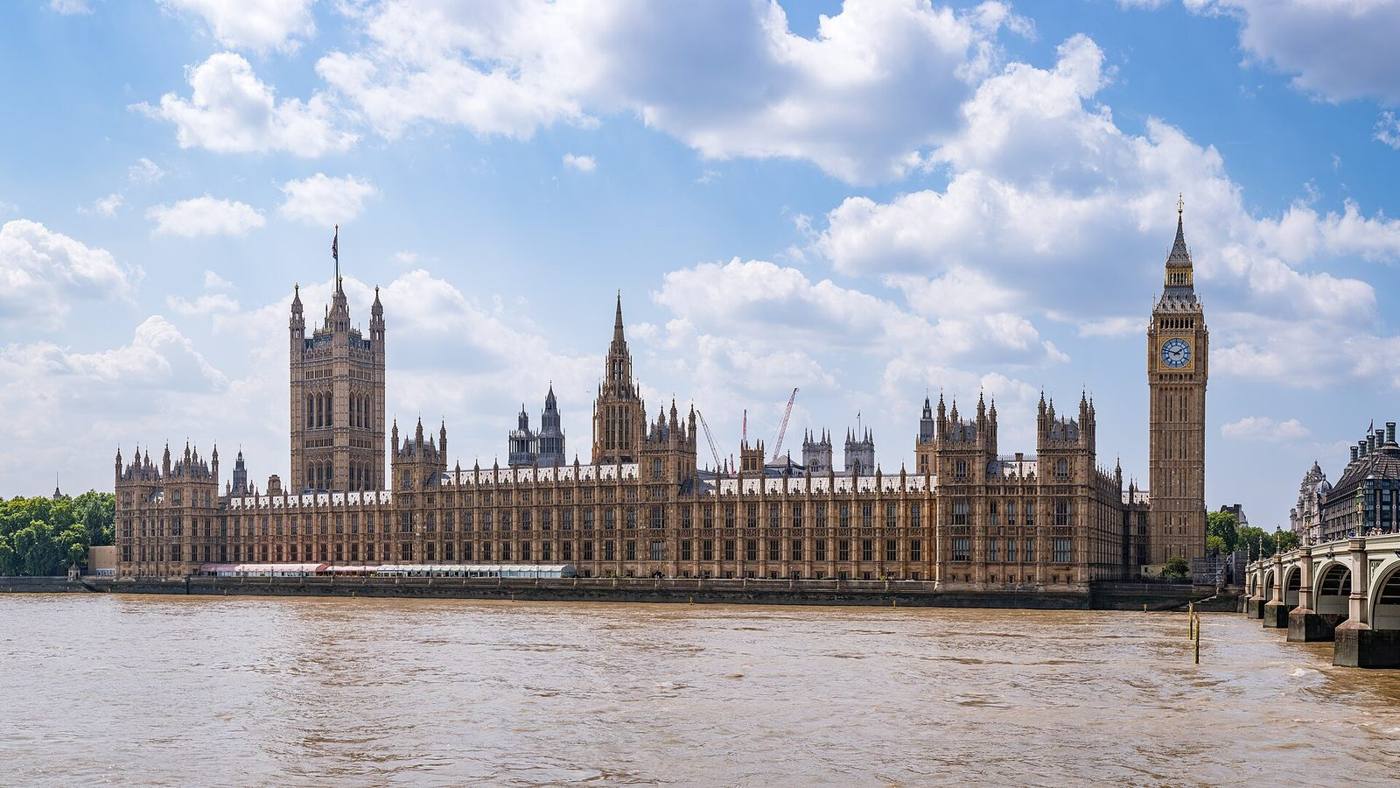
Westminster and the Tower, the great no-cost museums, Borough and Camden markets, Greenwich by boat and an evening in a West End theatre.
 10 daysEasy
Scotland: Edinburgh, the Highlands and Skye
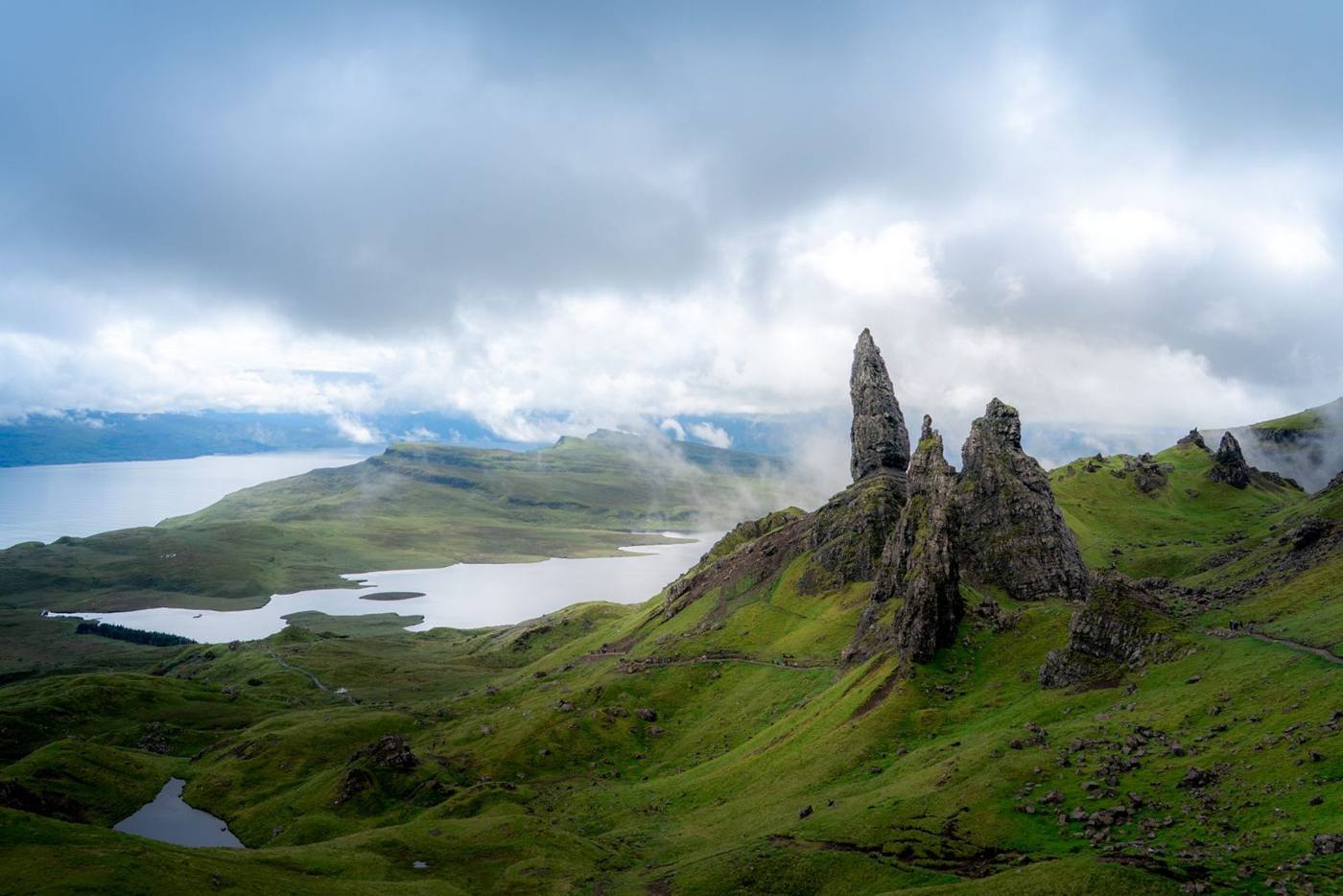
Edinburgh and its castle, Glencoe, Loch Ness, the Isle of Skye with the Old Man of Storr and the Speyside whisky region.
 8 daysEasy
Cornwall and Devon
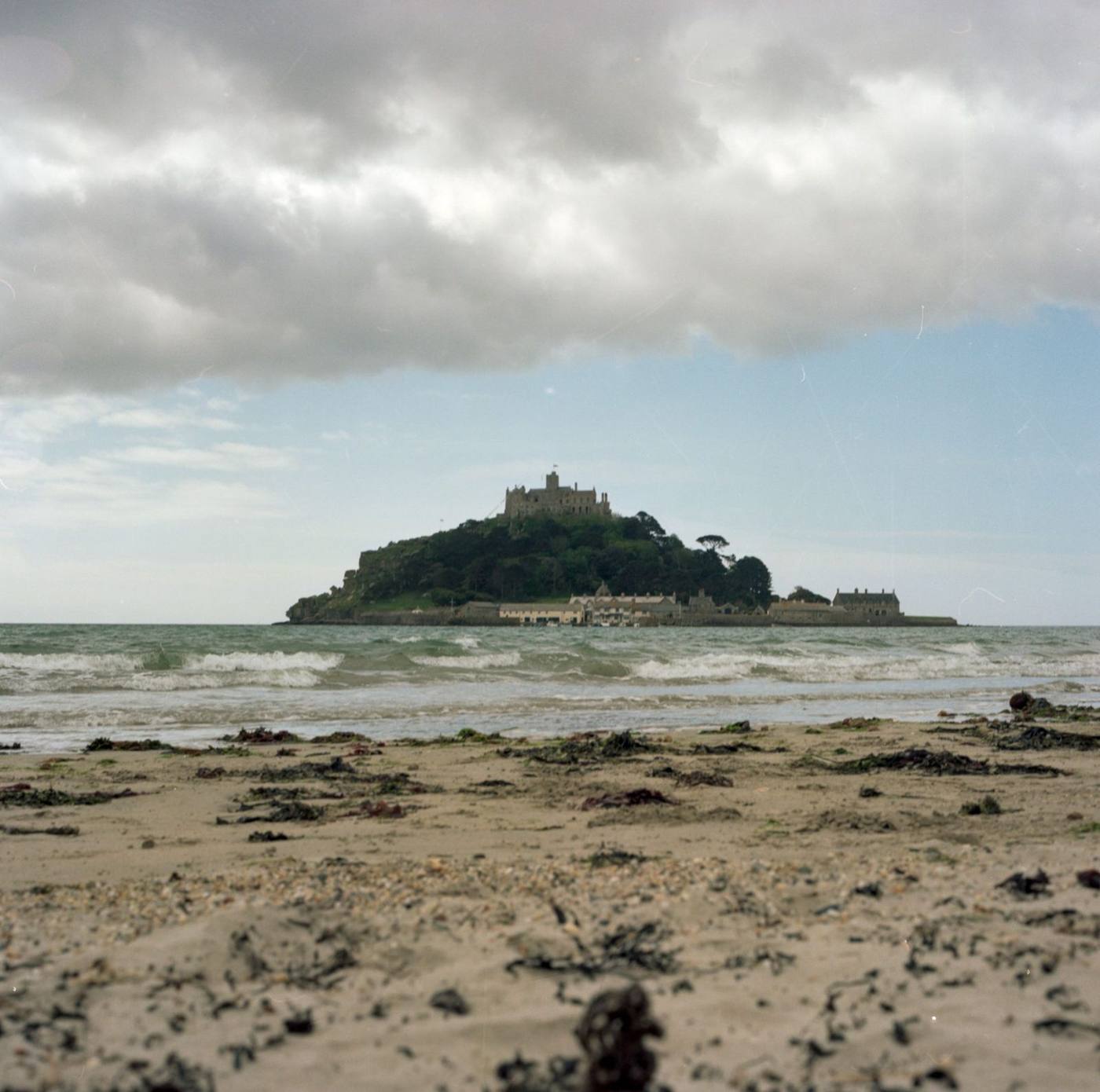
England's south-west: Dartmoor moor, St Ives and the cliffs of Land's End, the Minack Theatre, St Michael's Mount and the fishing villages.